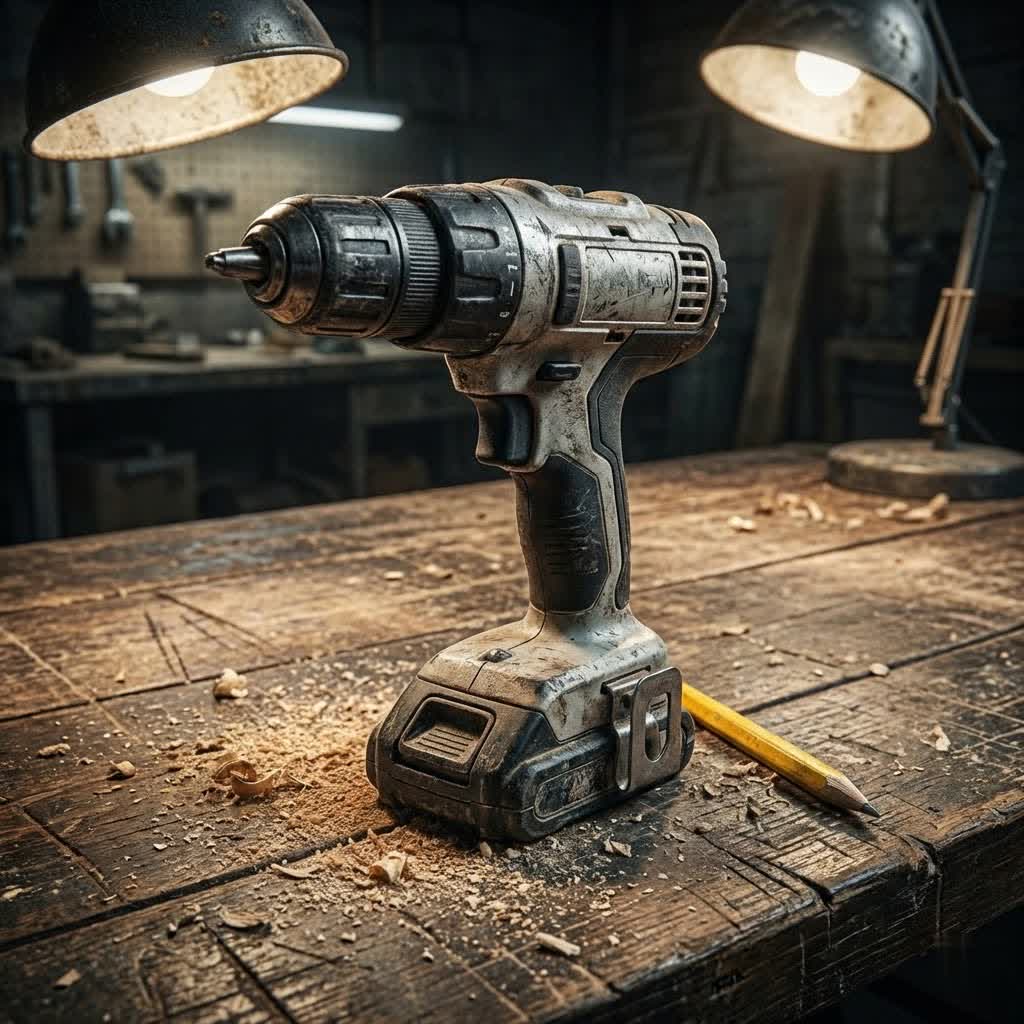
Navigating tight spaces for drilling or driving screws can turn a simple task into a frustrating ordeal. Have you ever found yourself contorting your body, struggling to fit a standard drill into a cramped corner, or facing an impossible angle behind a cabinet? This common challenge is precisely where the specialized 90-degree electric drill, often called a right-angle drill, becomes an indispensable tool. This comprehensive guide will illuminate everything you need to know about these uniquely designed power tools, from their fundamental purpose and diverse types to essential selection criteria and safe usage practices, ensuring you can tackle any confined-space project with confidence and precision.
Overview of 90-Degree Electric Drills
A 90-degree electric drill is a specialized power tool characterized by its chuck, which is set at a right angle (90 degrees) to the main body and motor. This distinctive design allows the user to drill holes or drive fasteners in extremely confined or awkward spaces that are inaccessible to conventional straight-bodied drills. Its primary utility lies in its ability to reach into corners, between joists, inside cabinet frameworks, or behind existing plumbing and electrical installations, making it a favorite among plumbers, electricians, and remodelers.
The concept of angled drilling tools has evolved significantly, driven by the persistent need for compact and versatile solutions in construction and home improvement. Early iterations might have been attachments, but dedicated right-angle drills emerged to provide integrated power and control for demanding tasks. Today, modern 90-degree drills incorporate advanced motor technology, ergonomic designs, and robust construction, transforming previously challenging jobs into manageable ones.
Common applications range from intricate woodworking in furniture assembly to heavy-duty rough-in work in residential and commercial construction. Whether you’re running new electrical wires through wall studs, installing plumbing lines between floor joists, or simply assembling flat-pack furniture with awkward screw positions, a right-angle drill offers the access and leverage you need.
Detailed Classification of 90-Degree Electric Drills
While all 90-degree electric drills share the fundamental right-angle head design, they vary significantly in their power source, size, and intended applications. Understanding these classifications is crucial for choosing the right tool for your specific needs.
Cordless Right-Angle Drills
Cordless right-angle drills operate on rechargeable battery packs, offering unparalleled portability and freedom of movement. They are typically lighter and more maneuverable, making them ideal for tasks where an electrical outlet isn’t readily available or where moving freely without a cord is advantageous.
- Advantages: Exceptional portability, no need for power outlets, excellent for overhead work or remote job sites, typically more compact for extremely tight spaces.
- Disadvantages: Battery life can be a limiting factor (requires extra batteries for prolonged use), generally less powerful than corded counterparts, potential for power fade as the battery drains.
- Suitable Applications: Light to medium-duty drilling and driving, quick fixes, automotive work, cabinet installation, small plumbing/electrical modifications.
- Comparison with Corded: While less powerful, their freedom makes them preferred for quick, precise tasks in varied locations.
|
Our Picks for the Best Electric Drill in 2026
We may earn a commission when you use one of our links to make a purchase.
|
||
| Num | Product | Action |
|---|---|---|
| 1 | FADAKWALT Cordless Drill Set,12V Power Drill Set with Battery and Charger, Electric Driver/Drill Bits, 3/8'' Keyless Chuck,21+1 Torque Setting, 180 inch-lbs, with LED Electric Drill Set (Green) |

|
| 2 | PULITUO'S 20V Cordless Drill/Driver, Electric Screwdriver - 2 Batteries, 30Nm, 21+1 Torque, 2 Speed, Keyless 3/8" Chase Drill with LED Light, Kit for Home (Green) |
|
| 3 | COMOWARE 20V Cordless Drill, Electric Power Drill Set with 1 Battery & Charger, 3/8” Keyless Chuck, 2 Variable Speed, 266 In-lb Torque, 25+1 Position and 34pcs Drill/Driver Bits |
|
| 4 | DEWALT 20V MAX Cordless Drill Driver Set, Electric Drill, Brushless 1/2 In 2 Speed, 2.0 Ah Battery and Charger Included, LED Light (DCD777D1) |
|
| 5 | DEWALT 20V Max Cordless Drill Driver Set, 2 Speed, High Performance Motor, Includes 2 XR 1.3Ah Li-Ion Batteries, Charger and Contractor Bag (DCD771C2) |
|
| 6 | BLACK+DECKER 20V MAX* POWERCONNECT Cordless Drill Driver Kit with Drill Bit Set and Sockets, 100 pc. Tool Kit for Home, Battery and Charger Included ,Orange (BDC120VA100) |
|
| 7 | 20V Cordless Drill, Electric Power Drill Set with Battery Charger and Carrying Case, 3/8” Keyless Chuck, 2 Variable Speed, 18+3 Torque, 72pcs Driver Bits and Belt Hook, Red |
|
| 8 | Hoteche 320W 10mm Torque Drill, 19+1 Torque Settings Corded Electric Drill for Metal (10mm) & Wood (20mm), Yellow, Color Box Packaging |
|
| 9 | Cordless Drill Set, VIWKO 20V Power Drill with Power Pack 2.0Ah and Charger, 3/8-Inch Keyless Chuck Electricdrill, 25+1 Torque, 42pcs Drilldriver Bits/Screws for DIY Projects (Red) |
|
| 10 | AVID POWER 20V MAX Lithium lon Cordless Drill Set, Power Drill Kit with Battery and Charger, 3/8-Inch Keyless Chuck, Variable Speed, 16 Position and 22pcs Drill Bits (Red) |
|
Corded Right-Angle Drills
Corded right-angle drills plug directly into an electrical outlet, providing consistent, sustained power without interruption. These tools are often more robust and capable of handling heavier-duty applications for extended periods.
- Advantages: Consistent and higher power output, no concerns about battery charge, often more durable for continuous professional use, generally better suited for drilling larger diameter holes.
- Disadvantages: Limited by the length of the power cord and proximity to an outlet, less maneuverable in very tight or elevated spaces due to the cord, typically heavier.
- Suitable Applications: Heavy-duty construction, prolonged drilling through tough materials (e.g., multiple layers of wood, metal), large-scale electrical and plumbing rough-ins, workshop use.
- Comparison with Cordless: Offers superior power and endurance for demanding jobs, but sacrifices mobility.
Compact vs. Heavy-Duty Right-Angle Drills
Beyond power source, right-angle drills can also be categorized by their size and power, catering to different levels of work intensity.
- Compact Right-Angle Drills: These are designed with minimal head size and overall length to fit into the most restricted spaces imaginable. They are usually cordless and have sufficient power for driving screws and drilling smaller pilot holes. Their lightweight nature makes them comfortable for extended use in awkward positions.
- Heavy-Duty Right-Angle Drills (e.g., “Hole Hawg” style): Often referred to by the popular “Hole Hawg” moniker (a term popularized by Milwaukee), these are robust, high-torque machines built for drilling large-diameter holes, especially when installing plumbing pipes or electrical conduit through multiple studs and joists. They are available in both corded and high-voltage cordless versions and typically feature more powerful motors, multiple speed settings, and auxiliary handles for better control against kickback.
Comparison Table of 90-Degree Electric Drills
Choosing between different types of 90-degree electric drills often comes down to balancing power, portability, and specific job requirements. This table offers a quick overview of key features across the main variations.
| Feature | Cordless Right-Angle Drill | Corded Right-Angle Drill | Heavy-Duty (Hole Hawg) Right-Angle Drill |
|---|---|---|---|
| Power Source | Rechargeable Battery (12V, 18V, 20V) | AC Outlet (120V) | High-Voltage Battery (18V, 60V) or AC Outlet |
| Power Output | Moderate to Good (suitable for most drilling/driving) | High (consistent for prolonged, demanding tasks) | Very High (designed for large holes, high torque) |
| Portability | Excellent (unrestricted movement) | Limited (tied to outlet, less agile) | Moderate (can be bulky, but cordless models offer freedom) |
| Run Time | Dependent on battery capacity; requires charging/swapping | Continuous | Dependent on battery capacity; powerful but drains faster |
| Best For | General DIY, small projects, tight spaces, remote areas | Professional use, continuous heavy-duty work, workshops | Plumbing/electrical rough-ins, large diameter holes |
| Typical Size | Compact, lightweight | Can be more substantial than compact cordless | Large, heavy, often requires two hands for control |
| Cost | Mid-range to high (including batteries/charger) | Mid-range | High-end (specialized, powerful) |
How to Choose the Right 90-Degree Electric Drill
Selecting the optimal 90-degree electric drill involves a thoughtful assessment of your specific needs, budget, and the features that matter most for your projects.
Determine Your Usage Needs
Before diving into specifications, clarify how you intend to use the drill.
- Primary Purpose: Will you mainly be driving screws, drilling small pilot holes, or boring large holes for pipes and wiring? For simple fastening and small holes, a compact cordless model might suffice. For heavy-duty rough-ins, a powerful corded or high-voltage cordless option is essential.
- Materials to Drill: Are you working with wood, plastic, drywall, metal, or masonry? Different materials require varying levels of power and specific drill bits.
- Frequency of Use: For occasional DIY tasks, a basic model is fine. For daily professional use, invest in a durable, high-performance tool from a reputable brand.
Set Your Budget
Budget plays a significant role in tool selection. More advanced features, higher power, and premium brands generally come with a higher price tag. Determine how much you’re willing to spend and look for the best value within that range. Remember to factor in the cost of batteries and chargers if you’re going cordless.
Key Technical Specifications
Understanding these technical aspects will help you compare models effectively.
- Power (Voltage/Amperage): For cordless drills, higher voltage (e.g., 18V, 20V, 60V) generally means more power. For corded models, higher amperage (e.g., 7A, 10A) indicates greater sustained power.
- Speed (RPM): Measured in rotations per minute, speed impacts drilling efficiency. Many drills offer multiple speed settings, allowing you to match the speed to the task and material. Lower speeds are better for high-torque applications and driving fasteners, while higher speeds are for faster drilling.
- Torque: The rotational force the drill can exert. Higher torque is crucial for driving large fasteners or drilling through dense materials without stalling. Some drills specify torque in inch-pounds (in-lbs).
- Chuck Type and Size: The chuck holds the drill bits. Most right-angle drills feature keyless chucks for easy bit changes. Common sizes are 3/8-inch and 1/2-inch. A 1/2-inch chuck accommodates larger drill bits and typically signifies a more heavy-duty tool.
- Functions (Drill, Driver, Hammer): While primarily designed for drilling and driving, some heavy-duty right-angle drills may incorporate a hammer function for drilling into masonry. Ensure the tool’s functions align with your needs.
Brand Reputation and Reliability
Investing in a reputable brand often guarantees better build quality, performance, and customer support. Brands like DeWalt, Makita, Milwaukee, and Ridgid are widely recognized for their reliable power tools. Read reviews and look for products known for their durability and longevity.
Additional Features
Consider these extra features that can enhance usability and safety.
- LED Light: Illuminates the work area, which is especially useful in dark, confined spaces.
- Variable Speed Control: Allows precise control over drilling/driving speed, preventing damage to materials or fasteners.
- Anti-Vibration: Reduces user fatigue during extended operation.
- Clutch Settings: Prevents over-tightening of screws and protects the motor from binding. Essential for driving fasteners.
- Battery System (for cordless): If you already own other tools from a particular brand, choosing a right-angle drill compatible with your existing battery system can save money and simplify battery management.
- Auxiliary Handles: Many heavy-duty models include adjustable side handles for improved grip and control, especially when dealing with high torque applications.
Tips for Safe Use and Maintenance of 90-Degree Electric Drills
Just like any power tool, proper usage and diligent maintenance are crucial for safety, performance, and extending the lifespan of your 90-degree electric drill.
Correct Usage Guidelines
- Read the Manual: Always start by reading the manufacturer’s instruction manual. It contains specific safety warnings and operating procedures for your model.
- Choose the Right Bit: Use the appropriate drill bit or driver bit for the material and task. Dull or incorrect bits can cause kickback or poor results.
- Secure Your Workpiece: Ensure the material you are working on is clamped or otherwise secured. This prevents the workpiece from moving, which can lead to injury or damage.
- Maintain a Firm Grip: Always hold the drill firmly with both hands if it has an auxiliary handle, especially when drilling large holes or working with high torque, to prevent rotational force from twisting your wrist.
- Apply Steady Pressure: Allow the drill to do the work. Excessive force can overheat the motor, dull the bit, or cause the drill to bind.
- Clear the Area: Ensure your workspace is free of obstructions, especially when using corded models where the cord could get snagged.
- Be Mindful of Kickback: Right-angle drills, especially powerful ones, can experience kickback if the bit binds in the material. Be prepared for this sudden rotational force and maintain control.
Safety Precautions
- Wear Personal Protective Equipment (PPE): Always wear safety glasses to protect your eyes from flying debris. Hearing protection is advisable, especially during prolonged use. Gloves can protect your hands but ensure they don’t get caught in moving parts.
- Disconnect Power: Before changing bits, making adjustments, or performing maintenance, always remove the battery from cordless drills or unplug corded drills.
- Inspect Before Use: Check the drill for any damage, loose parts, or frayed cords (for corded models). Ensure the chuck is securely tightened around the bit.
- Avoid Overreaching: Maintain a balanced stance and avoid overextending your body while operating the drill.
- Work in a Well-Ventilated Area: If drilling through materials that produce dust or fumes, ensure adequate ventilation.
Maintenance Tips
- Clean Regularly: After each use, wipe down the drill to remove dust, debris, and grime. Pay attention to ventilation slots to ensure proper airflow and prevent overheating.
- Check Bits and Chuck: Inspect drill bits for sharpness and damage. Ensure the chuck jaws are clean and free of debris for a secure grip on bits.
- Battery Care (Cordless): Follow manufacturer guidelines for charging and storing batteries. Avoid extreme temperatures.
- Cord Inspection (Corded): Regularly check the power cord for cuts, fraying, or other damage. Replace damaged cords immediately.
- Lubrication: Some drills may require periodic lubrication of gears, as specified in the manual.
- Store Properly: Store your drill in a dry, safe place, preferably in its original case or a dedicated toolbox, away from moisture and extreme temperatures.
“The true value of a 90-degree drill isn’t just its ability to reach where other tools can’t; it’s the confidence it gives you to tackle complex installations efficiently and safely, transforming impossible tasks into routine ones.” – Alex “ReviewsByM” Nguyen, Master Electrician and Tool Reviewer
Conclusion
The 90-degree electric drill is a testament to intelligent tool design, offering an elegant solution to the perennial challenge of working in confined spaces. From delicate assembly tasks to robust plumbing and electrical installations, its unique right-angle head provides unparalleled access and control. By understanding the different types—cordless for mobility, corded for power, and specialized heavy-duty models for demanding applications—and by carefully considering factors like power, speed, torque, and additional features, you can confidently select a tool that perfectly aligns with your project requirements and budget. Moreover, adhering to proper usage and maintenance protocols will not only ensure your safety but also extend the life and optimize the performance of this invaluable addition to your toolkit.
Ready to tackle those hard-to-reach areas with ease and precision? Which tight-space project are you looking forward to conquering with a new 90-degree electric drill?
Frequently Asked Questions
What is the primary advantage of a 90-degree electric drill over a standard drill?
The main advantage is its ability to access extremely tight or awkward spaces where the bulk of a standard drill’s body would prevent proper positioning. The perpendicular chuck allows the bit to reach into narrow gaps and corners, making it ideal for tasks like drilling between joists or inside cabinetry.
Can a 90-degree electric drill be used for general drilling tasks?
While primarily designed for confined spaces, a 90-degree drill can be used for general drilling and driving tasks. However, its ergonomic design might feel less natural for open-space work compared to a traditional pistol-grip drill, and it may sometimes offer less overall power than a full-sized counterpart.
Are there different sizes of 90-degree electric drills?
Yes, they come in various sizes, from compact, lightweight cordless models designed for minimal clearance to larger, heavy-duty corded or high-voltage cordless drills (often called “Hole Hawgs”) built for boring large holes through tough materials in construction rough-ins.
What should I look for in a 90-degree drill’s chuck?
Key features to consider are a keyless chuck for quick bit changes and the chuck size (typically 3/8-inch or 1/2-inch). A 1/2-inch chuck can accommodate larger bits and often indicates a more powerful, heavy-duty tool.
Is a cordless or corded 90-degree drill better?
The “better” choice depends on your needs. Cordless drills offer portability and freedom, perfect for quick tasks and remote sites. Corded drills provide consistent, higher power for prolonged, heavy-duty applications without battery limitations. Consider your primary use case to make the best decision.