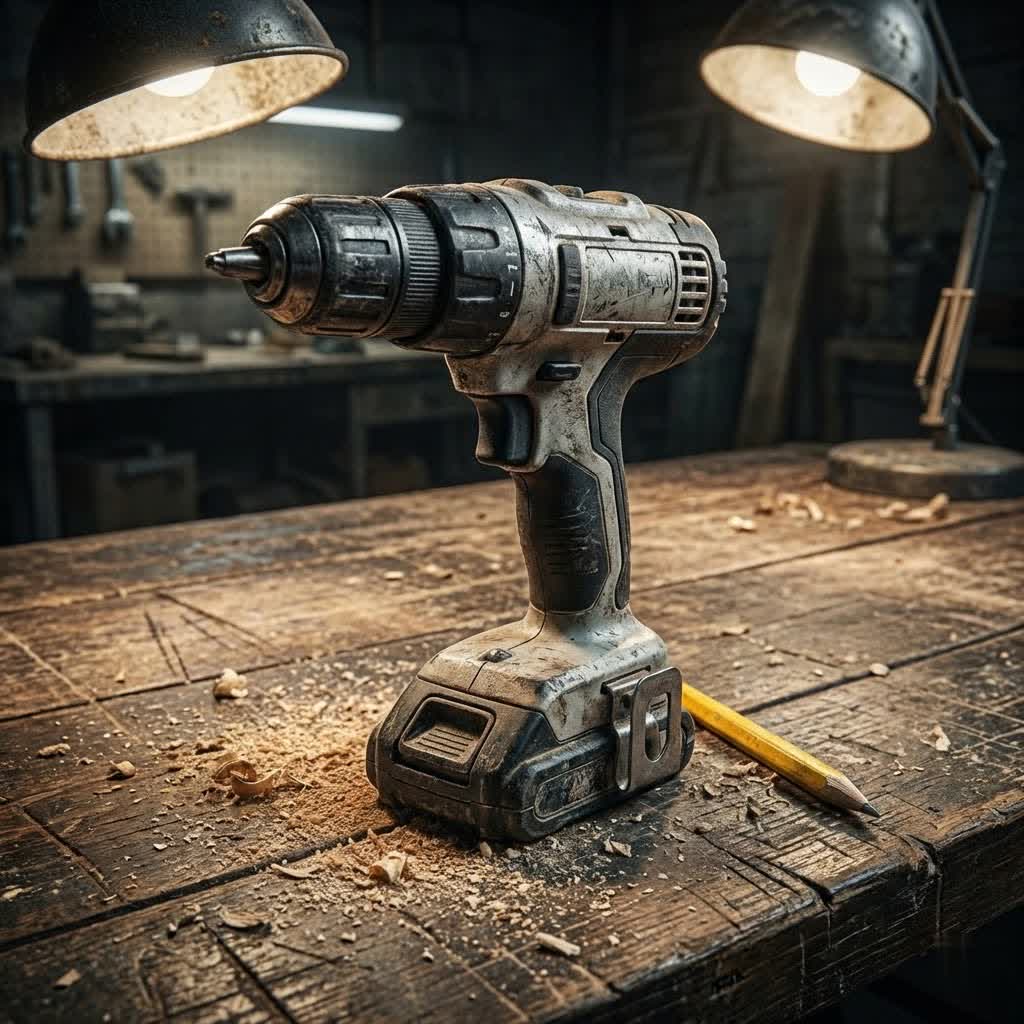
Are you tired of being tethered to an electrical outlet, limiting your reach and flexibility during projects? For professionals and DIY enthusiasts alike, the evolution of the electric drill into its portable, cordless form has revolutionized the way we work, offering unparalleled freedom and efficiency. A portable electric drill, commonly known as a cordless drill, is an indispensable tool, seamlessly blending power with convenience to tackle a vast array of tasks, from simple household repairs to demanding construction jobs.
Overview of Portable Electric Drills
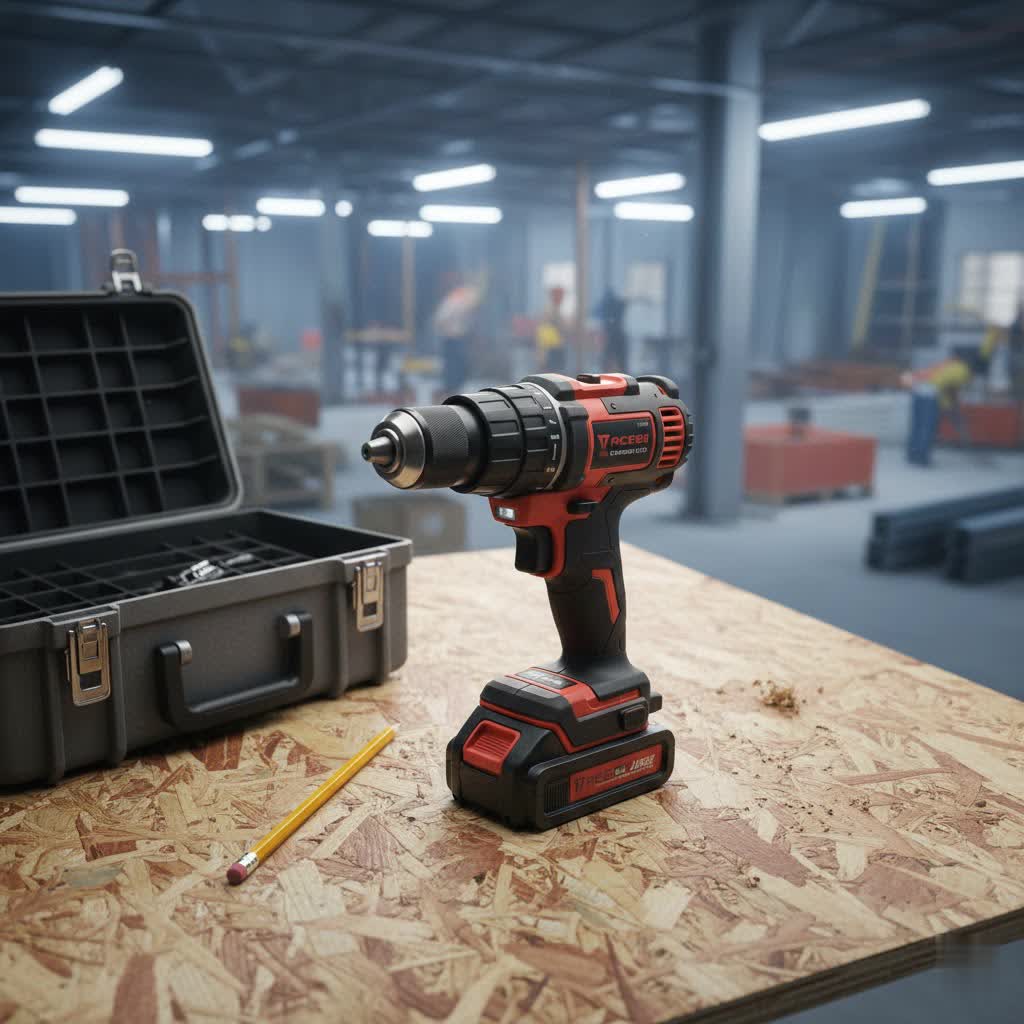
A portable electric drill is a battery-powered device designed for drilling holes and driving fasteners, providing the ultimate in mobility. Unlike their corded counterparts, these drills eliminate the need for an external power source, allowing users to work anywhere, anytime. This freedom of movement is a game-changer, whether you’re working in a remote area on a job site or simply tackling projects around the house without the hassle of extension cords.
The journey of the electric drill from heavy, corded machines to today’s lightweight, high-performance portable models is marked by significant advancements, particularly in battery technology. The widespread adoption of lithium-ion batteries has made modern cordless drills lighter, more powerful, and capable of holding a charge for longer, with faster recharge times. This evolution has made portable electric drills essential tools, empowering users to undertake diverse projects with confidence and ease.
Portable electric drills come in several common types, primarily categorized by their functionality and power output. The two most prevalent types are drill drivers and hammer drills, each designed for specific applications while sharing the core benefit of portability.
Detailed Classification of Portable Electric Drills
Understanding the distinct types of portable electric drills is crucial for selecting the right tool for your specific needs. Each type offers unique advantages tailored to different materials and tasks.
Drill Drivers
Drill drivers are the most common and versatile type of portable electric drill. They are designed for two primary functions: drilling holes into various materials and driving screws.
- Advantages:
- Versatility: Excellent for general-purpose drilling in wood, metal, plastic, and for driving a wide range of fasteners.
- Precision: Many models feature adjustable clutch settings that prevent over-driving screws or stripping screw heads, offering fine control over torque.
- Lightweight and Compact: Often smaller and lighter than hammer drills, making them comfortable for extended use and ideal for tight spaces.
- Disadvantages:
- Limited Masonry Capability: Not designed for drilling into hard materials like concrete, brick, or stone, as they lack a hammering mechanism.
- Less Powerful for Heavy-Duty Driving: While capable of driving screws, they may struggle with very long or large fasteners in dense materials compared to impact drivers.
- Suitable Applications: Assembling furniture, hanging shelves, installing cabinets, general home repairs, light woodworking projects, and various tasks that require drilling pilot holes or driving screws.
Hammer Drills
Hammer drills are more robust versions of drill drivers, incorporating an additional “hammering” action that makes them suitable for drilling into masonry.
- Advantages:
- Masonry Drilling: The primary benefit is their ability to drill effectively into tough materials like concrete, brick, and stone, thanks to the impacting action that chips away at the material while the bit rotates.
- Versatility: They retain all the functionalities of a standard drill driver, allowing them to switch between drilling, driving, and hammer modes.
- Increased Power: Often feature higher torque and speed settings, making them capable of handling more demanding tasks beyond masonry.
- Disadvantages:
- Heavier and Bulkier: Due to the added hammer mechanism and typically larger motors, they are generally heavier and larger than standard drill drivers, which can be fatiguing during prolonged use or in cramped conditions.
- More Expensive: The additional functionality and robust build usually translate to a higher price point.
- Suitable Applications: Installing anchors in concrete walls, mounting fixtures on brick, drilling through mortar, and other construction or renovation tasks involving hard, abrasive materials. They are also perfectly capable of performing all drill driver tasks.
Comparison Table of Portable Electric Drill Types
| Type | Key Feature | Best For | Typical Voltage Range | Example Max Torque (inch-pounds) | Example Max RPM |
|---|---|---|---|---|---|
| Drill Driver | Rotational drilling and screw driving | General household tasks, woodworking, metal | 12V, 18V, 20V | 250 – 800 | 1,300 – 1,800 |
| Hammer Drill | Rotational drilling with axial hammering | Masonry, concrete, heavy-duty drilling | 18V, 20V, 24V, 40V | 500 – 1,400+ | 1,500 – 2,500+ |
Guide to Choosing the Right Portable Electric Drill
Selecting the ideal portable electric drill involves a careful evaluation of your project needs, budget, and the specific features that will enhance your efficiency and safety.
Determine Usage Needs
Before diving into specifications, consider how you intend to use the drill:
- Purpose: Are you mainly assembling furniture, hanging pictures, or undertaking more intensive tasks like deck building or concrete drilling?
- Materials: What materials will you be working with most often (wood, drywall, metal, plastic, or masonry)?
- Frequency: Will you use the drill occasionally for DIY projects or frequently for professional work? Lighter, less powerful drills might suffice for infrequent, light-duty tasks, while professionals or serious DIYers will benefit from more robust models.
Budget
Portable electric drills vary significantly in price. You can find quality options starting from under $100 for basic models, while premium, heavy-duty kits from top brands can cost $200 or more, often including multiple batteries, a charger, and a carrying case. Establishing a budget early helps narrow down choices, but remember that investing in a higher-quality tool can often save money in the long run through durability and performance.
Important Technical Specifications
Understanding the key technical specs will help you differentiate between models and make an informed decision.
- Voltage and Amp Hours (Ah):
- Voltage (V): Directly correlates with the drill’s power. Common ranges include 12V (lighter tasks, compact), 18V/20V (most common, versatile for moderate to heavy tasks), and 24V/40V (heavy-duty applications requiring maximum power).
- Amp Hours (Ah): Indicates the battery’s capacity and run time. A higher Ah rating means longer operation between charges. For light use, 1.5-2.0 Ah batteries are often sufficient, while 4.0 Ah or higher are better for sustained, demanding work.
- Speed (RPM) and Torque (inch-pounds):
- Speed (Revolutions Per Minute – RPM): Dictates how fast the drill bit spins. Higher RPMs are good for fast drilling in softer materials, while lower RPMs provide more torque. Many drills offer variable speed triggers and multiple speed settings (e.g., low and high gear) for optimal control across different tasks and materials.
- Torque: The twisting force a drill generates, measured in inch-pounds (in-lbs). Higher torque is essential for driving larger fasteners or drilling into dense materials. Adjustable clutch settings allow you to control torque, preventing damage to fasteners or materials.
- Chuck Size: The chuck holds the drill bit. Common sizes are 1/4-inch (for light-duty driver-drills), 3/8-inch (sufficient for most DIY tasks), and 1/2-inch (for heavy-duty drilling and larger bits). A keyless chuck allows for quick and easy bit changes without additional tools.
- Motor Type (Brushed vs. Brushless):
- Brushed Motors: Traditional, more affordable, but less efficient, generate more heat, and require brush replacement over time.
- Brushless Motors: More advanced, offer greater efficiency, longer battery life, more power, less heat generation, and require less maintenance. While more expensive upfront, they are often preferred for frequent or professional use due to their superior performance and longevity.
- Ergonomics and Weight: A comfortable grip and balanced weight are vital, especially for prolonged use or when working in awkward positions (e.g., overhead or in tight spaces). Lighter, more compact drills (often 12V models) excel in maneuverability.
Brand and Reliability
Reputable brands often guarantee better quality, durability, and customer support. Top brands frequently reviewed and recommended include DeWalt, Milwaukee, Makita, Bosch, Skil, and Ryobi. Consider a brand with an ecosystem of compatible tools if you plan to expand your cordless tool collection.
Additional Features
- LED Work Light: Illuminates the work area, especially useful in dimly lit spaces. Some advanced lights offer adjustable positions and extended illumination.
- Belt Clip: Allows for easy portability on a job site, keeping the tool within reach.
- Anti-Rotation/Autostop: A safety feature found in higher-torque drills that automatically shuts off the motor if the bit binds, preventing wrist injuries.
- Multi-Attachments (5-in-1 drills): Some compact 12V drills come with interchangeable heads (e.g., right-angle, offset) for enhanced versatility in tight or oddly shaped spaces.
Tips for Safe Use and Maintenance of Portable Electric Drills
To ensure your portable electric drill performs optimally and lasts for years, proper usage and maintenance are key.
Safe Usage Guidelines
- Always Wear Safety Gear: Eye protection is paramount. Gloves and hearing protection are also recommended, especially for prolonged use or with hammer drills.
- Use the Correct Bit: Match the drill bit to the material and task. Using the wrong bit can damage the material, the bit, or the drill itself.
- Secure Your Workpiece: Always clamp or secure the material you’re drilling into to prevent it from spinning or shifting, which can cause injury or an inaccurate hole.
- Maintain a Firm Grip: Hold the drill firmly with both hands if necessary, especially with higher torque models or hammer drills, to maintain control.
- Start Slowly: Use a lower speed setting to start drilling or driving, gradually increasing speed as needed. This provides better control and prevents bits from wandering.
- Be Aware of Kickback: If a drill bit jams, the drill body can unexpectedly twist (kickback). High-power drills often have anti-rotation features to mitigate this risk.
- Remove Battery When Changing Bits or Storing: Always remove the battery pack when changing bits, performing maintenance, or when the drill is not in use to prevent accidental activation.
Maintenance and Storage
- Clean Regularly: Wipe down the drill’s exterior with a damp cloth and mild soap after use. Regularly blow out dust and debris from the ventilation holes with compressed air to prevent motor overheating. Never use chemical solvents.
- Proper Battery Care:
- Store batteries in a cool, dry place away from extreme temperatures and direct sunlight.
- Avoid storing batteries with loose metal objects that could short the terminals.
- For long-term storage, charge lithium-ion batteries to about 50-70% capacity, unless the manufacturer specifies a full charge.
- Store in a Case: Keep your drill and its accessories in a dedicated carrying case or toolbox to protect them from damage and keep everything organized.
“A well-maintained cordless drill is not just a tool; it’s a reliable partner for countless projects. Treat it with care, and it will serve you faithfully for years.” – ReviewsByM Admin, Electric Drill Specialist.
Conclusion
Portable electric drills, or cordless drills, stand as a cornerstone in any modern toolbox, offering an unmatched combination of freedom, power, and versatility. From effortlessly handling everyday household fixes to powering through demanding professional construction tasks, choosing the right model ensures efficiency and precision. By understanding the different types, crucial specifications like voltage, torque, and chuck size, and adhering to best practices for use and maintenance, you can confidently select a portable electric drill that perfectly aligns with your project requirements and empowers you to achieve exceptional results.
What demanding project will you tackle next with the freedom of a portable electric drill?