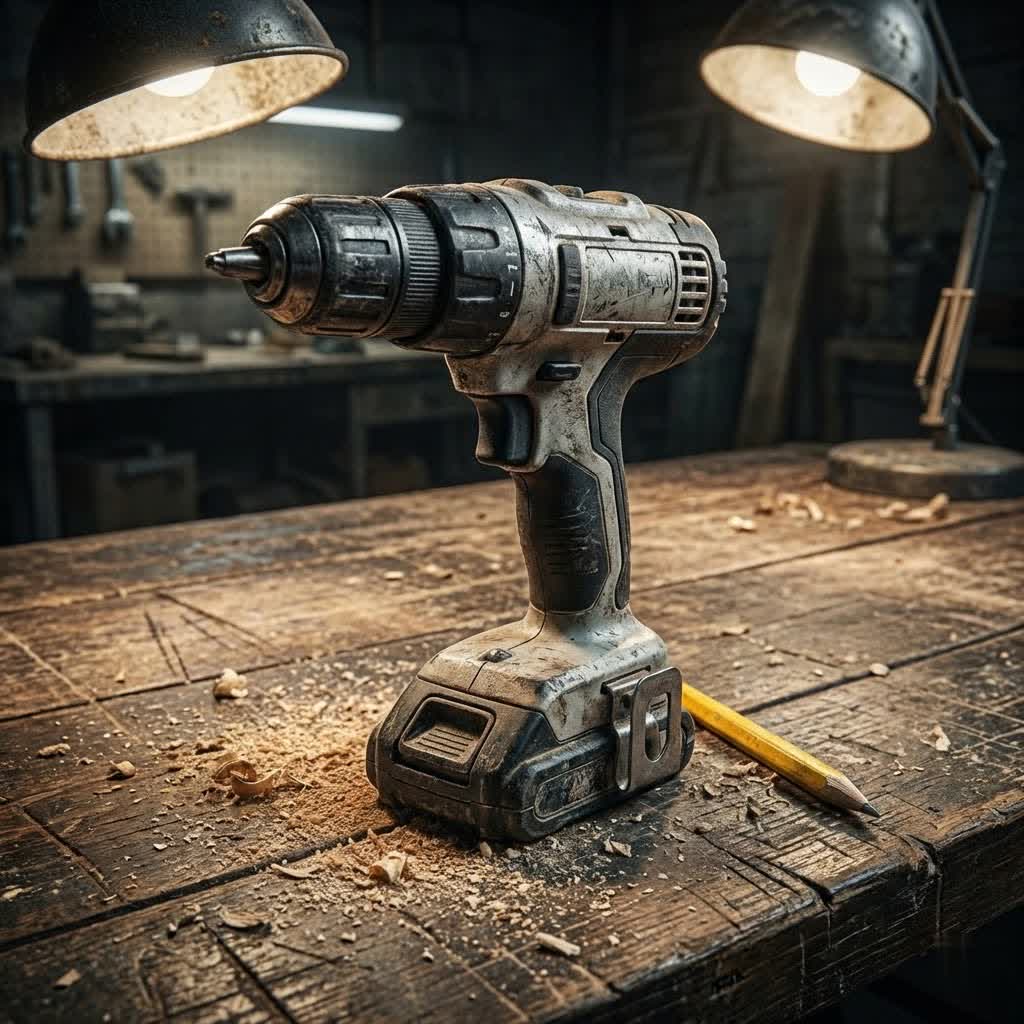
Have you ever found yourself wrestling with a bulky drill for a delicate task, or needing to make a precise hole in a tight corner? Electric Small Drills, often overlooked in favor of their larger counterparts, are the unsung heroes of precision, portability, and convenience for countless projects. These compact powerhouses are engineered to handle intricate work, from crafting and electronics repair to assembling furniture and tackling quick household fixes, transforming challenging tasks into effortless endeavors.

An Introduction to Electric Small Drills
Electric small drills, also known as mini drills or compact drills, represent a specialized category of power tools designed for enhanced maneuverability and precision. Unlike heavy-duty construction drills, these tools prioritize a lightweight form factor and ergonomic design, making them ideal for tasks that demand a delicate touch or access to confined spaces. Their primary advantage lies in their ability to deliver controlled power for a variety of materials without the fatigue associated with larger equipment.
The evolution of electric drills has seen a significant shift towards miniaturization, driven by advancements in battery technology and motor efficiency. Early electric drills were predominantly corded and cumbersome, but modern innovations have led to highly efficient, cordless models that offer remarkable power-to-weight ratios. This progression has made sophisticated drilling and driving capabilities accessible to DIY enthusiasts, hobbyists, and professionals alike, providing the perfect tool for intricate projects where traditional drills prove unwieldy.
Understanding the Different Types of Electric Small Drills
When diving into the world of electric small drills, it’s crucial to understand that “small” doesn’t mean “limited.” Instead, it signifies a focused design for specific applications. While larger drills cover a broad spectrum, small electric drills typically fall into categories optimized for precision, versatility, or light-duty impact.
Compact Drill/Drivers
Bảng trống.Compact drill/drivers are perhaps the most common and versatile type of small electric drill. These tools are designed to efficiently both drill holes and drive screws, making them indispensable for general household repairs, furniture assembly, and basic woodworking. They typically feature a pistol-grip design, variable speed controls, and a clutch that allows for torque adjustment, preventing over-driving screws or stripping screw heads. Many are cordless, powered by rechargeable lithium-ion batteries (e.g., 12V or compact 18V systems), offering excellent portability and ease of use for tasks around the home or workshop.
Mini Rotary Tools
Mini rotary tools, often exemplified by brands like Dremel, are the epitome of precision in the small drill category. These handheld devices are not just for drilling; they are multi-functional powerhouses capable of grinding, sanding, polishing, engraving, cutting, and light drilling. Their high RPM (rotations per minute) ranges, often from 5,000 to 35,000 RPM, enable fine, detailed work on a wide array of materials such as wood, plastic, soft metals, and even ceramics. Mini rotary tools come with an extensive assortment of interchangeable bits and accessories, making them essential for crafters, model makers, and those performing intricate repairs on electronics or jewelry.
Compact Drills with Hammer Function
While full-sized hammer drills are heavy-duty machines for concrete and masonry, some compact electric drills incorporate a “hammer function” for light-duty applications. These drills offer a rotational drilling action combined with a rapid, percussive impact, enabling them to bore into harder materials like brick, mortar, or light concrete blocks. The hammer function can usually be switched on or off, allowing the tool to operate as a standard drill/driver for wood and metal. This type of small drill provides an added layer of versatility for homeowners who occasionally encounter masonry tasks without needing a dedicated heavy-duty hammer drill.
Comparing Electric Small Drills
Choosing the ideal electric small drill depends heavily on your specific needs. The following table provides a concise comparison to help you differentiate between the main types:
| Feature/Type | Compact Drill/Driver | Mini Rotary Tool | Compact Drill (with Hammer Function) |
|---|---|---|---|
| Primary Use | Drilling holes, driving screws | Precision crafting, grinding, engraving, light drilling | Drilling into wood, metal, light masonry |
| Power Source | Cordless (12V-18V Li-ion) or Corded | Cordless (small Li-ion) or Corded | Cordless (12V-18V Li-ion) or Corded |
| Typical RPM Range | 0-1500 RPM (variable) | 5,000-35,000 RPM (multi-speed) | 0-1500 RPM (drilling), with hammer action |
| Chuck Size | 3/8-inch, 1/2-inch | Very small (collets for tiny bits) | 3/8-inch, 1/2-inch |
| Key Features | Torque settings, variable speed, forward/reverse | High speed, extensive accessories, precision control | Dual mode (drill/hammer), variable speed, torque |
| Best For | Home repairs, furniture, DIY projects | Hobbyists, jewelers, model makers, electronics | DIYers needing occasional light masonry work |
| Materials | Wood, plastic, metal, drywall | Wood, plastic, soft metals, glass, ceramics | Wood, metal, brick, mortar, light concrete |
Overall, if your tasks mainly involve driving screws and drilling through common household materials, a compact drill/driver is likely your best bet. For intricate detail work, a mini rotary tool is unmatched. If you anticipate occasional drilling into masonry alongside general tasks, a compact drill with a hammer function offers a practical compromise.
How to Choose the Right Electric Small Drill
Selecting the perfect electric small drill can significantly impact the success and enjoyment of your projects. Consider these factors to make an informed decision:
Defining Your Project Needs
Before anything else, identify what you’ll primarily use the drill for. Are you a crafter needing to engrave delicate materials? A homeowner assembling flat-pack furniture? Or a DIYer tackling picture hanging and minor repairs? Your main purpose dictates the type of small drill you need. Consider the materials you’ll frequently work with—wood, plastic, soft metals, or light masonry—and the frequency of use. For occasional, light tasks, a basic model might suffice, while more frequent or diverse projects warrant a more robust and feature-rich tool.
Budget Considerations
Electric small drills are available across a wide price spectrum. Entry-level models are often affordable and suitable for very occasional, simple tasks. Mid-range options offer a better balance of features, durability, and power, making them excellent value for most DIYers. Premium drills, from reputable brands, typically boast superior build quality, advanced features like brushless motors, and longer battery life, justified for serious hobbyists or professionals. Investing slightly more upfront for a quality tool often saves money and frustration in the long run.
Key Technical Specifications
Understanding a few core specifications will help you navigate your options:
- Power: For cordless drills, this is measured in volts (V). 12V drills are great for light tasks and tight spaces, offering a good balance of power and compact size. Some compact 18V or 20V “max” models provide more robust performance for demanding jobs.
- Speed (RPM) and Variable Speed Control: The revolutions per minute (RPM) indicate how fast the drill bit spins. Variable speed control is crucial, allowing you to match the speed to the material and task. Lower speeds offer more torque for driving screws, while higher speeds are better for drilling through softer materials. Mini rotary tools often have very high RPMs for precision work.
- Torque Settings: Measured in inch-pounds or foot-pounds, torque is the rotational force. An adjustable clutch with multiple torque settings is vital for preventing overtightening and stripping screws, especially in compact drill/drivers.
- Chuck Size and Type: The chuck holds the drill bit. Small drills commonly feature 1/4-inch or 3/8-inch keyless chucks, which allow for quick and tool-free bit changes. A 1/4-inch chuck is often found on lighter-duty screwdriver drills, while a 3/8-inch chuck offers more versatility for various drill bits.
- Corded vs. Cordless: Cordless drills offer unparalleled mobility and are powered by rechargeable batteries, typically lithium-ion (Li-ion) for longer life and faster charging. Corded models provide consistent, continuous power without battery concerns, though they sacrifice portability. For small electric drills, cordless is often preferred for its convenience.
Brands and Reliability
Choosing a reputable brand can provide peace of mind regarding quality, durability, and customer support. Brands like Dremel, Bosch, DeWalt, Milwaukee, and Skil are well-regarded for producing reliable power tools, including compact and mini drills. Researching user reviews and understanding warranty offerings can further guide your decision. A trusted brand often means better longevity and readily available accessories.
Essential Additional Features
Look for features that enhance usability and safety:
- LED Work Light: Illuminates the workpiece, especially useful in dimly lit areas or tight spaces.
- Ergonomic Design & Weight: A lightweight, well-balanced drill with a comfortable grip reduces hand fatigue during extended use and improves control for precise tasks.
- Accessory Compatibility: For mini rotary tools, a wide range of compatible accessories expands the tool’s versatility. For drill/drivers, consider models with readily available bits and attachments.
Safe Usage and Maintenance Tips for Your Electric Small Drill
Even small electric drills demand respect and proper care to ensure safety and extend their lifespan. Following these guidelines will keep your tool in top condition:
1. Prioritize Safety First:
- Always wear appropriate personal protective equipment (PPE), including safety glasses, to protect your eyes from debris.
- Secure your workpiece firmly with clamps or a vise to prevent it from shifting during operation, which can lead to injury or inaccurate drilling.
- Keep your work area clean and well-lit to minimize hazards.
2. Master Proper Usage Techniques:
- Select the correct drill bit for the material you are working with. Using the wrong bit can damage the tool or the workpiece.
- Start drilling at a low speed and gradually increase it as needed, especially when beginning a hole or working with delicate materials. This provides better control and reduces the risk of the bit “walking.”
- Apply steady, even pressure. Forcing the drill can cause overheating, damage the motor, or break drill bits.
- Utilize the drill’s variable speed and torque settings to match the demands of the task.
3. Regular Cleaning is Key:
- After each use, clean your drill to remove dust, debris, and grime. A clean cloth is usually sufficient for the exterior.
- Use compressed air to clear sawdust and fine particles from vents, the chuck, and any moving parts. Accumulated debris can lead to overheating and mechanical issues.
- Pay special attention to the spindle area; keeping it clean will prolong the drill’s life, especially when working with concrete or stone dust.
4. Lubrication (When Applicable):
- Consult your drill’s owner’s manual to determine if any parts require lubrication. Some modern drills are sealed and do not need additional oiling. If lubrication is recommended, use a light machine oil sparingly on designated moving parts to ensure smooth operation and prevent wear.
5. Smart Storage Practices:
- Store your electric small drill in a cool, dry place, away from direct sunlight, extreme temperatures, and moisture. Humidity can lead to rust on metal components and damage electronic parts.
- Ideally, use the carrying case that came with your drill or a dedicated toolbox to protect it from impacts and dust.
- For cordless drills, remove the battery after each project to prevent unnecessary power drain and extend overall battery life.
6. Battery Care for Cordless Models:
- Follow the manufacturer’s instructions for charging your lithium-ion batteries. Avoid habitually overcharging or letting the battery completely drain to zero capacity, as this can degrade battery performance and shorten its lifespan.
- If you have multiple batteries, rotate their use and charging cycles.
7. Maintain Your Bits and Accessories:
- A drill is only as effective as its bit. Regularly inspect drill bits and other accessories for sharpness and damage. Dull or bent bits can strain the drill’s motor, produce poor results, and pose a safety risk.
- Replace worn or damaged bits promptly and keep them clean and organized.
“A well-maintained small electric drill isn’t just a tool; it’s a reliable partner that enhances your craftsmanship and efficiency on every project.”
Conclusion
Electric small drills, whether compact drill/drivers, versatile mini rotary tools, or those with a light hammer function, are indispensable for anyone tackling precise work, intricate projects, or general household tasks. Their unique blend of portability, power, and control allows you to achieve professional-grade results without the bulk of larger equipment. By understanding the different types, carefully considering your needs, focusing on key specifications, and committing to regular maintenance, you empower yourself with a tool that is not only efficient and reliable but also a pleasure to use. Choosing the right electric small drill means investing in precision, convenience, and countless successful projects.
What small project are you eager to tackle with the perfect electric small drill in hand?
Câu Hỏi Thường Gặp
What is the primary difference between a mini rotary tool and a compact drill/driver?
A mini rotary tool is designed for high-speed, intricate tasks like grinding, sanding, and engraving, often with a vast array of small accessories and higher RPMs. In contrast, a compact drill/driver is primarily for drilling holes and driving screws, offering more torque at lower speeds and typically accommodating larger drill bits for general construction or repair.
Can a small electric drill be used for drilling into concrete?
Only specific compact electric drills equipped with a hammer function can handle light-duty concrete or masonry work. These drills combine rotational and percussive action. For heavy-duty concrete drilling, a dedicated hammer drill or rotary hammer drill is required, as small drills with a hammer function are not designed for extensive, tough materials.
How important is a brushless motor in a small cordless drill?
A brushless motor is highly beneficial for small cordless drills as it offers greater efficiency, resulting in longer battery life and more power output compared to brushed motors. They also tend to be lighter, quieter, and more durable, making them an excellent investment for frequent use and demanding tasks, though they come at a higher cost.
What chuck size is best for a versatile household electric small drill?
A 3/8-inch keyless chuck is generally considered the most versatile for a household electric small drill. It can securely hold a wide range of common drill bit sizes suitable for various materials and tasks, from small pilot holes to larger drilling and driving screws, offering a good balance between capacity and compactness.
How often should I clean and maintain my electric small drill?
It is recommended to perform basic cleaning after each use to remove dust and debris. More thorough maintenance, such as checking for wear, lubricating specific parts (if the manual advises), and inspecting bits, should be done periodically based on usage frequency. Regular care significantly extends the tool’s lifespan and ensures optimal performance.