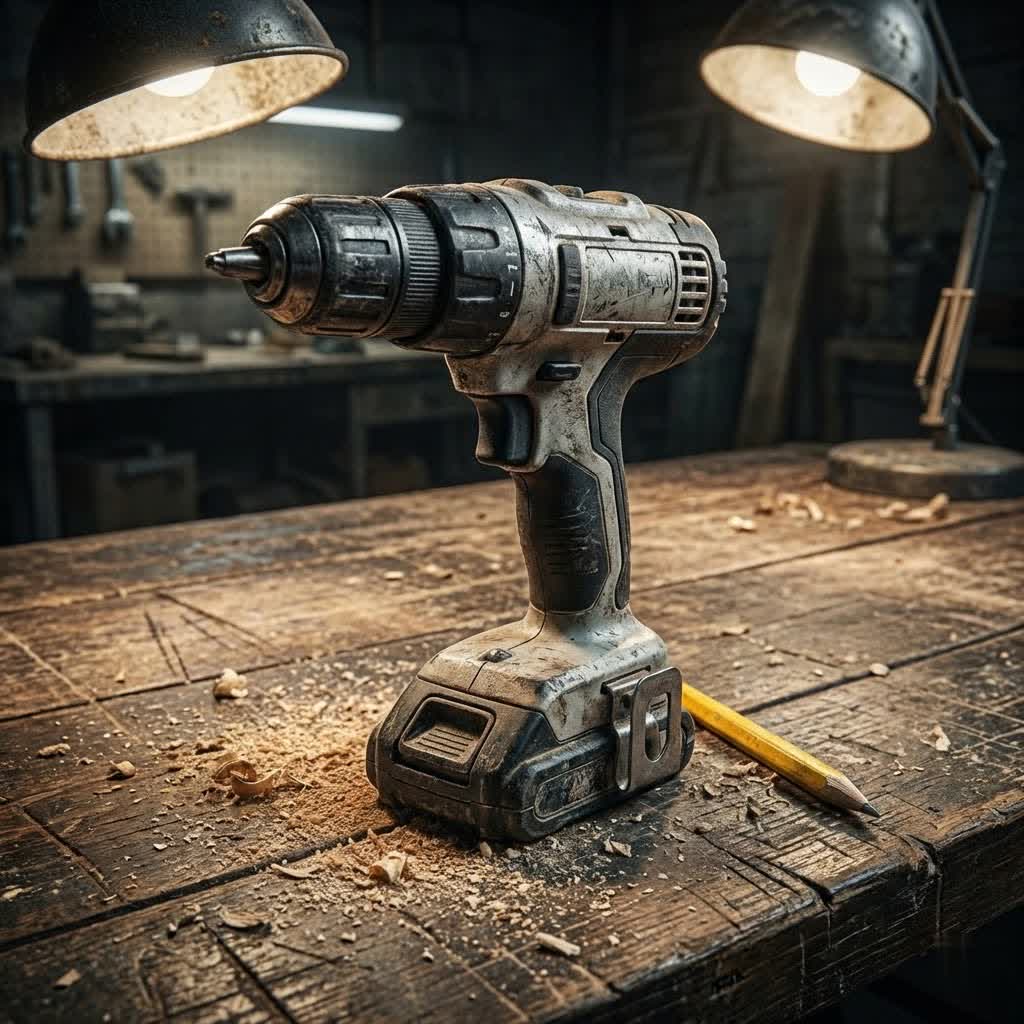
The world of electric drills is vast and ever-evolving, filled with high-tech marvels boasting brushless motors and smart features. Yet, for many home improvement enthusiasts and weekend warriors, a specific line of tools continues to hold a unique appeal: the Chicago Electric 18 Volt Drill. Often recognized for its presence in Harbor Freight stores, this cordless drill platform has carved out a niche as an accessible, budget-friendly option for tackling a wide array of household tasks and light projects. If you’re looking for a dependable workhorse without breaking the bank, understanding the capabilities and nuances of a Chicago Electric 18 Volt drill is key to making an informed decision for your toolkit.
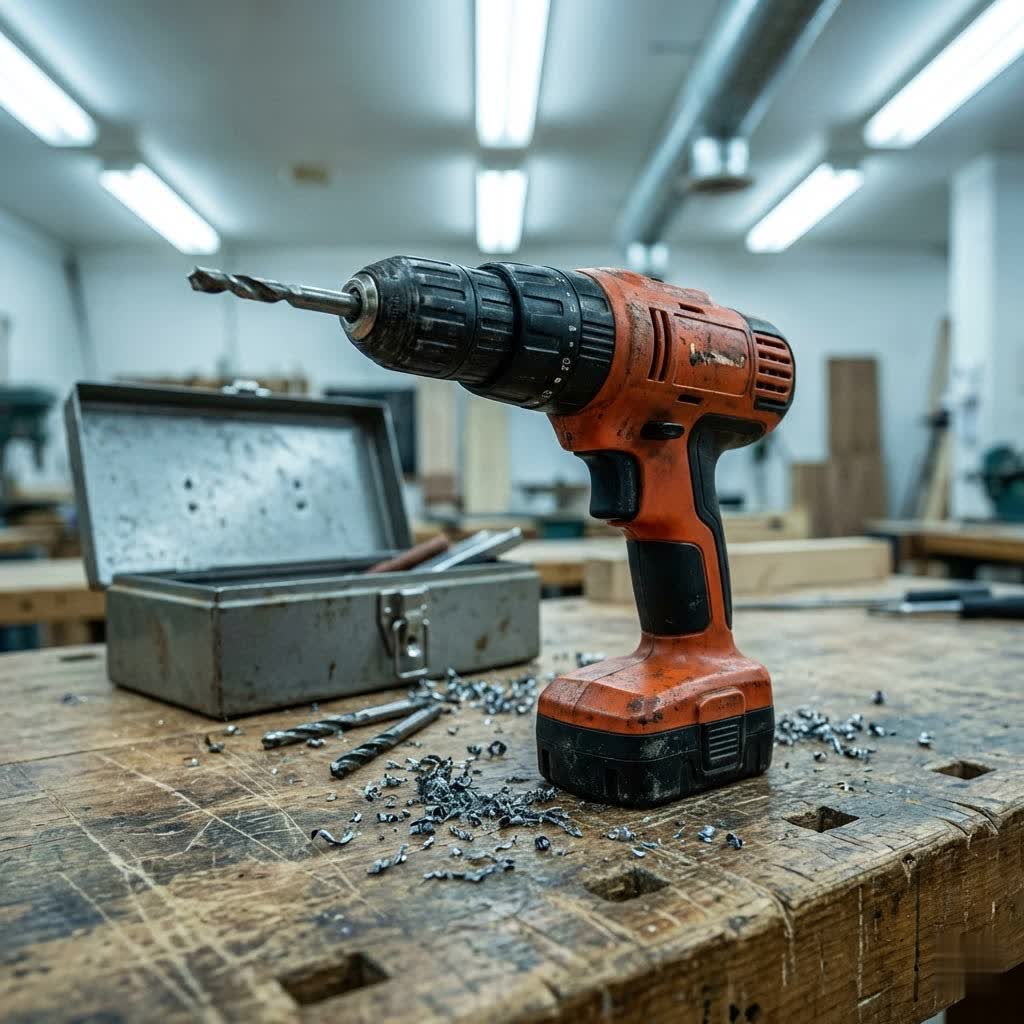
This comprehensive guide will explore the Chicago Electric 18 Volt drill ecosystem, delve into its various types, offer a comparative overview, provide essential buying advice, and share practical tips for safe use and maintenance. Whether you’re assembling furniture, hanging shelves, or undertaking minor repairs, this article aims to equip you with the knowledge to harness the full potential of your Chicago Electric 18 Volt drill.
Understanding the Chicago Electric 18 Volt Drill Ecosystem
At its core, an electric drill is a versatile power tool designed primarily for drilling holes and driving fasteners. The Chicago Electric 18 Volt drill, specifically, represents a line of cordless tools that have long been a go-to for DIYers seeking functionality and affordability. These drills offer the freedom of cordless operation, powered by an 18-volt battery system, making them highly portable for tasks around the house or garage without the constraint of power outlets.
The journey of cordless drills has seen significant advancements, from early cumbersome designs to today’s compact, powerful lithium-ion models. Chicago Electric 18 Volt drills typically hail from an era dominated by Nickel-Cadmium (Ni-Cd) battery technology. While newer drills often feature Lithium-Ion (Li-ion) batteries, Ni-Cd offered a robust and cost-effective solution for cordless power, contributing to the Chicago Electric line’s affordability. This brand has historically provided an entry point into cordless power tools, enabling countless individuals to tackle projects they might otherwise have deferred.
Key features commonly found across the Chicago Electric 18 Volt range often include a 1/2-inch keyless chuck for quick bit changes, variable speed controls for adaptability across different materials, and an electric brake for enhanced safety and control. Many models also feature an integrated LED work light to illuminate dimly lit workspaces and an adjustable torque clutch, allowing users to select the right amount of fastening power to prevent over-driving screws or damaging work surfaces.
Diving Deeper: Types of Chicago Electric 18 Volt Drills
While the term “electric drill” can refer broadly, the Chicago Electric 18 Volt line encompasses several variations designed for specific tasks. Understanding these types will help you determine which model best suits your project needs.
Chicago Electric 18V Drill/Driver
The drill/driver is the most common and versatile type within the Chicago Electric 18 Volt lineup. It excels at both drilling holes and driving screws, making it indispensable for general home repairs and assembly tasks.
- Advantages and Disadvantages: Its primary advantages are its affordability and versatility for basic to moderately demanding tasks. Users appreciate the adjustable clutch settings, which prevent stripping screws or damaging materials. However, its Ni-Cd battery technology means it might be heavier than newer Li-ion models and could suffer from a “memory effect” if not properly maintained.
- Suitable Applications: This tool is ideal for assembling flat-pack furniture, hanging pictures, installing curtain rods, drilling pilot holes in wood or soft metals, and tightening or loosening various fasteners. It’s a homeowner’s staple for everyday DIY.
- Comparison: While not designed for continuous professional use, the Chicago Electric 18V drill/driver offers comparable functionality to entry-level models from other brands, providing significant value for its price point. It may not match the raw power or advanced features of high-end professional drills, but for typical household duties, it’s more than capable.
Chicago Electric 18V Hammer Drill
Some Chicago Electric 18 Volt models integrate a hammer function, transforming them into more capable tools for drilling into masonry. This feature adds a percussive action to the rotational drilling, allowing the drill bit to chip away at harder materials like brick or concrete.
- Advantages and Disadvantages: The main advantage is its enhanced capability, enabling users to tackle light masonry tasks without needing a separate, specialized tool. For a budget drill, this added functionality is a significant plus. A potential drawback noted in some older models is the lack of overload protection, which means pushing the tool too hard could risk motor damage.
- Suitable Applications: Perfect for drilling small to medium-sized holes in brick, mortar, or concrete for anchors, hanging outdoor decorations, or installing wall-mounted fixtures. It’s also perfectly capable of performing all the functions of a standard drill/driver.
- Comparison: A Chicago Electric 18V hammer drill provides a practical multi-function solution for homeowners. It won’t replace a heavy-duty rotary hammer on a construction site, but for occasional home-based masonry work, it offers sufficient power and impact to get the job done.
Chicago Electric 18V Impact Driver
Distinct from a drill/driver, an impact driver delivers rotational force alongside rapid, powerful concussive blows, making it exceptionally efficient for driving long or stubborn fasteners.
- Advantages and Disadvantages: Impact drivers excel at driving screws quickly and efficiently, significantly reducing wrist strain and preventing cam-out (where the bit slips out of the screw head). The Chicago Electric 18V impact driver offers this powerful performance at a very accessible price point. Like its drill/driver counterpart, it typically utilizes Ni-Cd batteries, which can be heavier and have a shorter run time per charge compared to modern Li-ion alternatives.
- Suitable Applications: Ideal for driving deck screws, lag bolts, self-tapping screws, or any application where high torque and sustained driving power are required. It’s particularly useful when working with dense woods or when fastening multiple long screws.
- Comparison: For a DIYer, a Chicago Electric 18V impact driver offers a compelling balance of performance and cost. While professional-grade impact drivers might offer higher torque figures and advanced motor technology, the Chicago Electric model provides ample power for most home projects, outperforming a standard drill/driver for fastening tasks.
Chicago Electric 18 Volt Drills: A Comparative Overview
To help clarify the differences and typical performance of the Chicago Electric 18 Volt range, here’s a general comparison across common types. Keep in mind that specific specifications may vary by model and year of manufacture.
| Feature | Chicago Electric 18V Drill/Driver | Chicago Electric 18V Hammer Drill | Chicago Electric 18V Impact Driver |
|---|---|---|---|
| Primary Function | Drilling holes, driving screws | Drilling holes, driving screws, light masonry | Driving screws, lag bolts, heavy fastening |
| Battery Type | Ni-Cd (typically) | Ni-Cd (typically) | Ni-Cd (typically) |
| Voltage | 18 Volts | 18 Volts | 18 Volts |
| Chuck Size | 1/2-inch Keyless Chuck (common) | 1/2-inch Keyless Chuck (common) | 1/4-inch Hex Chuck |
| Max Torque | ~125-225 inch-lbs (variable by model) | ~225 inch-lbs (variable by model) | ~280-700 inch-lbs (variable by model) |
| Max RPM | 0-400 / 0-1200 RPM (two-speed) | 0-400 / 0-1200 RPM (two-speed) | 0-2400 RPM (single or variable speed) |
| BPM (Beats Per Minute) | N/A | Up to 15,600 BPM (when in hammer mode) | Up to 3000 IPM (Impacts Per Minute) |
| Key Features | Adjustable clutch, LED light, electric brake | Adjustable clutch, LED light, electric brake | Quick-release hex chuck, LED light, electric brake |
| Applications | Woodworking, general assembly, household repairs | Light concrete/brick drilling, all drill/driver tasks | Deck building, fastening long screws, automotive |
| Target User | Homeowners, DIYers, hobbyists | Homeowners, DIYers, those needing occasional masonry | Homeowners, DIYers, for high-torque fastening |
Analysis: This comparison highlights the Chicago Electric 18 Volt line’s dedication to providing functional tools for the home user. While their torque and speed specifications may not always rival top-tier professional brands, especially those with modern brushless motors and Li-ion batteries, their performance is more than adequate for the vast majority of DIY projects. The key takeaway is the exceptional value they offer, making them an excellent starting point for anyone building a home toolkit.
Guiding Your Purchase: Choosing the Right Chicago Electric 18 Volt Drill (or Similar Budget Option)
Selecting the right drill, even within a specific budget brand like Chicago Electric, requires careful consideration. Your choice should align with your specific project needs, budget, and desired features.
Determine Your Usage Needs
Before anything else, clarify what you intend to do with the drill. Are you primarily assembling furniture, hanging pictures, or drilling into wood? Or do your projects frequently involve driving long screws, working with metal, or even light masonry? For basic tasks, a standard Chicago Electric 18V drill/driver is sufficient. If occasional drilling into brick is on your agenda, a hammer drill version would be beneficial. For heavy-duty fastening, an impact driver is irreplaceable.
Budget Considerations
The Chicago Electric 18 Volt drill line has historically been synonymous with affordability. If your budget is tight, these tools offer excellent bang for your buck, providing essential functionality without the premium price tag. While newer models from other budget brands might offer Li-ion batteries at a slightly higher cost, the Chicago Electric line remains a viable option for those looking to maximize value, especially if purchased as part of a kit.
Important Technical Specifications
- Power (Voltage & Torque): An 18-volt system provides a good balance of power for most DIY tasks. For Chicago Electric drills, torque values typically range from 125 to 225 inch-pounds for drill/drivers and hammer drills, which is suitable for many common applications. Impact drivers will offer significantly higher torque for fastening.
- Speed (RPM): Look for variable speed control and multiple speed settings (e.g., low for driving, high for drilling). This versatility is crucial for working with different materials and bit types.
- Chuck Type and Size: A 1/2-inch keyless chuck is standard on many Chicago Electric 18V drills, allowing for a wide range of drill bits and driver accessories. Keyless chucks make bit changes fast and tool-free.
- Functions: Decide if you need just drilling and driving, or if a hammer function for masonry is also a priority. An impact driver is a separate tool, though often part of the same 18V battery platform.
- Battery Technology: The Chicago Electric 18V drills primarily use Ni-Cd batteries. While durable and capable in colder temperatures, they are heavier, have a “memory effect” (requiring full discharge before recharging), and self-discharge faster than Li-ion. Modern Li-ion batteries are lighter, more powerful, and don’t suffer from memory effect, but come at a higher cost.
Brand Reputation and Reliability
Chicago Electric, as a Harbor Freight house brand, is generally considered an entry-level option. These tools are well-regarded for their affordability and ability to perform for occasional users, hobbyists, and light-duty applications. They are not typically built for the rigors of daily professional use, but with proper care, many users report good longevity. Expect solid, no-frills performance rather than cutting-edge technology.
Additional Features
Consider convenience features such as an LED work light for improved visibility, an ergonomic grip for comfortable handling during extended use, and the type of charger included (a 1-hour quick charger is a welcome addition). If you own other Chicago Electric 18V tools, ensure battery compatibility to expand your cordless system efficiently.
Maximizing Your Chicago Electric 18 Volt Drill: Usage and Maintenance
Proper usage and regular maintenance are crucial for extending the life and performance of any power tool, and your Chicago Electric 18 Volt drill is no exception.
Safe Operation Practices
Always prioritize safety. Wear appropriate personal protective equipment, including safety glasses, and ensure your workpiece is securely clamped. Use the correct drill bit for the material and task at hand, and avoid forcing the drill, allowing the tool to do the work. Be mindful of potential kickback, especially with larger bits or when drilling into tough materials. For Chicago Electric drills lacking overload protection, releasing the trigger immediately if the motor stalls is vital to prevent burnout.
Proper Care and Storage
After each use, clean your drill to remove dust and debris from the motor vents and chuck mechanism. Store your drill in a dry, safe place away from extreme temperatures and moisture. If your drill uses brushed motors, occasionally check the carbon brushes for wear and replace them if necessary (though many budget drills are not easily user-serviceserviceable in this regard).
Optimizing Ni-Cd Battery Life
Since many Chicago Electric 18 Volt drills use Ni-Cd batteries, understanding their care is important. To minimize the “memory effect” and maximize their lifespan:
- Fully Discharge Before Recharging: Whenever possible, use the battery until it’s fully depleted before placing it on the charger.
- Fully Charge Every Time: Always allow the battery to complete its full charge cycle.
- Cool Storage: Store batteries in a cool, dry place.
- Avoid Overcharging/Over-discharging: While full discharge is recommended, leaving a Ni-Cd battery completely dead for extended periods can damage it. Similarly, continuous trickle charging after a full charge can also be detrimental.
Some DIYers have even explored methods to “rejuvenate” seemingly dead Ni-Cd batteries, often involving specialized chargers or techniques to break down internal crystals (dendrites). However, these methods come with risks and are not universally recommended. For reliability, replacing a failing battery is often the most straightforward solution.
Addressing Common Issues
- Drill Not Starting: Check the battery charge, ensure it’s properly inserted, and inspect the power switch. For older corded models (if applicable), check the power cord for damage.
- Bit Wobbling: Ensure the drill bit is properly inserted and tightened in the chuck. A damaged or worn chuck can also cause wobble and may require replacement.
- Overheating: This often indicates the drill is being forced to work too hard. Allow the tool to cool down, ensure motor vents are clear, and use sharper bits or a slower speed. If continuous overheating occurs, it might signal an underlying issue with the motor.
Conclusion
The Chicago Electric 18 Volt drill line has proven its worth as a reliable and economical choice for countless homeowners and DIY enthusiasts. While not always boasting the latest battery technology or the brute force of professional-grade tools, its combination of versatility, user-friendly features, and unparalleled affordability makes it a formidable contender for any home workshop. From basic drilling and driving to more specialized tasks with hammer or impact models, these drills empower you to tackle a wide spectrum of projects with confidence. By understanding its capabilities, maintaining its Ni-Cd batteries correctly, and adhering to safe operating procedures, your Chicago Electric 18 Volt drill can be a valuable partner for years to come. It’s a testament to the idea that you don’t always need to spend a fortune to get the job done right.
What home improvement project will your Chicago Electric 18 Volt drill empower you to tackle next?
Frequently Asked Questions
Is a Chicago Electric 18V drill suitable for professional use?
Generally, a Chicago Electric 18V drill is designed for home users, DIYers, and light-duty tasks, offering excellent value for occasional projects. For the demanding, continuous use of professional contractors, higher-end brands with more robust construction, advanced features, and powerful lithium-ion batteries are typically recommended for their durability and consistent performance.
What type of battery does the Chicago Electric 18V drill primarily use?
Historically, Chicago Electric 18V drills primarily utilized Nickel-Cadmium (Ni-Cd) batteries. While some newer budget tools have transitioned to Lithium-Ion (Li-ion), many existing Chicago Electric 18V models are based on the older Ni-Cd chemistry, known for its robustness and performance in varied temperatures, albeit with considerations for “memory effect.”
Can I use a Lithium-Ion battery with my old Chicago Electric 18V drill?
Typically, no. Older Chicago Electric 18V drills designed for Ni-Cd batteries are not directly compatible with Li-ion batteries due to differences in voltage regulation, battery shape, and charger requirements. While DIY adapters or battery pack conversions exist, they carry risks and are not recommended by manufacturers. It’s best to use the battery type specifically designed for your tool.
Where can I find replacement batteries for my Chicago Electric 18V drill?
Finding original replacement Ni-Cd batteries for older Chicago Electric 18V drills can be challenging as models become obsolete. You may find third-party compatible batteries on online marketplaces like eBay or Amazon. Some specialized battery retailers might also offer rebuilding services for your existing battery packs.
What are common problems with Chicago Electric 18V drills?
Common issues reported by users include diminished battery life or difficulty finding replacement Ni-Cd batteries, the drill sometimes lacking overload protection (potentially leading to motor burnout if continuously stalled), and the plastic chucks on some models not holding bits as securely over time. These are often trade-offs for the tool’s lower price point.
How does the torque of a Chicago Electric 18V drill compare to other brands?
The torque of a Chicago Electric 18V drill, typically around 125-225 inch-pounds for drill/drivers, is generally lower than that of professional-grade 18V or 20V Max drills from premium brands (which often exceed 500-700 inch-pounds). However, for most household drilling and driving tasks, the available torque is more than sufficient, making it a capable tool for the DIY market.