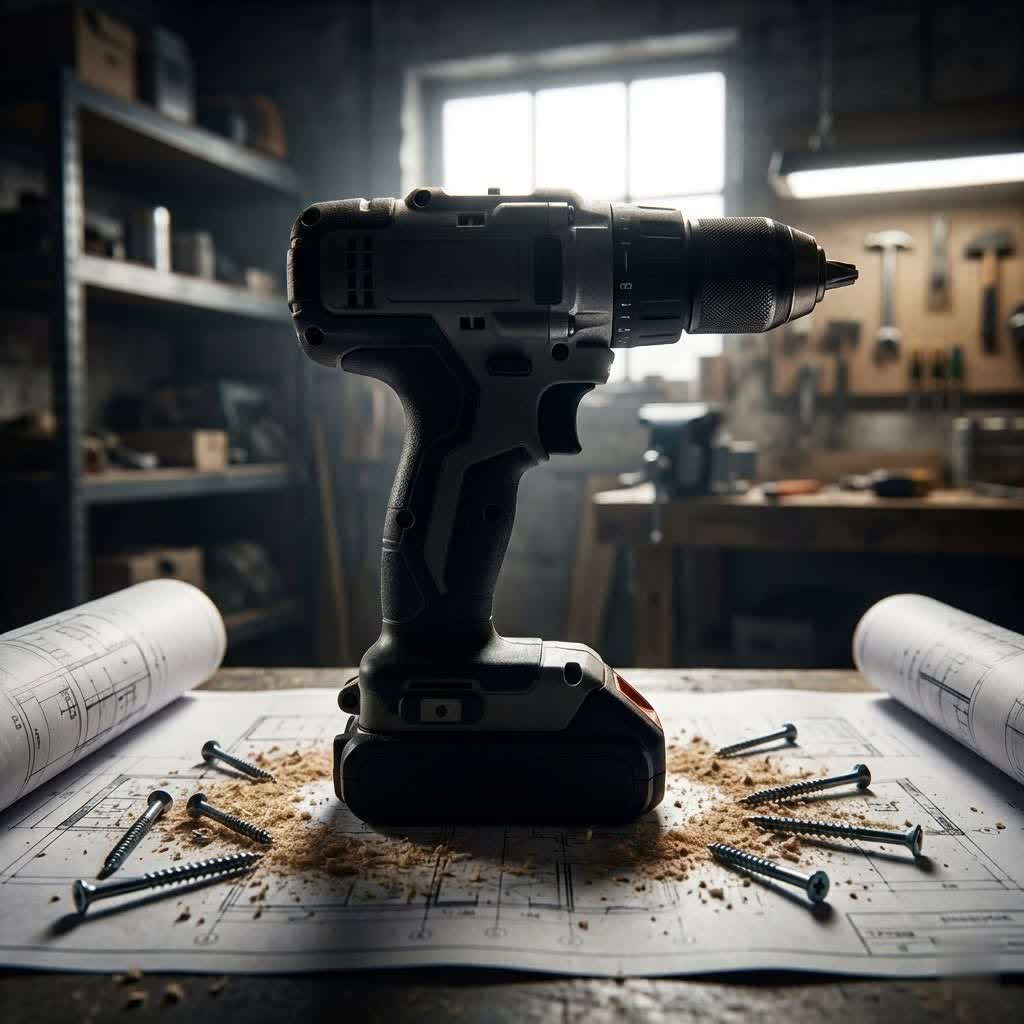
Have you ever found yourself in the middle of a DIY project, only to realize your drill isn’t quite up to the task? A portable electric drill is more than just a tool; it’s an indispensable partner for homeowners and seasoned professionals alike, capable of everything from hanging a picture to assembling complex furniture. Selecting the right one can transform your work, saving you time, effort, and frustration. This comprehensive guide will navigate you through the world of portable electric drills, ensuring you make an informed choice that perfectly matches your needs.
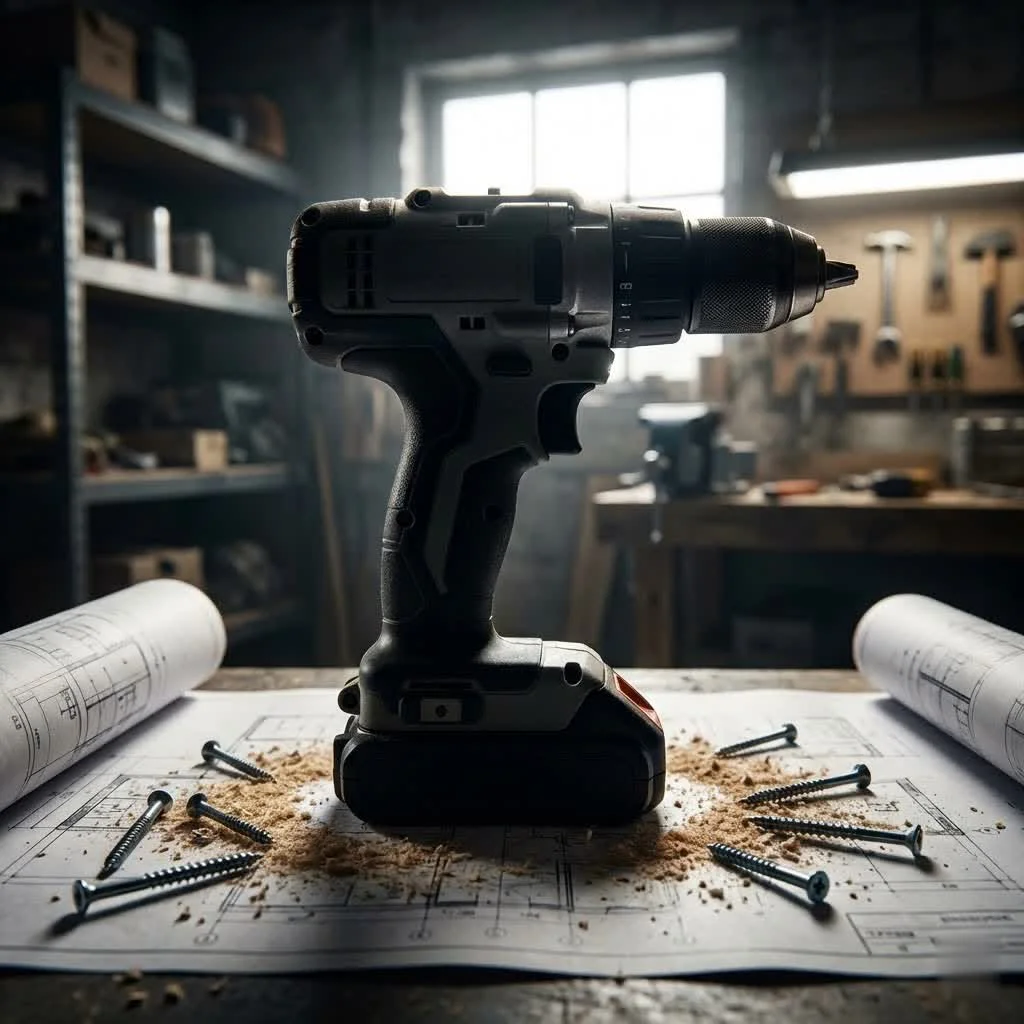
Portable electric drills offer unmatched versatility and convenience, providing the freedom to work anywhere without the limitations of power cords. These battery-powered workhorses have evolved significantly, delivering impressive power and endurance for a wide array of applications. From drilling pilot holes in wood to driving hefty screws into metal, a well-chosen portable electric drill becomes an extension of your craftsmanship, ready for any challenge you throw its way.
Understanding Portable Electric Drills
A portable electric drill is a versatile, battery-operated power tool designed to drill holes and drive screws with precision and efficiency. Unlike its corded counterparts, it thrives on mobility, offering the freedom to tackle tasks in remote areas or tight spaces without needing a power outlet.
The journey of the electric drill began over a century ago, with the first portable electric drill invented in 1895. Early models were heavy and cumbersome, relying solely on wall outlets for power. The true revolution for portability arrived with the advent of rechargeable battery technology, particularly Lithium-ion (Li-ion) batteries, which transformed drills into the lightweight, powerful cordless tools we know today. This shift has made electric drills more accessible and adaptable for various tasks, from simple home repairs to demanding construction jobs.
The market offers a diverse range of portable electric drills, categorized primarily by their power source, functionality, and intended use. The most common types are cordless, indicating their battery-powered, portable nature. These drills vary significantly in voltage (power), torque (rotational force), and specialized features, allowing users to choose a model optimized for light household tasks, medium-duty DIY projects, or heavy-duty professional applications.
Detailed Classification of Portable Electric Drills
When considering a portable electric drill, understanding the specific types and their capabilities is crucial. While many portable drills are versatile, some are engineered for particular tasks, offering enhanced performance for certain applications.
Hammer Drills
A hammer drill, often available in portable, cordless versions, is designed for jobs requiring extra force to penetrate tough materials. It combines the rotational drilling action with a rapid, forward-and-backward hammering motion.
- Pros: Excellent for drilling into masonry, brick, concrete, and stone. Offers superior performance in hard materials compared to standard drills.
- Cons: Heavier and bulkier than standard drill drivers. Less precise for delicate tasks and not ideal for softer materials where the hammering action can cause damage.
- Applications: Installing shelving into concrete walls, mounting fixtures on brick exteriors, drilling anchor holes in masonry.
- Comparison: Unlike a standard drill that only rotates, a hammer drill adds a percussive action, making it highly effective for brittle, hard materials.
Drill Drivers
|
Our Picks for the Best Electric Drill in 2026
As an Amazon Associate I earn from qualifying purchases.
|
||
| Num | Product | Action |
|---|---|---|
| 1 | Hoteche 320W 10mm Torque Drill, 19+1 Torque Settings Corded Electric Drill for Metal (10mm) & Wood (20mm), Yellow, Color Box Packaging |

|
| 2 | FADAKWALT Cordless Drill Set,12V Power Drill Set with Battery and Charger, Electric Driver/Drill Bits, 3/8'' Keyless Chuck,21+1 Torque Setting, 180 inch-lbs, with LED Electric Drill Set (Green) |
|
| 3 | PULITUO'S 20V Cordless Drill/Driver, Electric Screwdriver - 2 Batteries, 30Nm, 21+1 Torque, 2 Speed, Keyless 3/8" Chase Drill with LED Light, Kit for Home (Green) |
|
| 4 | BLACK+DECKER 20V MAX* POWERCONNECT Cordless Drill Driver Kit with Drill Bit Set and Sockets, 100 pc. Tool Kit for Home, Battery and Charger Included ,Orange (BDC120VA100) |
|
| 5 | AVID POWER 20V MAX Lithium lon Cordless Drill Set, Power Drill Kit with Battery and Charger, 3/8-Inch Keyless Chuck, Variable Speed, 16 Position and 22pcs Drill Bits (Red) |
|
| 6 | 20V Cordless Drill, Electric Power Drill Set with Battery Charger and Carrying Case, 3/8” Keyless Chuck, 2 Variable Speed, 18+3 Torque, 72pcs Driver Bits and Belt Hook, Red |
|
| 7 | COMOWARE 20V Cordless Drill, Electric Power Drill Set with 1 Battery & Charger, 3/8” Keyless Chuck, 2 Variable Speed, 266 In-lb Torque, 25+1 Position and 34pcs Drill/Driver Bits |
|
| 8 | DEWALT 20V MAX Cordless Drill Driver Set, Electric Drill, Brushless 1/2 In 2 Speed, 2.0 Ah Battery and Charger Included, LED Light (DCD777D1) |
|
| 9 | Cordless Drill Set, VIWKO 20V Power Drill with Power Pack 2.0Ah and Charger, 3/8-Inch Keyless Chuck Electricdrill, 25+1 Torque, 42pcs Drilldriver Bits/Screws for DIY Projects (Red) |
|
| 10 | DEWALT 20V Max Cordless Drill Driver Set, 2 Speed, High Performance Motor, Includes 2 XR 1.3Ah Li-Ion Batteries, Charger and Contractor Bag (DCD771C2) |
|
The drill driver is the most common and versatile type of portable electric drill, serving as the workhorse for most drilling and screw-driving tasks. It offers a balance of power, speed, and precision for general-purpose use.
- Pros: Highly versatile for drilling holes in wood, metal, and plastic, and for driving screws. Features adjustable torque settings to prevent over-driving or stripping screws. Lightweight and compact for comfortable use.
- Cons: Not designed for heavy-duty drilling into masonry or concrete (without a hammer function). May lack the extreme torque of an impact driver for very large fasteners.
- Applications: Assembling furniture, hanging pictures, installing curtain rods, drilling pilot holes for various projects, general screw driving.
- Comparison: It provides rotational force for both drilling and driving, making it a fundamental tool in any portable toolkit.
Impact Drivers
An impact driver is a specialized portable tool engineered to deliver high torque for driving fasteners. It uses a unique impacting mechanism that provides short, powerful bursts of rotational force in addition to continuous rotation.
- Pros: Exceptional torque for driving long, large screws and lag bolts quickly and efficiently. Minimizes wrist strain and cam-out (bit slipping from screw head). Often more compact and lighter than drill drivers for its power output.
- Cons: Not suitable for drilling precise holes (especially in metal or fine wood) due to its impacting action. Louder operation compared to drill drivers.
- Applications: Deck building, securing heavy timbers, driving self-tapping screws into metal, working with stubborn fasteners.
- Comparison: While a drill driver might struggle with large fasteners, an impact driver’s percussive action makes quick work of them. It excels at driving rather than drilling.
Magnetic Drills
Magnetic drills are highly specialized, non-portable tools primarily used in metalworking to drill precise holes in thick metal plates. They feature a powerful electromagnetic base that adheres firmly to a ferromagnetic surface, providing stability and accuracy for heavy-duty drilling tasks. Due to their size, weight, and specific application, magnetic drills do not fall under the category of portable electric drills for general use, as they require a stable, ferrous surface and are typically mains-powered.
Comparing Portable Electric Drill Types
Choosing the right portable electric drill can be simplified by understanding the core differences between the most common types. The table below provides a quick comparison to help you match a tool to your specific project needs.
| Feature | Drill Driver (Standard Cordless Drill) | Hammer Drill (Cordless) | Impact Driver (Cordless) |
|---|---|---|---|
| Primary Function | Drilling holes, driving screws | Drilling into masonry, brick, concrete | Driving screws, lag bolts, fasteners with high torque |
| Power/Action | Rotational force, adjustable clutch | Rotational + percussive (hammering) action | Rotational + impacting (intermittent high torque bursts) |
| Best For Materials | Wood, plastic, metal, light-duty walls | Masonry, concrete, brick, stone | Wood (heavy fastening), metal (driving fasteners) |
| Precision | High for drilling | Moderate (can be less precise due to hammering) | Low for drilling, high for driving control |
| Noise Level | Moderate | High | High |
| Typical Size | Compact to medium | Medium to large (often heavier due to hammer mechanism) | Compact (often shorter than drill drivers) |
| Portability | Excellent | Good (can be heavier, but still cordless) | Excellent |
Guide to Choosing the Right Portable Electric Drill
Selecting the ideal portable electric drill involves more than just picking a brand. It’s about understanding your needs and matching them with the right features and specifications.
Determine Your Usage Needs
Before anything else, consider what tasks you’ll primarily use the drill for.
- What is your main purpose? Are you a casual DIYer assembling flat-pack furniture and hanging pictures, or a professional undertaking renovation projects involving heavy materials? If your tasks mainly involve driving screws, an impact driver might be more efficient than a standard drill driver.
- What materials will you be drilling into? Wood, drywall, plastic, metal, or masonry (brick, concrete)? A standard drill driver excels with softer materials, while a hammer drill is essential for masonry.
- How often will you use it? Occasional use might justify a more basic model, while frequent or heavy-duty use demands a more robust, professional-grade tool with better battery life and durability.
Budget Considerations
Your budget will inevitably influence your choice. Portable electric drills range from entry-level options for occasional users to premium models for daily professional work. While more expensive drills typically offer greater power, durability, and advanced features, it’s crucial to find a balance. Sometimes, a mid-range model from a reputable brand provides excellent value for most home and DIY tasks, offering reliable performance without breaking the bank. Remember to factor in the cost of batteries and a charger, as these are often sold separately or in kits.
Important Technical Specifications
Understanding key specifications will help you decode a drill’s capabilities.
- Power (Voltage): For cordless drills, power is indicated by battery voltage.
- 12V drills: Sufficient for light tasks like assembling furniture or minor repairs. They are typically lighter and more compact.
- 18V or 20V (max) drills: The sweet spot for most DIYers and many professionals, offering a great balance of power, weight, and versatility for home projects, drilling into wood, metal, and light-duty driving.
- 24V drills: Less common but handle heavier work, driving fasteners into dense hardwoods or light masonry, often providing longer run times.
- Speed (RPM): Measured in rotations per minute, speed affects how quickly you can drill or drive. Variable speed control is crucial, allowing you to adjust the RPM for different materials and tasks. Lower speeds offer more torque for driving screws, while higher speeds are ideal for drilling holes in softer materials. A quality drill should offer at least two distinct speed settings.
- Torque (Newton-meters / Inch-pounds): Torque is the rotational force a drill can exert, vital for driving screws and drilling into tough materials. Many portable drills feature an adjustable clutch, letting you set the torque to prevent stripping screw heads or damaging delicate materials. Higher torque is necessary for larger fasteners and harder materials.
- Chuck Type and Size: The chuck holds your drill bits.
- Sizes: Common sizes are 1/4-inch (light-duty), 3/8-inch (most versatile for household tasks), and 1/2-inch (for heavier applications and larger bits).
- Keyless chucks: Standard on most portable drills, allowing for quick, tool-free bit changes. Some advanced models include a ratcheting chuck for a more secure grip.
- Functions (Drill, Hammer, Screwdriver): Many portable drills are “drill drivers” capable of both drilling and driving. “Combi drills” or “hammer drills” add a hammering function for masonry. Some specialized tools like impact drivers focus purely on high-torque driving.
Brand and Reliability
Investing in a reputable brand often means better quality, durability, and customer support. Brands like DeWalt, Makita, Milwaukee, Bosch, Ryobi, and Skil are known for their reliable portable electric drills. Consider the brand’s battery ecosystem – if you already own tools from a particular brand, sticking with it can save money on batteries and chargers, as batteries are often interchangeable across tools within the same voltage platform.
“A reliable portable drill isn’t just about power; it’s about the entire ecosystem of support, from battery longevity to readily available spare parts.” – ReviewsByM Admin, Electric Drill Technician
Additional Features
Modern portable electric drills come with a host of features designed to enhance user experience and performance.
- LED work light: Illuminates your work area, especially useful in dimly lit spaces.
- Battery indicator: Shows the remaining charge, helping you manage your workflow.
- Reverse function: Essential for removing screws and backing out drill bits.
- Brushless motor: Offers superior efficiency, longer runtime, more power, and extended tool life compared to traditional brushed motors, while also being quieter and lighter.
- Ergonomics and Weight: A well-balanced, lightweight design with a comfortable grip significantly reduces fatigue, especially during prolonged use.
Tips for Safe Use and Maintenance of Portable Electric Drills
To ensure your portable electric drill serves you reliably for years and to maintain safety, proper usage and maintenance are paramount.
Correct Usage Guidelines
- Insert Bits Securely: Always ensure drill bits or screwdriver bits are properly seated and tightened in the chuck. A loose bit can fly out, causing injury or damage.
- Adjust Settings: Before starting, select the appropriate speed and torque settings for the material you’re working with. Use lower speeds for driving screws and drilling into hard materials, and higher speeds for drilling into softer materials.
- Maintain Steady Pressure: Apply consistent, firm pressure in line with the drill bit. Avoid excessive force, which can cause the drill to bind, slip, or break the bit.
- Start Slow: Begin drilling or driving at a slower speed to prevent the bit from “walking” (skidding across the surface) and to ensure a precise start.
- Clear Work Area: Always ensure your workspace is free of obstructions and that the material you’re working on is securely clamped or stable.
Essential Safety Measures
Safety is non-negotiable when operating any power tool.
- Wear Safety Glasses: Protect your eyes from flying debris, dust, and splinters. This is the most crucial safety rule.
- Secure Loose Items: Tie back long hair, remove jewelry, and wear snug-fitting clothing to prevent entanglement in the rotating chuck or bit.
- Read the Manual: Familiarize yourself with your specific drill’s operating instructions and safety warnings.
- Use the Right Bit: Always use the correct type and size of drill bit for the material and task to prevent breakage or inefficiency.
- Avoid Overreaching: Maintain a balanced stance and avoid overextending your reach, which can lead to loss of control.
Maximizing Longevity Through Maintenance
Proper care extends the life of your portable electric drill.
- Battery Care: For Lithium-ion batteries (common in modern portable drills), avoid fully draining them before recharging. Store batteries in a cool, dry place. Always use the charger specifically designed for your battery pack.
- Cleanliness: Regularly clean your drill to remove dust, debris, and sawdust from air vents and the chuck area. A brush or compressed air can be effective.
- Storage: Store your drill and its accessories in a hard or soft carrying case to protect them from impacts, dust, and moisture. This also makes transport easier.
- Inspect Regularly: Before each use, quickly inspect the drill for any signs of damage, loose parts, or frayed wires (if any corded component, like the charger, is involved).
- Brushless Motor Advantage: If you have a brushless motor drill, it will generally require less maintenance as there are no carbon brushes to replace.
Conclusion
Choosing the right portable electric drill is a pivotal decision that can significantly impact the success and enjoyment of your projects. By carefully considering your specific needs, understanding key technical specifications like voltage, torque, and speed, and evaluating features such as battery type and brushless motors, you empower yourself to make a smart investment. Whether you’re a weekend warrior tackling home improvements or a professional on the job site, a well-selected and properly maintained portable electric drill is an invaluable asset that offers unmatched convenience, power, and versatility.
What project will your new portable electric drill help you conquer first?
Frequently Asked Questions
How many volts is a good portable electric drill?
For most DIY tasks and general home use, a 18V or 20V (max) portable electric drill offers an excellent balance of power and weight. For lighter tasks, 12V is sufficient, while professional heavy-duty work might benefit from 24V models.
What is the main difference between a portable electric drill driver and an impact driver?
A drill driver is versatile for both drilling holes and driving screws, offering adjustable torque. An impact driver is specialized for driving screws and fasteners, delivering higher, intermittent bursts of torque, making it more efficient for demanding driving tasks.
Are brushless motors worth the extra cost in a portable drill?
Yes, brushless motors generally offer superior efficiency, resulting in longer battery runtime, more power, and extended tool life. They are also typically lighter and quieter, making them a worthwhile investment for frequent users or professionals.
Can a portable electric drill drill into concrete or brick?
Only a portable electric drill equipped with a “hammer drill” function can effectively drill into concrete or brick. Standard drill drivers lack the percussive action required to break through such hard materials.
How important is ergonomics when choosing a portable electric drill?
Ergonomics are highly important, especially for prolonged use. A lightweight, well-balanced drill with a comfortable grip reduces user fatigue, enhances control, and improves overall precision, making your work more comfortable and efficient.
Get our weekly buyer guide
Practical specs, not advice. Unsubscribe anytime.
