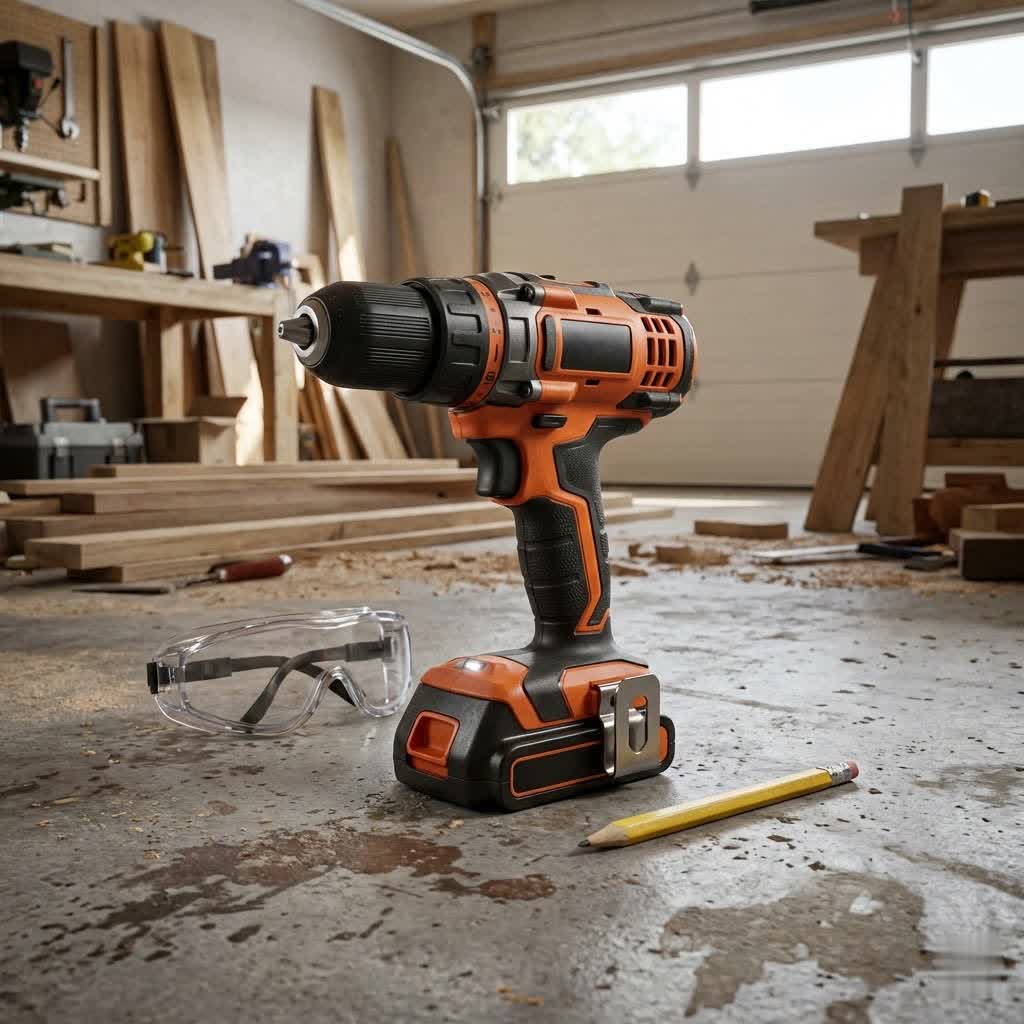
Are you constantly tackling home improvement projects, building furniture, or simply need a reliable tool for everyday fixes? An electric drill is an indispensable companion for any workshop, and when it comes to combining dependable performance with accessible value, Craftsman electric drills frequently come to mind. Choosing the perfect drill, however, goes beyond just picking a brand; it involves understanding the specific types, features, and how they align with your project demands. This comprehensive guide will navigate you through the world of Craftsman electric drills, ensuring you make an informed decision for your next venture.
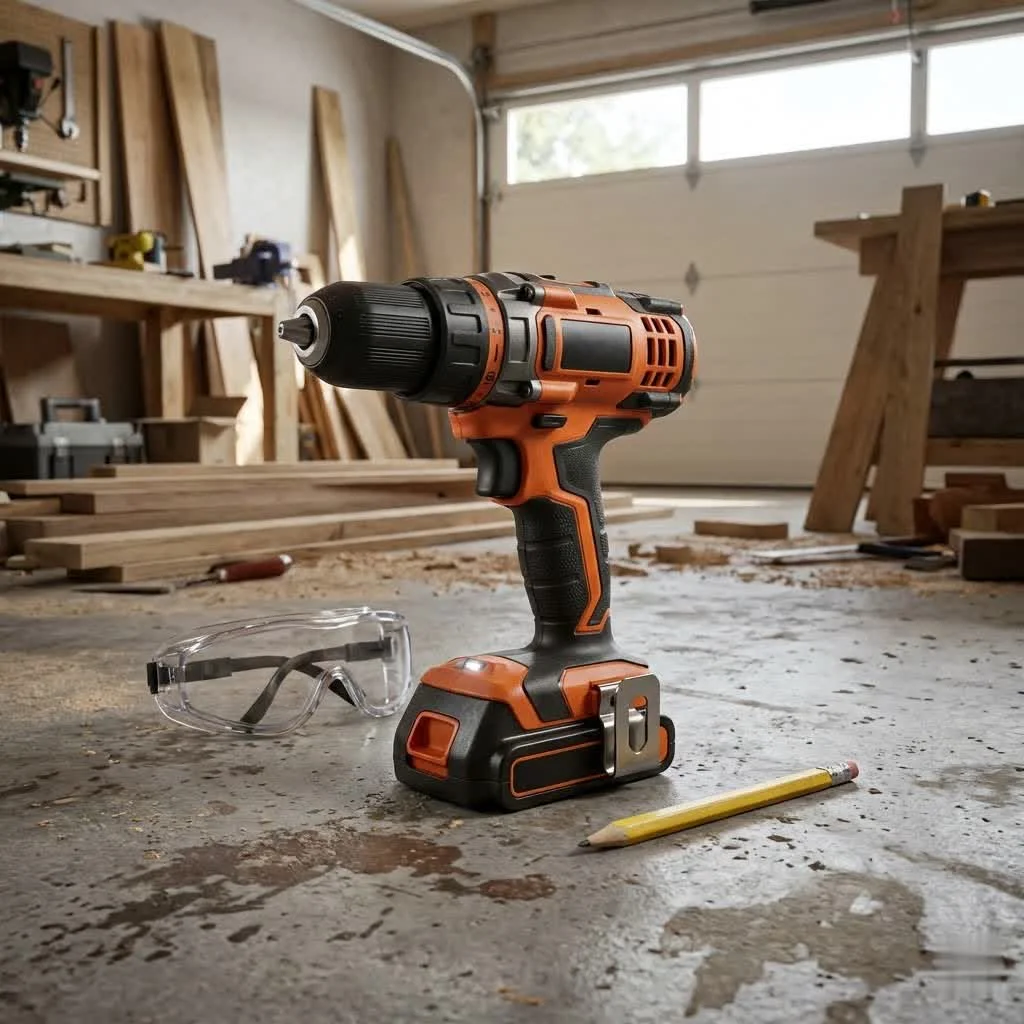
Understanding the Craftsman Electric Drill
The electric drill, in its essence, is a power tool designed primarily for drilling holes and driving fasteners. From its early mechanical forms to today’s sophisticated designs, it has evolved into a versatile device indispensable for construction, woodworking, metalworking, and countless DIY tasks. Craftsman, a brand with a storied history deeply rooted in American households, has long been synonymous with durable and affordable tools. Now part of the Stanley Black & Decker family, Craftsman continues to offer a broad range of electric drills that cater to both the casual homeowner and the serious enthusiast, balancing innovation with the brand’s legacy of reliability. Whether you need a consistent power source or the freedom of cordless operation, Craftsman provides options to suit diverse needs.
In-Depth Look at Craftsman Electric Drill Types
Craftsman offers a variety of electric drills, each engineered with specific applications in mind. Understanding the nuances of these types is crucial for selecting the tool that will truly empower your projects.
Craftsman Cordless Drills (e.g., V20 series)
Craftsman’s V20 cordless drill series exemplifies modern versatility. These drills operate on rechargeable lithium-ion batteries, freeing you from the constraints of power outlets and tangled cords. This makes them ideal for working in remote areas, in tight spaces where maneuverability is key, or for quick, on-the-go tasks around the house or yard.
- Advantages: Cordless drills offer unparalleled portability and flexibility, allowing users to move freely without being tethered to an electrical outlet. The V20 platform means batteries are interchangeable across a wide range of Craftsman 20V tools, providing a cost-effective ecosystem for expanding your tool collection. Many models include convenient features like an LED light that illuminates the workspace, a variable speed trigger for precise control, and toolless chucks for quick bit changes. Their ergonomic design often ensures comfortable handling during prolonged use [cite: 1, 3 (search 1)].
- Disadvantages: While powerful for most DIY applications, cordless drills are limited by battery life and require recharging. For exceptionally demanding or prolonged tasks, their sustained power might not match that of a corded counterpart. The battery pack also adds weight to the tool, which can be a consideration for extended overhead work or sensitive applications [cite: 3 (search 3)].
- Suitable Applications: Perfect for light to medium-duty drilling and fastening, assembling furniture, installing shelves, outdoor repairs, or any task where quick setup and mobility are paramount.
Craftsman Corded Drills
|
Our Picks for the Best Electric Drill in 2026
As an Amazon Associate I earn from qualifying purchases.
|
||
| Num | Product | Action |
|---|---|---|
| 1 | BLACK+DECKER 20V MAX* POWERCONNECT Cordless Drill Driver Kit with Drill Bit Set and Sockets, 100 pc. Tool Kit for Home, Battery and Charger Included ,Orange (BDC120VA100) |

|
| 2 | DEWALT 20V Max Cordless Drill Driver Set, 2 Speed, High Performance Motor, Includes 2 XR 1.3Ah Li-Ion Batteries, Charger and Contractor Bag (DCD771C2) |
|
| 3 | COMOWARE 20V Cordless Drill, Electric Power Drill Set with 1 Battery & Charger, 3/8” Keyless Chuck, 2 Variable Speed, 266 In-lb Torque, 25+1 Position and 34pcs Drill/Driver Bits |
|
| 4 | DEWALT 20V MAX Cordless Drill Driver Set, Electric Drill, Brushless 1/2 In 2 Speed, 2.0 Ah Battery and Charger Included, LED Light (DCD777D1) |
|
| 5 | PULITUO'S 20V Cordless Drill/Driver, Electric Screwdriver - 2 Batteries, 30Nm, 21+1 Torque, 2 Speed, Keyless 3/8" Chase Drill with LED Light, Kit for Home (Green) |
|
| 6 | AVID POWER 20V MAX Lithium lon Cordless Drill Set, Power Drill Kit with Battery and Charger, 3/8-Inch Keyless Chuck, Variable Speed, 16 Position and 22pcs Drill Bits (Red) |
|
| 7 | 20V Cordless Drill, Electric Power Drill Set with Battery Charger and Carrying Case, 3/8” Keyless Chuck, 2 Variable Speed, 18+3 Torque, 72pcs Driver Bits and Belt Hook, Red |
|
| 8 | FADAKWALT Cordless Drill Set,12V Power Drill Set with Battery and Charger, Electric Driver/Drill Bits, 3/8'' Keyless Chuck,21+1 Torque Setting, 180 inch-lbs, with LED Electric Drill Set (Green) |
|
| 9 | Cordless Drill Set, VIWKO 20V Power Drill with Power Pack 2.0Ah and Charger, 3/8-Inch Keyless Chuck Electricdrill, 25+1 Torque, 42pcs Drilldriver Bits/Screws for DIY Projects (Red) |
|
| 10 | Hoteche 320W 10mm Torque Drill, 19+1 Torque Settings Corded Electric Drill for Metal (10mm) & Wood (20mm), Yellow, Color Box Packaging |
|
For tasks demanding uncompromised power and extended run times, Craftsman corded drills are the go-to solution. These drills plug directly into an electrical outlet, providing a continuous and consistent power supply.
- Advantages: Corded drills are renowned for their consistent power output and unlimited runtime, making them superior for heavy-duty drilling, driving large fasteners, or any project requiring continuous operation without interruption. They often deliver higher sustained torque and speed compared to cordless models, translating to more efficient work on tough materials [cite: 1, 2, 3, 4 (search 3)]. Since they don’t house a heavy battery pack, many corded models can feel lighter and more balanced, reducing user fatigue during prolonged use [cite: 4 (search 3)]. Specific Craftsman corded models, like the CMED741, boast impressive RPM and BPM figures, alongside features like a keyed chuck for secure bit retention and a lock-on trigger for comfortable, continuous operation [cite: 3 (search 2)].
- Disadvantages: The primary limitation is mobility; you are tethered to a power outlet, which can restrict movement and sometimes necessitate extension cords. This makes them less suitable for remote jobs or working in areas without easy access to electricity [cite: 1 (search 3)].
- Suitable Applications: Ideal for intensive drilling into dense materials like metal or concrete, prolonged woodworking tasks, mixing compounds, or any stationary work within reach of a power source.
Craftsman Hammer Drills
A specific type of drill, the hammer drill, combines rotary drilling with a hammering action, making it exceptionally effective for drilling into masonry, brick, or concrete. Craftsman offers both corded and cordless hammer drill options within its lineup.
- Specific Features: The key differentiator is the Blows Per Minute (BPM) rating, which indicates how many times the drill bit “hammers” forward per minute. Higher BPMs, often found in corded models, translate to faster and more efficient drilling into hard materials. For example, the Craftsman CMED741 boasts 52,700 BPM [cite: 3 (search 2)].
- Corded vs. Cordless Hammer Drills: A corded hammer drill will generally offer more raw power and sustained hammering action, making it the preferred choice for extensive concrete work. Cordless hammer drills, like those in the V20 brushless series, provide the convenience of portability for smaller jobs or when access to power is limited, offering a balance of power and flexibility.
Comparative Analysis: Corded vs. Cordless Craftsman Drills
Choosing between a corded and cordless Craftsman drill often comes down to a trade-off between power, portability, and runtime. Here’s a detailed comparison to help clarify the decision:
| Feature | Craftsman Corded Electric Drill | Craftsman Cordless Electric Drill (V20) |
|---|---|---|
| Power Source | Continuous AC power | Rechargeable Li-ion battery (V20 ecosystem) |
| Power Output | Consistent, generally higher sustained torque/speed | Variable, dependent on battery charge, typically good for DIY |
| Run Time | Unlimited (as long as plugged in) | Limited by battery capacity, requires recharging |
| Portability | Limited by cord length and outlet availability | High mobility, suitable for remote or tight spaces |
| Weight | Often lighter (no heavy battery pack) | Heavier due to battery, but overall compact design |
| Applications | Heavy-duty drilling, prolonged tasks, stationary workshop use | Light to medium DIY tasks, general fastening, on-the-go projects |
| Cost | Generally lower initial cost | Higher initial cost (includes battery/charger), recurring battery cost |
| Key Features | High RPM/BPM, keyed chuck, lock-on trigger, variable speed | LED light, variable speed, toolless chuck, ergonomics, ecosystem |
Choosing the Right Craftsman Electric Drill for Your Needs
With a clear understanding of the types, the next step is to align a Craftsman drill with your specific requirements.
Assess Your Project Requirements
Begin by evaluating the nature of your typical projects.
- Type of material: Will you primarily drill into wood, soft metals, plastics, or harder materials like concrete and masonry? Different materials require varying levels of power and specific drill functions (e.g., hammer drill for concrete).
- Task intensity: Are you undertaking light DIY tasks like hanging pictures and assembling furniture, medium-duty repairs, or demanding construction work? Heavy-duty tasks often benefit from the sustained power of a corded drill.
- Frequency of use: Do you use a drill occasionally for quick fixes, regularly for hobbies, or daily for professional work? For occasional use, a basic cordless model might suffice, while frequent users might prioritize battery longevity or corded reliability.
Consider Power and Performance Specifications
Delving into the specifications will help you quantify a drill’s capability.
- Amperage (Corded): For corded drills, amperage (Amps) indicates the motor’s power. A 5.5-Amp drill is good for general use, while 7-Amp or higher models offer more power for tougher jobs [cite: 4 (search 2), 5 (search 2)].
- Voltage (Cordless): For cordless drills, voltage (V) reflects potential power. Craftsman’s V20 (20V MAX) system provides ample power for most homeowner and DIY tasks [cite: 1 (search 1)].
- RPM (Revolutions Per Minute): This is the speed at which the drill bit rotates. Higher RPMs (e.g., 2,500 RPM for the CMED731) are suitable for faster drilling in softer materials, while lower speeds offer more torque for driving screws or drilling into hard materials [cite: 1 (search 2)]. Variable speed control is highly advantageous for adapting to different tasks and materials.
- BPM (Blows Per Minute): Exclusive to hammer drills, BPM signifies the impact rate. Higher BPM is crucial for efficient drilling into masonry and concrete [cite: 3 (search 3)].
- Chuck Size: Common sizes are 3/8-inch and 1/2-inch. A 1/2-inch chuck accommodates larger drill bits and offers greater versatility for heavier tasks [cite: 3 (search 2)].
- Torque: This measures the rotational force, critical for driving screws and drilling through tough materials. Craftsman drills offer a good balance of speed and power for the money [cite: 3 (search 1)].
Ergonomics and User Comfort
A powerful drill is only effective if it’s comfortable to use.
- Weight and balance: A well-balanced drill reduces fatigue, especially during extended use or overhead work.
- Grip design: Look for ergonomic handles with overmold grips that provide comfort and a secure hold [cite: 4 (search 2)].
- Additional features: LED lights improve visibility in dimly lit areas [cite: 1 (search 1)], and belt clips offer convenience for carrying.
Budget and Value
Craftsman drills are often praised for providing excellent value, making them a popular choice for budget-conscious buyers seeking reliable performance.
- Initial Cost: Corded drills typically have a lower upfront cost than cordless models, as they don’t include batteries and chargers [cite: 3 (search 3)].
- System Cost: For cordless tools, consider the long-term investment in the battery ecosystem. The Craftsman V20 line allows you to use the same batteries across multiple tools, which can be cost-effective in the long run. However, factor in the potential need for additional batteries or replacements [cite: 3 (search 3)].
“Craftsman tools represent a fantastic entry point for DIYers. While they might not always boast the absolute highest specs compared to premium professional brands, their reliability and accessible pricing make them an unbeatable value for home and light workshop use.” – ReviewsByM.com Admin, Certified Power Tool Technician
Best Practices for Using and Maintaining Your Craftsman Drill
To ensure safety and maximize the lifespan of your Craftsman electric drill, adherence to best practices for use and maintenance is essential.
- Safety Tips: Always wear appropriate personal protective equipment, including safety glasses, and secure your workpiece to prevent movement during drilling. Select the correct drill bit for the material and task, and ensure it is properly seated in the chuck. Keep your hands clear of the spinning chuck and bit, and never force the drill; let the tool do the work.
- Maintenance: Regularly clean your drill to prevent dust and debris buildup. For cordless drills, proper battery care is crucial: store batteries in a cool, dry place and avoid overcharging or fully discharging them. For corded drills, inspect the power cord for any damage before each use. Periodically check the chuck for wear and ensure all moving parts are clean.
- Extending Tool Lifespan: Follow manufacturer guidelines for usage and storage. Avoid dropping the tool, and use it only for its intended purpose. Regular, light maintenance can significantly prolong your drill’s operational life.
Crafting with Confidence: The Enduring Value of Craftsman
Craftsman electric drills continue to hold a significant place in the power tool market, especially for homeowners and DIY enthusiasts. Under the umbrella of Stanley Black & Decker, the brand benefits from shared technologies and manufacturing expertise, often delivering dependable tools that punch above their weight class in terms of value [cite: 5 (search 3)]. Whether you opt for the untethered freedom of a V20 cordless drill for everyday tasks or the unyielding power of a corded model for more demanding projects, Craftsman offers a solid foundation for your toolkit. By understanding the different types and their ideal applications, you can confidently select a Craftsman electric drill that will serve your needs reliably for years to come.
Frequently Asked Questions
Is a Craftsman electric drill good for heavy-duty work?
Craftsman drills are generally excellent for light to medium-duty tasks and most home improvement projects. For continuous, extremely heavy-duty professional work, some higher-end corded models or specialized tools might offer more sustained power, but many Craftsman corded drills, especially hammer drills, can handle demanding tasks like drilling into concrete effectively.
What does the V20 in Craftsman drills mean?
The “V20” in Craftsman cordless drills refers to their 20-Volt MAX battery platform. This indicates that the battery delivers a maximum of 20 volts of power (often 18V nominal), providing strong performance for a wide range of cordless tools within the Craftsman ecosystem.
Are Craftsman cordless drill batteries interchangeable?
Yes, batteries within the Craftsman V20 platform are designed to be interchangeable across all Craftsman V20 cordless tools. This allows users to power multiple tools with the same battery packs, offering convenience and reducing overall cost.
How long do Craftsman drill batteries last?
The runtime of a Craftsman cordless drill battery depends on its Amp-hour (Ah) rating (e.g., 1.5Ah, 2.0Ah, 4.0Ah), the intensity of the task, and the drill model. Higher Ah batteries offer longer runtimes. For light tasks, even a smaller battery can last a considerable time, while heavy drilling will deplete it faster. It’s advisable to have a spare battery for continuous work.
What’s the difference between a drill driver and a hammer drill?
A drill driver is a standard electric drill primarily used for drilling holes and driving screws. A hammer drill combines the rotational action of a drill driver with a percussive “hammering” motion along the bit’s axis. This hammering action allows it to effectively drill into hard materials like concrete, brick, and stone, which a standard drill driver would struggle with or be unable to penetrate.
Get our weekly buyer guide
Practical specs, not advice. Unsubscribe anytime.
