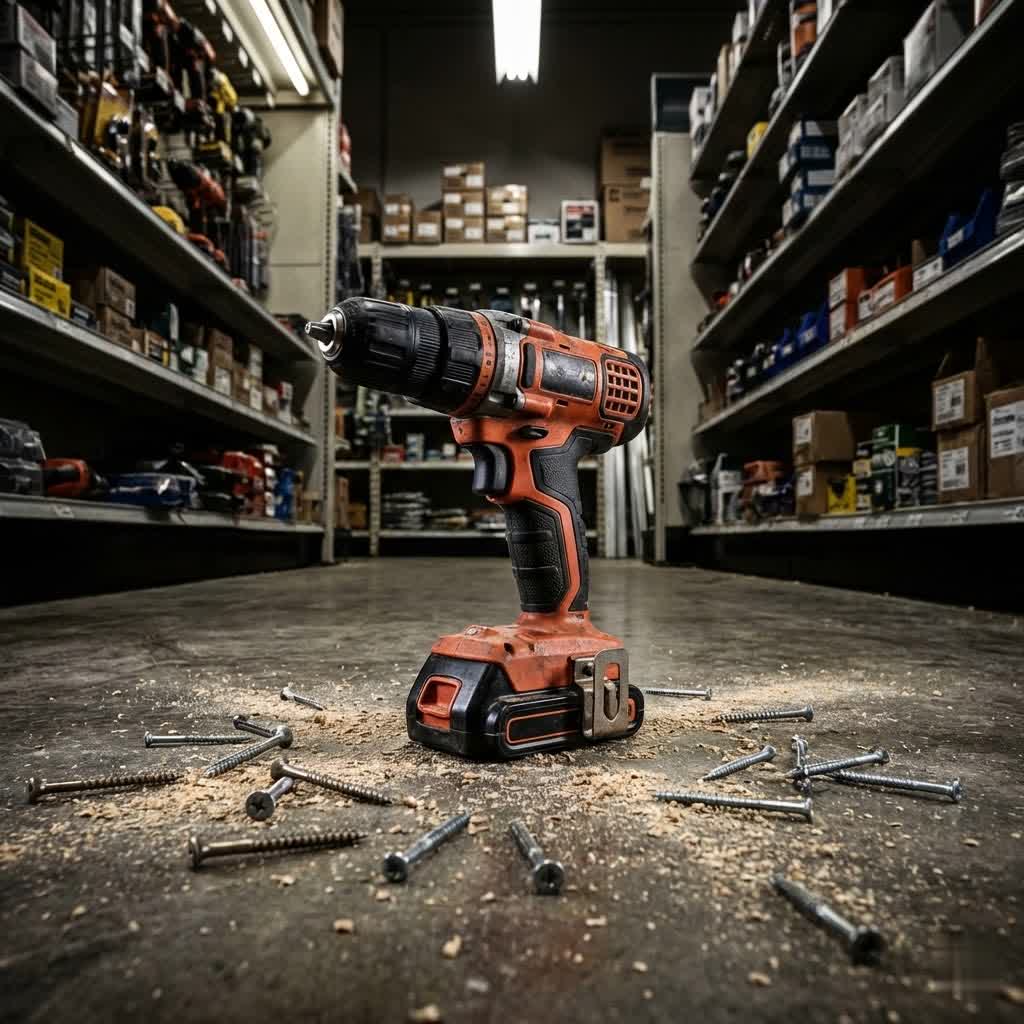
Stepping into the world of DIY or professional projects often begins with a fundamental tool: the electric drill. Whether you’re a seasoned technician with a decade of experience, like our Admin at ReviewsByM.com, or a homeowner embarking on a weekend project, finding the right electric drill near you is crucial. This comprehensive guide will navigate you through the diverse landscape of electric drills, ensuring you make an informed decision tailored to your specific needs and can easily locate your ideal tool.
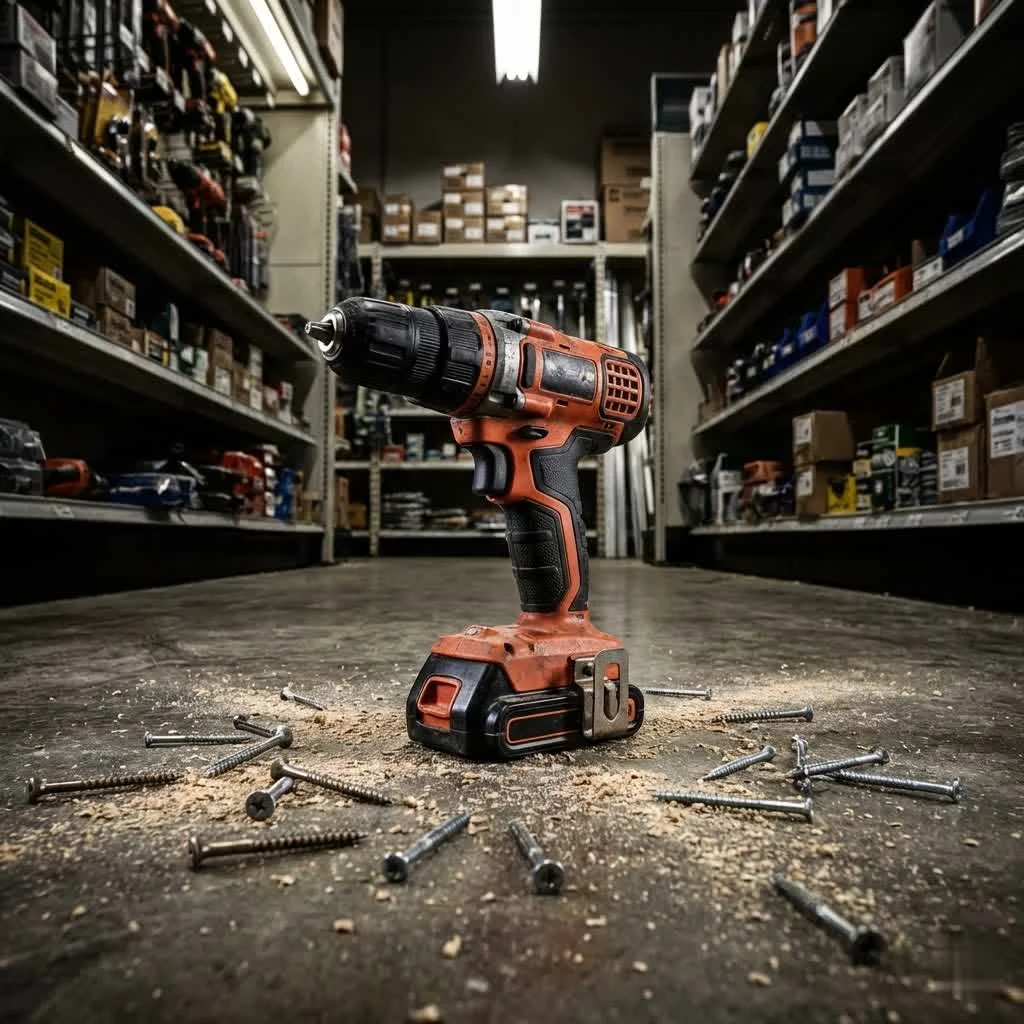
Overview of Electric Drills
An electric drill is an indispensable power tool designed to create holes in various materials and drive fasteners. From hanging a picture frame to constructing a deck, its versatility makes it a cornerstone in any toolkit. The core function involves a rotating drill bit, powered by an electric motor, allowing for precision and efficiency in countless tasks.
The evolution of electric drills is a testament to continuous innovation. Early versions were bulky and corded, limited by power outlets. Over time, advancements brought us lighter designs, variable speeds, and, significantly, cordless technology, offering unparalleled portability and convenience. Today, the market boasts a wide array of electric drills, categorized primarily by their power source (corded or cordless), specific functions (drilling, driving, hammering), and overall power output.
Detailed Classification of Electric Drills
Understanding the different types of electric drills is key to selecting the appropriate tool for your projects, especially when exploring options at a store near you.
Hammer Drills
Hammer drills combine rotary motion with a rapid, pounding action, making them ideal for drilling into tough, brittle materials.
- Pros: Highly effective for masonry, brick, concrete, and stone. Many models feature a selectable hammer function, allowing them to also function as standard drill drivers for wood and metal.
- Cons: Can be heavier and more powerful than standard drills, potentially overkill for lighter tasks. The hammering action can be noisy and produce significant dust.
- Applications: Installing shelving into brick walls, mounting fixtures into concrete, creating pilot holes in dense materials for anchors.
- Comparison: Unlike standard drills that solely rotate, hammer drills add a percussive forward motion, chipping away at hard surfaces while rotating the bit.
Drill Drivers (Screwdriver Drills)
Often the most common and versatile type, drill drivers are workhorses for general drilling and fastening applications. These are what most people envision when they think of a “drill.”
- Pros: Excellent for drilling holes in wood, plastic, and metal, as well as driving screws. Available in both corded and cordless versions, with cordless being exceptionally popular for portability. Features like variable speed and clutch settings provide precise control.
- Cons: Lacks the hammering action needed for masonry work. Less powerful for heavy-duty driving tasks compared to impact drivers.
- Applications: Assembling furniture, hanging drywall, installing cabinets, general home repairs, driving screws.
- Comparison: Focuses on rotational power and torque control for various materials and fastener types, without the added impact mechanism for hard materials. Cordless versions, often called “cordless drills” or “screwdriver drills,” offer the ultimate freedom of movement.
Rotary Hammer Drills (Heavy-Duty Impact Drills)
|
Our Picks for the Best Electric Drill in 2026
As an Amazon Associate I earn from qualifying purchases.
|
||
| Num | Product | Action |
|---|---|---|
| 1 | AVID POWER 20V MAX Lithium lon Cordless Drill Set, Power Drill Kit with Battery and Charger, 3/8-Inch Keyless Chuck, Variable Speed, 16 Position and 22pcs Drill Bits (Red) |

|
| 2 | Hoteche 320W 10mm Torque Drill, 19+1 Torque Settings Corded Electric Drill for Metal (10mm) & Wood (20mm), Yellow, Color Box Packaging |
|
| 3 | PULITUO'S 20V Cordless Drill/Driver, Electric Screwdriver - 2 Batteries, 30Nm, 21+1 Torque, 2 Speed, Keyless 3/8" Chase Drill with LED Light, Kit for Home (Green) |
|
| 4 | FADAKWALT Cordless Drill Set,12V Power Drill Set with Battery and Charger, Electric Driver/Drill Bits, 3/8'' Keyless Chuck,21+1 Torque Setting, 180 inch-lbs, with LED Electric Drill Set (Green) |
|
| 5 | DEWALT 20V Max Cordless Drill Driver Set, 2 Speed, High Performance Motor, Includes 2 XR 1.3Ah Li-Ion Batteries, Charger and Contractor Bag (DCD771C2) |
|
| 6 | 20V Cordless Drill, Electric Power Drill Set with Battery Charger and Carrying Case, 3/8” Keyless Chuck, 2 Variable Speed, 18+3 Torque, 72pcs Driver Bits and Belt Hook, Red |
|
| 7 | COMOWARE 20V Cordless Drill, Electric Power Drill Set with 1 Battery & Charger, 3/8” Keyless Chuck, 2 Variable Speed, 266 In-lb Torque, 25+1 Position and 34pcs Drill/Driver Bits |
|
| 8 | BLACK+DECKER 20V MAX* POWERCONNECT Cordless Drill Driver Kit with Drill Bit Set and Sockets, 100 pc. Tool Kit for Home, Battery and Charger Included ,Orange (BDC120VA100) |
|
| 9 | Cordless Drill Set, VIWKO 20V Power Drill with Power Pack 2.0Ah and Charger, 3/8-Inch Keyless Chuck Electricdrill, 25+1 Torque, 42pcs Drilldriver Bits/Screws for DIY Projects (Red) |
|
| 10 | DEWALT 20V MAX Cordless Drill Driver Set, Electric Drill, Brushless 1/2 In 2 Speed, 2.0 Ah Battery and Charger Included, LED Light (DCD777D1) |
|
For the most demanding drilling tasks in concrete and masonry, rotary hammer drills are the undisputed champions. These are significantly more powerful than hammer drills.
- Pros: Delivers superior impact energy through an electro-pneumatic mechanism, making quick work of large holes in dense concrete, rock, and even light demolition. Often features multiple modes: rotary drilling, hammer drilling, and chiseling.
- Cons: Bulky, heavy, and typically more expensive. Overkill for everyday DIY projects.
- Applications: Breaking up concrete, drilling large diameter holes for rebar or conduit, trenching, heavy-duty construction.
- Comparison: While hammer drills use a mechanical clutch for impact, rotary hammer drills utilize an air piston, providing a much stronger, more controlled, and less fatiguing blow.
Magnetic Drills
Magnetic drills are specialized tools designed for precision drilling into thick metal, especially in structural steel applications.
- Pros: Features a powerful electromagnetic base that securely clamps to ferrous metal surfaces, allowing for stable and accurate drilling, even overhead or vertically. Ideal for large-diameter holes using annular cutters.
- Cons: Limited to magnetic metal surfaces. Generally heavier and less portable than handheld drills. A niche tool, not for general household use.
- Applications: Structural steel fabrication, bridge construction, shipbuilding, plant maintenance, creating holes in thick metal plates and beams.
- Comparison: Unlike other drills, the magnetic drill provides a stationary, highly stable platform for heavy-duty metal drilling, ensuring superior accuracy and safety in industrial settings.
Comparison Table of Electric Drills
Choosing the best electric drill near you becomes easier when you can compare their core characteristics.
| Drill Type | Key Features | Best Use Cases | Pros | Cons |
|---|---|---|---|---|
| Hammer Drill | Rotary & percussive action, variable speed | Masonry, brick, concrete, wood, metal drilling | Versatile for many materials, good for homeowner/light contractor | Less powerful than rotary hammer for heavy concrete, can be noisy |
| Drill Driver | Rotary action, clutch settings, variable speed | Wood, plastic, metal drilling, screw driving | Lightweight, precise control, excellent for general tasks, highly portable | No hammering action for masonry, limited power for heavy fastening |
| Rotary Hammer Drill | Electro-pneumatic impact, multiple modes | Heavy concrete, rock, large holes, chiseling | Extremely powerful for hard materials, fast, efficient, low user fatigue | Heavy, expensive, overkill for light tasks, specialized drill bits needed |
| Magnetic Drill | Magnetic base, stable, high torque | Structural steel, thick metal plates, fabrication | High precision on metal, can operate vertically/overhead, very stable | Limited to magnetic surfaces, heavy, specialized, not for general use |
Guide to Choosing the Right Electric Drill Near You
When you’re ready to find an electric drill near you, navigating the local market requires a thoughtful approach. Here’s how to ensure you select the perfect tool:
Determine Your Needs
Before you even step into a store or browse online, clearly define your requirements. What are your primary projects? Are you mostly hanging shelves, assembling furniture, or tackling major renovation work involving concrete? Consider the materials you’ll be drilling into (wood, drywall, metal, masonry) and how frequently you’ll use the drill. A general-purpose cordless drill driver is excellent for most homeowners, while a contractor might need a specialized hammer drill or even a rotary hammer.
Budget
Your budget will significantly influence your options. Establish a comfortable price range before you start shopping. While entry-level drills are affordable, investing a bit more in a reputable brand often yields better durability and performance. Consider that higher-end models, especially from brands commonly found at major hardware stores, often come with better warranties and readily available accessories.
Key Technical Specifications
Understanding specifications will help you compare models effectively:
- Power (Volts for Cordless, Amps for Corded): Higher voltage (e.g., 18V, 20V) or amperage (e.g., 7-10 amps) generally indicates more power, suitable for tougher jobs.
- Speed (RPM): Variable speed settings are crucial for versatility, allowing you to match the speed to the material and task. Lower speeds are better for driving screws and drilling metal, while higher speeds are for wood and softer materials.
- Torque: Measured in inch-pounds or Newton-meters, torque indicates the rotational force. Higher torque is better for driving large fasteners and drilling into dense materials. Clutch settings (on drill drivers) allow you to adjust torque to prevent over-driving screws or damaging surfaces.
- Chuck Type & Size: Keyless chucks are convenient for quick bit changes. Common sizes are 3/8-inch and 1/2-inch. A 1/2-inch chuck accommodates larger drill bits, offering greater versatility.
- Functions: Decide if you need drill-only, drill/driver, hammer drill, or a combination (combi drill) function based on your project requirements.
Brand and Reliability
When searching for an electric drill near me, you’ll likely encounter several prominent brands known for their quality and reliability, such as DeWalt, Milwaukee, Makita, Bosch, and Ryobi. These brands are often available at major retailers and specialized tool stores. Researching customer reviews and professional recommendations can provide insights into a drill’s durability, performance, and customer satisfaction. While budget brands exist, established names often offer superior build quality, longer lifespan, and better customer support.
Additional Features
Modern electric drills come with various features that enhance usability and performance:
- LED Light: Illuminates the work area, especially useful in dimly lit spaces.
- Speed Control: Advanced variable speed triggers or multi-speed gearboxes offer greater control.
- Anti-Vibration Technology: Reduces user fatigue during extended use, particularly important for hammer and rotary hammer drills.
- Battery System (for Cordless Drills): Consider battery voltage, amp-hours (Ah) for run-time, and whether the battery is interchangeable with other tools from the same brand’s platform. Look for quick chargers if frequent use is anticipated.
“Choosing the right drill isn’t just about power; it’s about matching the tool’s capabilities to your project’s demands and your personal comfort.” – Admin, ReviewsByM.com, Experienced Power Tool Technician
Tips for Safe Use and Maintenance of Electric Drills
Proper handling and care will extend the life of your electric drill and ensure your safety.
Safe Usage Guidelines
Always prioritize safety when operating any power tool.
- Read the Manual: Familiarize yourself with your specific drill’s features and safety instructions.
- Wear PPE: Always wear safety glasses to protect your eyes from debris. Hearing protection is recommended, especially for hammer and rotary hammer drills. Gloves can improve grip and protect hands.
- Secure Your Workpiece: Use clamps or a vise to secure the material you’re drilling. This prevents it from spinning or moving, which can cause injury.
- Use the Right Bit: Match the drill bit to the material and the drill type. Using the wrong bit can damage the material, the bit, or even the drill itself.
- Maintain Control: Always maintain a firm grip on the drill. Be prepared for torque reaction, especially with powerful drills, which can twist unexpectedly.
- Avoid Overheating: Give the drill time to cool down during prolonged use. Overheating can damage the motor.
- Unplug/Remove Battery: Always unplug a corded drill or remove the battery from a cordless drill before changing bits, making adjustments, or performing maintenance.
Maintenance for Longevity
Regular maintenance will keep your electric drill running efficiently for years.
- Clean After Use: Wipe down your drill to remove dust and debris. Pay attention to vents to ensure proper airflow.
- Inspect Power Cords/Batteries: Check corded drills for damaged cords or plugs. For cordless drills, inspect batteries for any signs of damage or leaks.
- Lubrication (as per manual): Some drill types, particularly rotary hammers, may require specific lubrication. Consult your manual.
- Store Properly: Store your drill in a dry, clean place, preferably in its original case or a dedicated toolbox, away from extreme temperatures and moisture.
- Check Chuck & Bits: Ensure the chuck jaws are clean and free of debris for a secure grip on bits. Sharpen or replace dull drill bits.
Conclusion
Finding the perfect electric drill near you is an empowering step towards tackling any project with confidence. By understanding the different types of drills, their specific applications, and the key features to consider, you are well-equipped to make an informed decision. Whether you opt for a versatile drill driver for everyday tasks, a robust hammer drill for masonry, a powerful rotary hammer for heavy-duty concrete work, or a specialized magnetic drill for metal fabrication, choosing wisely ensures efficiency, safety, and project success. Visit your local hardware store or browse online to discover the ideal electric drill that awaits your next endeavor.
Frequently Asked Questions
What are the main differences between a corded and cordless electric drill when shopping locally?
When exploring electric drills near you, corded models typically offer continuous power without worrying about battery life, making them ideal for prolonged tasks. Cordless drills provide unmatched portability and convenience, perfect for working in areas without power outlets, but require battery charging and offer limited run-time.
Can I rent an electric drill near me for a one-off project?
Yes, many local hardware stores and equipment rental centers offer electric drills for rent. This can be a cost-effective solution for specialized drills like rotary hammer drills or magnetic drills that you might only need for a specific, infrequent project, allowing you to access powerful tools without the full purchase commitment.
Get our weekly buyer guide
Practical specs, not advice. Unsubscribe anytime.
