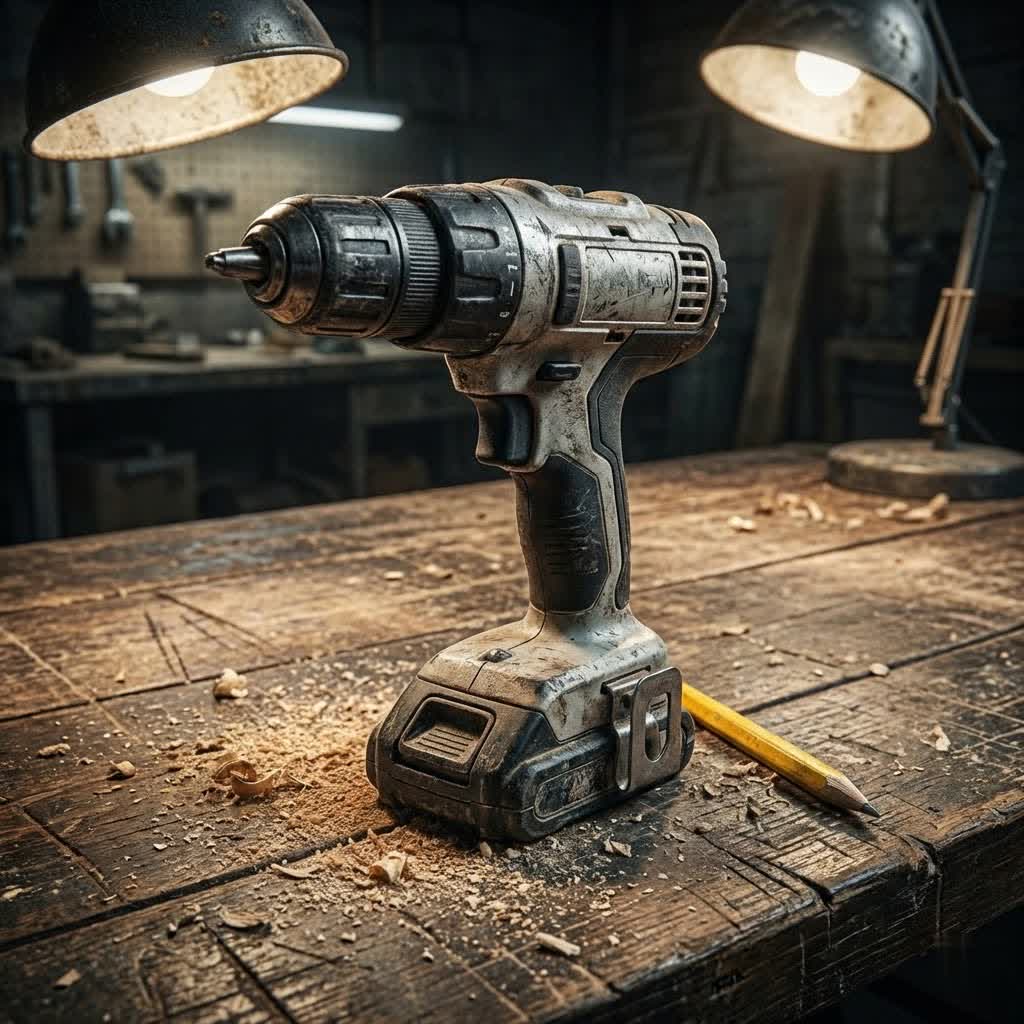
Have you ever faced a daunting digging task, back aching from manual labor, and wished for a tool that could effortlessly carve through earth or ice? The Electric Auger Drill is precisely that solution, transforming demanding projects into manageable endeavors. Whether you’re a seasoned landscaper, a passionate gardener, or an ice fishing enthusiast, understanding the nuances of this powerful tool can revolutionize your work. This article will delve into everything you need to know about electric auger drills, from their fundamental mechanics and diverse applications to crucial selection criteria and safe operating practices, ensuring you make the best choice for your needs.
Overview of Electric Auger Drills
At its core, an electric auger drill is a helical screw-shaped tool designed to bore holes, driven by an electric motor. Unlike traditional shovels or post-hole diggers, an auger’s spiraling “flighting” mechanism efficiently cuts and transports material—be it soil, ice, or wood chips—out of the hole, minimizing effort and maximizing speed. The concept of the auger itself dates back centuries, evolving from simple hand tools to the robust, motor-driven units we see today. The advent of electric power transformed these tools, offering a cleaner, quieter, and often more convenient alternative to gas-powered counterparts.
Modern electric auger drills serve a wide array of purposes, from intricate gardening tasks like planting bulbs to heavy-duty applications such as installing fence posts or drilling through thick ice for fishing. Their versatility makes them indispensable for both professional tradespeople and enthusiastic DIYers seeking efficiency and precision.
Detailed Classification of Electric Auger Drills
Electric auger drills come in various configurations, primarily distinguished by their power source and intended application. Understanding these classifications is key to selecting the most appropriate tool for your projects.
Corded Electric Auger Drills
Corded electric auger drills are characterized by their direct connection to a power outlet. This provides a consistent and unlimited power supply, eliminating concerns about battery life or refueling. They often boast high torque and sustained performance, making them ideal for continuous, demanding tasks where a power source is readily available.
- Pros: Uninterrupted power, typically lighter than gas models, lower maintenance, consistent performance.
- Cons: Limited by power cord length, requires an electrical outlet, cord management can be cumbersome and a safety hazard.
- Suitable Applications: Stationary landscaping projects, repetitive planting in an accessible garden, drilling multiple fence posts within a power-reachable area.
- Comparison: Offers more sustained power than many cordless models for heavy-duty work but lacks the mobility. Quieter and cleaner than gas augers.
|
Our Picks for the Best Electric Drill in 2026
We may earn a commission when you use one of our links to make a purchase.
|
||
| Num | Product | Action |
|---|---|---|
| 1 | DEWALT 20V Max Cordless Drill Driver Set, 2 Speed, High Performance Motor, Includes 2 XR 1.3Ah Li-Ion Batteries, Charger and Contractor Bag (DCD771C2) |

|
| 2 | Hoteche 320W 10mm Torque Drill, 19+1 Torque Settings Corded Electric Drill for Metal (10mm) & Wood (20mm), Yellow, Color Box Packaging |
|
| 3 | 20V Cordless Drill, Electric Power Drill Set with Battery Charger and Carrying Case, 3/8” Keyless Chuck, 2 Variable Speed, 18+3 Torque, 72pcs Driver Bits and Belt Hook, Red |
|
| 4 | BLACK+DECKER 20V MAX* POWERCONNECT Cordless Drill Driver Kit with Drill Bit Set and Sockets, 100 pc. Tool Kit for Home, Battery and Charger Included ,Orange (BDC120VA100) |
|
| 5 | FADAKWALT Cordless Drill Set,12V Power Drill Set with Battery and Charger, Electric Driver/Drill Bits, 3/8'' Keyless Chuck,21+1 Torque Setting, 180 inch-lbs, with LED Electric Drill Set (Green) |
|
| 6 | DEWALT 20V MAX Cordless Drill Driver Set, Electric Drill, Brushless 1/2 In 2 Speed, 2.0 Ah Battery and Charger Included, LED Light (DCD777D1) |
|
| 7 | AVID POWER 20V MAX Lithium lon Cordless Drill Set, Power Drill Kit with Battery and Charger, 3/8-Inch Keyless Chuck, Variable Speed, 16 Position and 22pcs Drill Bits (Red) |
|
| 8 | Cordless Drill Set, VIWKO 20V Power Drill with Power Pack 2.0Ah and Charger, 3/8-Inch Keyless Chuck Electricdrill, 25+1 Torque, 42pcs Drilldriver Bits/Screws for DIY Projects (Red) |
|
| 9 | COMOWARE 20V Cordless Drill, Electric Power Drill Set with 1 Battery & Charger, 3/8” Keyless Chuck, 2 Variable Speed, 266 In-lb Torque, 25+1 Position and 34pcs Drill/Driver Bits |
|
| 10 | PULITUO'S 20V Cordless Drill/Driver, Electric Screwdriver - 2 Batteries, 30Nm, 21+1 Torque, 2 Speed, Keyless 3/8" Chase Drill with LED Light, Kit for Home (Green) |
|
Cordless (Battery-Powered) Electric Auger Drills
Cordless electric auger drills provide unparalleled portability, freedom from power outlets, and a cleaner, quieter operation, making them highly favored for residential use and remote locations. These drills rely on rechargeable battery packs, with voltage (e.g., 18V, 20V, 40V, or 60V) being a key indicator of their power output. Higher voltage batteries generally deliver more power and longer run times, crucial for tougher materials and larger holes.
- Pros: Exceptional mobility, quieter operation, zero emissions, instant start, often feature anti-kickback technology and reverse functions.
- Cons: Limited by battery life and charge time, batteries can add significant weight, initial cost often higher due to battery and charger.
- Suitable Applications: Gardening and planting in large yards, ice fishing, light to medium-duty fence post installation, soil sampling in varied locations.
- Key Features: Look for models with an anti-kickback clutch or shock coil on the bit for safety, a reverse function to free stuck bits, and high-capacity lithium-ion batteries for extended use.
Earth Auger Drills
Earth auger drills are specifically designed for digging into various soil types, from loose loam to compacted clay and even rocky ground. These tools are indispensable for any project requiring holes in the earth.
- Specific Uses: Planting trees, shrubs, and bulbs; installing fence posts, deck footings, and solar panels; aerating soil; digging irrigation trenches.
- Considerations for Soil Types: For soft, tilled soil, a standard auger bit with a robust cordless drill may suffice. For hard, rocky clay, a dedicated high-torque electric auger with a heavy-duty bit (e.g., carbide-tipped) is essential. The ability to handle roots is also a crucial factor.
Ice Auger Drills
Ice auger drills are specialized for boring through ice sheets, primarily for ice fishing. These are engineered for rapid, clean cutting through frozen surfaces, ensuring a quick setup on the ice.
- Specific Uses: Creating fishing holes on frozen lakes and rivers.
- Design Considerations: Lightweight construction for easy transport, extremely sharp blades optimized for ice, and often feature longer shafts to accommodate varying ice thicknesses. Battery-powered ice augers have gained popularity for their quietness and lack of exhaust fumes.
Comparison Table of Electric Auger Drill Types
| Feature | Corded Electric Auger Drill | Cordless Electric Auger Drill | Earth Auger Drill (General) | Ice Auger Drill (General) |
|---|---|---|---|---|
| Power Source | AC outlet | Rechargeable Battery (Li-ion) | Electric (Corded or Cordless) | Electric (Corded or Cordless) |
| Mobility | Limited by cord length | High (unrestricted by outlets) | Varies by power source | High (often battery-powered) |
| Best Use Case | Repetitive tasks near power, heavy continuous drilling | Remote projects, quick tasks, residential use | Digging in various soil types | Drilling through ice for fishing |
| Key Advantage | Unlimited runtime, consistent power | Portability, quiet, no emissions | Efficient soil excavation | Fast, clean ice drilling |
| Key Disadvantage | Cord management, range restriction | Battery life, weight of battery | Can be challenged by extremely rocky soil | Single-purpose, seasonal use |
| Typical Power | High, sustained | Varies (18V-60V+ for heavy duty) | High torque for soil penetration | High speed for ice cutting |
Guide to Choosing the Right Electric Auger Drill
Selecting the ideal electric auger drill requires careful consideration of several factors tailored to your specific projects and preferences.
Determine Your Usage Needs
Before anything else, clarify the primary purpose of your auger.
- Purpose: Are you planting annuals, installing a sturdy fence, or heading out for ice fishing? Smaller augers (2-3 inches) are perfect for bulbs and plugs, while larger ones (4-18 inches) are necessary for trees, shrubs, and posts.
- Material: What will you be drilling into? Soil conditions (sandy, clay, rocky) dictate the required power and bit type. Ice thickness will impact the choice of an ice auger.
- Frequency of Use: Occasional light gardening might justify a less powerful, more affordable unit, while regular, demanding use calls for a robust, high-performance model.
Budget Considerations
Electric auger drills vary significantly in price. Establish a budget range, remembering that while entry-level models are cost-effective for occasional use, investing in a mid-range or professional-grade unit often yields better durability, power, and a wider range of features for frequent or heavy-duty tasks. Also, factor in the cost of additional auger bits and extensions.
Crucial Technical Specifications
Delving into the technical details ensures the drill can handle your toughest jobs.
- Power (Motor, Voltage, Amperage): For cordless models, higher voltage (e.g., 40V, 60V) generally means more power. For all electric drills, a higher amperage indicates a more powerful motor capable of handling challenging materials.
- Torque and Speed: Torque, the rotational force, is paramount for digging through dense materials. Always opt for drills with a low-speed setting (often called “drill mode”) as this maximizes torque, preventing kickback and allowing for smoother drilling. Variable speed control is highly beneficial.
- Auger Bit Size (Diameter and Length): Ensure the drill can accommodate the desired bit diameter for your holes. Consider the length, too; longer augers (24 inches or more) allow you to stand upright, reducing back strain, especially for deeper holes.
- Chuck Type: A keyless chuck allows for quick and easy bit changes, improving efficiency on the job.
Brand Reputation and Reliability
Research reputable brands known for quality and durability in power tools. Brands with a strong track record often provide better performance, longer warranties, and superior customer support. While specific recommendations are beyond this guide, looking at professional reviews and user feedback for trusted manufacturers can be a good starting point for assessing reliability.
Essential Supplementary Features
Modern electric auger drills come with features that enhance safety, comfort, and versatility.
- Safety Features: An anti-kickback clutch automatically stops the drill if the bit binds, preventing injury. A robust side handle provides crucial stability and control, especially with larger bits. A reverse function is invaluable for dislodging a stuck bit from tough soil or ice.
- Ergonomics: Consider the tool’s weight and balance, especially if you’ll be using it for extended periods. Features like anti-vibration handles or torsion springs can significantly reduce user fatigue.
- Battery Features (for cordless): Look at battery capacity (Ah) for run time, and charge time. Some systems offer interchangeable batteries across a range of tools, adding convenience.
Safe Operation and Maintenance Tips for Electric Auger Drills
Proper handling and care are crucial for maximizing the lifespan of your electric auger drill and ensuring safe operation.
When using the drill, always wear appropriate personal protective equipment (PPE), including safety glasses, gloves, and sturdy footwear. Before starting, ensure the work area is clear of obstacles, hidden wires, or pipes. Always hold the drill firmly with both hands, using the side handle for maximum control. Start drilling at a slow speed to prevent kickback, gradually increasing as the auger bites into the material. If the bit binds, immediately release the trigger and use the reverse function to clear it. Never force the auger; let the tool do the work.
For maintenance, routinely clean the auger bit and the drill housing after each use, removing any soil, ice, or debris. Inspect the bit for sharpness and damage; a dull bit can strain the motor and increase kickback risk. For cordless models, store batteries in a cool, dry place and follow manufacturer guidelines for charging to prolong their life. Periodically check all fasteners and ensure the chuck is securely tightened.
“A well-maintained tool isn’t just about longevity; it’s about predictable performance and user safety. Never underestimate the power of a sharp bit and a clean machine.”
Conclusion
The electric auger drill stands as a powerful testament to how technology can simplify demanding physical tasks, making everything from planting a vibrant garden to preparing for an ice fishing expedition significantly easier and more efficient. By understanding the different types—corded for endless power, cordless for ultimate mobility—and meticulously evaluating your specific project needs against key technical specifications and essential features, you can confidently select a tool that serves as a true extension of your capabilities. Remember, the right electric auger drill not only saves time and effort but also enhances safety and delivers professional-grade results. What innovative project will you tackle next with the precision and power of an electric auger drill?
Frequently Asked Questions
What is the primary advantage of an electric auger drill over a gas-powered one?
Electric auger drills offer quieter operation, produce no emissions, and require less maintenance compared to their gas-powered counterparts. They also start instantly without needing fuel mixing or pull starts, making them more convenient for many users.
Can I use a regular electric drill with an auger bit?
For small-diameter auger bits (e.g., 2-3 inches for planting bulbs) and soft soil, a powerful cordless drill (18V-20V+ with high torque and a side handle) can often be used. However, for larger augers or tougher materials like compacted soil or ice, a dedicated electric auger drill or impact driver designed for such tasks is highly recommended to prevent damage to the drill or injury.
What voltage is best for a cordless electric auger drill?
For light-duty tasks, a 18V or 20V cordless auger can be sufficient. For medium to heavy-duty applications, such as digging post holes in challenging soil or drilling through thick ice, 40V or 60V models provide the necessary power and extended run time.
How do I prevent kickback when using an electric auger drill?
To minimize kickback, always hold the drill firmly with both hands, use a side handle if available, and start drilling at the lowest speed setting to allow the bit to engage gradually. Many modern electric augers also include an anti-kickback clutch that automatically disengages the motor if the bit binds.
What kind of maintenance does an electric auger drill require?
Maintenance typically involves cleaning the auger bit and drill after each use, checking the bit for sharpness, and inspecting for any damage. For cordless models, proper battery care (charging and storage) according to the manufacturer’s instructions is essential for longevity.