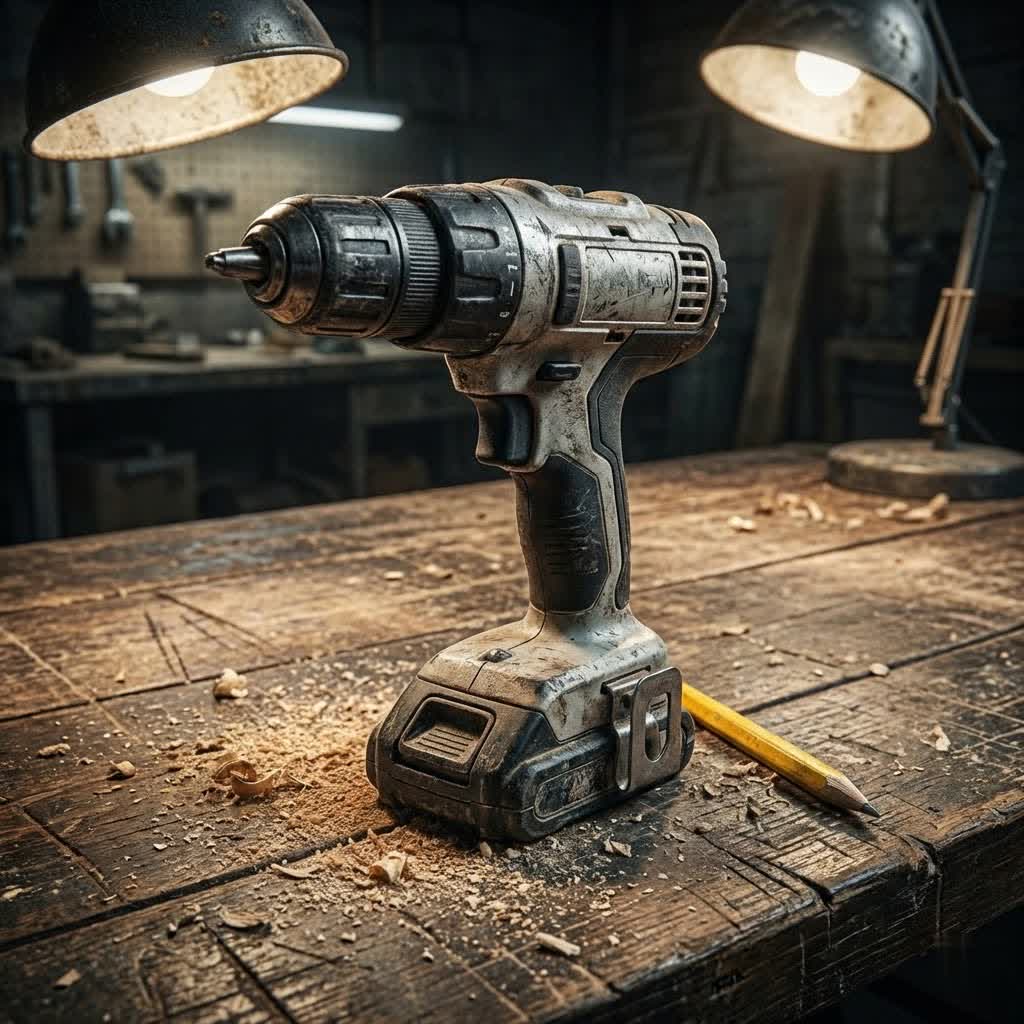
In the world of power tools, few names resonate with the same authority and reliability as DeWalt. For decades, these iconic yellow and black tools have been the go-to choice for professionals and DIY enthusiasts alike, known for their robust construction and unwavering performance. Whether you’re tackling a complex renovation or simply hanging a picture frame, a Dewalt Electric Drill is an indispensable companion in any toolbox. But with such a vast array of models available, how do you pinpoint the perfect one for your specific needs? This guide will navigate you through the impressive lineage of DeWalt drills, dissect their various types, offer a comparative overview, and provide expert advice on selecting and maintaining the ideal tool to power your next project.
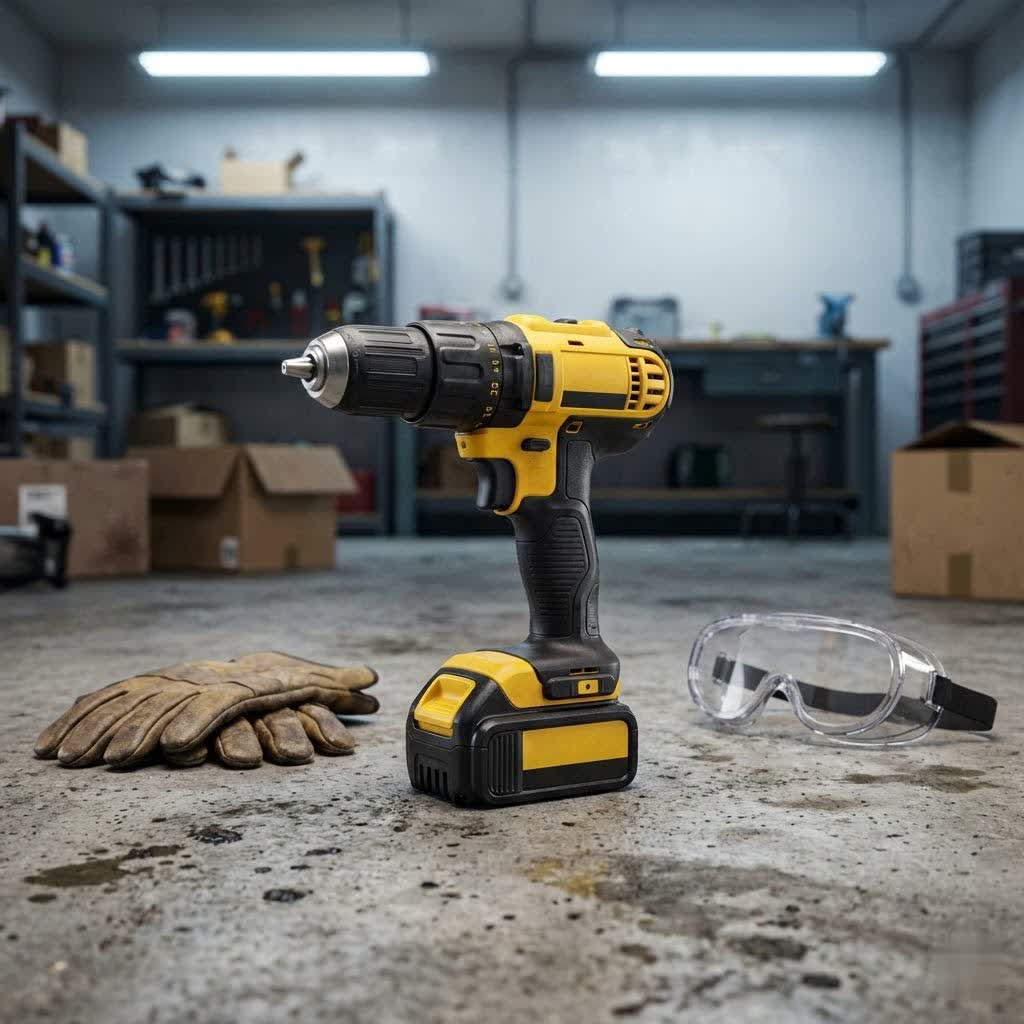
Overview of Electric Drills
Electric drills are fundamental power tools engineered for two primary functions: boring holes and driving fasteners. From delicate tasks around the home to demanding construction site operations, their versatility makes them a cornerstone of modern craftsmanship.
The evolution of the electric drill is a testament to continuous innovation. The roots of DeWalt trace back to 1924, when Raymond DeWalt invented the radial arm saw, revolutionizing woodworking. This laid the foundation for a company that would eventually expand into a wide range of electric power tools. DeWalt solidified its reputation for quality, famously launching its first portable electric drill in 1994 and solidifying its “Guaranteed Tough” campaign, underscoring its commitment to durability and reliability. The company’s journey included acquisitions by American Machine & Foundry (AMF) in 1949 and later Black & Decker in 1960, before a strategic rebrand in 1992 repositioned DeWalt as the premier choice for professional-grade power tools.
Today, the landscape of electric drills offers several distinct types, each designed to excel in particular applications:
- Cordless Drill/Driver: These battery-powered units are highly versatile, excellent for general drilling into materials like wood, plastic, and drywall, as well as driving screws.
- Corded Drill: Offering consistent power delivery as they plug directly into an outlet, corded drills are often heavier but suitable for sustained, higher-power tasks and larger drill bits.
- Hammer Drill: Equipped with a special mechanism, hammer drills add a rapid pounding action to their rotation, making them highly effective for drilling into hard materials such as concrete, brick, and masonry.
- Impact Driver: Specializing in driving long screws and fasteners with high torque, impact drivers use rotational force and rapid concussive blows, significantly reducing user fatigue and kickback compared to standard drills.
- Rotary Hammer Drill (SDS Drills): These heavy-duty tools are built for serious demolition and drilling large holes in exceptionally tough materials like concrete and stone, utilizing an electro-pneumatic hammer mechanism.
- Magnetic Drill Press: Primarily used in metalworking, these specialized drills feature a magnetic base for stable, precise, and powerful drilling, often used for large diameter holes in steel.
Detailed Classification of DeWalt Electric Drills
DeWalt’s extensive catalog includes various electric drill types, each engineered with specific tasks and user needs in mind. Understanding these classifications is key to making an informed choice.
DeWalt Drill/Drivers (Standard Drills)
DeWalt drill/drivers are the workhorses for everyday drilling and fastening. They are characterized by their versatility and ease of use.
- Pros: Highly versatile for general drilling and driving tasks; often lightweight and compact for extended use; provide excellent control for precise applications.
- Cons: Not designed for heavy-duty masonry or concrete drilling, lacking a hammer function.
- Applications: Ideal for woodworking, assembling furniture, light-duty metal drilling, drywall installation, and general household repairs.
- Comparison: These drills offer more control and finesse than hammer drills or impact drivers, making them perfect for tasks that require a delicate touch or consistent rotational force. Popular models like the DCD777 and DCD801 strike a great balance between power and portability for both DIYers and light professional use.
|
Our Picks for the Best Electric Drill in 2026
We may earn a commission when you use one of our links to make a purchase.
|
||
| Num | Product | Action |
|---|---|---|
| 1 | PULITUO'S 20V Cordless Drill/Driver, Electric Screwdriver - 2 Batteries, 30Nm, 21+1 Torque, 2 Speed, Keyless 3/8" Chase Drill with LED Light, Kit for Home (Green) |

|
| 2 | AVID POWER 20V MAX Lithium lon Cordless Drill Set, Power Drill Kit with Battery and Charger, 3/8-Inch Keyless Chuck, Variable Speed, 16 Position and 22pcs Drill Bits (Red) |
|
| 3 | Hoteche 320W 10mm Torque Drill, 19+1 Torque Settings Corded Electric Drill for Metal (10mm) & Wood (20mm), Yellow, Color Box Packaging |
|
| 4 | DEWALT 20V Max Cordless Drill Driver Set, 2 Speed, High Performance Motor, Includes 2 XR 1.3Ah Li-Ion Batteries, Charger and Contractor Bag (DCD771C2) |
|
| 5 | Cordless Drill Set, VIWKO 20V Power Drill with Power Pack 2.0Ah and Charger, 3/8-Inch Keyless Chuck Electricdrill, 25+1 Torque, 42pcs Drilldriver Bits/Screws for DIY Projects (Red) |
|
| 6 | COMOWARE 20V Cordless Drill, Electric Power Drill Set with 1 Battery & Charger, 3/8” Keyless Chuck, 2 Variable Speed, 266 In-lb Torque, 25+1 Position and 34pcs Drill/Driver Bits |
|
| 7 | 20V Cordless Drill, Electric Power Drill Set with Battery Charger and Carrying Case, 3/8” Keyless Chuck, 2 Variable Speed, 18+3 Torque, 72pcs Driver Bits and Belt Hook, Red |
|
| 8 | FADAKWALT Cordless Drill Set,12V Power Drill Set with Battery and Charger, Electric Driver/Drill Bits, 3/8'' Keyless Chuck,21+1 Torque Setting, 180 inch-lbs, with LED Electric Drill Set (Green) |
|
| 9 | BLACK+DECKER 20V MAX* POWERCONNECT Cordless Drill Driver Kit with Drill Bit Set and Sockets, 100 pc. Tool Kit for Home, Battery and Charger Included ,Orange (BDC120VA100) |
|
| 10 | DEWALT 20V MAX Cordless Drill Driver Set, Electric Drill, Brushless 1/2 In 2 Speed, 2.0 Ah Battery and Charger Included, LED Light (DCD777D1) |
|
DeWalt Hammer Drills
When you encounter tough materials, a DeWalt hammer drill steps up to the challenge. They combine rotational drilling with a percussive hammering action.
- Pros: Extremely effective for drilling into hard materials such as concrete, brick, and masonry; many models offer a combi-drill function, allowing them to switch between drilling, hammer drilling, and screwdriving modes.
- Cons: Generally heavier and bulkier than standard drill/drivers, and the hammering action can produce higher vibration and noise.
- Applications: Essential for masonry work, installing anchors into concrete, and various heavy-duty construction tasks where tough materials are present.
- Comparison: Unlike a standard drill/driver, a hammer drill’s unique percussion mechanism allows it to literally hammer its way through resistant surfaces while rotating. High-performance models like the DCD1007 are acclaimed for their power and efficiency in demanding applications.
DeWalt Impact Drivers
For efficient and effortless fastening, DeWalt impact drivers are a specialized tool designed to drive screws and bolts with exceptional speed and torque.
- Pros: Delivers incredibly high torque for driving long screws and fasteners quickly; the impacting action significantly reduces kickback, lessening strain on the user’s wrist; often feature a compact and lightweight design, allowing access to tight spaces.
- Cons: Not ideal for drilling precise holes, as they lack the fine control of a drill/driver’s clutch; can be loud due to the impacting mechanism; primarily optimized for driving, not drilling.
- Applications: Excellently suited for driving deck screws, lag bolts, cabinet installation, and any repetitive fastening tasks.
- Comparison: An impact driver uses a combination of rotational force and rapid, short-burst impacts to overcome resistance, which is distinct from the continuous hammering motion of a hammer drill. This makes them significantly faster for driving fasteners into tough materials.
DeWalt Rotary Hammer Drills (SDS Drills)
For the most demanding drilling and light demolition tasks in concrete and stone, DeWalt rotary hammer drills are engineered for brute strength and efficiency.
- Pros: Offers superior power and speed for drilling large-diameter holes and chiseling in concrete, stone, and other extremely hard materials; equipped with an SDS chuck for quick, secure bit changes and enhanced impact transfer.
- Cons: These are specialized, heavy, and often more expensive tools; their robust power makes them unsuitable for delicate tasks or softer materials.
- Applications: Heavy-duty concrete drilling, chiseling, breaking through masonry, and large-scale anchoring tasks in construction.
- Comparison: Rotary hammer drills utilize an electro-pneumatic hammering mechanism, providing a much stronger impact force than standard hammer drills. They are designed for applications where a hammer drill might struggle or be too slow.
DeWalt Magnetic Drill Presses
DeWalt magnetic drill presses provide stability and precision for drilling into metal, often in industrial or fabrication settings.
- Pros: Delivers exceptionally accurate and strong drilling, especially for large-diameter holes in metal; the magnetic base ensures incredible stability and prevents tool movement during operation; some models offer cordless convenience, enhancing portability on job sites.
- Cons: Highly specialized and generally more expensive than handheld drills; their weight and size limit their portability compared to other drills.
- Applications: Ideal for structural steel work, heavy machinery repair, fabrication, and any task requiring precise, large-scale drilling in ferrous metals.
- Comparison: Unlike handheld drills, a magnetic drill press attaches firmly to a metal surface, providing a fixed and stable platform for drilling, which is crucial for accuracy and safety with larger bits.
DeWalt Electric Drill Comparison Table
To help you visualize the distinctions, here’s a detailed comparison of popular DeWalt electric drill types:
| Drill Type | Primary Use | Key Features | Pros | Cons | Common DeWalt Models |
|---|---|---|---|---|---|
| Drill/Driver | General drilling and driving | Variable speed, clutch, lightweight design | Versatile, precise, easy to handle for everyday tasks | Limited power for very hard materials, no hammer function | DCD777, DCD801 |
| Hammer Drill | Drilling in masonry, concrete, brick | Hammer function (percussive), rotary function, often combi-drill | Effective in hard materials, versatile for various tasks | Heavier, more vibration, less precise for delicate drilling | DCD1007, DCD805 |
| Impact Driver | Driving screws and fasteners | High torque, impacts (tangential), compact size | Fast fastening, reduces wrist strain, powerful | Poor for precise drilling, can be loud, mainly for driving | DCF887, DCF860 |
| Rotary Hammer Drill | Heavy-duty concrete drilling & chiseling | Electro-pneumatic mechanism, SDS chuck, chiseling mode | Extreme power for concrete/masonry, light demolition | Very heavy, specialized, expensive, not suitable for small tasks | DCH Series |
| Magnetic Drill Press | Precise, large-diameter metal drilling | Magnetic base, stable, high hole capacity | High accuracy, strong hold on metal, deep holes possible | Very specialized, heavy, high cost, limited portability | DCD1623 |
How to Choose the Right DeWalt Electric Drill
Selecting the perfect DeWalt electric drill involves a thoughtful assessment of your needs, budget, and the technical specifications that align with your work.
Determine Your Usage Needs
Your primary use case is the most critical factor in your decision.
- Purpose: Are you engaging in light home repairs, detailed woodworking, heavy-duty construction, or specialized metal fabrication? Each task demands a different type of drill.
- Materials: What materials will you be working with most frequently? Wood, drywall, plastic, metal, concrete, or brick? The hardness of the material will dictate the necessary power and features, such as a hammer function.
- Frequency: Will the drill be an occasional tool for DIY projects, or will it be a daily companion for professional work? This affects the required durability, battery life, and overall investment.
Set Your Budget
DeWalt offers a wide spectrum of drills at various price points, accommodating different financial commitments.
- Entry-level models, such as the DCD777, provide excellent value for home users and lighter tasks.
- Conversely, high-performance XR or FlexVolt models, while a greater investment, deliver the power and advanced features demanded by professionals.
- Consider whether you need a bare tool (tool only) if you already own DeWalt batteries and chargers, or a kit that includes everything you need to get started.
Key Technical Specifications
Understanding the technical details will ensure your chosen drill is up to the task.
- Power/Voltage: DeWalt’s cordless drills typically come in 12V Max for compact, lighter-duty tools, and 20V Max for a versatile range of tools balancing power and portability. For the most demanding applications, the 60V/120V FlexVolt system offers exceptional power. DeWalt often measures power in MWO (Max Watts Out), where a higher MWO generally indicates a more powerful drill with greater torque.
- Speed (RPM): Look for drills with variable speed settings, which are crucial for control across different materials and tasks. Lower RPM settings provide higher torque for driving screws and drilling larger holes, while higher RPM is suitable for faster drilling in softer materials. Many DeWalt drills feature multiple gearboxes to optimize speed and torque.
- Chuck Size & Type: The chuck holds the drill bit. Common sizes are 1/2-inch (most versatile for various bits) and 3/8-inch (suitable for lighter tasks). Keyless chucks allow for quick and easy bit changes, while all-metal chucks are preferred for their superior durability and grip in professional-grade tools.
- Motor Type (Brushed vs. Brushless): Modern DeWalt drills often feature brushless motors. These motors are more efficient, offering longer runtime per battery charge, greater power, and a longer overall tool lifespan due to reduced friction and heat compared to traditional brushed motors.
- Features: Essential features to consider include integrated LED lights to illuminate your work area, a belt hook for convenience, and a side handle for better control on high-torque hammer drills. Advanced features like kickback control enhance user safety by shutting off the motor if the drill binds up.
Brand Reputation and Reliability
DeWalt has built a century-long reputation for quality and innovation. Their tools are known for being robust and durable, designed to withstand the rigors of demanding job sites. This commitment to reliability is often backed by a comprehensive 3-year warranty on many of their tools, providing peace of mind for your investment.
Supplemental Features
Beyond the core specifications, certain additional features can significantly enhance your drilling experience:
- LED Work Light: A built-in light above the trigger is invaluable for illuminating dimly lit work areas, especially in tight spaces.
- Variable Speed Control: Allows you to adjust the drilling speed to match the material and task, offering greater precision and preventing damage.
- Anti-Vibration System: Particularly important for hammer drills and rotary hammers, this system reduces vibrations transferred to your hands, minimizing fatigue during prolonged use.
- Battery System: DeWalt’s battery platforms (12V Max, 20V Max, FlexVolt) are designed for interchangeability, meaning one battery can power multiple tools within the same system. Consider the Ampere-hour (Ah) rating of the battery; a higher Ah rating indicates a longer runtime between charges.
Tips for Safe Use and Maintenance of DeWalt Electric Drills
To ensure your DeWalt electric drill performs optimally and lasts for years, proper usage and diligent maintenance are crucial.
Proper Usage
- Read the Manual: Always begin by reading the instruction manual specific to your drill model.
- Correct Bit Selection: Always choose the appropriate drill bit for the material you are working with (e.g., wood bits, metal bits, masonry bits).
- Secure Workpiece: Ensure your material is firmly clamped or secured to prevent it from moving during drilling.
- Steady Pressure: Apply steady, even pressure, allowing the drill to do the work rather than forcing it, which can cause overheating or breakage.
- Use Auxiliary Handle: For hammer drills and larger models, always attach and use the auxiliary side handle to maintain maximum control and stability.
Safety Precautions
- Wear PPE: Always wear appropriate personal protective equipment, including safety glasses to protect your eyes from debris, hearing protection, and gloves.
- Power Disconnect: Ensure the drill is off and unplugged (for corded models) or the battery is removed (for cordless models) before changing bits, making adjustments, or performing any maintenance.
- Clean Work Area: Keep your workspace tidy and well-lit to prevent accidents.
- Dress Appropriately: Avoid loose clothing, jewelry, or long hair that could get caught in moving parts of the drill.
Maintenance
- Regular Cleaning: After each use, clean your drill to remove dust, wood chips, or metal shavings, paying close attention to the ventilation slots to prevent overheating.
- Inspect Components: Regularly check the chuck, drill bits, and other accessories for wear, damage, or looseness.
- Lubrication: Lubricate moving parts as recommended in your drill’s manual.
- Proper Storage: Store your DeWalt drill in a dry, safe place, away from extreme temperatures and moisture, to prevent corrosion and damage to electronic components or batteries.
- Battery Care: Inspect battery packs and chargers for any signs of damage. Adhering to these simple steps will ensure your DeWalt electric drill continues to deliver peak performance and reliability for a long time.
Conclusion
Investing in a DeWalt electric drill is more than just buying a tool; it’s an investment in a legacy of power, precision, and enduring reliability. From the compact drill/driver, perfect for intricate DIY projects, to the heavy-duty rotary hammer built for the most demanding construction tasks, DeWalt offers a specialized solution for every need. By thoughtfully considering your specific requirements, understanding the nuanced differences between models, and committing to proper usage and maintenance, you can ensure your DeWalt electric drill becomes a cherished and indispensable asset in your arsenal for many years to come. What innovative project will you power through next with your perfectly chosen DeWalt?
Câu Hỏi Thường Gặp
What is the difference between a DeWalt drill/driver and a hammer drill?
A DeWalt drill/driver is primarily designed for drilling holes and driving screws in materials like wood, plastic, and light metal. A hammer drill, on the other hand, combines rotary action with a percussive hammering motion, making it highly effective for drilling into harder materials such as concrete, brick, and masonry.
Should I choose a brushed or brushless DeWalt drill?
Brushless DeWalt drills are generally superior, offering increased power, longer runtime per battery charge, and a longer lifespan due to less friction and heat. While they might have a higher upfront cost, their enhanced efficiency and durability make them a worthwhile investment for frequent or professional use.
What does “MWO” mean for DeWalt drills?
MWO stands for Max Watts Out. It is DeWalt’s proprietary measurement for a drill’s power output. A higher MWO rating typically indicates a more powerful drill with greater torque, which is advantageous for demanding tasks and tougher materials.
How do DeWalt’s 12V Max, 20V Max, and FlexVolt systems differ?
DeWalt’s 12V Max tools are lightweight and compact, ideal for light-duty tasks. The 20V Max system is their most popular, offering a balance of power and versatility for a wide range of applications. FlexVolt batteries (60V/120V) are designed for heavy-duty tools, automatically adjusting voltage to provide maximum power when required.
How can I extend the life of my DeWalt electric drill battery?
To extend your DeWalt battery’s life, avoid letting it completely discharge regularly, and store it in a cool, dry environment. Always use the charger recommended by DeWalt for optimal charging. Proper handling and storage significantly contribute to the longevity of modern lithium-ion batteries.
Can I use any DeWalt battery with any DeWalt tool?
Within the same voltage platform (e.g., all 20V Max tools with 20V Max batteries), most DeWalt batteries are interchangeable. FlexVolt batteries are unique as they are backward compatible, meaning they can power both 20V Max and 60V Max/120V FlexVolt tools, adapting their voltage output. Always verify compatibility for optimal performance.