Whether you’re a seasoned DIY enthusiast or embarking on your first home improvement project, the right electric drill is an indispensable tool. Navigating the diverse selection at stores like Ace Hardware can be overwhelming, but understanding the nuances of these powerful devices is key to making an informed decision. With over a decade of hands-on experience across countless models, I’m here to demystify electric drills and help you select the ideal tool for your needs from Ace Hardware’s extensive offerings.
Overview of Electric Drills
An electric drill is a versatile power tool primarily designed for drilling holes and driving fasteners. From assembling furniture to constructing a deck, its utility spans a wide range of tasks, making it a cornerstone of any toolbox. The evolution of electric drills has seen them transform from rudimentary, corded devices to sophisticated cordless machines with specialized functions, offering increased power, portability, and efficiency.
Modern electric drills broadly fall into two categories: corded and cordless. Corded drills offer consistent power without the worry of battery life, making them suitable for prolonged, heavy-duty tasks where a power outlet is readily available. Cordless drills, conversely, provide unparalleled freedom of movement, powered by rechargeable batteries. Ace Hardware, for example, stocks a wide range of cordless options, catering to the growing demand for portable convenience.
Detailed Classification of Electric Drills
Understanding the different types of electric drills is crucial for selecting the right tool for specific applications. Each type is engineered with unique features to excel in particular tasks.
Hammer Drills
Hammer drills combine rotary drilling with a hammering action, making them ideal for boring into hard, brittle materials like masonry, concrete, and brick. Unlike standard drills, they don’t just spin; they also rapidly pulse the drill bit forward, chiseling away at the material.
- Pros: Highly effective for tough materials, often include a “drill-only” mode for versatility.
- Cons: Can be heavier and noisier than standard drills, not always necessary for everyday tasks.
- Suitable Applications: Installing anchors in concrete, mounting shelving on brick walls, light demolition work on masonry.
- Comparison: A hammer drill is essentially a drill with an added hammering mechanism. While a standard drill might struggle or fail in concrete, a hammer drill powers through. Ace Hardware frequently offers hammer drills, often as part of powerful combo kits, such as the Milwaukee M18 FUEL Cordless Brushless Combo Kit which includes both a hammer drill and an impact driver.
|
Our Picks for the Best Electric Drill in 2026
We may earn a commission when you use one of our links to make a purchase.
|
||
| Num | Product | Action |
|---|---|---|
| 1 | DEWALT 20V MAX Cordless Drill Driver Set, Electric Drill, Brushless 1/2 In 2 Speed, 2.0 Ah Battery and Charger Included, LED Light (DCD777D1) |

|
| 2 | COMOWARE 20V Cordless Drill, Electric Power Drill Set with 1 Battery & Charger, 3/8” Keyless Chuck, 2 Variable Speed, 266 In-lb Torque, 25+1 Position and 34pcs Drill/Driver Bits |
|
| 3 | DEWALT 20V Max Cordless Drill Driver Set, 2 Speed, High Performance Motor, Includes 2 XR 1.3Ah Li-Ion Batteries, Charger and Contractor Bag (DCD771C2) |
|
| 4 | 20V Cordless Drill, Electric Power Drill Set with Battery Charger and Carrying Case, 3/8” Keyless Chuck, 2 Variable Speed, 18+3 Torque, 72pcs Driver Bits and Belt Hook, Red |
|
| 5 | BLACK+DECKER 20V MAX* POWERCONNECT Cordless Drill Driver Kit with Drill Bit Set and Sockets, 100 pc. Tool Kit for Home, Battery and Charger Included ,Orange (BDC120VA100) |
|
| 6 | Hoteche 320W 10mm Torque Drill, 19+1 Torque Settings Corded Electric Drill for Metal (10mm) & Wood (20mm), Yellow, Color Box Packaging |
|
| 7 | FADAKWALT Cordless Drill Set,12V Power Drill Set with Battery and Charger, Electric Driver/Drill Bits, 3/8'' Keyless Chuck,21+1 Torque Setting, 180 inch-lbs, with LED Electric Drill Set (Green) |
|
| 8 | AVID POWER 20V MAX Lithium lon Cordless Drill Set, Power Drill Kit with Battery and Charger, 3/8-Inch Keyless Chuck, Variable Speed, 16 Position and 22pcs Drill Bits (Red) |
|
| 9 | Cordless Drill Set, VIWKO 20V Power Drill with Power Pack 2.0Ah and Charger, 3/8-Inch Keyless Chuck Electricdrill, 25+1 Torque, 42pcs Drilldriver Bits/Screws for DIY Projects (Red) |
|
| 10 | PULITUO'S 20V Cordless Drill/Driver, Electric Screwdriver - 2 Batteries, 30Nm, 21+1 Torque, 2 Speed, Keyless 3/8" Chase Drill with LED Light, Kit for Home (Green) |
|
Drill/Drivers
The most common type of electric drill, a drill/driver is designed for both drilling holes and driving screws. Its defining feature is a clutch mechanism, which allows you to adjust the torque (rotational force). This prevents overtightening screws and stripping screw heads or damaging delicate materials.
- Pros: Extremely versatile for general household and workshop tasks, lightweight, easy to use.
- Cons: Not suitable for heavy-duty drilling into masonry (where a hammer drill excels) or high-torque fastening (where an impact driver is better).
- Suitable Applications: Assembling furniture, hanging pictures, drilling pilot holes in wood or metal, driving wood screws.
- Comparison: This is your everyday workhorse. The clutch setting is a standout feature, enabling precise control for driving fasteners, a crucial distinction from tools without this functionality. Brands like Black+Decker offer excellent budget-friendly drill/driver kits suitable for DIYers available at Ace Hardware.
Impact Drivers
Impact drivers are specialists in driving fasteners, particularly long or large screws, with exceptional speed and force. They apply rotational force (torque) and rapid concussive blows (impacts) simultaneously, making them incredibly efficient for tough driving tasks.
- Pros: High torque for driving fasteners quickly and efficiently, less wrist strain compared to a drill/driver when driving long screws, compact design.
- Cons: Not ideal for drilling precise holes (especially in metal or delicate materials), louder than drill/drivers, impact action can damage softer materials if not used carefully.
- Suitable Applications: Deck building, fencing, driving lag bolts, fastening heavy-duty hardware.
- Comparison: While a drill/driver uses continuous rotational power, an impact driver delivers short, powerful bursts of rotational force. Ace Hardware experts often highlight the distinction, emphasizing that a drill is for boring holes, while an impact driver is specifically for driving fasteners. Many professional combo kits at Ace, such as those from DeWalt and Milwaukee, include both a drill/driver and an impact driver, offering a comprehensive solution for various tasks.
Magnetic Drills
Magnetic drills, also known as mag drills, are highly specialized tools primarily used in metalworking to drill precise, large-diameter holes in thick metal. They feature an electromagnetic base that clamps securely to a ferrous metal surface, providing immense stability and allowing for accurate, hands-free drilling.
- Pros: Superior precision and stability for metal drilling, can create large holes quickly, safer for overhead work on metal structures.
- Cons: Very specialized, expensive, heavy, limited to ferrous metal surfaces.
- Suitable Applications: Structural steel fabrication, bridge construction, heavy machinery repair, any application requiring precise drilling into thick metal plates.
- Comparison: Magnetic drills are in a league of their own compared to handheld electric drills. They are industrial-grade tools and not typically found in the general power tool section of a retail hardware store like Ace Hardware, which primarily caters to DIYers and general contractors. However, understanding their existence underscores the broad spectrum of “electric drills” available in the market.
Comparison Table of Electric Drill Types
| Feature / Drill Type | Drill/Driver | Hammer Drill | Impact Driver | Magnetic Drill |
|---|---|---|---|---|
| Primary Function | Drilling holes, driving screws | Drilling into masonry/concrete | Driving fasteners (screws, bolts) | Drilling large holes in thick metal |
| Action | Rotary only, with adjustable clutch | Rotary + Hammering | Rotary + Concussive Impact | Rotary (often with annular cutters) |
| Best For | General household, wood, metal, plastics | Concrete, brick, stone, occasional wood/metal | Heavy-duty fastening, long screws | Structural steel, metal fabrication |
| Torque Control | Excellent (adjustable clutch) | Good (clutch in drill mode) | Very high (impact mechanism) | N/A (focus on drilling stability) |
| Portability | High | Medium-High | High | Low (heavy, needs metal surface) |
| Noise Level | Low-Medium | High | High | Medium-High |
| Common at Ace? | Yes, wide selection | Yes, good selection | Yes, often in combo kits | No (highly specialized) |
Guide to Choosing the Right Electric Drill at Ace Hardware
Selecting an electric drill isn’t just about power; it’s about matching the tool to your specific tasks and preferences. Ace Hardware provides a comprehensive array of choices, and here’s how to navigate them effectively.
Determine Your Usage Needs
Before stepping into Ace, consider what you’ll primarily use the drill for.
- Main Purpose: Are you hanging pictures, assembling furniture, building a deck, or undertaking more intensive renovation projects? For general household tasks and occasional DIY, a standard drill/driver is usually sufficient. For repeated work with concrete or masonry, a hammer drill is a must. If you’re driving countless long screws, an impact driver will save you time and effort.
- Materials: What materials will you be drilling into? Wood, drywall, plastic, metal, concrete, or a combination? Different drills and drill bits are optimized for different materials.
- Frequency: Occasional use warrants a more basic, budget-friendly model, while frequent or professional use demands higher durability, power, and advanced features.
Budget
Your budget will significantly influence your choices. Ace Hardware offers a spectrum of drills, from economical options for light use to premium models for professionals.
- Entry-Level (e.g., Black+Decker): For simple DIY and occasional tasks, brands like Black+Decker offer reliable 20V drill/driver kits at an affordable price point, often around $50, providing good power, functionality, and battery life.
- Mid-Range (e.g., Craftsman, some DeWalt): These offer a balance of features, power, and durability, suitable for more regular use and moderately demanding projects.
- Professional-Grade (e.g., Milwaukee, DeWalt): If you’re a professional or a serious DIYer, investing in high-performance brands like Milwaukee or DeWalt will pay off in terms of power, battery life, and longevity. Look out for promotions at Ace, which often include free tools with qualifying purchases, making these investments more accessible.
Key Technical Specifications
Understanding these specifications will help you compare different models effectively.
- Power (Voltage for Cordless): For cordless drills, voltage (V) indicates power. A 20V drill is considered substantial, offering robust torque and performance for most tasks. Lower voltage (e.g., 12V) models are more compact and lightweight, ideal for tight spaces, while higher voltage (e.g., 20V, 60V) is for heavy-duty applications.
- Speed (RPM): Measured in rotations per minute (RPM), speed is crucial. Drills often have multiple speed settings or a variable speed trigger. Lower speeds (Position 1) are for high-torque applications like driving screws or drilling hard metals, while higher speeds (Position 2) are for faster drilling in softer materials.
- Torque / Clutch Settings: Torque is the rotational force. A higher torque is better for driving large fasteners. Adjustable clutch settings, common on drill/drivers, allow you to limit torque, preventing screw stripping or material damage.
- Chuck Size: The chuck holds the drill bits. Common sizes are 3/8-inch and 1/2-inch. A 1/2-inch chuck can accommodate larger drill bits, making the tool more versatile for heavier tasks.
- Functions (Drill, Hammer, Driver): Many drills offer multiple modes. For example, a “hammer drill” will have drill and hammer modes, while some models combine drill, driver, and hammer functions for ultimate versatility.
- Motor Type (Brushed vs. Brushless):
- Brushed Motors: Traditional, more affordable. They use carbon brushes that wear out over time, generating heat and losing efficiency.
- Brushless Motors: A more recent innovation, brushless motors are electronically controlled, leading to greater efficiency, longer runtime per charge, increased power, and extended tool life with less maintenance. Many top-tier drills at Ace from brands like Milwaukee and DeWalt feature brushless technology.
- Battery System (for Cordless Drills): Lithium-ion batteries are standard for modern cordless drills, offering better power, longer runtime, and improved shelf life compared to older battery types. Consider the ampere-hour (Ah) rating for runtime, and look for kits that include multiple batteries and a fast charger for continuous work. Many brands offer interchangeable batteries across their tool lines, allowing you to use one battery for several tools.
Brand and Reliability
Ace Hardware carries many reputable brands known for their quality and durability.
- Top Brands: Milwaukee, DeWalt, Craftsman, Black+Decker, and Makita are prominent brands available at Ace Hardware. These brands often come with robust warranties, like DeWalt’s 3-year limited warranty mentioned for one of their compact drill/driver kits.
- User Reviews: Don’t underestimate the value of user reviews. For instance, the Black+Decker 20V Drill/Driver Kit has a high rating on Ace Hardware, often praised for its power and battery life.
- Expert Insight:
“When choosing a drill, always consider the brand’s ecosystem. Investing in a brand like DeWalt or Milwaukee at Ace Hardware means you’re buying into a system where batteries and chargers are interchangeable, offering long-term value and versatility as you expand your tool collection.” – Admin, ReviewsByM.com
Additional Features
Small features can significantly enhance your user experience and safety.
- LED Work Light: Illuminates your workspace, especially useful in dimly lit areas.
- Variable Speed Control: Allows for precise control over drilling and driving tasks.
- Ergonomic Design/Anti-Vibration: Comfortable grip and reduced vibration minimize fatigue during prolonged use.
- Belt Hook: Convenient for keeping the drill within reach while working on a ladder or moving around a job site.
- Charger and Carrying Case: Many drills come in kits that include a charger, one or two batteries, and a sturdy carrying case for organization and protection.
Tips for Safe Use and Maintenance of Electric Drills
Even the most robust electric drill requires proper care and safe handling to ensure its longevity and your safety.
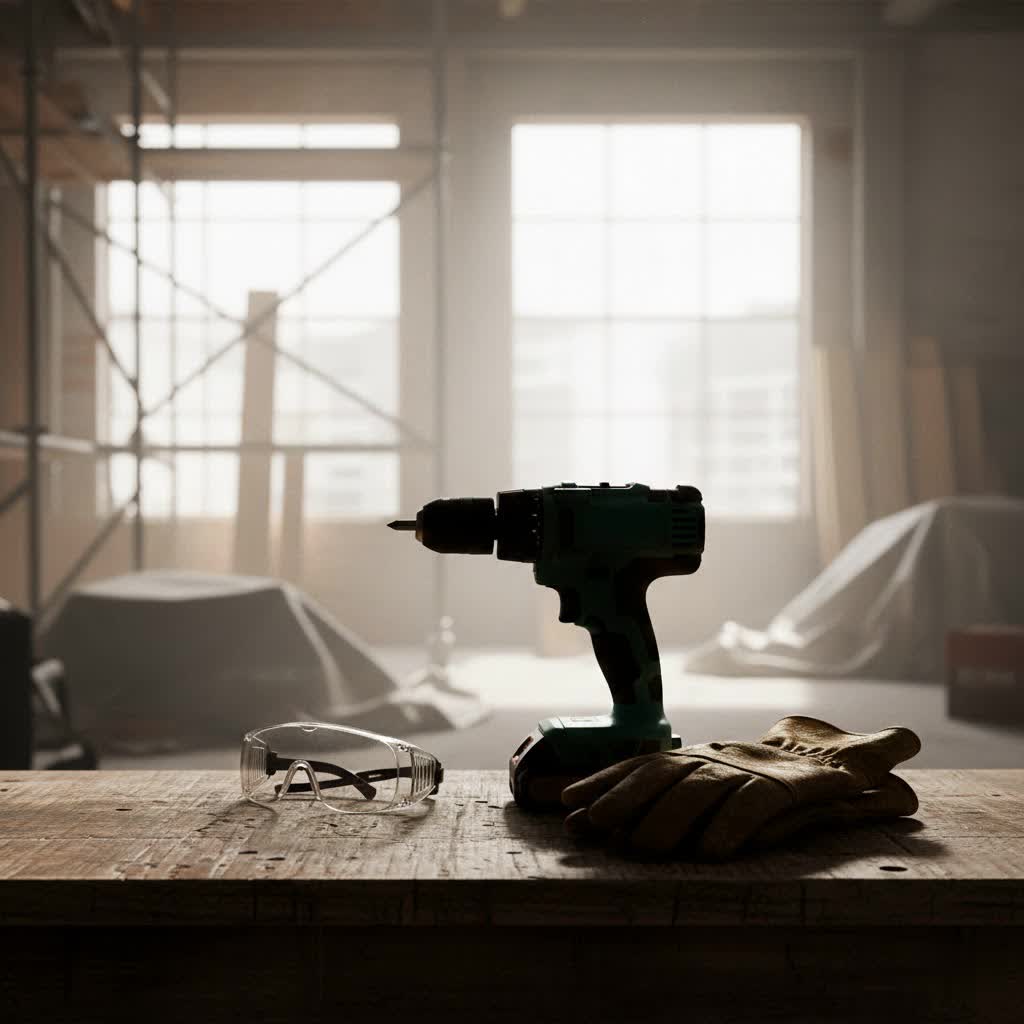
- Always Wear Safety Gear: Eye protection is non-negotiable. Gloves can protect your hands, and hearing protection is advisable when using hammer drills or impact drivers.
- Secure Your Workpiece: Always clamp or brace the material you’re drilling to prevent it from spinning or shifting, which can cause injury or damage.
- Choose the Right Bit: Match the drill bit to the material and the task. Using the wrong bit can lead to poor results, damage to the bit or material, or kickback.
- Start Slow: Begin drilling at a low speed to create a pilot point, then increase speed as needed. For driving screws, use the clutch settings to avoid over-tightening.
- Apply Steady Pressure: Let the drill do the work. Excessive force can overheat the motor or break bits.
- Keep Your Drill Clean: Regularly wipe down your drill to remove dust and debris. Keep the air vents clear to prevent overheating.
- Battery Care (Cordless Drills): Store lithium-ion batteries in a cool, dry place. Avoid completely draining them, and always use the charger recommended by the manufacturer.
- Storage: Store your drill in its case or a designated tool storage area, away from moisture and extreme temperatures.
Conclusion
Choosing an electric drill at Ace Hardware involves more than just picking the first one you see. By understanding your specific needs, evaluating the different types of drills, and paying attention to key technical specifications, you can confidently select a tool that will serve you reliably for years to come. Whether you opt for a versatile drill/driver, a powerful hammer drill, or an efficient impact driver, Ace Hardware offers a wide selection from trusted brands like Milwaukee, DeWalt, and Black+Decker, backed by knowledgeable staff to help you make the best choice. Invest wisely, prioritize safety, and enjoy the satisfaction of tackling any project with the right tool in hand.
What exciting project will you empower with your new electric drill from Ace Hardware?
Frequently Asked Questions
What’s the main difference between a brushed and brushless motor in an electric drill?
Brushless motors are more efficient, delivering more power, longer runtime, and a longer lifespan because they operate without friction-generating carbon brushes. Brushed motors are traditional, more affordable, but less efficient and have a shorter lifespan due to brush wear. For frequent use, brushless is generally worth the investment.
Should I choose a corded or cordless electric drill for home use?
For most home users, a cordless electric drill offers superior convenience and portability for tasks around the house and yard. Corded drills are best for continuous, heavy-duty applications where consistent power is paramount and proximity to an outlet isn’t an issue.
Can an impact driver be used for drilling holes?
While an impact driver can technically drill holes with hex-shank drill bits, it’s not its primary function or best use. Its impact mechanism is designed for driving fasteners and can lead to less precise holes or damage in some materials. A drill/driver is better suited for drilling.
What voltage cordless drill is best for general DIY?
A 20V (or 18V, which is largely equivalent) cordless drill is an excellent choice for general DIY and most home improvement tasks, offering a robust balance of power and versatility for drilling and driving through various materials. Smaller 12V drills are great for light tasks and tight spaces.
Do Ace Hardware electric drills typically come with batteries and chargers?
Many electric drills, especially cordless models, are sold as kits at Ace Hardware, which typically include one or two lithium-ion batteries, a charger, and often a carrying bag or case. This is particularly true for promotions on brands like Milwaukee and DeWalt, offering comprehensive starter packs.