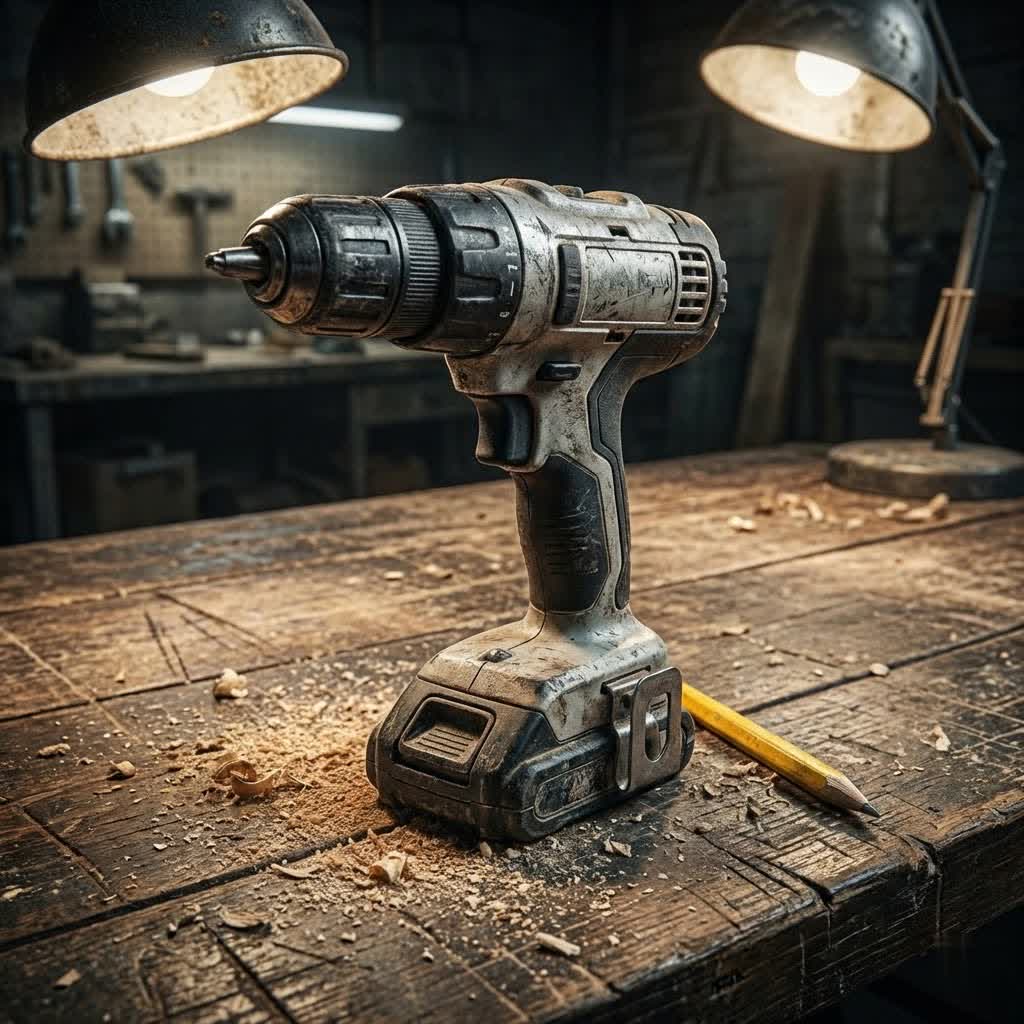
Are you tired of wrestling with tangled cords and searching for elusive power outlets while tackling your home improvement projects? The modern cordless electric drill has revolutionized how we approach tasks, offering unparalleled freedom and efficiency. For both seasoned professionals and enthusiastic DIYers, a reliable cordless electric drill is not just a tool, but an indispensable partner in achieving precision and power without compromise. This comprehensive guide will navigate the intricate world of cordless drills, helping you understand their diverse types, crucial features, and ultimately, empower you to select the perfect model for every challenge.
An Overview of Cordless Electric Drills
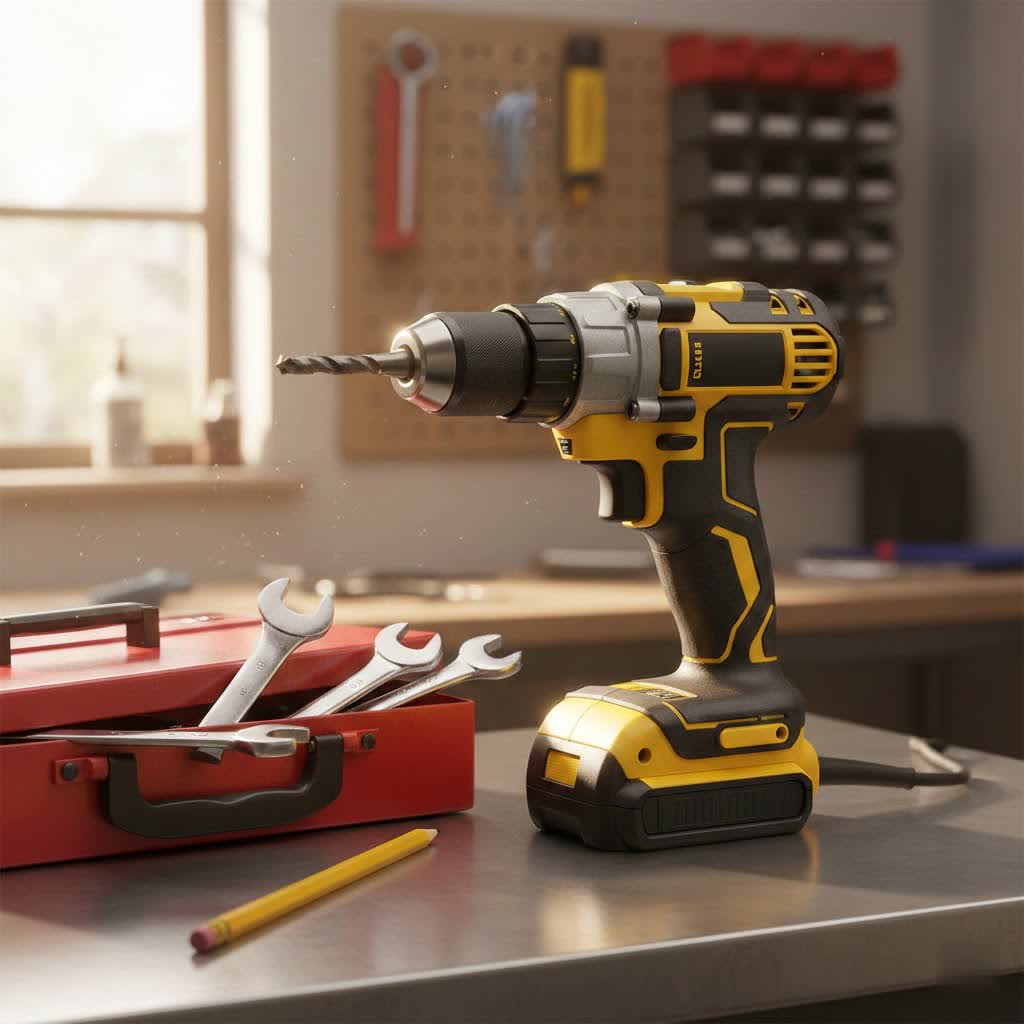
A cordless electric drill is a portable, battery-powered tool designed primarily for drilling holes and driving screws. Its defining feature is the absence of a power cord, providing immense flexibility and access to areas where traditional corded drills cannot reach. This portability makes them ideal for a vast array of applications, from assembling furniture and hanging pictures to undertaking more demanding construction tasks.
The evolution of electric drills has seen a significant shift towards cordless technology. Early drills were exclusively corded, tethering users to power sources. The introduction of rechargeable batteries, particularly advanced lithium-ion (Li-ion) technology, transformed the landscape, making cordless drills not only practical but also powerful enough to rival their corded counterparts for many applications. This continuous innovation in battery life, motor efficiency, and ergonomic design has cemented the cordless electric drill as a cornerstone of any modern toolkit.
Common cordless electric drills generally fall into categories like drill drivers, combi drills (which combine drilling and hammer drilling), and specialized impact drivers. Each type is engineered with specific capabilities to suit different materials and task demands, ensuring that there’s a cordless solution for almost any drilling or driving need.
Detailed Classification of Cordless Electric Drills
Understanding the nuances between different types of cordless electric drills is essential for choosing the right tool for your specific projects. While they may look similar, their internal mechanisms and intended uses vary significantly.
Drill Drivers
|
Our Picks for the Best Electric Drill in 2026
We may earn a commission when you use one of our links to make a purchase.
|
||
| Num | Product | Action |
|---|---|---|
| 1 | PULITUO'S 20V Cordless Drill/Driver, Electric Screwdriver - 2 Batteries, 30Nm, 21+1 Torque, 2 Speed, Keyless 3/8" Chase Drill with LED Light, Kit for Home (Green) |

|
| 2 | Hoteche 320W 10mm Torque Drill, 19+1 Torque Settings Corded Electric Drill for Metal (10mm) & Wood (20mm), Yellow, Color Box Packaging |
|
| 3 | DEWALT 20V MAX Cordless Drill Driver Set, Electric Drill, Brushless 1/2 In 2 Speed, 2.0 Ah Battery and Charger Included, LED Light (DCD777D1) |
|
| 4 | BLACK+DECKER 20V MAX* POWERCONNECT Cordless Drill Driver Kit with Drill Bit Set and Sockets, 100 pc. Tool Kit for Home, Battery and Charger Included ,Orange (BDC120VA100) |
|
| 5 | DEWALT 20V Max Cordless Drill Driver Set, 2 Speed, High Performance Motor, Includes 2 XR 1.3Ah Li-Ion Batteries, Charger and Contractor Bag (DCD771C2) |
|
| 6 | Cordless Drill Set, VIWKO 20V Power Drill with Power Pack 2.0Ah and Charger, 3/8-Inch Keyless Chuck Electricdrill, 25+1 Torque, 42pcs Drilldriver Bits/Screws for DIY Projects (Red) |
|
| 7 | FADAKWALT Cordless Drill Set,12V Power Drill Set with Battery and Charger, Electric Driver/Drill Bits, 3/8'' Keyless Chuck,21+1 Torque Setting, 180 inch-lbs, with LED Electric Drill Set (Green) |
|
| 8 | 20V Cordless Drill, Electric Power Drill Set with Battery Charger and Carrying Case, 3/8” Keyless Chuck, 2 Variable Speed, 18+3 Torque, 72pcs Driver Bits and Belt Hook, Red |
|
| 9 | COMOWARE 20V Cordless Drill, Electric Power Drill Set with 1 Battery & Charger, 3/8” Keyless Chuck, 2 Variable Speed, 266 In-lb Torque, 25+1 Position and 34pcs Drill/Driver Bits |
|
| 10 | AVID POWER 20V MAX Lithium lon Cordless Drill Set, Power Drill Kit with Battery and Charger, 3/8-Inch Keyless Chuck, Variable Speed, 16 Position and 22pcs Drill Bits (Red) |
|
Drill drivers are the most fundamental type of cordless electric drill, serving as versatile workhorses for everyday tasks. They are designed for both drilling holes into softer materials like wood, plastic, and thin metal, and for driving screws. Their primary advantages include being lightweight, easy to handle, and often more affordable than multi-function drills. However, their main limitation is a lack of hammering action, making them less effective for drilling into hard masonry or concrete. They typically feature adjustable clutch settings to prevent overtightening screws and damaging materials.
Cordless Impact Drivers
Impact drivers might resemble drill drivers, but their operational principle is distinct. Instead of continuous rotational force, impact drivers deliver rapid, concussive blows along with rotation. This “impact” action provides significantly higher torque, making them exceptionally efficient at driving long screws, lag bolts, or tightening stubborn fasteners with ease. They excel where high torque is needed without much effort from the user. The primary drawback is that impact drivers are not designed for drilling holes, especially not with standard drill bits, as their hex chuck only accepts specific impact-ready bits.
Combi Drills (Hammer Drill/Drill Driver)
Combi drills, also known as hammer drills or percussion drills, are the all-in-one champions for many DIY enthusiasts and trade professionals. They offer three modes: drilling (rotary only), driving, and hammer drilling. The hammer function adds a percussive action to the rotation, allowing them to effectively drill into brickwork, concrete, and other masonry materials. This versatility makes them an excellent choice if your projects involve a mix of wood, metal, and masonry. While powerful, their hammer action is generally less robust than dedicated SDS rotary hammers, and they can be noisier during operation.
SDS Rotary Hammers
For heavy-duty applications, the SDS rotary hammer (or SDS drill) stands unparalleled. These specialized cordless electric drills are engineered for serious demolition and drilling into the toughest materials such as reinforced concrete, stone, and steel. The SDS (Slotted Drive System) chuck allows drill bits to slide within the chuck while remaining secure, enabling a more powerful, piston-driven hammering action compared to the cam-driven mechanism of combi drills. SDS drills are significantly more powerful, but they are also bulkier, heavier, and typically more expensive, making them more suitable for professional use or large-scale renovation projects rather than casual DIY.
Comparison Table of Cordless Electric Drill Types
Choosing the right cordless electric drill can be simplified by understanding the distinct characteristics of each type. Here’s a comparative overview:
| Feature | Drill Driver | Cordless Impact Driver | Combi Drill (Hammer Drill/Drill Driver) | SDS Rotary Hammer |
|---|---|---|---|---|
| Primary Use | Drilling, Screwdriving | Driving Fasteners | Drilling, Screwdriving, Light Masonry | Heavy Masonry, Concrete, Demolition |
| Hammer Function | No | No (impact for driving) | Yes (Percussive) | Yes (Piston-driven) |
| Torque | Moderate | Very High | High | N/A (focus on impact energy) |
| Chuck Type | Keyless (3/8″, 1/2″) | Hex (1/4″) | Keyless (1/2″) | SDS+ or SDS Max |
| Best For | Wood, Metal, Plastic, Screws | Long Screws, Lag Bolts, Fasteners | Wood, Metal, Masonry, Versatile DIY | Concrete, Stone, Large Holes |
| Pros | Lightweight, Affordable, Versatile | High Torque, Efficient Driving, Compact | All-in-one, Good Versatility | Extremely Powerful, Fast in Masonry |
| Cons | Limited on Masonry | Not for Drilling Holes | Less powerful hammer than SDS | Heavy, Expensive, Specialized |
| Typical Voltage | 12V, 18V | 12V, 18V, 20V | 18V, 20V, 24V | 18V, 20V, 36V, 40V |
This table highlights that while a drill driver is excellent for basic tasks, an impact driver offers superior fastening power. For those needing a balance, a combi drill is a strong contender. However, for serious concrete work, the SDS rotary hammer remains the undisputed champion. Many users find a combi drill sufficient for most household DIY, while a dedicated impact driver is a common companion for fastening-heavy projects.
Guide to Choosing the Right Cordless Electric Drill
Selecting the best cordless electric drill involves more than just picking a popular brand. It requires a thoughtful evaluation of your needs, budget, and the technical specifications that truly matter.
Determine Your Usage Needs
Before diving into specifications, consider what you’ll primarily use the drill for.
- Purpose: Are you assembling furniture, hanging shelves, building a deck, or renovating a bathroom? Light tasks might only need a basic drill driver, while heavy construction demands a combi or SDS drill.
- Materials: What surfaces will you be working with? Wood, drywall, plastic, metal, brick, or concrete? This directly influences the required power and hammer function.
- Frequency: Will you use it daily, weekly, or just occasionally? Frequent use justifies a more durable, feature-rich model with better battery life.
Budget Considerations
Cordless electric drills range widely in price. Establishing a budget early helps narrow down your options. Entry-level drills for light DIY can be found for under $100, often including a battery and charger. Mid-range combi drills, suitable for most homeowners and serious DIYers, typically fall between $100 and $250. Professional-grade or heavy-duty SDS rotary hammers can easily exceed $250, sometimes even reaching $500+ for tool-only options. Remember to factor in the cost of batteries and chargers, especially if you’re not already invested in a brand’s battery platform.
Important Technical Specifications
Delving into the specifications helps differentiate between models:
- Power (Voltage and Torque): Voltage (e.g., 12V, 18V, 20V, 24V, 40V) generally indicates the tool’s raw power. Higher voltage often means more capability for tougher jobs. Torque, measured in Newton-meters (Nm) or inch-pounds (in-lbs), is the rotational force. High torque is crucial for driving large fasteners and drilling through dense materials. Look for adjustable torque settings (clutch) to prevent stripping screws or damaging delicate workpieces.
- Speed (RPM and Gear Settings): Revolutions per minute (RPM) determines how fast the drill bit spins. Variable speed triggers allow precise control, while multiple gear settings (e.g., two-speed gearbox) optimize performance – lower speeds for driving screws or drilling larger holes, higher speeds for smaller drilling tasks.
- Chuck Size and Type: The chuck holds the drill bit. Common sizes are 3/8-inch and 1/2-inch. A 1/2-inch chuck offers greater versatility for larger bits. Keyless chucks are convenient for quick bit changes, while SDS chucks are specific to rotary hammers.
- Motor Type (Brushed vs. Brushless): Brushless motors are a significant upgrade. They are more efficient, run cooler, offer longer battery life, and have a longer lifespan compared to brushed motors. While often pricier, the benefits usually outweigh the cost for frequent users.
- Functions: Decide if you need a simple drill driver, an impact driver for fastening, a combi drill for general use with light masonry, or a powerful SDS rotary hammer for heavy-duty concrete work.
Brand and Reliability
Reputable brands often signify quality, durability, and better customer support. Brands like DeWalt, Milwaukee, Makita, Bosch, and Flex consistently receive high ratings for their performance and reliability. Researching reviews and warranties for specific models from these manufacturers can provide peace of mind. Investing in a tool from a trusted brand often means access to a wider range of compatible batteries and accessories, which can be a long-term cost-saver.
Additional Features
Modern cordless electric drills come with a host of additional features that can enhance usability and safety:
- LED Work Light: Illuminates the work area, especially useful in dimly lit spaces.
- Variable Speed Control: Allows fine-tuning of speed for different materials and tasks.
- Anti-Kickback Technology: A safety feature that detects bit bind-up and automatically shuts off the tool to prevent injury.
- Battery System: Consider drills that are part of a larger interchangeable battery system, allowing you to use the same batteries across multiple tools from the same brand. Look for battery capacity (Ah) for runtime and fast charging capabilities.
- Ergonomics: A comfortable grip and balanced weight reduce fatigue during prolonged use.
Safe Usage and Maintenance Tips for Cordless Electric Drills
Ensuring the longevity of your cordless electric drill and, more importantly, your safety, hinges on proper usage and consistent maintenance.
When using your drill, always select the correct drill bit for the material and task at hand. Using the wrong bit can lead to poor results, damage to the tool or material, or even kickback. Always ensure the bit is securely fastened in the chuck before operation. Maintain a firm, two-handed grip whenever possible, especially with higher-powered drills, to counter torque and prevent loss of control. Match the speed and torque settings to the job; lower speeds and higher torque for driving screws, higher speeds and lower torque for drilling holes in softer materials.
Safety is paramount. Always wear appropriate personal protective equipment (PPE), including safety glasses to protect against debris, and hearing protection, especially when using hammer drills or SDS rotary hammers, which can be quite loud. Avoid loose clothing or jewelry that could get caught in moving parts. Ensure your work area is clear of obstructions and well-lit. Never force the drill; let the tool do the work. If the bit binds, release the trigger immediately to prevent kickback.
For maintenance, keep your drill clean by wiping it down after each use to remove dust and debris from the vents and body. This prevents overheating and extends motor life. Inspect the chuck regularly for wear or damage. Care for your batteries by charging them according to the manufacturer’s instructions and storing them in a cool, dry place. Avoid overcharging or completely draining lithium-ion batteries, as this can reduce their lifespan. When not in use, store your drill and batteries in their case, away from moisture and extreme temperatures. Regular basic checks will help ensure your cordless electric drill remains a reliable asset for years to come.
“A cordless drill is an extension of your hands. Understanding its capabilities and respecting its power through proper use and maintenance ensures both the success of your project and your personal safety.” – ReviewsByM.com Admin, Experienced Electric Drill Technician
Conclusion
The cordless electric drill is an essential tool that offers unparalleled convenience, power, and versatility for a vast array of tasks, from simple home repairs to demanding construction projects. By understanding the distinct types—from drill drivers and impact drivers to combi drills and powerful SDS rotary hammers—you can pinpoint the perfect tool for your specific needs. Key factors such as voltage, torque, motor type, and ergonomic design are critical considerations that will define your tool’s performance and suitability. Prioritizing safety through correct usage and diligent maintenance will ensure your investment lasts and serves you effectively for years. Choosing the best cordless electric drill means investing in efficiency and freedom for all your future endeavors.
What project will you tackle first with your perfectly chosen cordless electric drill?
Câu Hỏi Thường Gặp
What is the main advantage of a brushless motor in a cordless electric drill?
Brushless motors are more efficient, which translates to longer runtime per battery charge and increased power output. They also have a longer lifespan due to less friction and heat generation, as they don’t use carbon brushes that wear out over time.
Can I use a cordless impact driver for drilling holes?
While an impact driver can technically drill small holes in some soft materials with a hex-shank drill bit, it is not its primary function. Impact drivers are optimized for driving fasteners with high torque, and using them extensively for drilling can damage the tool or bits, and typically yields less precise holes compared to a dedicated drill driver.
How do 12V and 18V cordless drills compare in performance?
18V (or 20V Max in some systems) cordless drills generally offer significantly more power and torque than 12V models, making them suitable for heavier-duty drilling and driving tasks. 12V drills are typically more compact and lightweight, ideal for light-duty work, tight spaces, and extended overhead use where less power is acceptable.
What is the clutch on an electric drill used for?
The clutch on an electric drill allows you to adjust the amount of torque the drill applies. This prevents overdriving screws, stripping screw heads, or damaging the workpiece. When the preset torque level is reached, the clutch disengages the drive, allowing the motor to spin freely without transferring power to the chuck.
How often should I charge my cordless drill battery?
It’s generally best to charge your lithium-ion batteries when they are low but before they are completely depleted. For optimal lifespan, avoid storing them fully discharged or fully charged for extended periods. Follow the manufacturer’s specific recommendations for charging and storage to maximize battery health and longevity.