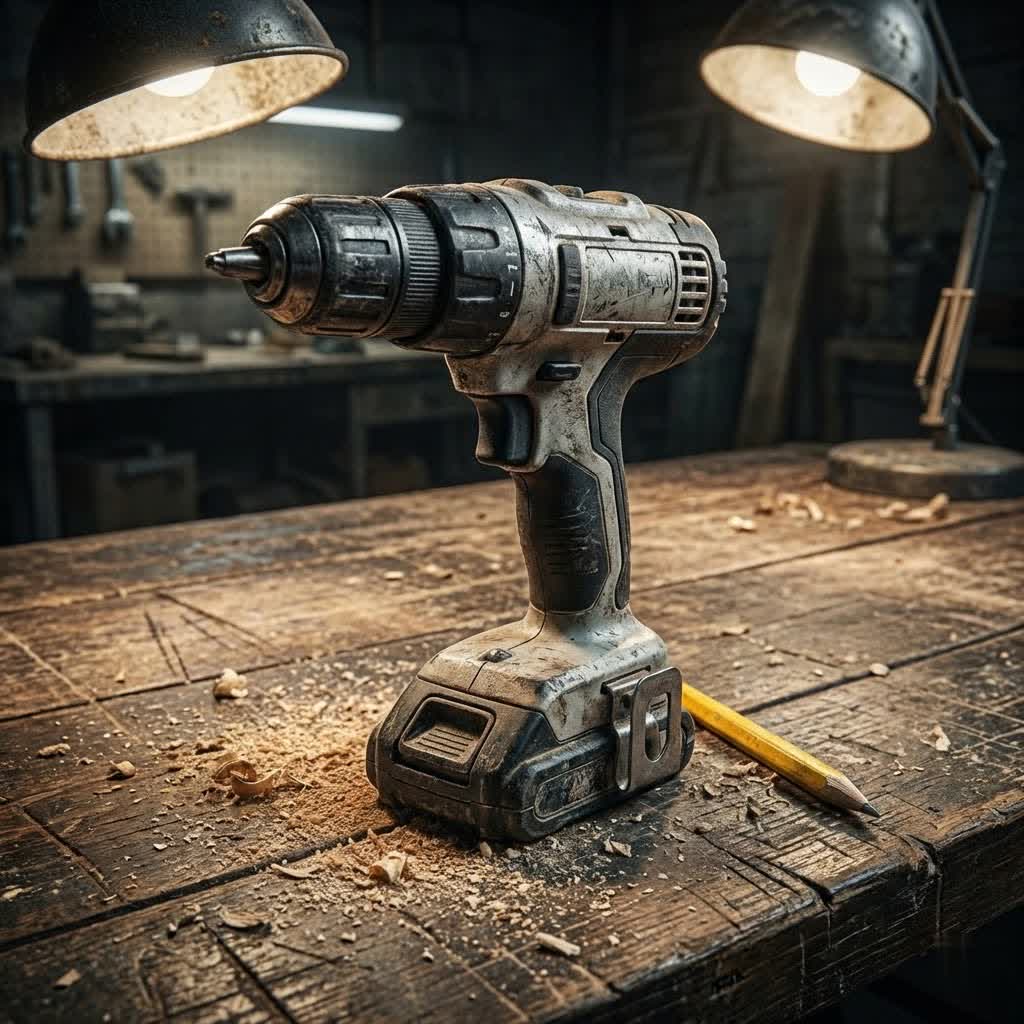
In the dynamic world of home improvement and professional trades, the right tools can make all the difference, especially when navigating cramped spaces or tackling intricate projects. For those demanding versatility without the bulk, the Compact Electric Drill emerges as an indispensable ally. This article delves into the world of compact electric drills, offering a comprehensive look at their capabilities, features, and how to choose the perfect one for your toolkit.
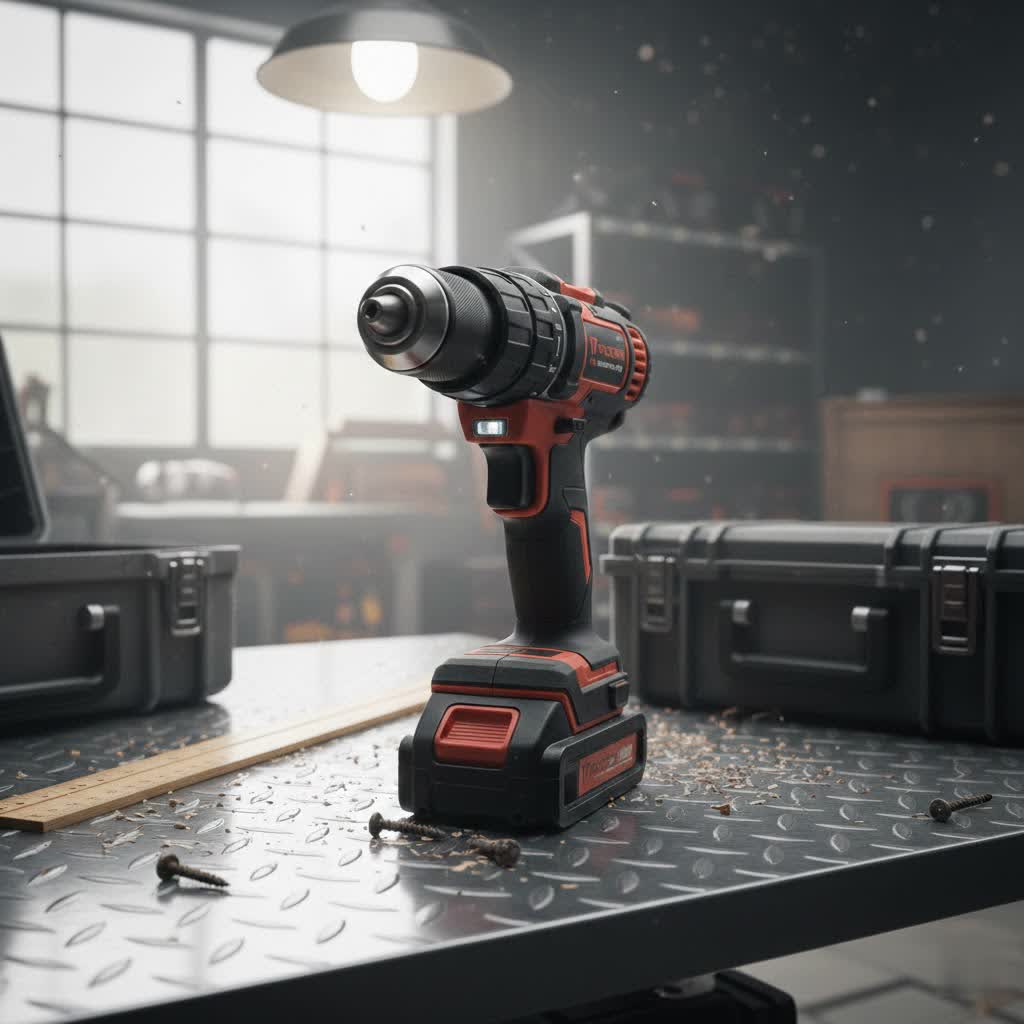
Understanding the Compact Electric Drill
At its core, a compact electric drill is designed for agility and ease of use. Unlike its larger, heavier counterparts, it prioritizes a small form factor and reduced weight, making it incredibly maneuverable. Historically, electric drills were cumbersome, tethered by cords, and often overkill for everyday tasks. The evolution of battery technology, particularly the advent of lithium-ion, revolutionized this, paving the way for powerful yet portable cordless drills that fit comfortably in your hand.
The primary purpose of a compact drill is to offer efficient drilling and driving in situations where full-sized drills would be unwieldy. This makes them perfectly suited for a wide array of applications, from intricate crafting and delicate home repairs to assembling furniture and installing fixtures in tight corners. They are the go-to choice for DIY enthusiasts and professionals who require a nimble tool for light to medium-duty tasks.
Categorizing Compact Electric Drills
While all compact electric drills share a common philosophy of portability, they come in several variations, each tailored to specific needs. Understanding these categories is key to selecting the right tool for your projects.
Cordless Drill Drivers
The most common type, cordless drill drivers, excel at both drilling holes and driving screws. They are the workhorses for everyday tasks, offering a balance of power and precision. These drills typically come in different voltage ratings, with 12V and 18V (often marketed as 20V) being the most prevalent.
- 12V Compact Drills: These are the lightest and most compact, ideal for general household tasks, light assembly, crafting, and hobbyist projects. They offer sufficient power for drilling into wood, plastic, and light-gauge metal, and are excellent for driving smaller fasteners. Their reduced weight makes overhead work or prolonged use less fatiguing.
- 18V/20V Compact Drills: Offering more power and often longer runtimes, these models are suitable for more demanding DIY projects and light professional work. They can handle larger drilling tasks, drive longer screws, and often feature advanced functionalities that bridge the gap between compact and full-size tools.
|
Our Picks for the Best Electric Drill in 2026
We may earn a commission when you use one of our links to make a purchase.
|
||
| Num | Product | Action |
|---|---|---|
| 1 | FADAKWALT Cordless Drill Set,12V Power Drill Set with Battery and Charger, Electric Driver/Drill Bits, 3/8'' Keyless Chuck,21+1 Torque Setting, 180 inch-lbs, with LED Electric Drill Set (Green) |

|
| 2 | PULITUO'S 20V Cordless Drill/Driver, Electric Screwdriver - 2 Batteries, 30Nm, 21+1 Torque, 2 Speed, Keyless 3/8" Chase Drill with LED Light, Kit for Home (Green) |
|
| 3 | Cordless Drill Set, VIWKO 20V Power Drill with Power Pack 2.0Ah and Charger, 3/8-Inch Keyless Chuck Electricdrill, 25+1 Torque, 42pcs Drilldriver Bits/Screws for DIY Projects (Red) |
|
| 4 | DEWALT 20V Max Cordless Drill Driver Set, 2 Speed, High Performance Motor, Includes 2 XR 1.3Ah Li-Ion Batteries, Charger and Contractor Bag (DCD771C2) |
|
| 5 | AVID POWER 20V MAX Lithium lon Cordless Drill Set, Power Drill Kit with Battery and Charger, 3/8-Inch Keyless Chuck, Variable Speed, 16 Position and 22pcs Drill Bits (Red) |
|
| 6 | COMOWARE 20V Cordless Drill, Electric Power Drill Set with 1 Battery & Charger, 3/8” Keyless Chuck, 2 Variable Speed, 266 In-lb Torque, 25+1 Position and 34pcs Drill/Driver Bits |
|
| 7 | 20V Cordless Drill, Electric Power Drill Set with Battery Charger and Carrying Case, 3/8” Keyless Chuck, 2 Variable Speed, 18+3 Torque, 72pcs Driver Bits and Belt Hook, Red |
|
| 8 | DEWALT 20V MAX Cordless Drill Driver Set, Electric Drill, Brushless 1/2 In 2 Speed, 2.0 Ah Battery and Charger Included, LED Light (DCD777D1) |
|
| 9 | Hoteche 320W 10mm Torque Drill, 19+1 Torque Settings Corded Electric Drill for Metal (10mm) & Wood (20mm), Yellow, Color Box Packaging |
|
| 10 | BLACK+DECKER 20V MAX* POWERCONNECT Cordless Drill Driver Kit with Drill Bit Set and Sockets, 100 pc. Tool Kit for Home, Battery and Charger Included ,Orange (BDC120VA100) |
|
Compact Hammer Drills
For tasks requiring a bit more brute force, particularly in masonry, compact hammer drills integrate a hammering mechanism in addition to rotational drilling. This allows the drill bit to pound into hard materials like brick, concrete, and stone while simultaneously rotating, effectively chipping away at the material.
- Applications: Perfect for installing anchors in concrete, hanging shelves on brick walls, or any task involving light masonry.
- Limitations: While capable, compact hammer drills are not substitutes for heavy-duty rotary hammers, which are designed for extensive concrete demolition and larger diameter holes. They are best for occasional, smaller masonry jobs.
Specialized Compact Drills
Beyond the standard drill driver and hammer drill, some specialized compact designs cater to unique challenges. These include right-angle drills, which feature a head offset at 90 degrees to the body, allowing access into extremely confined spaces that traditional drills cannot reach. Multi-head systems offer interchangeable chucks, providing even greater versatility by allowing users to switch between a standard drill chuck, an offset angle attachment, or a right-angle driver, all with one compact tool body. These niche tools demonstrate the innovation in compact drill design to maximize accessibility and functionality.
Key Features Defining a Compact Electric Drill
When evaluating compact electric drills, several features stand out as critical differentiators, impacting performance, comfort, and overall utility.
- Size and Weight: The defining characteristic of a compact drill is its small footprint and minimal weight. Look for models with an ergonomic design that fits comfortably in your hand, allowing for extended use without strain. A well-balanced tool improves control and precision, particularly in awkward positions.
- Motor Technology:
- Brushed Motors: Traditional and generally less expensive. They use carbon brushes to conduct electricity, which can wear out over time, leading to maintenance needs.
- Brushless Motors: A modern advancement, brushless motors are more efficient, delivering greater power and longer runtime per battery charge. They also have a longer lifespan, generate less heat, and are often quieter and lighter, making them a superior choice for compact tools.
- Battery System: Most modern compact drills utilize lithium-ion (Li-ion) batteries, known for their light weight, high energy density, and ability to hold a charge for extended periods. Consider the voltage (12V, 18V/20V) and amp-hour (Ah) rating, which indicates battery capacity and runtime. A higher Ah rating means longer use between charges. The interchangeability of batteries across a brand’s tool ecosystem is also a significant advantage.
- Chuck Size & Type: The chuck holds the drill bit or driver accessory.
- Chuck Size: Common sizes for compact drills include 3/8-inch and 1/2-inch. A 3/8-inch chuck is versatile for most household tasks, while a 1/2-inch chuck offers greater bit compatibility for slightly heavier applications.
- Keyless Chuck: Most cordless drills feature a keyless chuck, allowing for quick and tool-free bit changes, enhancing efficiency and convenience.
- Speed and Torque Control:
- Variable Speed Control: This allows you to adjust the rotation speed, crucial for drilling different materials. Lower speeds with higher torque are ideal for tough materials like metal, while higher speeds with lower torque work best for softer materials like wood.
- Adjustable Clutch: Found on drill drivers, the clutch setting allows you to control the amount of torque applied when driving screws. This prevents overdriving fasteners, stripping screw heads, or damaging your workpiece.
- Ergonomics and Comfort: Beyond just weight, consider the grip texture, handle design, and overall balance. Features like an integrated LED work light illuminate dark spaces, a battery level indicator keeps you informed, and a reversible belt hook adds practical convenience when moving around a job site.
Compact vs. Full-Size Drills: Making the Right Choice
Deciding between a compact and a full-size drill largely hinges on your typical projects and expectations. Each has distinct advantages and applications where it truly shines.
Compact Drill Advantages:
- Lightweight and Portable: Significantly easier to carry, handle overhead, and use for extended periods without fatigue.
- Maneuverability: Designed to excel in tight spaces, corners, and intricate work where larger drills simply cannot fit.
- Precision: Often offers better control for delicate tasks and finer adjustments due to its smaller size and balance.
- Cost-Effective: 12V compact drills, in particular, can be more affordable, making them an excellent entry point for DIYers.
Full-Size Drill Advantages:
- More Power and Torque: Generally designed for heavy-duty applications, such as drilling large holes in dense materials or driving very long, large fasteners.
- Larger Chuck Capacity: Typically features a 1/2-inch chuck, accommodating a wider range of larger drill bits and accessories.
- Durability for Heavy Use: Often built with more robust components to withstand demanding professional environments.
When to Choose Each:
- Choose a Compact Drill if: Your work primarily involves household repairs, assembling furniture, hanging pictures, crafting, working in confined spaces (cabinets, attics), or performing light-duty drilling and driving tasks. It’s also an excellent secondary drill for professionals needing precision and accessibility.
- Choose a Full-Size Drill if: You frequently undertake heavy construction, remodel extensive projects, drill large holes in structural timber, mix concrete, or require maximum power and torque for continuous, demanding work.
Selecting Your Ideal Compact Electric Drill
With a clear understanding of what compact drills offer, here’s a structured approach to choosing the one that best suits your needs.
Assess Your Project Needs
Before diving into specifications, consider the types of projects you’ll be tackling. What materials will you mostly drill into—wood, drywall, metal, or occasional masonry? What are the typical hole sizes? How frequently will you use the drill? Will you often work in tight, overhead, or awkward spaces? Answering these questions will guide your voltage, power, and feature requirements.
Budget Considerations
Compact drills are available across a spectrum of price points. Determine your comfortable budget, but remember to factor in the cost of batteries and chargers if they are not included in the initial kit. While entry-level models are suitable for occasional light use, investing a bit more in a brushless motor and a reputable brand can provide significantly better performance, durability, and a longer lifespan.
Essential Technical Specifications
- Voltage (12V, 18V/20V): As discussed, 12V is great for general home use, while 18V/20V offers more power for heavier DIY and light professional tasks.
- Amp-Hours (Ah): For cordless models, a higher Ah battery means longer runtime. Consider purchasing at least two batteries or a higher Ah battery for uninterrupted work.
- Torque (inch-pounds) and RPMs (Speed Settings): Higher torque is for driving fasteners and drilling tough materials, while higher RPMs are for fast drilling in softer materials. Look for drills with multiple speed settings for versatility.
- Chuck Capacity: A 3/8-inch keyless chuck is standard and versatile for most compact drill users.
Brand Reputation and Reliability
Opt for reputable brands known for quality power tools and comprehensive warranties. Brands like Bosch, DeWalt, Milwaukee, Ryobi, and Makita consistently produce reliable compact drills. Consider their entire tool ecosystem – if you plan to buy other cordless tools, sticking to one brand’s battery platform can save money and streamline your charging needs. Read user reviews and professional comparisons to gauge real-world performance and durability.
Value-Adding Features
Don’t overlook features that significantly enhance the user experience. An integrated LED work light is invaluable in dimly lit areas. A battery indicator prevents unexpected shutdowns. Kickback control, although more common on higher-torque models, adds a layer of safety by stopping the motor if the bit binds. A durable belt clip can be surprisingly convenient for hands-free carrying.
Maintenance and Safety Tips for Your Compact Electric Drill
To ensure your compact electric drill remains a reliable partner for years to come, proper usage, safety, and maintenance are paramount.
- Proper Usage: Always use the correct drill bit for the material you’re working with, and ensure it’s securely fastened in the chuck. Match the drill’s speed and clutch settings to the task at hand – lower speeds for driving screws and tougher materials, higher speeds for drilling in softer materials. Avoid forcing the drill; let the tool do the work.
- Safety Practices: Eye protection is non-negotiable. Wear safety glasses or goggles to shield against flying debris. Keep your workspace clear and well-lit. Secure your workpiece with clamps to prevent movement. Avoid wearing loose clothing or jewelry that could get caught in moving parts. Always ensure the drill is switched off and the battery removed (for cordless models) before changing bits or performing any adjustments.
- Care and Storage: Regularly clean the exterior of your drill with a dry cloth to remove dust and debris from vents and moving parts. Store your compact drill in a cool, dry place, away from extreme temperatures and moisture. For cordless models, follow the manufacturer’s instructions for battery charging and storage to maximize battery life and health. If storing for extended periods, it’s often best to keep Li-ion batteries at a partial charge (around 50%).
“The true power of a compact drill isn’t just in its motor, but in its ability to empower users to tackle projects with confidence and precision in any space.” – ReviewsByM.com Admin, Experienced Power Tool Technician
Conclusion
The compact electric drill stands as a testament to intelligent tool design, offering an unparalleled blend of power, portability, and precision. Whether you’re a seasoned professional needing a versatile secondary tool or a budding DIY enthusiast embarking on your first home project, a compact drill is an invaluable addition to any arsenal. By carefully considering your specific needs, understanding the available features, and adhering to proper usage and maintenance, you can select a tool that not only meets but exceeds your expectations, empowering you to create, fix, and build with ease.
What exciting projects will you tackle first with your new compact electric drill?
Frequently Asked Questions
Are compact electric drills powerful enough for concrete?
Some compact electric drills, specifically compact hammer drills (often 18V/20V models), are capable of drilling small-diameter holes into light masonry like brick, mortar, or occasional concrete. However, for extensive concrete work or larger holes, a dedicated rotary hammer drill is a more appropriate and powerful tool.
What’s the difference between 12V and 18V compact drills?
The primary difference lies in power output and, generally, runtime. 12V compact drills are lighter and ideal for light-duty tasks and fine work, while 18V/20V models offer more torque and speed, making them suitable for heavier DIY projects and light professional applications, often with enhanced features.
Can a compact drill replace a full-size drill for all tasks?
No, a compact drill cannot fully replace a full-size drill for all tasks. While highly versatile, compact drills have limitations in terms of raw power, torque, and chuck capacity, making them less suitable for very heavy-duty drilling, large diameter holes, or prolonged, high-stress applications that a full-size drill is designed to handle.
What is a brushless motor in a compact drill?
A brushless motor is a modern, more efficient type of motor that uses electronic circuits instead of carbon brushes to switch the magnetic field. This results in greater power, longer battery life, reduced heat, less noise, and a longer lifespan for the drill, making it a premium feature for compact tools.
How do I extend the battery life of my cordless compact drill?
To maximize battery life, avoid fully discharging it before recharging, and remove the battery from the charger once it’s full. Store batteries in a cool, dry place, and if storing for extended periods, aim for a partial charge (around 50%) rather than fully charged or completely drained.