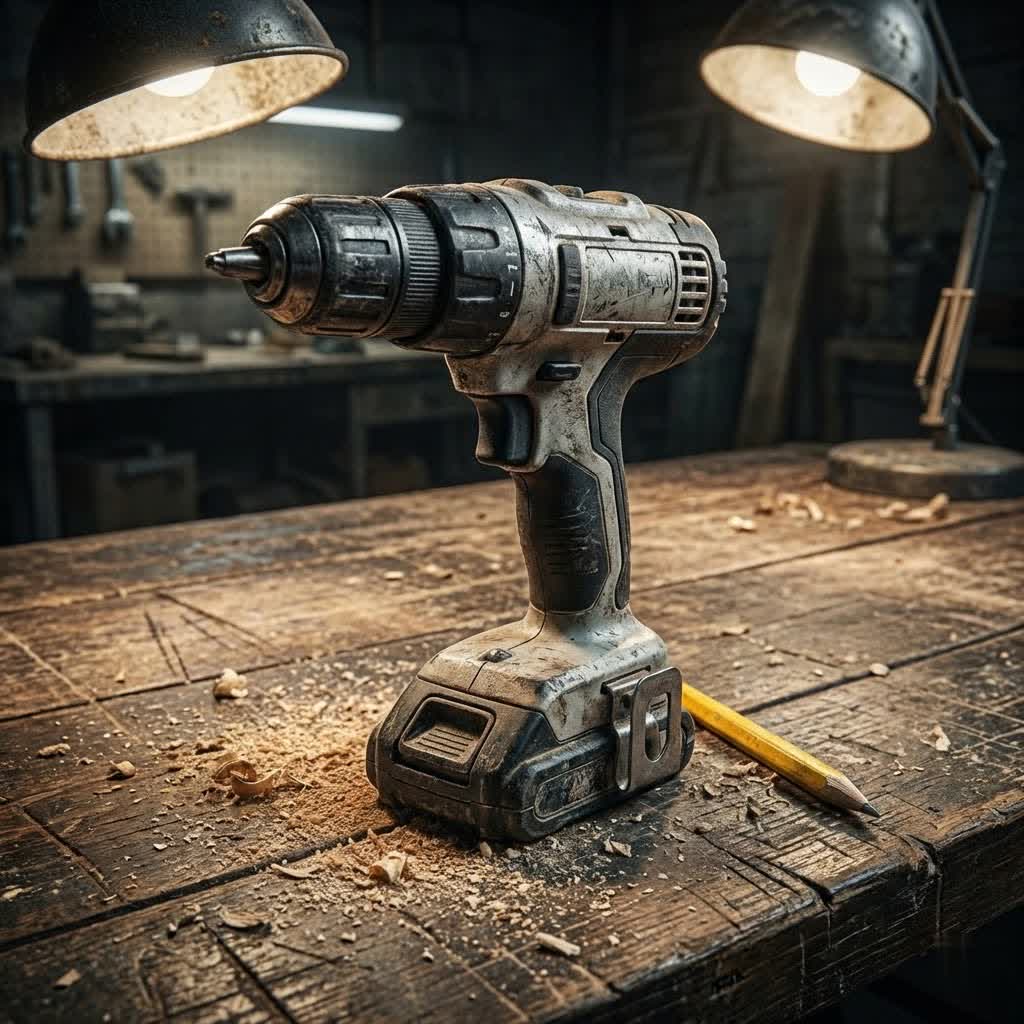
Every DIY enthusiast and professional technician understands the value of reliable tools. In the realm of home improvement, assembly, and construction, few tools are as universally essential and often misunderstood as the Electric Drill Screwdriver. While often used interchangeably, these powerful devices come in various forms, each designed for specific tasks. Choosing the right one can transform your work, saving you time, effort, and frustration.
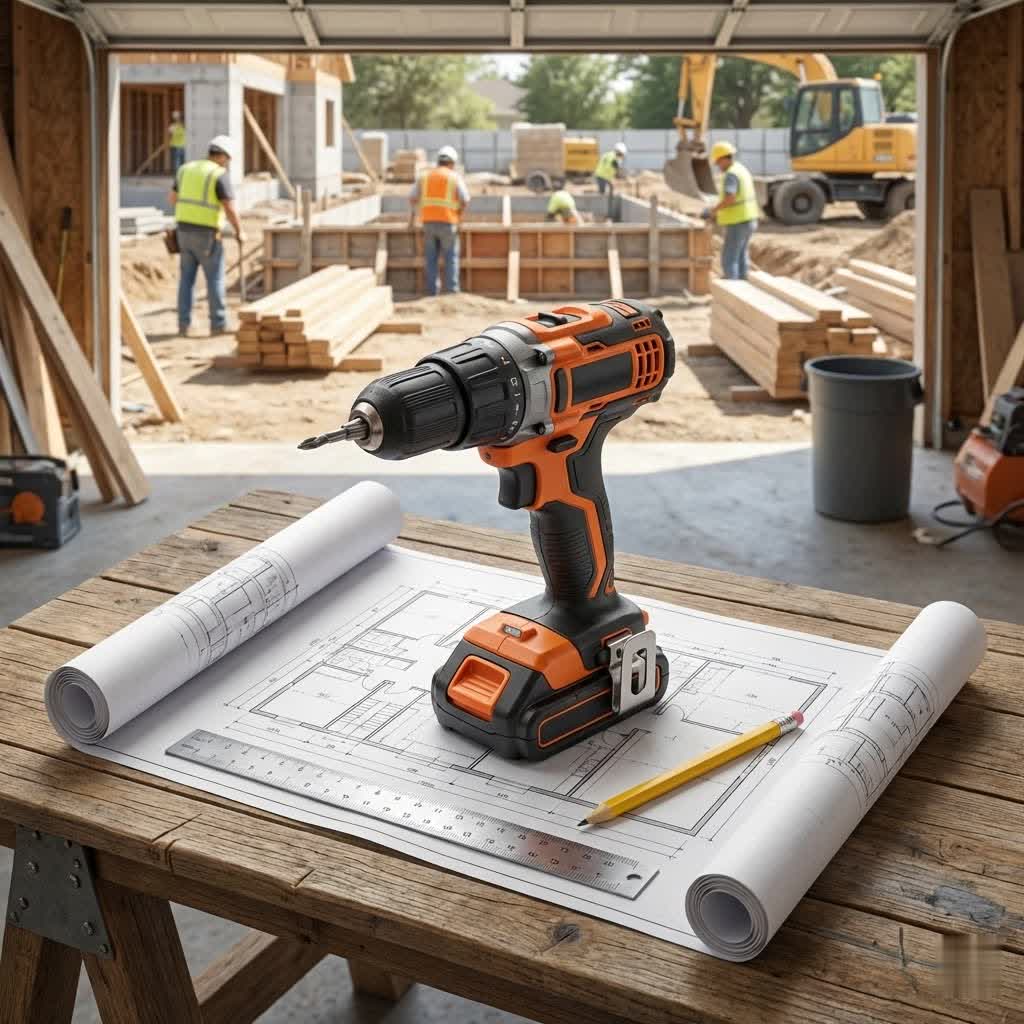
This comprehensive guide, informed by over a decade of hands-on experience, will demystify the world of electric drill screwdrivers. We’ll explore their evolution, delve into the distinct types, compare their capabilities, and provide practical advice to help you select the perfect tool for your needs, ensuring every screw is driven and every hole is drilled with confidence and precision.
Overview of Electric Drills and Screwdrivers
At its core, an electric drill or screwdriver is a power tool designed to rotate a bit at high speed and/or with significant torque. This rotational force is harnessed for two primary functions: drilling holes into various materials and driving or removing screws. The transition from manual labor to powered tools revolutionized countless industries and household tasks, making jobs faster, easier, and more efficient.
The history of these indispensable tools dates back to the late 19th century when the first portable electric drill was invented by Arthur James Arnot and William Blanch Brain in 1889. Since then, continuous innovation has led to the diverse range of sophisticated tools we see today. Early models were bulky and corded, limited by power outlets. Over time, advancements in motor technology, battery life, and ergonomic design have led to lighter, more powerful, and increasingly versatile cordless options, enhancing mobility and user comfort.
Today’s market offers a spectrum of electric tools that handle drilling and screwdriving tasks. While a basic electric screwdriver focuses solely on driving fasteners, the term “electric drill screwdriver” commonly refers to multi-functional tools known as “drill drivers” or even “combi drills,” which can perform both drilling and screwdriving with ease. Understanding these distinctions is crucial for selecting the right tool for your specific projects.
Detailed Classification of Electric Drilling and Screwdriving Tools
The world of electric tools for drilling and fastening can be broadly categorized into several key types, each optimized for different applications and power requirements. Knowing these differences is the first step to making an informed choice.
Electric Screwdriver
The dedicated electric screwdriver is your go-to for light-duty fastening tasks where precision and ease of use are paramount. Unlike their larger drill driver counterparts, these tools are typically compact, lightweight, and designed specifically for driving and removing screws.
- Advantages:
- Portability and Ergonomics: Small, pen-shaped designs make them incredibly comfortable to hold and ideal for working in tight spaces or overhead tasks without fatigue.
- Precision Torque Control: Many models offer low, adjustable torque settings, perfect for delicate work on electronics, assembling flat-pack furniture, or installing light fixtures where overtightening could cause damage.
- Ease of Use: Simple operation, often with just a forward/reverse switch, makes them highly accessible for all skill levels.
- Disadvantages:
- Limited Power: Generally, electric screwdrivers have lower voltage (e.g., 3.6V to 7.2V) and torque (5-15 Nm), meaning they struggle with larger, longer screws or tougher materials.
- No Drilling Capability: Their primary function is fastening; they lack the power, speed, and chuck design for drilling holes.
- Suitable Applications: Assembling furniture, installing light switches and outlet covers, working on small electronics, light DIY repairs, tightening loose screws around the house.
|
Our Picks for the Best Electric Drill in 2026
We may earn a commission when you use one of our links to make a purchase.
|
||
| Num | Product | Action |
|---|---|---|
| 1 | DEWALT 20V MAX Cordless Drill Driver Set, Electric Drill, Brushless 1/2 In 2 Speed, 2.0 Ah Battery and Charger Included, LED Light (DCD777D1) |

|
| 2 | AVID POWER 20V MAX Lithium lon Cordless Drill Set, Power Drill Kit with Battery and Charger, 3/8-Inch Keyless Chuck, Variable Speed, 16 Position and 22pcs Drill Bits (Red) |
|
| 3 | FADAKWALT Cordless Drill Set,12V Power Drill Set with Battery and Charger, Electric Driver/Drill Bits, 3/8'' Keyless Chuck,21+1 Torque Setting, 180 inch-lbs, with LED Electric Drill Set (Green) |
|
| 4 | 20V Cordless Drill, Electric Power Drill Set with Battery Charger and Carrying Case, 3/8” Keyless Chuck, 2 Variable Speed, 18+3 Torque, 72pcs Driver Bits and Belt Hook, Red |
|
| 5 | COMOWARE 20V Cordless Drill, Electric Power Drill Set with 1 Battery & Charger, 3/8” Keyless Chuck, 2 Variable Speed, 266 In-lb Torque, 25+1 Position and 34pcs Drill/Driver Bits |
|
| 6 | DEWALT 20V Max Cordless Drill Driver Set, 2 Speed, High Performance Motor, Includes 2 XR 1.3Ah Li-Ion Batteries, Charger and Contractor Bag (DCD771C2) |
|
| 7 | Cordless Drill Set, VIWKO 20V Power Drill with Power Pack 2.0Ah and Charger, 3/8-Inch Keyless Chuck Electricdrill, 25+1 Torque, 42pcs Drilldriver Bits/Screws for DIY Projects (Red) |
|
| 8 | PULITUO'S 20V Cordless Drill/Driver, Electric Screwdriver - 2 Batteries, 30Nm, 21+1 Torque, 2 Speed, Keyless 3/8" Chase Drill with LED Light, Kit for Home (Green) |
|
| 9 | BLACK+DECKER 20V MAX* POWERCONNECT Cordless Drill Driver Kit with Drill Bit Set and Sockets, 100 pc. Tool Kit for Home, Battery and Charger Included ,Orange (BDC120VA100) |
|
| 10 | Hoteche 320W 10mm Torque Drill, 19+1 Torque Settings Corded Electric Drill for Metal (10mm) & Wood (20mm), Yellow, Color Box Packaging |
|
Drill Driver
The drill driver is the quintessential multi-purpose tool for most homeowners and many professionals. It combines the ability to drill holes with the functionality of a powerful screwdriver, making it incredibly versatile.
- Advantages:
- Versatility: Capable of both drilling holes into various materials (wood, metal, plastic) and driving screws.
- Adjustable Clutch: Features a clutch mechanism that disengages the drive when a pre-set torque level is reached, preventing overtightening and stripping screw heads. This also helps protect the tool and workpiece.
- Variable Speed Control: Allows users to adjust the rotational speed, which is essential for different materials and tasks (slow for driving screws, fast for drilling).
- Range of Power: Available in a wide array of voltages (e.g., 12V, 18V, 20V MAX), offering significantly more power and torque than dedicated electric screwdrivers.
- Disadvantages:
- Less Compact than Screwdriver: Typically larger and heavier than electric screwdrivers, making them less ideal for very confined spaces or extended, delicate work.
- Lower Impact Force than Impact Driver: While capable of driving screws, they lack the impact mechanism for heavy-duty fastening in dense materials.
- Suitable Applications: Hanging shelves, assembling complex furniture, drilling pilot holes, installing cabinets, general home repairs, light-to-medium construction tasks.
Hammer Drill (Percussion Drill)
A hammer drill is a more robust version of a drill driver, specifically designed with an added “hammering” action that makes it highly effective for drilling into masonry and concrete.
- Advantages:
- Masonry Drilling: The hammering action, combined with rotation, pulverizes brittle materials like brick, concrete, and stone, making drilling into them much faster and easier than with a standard drill.
- Versatility: Most hammer drills also function as standard drill drivers, allowing you to switch off the hammer action for wood, metal, and screwdriving tasks.
- Increased Power: Generally built with more powerful motors and robust gears to handle demanding applications.
- Disadvantages:
- Heavier and Bulkier: The internal hammering mechanism adds weight and size compared to a standard drill driver.
- Less Refined for Delicate Work: The added power and weight can make them less precise for very small or delicate tasks, even with the hammer function turned off.
- No Impact Driving Mechanism: It’s important not to confuse the “hammer” action with the “impact” action of an impact driver. A hammer drill hits along the axis of the bit, while an impact driver provides rotational impacts.
- Suitable Applications: Installing anchors in concrete, drilling holes for plumbing or electrical conduit in masonry, hanging heavy items on brick walls, light demolition work on brittle materials.
Impact Driver
The impact driver is a specialized fastening tool known for its superior torque and ability to drive large, stubborn screws without stripping the head or straining the user’s wrist.
- Advantages:
- High Torque and Power: Utilizes a unique hammer-and-anvil mechanism that delivers rapid, powerful rotational blows (impacts) in addition to continuous rotation. This allows it to drive fasteners into dense materials with remarkable efficiency.
- Prevents Cam-Out: The impact action keeps the bit firmly seated in the screw head, significantly reducing the risk of cam-out (the bit slipping out of the screw head).
- Reduced User Fatigue: The impact mechanism absorbs much of the rotational force, meaning less torque is transferred back to the user’s wrist, making it much more comfortable for driving many fasteners.
- Compact Design: Often more compact than drill drivers, allowing access to tighter spaces.
- Disadvantages:
- Not Ideal for Drilling Holes: While capable of drilling with hex-shank drill bits, it lacks a clutch and offers less control for precise hole drilling, especially in softer materials where over-drilling is a risk.
- Loud: The impacting mechanism makes them significantly louder than drill drivers.
- Hex-Shank Bits Only: Requires special hex-shank bits, limiting the variety of accessories compared to a drill’s chuck.
- Suitable Applications: Deck building, driving long lag screws, installing subflooring, heavy framing, automotive work, any task involving repetitive heavy fastening.
Rotary Hammer
A rotary hammer is a heavy-duty power tool designed for serious masonry work, offering significantly more power and a different hammering mechanism than a hammer drill.
- Advantages:
- Exceptional Power: Delivers powerful pneumatic hammer blows, making quick work of drilling large holes in concrete, stone, and brick.
- SDS Chuck System: Utilizes an SDS (Slotted Drive System) chuck that allows bits to slide back and forth, enhancing the hammering action and preventing bit slippage.
- Chiseling Functionality: Many models include a chisel-only mode for light demolition, chipping, and breaking concrete.
- Disadvantages:
- Heavy and Bulky: Designed for heavy work, they are much larger and heavier than hammer drills.
- Not for Screwdriving: Absolutely unsuitable for driving screws or delicate drilling.
- Specialized Bits: Requires SDS-shank bits, which are generally more expensive and less common than standard drill bits.
- Suitable Applications: Demolition, breaking up concrete, drilling large diameter holes in masonry, trenching, serious construction, and remodeling projects involving significant concrete work.
Comparison Table: Electric Screwdriver vs. Drills
To further clarify the distinctions and help you choose, here’s a comparative overview of the primary electric drilling and screwdriving tools:
| Feature | Electric Screwdriver | Drill Driver | Hammer Drill | Impact Driver | Rotary Hammer |
|---|---|---|---|---|---|
| Primary Use | Light fastening, electronics | Drilling, general screwdriving | Drilling masonry, general | Heavy-duty fastening | Heavy masonry drilling & demo |
| Power Output | Low (3.6-7.2V) | Medium-High (12-20V+) | High (18-36V+) | High Torque (12-20V+) | Very High (18-36V+) |
| Torque Control | Very precise, low settings | Adjustable clutch, moderate | Adjustable clutch, high | Very high, impact mechanism | N/A (not for fastening) |
| Drilling Cap. | None | Excellent (wood, metal, plastic) | Excellent (masonry, wood, metal) | Limited (hex-shank bits only) | Excellent (masonry) |
| Screwdriving Cap. | Excellent (light duty) | Excellent (general purpose) | Good (general purpose) | Excellent (heavy duty) | None |
| Mechanism | Rotary | Rotary, clutch | Rotary + axial impact | Rotary + tangential impact | Rotary + pneumatic impact |
| Chuck Type | 1/4″ hex (bit holder) | Keyless (3/8″ or 1/2″) | Keyless (1/2″) | 1/4″ hex (quick-change) | SDS, SDS-Plus, SDS-Max |
| Size & Weight | Very compact, lightweight | Medium | Medium-Heavy | Compact, moderate weight | Heavy, bulky |
| Noise Level | Low | Low-Medium | Medium-High | High | Very High |
| Ideal For | Furniture, electronics | Home DIY, general repairs | Concrete, brick, occasional drilling | Decks, framing, long screws | Concrete slabs, large holes |
How to Choose the Right Electric Drill Screwdriver
Selecting the best tool requires a careful evaluation of your specific needs, budget, and the technical specifications of the tools available.
Determine Your Usage Needs
Before anything else, consider what tasks you’ll primarily be performing.
- What is your main purpose? Are you assembling a lot of flat-pack furniture, tackling intricate electronic repairs, or driving large screws into lumber for a new deck?
- What materials will you be working with? Softwoods, hardwoods, metals, plastics, drywall, masonry, or concrete? Different materials demand different levels of power and specific drilling/fastening capabilities.
- How frequently will you use it? For occasional light use, a basic electric screwdriver might suffice. For regular DIY or professional work, a more robust drill driver or even an impact driver might be a better investment.
Budget Considerations
Your budget will inevitably influence your choices. While it’s tempting to opt for the cheapest option, investing in a quality tool can save you money and headaches in the long run.
- Entry-level tools: Sufficient for very occasional, light tasks.
- Mid-range tools: Offer a good balance of features, power, and durability for most DIYers and regular home use.
- Professional-grade tools: Built for heavy, daily use, offering superior power, durability, and advanced features, but come at a higher price point. Consider the long-term value and reduced replacement costs.
Important Technical Specifications
Understanding these specifications will help you decode tool labels and compare models effectively.
- Power (Voltage/Wattage):
- Voltage (V): For cordless tools, voltage indicates the power. Higher voltage (e.g., 18V, 20V MAX) generally means more power and torque, suitable for tougher jobs. Electric screwdrivers typically range from 3.6V to 7.2V.
- Wattage (W): For corded tools, wattage indicates power. Higher wattage means more power for continuous heavy-duty use.
- Speed (RPM): Rotations Per Minute. Variable speed triggers are crucial. Lower RPMs are better for precise screwdriving to avoid stripping, while higher RPMs are ideal for fast drilling, especially in softer materials. Look for models with 0-XXX RPM for versatility.
- Torque (Nm): Newton-meters. This measures the rotational force a tool can exert. Higher torque means the tool can drive larger screws or drill into denser materials more effectively. Electric screwdrivers might have 5-15 Nm, while drill drivers can range from 30-100+ Nm, and impact drivers significantly more.
- Chuck Type:
- Keyless Chuck: Common on drill drivers, allowing for quick, tool-free bit changes. Usually 3/8″ or 1/2″ capacity.
- Hex-Shank Chuck (Quick-Change): Found on electric screwdrivers and impact drivers, accepting 1/4″ hex-shank bits for fast bit swaps.
- SDS Chuck: For rotary hammers, designed for heavy masonry bits.
- Functions (Drill, Hammer, Screwdriver): Many tools are multi-functional. A “combi drill” often includes drill, hammer drill, and screwdriver modes, offering maximum versatility in one package.
Brand and Reliability
Choosing a reputable brand often means better quality, reliability, and customer support.
- Trusted Brands: Brands like DeWalt, Makita, Bosch, Milwaukee, and Ryobi are known for producing durable, high-performance power tools.
- Reviews and Warranties: Always check user reviews and product ratings. A good warranty indicates the manufacturer stands behind their product. Strong customer support is invaluable for troubleshooting or repairs.
Additional Features to Consider
Small features can significantly enhance usability and safety.
- LED Work Light: Illuminates your workspace, especially useful in dimly lit areas or inside cabinets.
- Variable Speed Control/Trigger: Allows precise control over speed, crucial for starting screws and drilling different materials.
- Anti-Vibration Technology: Reduces user fatigue during prolonged use, especially with hammer drills or impact drivers.
- Battery System (for Cordless Tools):
- Lithium-ion (Li-ion) Batteries: Most common, offering good power-to-weight ratio, no memory effect, and slow self-discharge.
- Battery Capacity (Ah – Amp-hours): Higher Ah ratings mean longer run times between charges.
- Interchangeable Batteries: Many brands offer battery platforms where one battery fits multiple tools, saving money and increasing convenience.
“The true measure of a tool isn’t just its raw power, but how well it fits the hand of the craftsman and the demands of the job. Precision in selection leads to perfection in execution.” – Johnathan Vance, Master Tool Technician
Tips for Safe Use and Maintenance of Electric Drill Screwdrivers
Even the best tool is only as good as its operator. Proper usage and diligent maintenance are key to ensuring safety, maximizing performance, and extending the lifespan of your electric drill screwdriver.
Correct Usage Guidelines
- Always read the manual: Familiarize yourself with your specific tool’s features, safety warnings, and operating instructions.
- Select the right bit: Use the correct type and size of drill bit for the material and hole diameter, and the appropriate screwdriver bit for the fastener head. A ill-fitting bit can strip screws or break.
- Secure your workpiece: Always clamp or secure the material you’re working on. This prevents it from spinning or shifting, which can cause injury or damage.
- Wear appropriate PPE: Safety glasses are non-negotiable. Gloves can protect hands, and hearing protection is recommended for loud tools like impact drivers or hammer drills.
- Start slow and apply steady pressure: When drilling or driving screws, start at a slow speed to establish control, then gradually increase. Apply steady, firm pressure in line with the fastener or drill bit.
- Use the clutch (for drill drivers): Set the clutch to prevent overtightening, especially in softer materials or when working with delicate fasteners.
- Be aware of kickback: Always maintain a firm grip and be prepared for potential kickback, especially when drilling larger holes or if the bit binds.
Maintenance for Longevity
- Keep it clean: Regularly wipe down your tool to remove dust, debris, and grime. Especially clean the air vents to prevent overheating.
- Inspect bits and chuck: Ensure bits are sharp and in good condition. Check the chuck for damage or excessive wear. A worn chuck can lead to bits slipping.
- Store properly: Store your electric drill screwdriver in a dry, clean place, away from extreme temperatures and humidity. If it’s a cordless tool, store batteries partially charged (around 40-50%) for long-term health, and keep them away from metal objects.
- Check cords and batteries: For corded tools, inspect the power cord for any cuts or fraying. For cordless tools, regularly check batteries for damage and ensure they are charging correctly. Replace worn-out batteries.
- Lubrication (if applicable): Some heavy-duty tools might require occasional lubrication as per the manufacturer’s instructions.
- Professional servicing: If you notice unusual noises, reduced performance, or excessive heat, consider having your tool professionally serviced.
By adhering to these usage and maintenance practices, you’ll not only enhance your safety but also ensure your electric drill screwdriver remains a reliable workhorse for years to come.
Conclusion
Navigating the diverse landscape of electric drill screwdrivers can seem daunting, but by understanding your project requirements and the specific capabilities of each tool, you can confidently make the best choice. Whether you need the precision of a dedicated electric screwdriver for delicate electronics, the all-around versatility of a drill driver for everyday tasks, or the raw power of an impact driver for heavy-duty fastening, there’s a perfect tool out there for you.
Remember to consider factors like power, speed, torque, and ergonomic design, always prioritizing reputable brands and proper maintenance. Investing wisely in the right electric drill screwdriver will not only make your tasks easier and more efficient but also empower you to tackle any project with expert precision and lasting confidence.
What project will you conquer next with your perfectly chosen electric drill screwdriver?
Frequently Asked Questions
What is the main difference between an electric screwdriver and a drill driver?
An electric screwdriver is primarily designed for light fastening tasks, offering precision and low torque for screws. A drill driver, on the other hand, is a more versatile tool that can both drill holes into various materials and drive screws, typically with more power and an adjustable clutch.
Can I use an impact driver to drill holes?
While an impact driver can technically drill holes using hex-shank drill bits, it’s not its primary function or best use. Impact drivers lack a clutch for torque control, making them less precise for drilling and prone to over-drilling or damaging softer materials. A drill driver or hammer drill is generally better suited for drilling.
Is a cordless or corded electric drill screwdriver better?
The choice between cordless and corded depends on your needs. Cordless tools offer unmatched mobility and convenience, powered by rechargeable batteries. Corded tools provide continuous power without battery limitations, often being lighter and more powerful for their size, but require a power outlet. For most DIYers, a cordless drill driver offers the best balance of power and portability.
What voltage is best for a cordless drill driver?
For most home DIY and general-purpose tasks, an 18V or 20V MAX cordless drill driver offers an excellent balance of power, run time, and weight. For lighter tasks or tight spaces, 12V models are compact and capable. Professionals tackling heavy-duty work might opt for 36V or higher voltage systems.
How do I prevent stripping screw heads when using an electric screwdriver?
To prevent stripping screw heads, ensure you use the correct bit type and size for the screw. Apply firm, steady pressure in line with the screw, and for drill drivers, set the clutch to a lower torque setting appropriate for the material and fastener. Start at a slow speed and increase gradually. An impact driver’s tangential impact action can also help prevent cam-out on stubborn screws.