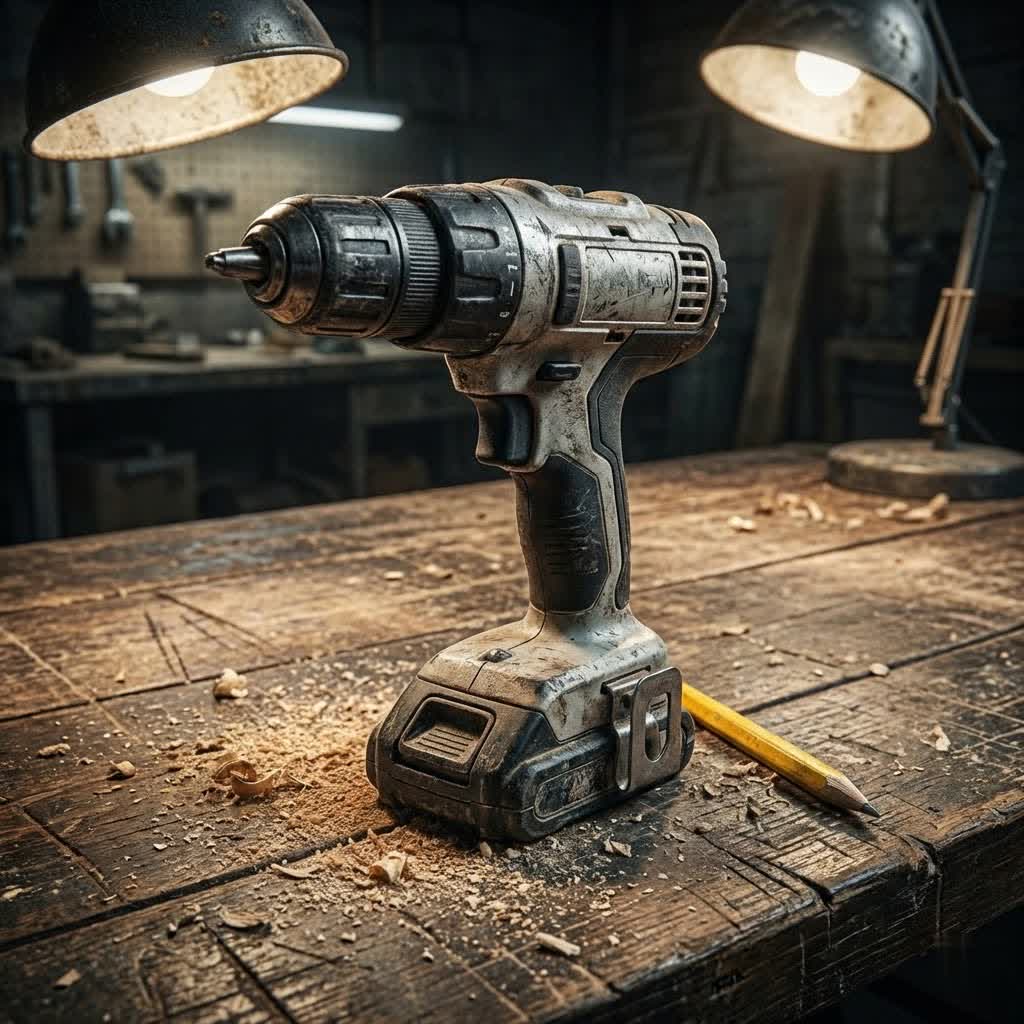
Have you ever found yourself staring at a wall of electric drills, wondering which one is truly the best fit for your next project? The world of power tools can be overwhelming, with countless models boasting different features, power levels, and specialized functions. As an experienced technician who has spent over a decade working with everything from basic household drills to heavy-duty construction equipment, I understand the intricacies of these machines. My goal is to equip you with the knowledge and advice you need to make an informed decision, ensuring you choose a Good Electric Drill that not only meets your demands but also exceeds your expectations. This comprehensive guide will break down everything you need to know, helping you navigate the options and invest in a tool that will serve you reliably for years to come.
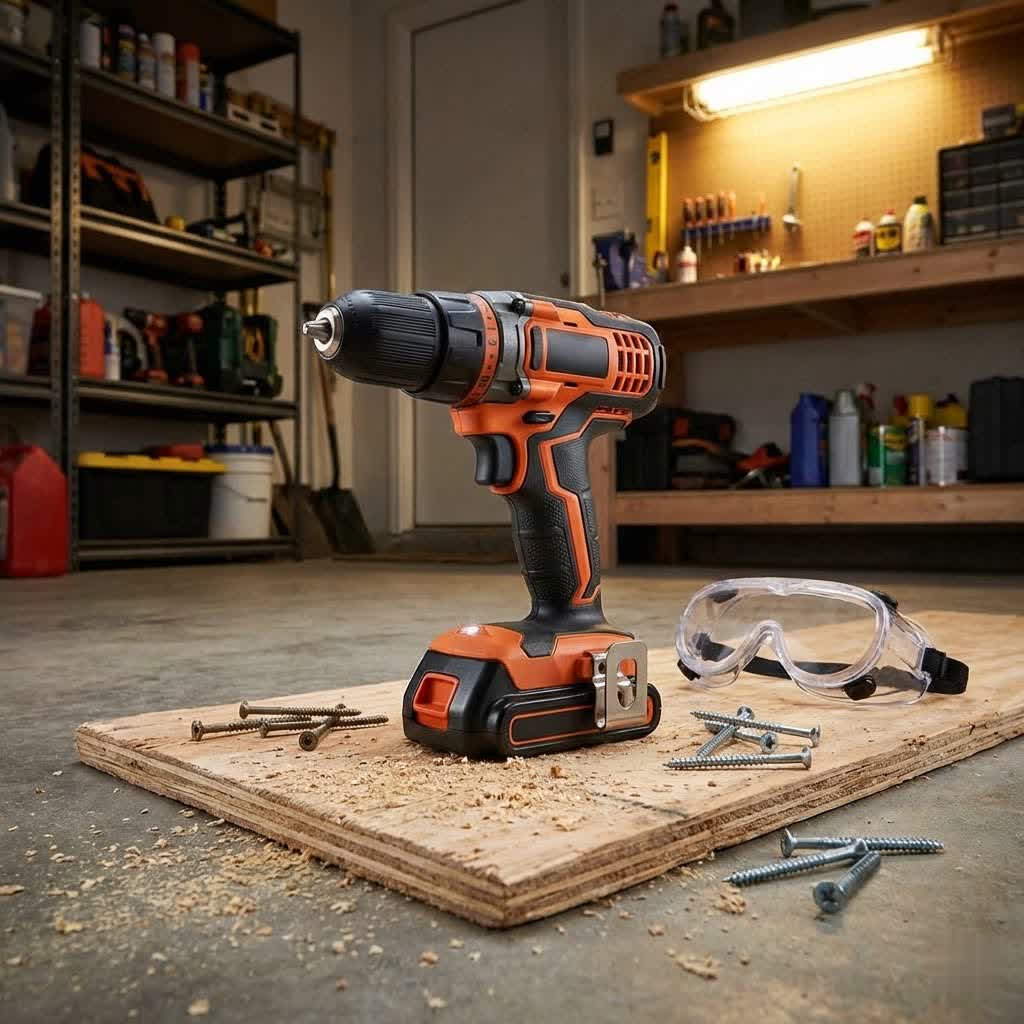
Overview of Electric Drills
An electric drill is an indispensable tool in any toolkit, whether you’re a seasoned professional or a weekend DIY enthusiast. At its core, an electric drill is designed to rotate a drill bit or screwdriver bit to create holes or drive fasteners into various materials. Its utility spans a vast range, from hanging a simple picture to constructing complex frameworks.
The concept of powered drilling has evolved significantly since its inception. Early versions were bulky and corded, offering raw power but limited mobility. With advancements in motor technology and battery systems, modern electric drills have become lighter, more powerful, and incredibly versatile, offering both corded models for continuous, heavy-duty applications and cordless options for unparalleled freedom and convenience. Today’s market is rich with various types, each optimized for specific tasks, power requirements, and operational environments.
Detailed Classification of Electric Drill Types
Understanding the different types of electric drills is crucial for selecting the right tool for the job. Each category is engineered with specific features and capabilities to excel in particular applications.
Hammer Drill
Hammer drills are robust tools designed to tackle tough masonry materials like brick, concrete, and stone. What sets them apart from standard drills is their dual action: they not only rotate the drill bit but also deliver a rapid series of concussive blows, effectively pulverizing hard material as the bit spins. This hammering action dramatically increases drilling speed and efficiency in dense materials.
- Advantages:
- Excellent for drilling into concrete, brick, and stone.
- Faster drilling through hard materials compared to standard drills.
- Often includes a “drill-only” mode for versatility.
- Disadvantages:
- Heavier and bulkier than standard drill drivers.
- Can be overkill and less precise for softer materials.
- Generates more vibration and noise.
- Suitable Applications: Installing anchors in concrete, mounting shelves on masonry walls, breaking through hard surfaces.
- Comparison: Unlike a rotary hammer, which delivers more powerful, piston-driven impacts, a hammer drill uses a cam or clutch mechanism for its hammering action, making it suitable for less demanding masonry work.
|
Our Picks for the Best Electric Drill in 2026
We may earn a commission when you use one of our links to make a purchase.
|
||
| Num | Product | Action |
|---|---|---|
| 1 | AVID POWER 20V MAX Lithium lon Cordless Drill Set, Power Drill Kit with Battery and Charger, 3/8-Inch Keyless Chuck, Variable Speed, 16 Position and 22pcs Drill Bits (Red) |

|
| 2 | COMOWARE 20V Cordless Drill, Electric Power Drill Set with 1 Battery & Charger, 3/8” Keyless Chuck, 2 Variable Speed, 266 In-lb Torque, 25+1 Position and 34pcs Drill/Driver Bits |
|
| 3 | BLACK+DECKER 20V MAX* POWERCONNECT Cordless Drill Driver Kit with Drill Bit Set and Sockets, 100 pc. Tool Kit for Home, Battery and Charger Included ,Orange (BDC120VA100) |
|
| 4 | FADAKWALT Cordless Drill Set,12V Power Drill Set with Battery and Charger, Electric Driver/Drill Bits, 3/8'' Keyless Chuck,21+1 Torque Setting, 180 inch-lbs, with LED Electric Drill Set (Green) |
|
| 5 | 20V Cordless Drill, Electric Power Drill Set with Battery Charger and Carrying Case, 3/8” Keyless Chuck, 2 Variable Speed, 18+3 Torque, 72pcs Driver Bits and Belt Hook, Red |
|
| 6 | Cordless Drill Set, VIWKO 20V Power Drill with Power Pack 2.0Ah and Charger, 3/8-Inch Keyless Chuck Electricdrill, 25+1 Torque, 42pcs Drilldriver Bits/Screws for DIY Projects (Red) |
|
| 7 | DEWALT 20V MAX Cordless Drill Driver Set, Electric Drill, Brushless 1/2 In 2 Speed, 2.0 Ah Battery and Charger Included, LED Light (DCD777D1) |
|
| 8 | Hoteche 320W 10mm Torque Drill, 19+1 Torque Settings Corded Electric Drill for Metal (10mm) & Wood (20mm), Yellow, Color Box Packaging |
|
| 9 | DEWALT 20V Max Cordless Drill Driver Set, 2 Speed, High Performance Motor, Includes 2 XR 1.3Ah Li-Ion Batteries, Charger and Contractor Bag (DCD771C2) |
|
| 10 | PULITUO'S 20V Cordless Drill/Driver, Electric Screwdriver - 2 Batteries, 30Nm, 21+1 Torque, 2 Speed, Keyless 3/8" Chase Drill with LED Light, Kit for Home (Green) |
|
Drill Driver
The drill driver is arguably the most common and versatile electric drill type, a true workhorse for both drilling holes and driving screws. These drills are characterized by their ability to adjust torque settings, preventing overtightening screws or damaging delicate materials.
- Advantages:
- Highly versatile for general drilling and screwdriving tasks.
- Adjustable clutch settings offer precision for various materials.
- Lighter and more compact than hammer drills, making them easy to handle.
- Disadvantages:
- Not suitable for heavy-duty masonry or concrete drilling.
- Less torque than impact drivers for tough fastening.
- Suitable Applications: Assembling furniture, drilling pilot holes in wood or metal, hanging drywall, general household repairs.
- Comparison: A drill driver provides a consistent rotational force, ideal for precise control, whereas an impact driver delivers quick, rotational blows.
Impact Driver
Impact drivers are specialized tools designed for driving long screws and large fasteners with impressive speed and power. They differ from standard drill drivers by incorporating an internal hammering mechanism that delivers strong, tangential blows as it rotates. This unique action helps overcome resistance without putting undue strain on the user’s wrist.
- Advantages:
- Exceptional torque for driving large fasteners quickly and effortlessly.
- Reduces user fatigue and wrist strain.
- More compact than many drill drivers, ideal for tight spaces.
- Disadvantages:
- Less precise for drilling holes, especially smaller ones.
- Can strip screw heads if not used carefully due to high torque.
- Louder operation than drill drivers.
- Suitable Applications: Deck building, framing, fastening lag bolts, driving screws into dense wood or metal.
- Comparison: While a drill driver focuses on steady rotation and adjustable clutch for control, an impact driver uses rotational impacts to provide bursts of powerful twisting force, making it superior for fastening but less ideal for drilling precise holes.
Magnetic Drill
A magnetic drill, often referred to as a mag drill, is a highly specialized piece of equipment primarily used in metalworking, particularly for drilling large, precise holes into thick steel plates or structural steel. Its distinctive feature is an electromagnetic base that clamps securely onto ferromagnetic surfaces, providing exceptional stability and accuracy during drilling.
- Advantages:
- Unparalleled stability and precision on metal surfaces.
- Capable of drilling very large diameter holes with ease.
- Ideal for overhead or vertical drilling on steel.
- Disadvantages:
- Limited to ferromagnetic materials.
- Heavy and less portable for general tasks.
- Higher cost compared to conventional handheld drills.
- Suitable Applications: Steel fabrication, bridge construction, heavy machinery repair, any application requiring precise holes in thick metal.
- Comparison: Unlike handheld drills that require manual pressure and bracing, a magnetic drill firmly anchors itself, allowing for consistent, hands-free operation and superior hole quality in steel.
Comparison Table of Electric Drill Types
To further clarify the distinctions, here’s a quick comparison of the most common electric drill types:
| Feature/Type | Drill Driver | Impact Driver | Hammer Drill | Magnetic Drill |
|---|---|---|---|---|
| Primary Function | Drilling holes, driving screws (general) | Driving fasteners, lag bolts (high torque) | Drilling into masonry/concrete (with impact) | Precision drilling into thick steel |
| Power Mechanism | Rotational | Rotational with tangential impacts | Rotational with axial impacts | Rotational (often with annular cutters) + magnetic base |
| Ideal Materials | Wood, plastic, metal, drywall | Wood, metal, composite, dense materials | Concrete, brick, stone | Ferromagnetic metals (steel) |
| Torque | Moderate, adjustable clutch | High, bursts of impact torque | Moderate to high (for drilling) | Very High (for large holes) |
| Precision (Drill) | Very Good | Fair (less ideal for precise holes) | Good (in impact mode, less fine than drill driver) | Excellent (on metal) |
| Portability | High | High | Medium | Low (due to weight and specific use) |
| Common Power | 12V-20V (cordless), 5-8 Amps (corded) | 12V-20V (cordless) | 18V-20V (cordless), 7-10 Amps (corded) | Corded, high wattage (e.g., 1000W+) |
| Cost | Low to Medium | Medium | Medium to High | High |
| Noise Level | Low to Medium | Medium to High | High | Medium to High |
This table provides a high-level overview, but remember that specific models within each category will have varying performance levels.
Guide to Choosing a Good Electric Drill
Choosing the right electric drill involves more than just picking the first one you see. It requires a thoughtful assessment of your needs, an understanding of key specifications, and a look at reliability.
Determine Usage Needs
The first step in selecting a good electric drill is to honestly assess your primary intended use.
- What is the main purpose? Are you primarily assembling flat-pack furniture, hanging pictures, or tackling more intensive tasks like deck building or drilling into concrete? For light DIY tasks, a basic drill driver is often sufficient. Professionals or serious DIYers engaging in heavy-duty drilling into metal or masonry will require a more robust, specialized tool like a hammer drill or impact driver.
- What materials will you be drilling into? Different materials require different levels of power and drill types. Wood, plastic, and soft metals are easily handled by a drill driver. Harder materials like concrete or thick steel demand a hammer drill or even a magnetic drill.
- How frequently will you use it? Occasional users might prioritize portability and cost-effectiveness, while daily users will need durability, longer battery life, and ergonomic design.
Budget
Your budget will naturally influence your choices, but it’s important to view an electric drill as an investment. While tempting to opt for the cheapest option, investing in a quality drill often translates to better performance, greater durability, and enhanced safety in the long run. High-end professional models offer superior features and build quality, but excellent mid-range options provide a great balance of performance and value for most DIYers. Consider the long-term cost of ownership, including battery replacements and potential repairs.
Important Technical Specifications
Delving into the technical specifications will help you understand the true capabilities of an electric drill.
- Power:
- Cordless Drills: Power is measured in volts (V). Higher voltage generally indicates more power and capacity to handle demanding tasks. Common voltages are 12V (light duty), 18V, and 20V (standard for most DIY and professional tasks). Note that 18V and “20V Max” often refer to the same battery platform, with 20V being the peak initial voltage.
- Corded Drills: Power is measured in amps (A). A 6-10 amp motor is typically ideal for most home and professional projects, providing consistent power without battery concerns.
- Speed: Measured in rotations per minute (RPM). Many drills offer variable speed settings, allowing you to adjust the RPM based on the material and task. Lower speeds (e.g., 0-450 RPM) are best for driving screws and drilling into harder materials, while higher speeds (e.g., 0-1500 RPM or more) are ideal for drilling quickly into softer materials. A variable speed trigger provides excellent control.
- Torque: This refers to the twisting power of the drill, often measured in Newton-meters (Nm) or inch-pounds (in-lbs). Higher torque is essential for driving large fasteners or drilling into tough materials. Many drill drivers feature an adjustable clutch, allowing you to set the maximum torque to prevent stripping screws or overtightening.
- Chuck Size: The chuck holds the drill bit. Common sizes are 3/8-inch and 1/2-inch. A 3/8-inch chuck is suitable for most household tasks, while a 1/2-inch chuck accommodates larger drill bits and is preferred for heavy-duty work and greater versatility. Keyless chucks allow for quick and easy bit changes.
- Functions: Consider drills with multiple modes:
- Drill Mode: Standard rotation for creating holes.
- Drive Mode: Often with clutch settings for driving screws.
- Hammer Mode: For impact drilling into masonry.
- Battery (for Cordless Drills): Look for Lithium-ion (Li-ion) batteries, known for their longer lifespan, faster charging, and consistent power output. Battery capacity, measured in amp-hours (Ah), indicates how long the battery will run on a single charge; a higher Ah means longer runtime. Consider having a spare battery to avoid downtime.
Brand and Reliability
Choosing a reputable brand can significantly impact your experience. Well-known brands like DeWalt, Milwaukee, Bosch, Makita, and Flex have earned their reputation through consistent quality, performance, and customer support. They often offer better warranties and readily available replacement parts or service. While personal preferences for ergonomics or battery platforms vary, these brands consistently receive high marks for durability and reliability from both DIYers and professionals.
Additional Features
Modern electric drills come equipped with various features that can enhance usability and safety.
- LED Light: Illuminates the work area, especially useful in dimly lit spaces or when working inside cabinets.
- Variable Speed Control: Allows precise speed adjustment, crucial for starting holes accurately and working with different materials.
- Anti-Vibration Technology: Reduces fatigue during prolonged use, particularly on hammer drills.
- Ergonomic Design: A comfortable, balanced grip reduces hand fatigue and improves control.
- Brushless Motor: More efficient, powerful, and durable than traditional brushed motors, leading to longer tool life and better battery runtime.
- Belt Clip: Convenient for carrying the drill hands-free when working at height or moving around a job site.
Tips for Safe Use and Maintenance of Electric Drills
Even the best electric drill requires proper handling and care to ensure safety and longevity.
How to Use an Electric Drill Safely and Effectively
- Always wear appropriate safety gear: Eye protection is non-negotiable. Gloves can protect your hands, and hearing protection is advisable, especially when using hammer drills or impact drivers.
- Secure your workpiece: Use clamps or a vice to hold the material firmly. A moving workpiece can cause the drill to kick back, leading to injury or damage.
- Choose the right bit: Match the drill bit type and size to the material you’re drilling. Using the wrong bit can result in poor performance, bit breakage, or damage to the material.
- Insert and tighten bits correctly: Ensure the drill bit is fully inserted into the chuck and tightened securely. A loose bit can fly out during operation.
- Start slowly and apply steady pressure: Begin drilling at a low speed to create a pilot dimple and prevent the bit from wandering. Gradually increase speed and apply steady, firm pressure in line with the drill. Avoid excessive force, which can overheat the motor or break the bit.
- Use both hands: Whenever possible, grip the drill firmly with both hands for maximum control and stability.
- Be aware of your surroundings: Before drilling, check for electrical wires, water pipes, or other obstructions behind the surface. A stud finder can be invaluable for this.
Maintaining Your Electric Drill for Longevity
- Clean after each use: Remove dust, debris, and sawdust from the drill’s vents and body. Compressed air can be effective for clearing vents.
- Inspect for wear and tear: Regularly check the chuck, cord (if applicable), battery contacts, and housing for any signs of damage. Replace worn or damaged parts promptly.
- Proper battery care (for cordless drills):
- Store batteries in a cool, dry place.
- Avoid fully draining lithium-ion batteries; recharge them before they are completely depleted.
- Do not leave batteries on the charger indefinitely once fully charged.
- Store properly: Keep your drill in its case or a dedicated storage area, protected from moisture, extreme temperatures, and direct sunlight.
“A well-chosen electric drill is more than just a tool; it’s an extension of your craftsmanship. Understanding its nuances ensures not only efficiency but also safety in every task you undertake.” – Admin, ReviewsByM.com, Experienced Electric Drill Technician
Conclusion
Finding a good electric drill is about understanding your specific needs and matching them with the right tool. By considering the different types—from versatile drill drivers to powerful hammer drills, high-torque impact drivers, and specialized magnetic drills—and paying close attention to technical specifications like power, speed, torque, and battery life, you can confidently select a tool that will empower your projects. Remember to prioritize reputable brands and always adhere to safety and maintenance guidelines to ensure your electric drill remains a reliable partner for years to come. Whether you’re a seasoned professional or a budding DIYer, the perfect electric drill can make all the difference, transforming daunting tasks into manageable accomplishments.
What project are you excited to tackle next with your newly chosen electric drill?
Frequently Asked Questions
What is the ideal voltage for a cordless electric drill?
For most DIY tasks, an 18V or 20V (Max) cordless drill provides an excellent balance of power and runtime, suitable for drilling into wood, metal, and driving various screws. For lighter tasks, a 12V model might suffice, while heavy-duty professional applications could benefit from higher voltage systems.
What is the difference between a brushed and brushless electric drill?
Brushless drills use electronic circuits to control the motor, offering greater efficiency, longer runtime, more power, and extended tool life compared to brushed motors, which rely on carbon brushes that eventually wear out. While more expensive, brushless drills are a superior long-term investment.
Can I use a drill driver for masonry?
While some drill drivers may have a light “hammer” setting, they are not designed for extensive masonry work. For drilling into brick, concrete, or stone, a dedicated hammer drill is significantly more effective and will prevent damage to a standard drill driver.
How often should I charge my cordless drill battery?
For lithium-ion batteries, it’s best to recharge them before they are completely drained, ideally when they reach about 20-30% capacity. Avoid leaving them discharged for extended periods, and always use the manufacturer-recommended charger to maximize battery life.
What chuck size is best for general home use?
A 3/8-inch keyless chuck is generally sufficient for most common household tasks, accommodating a good range of drill bits. However, if you plan to use larger drill bits or tackle more demanding projects, a 1/2-inch chuck offers greater versatility and bit compatibility.