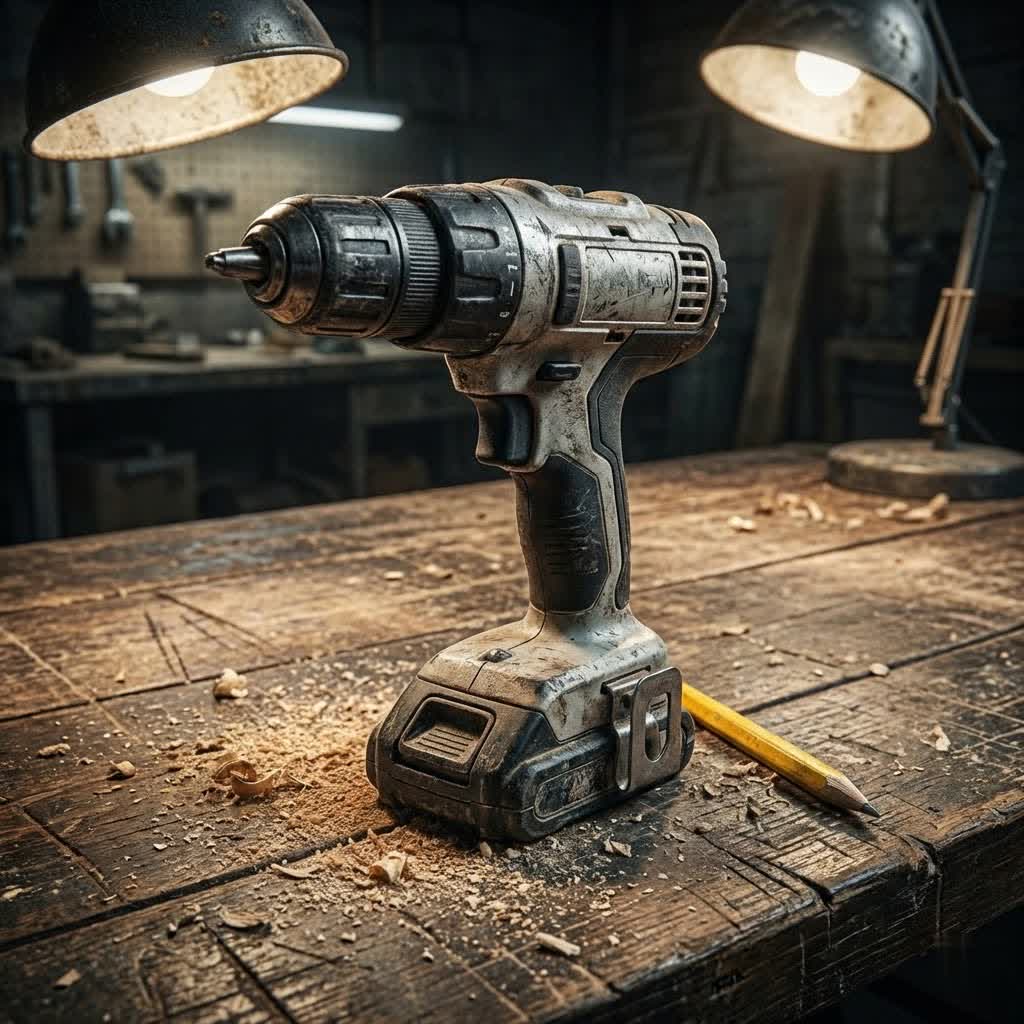
In the world of DIY, crafting, and household repairs, sometimes the biggest tools aren’t always the best. For intricate tasks, tight spaces, and projects demanding a lighter touch, a Small Electric Drill emerges as an indispensable companion. These compact powerhouses offer a unique blend of precision, portability, and surprising capability, transforming daunting jobs into manageable feats. Whether you’re a seasoned hobbyist, a meticulous crafter, or simply need a reliable tool for everyday fixes, understanding the nuances of small electric drills can significantly enhance your efficiency and the quality of your work.
An Overview of Small Electric Drills
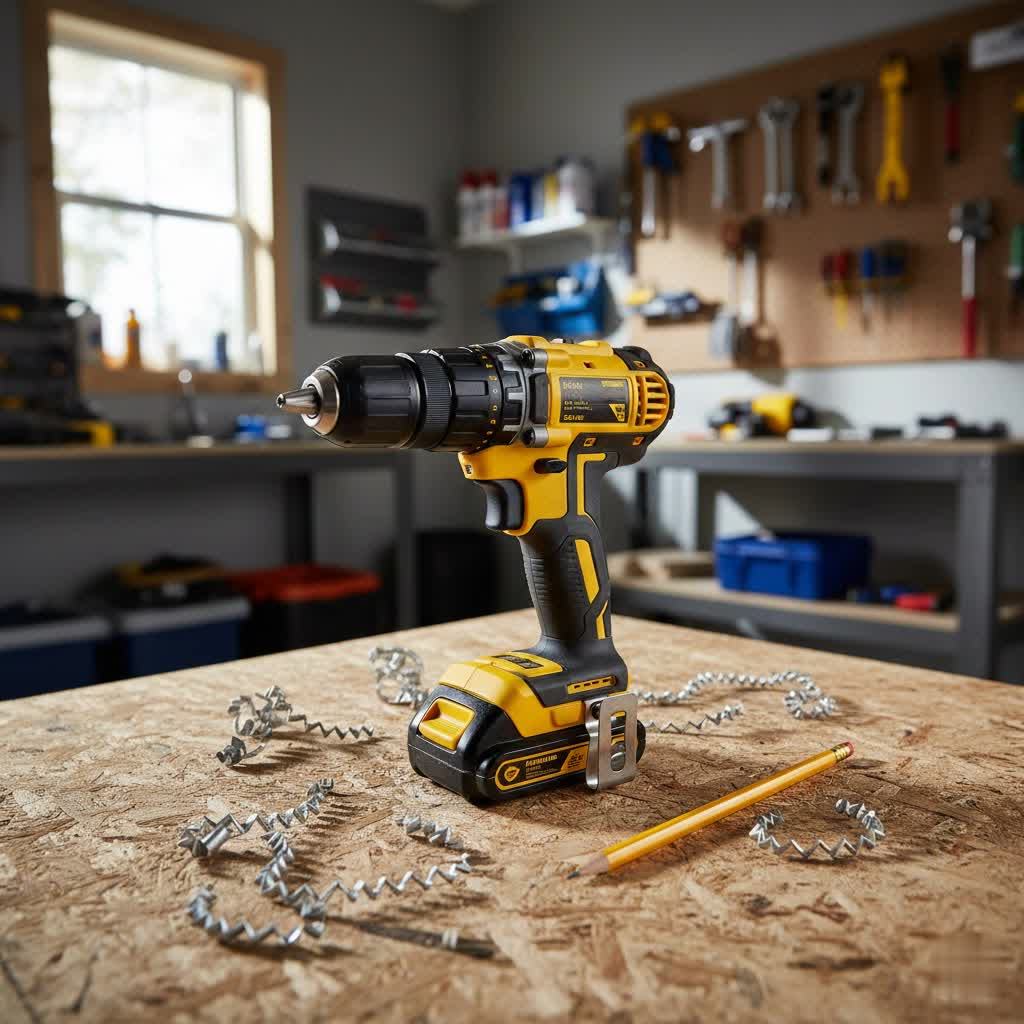
Small electric drills are a specialized category of power tools designed with compactness and ease of handling in mind. Unlike their full-sized counterparts, these drills prioritize maneuverability, making them ideal for situations where space is limited or delicate precision is paramount. Often referred to as mini drills, compact drill drivers, or rotary tools, they have evolved from simple hand-powered devices to sophisticated cordless units, packed with features that defy their diminutive stature.
The primary purpose of a small electric drill extends beyond just drilling holes. They excel in tasks requiring fine motor control, such as intricate craft projects, assembling furniture in awkward corners, or performing detailed repairs on electronics. Their lightweight design reduces user fatigue, allowing for extended periods of use without discomfort, a key advantage for anyone engaged in prolonged, detailed work. This focus on user-friendliness and accessibility has cemented their place in toolboxes everywhere, bridging the gap between manual tools and heavy-duty power drills.
Delving Into Small Electric Drill Categories
The term “small electric drill” encompasses a few distinct categories, each tailored for specific types of work. Understanding these distinctions is crucial for selecting the tool that best matches your needs.
Mini Drills & Rotary Tools
These are the smallest and often most versatile tools in the compact drill family. Mini drills and rotary tools are characterized by their pencil-like grip and very high rotational speeds (RPM) coupled with lower torque. They are not designed for heavy-duty drilling but rather for tasks demanding extreme precision.
- Characteristics: Typically pen-sized, lightweight, often come with a vast array of interchangeable bits and accessories for different functions beyond just drilling. Chuck sizes are usually very small, accommodating micro drill bits. They are almost exclusively cordless for maximum freedom of movement.
- Applications: Ideal for intricate crafting (jewelry making, model building), engraving, polishing small surfaces, sanding delicate curves, carving, grinding, and precision work on electronics. They are perfect for materials like plastic, resin, soft wood, and thin metals.
- Advantages: Unmatched precision and control, highly versatile with numerous attachments, excellent for fine detail work.
- Limitations: Limited drilling power, not suitable for larger holes or hard materials, small chuck size restricts bit options.
|
Our Picks for the Best Electric Drill in 2026
We may earn a commission when you use one of our links to make a purchase.
|
||
| Num | Product | Action |
|---|---|---|
| 1 | DEWALT 20V Max Cordless Drill Driver Set, 2 Speed, High Performance Motor, Includes 2 XR 1.3Ah Li-Ion Batteries, Charger and Contractor Bag (DCD771C2) |

|
| 2 | DEWALT 20V MAX Cordless Drill Driver Set, Electric Drill, Brushless 1/2 In 2 Speed, 2.0 Ah Battery and Charger Included, LED Light (DCD777D1) |
|
| 3 | Hoteche 320W 10mm Torque Drill, 19+1 Torque Settings Corded Electric Drill for Metal (10mm) & Wood (20mm), Yellow, Color Box Packaging |
|
| 4 | PULITUO'S 20V Cordless Drill/Driver, Electric Screwdriver - 2 Batteries, 30Nm, 21+1 Torque, 2 Speed, Keyless 3/8" Chase Drill with LED Light, Kit for Home (Green) |
|
| 5 | 20V Cordless Drill, Electric Power Drill Set with Battery Charger and Carrying Case, 3/8” Keyless Chuck, 2 Variable Speed, 18+3 Torque, 72pcs Driver Bits and Belt Hook, Red |
|
| 6 | FADAKWALT Cordless Drill Set,12V Power Drill Set with Battery and Charger, Electric Driver/Drill Bits, 3/8'' Keyless Chuck,21+1 Torque Setting, 180 inch-lbs, with LED Electric Drill Set (Green) |
|
| 7 | Cordless Drill Set, VIWKO 20V Power Drill with Power Pack 2.0Ah and Charger, 3/8-Inch Keyless Chuck Electricdrill, 25+1 Torque, 42pcs Drilldriver Bits/Screws for DIY Projects (Red) |
|
| 8 | BLACK+DECKER 20V MAX* POWERCONNECT Cordless Drill Driver Kit with Drill Bit Set and Sockets, 100 pc. Tool Kit for Home, Battery and Charger Included ,Orange (BDC120VA100) |
|
| 9 | AVID POWER 20V MAX Lithium lon Cordless Drill Set, Power Drill Kit with Battery and Charger, 3/8-Inch Keyless Chuck, Variable Speed, 16 Position and 22pcs Drill Bits (Red) |
|
| 10 | COMOWARE 20V Cordless Drill, Electric Power Drill Set with 1 Battery & Charger, 3/8” Keyless Chuck, 2 Variable Speed, 266 In-lb Torque, 25+1 Position and 34pcs Drill/Driver Bits |
|
Compact Drill Drivers (12V & Sub-compact 18V/20V)
Compact drill drivers strike a balance between power and portability. While still significantly smaller and lighter than standard full-size drills, they offer more capability than mini drills, making them a popular choice for general household DIY and light construction tasks. These are frequently found in 12V configurations, with some manufacturers also offering sub-compact versions of their 18V or 20V lines.
- Characteristics: Feature a pistol grip, a chuck typically ranging from 1/4-inch to 3/8-inch, and variable speed settings. They are almost universally cordless, powered by lithium-ion batteries. Many include a clutch for torque control.
- Applications: Assembling flat-pack furniture, hanging pictures and shelves, installing cabinet hardware, light woodworking, driving screws into various materials (wood, drywall, soft metals), and drilling holes of moderate size.
- Advantages: Good power-to-weight ratio, comfortable for prolonged use, more versatile than mini drills for general tasks, and often part of a wider battery platform.
- Limitations: Less powerful than full-size drills, may struggle with very dense materials or large-diameter holes, still too bulky for extremely tight spaces compared to mini drills.
Cordless Screwdrivers
These are the most basic and smallest form of electric fastening tools, designed primarily for driving and removing screws. They are not intended for drilling, though some can accommodate very small drill bits for pilot holes in soft materials.
- Characteristics: Extremely lightweight and compact, often with an inline or pivoting pistol grip. They have fixed or very low adjustable torque settings and typically lower RPM than drill drivers.
- Applications: Ideal for light assembly, electronics repair, tightening loose screws, and any task where manual screwdriving would be tedious.
- Advantages: Excellent portability, fits into the smallest spaces, ergonomic for repetitive screwdriving, and typically very affordable.
- Limitations: Minimal drilling capability, low power, not suitable for heavy fastening or drilling into anything but the softest materials.
Comparative Overview of Small Electric Drill Types
To help you distinguish between the different types of small electric drills, here’s a comparative overview:
| Feature | Mini Drills / Rotary Tools | Compact Drill Drivers (12V/Sub-compact) | Cordless Screwdrivers |
|---|---|---|---|
| Size | Very small, often pen-sized | Small to medium, pistol grip | Extremely small, inline or pivoting grip |
| Power/Torque | High RPM, low torque (precision) | Moderate power, variable torque | Low power, minimal torque |
| Ideal Applications | Crafting, engraving, polishing, delicate repairs | Furniture assembly, household DIY, light drilling | Light fastening, electronics assembly |
| Chuck Size | Micro collets (typically 1/8″ or smaller) | 1/4″ to 3/8″ keyless chuck | Hex shank driver (often integrated) |
| Typical Voltage | Low (3.6V-12V for cordless rotary tools) | 12V (most common), 18V/20V (sub-compact) | Very low (3.6V-4V) |
| Key Advantages | Extreme precision, versatility with attachments | Balance of power & portability, general DIY use | Maximum portability, fits tightest spaces |
| Key Limitations | Limited drilling power, delicate only | Less powerful than full-size drills | Primarily for screws, minimal drilling |
Your Guide to Choosing the Right Small Electric Drill
Selecting the perfect small electric drill involves a thoughtful evaluation of your specific requirements and the tool’s capabilities.
Assessing Your Project Needs
The first step is to clearly define the primary use of your drill. Are you predominantly engaged in intricate arts and crafts, assembling flat-pack furniture on weekends, or dealing with various light repairs around the house?
- Purpose of Use: For high-precision, detailed tasks like engraving or model making, a mini drill/rotary tool is ideal. For general household drilling and screwdriving, a compact drill driver offers more versatility. If you only need to drive screws in tight spots, a cordless screwdriver is sufficient.
- Materials to Work With: Softwoods, plastics, and thin metals are handled well by most small drills. For harder woods or occasional masonry, a more robust 12V or sub-compact 18V/20V drill driver would be necessary, though they are still not meant for heavy-duty masonry work.
- Frequency of Use: For occasional light tasks, a budget-friendly option might suffice. For regular hobbyists or DIY enthusiasts, investing in a more durable tool from a reputable brand with better battery life is advisable.
Budget Considerations
Small electric drills vary widely in price. Determine your budget but remember that investing in a slightly higher-priced tool from a known brand often translates to better performance, durability, and longer battery life. Consider the long-term value, including the availability of replacement parts and compatible accessories.
Key Technical Specifications to Prioritize
Understanding the specifications will help you match the tool to the task.
- Power (Voltage/RPM): For drill drivers, higher voltage (e.g., 12V versus 3.6V for screwdrivers, or compact 18V/20V models) generally means more power and capability for tougher materials. For mini drills, look at RPMs (rotations per minute), as higher RPMs are crucial for precision grinding and cutting with smaller bits.
- Torque: Measured in inch-pounds (in-lbs) or Newton-meters (Nm), torque indicates the rotational force. Higher torque is essential for driving larger screws or drilling into denser materials. A drill with an adjustable clutch allows you to set the torque, preventing stripped screw heads or overtightening.
- Chuck Size: Common sizes for small drills are 1/4-inch and 3/8-inch. A 1/4-inch chuck is good for light-duty work and accommodates smaller bits. A 3/8-inch chuck offers more versatility for a wider range of drill bit and driver bit sizes. Keyless chucks are standard for convenience.
- Battery Type & Life: Lithium-ion (Li-ion) batteries are the industry standard for cordless tools due to their light weight, consistent power, and lack of “memory effect.” Look for the Amp-hour (Ah) rating, which indicates battery capacity; a higher Ah means longer runtime. Consider models that offer two batteries or are part of a larger battery ecosystem.
- Variable Speed & Clutch Settings: Variable speed triggers provide precise control, allowing you to match the speed to the material and task. Multiple gear settings (e.g., high speed for drilling, low speed for driving) and an adjustable clutch are invaluable for preventing damage to your workpiece or fasteners.
Brand Reputation and Reliability
Choosing from well-known brands like Dremel, Bosch, DeWalt, Makita, Milwaukee, Ryobi, or Skil often guarantees a certain level of quality, reliable performance, and better customer support. These brands typically offer robust warranties and a wide range of compatible accessories.
Essential Supplementary Features
Look for features that enhance usability and convenience:
- LED Worklight: Illuminates the work area, especially useful in dimly lit spaces.
- Ergonomic Grip: A comfortable, balanced design reduces hand fatigue during extended use.
- Accessory Kits: Many small drills come bundled with a variety of bits and attachments, providing immediate versatility.
- Carry Case: Protects the tool and keeps accessories organized, making it easy to transport.
Maximizing Safety and Longevity with Your Small Electric Drill
Even small electric drills require proper handling and maintenance to ensure safety and extend their lifespan.
Safe Usage Practices:
- Wear Personal Protective Equipment (PPE): Always use eye protection. Gloves are advisable for some tasks, and a dust mask may be needed for dusty applications.
- Secure Your Workpiece: Always clamp or secure the material you are working on to prevent it from moving, which can cause injury or damage the drill.
- Use the Correct Bit: Match the drill bit type and size to the material you are working with. Forcing an inappropriate bit can overheat the drill, break the bit, or damage the material.
- Start Slowly and Apply Steady Pressure: Begin drilling or driving at a lower speed and gradually increase. Apply consistent, firm pressure without forcing the tool.
- Mind Your Surroundings: Be aware of electrical wires or plumbing behind walls before drilling.
Maintenance Tips for Longevity:
- Keep it Clean: Regularly wipe down your drill to remove dust and debris, especially from ventilation ports, to prevent overheating.
- Store Bits Properly: Organize your drill bits and accessories to prevent loss and damage, ensuring they are readily available and in good condition.
- Battery Care: Store batteries in a cool, dry place. Avoid overcharging or completely draining lithium-ion batteries to prolong their life. Refer to the manufacturer’s guidelines for optimal charging and storage.
- Inspect Regularly: Before each use, quickly inspect the drill for any signs of damage, loose parts, or frayed cords (for corded models).
“The magic of a small electric drill isn’t in its raw power, but in its ability to empower detailed work and grant access to projects that larger tools simply can’t handle. It’s about precision in your palm.”
Conclusion
Small electric drills are far more than just miniature versions of their full-sized counterparts; they are purpose-built tools that offer unparalleled control, access, and versatility for a specific range of tasks. From the delicate artistry of mini drills to the practical utility of compact drill drivers, and the sheer convenience of cordless screwdrivers, there’s a small electric drill perfectly suited for every intricate project and household repair. By carefully considering your needs, understanding the key features, and practicing safe operation, you can unlock the full potential of these compact powerhouses, ensuring precise results and a more enjoyable DIY experience. Which small electric drill will you add to your toolkit to tackle your next detailed endeavor?
Câu Hỏi Thường Gặp
What are the main advantages of a small electric drill over a standard one?
Small electric drills offer superior portability, lighter weight, and improved maneuverability, making them ideal for delicate tasks, tight spaces, and extended use without fatigue. They provide the precision often lacking in bulkier, more powerful drills, which are designed for heavy-duty applications.
Can a small electric drill handle driving screws?
Yes, many small electric drills, particularly compact drill drivers and cordless screwdrivers, are excellent for driving screws. Look for models with adjustable torque settings and variable speeds to prevent stripping screws or damaging the material. Mini drills are less suited for this task due to their lower torque.
Are small electric drills typically corded or cordless?
The vast majority of small electric drills on the market today are cordless, powered by rechargeable lithium-ion batteries. This enhances their portability and allows them to be used anywhere without needing a power outlet, which is a significant advantage for small, agile tools.
What materials can I drill with a mini or compact electric drill?
Mini drills and rotary tools are best for soft materials like plastic, resin, thin wood, and delicate metals. Compact drill drivers (12V or sub-compact 18V/20V) can handle a broader range, including wood, drywall, PVC, and some light metals, making them versatile for common household projects.
What’s a good chuck size for a versatile small electric drill?
For versatility in a compact electric drill, a 3/8-inch keyless chuck is generally recommended. This size accommodates a wide array of common drill bits and driver bits, balancing the ability to perform precise work with the capacity for slightly larger applications. For purely precision tasks, a mini drill with micro collets is best.