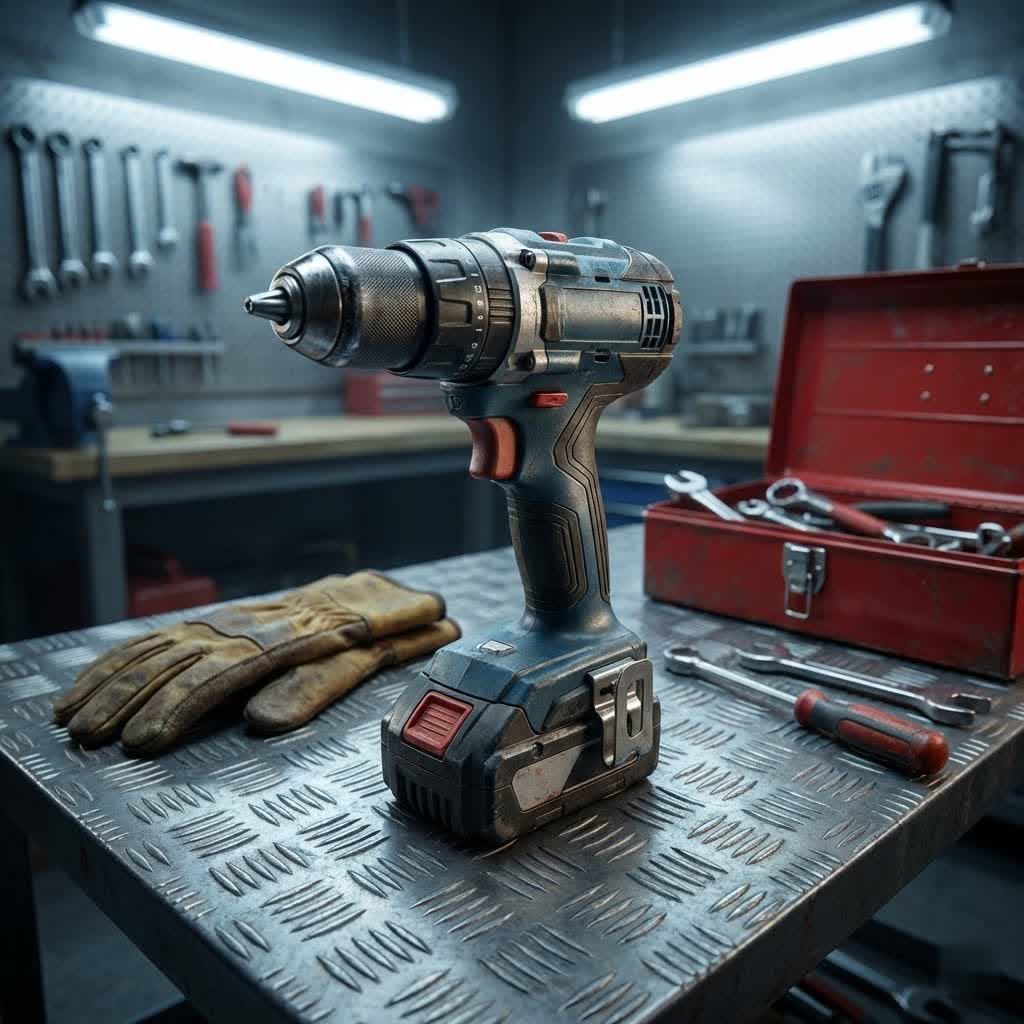
Step into any workshop or garage, and you’re likely to find one indispensable tool: the electric handheld drill. This versatile workhorse has revolutionized how we approach everything from simple home repairs to complex construction projects. For both seasoned professionals and enthusiastic DIYers, understanding the nuances of these powerful devices is key to achieving precision, efficiency, and safety in every task.
Overview of Electric Drills
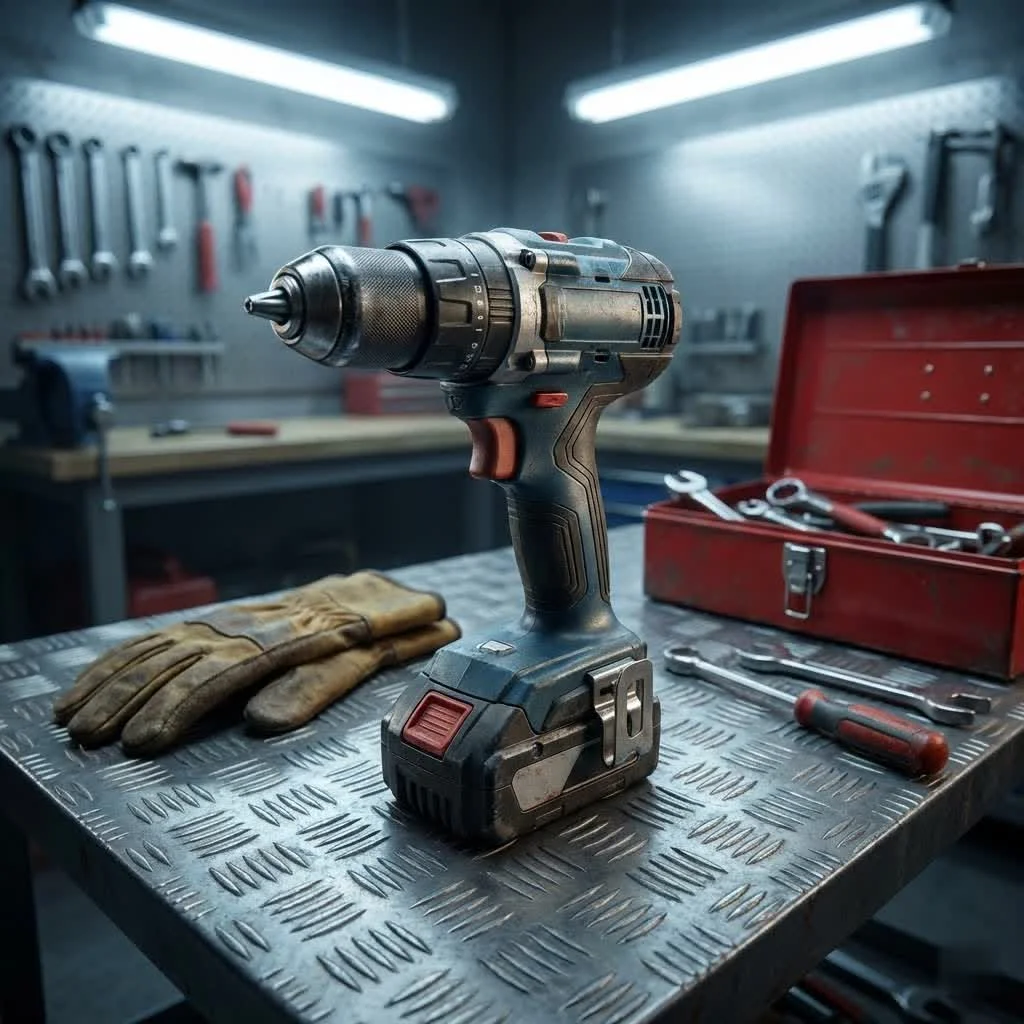
An electric drill is a cornerstone power tool, designed primarily for drilling holes into various materials and driving or removing screws. Its fundamental utility makes it a staple in toolkits across domestic, professional, and industrial settings. For more electric drills guides on this site.
The concept of drilling has existed for centuries, evolving from rudimentary hand-cranked tools to sophisticated electric motors. The introduction of the electric drill in the late 19th century marked a significant turning point, continuously advancing with innovations in motor technology, battery power, and ergonomic design. Modern electric drills offer unparalleled convenience and capability, making tasks that once required considerable effort now manageable with ease.
Today’s market boasts a diverse array of electric drills, catering to a spectrum of needs based on their power source, functional capabilities, and intended applications. Whether you’re assembling furniture, hanging shelves, or undertaking heavy-duty masonry work, there’s an electric handheld drill engineered for the job.
Detailed Classification of Electric Drills
Understanding the distinct types of electric drills is crucial for selecting the right tool for your specific project. Each variant is engineered with unique mechanisms and features to excel in particular applications.
Hammer Drills
Hammer drills are specifically designed to tackle tough masonry materials such as brick, concrete, and stone. They combine the rotary motion of a standard drill with a rapid, piston-like hammering action. This dual functionality allows the drill bit to simultaneously rotate and pound into the material, effectively chipping away at hard surfaces while creating a clean hole.
Pros and Cons:
- Pros: Highly effective for drilling into masonry, faster than a standard drill in hard materials, often includes a “drill-only” mode for versatility.
- Cons: Heavier and often noisier than standard drills, can be overkill for softer materials, may cause rougher edges in wood or metal if not used carefully in drill-only mode.
- Applications: Ideal for installing anchors in concrete walls, drilling pilot holes for electrical conduits in masonry, or mounting heavy fixtures.
- Comparison: Unlike a standard drill that relies solely on rotation, the hammer drill adds percussion, making it superior for hard, brittle materials. However, for precise holes in wood or metal, its hammer function should be disengaged.
Drill Drivers
|
Our Picks for the Best Electric Drill in 2026
As an Amazon Associate I earn from qualifying purchases.
|
||
| Num | Product | Action |
|---|---|---|
| 1 | AVID POWER 20V MAX Lithium lon Cordless Drill Set, Power Drill Kit with Battery and Charger, 3/8-Inch Keyless Chuck, Variable Speed, 16 Position and 22pcs Drill Bits (Red) |

|
| 2 | DEWALT 20V MAX Cordless Drill Driver Set, Electric Drill, Brushless 1/2 In 2 Speed, 2.0 Ah Battery and Charger Included, LED Light (DCD777D1) |
|
| 3 | Cordless Drill Set, VIWKO 20V Power Drill with Power Pack 2.0Ah and Charger, 3/8-Inch Keyless Chuck Electricdrill, 25+1 Torque, 42pcs Drilldriver Bits/Screws for DIY Projects (Red) |
|
| 4 | FADAKWALT Cordless Drill Set,12V Power Drill Set with Battery and Charger, Electric Driver/Drill Bits, 3/8'' Keyless Chuck,21+1 Torque Setting, 180 inch-lbs, with LED Electric Drill Set (Green) |
|
| 5 | PULITUO'S 20V Cordless Drill/Driver, Electric Screwdriver - 2 Batteries, 30Nm, 21+1 Torque, 2 Speed, Keyless 3/8" Chase Drill with LED Light, Kit for Home (Green) |
|
| 6 | DEWALT 20V Max Cordless Drill Driver Set, 2 Speed, High Performance Motor, Includes 2 XR 1.3Ah Li-Ion Batteries, Charger and Contractor Bag (DCD771C2) |
|
| 7 | COMOWARE 20V Cordless Drill, Electric Power Drill Set with 1 Battery & Charger, 3/8” Keyless Chuck, 2 Variable Speed, 266 In-lb Torque, 25+1 Position and 34pcs Drill/Driver Bits |
|
| 8 | 20V Cordless Drill, Electric Power Drill Set with Battery Charger and Carrying Case, 3/8” Keyless Chuck, 2 Variable Speed, 18+3 Torque, 72pcs Driver Bits and Belt Hook, Red |
|
| 9 | Hoteche 320W 10mm Torque Drill, 19+1 Torque Settings Corded Electric Drill for Metal (10mm) & Wood (20mm), Yellow, Color Box Packaging |
|
| 10 | BLACK+DECKER 20V MAX* POWERCONNECT Cordless Drill Driver Kit with Drill Bit Set and Sockets, 100 pc. Tool Kit for Home, Battery and Charger Included ,Orange (BDC120VA100) |
|
The most common type of electric drill, drill drivers (often simply called “drills”) are versatile tools primarily used for drilling holes and driving screws. They are characterized by their rotating chuck, which holds various drill bits or screwdriver bits.
Pros and Cons:
- Pros: Lightweight, compact, excellent for precision drilling in wood, plastic, and thin metals, features adjustable clutch settings to prevent overdriving screws, available in both corded and cordless versions.
- Cons: Not suitable for heavy-duty drilling into masonry or concrete, lacks the power and specialized action for driving large fasteners efficiently.
- Applications: Perfect for assembling furniture, hanging pictures, installing drywall anchors, drilling pilot holes in wood, and light repair tasks around the home.
- Comparison: Drill drivers are the generalists of the drill world, offering versatility for most common household and workshop tasks where high impact force isn’t required.
Impact Drivers
Impact drivers are specialized tools engineered for driving screws and fasteners with exceptional efficiency and power. They deliver rotational force (torque) combined with short, powerful bursts of impact, which helps prevent cam-out (the bit slipping out of the screw head) and reduces strain on the user’s wrist.
Pros and Cons:
- Pros: Superior for driving long screws and lag bolts, prevents stripping screw heads, reduces user fatigue, generally more compact and lighter than hammer drills.
- Cons: Not designed for drilling precise holes (though they can drill some), can be louder than standard drills, impact action can damage delicate materials.
- Applications: Installing deck screws, fastening metal roofing, assembling large outdoor structures, driving self-tapping screws into metal, working with stubborn fasteners.
- Comparison: While a drill driver spins continuously, an impact driver “hammers” rotationally, providing significantly more torque for driving, making it a go-to for heavy fastening tasks where a drill driver might struggle.
Magnetic Drills
Magnetic drills, also known as mag drills, are highly specialized tools primarily used in industrial and metalworking applications for drilling precise holes into thick metal surfaces. Unlike other drills discussed, they are typically stationary or semi-stationary during operation, utilizing a powerful electromagnetic base to firmly secure themselves to ferrous metal workpieces. This stability allows for extremely accurate and powerful drilling.
Pros and Cons:
- Pros: Exceptional precision and stability for drilling into metal, capable of creating large-diameter holes quickly, safer than freehand drilling on metal due to secure attachment.
- Cons: Not a handheld tool in the traditional sense, very heavy and not portable for general use, highly specialized for metal, expensive.
- Applications: Fabricating steel structures, drilling holes for bolts in heavy machinery, electrical panel work, bridge construction, and any application requiring accurate, large-diameter holes in thick metal.
- Comparison: Magnetic drills stand apart due to their stationary nature and magnetic adhesion, making them unsuitable for typical handheld drilling tasks but indispensable for heavy-duty metal fabrication where precision and power are paramount.
Comparison Table of Electric Drills
To further clarify the distinctions, here’s a comparative overview of common electric drill types:
| Feature | Drill Driver | Hammer Drill | Impact Driver | Rotary Hammer Drill | Magnetic Drill |
|---|---|---|---|---|---|
| Primary Use | Drilling holes, driving screws | Drilling masonry | Driving fasteners | Heavy-duty concrete drilling | Precise drilling in thick metal |
| Key Action | Rotary | Rotary + Percussion | Rotary + Tangential Impact | Rotary + Piston Hammer | Rotary (stationary, magnetic base) |
| Best For | Wood, plastic, light metal, assembly | Brick, concrete block | Long screws, lag bolts, stubborn fasteners | Concrete, stone, demolition | Steel beams, structural metal |
| Power/Force | Moderate | High | Very High | Extreme | Very High (for metal) |
| Portability | High | Moderate to High | High | Moderate | Low (requires setup on metal surface) |
| Precision | High (drilling) | Moderate (masonry) | Low (fastening) | Low (demolition) | Very High (for metal) |
| Noise Level | Low to Moderate | Moderate to High | High | Very High | Moderate to High |
| Cost | Low to Moderate | Moderate | Moderate | High | Very High |
Guide to Choosing the Right Electric Drill
Selecting the perfect electric drill involves more than just picking the first one you see. It requires a thoughtful assessment of your needs, budget, and the technical specifications that align with your projects.
Determine Usage Needs
Before anything else, clarify what you intend to use the drill for.
- What is the main purpose? Are you primarily drilling holes, driving screws, or both? Some drills excel at one over the other.
- What materials will you be working with? Softwoods, hardwoods, plastic, metal, drywall, brick, or concrete? This will dictate the required power and specialized functions (like hammer action).
- How often will you use it? For occasional DIY tasks, a basic drill driver might suffice. For daily professional use, a more robust, feature-rich model with greater durability is essential.
Budget
Your budget will inevitably influence your choices. While it’s tempting to opt for the cheapest option, remember that quality often correlates with durability and performance.
- Set a realistic budget range: This helps narrow down options without overspending or underspending.
- Consider long-term value: Investing a bit more upfront in a reputable brand with good features can save money on replacements and repairs in the long run. Often, higher-end models offer better battery life and motor efficiency.
Key Technical Specifications
Understanding the technical jargon can seem daunting, but these specifications directly impact a drill’s performance.
- Power:
- Cordless drills: Measured in volts (V). Higher voltage (e.g., 18V, 20V, 24V) generally means more power and torque. 12V models are good for light tasks, while 18-20V models suit most home users.
- Corded drills: Measured in amps (A). Higher amperage (e.g., 7-8A for DIY, 10A+ for heavy-duty) indicates more continuous power.
- Speed (RPM – Rotations Per Minute): This determines how fast the bit spins. Variable speed settings are crucial for versatility. Lower speeds are better for high-torque applications (driving screws, drilling in hard materials), while higher speeds are ideal for faster drilling in softer materials.
- Torque (Nm – Newton-meters or Inch-pounds): This is the rotational force the drill can exert. Higher torque is needed for driving large fasteners or drilling into dense materials. An adjustable clutch allows you to set the torque, preventing screws from being overdriven or stripped.
- Chuck Type and Size: The chuck holds the drill bit.
- Size: Common sizes are 1/4-inch (light-duty), 3/8-inch (most versatile for home), and 1/2-inch (heavy-duty). This indicates the maximum shank diameter of a bit the drill can hold.
- Type: Keyless chucks allow for quick, tool-free bit changes, while keyed chucks offer maximum grip but require a separate key.
- Functions (Drill, Hammer, Driver): Many drills offer multiple modes. A drill driver focuses on drilling and driving. A hammer drill adds a percussion mode for masonry. Some premium “combi-drills” offer all three.
Brand and Reliability
Choosing a reputable brand can significantly impact your experience. Well-known manufacturers often invest in better materials, engineering, and quality control.
- Research trusted brands: Brands like DeWalt, Milwaukee, Bosch, Makita, and Ryobi are consistently rated highly for durability and performance.
- Read reviews: User reviews can provide insights into a product’s real-world reliability and any common issues.
- Warranty and support: A good warranty and accessible customer service indicate a manufacturer’s confidence in their product.
Additional Features
Modern drills come with an array of features that enhance usability and safety.
- LED Work Light: Illuminates the work area, especially useful in dimly lit spaces.
- Variable Speed Trigger: Allows precise control over the drilling or driving speed.
- Anti-Vibration Technology: Reduces user fatigue during prolonged use, particularly on hammer drills.
- Battery System (for Cordless Drills):
- Lithium-ion (Li-ion) batteries: Preferred for their lighter weight, longer run time, faster charging, and lack of “memory effect” compared to older NiCd batteries.
- Battery compatibility: Look for brands with interchangeable battery systems across multiple tools.
- Battery indicator: Shows the remaining charge level.
- Multiple batteries: Allows you to continue working while one battery charges.
- Brushless Motor: More efficient, powerful, durable, quieter, and lighter than traditional brushed motors, though typically more expensive.
Tips for Safe Use and Maintenance of Electric Drills
Even the most experienced users can benefit from a refresher on safe operating procedures and proper maintenance. Safety should always be your top priority.
How to Use an Electric Drill Safely
- Wear Appropriate Personal Protective Equipment (PPE): Always wear safety glasses or a face shield to protect against flying debris. Gloves can provide a better grip and protect your hands. For prolonged or heavy-duty drilling, consider ear protection.
- Inspect Your Drill Before Each Use: Check the power cord (if corded) for frays or damage, and the battery (if cordless) for cracks or leaks. Ensure all moving parts are properly aligned.
- Use the Right Bit for the Job: Select a drill bit suitable for the material and the size of the hole. Ensure the bit is sharp, clean, and properly seated and tightened in the chuck. Always remove the chuck key before starting the drill.
- Secure Your Workpiece: Never hold small pieces by hand while drilling. Clamp them securely to a workbench to prevent movement, twisting, or spinning, which can cause injury or damage.
- Maintain Proper Stance and Grip: Hold the drill firmly with both hands if an auxiliary handle is available, especially for larger drills or continuous operation. Keep proper footing and balance, and avoid overreaching. Hold the drill by its insulated gripping surfaces.
- Keep Your Work Area Clear: Ensure all electrical cords, loose clothing, jewelry, and long hair are clear of the turning bit.
- Start Slow and Steady: Begin drilling at a slow speed, gradually increasing it once the bit has engaged the material. Reduce speed just before breaking through the material to prevent splintering or sudden jams.
- Drill Pilot Holes: For larger holes or when precision is critical, drill a smaller pilot hole first. This improves accuracy and reduces stress on the drill bit.
- Avoid Excessive Force: Let the drill do the work. Applying too much pressure can overheat the motor, dull the bit, or cause the drill to bind. If the drill jams, disconnect the power (unplug or remove battery) before attempting to free the bit.
- Be Aware of Dust and Debris: Drilling can generate significant dust and debris. Work in a well-ventilated area, and consider using dust extraction attachments where possible.
How to Maintain Your Electric Drill for Longevity
- Regular Cleaning: After each use, wipe down your drill to remove dust, wood chips, and debris. Pay attention to air vents to ensure proper ventilation and prevent overheating.
- Inspect and Sharpen Bits: Keep your drill bits sharp. Dull bits work inefficiently and put undue strain on the drill motor. Replace worn or damaged bits promptly.
- Battery Care (for Cordless Drills):
- Use only the manufacturer-recommended charger and batteries.
- Avoid overcharging or completely draining lithium-ion batteries; partial charges are fine.
- Store batteries in a cool, dry place, away from extreme temperatures and flammable materials. Recharge Li-ion batteries every 2-3 months, even when not in use, to maintain their health.
- Cord Care (for Corded Drills): Store cords neatly, avoiding kinks or tight wraps that can damage the internal wiring. Do not hang the drill by its cord.
- Professional Servicing: If you notice any unusual noises, vibrations, or performance issues, consult a qualified technician for inspection and repair. Do not attempt complex repairs yourself unless you are experienced.
- Proper Storage: Store your drill and accessories in a secure, dry place, ideally in a carrying case, to protect them from dust, moisture, and accidental damage.
“A well-chosen and properly maintained electric drill isn’t just a tool; it’s an extension of your craftsmanship, ready to tackle any challenge you throw at it.” — Admin, ReviewsByM.com, Veteran Power Tool Technician
Conclusion
The electric handheld drill remains an indispensable tool for countless tasks, bridging the gap between simple DIY repairs and demanding professional applications. By understanding the diverse types available—from versatile drill drivers to powerful hammer drills, efficient impact drivers, and specialized rotary hammers and magnetic drills—you can confidently select the perfect tool to meet your project’s unique demands. Paying close attention to key specifications like power, speed, torque, and chuck type, alongside considering factors like budget and brand reliability, will ensure you make an informed decision.
Ultimately, the right electric drill is one that aligns with your specific needs, offers reliable performance, and is operated and maintained with the utmost attention to safety. Which electric drill will empower your next project to success?
Frequently Asked Questions
What’s the main difference between a drill driver and an impact driver?
A drill driver is best for drilling holes and general screw driving with adjustable torque settings. An impact driver excels at driving long screws and fasteners with high rotational impacts, making it more powerful for fastening but less precise for drilling.
Is a brushless motor worth the extra cost for an electric drill?
Yes, for most users, a brushless motor is worth the investment. It offers greater efficiency, longer run time, more power, extended tool life, and operates quieter and cooler than brushed motors.
How powerful a cordless drill do I need for home use?
For most home use and DIY projects, an 18V or 20V (max) cordless drill provides an excellent balance of power, weight, and versatility. It can handle tasks from assembling furniture to drilling into wall studs.
Can I use a hammer drill for regular drilling into wood?
Yes, most hammer drills have a “drill-only” mode that disengages the hammering action, allowing them to function as a standard drill for materials like wood, plastic, and metal. Always ensure the hammer function is off for these applications.
How often should I charge my cordless drill battery if I don’t use it regularly?
For lithium-ion batteries, it’s recommended to recharge them every 2-3 months, even if they haven’t been used. This helps maintain battery health and prevents deep discharge, which can reduce overall battery life.
What safety gear is essential when using an electric drill?
At a minimum, always wear safety glasses or a face shield to protect your eyes from debris. Gloves are also recommended for better grip and hand protection, and ear protection is advisable for prolonged use or when using louder drills like hammer drills.
Get our weekly buyer guide
Practical specs, not advice. Unsubscribe anytime.
