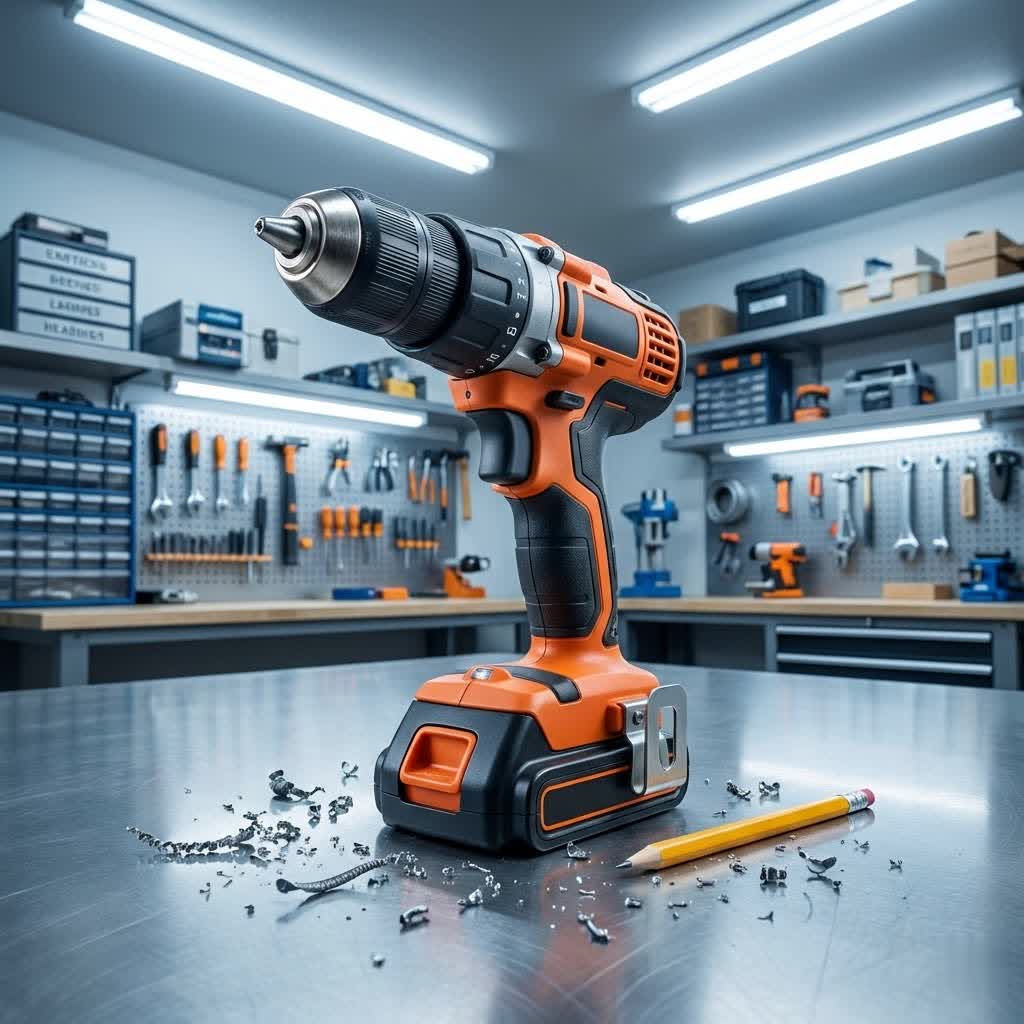
The versatility of an electric screwdriver, whether a dedicated driver or a drill/driver, largely depends on the drill bits it uses. Choosing the correct bit for the task ensures efficiency, prevents damage to materials or fasteners, and enhances safety. This guide details essential drill bit types, helps you select the right one for any material, and offers expert tips for effective use, transforming your electric screwdriver into a multi-talented powerhouse.
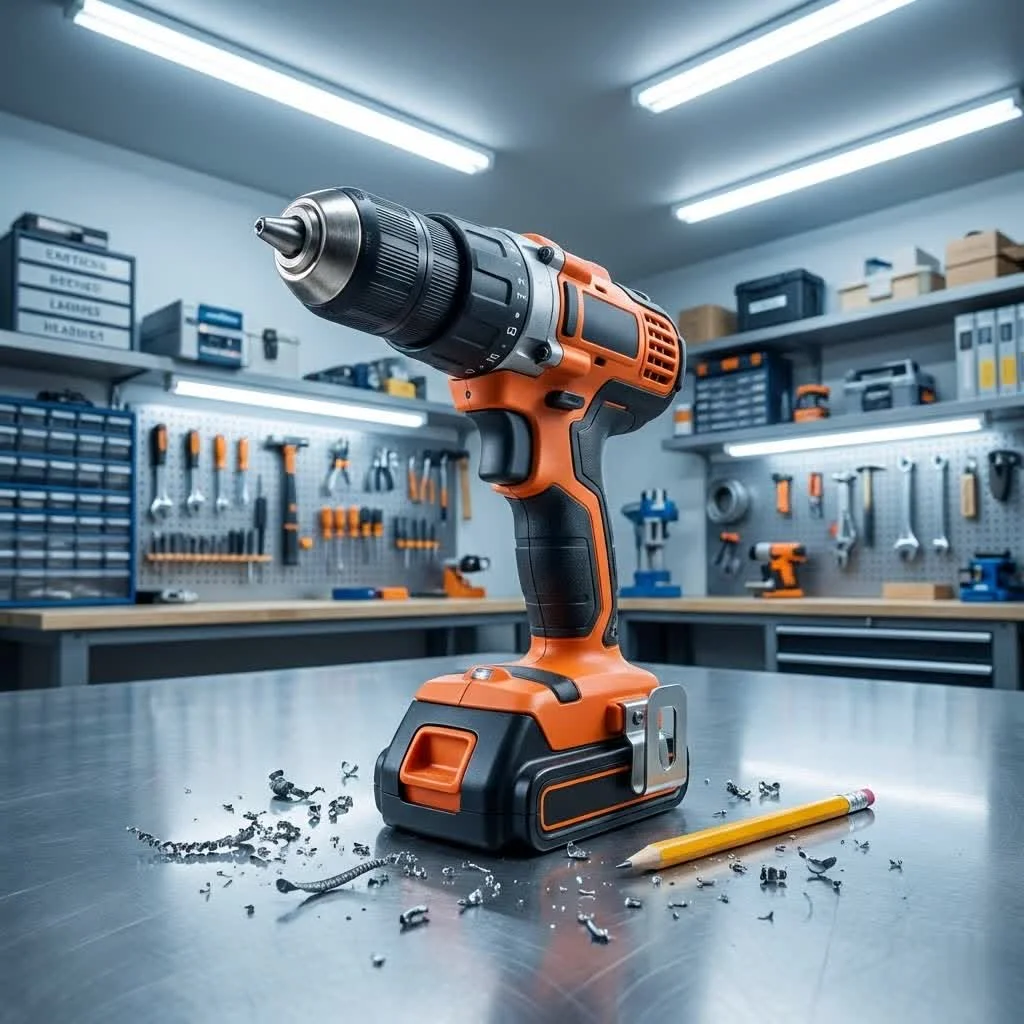
Understanding Your Electric Screwdriver: More Than Just Driving
The term “electric screwdriver” can refer to several power tools, each with distinct capabilities and bit compatibilities. A dedicated cordless screwdriver primarily drives screws, often using a 1/4-inch hex chuck for quick-change bits. More commonly, users refer to a drill/driver, a versatile tool that drills holes and drives screws, typically featuring a keyless chuck for both round-shank drill bits and hex-shank screwdriver bits. For heavy-duty fastening, an impact driver delivers rotational force and rapid concussive blows, requiring specialized impact-rated bits. Identifying your specific tool is crucial for selecting the right bits.
Essential Drill Bit Types for Every Task
Drill bits generally fall into two main categories: those for driving screws and those for drilling holes. Each type is engineered for specific tasks and materials to ensure optimal performance and prevent damage.
Screwdriver Bits: For Secure Fastening
These bits are designed to match various screw heads, providing maximum grip and torque transfer.
- Phillips (PH): The most common type, with a cross-shaped tip. Phillips bits are designed to “cam-out” (slip) at a certain torque to protect the screw head from overtightening.
- Pozidriv (PZ): An enhanced Phillips version, Pozidriv bits have additional small lines radiating from the main cross, offering more contact points, reducing cam-out, and allowing greater torque.
- Torx (TX): Characterized by a six-pointed star shape, Torx bits excel in high-torque applications. They significantly resist cam-out, making them popular in automotive, electronics, and construction.
- Hex (Allen): Designed for hexagonal screw heads, these bits are common in furniture assembly, machinery, and bicycle repairs, offering a strong, slip-resistant connection.
- Robertson (Square): A Canadian innovation, Robertson bits feature a square-shaped tip for an exceptionally secure, self-centering fit, virtually eliminating cam-out. They are popular in woodworking and construction.
- Slotted (Flathead): One of the oldest bit types, with a single, straight blade. While still used, they are prone to slipping, especially with power tools, and are less favored for modern fastening.
- Specialty Bits: This category includes Nutsetters (for driving hex-head bolts and nuts), Drywall bits (with a depth stop to prevent overdriving drywall screws), and various Security bits (e.g., Spanner or Tri-Wing, for tamper-resistant fasteners).
Drill Bits: For Creating Holes
|
Our Picks for the Best Electric Drill in 2026
As an Amazon Associate I earn from qualifying purchases.
|
||
| Num | Product | Action |
|---|---|---|
| 1 | COMOWARE 20V Cordless Drill, Electric Power Drill Set with 1 Battery & Charger, 3/8” Keyless Chuck, 2 Variable Speed, 266 In-lb Torque, 25+1 Position and 34pcs Drill/Driver Bits |

|
| 2 | Cordless Drill Set, VIWKO 20V Power Drill with Power Pack 2.0Ah and Charger, 3/8-Inch Keyless Chuck Electricdrill, 25+1 Torque, 42pcs Drilldriver Bits/Screws for DIY Projects (Red) |
|
| 3 | BLACK+DECKER 20V MAX* POWERCONNECT Cordless Drill Driver Kit with Drill Bit Set and Sockets, 100 pc. Tool Kit for Home, Battery and Charger Included ,Orange (BDC120VA100) |
|
| 4 | FADAKWALT Cordless Drill Set,12V Power Drill Set with Battery and Charger, Electric Driver/Drill Bits, 3/8'' Keyless Chuck,21+1 Torque Setting, 180 inch-lbs, with LED Electric Drill Set (Green) |
|
| 5 | Hoteche 320W 10mm Torque Drill, 19+1 Torque Settings Corded Electric Drill for Metal (10mm) & Wood (20mm), Yellow, Color Box Packaging |
|
| 6 | AVID POWER 20V MAX Lithium lon Cordless Drill Set, Power Drill Kit with Battery and Charger, 3/8-Inch Keyless Chuck, Variable Speed, 16 Position and 22pcs Drill Bits (Red) |
|
| 7 | 20V Cordless Drill, Electric Power Drill Set with Battery Charger and Carrying Case, 3/8” Keyless Chuck, 2 Variable Speed, 18+3 Torque, 72pcs Driver Bits and Belt Hook, Red |
|
| 8 | DEWALT 20V Max Cordless Drill Driver Set, 2 Speed, High Performance Motor, Includes 2 XR 1.3Ah Li-Ion Batteries, Charger and Contractor Bag (DCD771C2) |
|
| 9 | DEWALT 20V MAX Cordless Drill Driver Set, Electric Drill, Brushless 1/2 In 2 Speed, 2.0 Ah Battery and Charger Included, LED Light (DCD777D1) |
|
| 10 | PULITUO'S 20V Cordless Drill/Driver, Electric Screwdriver - 2 Batteries, 30Nm, 21+1 Torque, 2 Speed, Keyless 3/8" Chase Drill with LED Light, Kit for Home (Green) |
|
Beyond driving screws, an electric screwdriver (especially a drill/driver) excels at creating precise holes. Different materials require specific bit designs and compositions.
- HSS (High-Speed Steel): General-purpose bits suitable for drilling into wood, plastic, and softer metals. They are affordable and versatile.
- Cobalt Bits: Made from a steel and cobalt alloy, these bits are more durable and heat-resistant than HSS, ideal for harder metals like stainless steel and cast iron.
- Carbide-Tipped (Masonry) Bits: Featuring a carbide tip brazed onto a steel shank, these bits bore through tough materials such as concrete, brick, mortar, and stone. They often work best with a drill’s hammer function.
- Brad Point Bits: Specifically for woodworking, these bits have a sharp center point that prevents walking, ensuring precise hole placement and clean entry/exit holes in wood.
- Spade Bits: Also known as paddle bits, these flat, wide bits quickly drill large-diameter holes in wood. They are efficient but can produce rougher holes.
- Hole Saws: Specialized attachments that create large-diameter holes (e.g., for pipes or electrical boxes) by cutting around the circumference, leaving a clean slug of material.
- Step Drill Bits: Resembling a cone with progressive steps, these bits drill multiple hole sizes or enlarge existing holes in sheet metal and plastic, producing clean, burr-free edges.
Choosing the Right Drill Bit for Your Project
Selecting the appropriate drill bit is crucial for project success and tool longevity. A well-chosen bit ensures efficiency, prevents damage, and enhances safety.
Assess Your Project Needs
Before selecting a bit, define your project requirements:
- Material: What material are you working with (wood, metal, plastic, drywall, concrete)? This determines the bit’s composition.
- Task: Are you driving a screw or drilling a hole? If drilling, is it a pilot hole, a clearance hole, or a large through-hole?
- Screw Type: If fastening, precisely match the bit type (Phillips, Torx, Hex, etc.) and size to the screw head to prevent stripping.
- Tool Type: Are you using a standard electric screwdriver, a drill/driver, or an impact driver? Impact drivers require impact-rated bits to withstand high torque and concussive force.
Key Bit Specifications to Consider
Understanding technical aspects refines your selection.
- Material (of the bit): High-Speed Steel (HSS) for general use, Cobalt for tougher metals, Carbide for masonry.
- Shank Type:
- Hex Shank (1/4-inch): Common for screwdriver bits and some drill bits, designed for quick-change chucks on impact drivers and many electric screwdrivers.
- Round Shank: Primarily for traditional drill bits, secured by the adjustable jaws of a drill/driver’s chuck.
- Length: Shorter bits are generally more rigid and better for high torque, reducing wobble. Longer bits reach recessed areas but require more careful handling.
- Coating: Coatings like titanium nitride (TiN) or black oxide reduce friction, dissipate heat, and improve durability, extending bit lifespan.
Investing in Quality and Brands
Investing in quality bits from reputable brands like Makita, DeWalt, Bosch, and Milwaukee often pays off. High-quality bits retain sharpness longer, withstand greater torque, and offer precise performance. Consider purchasing bit sets for a variety of types and sizes.
“The difference between a cheap bit and a quality bit becomes painfully obvious when you’re halfway through a critical project and your bit strips or snaps. Investing in good bits is as important as investing in a good tool.” – ReviewsByM Admin, Electric Drill Technician
Best Practices for Using and Maintaining Your Drill Bits
Proper usage and care ensure optimal performance, safety, efficiency, and extend bit lifespan.
Safe and Effective Operation
- Match Bit to Fastener/Material: Always double-check that your bit matches the screw head or material. Mismatching causes stripped screws and damaged bits.
- Use Correct Speed and Pressure: Harder materials and larger bits require lower speeds; softer materials and smaller bits can use higher speeds. Apply steady, consistent pressure, avoiding excessive force.
- Drill Pilot Holes: For woodworking (especially hardwoods or near edges) and self-tapping screws in metal, pilot holes prevent splitting and ensure accurate placement.
- Secure the Bit: Ensure the bit is firmly seated in the chuck or bit holder. A loose bit causes wobble, inaccurate drilling/driving, and can be dangerous.
- Wear Safety Gear: Always wear safety glasses to protect eyes from flying debris. Gloves are also advisable.
- Impact-Rated for Impact Drivers: When using an impact driver, only use bits explicitly labeled “impact-rated” or “shockwave.” Standard bits can shatter under intense force.
Extend Bit Lifespan
- Clean Bits After Use: Remove debris, shavings, or filings. Clean bits perform better and last longer.
- Store Properly: Keep bits organized in a bit case or holder to protect from corrosion, prevent loss, and facilitate selection.
- Avoid Overheating: Overheating dulls bits quickly. Slow down, reduce pressure, or allow cooling. For drilling metal, use cutting fluid or oil.
- Sharpening: Many drill bits (especially HSS) can be sharpened using a specialized sharpener or grinding wheel, significantly extending their life.
Comparing Drill and Screwdriver Bit Types
| Bit Type | Shank Type | Primary Use | Best Materials | Pros | Cons |
|---|---|---|---|---|---|
| Phillips (PH) | Hex / Round | Driving cross-head screws | Wood, drywall, plastic | Common, widely available | Prone to cam-out at high torque |
| Pozidriv (PZ) | Hex / Round | Driving Pozidriv screws | Wood, general fastening | Reduced cam-out, better grip | Can be confused with Phillips |
| Torx (TX) | Hex / Round | Driving star-head screws | Automotive, electronics | Excellent cam-out resistance, high torque | Less common for general household screws |
| Hex (Allen) | Hex / Round | Driving hexagonal screws | Furniture, machinery | Strong grip, prevents stripping | Specific to hex fasteners |
| Robertson (SQ) | Hex / Round | Driving square-drive screws | Woodworking, construction | Excellent grip, self-centering | Less common outside North America |
| Slotted | Hex / Round | Driving flat-head screws | Low-torque applications | Simple design | Prone to slipping (cam-out) |
| HSS Drill | Round / Hex | General purpose drilling | Wood, plastic, soft metals | Versatile, affordable | Not for hard metals or masonry |
| Cobalt Drill | Round / Hex | Drilling hard metals | Stainless steel, cast iron | Heat-resistant, durable for hard materials | More expensive than HSS |
| Carbide-Tipped | Round | Drilling masonry, concrete | Concrete, brick, stone | Highly durable for abrasive materials | Brittle, not for wood/metal (unless multi-purpose) |
| Brad Point | Round | Precise drilling in wood | Wood | Clean holes, no walking | Only for wood |
| Spade Bit | Round / Hex | Large holes in wood | Wood | Fast, large hole creation | Rougher holes, prone to splintering |
| Step Drill | Round / Hex | Drilling multiple hole sizes | Sheet metal, plastic | Versatile, deburrs holes | Primarily for thin materials |
| Hole Saw | Round (with arbor) | Very large diameter holes | Wood, metal, drywall | Creates large, clean circular cuts | Requires pilot bit, slower operation |
Conclusion
Mastering your electric screwdriver involves understanding its vital accessories: the drill bits. By selecting the correct type, size, and material of bit for each specific task, you ensure cleaner, more professional results, protect your tools, and extend their lifespan. From the subtle differences between Phillips and Pozidriv for fastening to the material-specific precision of HSS and carbide-tipped drill bits, informed choices empower you to tackle any project with confidence and efficiency. Equip yourself with a diverse set of high-quality bits and embrace best practices to transform your electric screwdriver into an indispensable, versatile workhorse.
Frequently Asked Questions
Can I use any drill bit in an electric screwdriver?
No, not all drill bits are suitable for every electric screwdriver. Dedicated electric screwdrivers typically accept only 1/4-inch hex shank bits, while drill/drivers can use both hex shank screwdriver bits and round shank drill bits in their adjustable chucks.
What’s the difference between a drill bit and a screwdriver bit?
A screwdriver bit is designed for driving screws, matching various screw head profiles like Phillips or Torx. A drill bit is designed for creating holes in materials, with types like HSS or masonry bits optimized for specific substances. Many electric screwdrivers (drill/drivers) can utilize both.
When should I use impact-rated bits?
You should use impact-rated bits exclusively when operating an impact driver. These bits are specifically engineered to withstand the extreme torque and concussive forces generated by impact drivers, preventing the premature breakage and stripping that standard bits would experience.
How do I know what size screwdriver bit to use?
Always match the screwdriver bit size and type exactly to the screw head for a snug fit. If the bit is too small or too large, it will likely slip, strip the screw head, or damage the bit itself. Screw sizes are usually marked, and bit sets often specify corresponding screw types.
What are pilot holes and when do I need them?
Pilot holes are small pre-drilled holes that guide screws and prevent wood from splitting, especially in hardwoods or near edges. They are also essential when driving screws into metal or other dense materials to ensure proper screw grip and for self-tapping screws.
How can I prevent stripping screws when using an electric screwdriver?
To prevent stripping screws, use the correct bit type and size that fits snugly into the screw head. Apply firm, steady pressure, and use an appropriate speed setting on your electric screwdriver. For sensitive materials, consider drilling a pilot hole, and using Pozidriv or Torx bits can also help due to their superior grip.
Frequently Asked Questions
Can I use any drill bit in an electric screwdriver?
No, not all drill bits are suitable for every electric screwdriver. Dedicated electric screwdrivers typically accept only 1/4-inch hex shank bits, while drill/drivers can use both hex shank screwdriver bits and round shank drill bits in their adjustable chucks.
What's the difference between a drill bit and a screwdriver bit?
A screwdriver bit is designed for driving screws, matching various screw head profiles like Phillips or Torx. A drill bit is designed for creating holes in materials, with types like HSS or masonry bits optimized for specific substances. Many electric screwdrivers (drill/drivers) can utilize both.
When should I use impact-rated bits?
You should use impact-rated bits exclusively when operating an impact driver. These bits are specifically engineered to withstand the extreme torque and concussive forces generated by impact drivers, preventing the premature breakage and stripping that standard bits would experience.
How do I know what size screwdriver bit to use?
Always match the screwdriver bit size and type exactly to the screw head for a snug fit. If the bit is too small or too large, it will likely slip, strip the screw head, or damage the bit itself. Screw sizes are usually marked, and bit sets often specify corresponding screw types.
What are pilot holes and when do I need them?
Pilot holes are small pre-drilled holes that guide screws and prevent wood from splitting, especially in hardwoods or near edges. They are also essential when driving screws into metal or other dense materials to ensure proper screw grip and for self-tapping screws.
How can I prevent stripping screws when using an electric screwdriver?
To prevent stripping screws, use the correct bit type and size that fits snugly into the screw head. Apply firm, steady pressure, and use an appropriate speed setting on your electric screwdriver. For sensitive materials, consider drilling a pilot hole, and using Pozidriv or Torx bits can also help due to their superior grip.
How to Choose the Right Drill Bit for Your Project
Selecting the appropriate drill bit is crucial for both the success of your project and the longevity of your tools. A well-chosen bit ensures efficiency, prevents damage, and enhances safety.
Determine the material you are working with (e.g., wood, metal, concrete) and the specific task (driving a screw, drilling a pilot hole, or creating a large through-hole). This initial assessment dictates the bit's composition and type.
If fastening, precisely match the screwdriver bit type (e.g., Phillips, Torx, Hex) and size to the screw head to prevent stripping. If drilling, select a drill bit designed for the material, such as HSS for wood/soft metals or carbide-tipped for masonry.
Identify if you are using a standard electric screwdriver, a drill/driver, or an impact driver. Ensure the bit's shank type (e.g., 1/4-inch hex or round) is compatible with your tool's chuck. Impact drivers specifically require impact-rated bits.
Choose bit material based on hardness (HSS for general, Cobalt for hard metals, Carbide for masonry). Select appropriate bit length for reach and stability. Consider coatings like TiN or black oxide for improved durability and reduced friction.
Opt for high-quality bits from reputable brands like Makita or DeWalt, as they offer better durability, sharpness, and precision. Purchasing bit sets provides versatility for various common tasks and ensures you are prepared.
Get our weekly buyer guide
Practical specs, not advice. Unsubscribe anytime.

I always just used whatever bits came with my drill, but after reading about the different types, I finally invested in a good set of titanium-coated HSS bits. What a difference! Drilling through metal is so much smoother now, and they last way longer than my old ones. Definitely worth upgrading if you’re still using basic bits.
My husband always just grabbed any bit, but I’m trying to be more organized with our tools. This really clarified why we need different bits for different jobs. The part about spade bits for wood was a game-changer for me; I was struggling with larger holes before. Now I know exactly what to look for when I’m at the hardware store.
This guide was super helpful for understanding the difference between a dedicated cordless screwdriver and my drill/driver. I always wondered why some bits didn’t fit right. The section on masonry bits was especially useful; I had no idea there were specific ones for brick. My next project involves mounting shelves on a brick wall, so I’m glad I learned this before starting.
Good overview of bit types. I was hoping for a bit more detail on impact-rated bits, especially for my impact driver. While it touched on them, I still feel like I need to do more research to pick the best ones for heavy-duty use. The advice on using the right bit for the material is spot on though, that’s crucial.