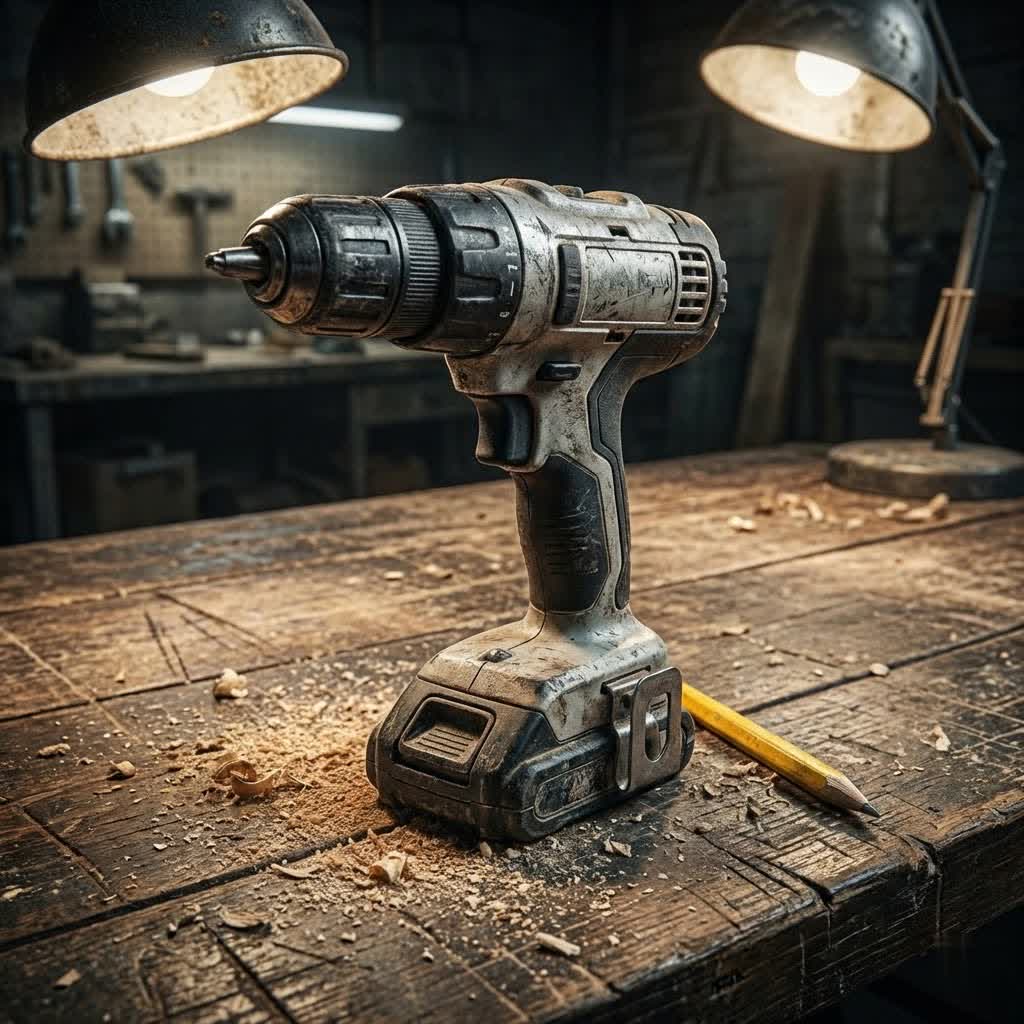
Embarking on a new DIY project or a professional construction task often begins with the right tools. Among the most fundamental, versatile, and often misunderstood power tools is the electric screwdriver drill, a device indispensable for both drilling holes and driving screws with precision and power. Are you looking to assemble furniture, hang shelves, or tackle more demanding projects? Understanding the nuances of these powerhouses is key to transforming your work from frustrating to efficient. This comprehensive guide will illuminate the world of electric screwdriver drills, helping you choose and utilize the perfect tool for every job.
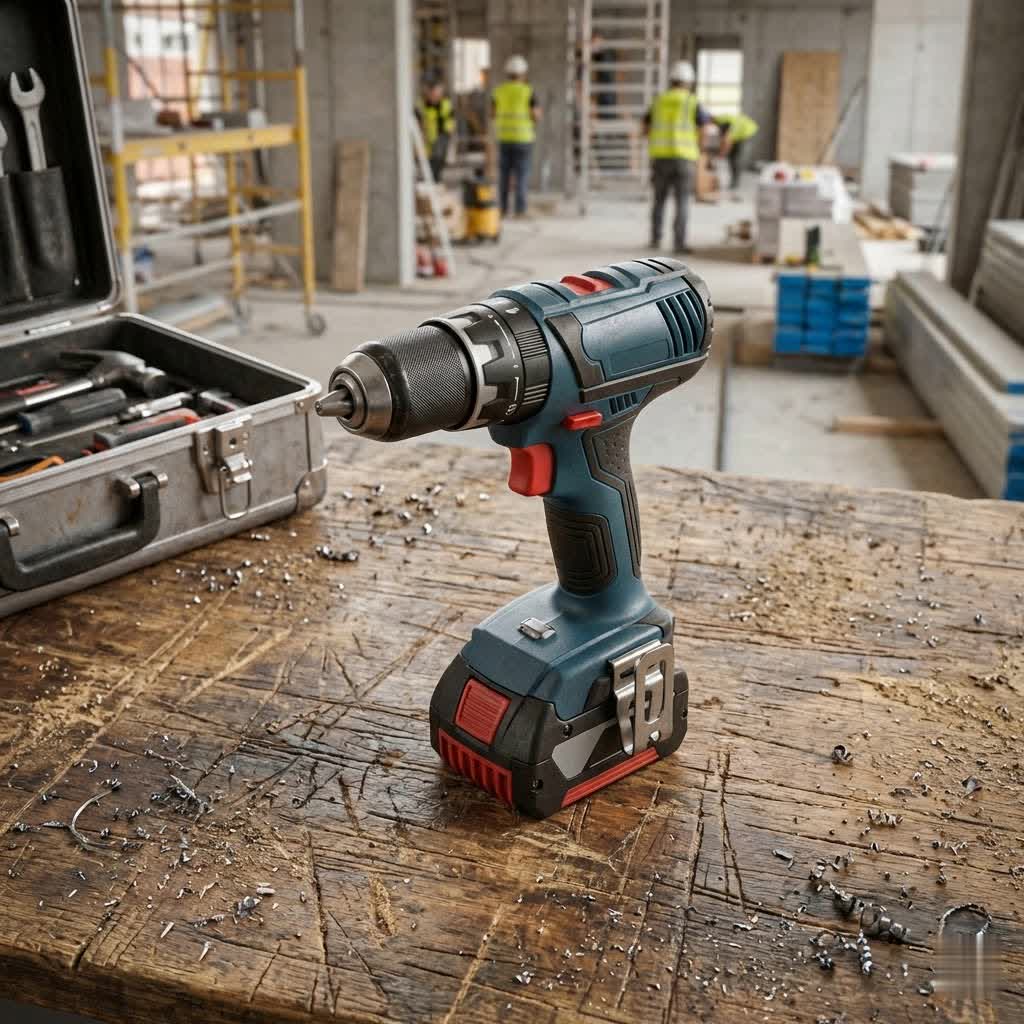
Overview of Electric Drills
An electric drill is a cornerstone of any toolkit, converting electrical energy into rotational force to either bore holes or fasten screws. Its utility spans from simple household fixes to complex industrial applications. The evolution of electric drills traces back to the late 19th century, with the introduction of the first portable electric drill by Fein in 1895. Since then, continuous innovation has led to a diverse range of models, each tailored for specific tasks and materials, enhancing both power and precision for users.
Today’s market offers a broad spectrum of electric drills, categorized primarily by their power source (corded or cordless), functionality (drilling, driving, hammering), and specialized applications. From compact electric screwdrivers designed for delicate tasks to heavy-duty hammer drills built for masonry, these tools have become integral to modern craftsmanship and efficiency.
Detailed Classification of Electric Drills
The term “electric drill” encompasses a variety of tools, each with distinct features optimized for different applications. Understanding these classifications is crucial for selecting the most effective tool.
Hammer Drills
Hammer drills combine the rotational action of a standard drill with a rapid, pounding motion along the drill bit’s axis, mimicking a hammer’s strike. This percussive action makes them exceptionally effective for drilling into tough, brittle materials like concrete, brick, and stone.
- Advantages: Excellent for masonry and concrete drilling. Many models include a “drill-only” mode, allowing them to function as standard drills. Powerful and efficient for heavy-duty tasks.
- Disadvantages: Generally heavier and bulkier than standard drills. The hammering mechanism can be overkill and potentially damaging for softer materials or delicate tasks. Not typically designed for precise screwdriving.
- Suitable Applications: Installing anchors in concrete, drilling through brick walls, heavy-duty construction tasks.
- Comparison: Unlike standard electric screwdriver drills, hammer drills prioritize percussive force over precise torque control for driving screws. They are distinct from impact drivers, which deliver rotational impacts.
|
Our Picks for the Best Electric Drill in 2026
We may earn a commission when you use one of our links to make a purchase.
|
||
| Num | Product | Action |
|---|---|---|
| 1 | COMOWARE 20V Cordless Drill, Electric Power Drill Set with 1 Battery & Charger, 3/8” Keyless Chuck, 2 Variable Speed, 266 In-lb Torque, 25+1 Position and 34pcs Drill/Driver Bits |

|
| 2 | 20V Cordless Drill, Electric Power Drill Set with Battery Charger and Carrying Case, 3/8” Keyless Chuck, 2 Variable Speed, 18+3 Torque, 72pcs Driver Bits and Belt Hook, Red |
|
| 3 | PULITUO'S 20V Cordless Drill/Driver, Electric Screwdriver - 2 Batteries, 30Nm, 21+1 Torque, 2 Speed, Keyless 3/8" Chase Drill with LED Light, Kit for Home (Green) |
|
| 4 | Cordless Drill Set, VIWKO 20V Power Drill with Power Pack 2.0Ah and Charger, 3/8-Inch Keyless Chuck Electricdrill, 25+1 Torque, 42pcs Drilldriver Bits/Screws for DIY Projects (Red) |
|
| 5 | BLACK+DECKER 20V MAX* POWERCONNECT Cordless Drill Driver Kit with Drill Bit Set and Sockets, 100 pc. Tool Kit for Home, Battery and Charger Included ,Orange (BDC120VA100) |
|
| 6 | AVID POWER 20V MAX Lithium lon Cordless Drill Set, Power Drill Kit with Battery and Charger, 3/8-Inch Keyless Chuck, Variable Speed, 16 Position and 22pcs Drill Bits (Red) |
|
| 7 | FADAKWALT Cordless Drill Set,12V Power Drill Set with Battery and Charger, Electric Driver/Drill Bits, 3/8'' Keyless Chuck,21+1 Torque Setting, 180 inch-lbs, with LED Electric Drill Set (Green) |
|
| 8 | DEWALT 20V MAX Cordless Drill Driver Set, Electric Drill, Brushless 1/2 In 2 Speed, 2.0 Ah Battery and Charger Included, LED Light (DCD777D1) |
|
| 9 | Hoteche 320W 10mm Torque Drill, 19+1 Torque Settings Corded Electric Drill for Metal (10mm) & Wood (20mm), Yellow, Color Box Packaging |
|
| 10 | DEWALT 20V Max Cordless Drill Driver Set, 2 Speed, High Performance Motor, Includes 2 XR 1.3Ah Li-Ion Batteries, Charger and Contractor Bag (DCD771C2) |
|
Screwdriver Drills (Drill/Drivers)
Screwdriver drills, often simply called drill/drivers, are arguably the most common and versatile electric drills. They excel at both drilling holes and driving screws, offering a balanced combination of speed and torque. They feature a clutch mechanism that prevents overtightening and stripping screws by disengaging the drive once a set torque level is reached.
- Advantages: Highly versatile for a wide range of materials (wood, metal, plastic). Excellent control for screwdriving due to adjustable clutch settings. Available in both corded and cordless options, offering mobility.
- Disadvantages: Less powerful than impact drivers for heavy-duty fastening and not suitable for drilling into masonry without a hammer function.
- Suitable Applications: Assembling furniture, installing shelves, general home repairs, light to medium-duty drilling and screwdriving tasks.
- Comparison: Compared to dedicated electric screwdrivers, drill/drivers offer more power and drilling capability. When compared to impact drivers, they provide more finesse and control, especially for smaller screws or delicate materials, thanks to their clutch.
Impact Drivers
Impact drivers are specialized tools designed for high-torque fastening tasks. Unlike standard drills that apply continuous rotational force, impact drivers deliver short, rapid bursts of rotational and percussive force, driving screws with incredible speed and efficiency. This “hammering” action within the tool helps prevent cam-out and reduces strain on the user’s wrist.
- Advantages: Superior power and speed for driving long, large, or stubborn screws into dense materials. Compact and lightweight, reducing user fatigue. Highly effective for loosening stuck fasteners.
- Disadvantages: Not ideal for drilling precise holes, especially with larger bits, as the impacting action can be rough. Louder than drill/drivers. Require specific hex-shaft bits.
- Suitable Applications: Building decks, driving lag bolts, framing, heavy-duty fastening in construction, automotive repairs.
- Comparison: While drill/drivers offer versatility, impact drivers are specialists. They provide significantly more torque for driving fasteners than drill/drivers but lack the precision and diverse drilling capabilities. “If you want speed and power for construction, add an impact driver.”
Magnetic Drills
Magnetic drills, also known as mag drills, are specialized tools primarily used for drilling accurate holes in metal surfaces, particularly steel. They feature a powerful electromagnet in their base that firmly attaches the drill to the metal workpiece, providing exceptional stability and precision.
- Advantages: Offers superior stability and precision for drilling into metal, even on vertical or overhead surfaces. Highly efficient for large-diameter holes in thick steel. Portable for on-site metal fabrication and construction.
- Disadvantages: Only works on ferromagnetic materials (steel, iron). Not suitable for general drilling or screwdriving in other materials. Generally larger and heavier than portable hand drills.
- Suitable Applications: Structural steel work, bridge construction, heavy machinery fabrication, shipbuilding, creating bolt holes or tapping threads in metal plates.
- Comparison: Magnetic drills are a niche tool focused solely on heavy-duty metal drilling, standing apart from general-purpose electric drills or screwdrivers. They don’t have screwdriving functions.
Comparison Table of Electric Drills
To help clarify the distinctions, here’s a detailed comparison of the various electric drill types:
| Feature/Aspect | Electric Screwdriver (Dedicated) | Screwdriver Drill (Drill/Driver) | Impact Driver | Hammer Drill | Magnetic Drill |
|---|---|---|---|---|---|
| Primary Function | Light fastening | Drilling & Screwdriving | Heavy-duty fastening | Drilling masonry | Precise metal drilling |
| Torque | Low (3-5 Nm) | Moderate, Adjustable | Very High, Impact bursts | Moderate (Drill mode), High (Hammer mode) | High |
| Speed (RPM) | 200–600 | 0–2,000 | 0–3,000+ | 0–2,000+ (Drill), 0-30,000+ BPM (Hammer) | Varies by model |
| Control | High precision, adjustable torque | Balanced, clutch control | Less precise, more force | Balanced in drill mode, less in hammer mode | High precision on metal |
| Versatility | Limited (light fastening) | Very versatile (drill + drive) | Focused on fastening | Good for masonry/general drilling | Niche (metal drilling only) |
| Ergonomics | Very light, compact | Heavier, balanced | Compact, reduces wrist strain | Heavier, robust | Heavy, stable (magnetic base) |
| Best For | Furniture assembly, electronics | General DIY, home repairs | Deck building, lag bolts | Concrete, brick, stone drilling | Structural steel, heavy metalwork |
| Bit Compatibility | Hex, small driver bits | Round & Hex drill/driver bits | Hex-shaft bits only | Round & SDS drill bits | Annular cutters, twist drills |
| Power Source | Corded/Cordless | Corded/Cordless | Cordless (predominantly) | Corded/Cordless | Corded |
This table illustrates that while all these tools fall under the “electric drill” umbrella, their optimal uses and capabilities vary significantly. The “Screwdriver Electric Drill” most closely aligns with the “Screwdriver Drill (Drill/Driver)” category, offering the best all-around solution for combined drilling and screwdriving tasks.
Guide to Choosing the Right Electric Screwdriver Drill
Selecting the ideal electric screwdriver drill involves a thoughtful assessment of your needs and the tool’s specifications. A well-chosen tool enhances efficiency and ensures better results.
Determine Your Usage Needs
Before anything else, clarify what you’ll primarily use the tool for.
- Main Purpose: Is it for assembling flat-pack furniture, hanging pictures, drilling pilot holes for screws, or tackling heavy-duty tasks like building a shed or working on metal? “An electric screwdriver is the perfect solution if you’re putting together flat-pack furniture.”
- Materials: What materials will you be working with? Wood, drywall, plastic, metal, or masonry? This dictates the required power and type of drill (e.g., hammer drill for masonry, magnetic drill for steel).
- Frequency: Will you use it daily, weekly, or occasionally? Frequent use might justify a more robust, professional-grade tool, while occasional use might suit a more entry-level model.
Budget Considerations
Your budget will naturally influence your options, but remember that investing in a quality tool often pays off in durability and performance.
- Set a Budget: Determine how much you are willing to spend.
- Compare Options: Within your price range, compare features, brands, and user reviews. Sometimes, slightly exceeding your initial budget for a tool with better features or brand reputation can be a wise decision.
Important Technical Specifications
Understanding these key specifications helps in making an informed choice:
- Power: For cordless models, this is measured in Volts (V) (e.g., 12V, 18V, 20V MAX, 24V). Higher voltage generally means more power and torque. For corded models, power is measured in Watts (W) or Amps (A). Higher wattage/amperage indicates more sustained power.
- Speed (RPM – Revolutions Per Minute): This indicates how fast the drill bit rotates. Variable speed settings are crucial for versatility, allowing slower speeds for screwdriving and faster speeds for drilling.
- Torque (Nm – Newton-meters or In-lbs): This is the rotational force the drill can exert. Higher torque is needed for driving larger screws or drilling into harder materials. Adjustable torque settings (clutch) on drill/drivers are essential to prevent over-tightening.
- Chuck Type and Size: The chuck holds the drill bit. Keyless chucks are convenient for quick bit changes. Common sizes are 1/4 inch (hex for impact drivers and some electric screwdrivers), 3/8 inch, and 1/2 inch (for drill/drivers and hammer drills). A larger chuck accommodates bigger bits.
- Functions: Look for models with multiple modes: Drill for boring holes, Drive for fastening screws (with clutch settings), and Hammer for percussive drilling in masonry.
Brand and Reliability
Choosing a reputable brand often assures quality, durability, and better customer support.
- Trusted Brands: Brands like DeWalt, Milwaukee, Makita, Bosch, Ryobi, Craftsman, and Hilti are well-regarded in the power tool industry.
- Reviews and Ratings: Check user reviews and professional ratings for insights into real-world performance and longevity.
Additional Features
Modern electric screwdriver drills come with various features that enhance usability and safety.
- LED Work Light: Illuminates the work area, especially useful in dimly lit spaces.
- Variable Speed Control: Allows precise control over drilling and driving speeds.
- Anti-Vibration System: Reduces user fatigue during prolonged use, especially in hammer drills.
- Battery (for Cordless Models): Consider battery voltage, amp-hour (Ah) rating for runtime, and charge time. Lithium-ion batteries are standard for their power and lighter weight. Many manufacturers offer interchangeable battery systems across their tool lines.
- Brushless Motors: More efficient, powerful, and durable than brushed motors, offering longer tool life and runtime.
Tips for Safe Use and Maintenance of Electric Screwdriver Drills
Proper usage and maintenance are paramount for safety, prolonging your tool’s lifespan, and ensuring optimal performance.
Correct Usage Guidelines
- Read the Manual: Always familiarize yourself with your specific tool’s operating instructions.
- Wear PPE: Always wear safety glasses to protect your eyes from debris. Gloves are recommended for grip and hand protection. Hearing protection is crucial when using impact drivers or hammer drills for extended periods.
- Secure Your Workpiece: Use clamps or a vise to secure the material you’re working on. This prevents movement and allows for more precise and safer operation.
- Choose the Right Bit: Use the correct type and size of drill bit or screwdriver bit for the task and material.
- Start Slow and Steady: Begin drilling or driving at a low speed to establish control, gradually increasing speed as needed.
- Apply Appropriate Pressure: Let the tool do the work. Excessive force can damage the bit, screw head, or material.
- Be Aware of Kickback: Especially with powerful drills, be prepared for potential kickback if the bit binds. Hold the tool firmly with both hands if necessary.
- Clear the Area: Ensure your workspace is free of obstructions and tripping hazards, especially if using a corded tool.
Maintenance Tips for Longevity
- Clean After Each Use: Wipe down your drill to remove dust, debris, and grime. Use compressed air to clear vents.
- Inspect Regularly: Check the chuck for wear, ensure bits are held securely, and inspect the power cord (if applicable) for damage. For cordless tools, check battery contacts.
- Lubricate (if required): Some drills may require periodic lubrication; refer to your manual.
- Store Properly: Store your electric drill in a dry, clean place, preferably in its original case or a dedicated toolbox, to protect it from dust, moisture, and impact.
- Battery Care: For cordless tools, follow manufacturer guidelines for charging and storing batteries. Avoid extreme temperatures.
“Regular inspection and cleaning are simple steps that dramatically extend the life and reliability of your electric drill, ensuring it’s always ready for the next project.” – Admin, ReviewsByM.com
Frequently Asked Questions
What is the primary difference between a dedicated electric screwdriver and a drill/driver?
A dedicated electric screwdriver is typically smaller, lighter, and has lower torque, designed mainly for light-duty fastening tasks like assembling furniture or electronics. A drill/driver is more versatile, offering higher torque and speed for both drilling holes in various materials and driving screws, often featuring an adjustable clutch for better control.
Can an impact driver be used for drilling holes?
While an impact driver can technically drill holes with specialized hex-shank drill bits, it is not its primary function. Its impacting action is designed for driving fasteners and can lead to less precise holes and quicker wear on drill bits compared to a dedicated drill/driver.
How important is battery voltage for a cordless electric screwdriver drill?
Battery voltage (e.g., 12V, 18V, 20V) directly correlates with the tool’s power and torque. Higher voltage generally means more power to handle tougher materials and larger fasteners, making it suitable for heavier-duty applications. For light household tasks, lower voltage models are often sufficient and more compact.
What is the purpose of a clutch on an electric drill?
The clutch on an electric drill (specifically a drill/driver) is a crucial mechanism that allows you to set the maximum torque output. Once the set torque is reached, the clutch disengages the drive, preventing you from overtightening screws, stripping screw heads, or damaging the workpiece. This provides fine control, especially for delicate materials.
When should I choose a corded electric drill over a cordless one?
Choose a corded electric drill for tasks requiring continuous, sustained power, such as heavy-duty drilling or extended use where battery life would be a limitation. Corded models also tend to be lighter for the same power output, as they don’t carry the weight of a battery pack. Cordless drills offer superior portability and flexibility for jobs without easy access to power outlets.
Conclusion
The world of electric screwdriver drills offers a powerful solution for nearly every fastening and drilling challenge you might encounter. From the precision of a dedicated electric screwdriver for delicate assemblies to the robust power of a hammer drill for concrete, and the high-torque efficiency of an impact driver for stubborn fasteners, understanding each tool’s strengths is key. The versatile drill/driver stands out as the ultimate “screwdriver electric drill,” balancing both functions for general home and workshop tasks.
By considering your specific needs, budget, and crucial technical specifications, you can confidently select a tool that will not only simplify your projects but also enhance your craftsmanship. Remember, the right tool is an investment in efficiency, safety, and the satisfaction of a job well done. Which electric screwdriver drill will you empower your next project with?