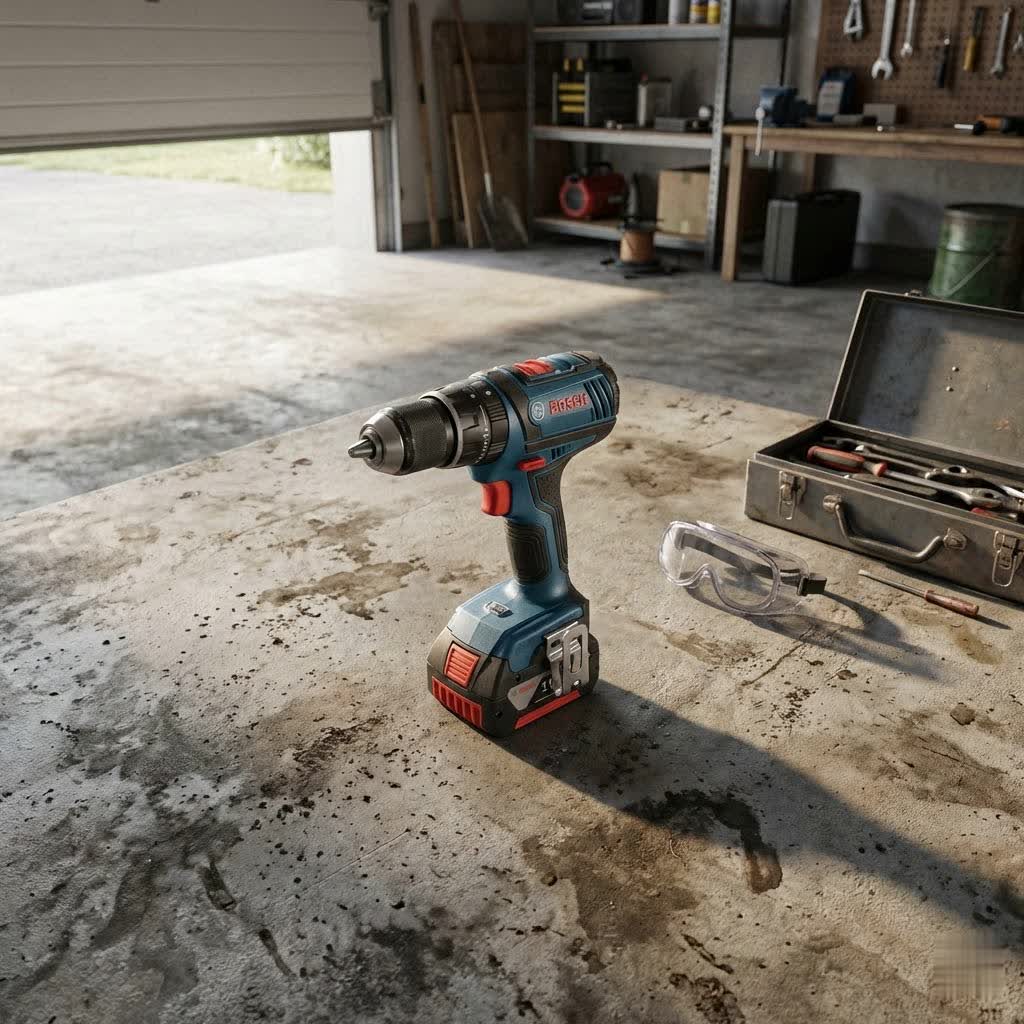
Stepping into the world of DIY or professional craftsmanship often begins with a fundamental question: what power tools do I truly need? For many, an electric drill and screwdriver set emerges as the quintessential starting point. These versatile tools are indispensable for tasks ranging from assembling flat-pack furniture to drilling into robust materials, making them a cornerstone of any toolbox. However, with an array of options available, selecting the perfect set can feel daunting. This guide will demystify the choices, equipping you with the knowledge to make an informed decision that elevates your projects and ensures efficiency, precision, and durability for years to come.
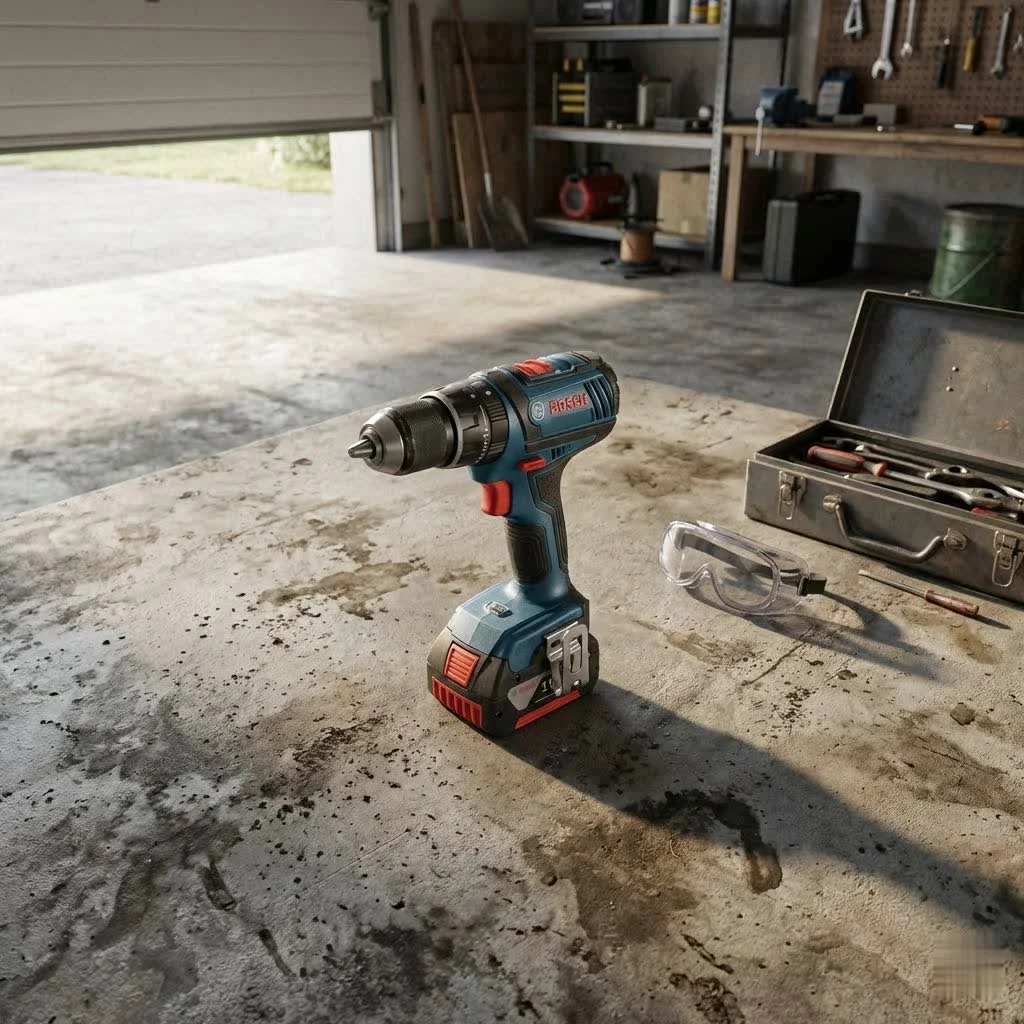
Overview of Electric Drills and Screwdriver Sets
Electric drills and screwdriver sets represent the evolution of manual labor into streamlined, powered efficiency. Historically, tasks like drilling holes or driving screws were laborious, requiring significant manual effort with hand tools. The advent of electric power tools revolutionized this, bringing unprecedented speed and reduced fatigue to a vast range of applications.
An electric drill, in its most basic form, is a power tool designed primarily for drilling holes, but it also excels at driving and removing screws. An electric screwdriver, while similar in function, is generally optimized for lighter screwdriving tasks, emphasizing precision and control over raw power. A “set” typically combines one or both of these tools with a comprehensive assortment of drill bits and screwdriver bits, providing a complete solution for various projects. Understanding their distinct capabilities and combined potential is key to unlocking productivity.
Detailed Classification of Electric Drill and Screwdriver Types
The market offers several specialized electric tools that can drill and drive screws, each tailored for different demands. Knowing their specific strengths helps in choosing the right companion for your tasks.
Cordless Drill/Driver
The cordless drill/driver is arguably the most common and versatile power tool found in homes and workshops. It combines the functionality of drilling holes with the ability to drive screws, all powered by a portable battery. These tools are characterized by their adjustable torque settings, which allow users to control the rotational force, preventing over-tightening or stripping screws.
- Pros: Highly versatile for both drilling and driving; cordless freedom; adjustable clutch for precision screwdriving; suitable for a wide range of materials including wood, plastic, and metal.
- Cons: Less powerful than specialized hammer drills for masonry; may lack the finesse of a dedicated electric screwdriver for delicate tasks.
- Suitable Applications: Assembling furniture, hanging pictures, installing shelves, general household repairs, drilling pilot holes.
- Comparison with Dedicated Electric Screwdrivers: Drill/drivers offer significantly more power and a larger chuck for various drill bit sizes, making them better for drilling. Dedicated electric screwdrivers, however, are typically lighter and offer finer control for small fasteners.
Hammer Drill/Combi Drill
|
Our Picks for the Best Electric Drill in 2026
As an Amazon Associate I earn from qualifying purchases.
|
||
| Num | Product | Action |
|---|---|---|
| 1 | BLACK+DECKER 20V MAX* POWERCONNECT Cordless Drill Driver Kit with Drill Bit Set and Sockets, 100 pc. Tool Kit for Home, Battery and Charger Included ,Orange (BDC120VA100) |

|
| 2 | DEWALT 20V MAX Cordless Drill Driver Set, Electric Drill, Brushless 1/2 In 2 Speed, 2.0 Ah Battery and Charger Included, LED Light (DCD777D1) |
|
| 3 | AVID POWER 20V MAX Lithium lon Cordless Drill Set, Power Drill Kit with Battery and Charger, 3/8-Inch Keyless Chuck, Variable Speed, 16 Position and 22pcs Drill Bits (Red) |
|
| 4 | FADAKWALT Cordless Drill Set,12V Power Drill Set with Battery and Charger, Electric Driver/Drill Bits, 3/8'' Keyless Chuck,21+1 Torque Setting, 180 inch-lbs, with LED Electric Drill Set (Green) |
|
| 5 | DEWALT 20V Max Cordless Drill Driver Set, 2 Speed, High Performance Motor, Includes 2 XR 1.3Ah Li-Ion Batteries, Charger and Contractor Bag (DCD771C2) |
|
| 6 | COMOWARE 20V Cordless Drill, Electric Power Drill Set with 1 Battery & Charger, 3/8” Keyless Chuck, 2 Variable Speed, 266 In-lb Torque, 25+1 Position and 34pcs Drill/Driver Bits |
|
| 7 | Cordless Drill Set, VIWKO 20V Power Drill with Power Pack 2.0Ah and Charger, 3/8-Inch Keyless Chuck Electricdrill, 25+1 Torque, 42pcs Drilldriver Bits/Screws for DIY Projects (Red) |
|
| 8 | PULITUO'S 20V Cordless Drill/Driver, Electric Screwdriver - 2 Batteries, 30Nm, 21+1 Torque, 2 Speed, Keyless 3/8" Chase Drill with LED Light, Kit for Home (Green) |
|
| 9 | Hoteche 320W 10mm Torque Drill, 19+1 Torque Settings Corded Electric Drill for Metal (10mm) & Wood (20mm), Yellow, Color Box Packaging |
|
| 10 | 20V Cordless Drill, Electric Power Drill Set with Battery Charger and Carrying Case, 3/8” Keyless Chuck, 2 Variable Speed, 18+3 Torque, 72pcs Driver Bits and Belt Hook, Red |
|
For tasks requiring more brute force, particularly when dealing with tougher materials, the hammer drill (often called a combi drill in sets, as it combines hammer, drill, and driver functions) steps up. This type of drill incorporates a hammering mechanism that drives the drill bit forward as it rotates, effectively chipping away at hard surfaces while spinning.
- Pros: Excellent for drilling into masonry, brick, and concrete; powerful for heavy-duty drilling and driving.
- Cons: Heavier and bulkier than standard drill/drivers; hammer function is not needed for most woodworking or screwdriving tasks; can be overkill for light DIY.
- Suitable Applications: Installing anchors in concrete walls, drilling through brick, heavy-duty construction projects.
- Comparison with Standard Drill/Drivers: The primary difference is the hammer action, which is absent in standard drill/drivers. This feature makes hammer drills indispensable for masonry work, where regular drills would struggle or be ineffective.
Dedicated Electric Screwdriver
A dedicated electric screwdriver is designed specifically for driving and removing fasteners, prioritizing compactness, comfort, and precise control for repetitive or delicate tasks. These are typically lighter and smaller than drill/drivers.
- Pros: Lightweight and ergonomic, reducing hand fatigue during prolonged use; excellent precision and control for small fasteners; ideal for tight spaces; often features quick bit changes and sometimes an adjustable head.
- Cons: Not designed for drilling holes; significantly lower torque and power compared to drill/drivers.
- Suitable Applications: Assembling flat-pack furniture, repairing electronics, tightening small screws in household appliances, light electrical work.
- Comparison with Drill/Drivers: Electric screwdrivers shine where a drill/driver might be too bulky or powerful, offering the finesse needed for delicate assemblies without the risk of damaging materials or stripping screws.
Comparison Table: Electric Drills vs. Electric Screwdrivers
Choosing between these tools, or deciding on a set that includes both, depends heavily on your typical projects. Here’s a comparative overview:
| Feature | Dedicated Electric Screwdriver | Cordless Drill/Driver | Hammer Drill/Combi Drill |
|---|---|---|---|
| Primary Use | Driving/removing screws | Drilling holes & driving/removing screws | Drilling masonry/concrete & general drilling/driving |
| Power (Voltage) | Lower (3.6V – 7.2V) | Medium to High (12V – 20V MAX) | High (18V – 24V) |
| Torque (Nm) | Low (3 Nm – 15 Nm) | Medium to High (20 Nm – 60+ Nm) | High (50 Nm – 100+ Nm) |
| Speed (RPM) | Lower (200 – 600 RPM) | Variable (0-1500 RPM, 0-2000 RPM) | Variable with higher top speeds (0-2500 RPM+) |
| Chuck Size | Often hex bit holder (¼ inch) | Keyless (⅜ inch – ½ inch) | Keyless (½ inch recommended for hammer function) |
| Hammer Function | No | No | Yes (engages for masonry) |
| Weight | Very Light (under 1 kg) | Medium (1 kg – 2.5 kg) | Heavier (2 kg – 3+ kg) |
| Portability | Excellent (pocket-sized) | Very Good | Good (can be bulky) |
| Best For | Furniture assembly, electronics, delicate tasks | General DIY, woodworking, metal drilling, driving screws | Masonry, heavy-duty construction, all-around versatility |
How to Choose the Perfect Electric Drill and Screwdriver Set
Selecting the right electric drill and screwdriver set requires a careful assessment of your needs and the features available.
Assess Your Project Needs
Before anything else, consider what you’ll be using the tool for. Are you primarily tackling light assembly tasks, or do you envision heavy-duty drilling into concrete?
- Purpose of Use: If your main goal is assembling flat-pack furniture or handling small household repairs, a dedicated electric screwdriver or a compact 12V drill/driver might suffice. For general DIY involving drilling into wood, metal, and driving various screws, an 18V or 20V MAX drill/driver is an excellent all-rounder. If you frequently work with masonry, a hammer drill is essential.
- Materials: Different materials demand different power and drilling mechanisms. Wood and soft metals are easily handled by most drill/drivers, while concrete, brick, and hardened steel require the impact of a hammer drill and specialized bits.
- Frequency of Use: Occasional DIYers might opt for a more budget-friendly, basic set. Regular users or professionals should invest in higher-quality, more durable tools with robust battery systems for sustained performance.
Budget Considerations
Power tools are an investment, and prices can vary significantly.
- Setting a Realistic Budget: Entry-level electric screwdrivers can be very affordable, while high-end cordless drill and screwdriver sets from professional brands can cost several hundred dollars. Determine how much you are willing to spend, keeping in mind that investing in a quality tool often saves money in the long run due due to better durability and performance.
- Value vs. Cost Comparison: Don’t just look at the price tag. Consider what’s included in the set (number of batteries, charger, case, bit assortment), the tool’s power, reliability, and warranty. Sometimes, a slightly more expensive kit offers significantly better value.
Essential Technical Specifications
Understanding the key technical specs will help you compare different models effectively.
- Power (Voltage – V): For cordless tools, voltage (e.g., 12V, 18V, 20V MAX) indicates the power output. Higher voltage generally means more power for tougher jobs and larger drill bits. [cite: 1 in search 3, 2 (ManoMano)] Dedicated electric screwdrivers typically operate at lower voltages (3.6V-7.2V). [cite: 2 (ManoMano)]
- Torque (Nm/inch-pounds) & Clutch Settings: Torque is the rotational force, crucial for driving screws. Higher torque values mean more power for driving larger screws into dense materials. Adjustable clutch settings (numbered rings behind the chuck) allow you to set the maximum torque, preventing screws from being over-tightened or stripped, and protecting the workpiece. [cite: 2 (ManoMano), 3 in search 1]
- Speed (RPM) & Variable Speed Control: Revolutions per minute (RPM) indicates how fast the chuck spins. Variable speed triggers offer precise control, allowing you to start slowly for accuracy and increase speed as needed. Multiple speed gears (e.g., two-speed gearbox) provide optimal RPM ranges for drilling (higher speed) and driving (lower speed, higher torque). [cite: 3 in search 1]
- Battery Type & Capacity (Ah): Lithium-ion (Li-ion) batteries are standard for most modern cordless tools due to their light weight, quick charging capability, and lack of memory effect. Amp-hours (Ah) denote battery capacity; a higher Ah rating means longer runtime on a single charge. Many sets include two batteries for uninterrupted work. [cite: 2 (ManoMano), 5 in search 1]
- Chuck Size and Type: The chuck holds the drill bits and screwdriver bits. Common sizes are ⅜-inch and ½-inch. A keyless chuck allows for quick, tool-free bit changes, which is a significant convenience.
- Motor Type (Brushed vs. Brushless): Brushless motors are more efficient, run cooler, offer more power and runtime per charge, and have a longer lifespan compared to traditional brushed motors. While often more expensive, they are a worthwhile upgrade for frequent users.
Brand Reputation and Reliability
The brand you choose can significantly impact the quality, performance, and longevity of your tools.
- Top Brands and What They Offer: Reputable brands like Bosch, Makita, DeWalt, and Milwaukee are known for their robust build quality, advanced features, and extensive product ecosystems (compatible batteries across tools). For general home use, brands like Ryobi and Craftsman often offer good value. [cite: 5 in search 1]
- Importance of Warranty and Customer Support: A good warranty and accessible customer support are crucial. They provide peace of mind and ensure you can get assistance or replacements if issues arise. Check the length of the warranty and what it covers before purchasing.
Supplemental Features and Accessories
Beyond the core specifications, certain features can greatly enhance usability and convenience.
- LED Work Lights: An integrated LED light illuminates your workspace, which is incredibly helpful in dimly lit areas or when working in cabinets.
- Ergonomics and Weight: A comfortable grip and balanced weight reduce fatigue, especially during long projects. Look for rubberized grips and designs that feel natural in your hand. [cite: 2 in search 1, 4 in search 2]
- Included Bit Sets: A good electric drill and screwdriver set should come with a variety of high-quality drill bits (for wood, metal, and potentially masonry) and screwdriver bits (Phillips, flathead, Torx, hex, Pozidriv). Look for bits made from durable materials like chromium-vanadium (Cr-V) or S2 steel. [cite: 2 (ManoMano)]
- Impact Function (for drivers): While a drill/driver is distinct from an impact driver, some drill/drivers offer an impact setting, providing short, powerful bursts of rotational force ideal for driving long, stubborn fasteners.
- Anti-Vibration Technology: Found in some higher-end models, this helps reduce user fatigue, especially during heavy drilling tasks.
Safe Operation and Maintenance Tips for Your Electric Drill and Screwdriver Set
Maximizing the lifespan and ensuring safe operation of your electric drill and screwdriver set is paramount.
- Correct Usage Guidelines: Always read the manufacturer’s manual. Use the appropriate bit for the material and fastener. Apply steady, even pressure, and let the tool do the work. Start with a low speed and gradually increase as needed, especially when driving screws or starting a drill hole. Utilize the clutch settings on your drill/driver to prevent stripping screws or damaging your workpiece.
- Safety Precautions:
- Personal Protective Equipment (PPE): Always wear safety glasses to protect against flying debris. Gloves can improve grip and protect hands. Hearing protection is recommended for hammer drills or prolonged use.
- Material Preparation: Secure your workpiece with clamps to prevent it from moving. Mark your drilling or driving points clearly. Check for hidden wires or pipes before drilling into walls.
- Power Source: For corded tools, ensure the cord is in good condition and kept away from the working area to prevent tripping. For cordless tools, ensure batteries are charged and properly inserted.
- Storage and Battery Care:
- Cleanliness: After each use, wipe down your tools to remove dust and debris. Keep ventilation slots clear.
- Storage: Store your drill and screwdriver set in its original case or a dedicated toolbox in a dry, temperate environment. This protects the tools from moisture, extreme temperatures, and physical damage.
- Battery Care: For Li-ion batteries, avoid completely draining them or leaving them on the charger indefinitely. Store batteries at a partial charge (around 50%) if not using them for extended periods. Ensure the charger is appropriate for your battery type.
“The right tool doesn’t just make the job easier; it makes it safer and more enjoyable, allowing you to focus on the craft, not the struggle.” – ReviewsByM.com Admin, Electric Drill Technician
Frequently Asked Questions
What is the main difference between an electric drill and an electric screwdriver?
An electric drill is a multi-purpose power tool primarily designed for drilling holes into various materials, though it can also drive screws. An electric screwdriver is typically smaller, lighter, and optimized for driving and removing fasteners with greater precision and less power, ideal for assembly tasks. [cite: 2 (ManoMano)]
Can a cordless drill be used as a screwdriver?
Yes, most cordless drills are also “drill/drivers” and come with clutch settings (torque adjustments) that allow them to effectively drive screws. However, for very delicate tasks or continuous assembly, a dedicated electric screwdriver might offer finer control and better ergonomics.
What voltage is best for a home use electric drill and screwdriver set?
For general home use, an 18V or 20V MAX cordless drill/driver provides an excellent balance of power and versatility for drilling and driving. For lighter assembly tasks, a 12V drill/driver or a 3.6V-7.2V electric screwdriver is often sufficient. [cite: 2 (ManoMano)]
How important are battery Amp-hours (Ah)?
Amp-hours (Ah) indicate the battery’s capacity and directly correlate to the tool’s runtime. Higher Ah ratings mean the battery will last longer on a single charge. For extended projects, a higher Ah battery (e.g., 4.0 Ah or 5.0 Ah) or having multiple batteries is highly beneficial. [cite: 2 (ManoMano)]
What kind of bits should an electric drill and screwdriver set include?
A comprehensive set should include a variety of screwdriver bits (Phillips, flathead, Torx, hex, Pozidriv) and drill bits suitable for common materials like wood, metal, and plastic. For more demanding tasks, specialized masonry bits or impact-rated driver bits may be necessary. Ensure the bits are made from durable materials like Cr-V steel.
Get our weekly buyer guide
Practical specs, not advice. Unsubscribe anytime.

I’ve been using my new cordless drill for a few weeks now, and it’s a game-changer for assembling flat-pack furniture. The variable speed trigger is super helpful for delicate work, and the battery life is surprisingly long. Definitely recommend investing in a good quality set like the ones mentioned.
As a beginner in DIY, I was overwhelmed by all the options. This guide made it so much clearer. I went with a brushless motor drill, and the efficiency and durability are noticeable. It’s made drilling holes for shelves and hanging pictures so much easier and more precise.
This guide really helped me understand the difference between impact drivers and regular drills. I ended up getting a combo kit, and it’s been fantastic for all my home improvement projects. The torque settings are a bit tricky to get used to, but once you figure it out, it’s great for drilling into robust materials.
I picked up a budget-friendly electric drill and screwdriver set, and while it gets the job done for basic tasks, the chuck sometimes loosens up on me. It’s a minor annoyance, but I wish I’d splurged a little more for something with a more secure chuck. Still, for the price, it’s a decent starting point.