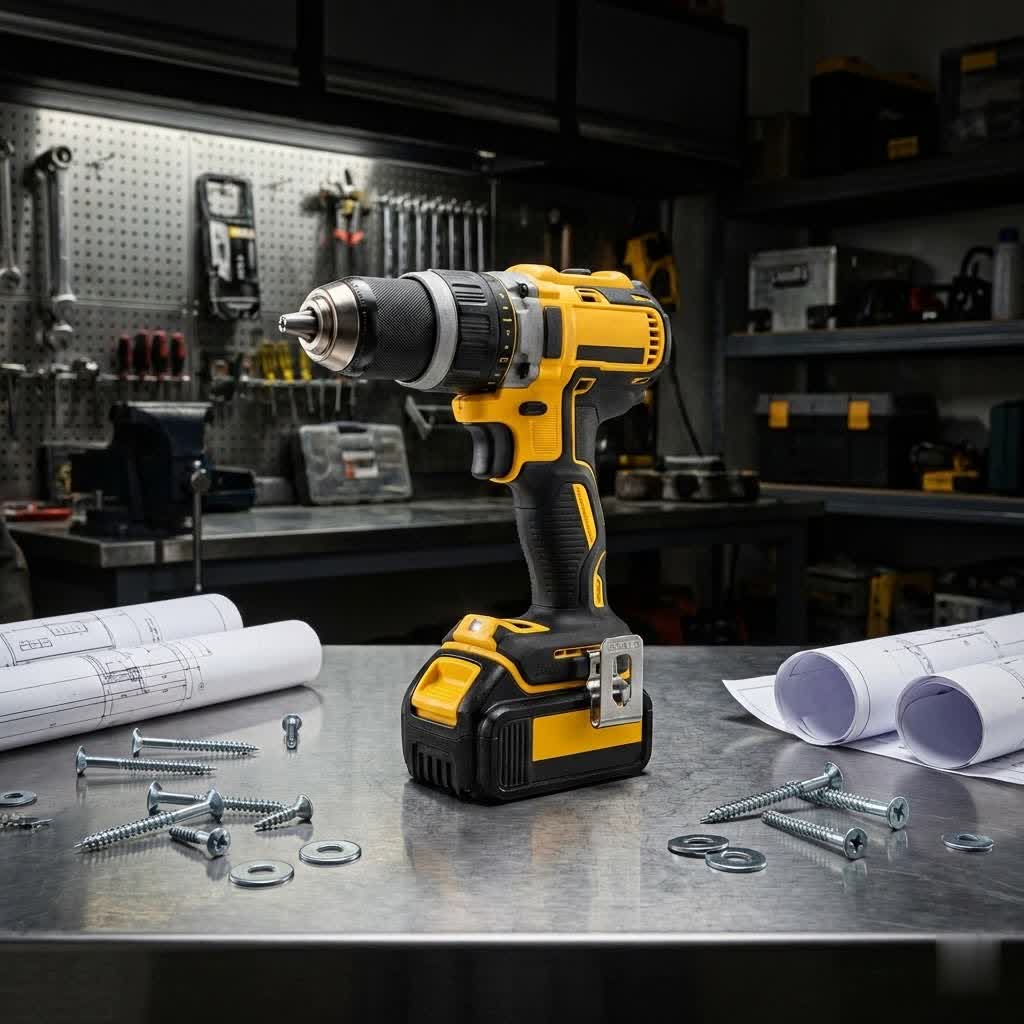
Starting a DIY project or tackling professional construction often calls for more than just a standard drill. When faced with stubborn materials like concrete, brick, or stone, a conventional drill simply won’t cut it. This is where the cordless electric hammer drill becomes an indispensable tool, combining rotational force with a powerful percussive action to effortlessly bore through tough surfaces. Engineered for versatility and convenience, these drills offer the freedom of movement without sacrificing the power needed for demanding tasks. This comprehensive guide will equip you with the knowledge to understand, choose, and maintain the ideal cordless electric hammer drill for your next demanding project.
Overview of Cordless Electric Drills
Electric drills are fundamental power tools designed to create holes and drive fasteners. The evolution from corded models to battery-powered cordless variants revolutionized convenience, offering unparalleled portability and eliminating the hassle of cables.
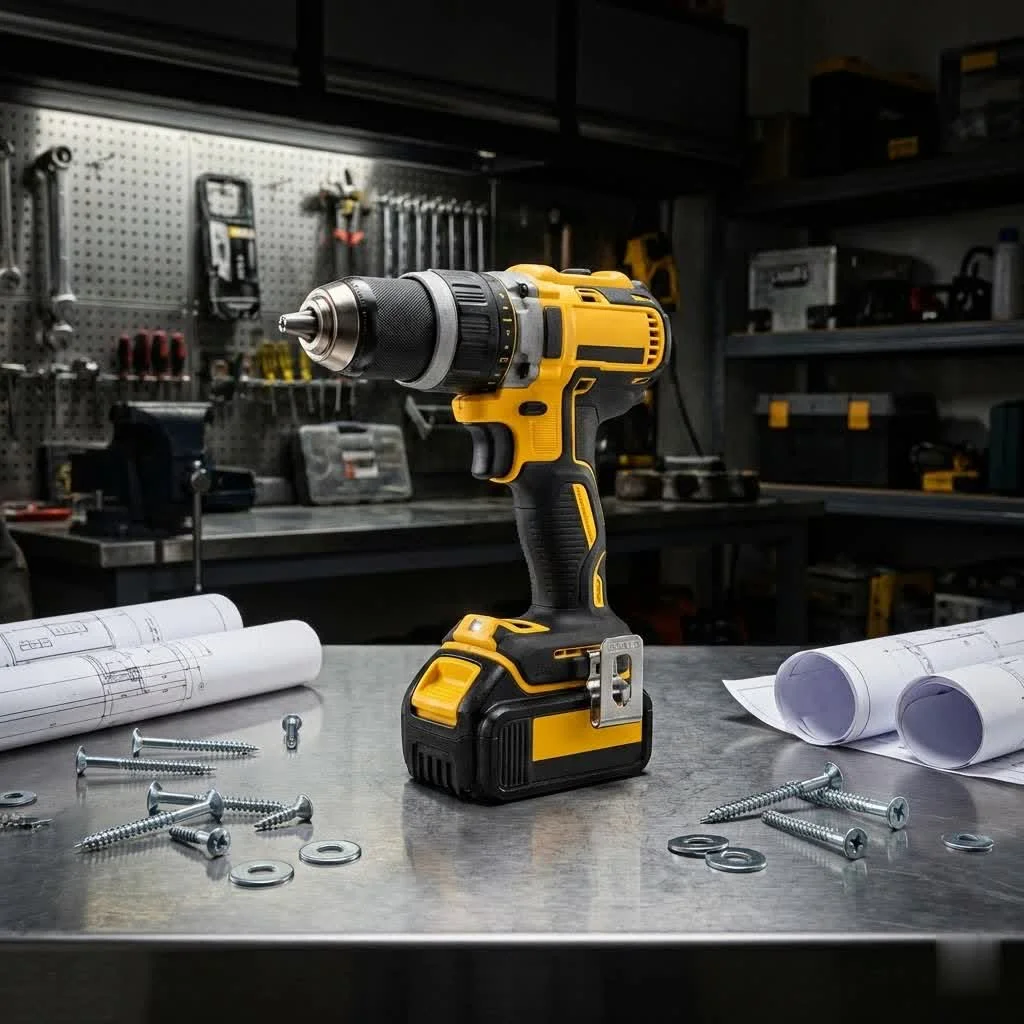
A cordless electric hammer drill takes this functionality a step further by integrating a specialized hammering mechanism. Unlike a standard drill that relies solely on rotational force, a hammer drill adds a rapid, piston-like forward and backward motion to the drill bit. This percussive action, combined with rotation, pulverizes hard materials like masonry, brick, and concrete, allowing the drill bit to penetrate much more effectively. Beyond its hammering capabilities, a cordless electric hammer drill also retains the standard drilling and driving functions, making it a highly versatile, all-in-one solution for a wide range of tasks.
The history of electric drills traces back to the late 19th century, with the first portable electric drill invented in 1895. Over the decades, advancements in motor technology, particularly the advent of compact, powerful electric motors and eventually rechargeable battery technology (like Nickel-Cadmium, and later, Lithium-ion), led to the development of the cordless tools we rely on today. This progression has culminated in highly efficient, portable, and powerful cordless electric hammer drills that cater to both the enthusiastic DIYer and the seasoned professional.
Various types of electric drills serve different purposes:
- Drill Driver (Standard Drill): These are the most common type, primarily used for drilling holes in materials like wood, metal, and plastic, and for driving screws. They offer rotational power but lack a percussive function for masonry.
- Cordless Electric Hammer Drill: As discussed, these combine drilling, driving, and a percussive hammering action, making them ideal for drilling into light to medium masonry, concrete, and brick, in addition to standard materials.
- Impact Driver: Designed specifically for driving fasteners, impact drivers deliver high rotational force coupled with short, sharp tangential blows. This “impact” action helps drive long or stubborn screws without stripping their heads, but they are not suitable for drilling into masonry.
- Rotary Hammer Drill: These are heavy-duty machines that utilize an electro-pneumatic hammer mechanism, providing significantly more impact energy than a standard hammer drill. They are indispensable for drilling large holes in dense concrete, stone, and often feature an SDS (Slotted Drive System) chuck for secure bit retention. Cordless rotary hammer drills offer exceptional power in a portable package for demanding tasks.
Detailed Classification of Cordless Electric Drills
Understanding the nuances between different cordless drilling tools is crucial for selecting the right one for your projects. While the focus here is on the cordless electric hammer drill, it’s beneficial to compare it with its close relatives.
Cordless Hammer Drill
|
Our Picks for the Best Electric Drill in 2026
As an Amazon Associate I earn from qualifying purchases.
|
||
| Num | Product | Action |
|---|---|---|
| 1 | FADAKWALT Cordless Drill Set,12V Power Drill Set with Battery and Charger, Electric Driver/Drill Bits, 3/8'' Keyless Chuck,21+1 Torque Setting, 180 inch-lbs, with LED Electric Drill Set (Green) |

|
| 2 | AVID POWER 20V MAX Lithium lon Cordless Drill Set, Power Drill Kit with Battery and Charger, 3/8-Inch Keyless Chuck, Variable Speed, 16 Position and 22pcs Drill Bits (Red) |
|
| 3 | COMOWARE 20V Cordless Drill, Electric Power Drill Set with 1 Battery & Charger, 3/8” Keyless Chuck, 2 Variable Speed, 266 In-lb Torque, 25+1 Position and 34pcs Drill/Driver Bits |
|
| 4 | PULITUO'S 20V Cordless Drill/Driver, Electric Screwdriver - 2 Batteries, 30Nm, 21+1 Torque, 2 Speed, Keyless 3/8" Chase Drill with LED Light, Kit for Home (Green) |
|
| 5 | DEWALT 20V MAX Cordless Drill Driver Set, Electric Drill, Brushless 1/2 In 2 Speed, 2.0 Ah Battery and Charger Included, LED Light (DCD777D1) |
|
| 6 | DEWALT 20V Max Cordless Drill Driver Set, 2 Speed, High Performance Motor, Includes 2 XR 1.3Ah Li-Ion Batteries, Charger and Contractor Bag (DCD771C2) |
|
| 7 | Cordless Drill Set, VIWKO 20V Power Drill with Power Pack 2.0Ah and Charger, 3/8-Inch Keyless Chuck Electricdrill, 25+1 Torque, 42pcs Drilldriver Bits/Screws for DIY Projects (Red) |
|
| 8 | 20V Cordless Drill, Electric Power Drill Set with Battery Charger and Carrying Case, 3/8” Keyless Chuck, 2 Variable Speed, 18+3 Torque, 72pcs Driver Bits and Belt Hook, Red |
|
| 9 | Hoteche 320W 10mm Torque Drill, 19+1 Torque Settings Corded Electric Drill for Metal (10mm) & Wood (20mm), Yellow, Color Box Packaging |
|
| 10 | BLACK+DECKER 20V MAX* POWERCONNECT Cordless Drill Driver Kit with Drill Bit Set and Sockets, 100 pc. Tool Kit for Home, Battery and Charger Included ,Orange (BDC120VA100) |
|
The cordless hammer drill is a jack-of-all-trades, a versatile tool designed for a broad spectrum of applications.
- Advantages: Its primary strength lies in its multifunctionality, offering three modes: standard drilling (for wood, metal, plastics), screw driving (with adjustable torque settings), and hammer drilling (for masonry, brick, and concrete). The cordless nature provides unmatched portability, allowing you to work anywhere without needing a power outlet. Modern cordless hammer drills, especially those with brushless motors and high-capacity Lithium-ion batteries, offer impressive power-to-weight ratios.
- Disadvantages: While powerful for many masonry tasks, a cordless hammer drill may not match the brute force of a dedicated rotary hammer drill for extremely heavy-duty concrete work or demolition. They can also be somewhat heavier and bulkier than standard drill drivers.
- Suitable Applications: Ideal for home renovation projects, installing shelving into brick walls, drilling pilot holes in concrete for anchors, assembling furniture, and general DIY tasks involving various materials.
- Comparison: It bridges the gap between a standard drill driver and a rotary hammer. It’s significantly more capable in masonry than a drill driver but typically less specialized and powerful than a rotary hammer.
Cordless Impact Driver
Often confused with hammer drills, a cordless impact driver serves a distinctly different primary purpose.
- Advantages: Impact drivers excel at driving fasteners, especially long or thick screws, lag bolts, and other demanding fastening applications. Their unique impacting mechanism prevents cam-out (the bit slipping out of the screw head) and reduces wrist strain. They are typically more compact and lighter than hammer drills, making them excellent for tight spaces.
- Disadvantages: Crucially, impact drivers are not designed for drilling holes, especially into masonry. Their impacting action is rotational, not percussive like a hammer drill’s.
- Suitable Applications: Deck building, fencing, installing subflooring, automotive repair, and any task requiring high torque to drive fasteners.
- Comparison: An impact driver focuses solely on efficient fastening, while a hammer drill prioritizes drilling, with the added capability for masonry.
Cordless Rotary Hammer Drill
For the toughest drilling challenges, the cordless rotary hammer drill stands supreme.
- Advantages: Rotary hammer drills utilize an electro-pneumatic mechanism that delivers significantly stronger, more direct blows (higher impact energy) compared to a hammer drill’s percussive action. This allows for faster and easier drilling into hard concrete, stone, and even light demolition work (especially models with a chipping or hammer-only mode). Many come with anti-vibration technology, reducing user fatigue. The SDS chuck system ensures bits are securely locked and can move independently for maximum hammering efficiency.
- Disadvantages: They are generally heavier, larger, and more expensive than hammer drills. Their specialized nature makes them less suitable for precision drilling in softer materials or delicate screw-driving tasks.
- Suitable Applications: Heavy-duty construction, breaking up concrete slabs or tiles, chiseling, drilling large diameter holes for rebar or piping, and commercial applications.
- Comparison: A cordless rotary hammer is the ultimate tool for heavy masonry work, surpassing the hammer drill in raw power and specialized features.
Comparison Table of Cordless Drilling Tools
Choosing the right tool often comes down to understanding the distinct capabilities of each type. Here’s a comparative overview to help clarify their roles:
| Feature | Cordless Drill Driver | Cordless Hammer Drill | Cordless Impact Driver | Cordless Rotary Hammer |
|---|---|---|---|---|
| Primary Use | Drilling holes, driving screws | Drilling, driving, masonry drilling | Driving fasteners (screws, bolts) | Heavy-duty concrete/masonry drilling & chipping |
| Hammer Action | No | Yes (mechanical, percussive) | No (tangential blows for driving) | Yes (electro-pneumatic, high energy) |
| Best For | Wood, metal, plastic, general fastening | Wood, metal, light-to-medium concrete, brick, tile, fasteners | Driving long screws, lag bolts, assembly | Large holes in hard concrete, stone, demolition |
| Power Range | 12V – 20V | 18V – 40V | 12V – 20V | 18V – 60V |
| Chuck Type | Keyless (3-jaw) | Keyless (3-jaw, typically 1/2-inch) | Hex (1/4-inch) | SDS-Plus / SDS-Max |
| Weight | Light | Medium | Light to Medium | Heavy |
| Vibration | Low | Moderate | Low | Moderate to Low (often with anti-vibration) |
Guide to Choosing the Right Cordless Electric Hammer Drill
Selecting the perfect cordless electric hammer drill involves evaluating your specific needs against the tool’s capabilities. Here’s a detailed breakdown of factors to consider:
Determine Usage Needs
Your projects dictate the ideal drill.
- DIY vs. Professional: For occasional home repairs and light masonry, a mid-range 18V/20V model with a 3.0Ah battery might suffice. Professionals, however, will require robust, high-power (24V, 40V, or even 60V) models with larger battery capacities (5.0Ah or more) and enhanced durability for daily, heavy-duty use.
- Materials: If you’re frequently drilling into tough materials like concrete, brick, or tile, a hammer drill is a must. For only wood, metal, or plastic, a standard drill driver might be sufficient.
- Frequency of Use: Infrequent users can opt for more budget-friendly brushed motor models, while frequent or daily users will benefit greatly from the efficiency and longevity of brushless motors.
Budget
Cordless electric hammer drills vary significantly in price, from under $100 for basic DIY models to over $300 for professional-grade kits including multiple batteries and a charger. Generally, higher voltage, brushless motors, larger battery capacities, and advanced features will increase the cost. Investing in a reputable brand often means better build quality, performance, and warranty support.
Key Technical Specifications
Understanding these specifications is crucial for making an informed choice:
- Power (Voltage): Cordless drills are rated by battery voltage (e.g., 12V, 18V, 20V, 24V, 40V). Higher voltage generally indicates more power and torque. While 12V models are compact for light-duty work, 18V/20V drills are the most popular for their balance of power and portability, suitable for most tasks. Note that “20V Max” typically refers to the initial peak voltage of an 18V nominal battery. For extremely demanding tasks, 24V or 40V systems offer superior performance.
- Speed (RPM): Revolutions Per Minute (RPM) measures how fast the chuck spins. Look for variable speed triggers for precise control and multiple speed settings (e.g., a low speed for high torque applications like driving large screws, and a high speed for fast drilling). A maximum RPM of 1,000 or more allows for versatile use across different materials.
- Torque (UWO/inch-pounds/Nm): Torque is the twisting force the drill generates. Higher torque is essential for driving large fasteners and drilling into dense materials. Manufacturers may list Unit Watts Out (UWO), inch-pounds, or Newton-meters (Nm). For most purposes, a drill with at least 700 UWO or 800-1400 inch-pounds of torque will perform well.
- BPM (Beats Per Minute): Unique to hammer drills, BPM indicates how many times the hammer mechanism strikes the drill bit per minute. A higher BPM (e.g., 20,000 to 30,000 BPM) means more effective hammering for masonry, pulverizing material faster.
- Chuck Type & Size: Most hammer drills feature a 1/2-inch keyless chuck, allowing for quick and tool-free bit changes and accommodating a wide range of drill bits and driver bits. SDS chucks are typically reserved for more powerful rotary hammer drills, not standard hammer drills.
- Motor Type:
- Brushed Motors: Older, more affordable technology. They contain carbon brushes that wear out over time and generate friction, leading to less efficiency and more heat.
- Brushless Motors: A significant upgrade, these motors use electronic circuits instead of brushes. They are more efficient, delivering more power, longer runtime per charge, increased durability, and requiring less maintenance. For anyone serious about their tools, a brushless cordless electric hammer drill is a worthwhile investment.
- Battery System: Lithium-ion (Li-ion) batteries are the industry standard due to their longer lifespan, faster charging, and absence of memory effect. Look for a higher Amp-hour (Ah) rating (e.g., 3.0Ah, 5.0Ah, or even 8.0Ah) for extended runtime, especially during demanding tasks. Consider purchasing tools from a brand that offers a compatible battery system across many tools to save on battery costs.
Brand and Reliability
Reputable brands like DeWalt, Milwaukee, Makita, Flex, Ryobi, Bosch, and Craftsman are known for their quality, performance, and customer support. Researching reviews and considering warranty options can ensure you get a reliable tool that lasts.
Additional Features
Modern cordless hammer drills come with several features that enhance usability and safety:
- LED Work Light: Illuminates the workpiece in dimly lit areas, improving visibility and precision.
- Side Handle: Provides extra leverage and control, especially crucial when drilling with high torque or into tough materials, helping to mitigate kickback.
- Anti-Kickback/Rotation Control: A critical safety feature that automatically shuts off the drill if it senses the bit binding, protecting the user from potential wrist or arm injuries.
- Ergonomics & Weight: A well-balanced tool with a comfortable, rubberized grip reduces user fatigue, particularly during prolonged use. Consider the bare tool weight plus the battery weight.
Tips for Safe Use and Maintenance of Cordless Electric Hammer Drills
Even the most experienced technicians understand that power tools demand respect. Adhering to safety protocols and proper maintenance ensures both your safety and the longevity of your cordless electric hammer drill.
Safe Usage
- Personal Protective Equipment (PPE): Always wear safety glasses to protect against flying debris, hearing protection to guard against noise-induced hearing loss, and appropriate gloves for a firm grip and hand protection.
- Secure Workpiece: Ensure your material is firmly clamped or secured. An uncontrolled workpiece can lead to injury or damaged results.
- Use the Correct Bit: Employ masonry bits for concrete, brick, and tile. These bits have carbide tips designed to withstand the hammering action. Use appropriate wood or metal bits for other materials. Always ensure bits are sharp and in good condition.
- Proper Grip and Stance: Maintain a firm, two-handed grip on the drill, especially when using the side handle. Adopt a balanced stance to brace against the drill’s torque and potential kickback.
- Start Slow: Begin drilling at a low speed to create a starter indentation. This prevents the bit from “walking” and allows for better control. Once engaged, gradually increase speed.
- Apply Steady Pressure: Allow the drill to do the work. Excessive force can overheat the motor, dull bits, or lead to kickback.
- Be Aware of Kickback: High-torque drills can kick back if the bit binds. Always be prepared for this sudden rotational force, especially when drilling large holes or in dense materials. Anti-kickback features significantly reduce this risk.
- Check for Hazards: Before drilling into walls, floors, or ceilings, always use a stud finder or wire detector to locate electrical wires, water pipes, or gas lines.
“Safety is paramount with power tools. Always wear your PPE and be mindful of your surroundings; a moment’s lapse can lead to serious injury.” – ReviewsByM Admin, Electric Drill Technician
Maintenance
- Clean After Use: Regularly remove dust, debris, and grime from the drill’s vents, chuck, and housing. Compressed air can be effective for clearing vents.
- Inspect Regularly: Periodically check for any signs of wear or damage, such as frayed wires, cracked housing, or loose parts. If your drill has a brushed motor, inspect the carbon brushes for wear.
- Battery Care: Store Lithium-ion batteries in a cool, dry place. Avoid extreme temperatures and direct sunlight. Charge them with the manufacturer-recommended charger and avoid completely draining them or overcharging, as this can reduce their lifespan.
- Bit Storage: Keep your drill bits clean, organized, and dry to prevent rust and ensure they remain sharp for optimal performance.
- Professional Servicing: For any complex repairs or internal issues, it’s best to consult a qualified service technician to ensure the drill functions safely and correctly.
Conclusion
The cordless electric hammer drill is a powerhouse of versatility and convenience, capable of transforming daunting tasks into manageable projects. Its ability to seamlessly transition from delicate screw driving to aggressive masonry drilling makes it an invaluable addition to any toolkit, whether you’re a weekend warrior or a daily jobsite professional. By carefully considering your usage needs, understanding key technical specifications like voltage, torque, RPM, and BPM, and prioritizing features such as brushless motors and robust battery systems, you can make an informed decision. that safety and regular maintenance are crucial for maximizing the lifespan and performance of your tool.
Equipped with this knowledge, you’re ready to select the perfect cordless electric hammer drill to tackle your next demanding project with confidence and efficiency. What challenging project are you planning to conquer with your new cordless hammer drill?
Frequently Asked Questions
What is the primary advantage of a cordless hammer drill over a standard drill?
The main advantage is its added hammer function, which provides a percussive action along with rotation. This allows it to drill efficiently into hard materials like concrete, brick, and masonry, which a standard drill cannot do effectively.
Can a cordless hammer drill effectively drill into concrete?
Yes, a cordless hammer drill is specifically designed to drill into concrete, brick, and other masonry with significantly more ease and speed than a standard drill. However, for very large diameter holes or prolonged heavy-duty concrete work, a rotary hammer drill would be more suitable.
What does “BPM” mean for a hammer drill?
BPM stands for “Beats Per Minute,” which indicates how many times the hammer mechanism inside the drill strikes the drill bit per minute. A higher BPM translates to more effective and faster drilling in masonry materials.
Are 18V and 20V cordless drills essentially the same?
For practical purposes, yes. “20V Max” typically refers to the initial peak voltage of an 18V nominal Lithium-ion battery pack. Both types of drills use the same battery cells, and their performance in real-world applications is generally comparable, depending more on motor efficiency and battery capacity (Ah).
Should I choose a brushed or brushless cordless hammer drill?
For optimal performance, efficiency, and longevity, a brushless cordless hammer drill is recommended. Brushless motors deliver more power, longer runtime, and require less maintenance as they don’t have carbon brushes that wear out. Brushed motors are a more budget-friendly option, suitable for lighter, occasional use.
What safety precautions are essential when using a hammer drill?
Always wear safety glasses, hearing protection, and appropriate gloves. Ensure your workpiece is securely clamped. Use the correct type of drill bit for the material. Maintain a firm, two-handed grip, especially when using the side handle, and be aware of potential kickback.
Can I use a hammer drill for delicate tasks like driving small screws?
Yes, most cordless hammer drills have multiple modes, including a standard drill and screwdriver function with adjustable torque settings. This allows you to turn off the hammering action and reduce torque, making them capable of handling delicate tasks, although they might be a bit heavier than a dedicated drill driver for prolonged light-duty work.
Get our weekly buyer guide
Practical specs, not advice. Unsubscribe anytime.

I finally upgraded to a cordless hammer drill after struggling with my old standard drill on a brick wall project. The percussive action mentioned in the guide made such a huge difference! It went through the brick like butter, and not having a cord was a game-changer for working in different areas of my yard. Definitely worth the investment for any serious DIYer.
As someone who does a lot of small construction jobs, the versatility and convenience of these drills are unmatched. I particularly appreciate the freedom of movement without a cord, which is essential when I’m on a ladder or in tight spaces. It’s truly an indispensable tool for anyone working with stubborn materials like concrete or stone.
I got a cordless hammer drill for a home renovation project, specifically for some stone work. While it definitely has the power for tough materials, I found it a bit heavier than I expected, which made overhead drilling a bit tiring after a while. It gets the job done, but just be aware of the weight if you’re planning on extended use.
This guide really helped me understand the difference between a regular drill and a hammer drill. I picked up a DeWalt model after reading about their reliability for tough surfaces. It’s been fantastic for drilling into concrete for some new shelving in my garage. The battery life is decent, but I do wish it came with a second battery for longer jobs.