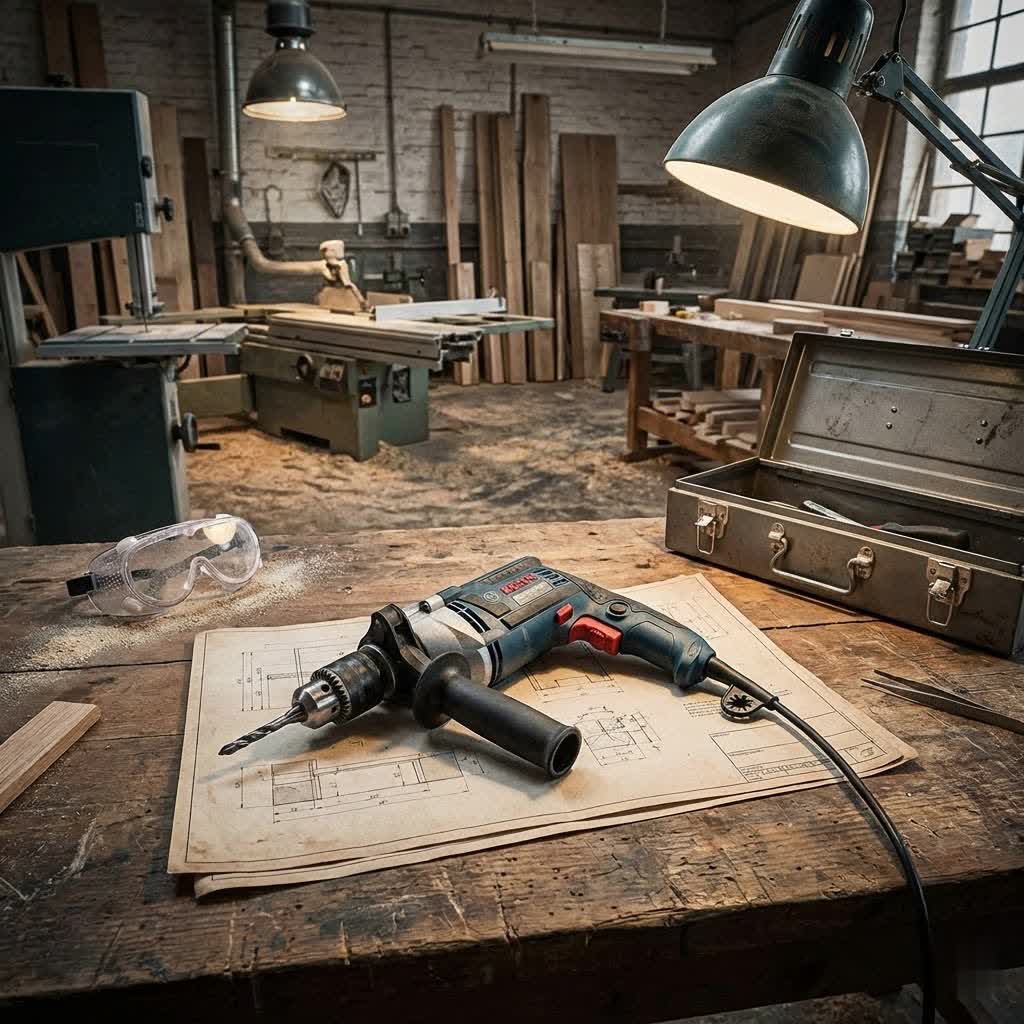
Ever started a DIY project only to find your electric drill struggling, leaving behind a messy, imprecise hole? The secret to clean, efficient drilling isn’t just a powerful drill; it’s selecting the right drill bit for the task. The vast array of drill bits available can seem daunting, but understanding their distinct designs, materials, and applications is crucial for achieving professional results and extending the life of your tools. This guide will demystify the world of electric drill bits, helping you make informed choices for every project, from simple home repairs to demanding construction tasks.
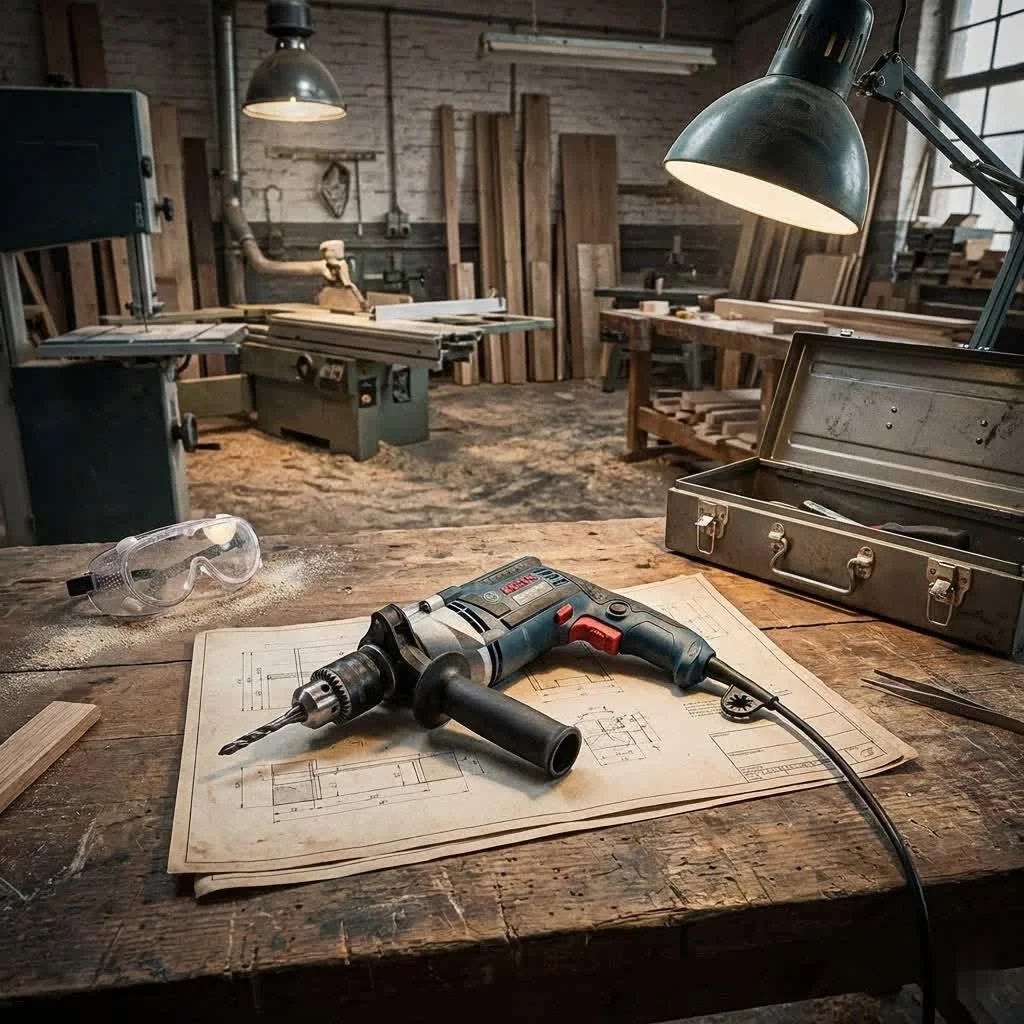
Understanding Electric Drill Bits: Basics and Evolution
An electric drill bit is a cutting tool designed to create cylindrical holes in various materials when rotated by a power drill. Its fundamental purpose is to remove material efficiently and accurately, transforming a simple rotary motion into precise cutting action. While rudimentary drilling tools have existed for millennia, modern electric drill bits have evolved significantly, incorporating advanced materials and designs to tackle an ever-growing range of applications. For shop curated electric drills on this site.
At its core, a drill bit is engineered with several key components that work in harmony:
- Flutes: The helical grooves spiraling up the bit’s body, primarily responsible for evacuating chips and debris from the hole as the bit cuts, preventing clogging and heat buildup.
- Shank: The smooth, cylindrical or hexagonal end that fits securely into the chuck of your electric drill, transmitting rotational power to the cutting tip.
- Tip/Point: The sharp, cutting end of the bit. Its specific angle and design are optimized for initial penetration, stability, and cutting efficiency in different materials.
- Body: The main shaft of the bit, containing the flutes and leading to the cutting tip.
- Coatings: Many modern drill bits feature specialized coatings that enhance durability, reduce friction, dissipate heat, and improve overall cutting performance.
Common Materials and Coatings for Drill Bits
The material composition and any coatings applied to a drill bit are critical factors determining its hardness, heat resistance, and suitability for specific tasks.
-
High-Speed Steel (HSS): This is the most common material for general-purpose drill bits. HSS bits are durable and ideal for drilling into wood, plastics, and softer metals like aluminum, brass, and mild steel. They offer a good balance of hardness and flexibility.
-
Cobalt: Composed of high-speed steel alloyed with 5% to 8% cobalt, these bits offer superior hardness and heat resistance. Cobalt drill bits are excellent for tougher materials such as stainless steel, cast iron, tool steel, and high-strength alloys, maintaining their sharp cutting edge even at elevated temperatures.
-
Carbide-Tipped/Solid Carbide: Extremely hard and resistant to abrasion, carbide-tipped bits are typically used for drilling into masonry, concrete, tile, and stone. Solid carbide bits, while more expensive and brittle, are reserved for highly demanding applications in industrial settings.
-
Carbon Steel: An economical option, carbon steel bits are generally used for drilling in wood and other soft materials. They are less durable and heat-resistant than HSS, making them unsuitable for hard metals or continuous use.
Beyond the base material, various coatings further enhance bit performance:
-
Black Oxide: An economical coating that provides corrosion resistance, reduces galling (material transfer), and aids in retaining drilling lubricants. It’s suitable for iron and steel but not recommended for aluminum or magnesium.
-
Bronze Oxide: This coating primarily increases tempering and stress relieving of the bit and is often used to visually identify cobalt steel or higher grades of HSS.
-
Titanium Nitride (TiN): A more expensive, gold-colored coating that significantly increases the bit’s surface hardness and provides a thermal barrier. TiN reduces friction and heat buildup, leading to increased production rates and longer tool life in harder materials, including iron, steel, aluminum, and magnesium.
-
Diamond-Coated: These bits are embedded with industrial diamonds, making them exceptionally hard. They are specifically designed for cutting through extremely hard and abrasive materials like glass, tile, ceramics, natural stone, and porcelain.
Detailed Classification of Electric Drill Bits
The world of drill bits is incredibly diverse, with each type meticulously engineered for specific materials and applications. Choosing the correct bit is paramount for safety, efficiency, and the quality of your work.
Twist Drill Bits: The Everyday Workhorse
|
Our Picks for the Best Electric Drill in 2026
As an Amazon Associate I earn from qualifying purchases.
|
||
| Num | Product | Action |
|---|---|---|
| 1 | Cordless Drill Set, VIWKO 20V Power Drill with Power Pack 2.0Ah and Charger, 3/8-Inch Keyless Chuck Electricdrill, 25+1 Torque, 42pcs Drilldriver Bits/Screws for DIY Projects (Red) |

|
| 2 | DEWALT 20V Max Cordless Drill Driver Set, 2 Speed, High Performance Motor, Includes 2 XR 1.3Ah Li-Ion Batteries, Charger and Contractor Bag (DCD771C2) |
|
| 3 | AVID POWER 20V MAX Lithium lon Cordless Drill Set, Power Drill Kit with Battery and Charger, 3/8-Inch Keyless Chuck, Variable Speed, 16 Position and 22pcs Drill Bits (Red) |
|
| 4 | COMOWARE 20V Cordless Drill, Electric Power Drill Set with 1 Battery & Charger, 3/8” Keyless Chuck, 2 Variable Speed, 266 In-lb Torque, 25+1 Position and 34pcs Drill/Driver Bits |
|
| 5 | FADAKWALT Cordless Drill Set,12V Power Drill Set with Battery and Charger, Electric Driver/Drill Bits, 3/8'' Keyless Chuck,21+1 Torque Setting, 180 inch-lbs, with LED Electric Drill Set (Green) |
|
| 6 | DEWALT 20V MAX Cordless Drill Driver Set, Electric Drill, Brushless 1/2 In 2 Speed, 2.0 Ah Battery and Charger Included, LED Light (DCD777D1) |
|
| 7 | BLACK+DECKER 20V MAX* POWERCONNECT Cordless Drill Driver Kit with Drill Bit Set and Sockets, 100 pc. Tool Kit for Home, Battery and Charger Included ,Orange (BDC120VA100) |
|
| 8 | 20V Cordless Drill, Electric Power Drill Set with Battery Charger and Carrying Case, 3/8” Keyless Chuck, 2 Variable Speed, 18+3 Torque, 72pcs Driver Bits and Belt Hook, Red |
|
| 9 | PULITUO'S 20V Cordless Drill/Driver, Electric Screwdriver - 2 Batteries, 30Nm, 21+1 Torque, 2 Speed, Keyless 3/8" Chase Drill with LED Light, Kit for Home (Green) |
|
| 10 | Hoteche 320W 10mm Torque Drill, 19+1 Torque Settings Corded Electric Drill for Metal (10mm) & Wood (20mm), Yellow, Color Box Packaging |
|
Twist drill bits are arguably the most ubiquitous type, found in nearly every toolbox. Their helical flutes and pointed tip make them versatile for general drilling in wood, plastic, and various metals. They come in an assortment of lengths and tip styles to suit different applications.
- Conventional Drill Point: This common tip style, usually at 118 degrees, is economical and easy to re-sharpen. It’s well-suited for wood, non-ferrous metals, and mild steel.
- Split Drill Point: An advanced design featuring a web-thinned tip that prevents “walking” (the bit sliding on the surface) and improves penetration with less effort. Split points, often at 135 degrees, are better for drilling on curved surfaces or into alloy steels.
- Shank Styles: Twist drills can have straight shanks (matching the bit’s diameter), reduced shanks (allowing larger bits to fit smaller drill chucks), or hexagonal shanks for quick-change chucks and impact drivers, preventing slippage under high torque.
Woodworking Drill Bits
For dedicated woodworking projects, specialized bits ensure clean cuts, prevent splintering, and accommodate unique hole shapes.
-
Brad Point Bits: Easily identified by their sharp center point and outer spurs, brad point bits are designed for precise, clean, and splinter-free holes in wood. The center point prevents the bit from wandering, while the spurs create a clean entrance and exit hole.
-
Spade Bits (Flat Bits): These bits have a flat blade with a sharp center point and wide cutting edges. They are excellent for quickly drilling large holes (typically 1/4″ to 1 1/2″) in wood, though the resulting hole may be somewhat rougher than those made by other wood bits.
-
Auger Bits: Characterized by their prominent spiral flutes and a threaded screw tip, auger bits are designed for drilling deep, clean holes in wood. The screw tip pulls the bit into the material, while the wide flutes efficiently clear out wood chips, preventing clogging.
-
Forstner Bits: These bits create exceptionally clean, flat-bottomed holes, making them indispensable for cabinetry, hinge boring, and precise joinery. They feature a rim that guides the bit and prevents tear-out, with small cutters removing material around the circumference.
-
Hole Saws: When very large diameter holes (e.g., for plumbing, wiring, or recessed lighting) are needed in wood, plastic, or even thin metal, hole saws are the tool of choice. They consist of a circular saw blade attached to a pilot drill bit that guides the cut and removes a solid core from the workpiece.
Masonry and Concrete Drill Bits
Drilling into hard, abrasive materials like brick, stone, and concrete requires bits specifically designed to withstand extreme forces and high temperatures.
-
Masonry Drill Bits: These bits typically feature a carbide tip brazed onto a steel shank. They are designed for use with a hammer drill, which combines rotation with a hammering action to chip away at tough materials, making drilling faster and more effective.
-
SDS Drill Bits: SDS (Slotted Drive System) bits have a unique shank design with indentations that lock into specialized SDS-plus or SDS-max rotary hammer drills. This locking mechanism allows the bit to slide back and forth, enhancing the hammer action for heavy-duty drilling in concrete, reinforced concrete, and stone, making them a staple in construction and demolition.
-
Core Cutting Drill Bits: For drilling exceptionally large diameter holes (often several inches) in concrete structures, stone, or even asphalt, core cutting bits are used with specialized core cutting machines. These bits are typically hollow and often feature diamond-coated tips, designed to cut the outer circumference of the hole and remove a cylindrical core.
Specialty Drill Bits
Beyond the primary categories, several specialized drill bits address unique drilling challenges, offering precision and efficiency for specific tasks.
-
Metal Drill Bits (HSS and Cobalt): While often considered general-purpose, HSS and Cobalt bits are the go-to for metal. HSS works well for softer metals, while cobalt excels in harder alloys like stainless steel, providing superior heat resistance and durability during demanding metalwork.
-
Step Drill Bits: Resembling a conical Christmas tree, step drill bits are designed to drill multiple hole sizes into thin materials like sheet metal or plastic without needing to change bits. Each “step” corresponds to a different diameter, allowing for rapid and precise hole enlargement.
-
Tile and Glass Drill Bits: Drilling into fragile and hard materials such as ceramic tile, glass, porcelain, and natural stone requires specialized bits. These often feature a spear-point carbide tip or a diamond-coated cutting edge. They are designed to minimize cracking and chipping, often requiring water lubrication during use to dissipate heat and flush debris.
-
Countersink and Counterbore Bits: These finishing bits are used to prepare holes for fasteners. A countersink bit creates a conical recess, allowing a screw head (like a flat-head or Phillips screw) to sit flush with or below the surface. A counterbore bit drills a flat-bottomed recess, enabling a screw head (like a hex bolt or washer head) to be concealed or sit below the surface without protruding.
Comparative Overview: Choosing the Right Drill Bit
Choosing the correct drill bit is paramount for both the success of your project and the longevity of your tools. Here’s a comparative overview of common drill bits to help guide your selection:
| Drill Bit Type | Ideal Material(s) | Pros | Cons | Common Applications |
|---|---|---|---|---|
| HSS Twist Bit | Wood, Plastic, Soft Metals (aluminum, mild steel) | Versatile, affordable, readily available, easy to sharpen. | Less effective on hard metals, prone to dulling with heat. | General drilling, pilot holes, light-duty metalwork. |
| Cobalt Twist Bit | Hard Metals (stainless steel, alloys, cast iron) | High heat resistance, superior durability, holds edge longer. | More expensive, can be brittle if mishandled. | Heavy-duty metal fabrication, industrial applications. |
| Carbide-Tipped Masonry | Brick, Concrete, Stone, Mortar | Extremely hard, withstands impact, efficient in masonry. | Requires hammer drill, not suitable for wood/metal (can chip). | Anchoring in concrete, mounting fixtures to brick walls. |
| Brad Point Bit | Wood, Plywood, MDF | Precise, clean entry/exit holes, prevents splintering. | Only for wood, not effective on metal or masonry. | Cabinetry, doweling, fine woodworking. |
| Spade Bit | Wood (softwood, some hardwood) | Fast for large holes, economical. | Can cause tear-out, less precise, rougher finish. | Rough-in wiring, quick large holes in framing. |
| Forstner Bit | Wood, Plywood, Composites | Creates flat-bottomed, clean, precise holes. | Slower than spade bits, requires drill press or steady hand. | Hinge mortises, pocket holes, through-holes with clean edges. |
| Step Drill Bit | Thin Metal (sheet metal), Plastic | Creates multiple hole sizes with one bit, deburrs edges. | Not for deep holes, limited to thin materials. | Electrical box installation, automotive work, sheet metal fabrication. |
| Tile/Glass Bit | Ceramic Tile, Porcelain, Glass, Stone | Minimizes cracking, allows precise holes in brittle materials. | Requires low speed and often water lubrication, not for general use. | Bathroom renovations, installing mirrors, decorative glasswork. |
The choice ultimately boils down to a clear understanding of the material you’re drilling into, the desired quality of the hole, and the compatibility with your electric drill.
Guide to Selecting the Ideal Electric Drill Bit
Choosing the right drill bit can make or break a project. By considering a few key factors, you can ensure you have the perfect bit for the job, maximizing efficiency and minimizing frustration.
Identifying Your Project Needs
The most critical step in selecting a drill bit is to thoroughly understand the demands of your project.
- Material to be Drilled: This is the primary determinant. Are you drilling into soft wood, dense hardwood, thick steel, brittle ceramic tile, or hard concrete? Each material requires a bit specifically designed to cut it effectively and safely.
- Type of Hole: Do you need a simple pilot hole, a through-hole, a blind hole that doesn’t go all the way through, a flat-bottomed recess, or a tapered hole for flush screws? The bit’s tip and body design will dictate the kind of hole it produces.
- Frequency and Intensity of Use: For occasional DIY tasks, general-purpose bits might suffice. However, for frequent, heavy-duty, or professional use, investing in higher-quality, specialized bits (like cobalt for metal or SDS for concrete) will prove more cost-effective and efficient in the long run.
Budget Considerations
Drill bits range widely in price, from inexpensive sets to premium individual bits. While it might be tempting to opt for the cheapest option, balancing cost with quality is important. For occasional light tasks, an affordable HSS set might be adequate. However, for harder materials or frequent drilling, investing in cobalt or carbide-tipped bits will save you time, reduce bit breakage, and ultimately deliver better results. Consider your budget in relation to the demands of your projects.
Crucial Technical Specifications
Once you’ve defined your project needs, delve into the technical aspects of the drill bit.
- Size and Diameter: Ensure the bit’s diameter matches the required hole size for your application, whether it’s for a fastener, a dowel, or a specific clearance.
- Shank Type: Verify that the drill bit’s shank (the part that fits into the drill) is compatible with your electric drill’s chuck. Common types include straight shanks (for standard keyless or keyed chucks), reduced shanks (for larger bits in smaller chucks), and hexagonal shanks (for quick-change systems and impact drivers). SDS shanks are exclusively for rotary hammer drills.
- Material and Coating: As discussed, HSS is for general use, cobalt for tough metals, and carbide for masonry. Coatings like TiN enhance durability and reduce friction.
- Point Angle and Tip Design: Different tip designs, such as the brad point for wood or the split point for metal, are optimized for stability, preventing walking, and efficient material removal in their respective applications.
Brands and Reliability
Choosing bits from reputable brands often ensures consistent quality, performance, and durability. Well-known manufacturers invest in research and development, using high-grade materials and precise manufacturing processes. While you may pay a bit more, the reliability and extended lifespan often justify the initial investment. Look for brands known for their tooling expertise.
Additional Features
Some drill bits incorporate features designed to improve performance and user experience:
- Optimized Flute Design: Bits may have specialized flute geometries (e.g., high helix for soft materials, low helix for hard metals) to enhance chip evacuation and prevent overheating.
- Self-Centering Tips: Features like the brad point or split point help the bit start accurately without wandering, eliminating the need for a pilot hole or center punch in many applications.
- Wear Indicators: Some advanced masonry bits have markers that indicate when the bit has worn down past its effective cutting diameter.
Safe Usage and Maintenance Tips for Drill Bits
Proper usage and regular maintenance are vital for ensuring both your safety and the longevity of your drill bits. A well-maintained bit performs better, lasts longer, and is less likely to cause accidents.
Correct Usage for Optimal Performance
- Secure Your Workpiece: Always clamp or secure the material you’re drilling into. This prevents the workpiece from spinning or shifting, which can cause injury or damage to the bit and material.
- Match Speed and Pressure: Use the appropriate drill speed for the material. Slower speeds are generally better for harder materials and larger bits, reducing heat and wear. Apply steady, consistent pressure; let the bit do the work rather than forcing it, which can cause overheating and breakage.
- Lubricate and Cool: When drilling metal, especially harder alloys, use a cutting fluid or lubricant to reduce friction and heat. For tile, glass, or ceramics, a small amount of water can help cool the bit and reduce chipping.
- Clear Chips: Regularly withdraw the drill bit from the hole (known as “pecking”) to clear chips and debris, especially in deep holes. This prevents clogging, reduces heat buildup, and allows the bit to cut more freely.
- Proper Entry and Exit: Start drilling slowly and steadily to create a clean entry point. As you approach the back of the material, ease up on the pressure to prevent blow-out and splintering.
Essential Safety Measures
Safety should always be your top priority when operating power tools.
- Wear Safety Glasses: Always protect your eyes from flying debris, chips, and dust.
- Gloves (Caution Advised): While gloves can protect your hands, be cautious when using them with rotating tools, as they can get caught. Opt for snug-fitting work gloves without loose cuffs.
- Secure Bit in Chuck: Ensure the drill bit is tightly secured in the drill chuck to prevent it from spinning loose, which can cause damage or injury.
- Read Tool Manuals: Familiarize yourself with both your electric drill’s and the drill bit’s specific instructions and safety warnings.
- Disconnect Power: Always unplug your corded drill or remove the battery from your cordless drill before changing bits or making adjustments.
Extending Your Drill Bit’s Lifespan
With proper care, your drill bits can serve you for many projects.
- Clean After Use: Wipe down bits after each use to remove debris, sap, or metal particles. This prevents rust and corrosion.
- Sharpen Regularly: Dull bits are inefficient and generate excessive heat. Learn how to sharpen common bit types (like HSS twist bits) or invest in a bit sharpener to maintain their cutting edge. Masonry and specialized bits often require professional sharpening or replacement.
- Store Properly: Keep your drill bits organized in a dedicated case or rack, protected from moisture and impact. This prevents damage to the cutting edges and makes it easier to find the right bit for your next task.
Conclusion
The world of electric drill bits is far more intricate than it initially appears, with a specialized tool for nearly every material and application imaginable. From the ubiquitous HSS twist bit for everyday tasks to advanced diamond-coated bits for glass and masonry, understanding the nuances of materials, coatings, and designs is critical. By carefully considering your project’s needs, selecting the appropriate bit type, and adhering to best practices for usage and maintenance, you can transform your drilling experience. Armed with the right knowledge, you’ll achieve cleaner, more accurate holes, work more efficiently, and ensure your tools perform at their best for years to come. What challenging drilling project will you tackle next, now that you’re equipped with this comprehensive knowledge?
Frequently Asked Questions
What is the most common type of electric drill bit?
The most common type is the High-Speed Steel (HSS) twist drill bit. It’s highly versatile and suitable for a broad range of materials, including wood, plastics, and various soft metals. Its helical design efficiently removes chips, making it a staple in any toolbox.
Can I use a wood drill bit on metal or masonry?
No, it is strongly advised against using wood drill bits on metal or masonry. Wood bits are designed for softer materials and lack the hardness and tip geometry needed for metal or masonry. Attempting to do so will likely damage the bit, produce poor results, and could be unsafe. Always use bits specifically designed for the material.
What is the best way to maintain my drill bits?
To best maintain your drill bits, clean them thoroughly after each use to remove debris and prevent rust. Regularly sharpen dull bits to restore their cutting efficiency. Finally, store them in a dry, organized case to protect their cutting edges from damage and corrosion.
Are there universal drill bits for all materials?
While some multi-purpose drill bits claim to work on various materials, they often don’t perform as optimally as specialized bits. For the best results, efficiency, and tool longevity, it is always recommended to select a drill bit specifically designed for the material you are drilling into.
How do I select the correct drill bit size for a screw?
To choose the correct drill bit size for a screw, select a bit with a diameter slightly smaller than the screw’s shank (the solid part of the screw, not including the threads). This ensures the threads can properly grip the material. For optimal results, consult a drill bit size chart or the screw manufacturer’s recommendations.
What is a step drill bit used for?
A step drill bit is used to create multiple hole sizes or enlarge existing holes in thin materials, such as sheet metal or plastic, without needing to switch bits. Its conical, stepped design allows for gradual drilling, often leaving a clean, deburred edge.
Why do some drill bits have coatings?
Drill bit coatings, such as black oxide, titanium nitride (TiN), or diamond, are applied to enhance performance and durability. These coatings reduce friction and heat buildup, improve surface hardness, increase corrosion resistance, and extend the overall lifespan of the drill bit, especially when working with tougher materials.
Get our weekly buyer guide
Practical specs, not advice. Unsubscribe anytime.
