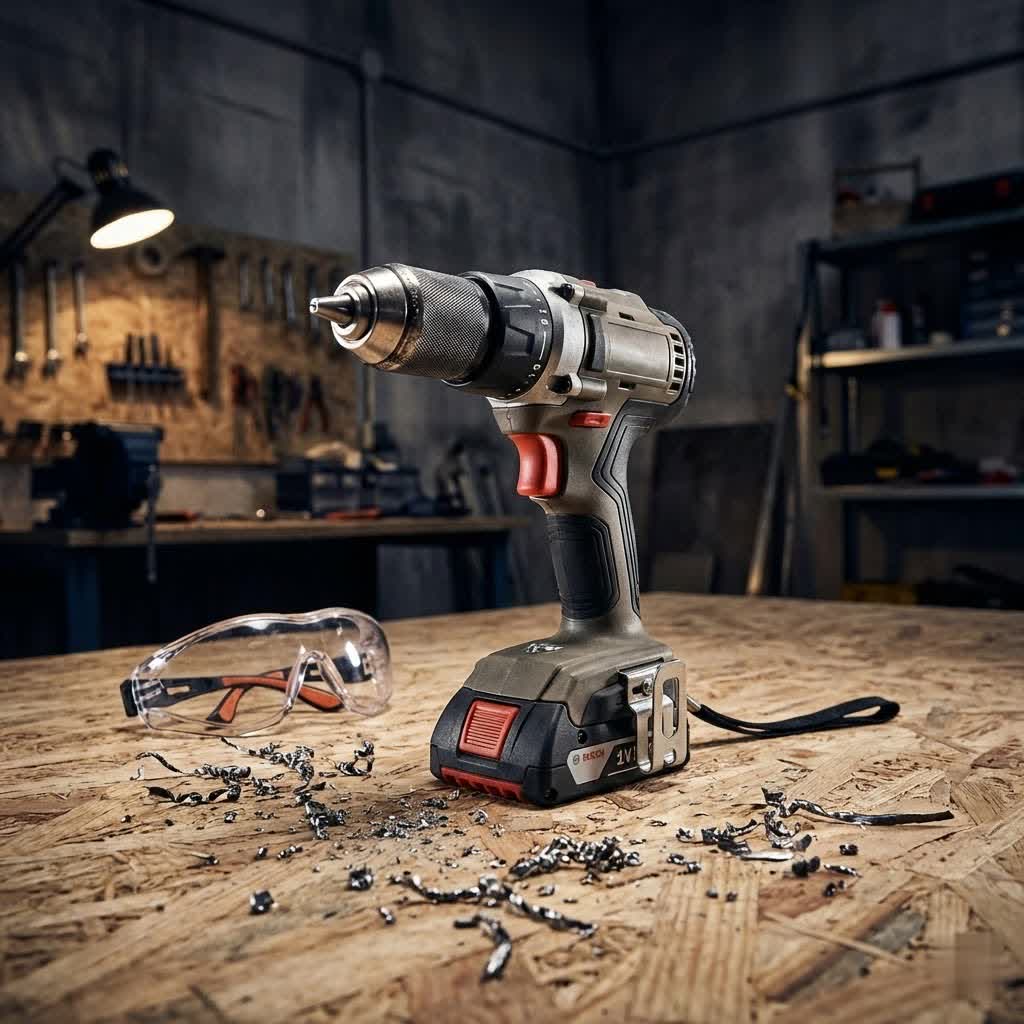
Electric drills are indispensable tools for any homeowner or professional, transforming mundane tasks into manageable projects. Whether you’re hanging a picture, assembling furniture, or tackling a major renovation, the right electric drill can make all the difference. But with a vast array of options available, selecting the perfect drill can be daunting. This guide will walk you through everything you need to know about electric drills, especially the types and features you’ll encounter at a trusted retailer like Ace Hardware, ensuring you make an informed decision for your next project.
Understanding the Electric Drill Landscape
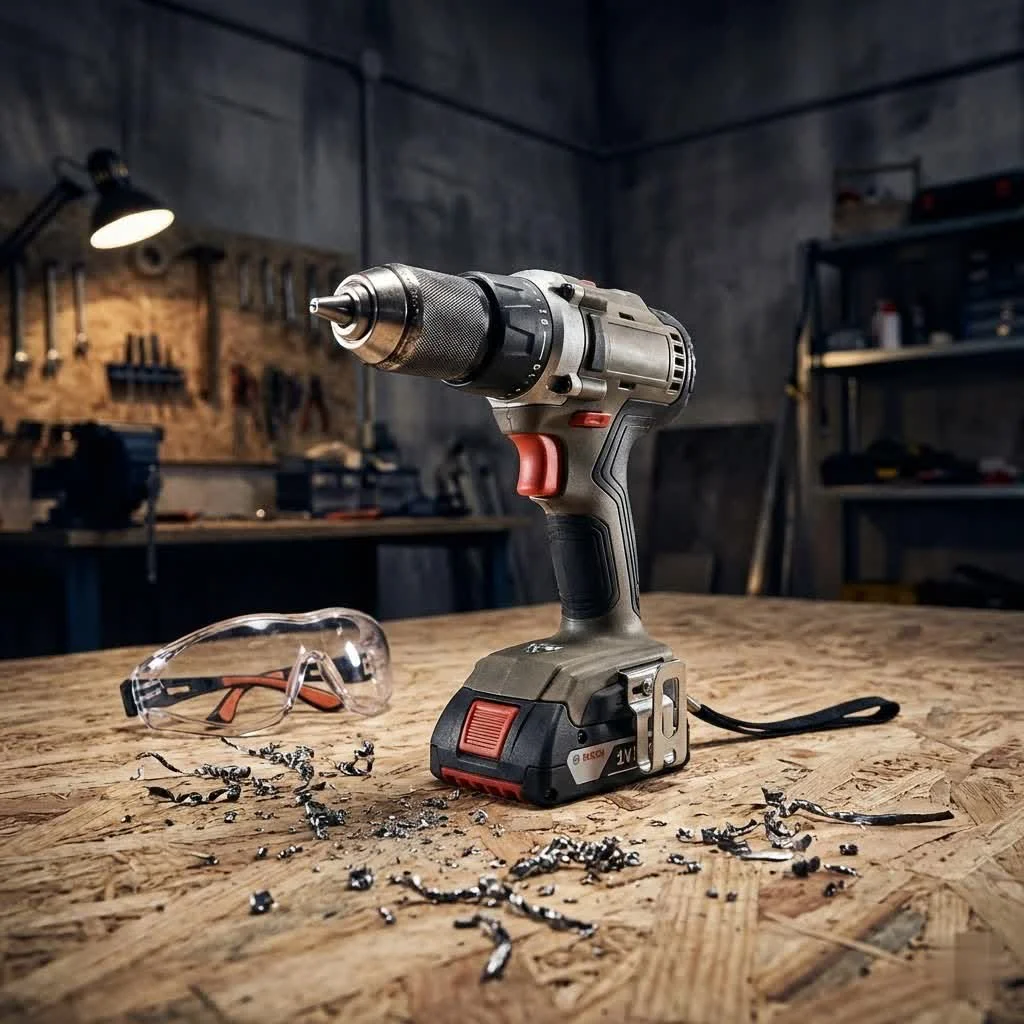
An electric drill is a power tool designed primarily for drilling holes and driving fasteners. Its versatility makes it a cornerstone of any toolbox, enabling tasks from simple DIY projects to heavy-duty construction. The fundamental concept of a rotating bit to create holes or drive screws has evolved significantly since the first portable electric drill was patented in 1895. Modern drills offer a range of functionalities, enhanced power, and ergonomic designs.
Today, the market offers a diverse selection of electric drills, categorized by their power source, functionality, and intended use. Understanding these distinctions is crucial when you step into a hardware store like Ace, where you’ll find options ranging from basic models for light household tasks to robust machines for demanding professional work.
Detailed Classification of Electric Drills
When exploring the selection at your local hardware store, you’ll encounter several distinct types of electric drills, each engineered for specific applications.
Hammer Drills
Hammer drills combine rotary drilling with a hammering action, making them ideal for tough materials.
- Advantages: Excellent for drilling into masonry, brick, concrete, and stone. The hammering motion pulverizes hard material while the rotation removes debris, resulting in faster and more efficient drilling than standard drills in these applications. Many models also offer a “drill-only” mode for versatility.
- Disadvantages: Typically heavier and more powerful, which can be overkill for everyday tasks and potentially damage softer materials if not used correctly. They also tend to be noisier.
- Suitable Applications: Installing anchors in concrete, mounting shelves on brick walls, light demolition work on masonry, or any task requiring penetration of dense materials.
- Comparison: Unlike standard drills that only rotate, hammer drills add a percussive blow, which is essential for hard materials. They are distinct from rotary hammers, which provide much stronger, piston-driven blows for heavy-duty concrete work.
Drill Drivers
The most common type of electric drill, drill drivers are workhorses for general drilling and fastening.
- Advantages: Extremely versatile for a wide range of materials like wood, metal, and plastic. They feature a clutch mechanism that prevents overtightening screws and stripping screw heads, making them excellent for driving fasteners. Variable speed control allows for precision in both drilling and driving.
- Disadvantages: Not suitable for drilling into very hard materials like concrete without a hammer function. Their torque might be insufficient for very large fasteners in dense wood.
- Suitable Applications: Assembling furniture, installing drywall, light framing, general repairs, and any task involving drilling pilot holes or driving screws.
- Comparison: These are the standard “go-to” drills, offering a balance of power and control for most everyday tasks, often found in both cordless and corded variants.
Impact Drivers
|
Our Picks for the Best Electric Drill in 2026
As an Amazon Associate I earn from qualifying purchases.
|
||
| Num | Product | Action |
|---|---|---|
| 1 | COMOWARE 20V Cordless Drill, Electric Power Drill Set with 1 Battery & Charger, 3/8” Keyless Chuck, 2 Variable Speed, 266 In-lb Torque, 25+1 Position and 34pcs Drill/Driver Bits |

|
| 2 | DEWALT 20V Max Cordless Drill Driver Set, 2 Speed, High Performance Motor, Includes 2 XR 1.3Ah Li-Ion Batteries, Charger and Contractor Bag (DCD771C2) |
|
| 3 | Cordless Drill Set, VIWKO 20V Power Drill with Power Pack 2.0Ah and Charger, 3/8-Inch Keyless Chuck Electricdrill, 25+1 Torque, 42pcs Drilldriver Bits/Screws for DIY Projects (Red) |
|
| 4 | FADAKWALT Cordless Drill Set,12V Power Drill Set with Battery and Charger, Electric Driver/Drill Bits, 3/8'' Keyless Chuck,21+1 Torque Setting, 180 inch-lbs, with LED Electric Drill Set (Green) |
|
| 5 | AVID POWER 20V MAX Lithium lon Cordless Drill Set, Power Drill Kit with Battery and Charger, 3/8-Inch Keyless Chuck, Variable Speed, 16 Position and 22pcs Drill Bits (Red) |
|
| 6 | Hoteche 320W 10mm Torque Drill, 19+1 Torque Settings Corded Electric Drill for Metal (10mm) & Wood (20mm), Yellow, Color Box Packaging |
|
| 7 | DEWALT 20V MAX Cordless Drill Driver Set, Electric Drill, Brushless 1/2 In 2 Speed, 2.0 Ah Battery and Charger Included, LED Light (DCD777D1) |
|
| 8 | BLACK+DECKER 20V MAX* POWERCONNECT Cordless Drill Driver Kit with Drill Bit Set and Sockets, 100 pc. Tool Kit for Home, Battery and Charger Included ,Orange (BDC120VA100) |
|
| 9 | 20V Cordless Drill, Electric Power Drill Set with Battery Charger and Carrying Case, 3/8” Keyless Chuck, 2 Variable Speed, 18+3 Torque, 72pcs Driver Bits and Belt Hook, Red |
|
| 10 | PULITUO'S 20V Cordless Drill/Driver, Electric Screwdriver - 2 Batteries, 30Nm, 21+1 Torque, 2 Speed, Keyless 3/8" Chase Drill with LED Light, Kit for Home (Green) |
|
Impact drivers are specialized for driving screws and tightening fasteners with high torque.
- Advantages: Deliver significantly more torque than drill drivers due to a unique hammering action (rotational impact), which engages when resistance is met. This makes them exceptionally efficient for driving long screws, lag bolts, and other large fasteners without wrist strain or cam-out. They are also typically more compact and lighter than hammer drills or high-torque drill drivers.
- Disadvantages: Not designed for drilling holes (though specialized hex-shank drill bits exist). The impact mechanism makes them louder and can be aggressive for delicate materials. They also do not have a clutch system like drill drivers.
- Suitable Applications: Deck building, framing, installing subflooring, driving self-tapping screws into metal, and any repetitive fastening task.
- Comparison: While a drill driver spins continuously, an impact driver delivers rapid, powerful rotational blows. They complement a drill driver, with the drill driver making pilot holes and the impact driver driving fasteners. Many brands available at Ace Hardware offer drill driver and impact driver combo kits.
Corded Drills
Corded drills offer consistent power without worrying about battery life.
- Advantages: Provide continuous, consistent power, making them ideal for prolonged use and heavy-duty applications where maximum torque and speed are needed. They are often lighter than their cordless counterparts since they don’t carry a battery. Generally more affordable for comparable power.
- Disadvantages: Limited by the length of the power cord and access to an outlet. Lack of portability can be a significant drawback for work in remote locations or outdoors.
- Suitable Applications: Benchtop drilling, mixing paint, drilling numerous holes in a workshop setting, or any task requiring sustained power in one location.
- Comparison: The primary distinction is the power source. Corded drills rely on an electrical outlet, while cordless drills use rechargeable batteries, offering unparalleled freedom of movement.
Comparing Electric Drill Types
Choosing between various drill types can be simplified by understanding their core differences. The table below highlights key aspects to consider.
| Feature | Drill Driver | Hammer Drill | Impact Driver | Corded Drill (General) |
|---|---|---|---|---|
| Primary Use | Drilling holes, driving screws | Drilling into masonry/concrete, general drilling | Driving fasteners, lag screws | General drilling/fastening (constant power) |
| Power Source | Cordless (Battery) typically | Cordless (Battery) or Corded | Cordless (Battery) typically | Corded (Outlet) |
| Torque | Moderate, with clutch settings | Moderate to High, with hammering action | Very High, with impact mechanism | Consistent, depends on amperage |
| Speed Control | Variable, often 2 speeds | Variable, often 2-3 speeds, hammer/drill mode | Variable trigger | Variable, single or multi-speed |
| Chuck Type | Keyless usually (1/2″, 3/8″) | Keyless (1/2″) | Hex shank (1/4″) for quick bit changes | Keyless or keyed (3/8″, 1/2″) |
| Best For | DIY, furniture assembly, wood/metal drilling | Concrete, brick, stone, heavy-duty masonry | Deck building, long screws, repetitive fastening | Workshop, continuous heavy-duty drilling |
| Portability | High | Moderate to High | Very High | Low (tethered) |
| Noise Level | Low to Moderate | Moderate to High | High (impacting sound) | Moderate |
| Price Range | Entry to Mid | Mid to High | Mid | Entry to Mid (for comparable power) |
Guide to Selecting the Right Electric Drill
Finding the ideal electric drill at a hardware store like Ace requires a thoughtful assessment of your specific needs and priorities.
1. Identify Your Usage Needs
Before anything else, consider what you’ll primarily use the drill for.
- Main Purpose: Are you mostly hanging pictures and assembling flat-pack furniture (light-duty), tackling home renovations and deck projects (medium-duty), or working on professional construction sites (heavy-duty)? For basic household tasks, a compact 12V cordless drill driver will suffice. For more demanding jobs like drilling into masonry, a hammer drill is essential. If you’re frequently driving long screws, an impact driver is invaluable.
- Materials: What materials will you be working with? Wood, drywall, metal, plastic, or concrete? This directly influences whether you need a standard drill driver, a hammer drill, or a powerful corded model.
- Frequency: Will you use it daily, weekly, or just a few times a year? Frequent users benefit from durable, high-performance models and robust battery systems. Occasional users might prioritize affordability and ease of use.
2. Set Your Budget
Electric drills range widely in price. Establishing a budget early helps narrow down your choices.
- Budgeting for Performance: Entry-level drills are suitable for light DIY. Mid-range options offer a good balance of features, power, and durability for most homeowners. High-end professional-grade drills come with advanced features, brushless motors, and robust battery platforms, reflecting their higher cost.
- Value vs. Price: Don’t just look at the upfront cost. Consider the long-term value, including warranty, battery interchangeability (if cordless), and the availability of accessories. Sometimes, investing a bit more in a reputable brand with a good warranty, often stocked at Ace Hardware, can save money in the long run.
3. Key Technical Specifications
Understanding these technical aspects will help you compare different models effectively.
- Power (Voltage/Amperage):
- Cordless Drills: Voltage (V) indicates power. 12V drills are compact and good for light tasks. 18V/20V MAX drills offer significantly more power and runtime for heavier applications and are common for brands like DeWalt and Milwaukee.
- Corded Drills: Amperage (Amp) indicates power. Higher amps mean more power for tougher jobs. A 5-7 Amp corded drill is good for general use, while 8-10+ Amp drills are for heavy-duty tasks.
- Speed (RPM): Revolutions Per Minute (RPM) determines how fast the bit spins. Drills typically have variable speed triggers for control and often a gear selector for high speed (drilling) or low speed (driving screws for more torque). Look for drills with a broad RPM range.
- Torque: Measured in inch-pounds (in-lbs) or Newton-meters (Nm), torque is the rotational force. Higher torque is better for driving large fasteners and drilling into tough materials. The clutch setting on a drill driver allows you to adjust the torque output to prevent overtightening.
- Chuck Type & Size:
- Keyless Chuck: Most common, allows for quick, tool-free bit changes by hand.
- Keyed Chuck: Requires a chuck key to tighten bits, providing a more secure grip, often found on heavy-duty corded drills or older models.
- Sizes: 3/8-inch chucks are common for lighter drills and smaller bits. 1/2-inch chucks are standard on more powerful drills, accommodating larger bits for heavier work. Impact drivers typically use a 1/4-inch hex shank quick-change chuck.
- Functions (Drill, Hammer, Driver): Many drills are multi-functional. A “drill/driver” designation means it can drill holes and drive screws. A “hammer drill” adds a percussive function for masonry. Consider combo kits that include both a drill driver and an impact driver for maximum versatility.
4. Brand and Reliability
Choosing a reputable brand often means better quality, durability, and customer support.
- Trusted Names: Brands like DeWalt, Milwaukee, and Craftsman are well-regarded for their power tools and are frequently stocked at Ace Hardware. These brands often offer extensive warranty programs and a wide ecosystem of interchangeable batteries and tools.
- User Reviews: Always check reviews and ratings, both online and in-store, to gauge real-world performance and reliability. Local Ace Hardware staff can also provide valuable insights based on customer feedback.
5. Essential Additional Features
Modern drills come with features designed to enhance comfort, safety, and efficiency.
- LED Light: Illuminates the work area, especially useful in dimly lit spaces or inside cabinets.
- Variable Speed Control: A responsive trigger that allows you to vary the speed from slow to fast, providing precise control for different tasks and materials.
- Anti-Vibration/Ergonomic Grip: Reduces user fatigue and improves control, especially during extended use.
- Battery System (for cordless): Look for drills part of a larger battery platform (e.g., DeWalt 20V MAX, Milwaukee M18/M12). This allows you to use the same batteries across multiple tools, saving money and reducing clutter. Consider battery capacity (Ah – Amp-hours) for longer runtimes.
- Brushless Motor: More efficient, generates less heat, provides more power, and extends tool life compared to brushed motors. Many modern, high-performance drills feature brushless technology.
“The right electric drill isn’t just about power; it’s about finding a tool that comfortably fits your hands and effortlessly meets your project demands.” – John Smith, Master Carpenter & Tool Reviewer
Safe Use and Maintenance Tips for Your Electric Drill
To ensure your electric drill remains a reliable partner for years to come, proper usage and maintenance are paramount.
- Read the Manual: Always start by reading your drill’s owner’s manual. It contains crucial safety information and operating instructions specific to your model.
- Wear Safety Gear: Always wear safety glasses to protect your eyes from flying debris. Hearing protection is advisable, especially when using hammer drills or impact drivers. Gloves can improve grip and protect hands.
- Secure Your Workpiece: Use clamps or a vise to secure the material you’re working on. This prevents it from spinning or shifting, reducing the risk of injury and improving drilling accuracy.
- Choose the Right Bit: Match the drill bit to the material and the task. Using the wrong bit can damage the material, the bit, or even the drill itself.
- Start Slow, Apply Steady Pressure: Begin drilling at a slow speed to prevent the bit from “walking” on the surface. Once the bit has engaged, gradually increase speed and apply steady, firm pressure in line with the drill.
- Beware of Kickback: Be prepared for potential kickback, especially when drilling large holes or working with knotty wood. Keep a firm grip on the drill.
- Inspect Before Use: Before each use, check the drill, cord (if applicable), and bits for any damage or wear. Replace worn-out bits and address any tool issues promptly.
- Clean Regularly: After each use, wipe down your drill to remove dust and debris. Compressed air can be used to clear ventilation slots.
- Store Properly: Store your drill in a dry, clean place, preferably in its case. For cordless drills, store batteries at a partial charge (around 50%) in a moderate temperature to prolong their lifespan.
- Battery Care: For cordless models, avoid fully discharging lithium-ion batteries and charge them regularly. Don’t expose batteries to extreme temperatures.
Conclusion
Choosing an electric drill, particularly from the extensive selection at a reliable retailer like Ace Hardware, is an investment in your productivity and project success. By understanding the different types of drills—from versatile drill drivers and powerful hammer drills to torque-heavy impact drivers and consistently strong corded models—you can align your choice with your specific needs. Paying attention to key specifications like voltage, speed, and chuck size, along with valuable features such as LED lights and ergonomic grips, will further ensure you pick a tool that feels right and performs flawlessly. Prioritizing reputable brands and adhering to safety and maintenance guidelines will ensure your electric drill serves you effectively for countless projects to come. What project will you tackle first with your new electric drill?
Frequently Asked Questions
What is the main difference between a drill driver and an impact driver?
A drill driver excels at drilling holes and driving screws with a clutch to prevent overtightening. An impact driver, on the other hand, specializes in driving fasteners, delivering powerful rotational impacts for high torque applications like driving long screws or lag bolts with less effort and reduced cam-out.
Can I use cordless drill batteries interchangeably across different brands?
Generally, no. Most cordless tool brands, such as DeWalt, Milwaukee, and Craftsman, use proprietary battery systems that are specific to their own lines of tools. However, within a single brand’s battery platform (e.g., DeWalt 20V MAX), batteries are usually interchangeable across all tools in that platform.
Is a brushless motor worth the extra cost for an electric drill?
Yes, a brushless motor is often worth the investment. Brushless motors are more efficient, delivering more power and longer runtime per charge, and have a longer lifespan because they produce less friction and heat. They also tend to be more compact, making the tool lighter and easier to handle.
What voltage cordless drill should a homeowner buy?
For most homeowners tackling light to medium-duty tasks, a 12V or 18V/20V MAX cordless drill is suitable. A 12V drill is compact and excellent for smaller jobs, while an 18V/20V MAX drill offers more power and versatility for a wider range of projects, including light-duty woodworking and general repairs.
How often should I charge my cordless drill battery?
Lithium-ion batteries, common in most modern cordless drills, perform best when stored with a partial charge and topped up regularly. It’s not necessary to fully discharge them before recharging. Avoid letting them sit completely dead for extended periods and charge them after use, especially if they are low.
Get our weekly buyer guide
Practical specs, not advice. Unsubscribe anytime.

I recently picked up a new cordless drill from Ace Hardware after reading about the different types. The guide really helped me understand the difference between brushed and brushless motors. I went with a brushless model and the battery life is fantastic, perfect for all my weekend DIY projects around the house. It’s made assembling furniture so much easier.
This guide was super helpful when I was trying to decide on a new drill. I was specifically looking for something good for hanging pictures and light tasks. The section on chuck sizes was particularly useful, and I ended up getting a drill with a 3/8-inch chuck which is just right. It’s powerful enough without being too heavy.
I’m so glad I read this before heading to Ace Hardware. I was totally overwhelmed by all the options. The explanation of impact drivers versus regular drills was a game-changer for me. I ended up getting an impact driver for driving fasteners and it’s been amazing for my deck renovation. No more stripped screws!
I appreciate the breakdown of features, especially the info on variable speed triggers. I got a drill that was recommended for heavy-duty construction, but I’m finding the lowest speed setting is still a bit too fast for delicate work. It’s a good drill overall, but I wish it had a finer control for precision tasks. Maybe I should have looked at the compact models more closely.