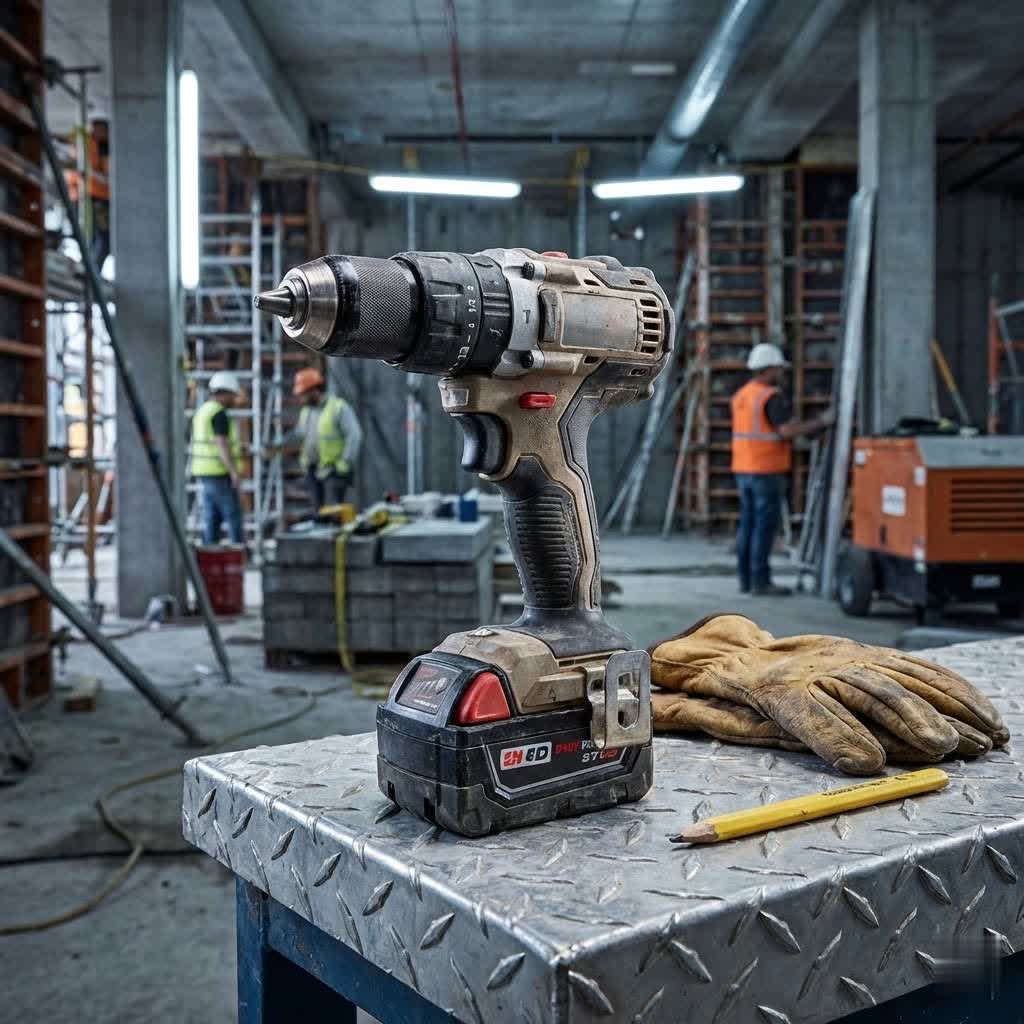
Every seasoned technician understands that a cordless electric drill is only as powerful as the battery that fuels it. As an admin of ReviewsByM.com and a technician with over a decade of hands-on experience, I’ve seen countless projects succeed or falter based on this crucial component. Choosing the right electric drill battery isn’t just about compatibility; it’s about optimizing performance, ensuring longevity, and maximizing the efficiency of your work. This comprehensive guide will navigate you through the world of electric drill batteries, helping you make informed decisions to power your projects with confidence.
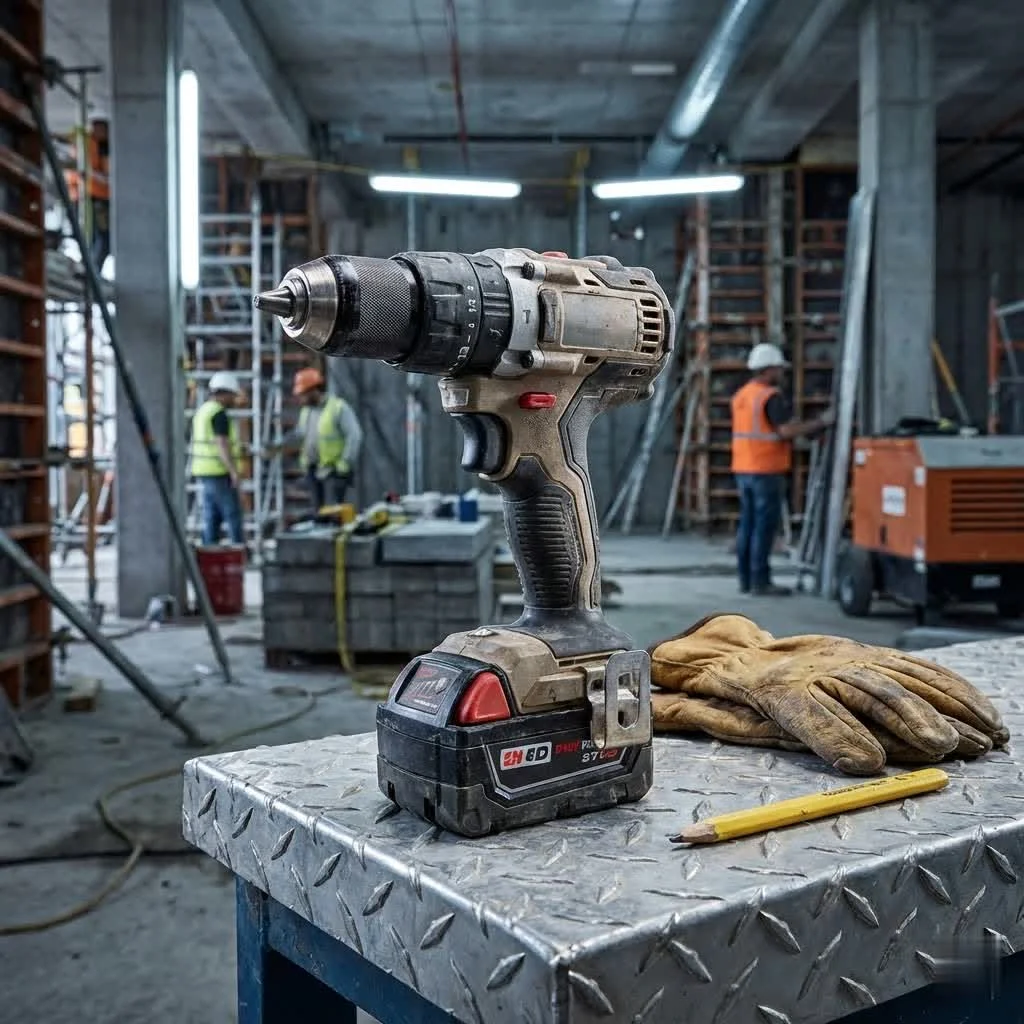
Understanding Electric Drill Batteries: The Core of Cordless Power
Electric drill batteries are the heart of any cordless tool, offering the freedom to work without the constraints of a power outlet. They convert stored chemical energy into electrical energy, allowing your drill to perform tasks from simple screw driving to heavy-duty concrete drilling. The evolution of these power sources has dramatically shaped the landscape of portable tools, making them more powerful, lighter, and more convenient than ever before. For expert electric drills reviews on this site.
Historically, power tools relied on bulkier, less efficient battery chemistries. Today, the market is dominated by three primary types: Nickel-Cadmium (Ni-Cad), Nickel-Metal Hydride (NiMH), and Lithium-ion (Li-ion). Each offers a distinct set of characteristics that impact performance, maintenance, and overall user experience.
Detailed Breakdown of Electric Drill Battery Types
Understanding the specific attributes of each battery type is fundamental to making an informed choice. While Lithium-ion batteries have become the modern standard, Ni-Cad and NiMH still hold relevance in certain applications.
Nickel-Cadmium (Ni-Cad) Batteries
Ni-Cad batteries are the veteran workhorses of the cordless tool world, known for their robustness and reliability.
- Advantages: Ni-Cad batteries are renowned for their durability and ability to perform consistently under rigorous conditions, including both high and low temperatures. They deliver a good flow of electric current and are generally less expensive than other types. Their resilience makes them a formidable choice on job sites where toughness is paramount.
- Disadvantages: One of the most significant drawbacks of Ni-Cad batteries is the “memory effect,” where their capacity diminishes over time if not fully discharged before recharging. They are also heavier and have a lower energy capacity compared to newer chemistries. Environmentally, the cadmium they contain is a toxic metal, making disposal and recycling a complex process.
- Ideal applications: While largely replaced by Li-ion, Ni-Cad batteries remain useful for older tools or in specific scenarios requiring exceptional temperature tolerance and impact resistance.
Nickel-Metal Hydride (NiMH) Batteries
|
Our Picks for the Best Electric Drill in 2026
As an Amazon Associate I earn from qualifying purchases.
|
||
| Num | Product | Action |
|---|---|---|
| 1 | DEWALT 20V MAX Cordless Drill Driver Set, Electric Drill, Brushless 1/2 In 2 Speed, 2.0 Ah Battery and Charger Included, LED Light (DCD777D1) |

|
| 2 | Hoteche 320W 10mm Torque Drill, 19+1 Torque Settings Corded Electric Drill for Metal (10mm) & Wood (20mm), Yellow, Color Box Packaging |
|
| 3 | AVID POWER 20V MAX Lithium lon Cordless Drill Set, Power Drill Kit with Battery and Charger, 3/8-Inch Keyless Chuck, Variable Speed, 16 Position and 22pcs Drill Bits (Red) |
|
| 4 | BLACK+DECKER 20V MAX* POWERCONNECT Cordless Drill Driver Kit with Drill Bit Set and Sockets, 100 pc. Tool Kit for Home, Battery and Charger Included ,Orange (BDC120VA100) |
|
| 5 | DEWALT 20V Max Cordless Drill Driver Set, 2 Speed, High Performance Motor, Includes 2 XR 1.3Ah Li-Ion Batteries, Charger and Contractor Bag (DCD771C2) |
|
| 6 | Cordless Drill Set, VIWKO 20V Power Drill with Power Pack 2.0Ah and Charger, 3/8-Inch Keyless Chuck Electricdrill, 25+1 Torque, 42pcs Drilldriver Bits/Screws for DIY Projects (Red) |
|
| 7 | COMOWARE 20V Cordless Drill, Electric Power Drill Set with 1 Battery & Charger, 3/8” Keyless Chuck, 2 Variable Speed, 266 In-lb Torque, 25+1 Position and 34pcs Drill/Driver Bits |
|
| 8 | 20V Cordless Drill, Electric Power Drill Set with Battery Charger and Carrying Case, 3/8” Keyless Chuck, 2 Variable Speed, 18+3 Torque, 72pcs Driver Bits and Belt Hook, Red |
|
| 9 | PULITUO'S 20V Cordless Drill/Driver, Electric Screwdriver - 2 Batteries, 30Nm, 21+1 Torque, 2 Speed, Keyless 3/8" Chase Drill with LED Light, Kit for Home (Green) |
|
| 10 | FADAKWALT Cordless Drill Set,12V Power Drill Set with Battery and Charger, Electric Driver/Drill Bits, 3/8'' Keyless Chuck,21+1 Torque Setting, 180 inch-lbs, with LED Electric Drill Set (Green) |
|
NiMH batteries represent a technological step up from Ni-Cad, offering improvements in capacity and environmental impact.
- Advantages: NiMH batteries boast a higher energy density than Ni-Cad, allowing them to store more energy and consequently run longer. They are lighter and contain fewer heavy metals, making them more environmentally friendly than Ni-Cad. Their capacity can often be two to three times better than a regular Ni-Cad battery.
- Disadvantages: NiMH batteries are more sensitive to extreme temperatures (both high and low) than Ni-Cad, which can affect their performance. They also tend to self-discharge faster when not in use and, while less pronounced than Ni-Cad, still exhibit a “memory effect”. Their charging life cycle is often shorter than Ni-Cad batteries.
- Ideal applications: NiMH batteries are suitable for mid-range power tools where a balance of weight and capacity is desired, and extreme operating conditions are not a primary concern.
Lithium-ion (Li-ion) Batteries
Li-ion batteries are the undisputed rock stars of modern power tools, representing the latest in battery technology.
- Advantages: Li-ion batteries offer the highest energy density, meaning they pack more power into a smaller, lighter package. This makes them incredibly efficient and portable. Crucially, they suffer from no memory effect, allowing you to recharge them at any point without compromising their capacity. They typically have a longer lifespan, deliver consistent power throughout their discharge cycle, and offer fast recharge rates. Many feature built-in fuel gauges for easy power monitoring.
- Disadvantages: The primary downside of Li-ion batteries is their higher upfront cost. They are also sensitive to heat, which can deteriorate their internal components and electrochemical processes, potentially shortening their lifespan. Age and excessive use can also contribute to their degradation.
- Ideal applications: Li-ion batteries are the go-to choice for almost all modern cordless tools, from light-duty screwdrivers to heavy-duty hammer drills, especially for professional use where high performance, long runtimes, and frequent charging are essential.
Comparative Analysis: Choosing Your Electric Drill Battery
When standing in front of a battery display, comparing the options can feel overwhelming. Let’s break down the key differences to help you decide.
| Feature | Nickel-Cadmium (Ni-Cad) | Nickel-Metal Hydride (NiMH) | Lithium-ion (Li-ion) |
|---|---|---|---|
| Energy Density | Low | Medium (higher than Ni-Cad) | High (most energy in smallest package) |
| Weight | Heavy | Medium (lighter than Ni-Cad) | Light (lightest) |
| Cost | Low | Medium | High (most expensive) |
| Memory Effect | Significant (requires full discharge) | Minor (less pronounced than Ni-Cad) | None (charge anytime) |
| Lifespan/Cycles | Good (up to 1000 cycles for charging) | Shorter than Ni-Cad | Longest (with proper care) |
| Environmental | Contains toxic cadmium (poor) | Less toxic than Ni-Cad (better) | Better than Ni-Cad/NiMH, but still requires proper disposal |
| Temp. Tolerance | Excellent (performs well in extremes) | Sensitive to extreme temperatures | Sensitive to high heat (requires protection) |
| Self-Discharge | Low | High | Low (holds charge longer) |
Overall Assessment: For most contemporary users, Lithium-ion batteries are the superior choice due to their high power-to-weight ratio, lack of memory effect, and longer overall lifespan. However, if you possess older tools or operate consistently in extremely cold environments where Li-ion might struggle, a durable Ni-Cad could still offer value. NiMH serves as a middle-ground but has largely been overshadowed by Li-ion’s advancements.
Selecting the Perfect Electric Drill Battery for Your Needs
Choosing the right battery goes beyond just looking at the price tag. It involves a thoughtful assessment of your specific requirements and the battery’s technical specifications.
Assess Your Usage Requirements
Before you even glance at a battery, consider what you’ll be using your drill for:
- Project type: Are you assembling furniture (light-duty), tackling home repairs (medium-duty), or working on a construction site with demanding tasks (heavy-duty)? Heavy-duty jobs necessitate robust batteries with high capacity, often Li-ion.
- Materials to be drilled: Drilling through concrete or thick metal will require more power and sustained torque than drilling into softwood or drywall.
- Frequency of use: If you use your drill occasionally, battery self-discharge rates might be a factor. For frequent daily use, fast charging and high cycle life are crucial.
Consider Your Budget
Li-ion batteries, while offering superior performance, come with a higher initial cost. Evaluate your budget against your long-term needs. Often, investing in a quality Li-ion battery upfront can save you money in replacements and frustration over time. Many manufacturers offer “skin only” tools, allowing you to use existing batteries from the same platform, which is a cost-effective solution if you’re expanding your tool collection.
Key Technical Specifications to Look For
These numbers aren’t just jargon; they tell you a lot about a battery’s capability.
- Voltage (V): This measures the electrical potential, essentially indicating the tool’s raw power. Higher voltage typically equates to more power and torque. Common ranges include 12V for light-duty screwdrivers, 18V for general DIY and professional tasks (the most popular), and 36V or even 54V for heavy-duty applications like hammer drills and circular saws. However, voltage isn’t the sole determinant of power; the tool’s internal design and quality also play a significant role.
- Ampere-Hour (Ah): Often referred to as “amp-hours,” this specification dictates the battery’s capacity and, consequently, its runtime. Think of it as the size of the fuel tank. A higher Ah rating means longer operating time between charges. For instance, a 5.0Ah battery will run longer than a 2.0Ah battery on the same tool. Many users seek a balance between Ah for runtime and battery weight for comfort during prolonged use.
- Compatibility: This is non-negotiable. Ensure the battery you choose is specifically designed to work with your electric drill and its charger. Most brands have proprietary battery platforms, meaning a DeWalt battery won’t work in a Makita drill, and vice versa.
Brand Reputation and Trust
Stick with reputable brands for electric drill batteries. Established manufacturers often incorporate advanced safety features, such as electronic cell protection, to prevent issues like overheating, overloading, and over-discharging in Li-ion batteries. These protections are crucial for both performance and user safety. While aftermarket batteries might seem cheaper, they can sometimes lack these critical safety and performance features.
Advanced Features and Innovations
Modern electric drill batteries come with features that enhance convenience and performance:
- Battery fuel gauges: Found on most Li-ion batteries, these indicators show you exactly how much charge is left, preventing unexpected power loss mid-task.
- Electronic cell protection: As mentioned, this technology protects individual battery cells from damage, extending the battery’s overall lifespan.
- Rapid charging capabilities: Many contemporary chargers can replenish a Li-ion battery significantly faster than older models, minimizing downtime.
Essential Tips for Safe Use and Longevity of Electric Drill Batteries
Even the best battery needs proper care to deliver consistent performance and last longer. Here are my top tips, gathered from years of experience in the field:
- Use the Manufacturer’s Charger: Always use the charger specifically designed by the tool’s manufacturer. Incompatible chargers can damage the battery, lead to inefficient charging, or even pose a safety risk.
- Charge Appropriately, Avoid Overcharging: For Li-ion batteries, avoid letting them completely discharge. It’s best to recharge them when performance starts to decrease, or when they are between 20% and 80% capacity. Overcharging can decrease battery life, so disconnect the charger once the battery is full. For Ni-Cad and NiMH batteries, it’s generally recommended to fully discharge them before a full recharge to mitigate the memory effect.
- Optimal Storage Conditions: Store your batteries in a cool, dry place, ideally between 50°F and 77°F (10°C and 25°C). Keep them away from direct sunlight, heat sources, and damp environments to prevent corrosion and accelerated capacity fade. For long-term storage, Li-ion batteries should be kept at approximately a 40-60% charge level to maintain cell integrity.
- Handle with Care: Avoid dropping batteries or subjecting them to impacts, as this can damage internal components. Always protect them from water and moisture to prevent electrical problems.
- Clean Contacts Regularly: Ensure the battery and charger contacts are clean and free from dirt or corrosion, which can hinder electrical flow and prevent proper charging.
- Recognize Failing Batteries: Signs of a failing battery include significantly reduced runtime, inability to hold a charge, or excessive heat during use or charging. If a battery is noticeably compromised, it’s safer to replace it.
- Proper Disposal: Never throw old batteries into regular household trash. Ni-Cad batteries contain toxic metals, and all battery types can pose environmental hazards. Most power tool manufacturers and local waste management facilities have recycling programs for safe disposal.
“The lifespan of your electric drill battery often comes down to consistent, mindful care. Treating your batteries right means your tools will be ready when you are.” – John Smith, Power Tool Battery Specialist
Conclusion
The electric drill battery, often an unsung hero, is undeniably crucial to the efficiency and effectiveness of your cordless tools. From the robust durability of Ni-Cad to the balanced performance of NiMH, and the lightweight, high-capacity dominance of Li-ion, each battery chemistry offers unique advantages. By understanding factors like voltage, ampere-hour, and the specific needs of your projects, you can confidently select a battery that maximizes your tool’s potential and minimizes downtime. proper charging, storage, and maintenance are not just suggestions—they are the keys to unlocking the full power and longevity of your investment. So, which electric drill battery will you choose to power your next big project?
Frequently Asked Questions
How do I know when to replace my electric drill battery?
You’ll typically know it’s time for a replacement when your battery experiences significantly reduced runtime, struggles to hold a charge for long, or if it heats up excessively during use or charging. These are clear indicators that its internal chemistry is degrading and it can no longer provide optimal power.
Can I use a higher Ah battery with my existing electric drill?
Yes, generally, you can use a higher Ampere-hour (Ah) battery with your existing electric drill as long as it’s the same voltage and compatible with your tool’s brand platform. A higher Ah battery will simply provide a longer runtime for your tool without affecting its power output, though it might add a bit more weight.
Is it safe to leave my lithium-ion electric drill battery on the charger indefinitely?
While modern lithium-ion chargers often have smart circuitry to prevent overcharging, it’s generally best practice to remove your battery once it’s fully charged. Prolonged exposure to charging voltage, even “trickle charging,” can still contribute to the long-term degradation of the battery’s cells.
What causes an electric drill battery to die quickly?
Several factors can cause an electric drill battery to die quickly, including its age, frequent full discharges (especially for Li-ion), exposure to extreme temperatures, using an incompatible charger, or simply the demanding nature of the task at hand. Consistent proper maintenance can significantly extend its life.
How important is battery voltage for my electric drill?
Battery voltage is highly important as it directly correlates with the potential power and torque your electric drill can deliver. Higher voltage batteries (e.g., 18V, 36V) are typically designed for more demanding tasks, while lower voltage options (e.g., 12V) are well-suited for lighter applications, affecting both performance and tool weight.
Get our weekly buyer guide
Practical specs, not advice. Unsubscribe anytime.
