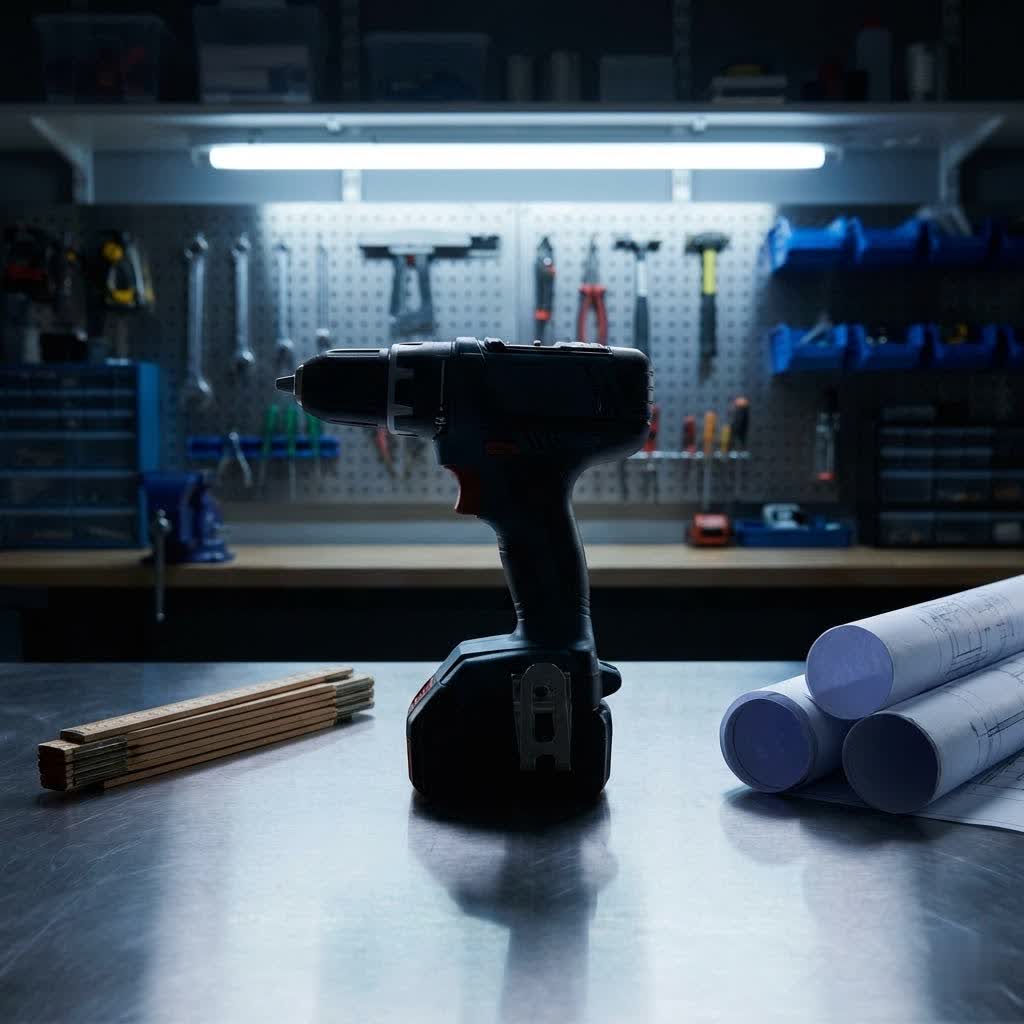
For anyone tackling home improvement projects, professional construction, or even simple DIY tasks, an electric drill is an indispensable tool. It transforms strenuous manual labor into an efficient, precise operation, making quick work of everything from hanging a picture to assembling furniture or constructing a deck. But with a vast array of models on the market, understanding the different types, their capabilities, and crucial selection factors is key to choosing the perfect electric drill for your needs.
Overview of Electric Drills
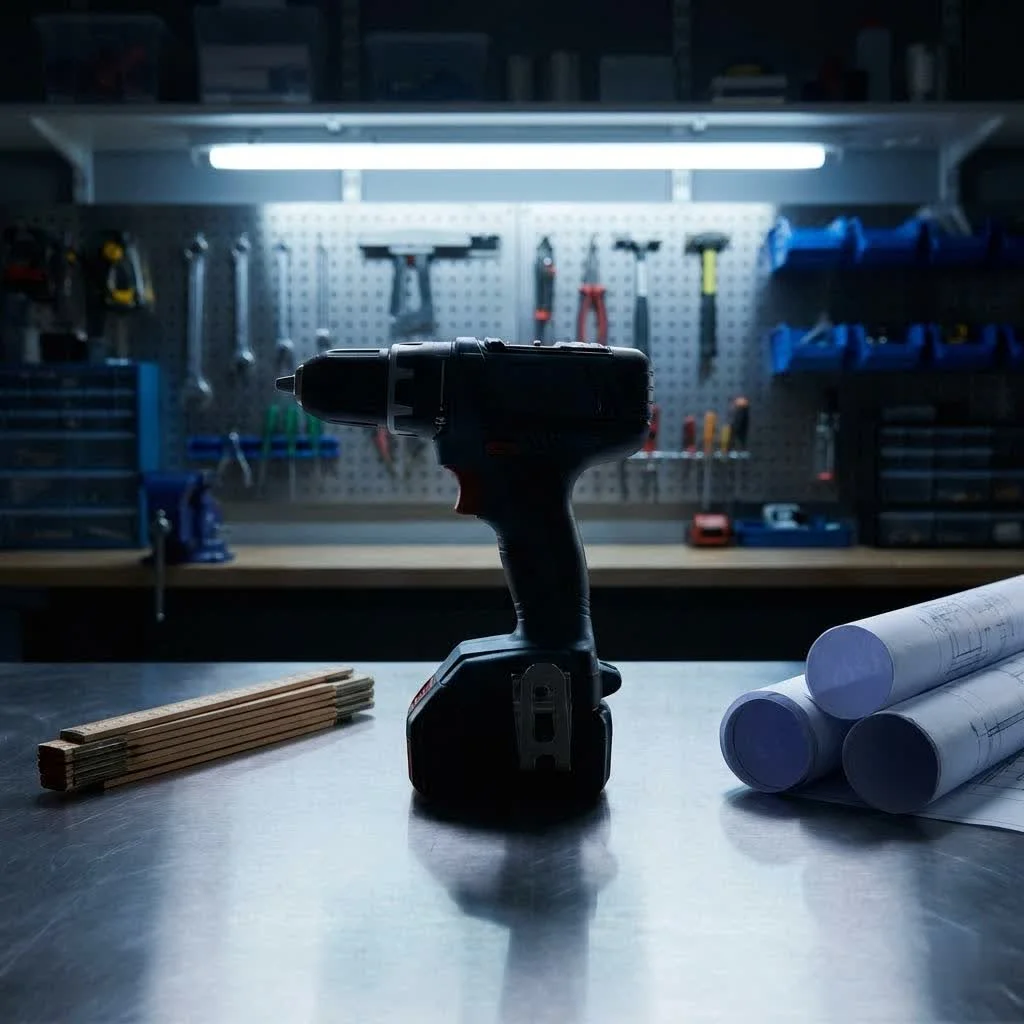
An electric drill is a versatile power tool primarily designed for drilling holes into various materials like wood, metal, plastic, and masonry. Beyond drilling, many models also excel at driving and removing screws, making them dual-purpose tools essential for any toolbox. The fundamental principle involves an electric motor rotating a removable bit at high speed, allowing it to bore through surfaces or fasten screws with ease.
The evolution of the electric drill has seen significant advancements, transitioning from early corded models that required a constant power connection to modern cordless, battery-powered versions offering unparalleled mobility. This technological shift has brought greater flexibility, allowing users to work in remote locations or tight spaces without the hindrance of power cords.
Today’s market offers a range of electric drills, broadly categorized by their power source (corded or cordless) and specialized functions. Common types include drill drivers, hammer drills, and impact drivers, each engineered for specific applications to maximize efficiency and performance.
Detailed Classification of Electric Drills
Understanding the nuances between different types of electric drills is crucial for selecting the right tool for the job. While many drills can perform basic tasks, specialized models offer superior performance for demanding applications.
Hammer Drills
Hammer drills are specifically engineered for drilling into tough, dense materials like concrete, brick, and stone. What sets them apart is their unique “hammering” action, which, in addition to rotational movement, delivers rapid, percussive blows directly into the material. This combination of rotation and impact allows the drill bit to chip away at hard surfaces, making masonry drilling significantly faster and less fatiguing than with a standard drill. [cite: “types of electric drills explained”, 1]
- Advantages: Exceptional performance in masonry, concrete, and stone; faster drilling in hard materials.
- Disadvantages: Less suitable for delicate tasks; can be heavier and bulkier than standard drills; generally more expensive.
- Suitable Applications: Installing anchors in concrete, drilling holes for plumbing or electrical conduit in masonry, heavy-duty construction tasks.
- Comparison: Unlike a standard drill, a hammer drill uses a forward impact mechanism. While some combi drills offer a hammer function, dedicated hammer drills (or rotary hammers) provide a much stronger percussive force for truly challenging masonry work.
Impact Drivers
|
Our Picks for the Best Electric Drill in 2026
As an Amazon Associate I earn from qualifying purchases.
|
||
| Num | Product | Action |
|---|---|---|
| 1 | BLACK+DECKER 20V MAX* POWERCONNECT Cordless Drill Driver Kit with Drill Bit Set and Sockets, 100 pc. Tool Kit for Home, Battery and Charger Included ,Orange (BDC120VA100) |

|
| 2 | Cordless Drill Set, VIWKO 20V Power Drill with Power Pack 2.0Ah and Charger, 3/8-Inch Keyless Chuck Electricdrill, 25+1 Torque, 42pcs Drilldriver Bits/Screws for DIY Projects (Red) |
|
| 3 | 20V Cordless Drill, Electric Power Drill Set with Battery Charger and Carrying Case, 3/8” Keyless Chuck, 2 Variable Speed, 18+3 Torque, 72pcs Driver Bits and Belt Hook, Red |
|
| 4 | DEWALT 20V Max Cordless Drill Driver Set, 2 Speed, High Performance Motor, Includes 2 XR 1.3Ah Li-Ion Batteries, Charger and Contractor Bag (DCD771C2) |
|
| 5 | FADAKWALT Cordless Drill Set,12V Power Drill Set with Battery and Charger, Electric Driver/Drill Bits, 3/8'' Keyless Chuck,21+1 Torque Setting, 180 inch-lbs, with LED Electric Drill Set (Green) |
|
| 6 | COMOWARE 20V Cordless Drill, Electric Power Drill Set with 1 Battery & Charger, 3/8” Keyless Chuck, 2 Variable Speed, 266 In-lb Torque, 25+1 Position and 34pcs Drill/Driver Bits |
|
| 7 | DEWALT 20V MAX Cordless Drill Driver Set, Electric Drill, Brushless 1/2 In 2 Speed, 2.0 Ah Battery and Charger Included, LED Light (DCD777D1) |
|
| 8 | Hoteche 320W 10mm Torque Drill, 19+1 Torque Settings Corded Electric Drill for Metal (10mm) & Wood (20mm), Yellow, Color Box Packaging |
|
| 9 | PULITUO'S 20V Cordless Drill/Driver, Electric Screwdriver - 2 Batteries, 30Nm, 21+1 Torque, 2 Speed, Keyless 3/8" Chase Drill with LED Light, Kit for Home (Green) |
|
| 10 | AVID POWER 20V MAX Lithium lon Cordless Drill Set, Power Drill Kit with Battery and Charger, 3/8-Inch Keyless Chuck, Variable Speed, 16 Position and 22pcs Drill Bits (Red) |
|
An impact driver is a specialized tool optimized for driving screws and fasteners with high torque. Unlike standard drill drivers that deliver continuous rotational force, impact drivers apply short, powerful bursts of rotational force (impacts) when resistance is encountered. This impact mechanism prevents cam-out (the bit slipping from the screw head) and reduces strain on your wrist, making it incredibly efficient for repetitive fastening tasks, especially with long or large screws. [cite: “types of electric drills explained”, 2]
- Advantages: High torque for driving fasteners; reduces user fatigue; excellent for large or stubborn screws; compact and lightweight.
- Disadvantages: Not ideal for precision drilling; louder operation; limited drilling capability compared to drill drivers.
- Suitable Applications: Driving deck screws, assembling furniture with many fasteners, working with self-tapping screws in metal.
- Comparison: While a drill driver spins continuously, an impact driver’s pulsating action delivers much more torque, making it superior for driving fasteners but less precise for drilling holes.
Combi Drills / Drill Drivers
Often considered the most versatile “all-rounder” for general household and light to medium professional use, the drill driver (or combi drill, if it includes a light hammer function) combines drilling and driving capabilities. These tools feature a clutch mechanism that allows you to adjust the torque settings, preventing screws from being driven too deep or stripping their heads. Many also come with multiple speed settings, providing greater control for different materials and tasks.
- Advantages: Versatile for drilling and driving; adjustable clutch for precise control; often includes variable speed settings.
- Disadvantages: Less powerful for heavy masonry than a hammer drill; lower torque for driving large fasteners than an impact driver.
- Suitable Applications: Drilling holes in wood, metal, and plastic; driving and removing screws; general DIY repairs and assembly.
- Comparison: A drill driver is a great general-purpose tool, capable of both drilling and driving, though it may not excel at the extreme ends of either task as dedicated hammer drills or impact drivers do.
Magnetic Drills
Magnetic drills, often referred to as mag drills, are highly specialized portable drilling machines designed for precision drilling in ferrous metals. Their defining feature is a powerful electromagnetic or permanent magnetic base that clamps securely onto a metal workpiece, providing exceptional stability. This stability allows for highly accurate, perpendicular holes, even in challenging positions like vertical, horizontal, or overhead applications where traditional drill presses would be impractical. [cite: “magnetic drill uses advantages”, 1, 4]
- Advantages: High precision and accuracy; superior stability; ideal for large-diameter holes in metal; portable for on-site fabrication.
- Disadvantages: Limited to ferrous metals; generally heavier and more expensive; not suitable for general-purpose drilling.
- Suitable Applications: Drilling holes in steel beams, plates, truck frames, shipbuilding, structural steel fabrication, bridge construction. [cite: “magnetic drill uses advantages”, 5]
- Comparison: Unlike handheld drills, a magnetic drill offers drill-press-like stability in a portable form, making it indispensable for heavy metalworking where precise, large-diameter holes are required.
Comparative Table of Electric Drill Types
Choosing the right electric drill often comes down to balancing versatility with specialized performance. This table provides a quick comparison of the most common types.
| Drill Type | Key Feature | Best Use | Pros | Cons |
|---|---|---|---|---|
| Drill Driver | Rotational drilling & driving | General DIY, wood, plastic, light metal | Versatile, adjustable clutch, variable speed | Limited power for heavy masonry or large fasteners |
| Hammer Drill | Rotational + Percussive | Concrete, brick, masonry | Effective in hard materials, fast drilling | Heavier, louder, less precise for delicate tasks |
| Impact Driver | High torque impact action | Driving screws, bolts, stubborn fasteners | High torque, reduces fatigue, prevents cam-out, compact | Not ideal for precision drilling, louder |
| Magnetic Drill | Magnetic base, stable drilling | Precision drilling in ferrous metals (steel) | Exceptional stability and accuracy, portable for heavy metal fabrication | Limited to ferrous metals, specialized, higher cost, heavier |
Guide to Choosing an Electric Drill
Selecting the best electric drill involves more than just picking the most powerful model. It’s about aligning the tool’s capabilities with your specific project requirements, budget, and comfort.
Determine Usage Needs
Before anything else, identify your primary use case. Are you a weekend warrior, an occasional DIYer, or a seasoned professional?
- Occasional Home Use/Light DIY: For hanging pictures, assembling flat-pack furniture, or minor repairs, a compact 12V cordless drill driver or a basic corded drill is usually sufficient.
- Regular Home Improvement/Medium DIY: Tackling shelving, deck repairs, or more involved projects might warrant an 18V or 20V cordless drill driver with a hammer function (combi drill) for added versatility.
- Professional/Heavy-Duty Projects: For daily use, drilling into concrete, or extensive metalwork, consider powerful corded drills, dedicated hammer drills, impact drivers, or specialized magnetic drills.
- Materials: What materials will you primarily be working with? Wood, drywall, plastic, metal, or concrete? This dictates the necessary power and type of drill.
- Frequency: How often will you use the drill? Infrequent use means you might prioritize portability and cost-effectiveness, while frequent use justifies investing in durability and advanced features.
Budget
Electric drills vary widely in price, from budget-friendly options under $50 to professional-grade tools costing several hundred dollars. Establish a realistic budget and prioritize features that are essential for your tasks. Remember that higher-priced tools often come with better build quality, more advanced features, and longer warranties. Sometimes, a slightly higher initial investment leads to better performance and longevity.
Important Technical Specifications
Understanding key specifications helps you compare models effectively:
- Power (Voltage/Amperage):
- Cordless Drills: Power is measured in volts (V). Higher voltage (e.g., 18V, 20V Max) generally indicates more power and longer runtime, suitable for demanding tasks. 12V models are compact and great for lighter work. [cite: “how to choose an electric drill for home use and professional”, 2, 4]
- Corded Drills: Power is measured in amps (A). A higher amperage (e.g., 6-10 amps) means more continuous power, ideal for heavy-duty, prolonged use without battery concerns. [cite: “how to choose an electric drill for home use and professional”, 4]
- Speed (RPM – Rotations Per Minute): Variable speed settings are crucial for versatility. Lower RPMs provide more torque and control for driving screws or drilling hard materials, while higher RPMs are suitable for faster drilling in softer materials. [cite: 3, “how to choose an electric drill for home use and professional”, 2]
- Torque (Nm – Newton-meters): Torque is the rotational force, indicating how much power the drill can apply to turn a screw or drill bit. Higher torque is essential for driving large fasteners or drilling into tough materials. Many drills have an adjustable clutch to control torque, preventing over-driving or stripping. [cite: 3, “how to choose an electric drill for home use and professional”, 2, 3]
- Chuck Type and Size: The chuck holds the drill bit.
- Keyed Chucks: Require a chuck key to tighten/loosen bits, offering a very secure grip.
- Keyless Chucks: Hand-tightened, quicker for bit changes. [cite: “how to choose an electric drill for home use and professional”, 2]
- Size: Common sizes are 1/4-inch, 3/8-inch, and 1/2-inch. A 3/8-inch chuck is versatile for most DIY tasks, while a 1/2-inch chuck handles larger bits and heavier applications. [cite: “how to choose an electric drill for home use and professional”, 2]
- Functions: Look for models with multiple modes (drill, drive, hammer) if you need a versatile tool.
Brand and Reliability
Reputable brands often guarantee better quality, durability, and customer support. Brands like DeWalt, Milwaukee, Makita, Bosch, and Ryobi are well-regarded in the industry for their performance and reliability. [cite: “how to choose an electric drill for home use and professional”, 3, 5] Researching reviews and product ratings can provide insights into a tool’s long-term performance and reliability.
Additional Features
Modern electric drills come with a host of features designed to enhance user experience and efficiency:
- LED Work Light: Illuminates the work area, especially useful in dimly lit spaces. [cite: “how to choose an electric drill for home use and professional”, 3]
- Variable Speed Trigger: Allows precise control over drilling speed based on finger pressure. [cite: 3, “how to choose an electric drill for home use and professional”, 4]
- Anti-Vibration Technology: Reduces user fatigue during extended use, particularly important for hammer drills.
- Battery System (for Cordless Drills): Look for drills with lithium-ion batteries for better performance and longer life. Consider if the battery is part of a larger interchangeable system, allowing you to use the same batteries across multiple tools from the same brand. [cite: 2, “how to choose an electric drill for home use and professional”, 2]
- Brushless Motor: More efficient, powerful, and durable than traditional brushed motors, offering longer runtimes and less maintenance, though typically at a higher cost. [cite: 1, 5, “how to choose an electric drill for home use and professional”, 2, 3]
- Ergonomics and Weight: A comfortable grip and balanced weight reduce fatigue, especially for overhead or extended work.
“The right drill isn’t just about raw power; it’s about the synergy between its features, your project’s demands, and how comfortably it fits in your hand. A well-chosen drill becomes an extension of your own capability.” – The ReviewsByM.com Admin, Seasoned Power Tool Technician
Tips for Safe Use and Maintenance of Electric Drills
Even the most experienced users benefit from a refresher on safe operation and proper maintenance to ensure longevity and prevent accidents.
Safe Usage Practices
- Wear Personal Protective Equipment (PPE): Always wear safety glasses to protect against flying debris. Gloves are also recommended, especially when handling rough materials or changing bits.
- Secure Your Workpiece: Ensure the material you’re drilling is firmly clamped or secured to prevent it from spinning or shifting, which can lead to kickback or injury.
- Choose the Right Bit: Use the correct drill bit for the material and task at hand. A wood bit won’t perform well on metal, and vice versa. [cite: “how to choose an electric drill for home use and professional”, 1]
- Check for Obstructions: Before drilling into walls or ceilings, use a stud finder or wire detector to ensure you avoid electrical wires, plumbing, or gas lines.
- Start Slow and Steady: Begin drilling at a low speed to prevent the bit from “walking” off your mark and gradually increase speed as you penetrate the material. Apply steady, even pressure, letting the drill do the work.
- Use Two Hands: Whenever possible, hold the drill with both hands for better control, especially with larger bits or when drilling into tough materials. If your drill has a side handle, use it.
- Reverse for Extraction: To withdraw the drill bit or remove a screw, switch the drill to reverse mode.
Maintenance Tips
- Clean Regularly: After each use, wipe down your drill to remove dust and debris. Keep the air vents clear to prevent overheating.
- Inspect Components: Periodically check the chuck, cord (if applicable), and battery for any signs of wear or damage. Replace worn bits promptly.
- Battery Care (for Cordless Drills):
- Charge as Needed: Avoid fully draining lithium-ion batteries. Charge them when power drops to around 70% capacity for optimal health.
- Store Properly: Store batteries in a cool, dry place away from extreme temperatures. Do not leave them on the charger indefinitely.
- Regular Use: Use your cordless drill and batteries regularly, as lack of use can reduce battery life.
- Proper Storage: Store your drill in its case or a clean, dry location to protect it from dust, moisture, and accidental damage.
Conclusion
An electric drill is more than just a tool; it’s an investment in efficiency, precision, and the satisfaction of tackling projects with confidence. From the all-purpose versatility of a drill driver to the specialized power of a hammer drill, impact driver, or magnetic drill, there’s a perfect model for every task and every user. By understanding your specific needs, evaluating technical specifications, and adhering to safe usage and maintenance practices, you can ensure your electric drill remains a reliable partner for years to come.
What’s the next project you’re planning to power through with your ideal electric drill?
Frequently Asked Questions
What is the main difference between a brushed and brushless electric drill?
Brushless drills feature motors without carbon brushes, leading to less friction, cooler operation, increased power efficiency, longer runtime, and extended motor life compared to brushed models. While typically more expensive, they offer superior performance and durability. [cite: 1, 5, “how to choose an electric drill for home use and professional”, 3]
Should I choose a corded or cordless electric drill for home use?
For most home users, a cordless electric drill offers superior convenience and mobility, making it ideal for tasks around the house without being tethered to an outlet. However, if you require continuous power for heavy-duty, prolonged jobs, a corded drill provides consistent performance without battery limitations. [cite: 2, 4, “how to choose an electric drill for home use and professional”, 1]
What does the torque setting on a drill mean, and why is it important?
The torque setting (clutch) on a drill controls the amount of rotational force applied before the clutch disengages. It’s crucial for driving screws, as it prevents over-tightening, stripping screw heads, or damaging the material. Lower settings are for softer materials and smaller screws, while higher settings are for harder materials and larger fasteners. [cite: 3, “how to choose an electric drill for home use and professional”, 2]
Can I use an impact driver for drilling holes?
While an impact driver can be fitted with hex-shank drill bits to make holes, it’s not its primary purpose. Its high-impact rotational force is optimized for driving fasteners, which can make drilling less precise and potentially damage smaller drill bits. For clean, accurate holes, a dedicated drill driver or combi drill is generally more suitable. [cite: “types of electric drills explained”, 2]
How do I know what chuck size I need for my electric drill?
The chuck size determines the maximum diameter of a drill bit shank that the drill can accept. A 3/8-inch chuck is a versatile choice for most general household tasks. If you plan to use larger drill bits for heavy-duty drilling, a 1/2-inch chuck provides greater compatibility and grip.
Get our weekly buyer guide
Practical specs, not advice. Unsubscribe anytime.
