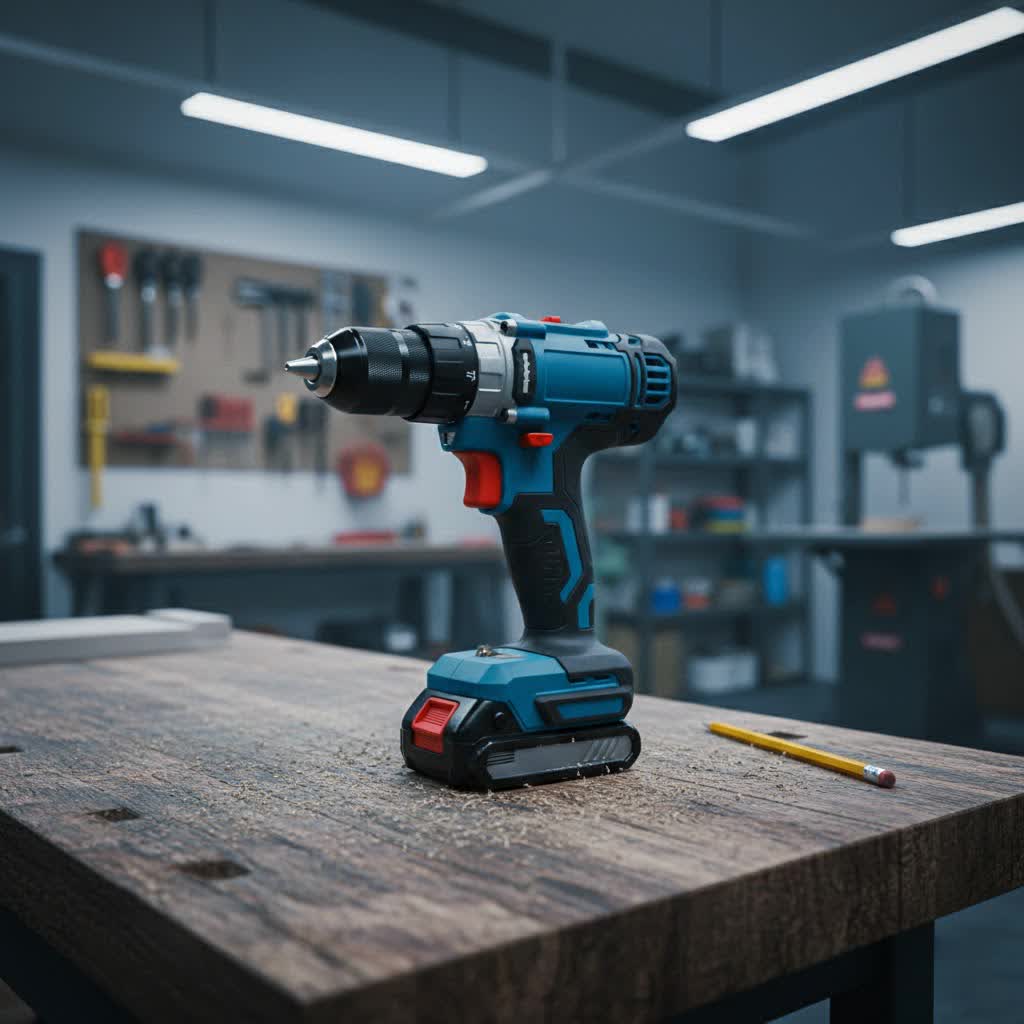
Have you ever wondered which power tool truly sits at the heart of nearly every home improvement project, construction job, or even simple repair? It’s the electric drill, an indispensable device that has revolutionized how we create, build, and fix. From hanging a picture to assembling furniture, or tackling heavy-duty construction, the electric drill makes these tasks faster, easier, and more efficient. With an array of types and features available, choosing the right electric drill can seem daunting, but this comprehensive guide will illuminate everything you need to know to make the best decision for your needs.
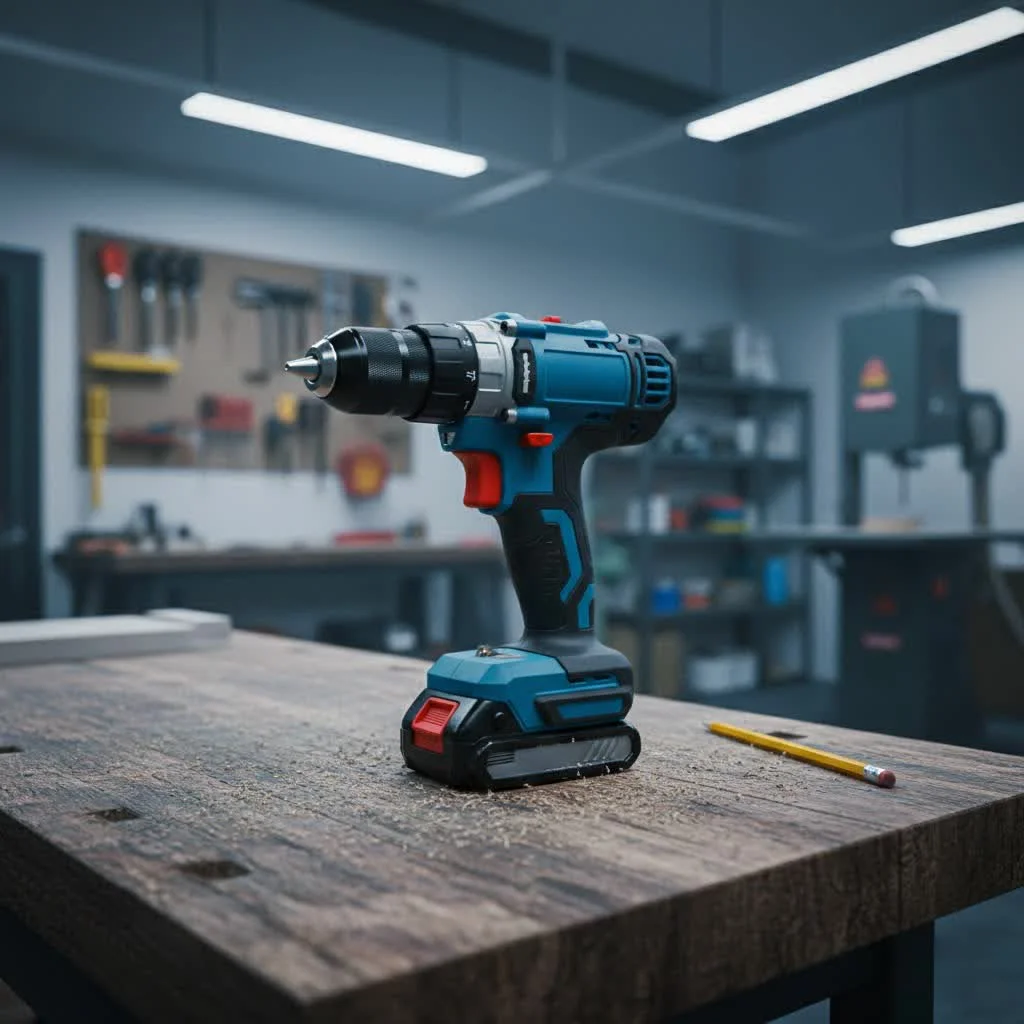
Overview of Electric Drills
An electric drill is a versatile power tool primarily used for boring holes in various materials and driving fasteners like screws. It converts electrical energy into rotational motion, spinning a drill bit or screwdriver bit inserted into its chuck to perform tasks. This simple yet powerful mechanism has made it a cornerstone in woodworking, metalworking, construction, and countless DIY endeavors. For explore our electric drills reviews on this site.
The journey of the electric drill is a testament to human innovation. While the concept of rotating tools to make holes dates back millennia, the pivotal moment arrived in 1889. That year, Australian mining engineers Arthur James Arnot and William Blanch Brain patented the first electric drill. Early models were stationary and large, but the advent of portable designs soon followed. In 1895, the German brothers Wilhelm and Carl Fein introduced the first portable handheld electric drill. The modern form we recognize today, featuring a pistol grip and trigger switch, was patented by Black & Decker in 1917, forever changing the landscape of power tools.
Today, electric drills come in two main variants based on their power source: corded and cordless. Corded drills offer continuous power without the need for battery charging, ideal for prolonged, heavy-duty tasks where a power outlet is readily available. Cordless drills, powered by rechargeable batteries, provide unparalleled mobility and flexibility, perfect for working in remote locations or where cords would be inconvenient or hazardous.
Detailed Classification of Electric Drills
The world of electric drills is diverse, with specialized tools designed for specific tasks. Understanding these classifications is key to selecting the right drill for your projects.
Hammer Drills
A hammer drill is a powerful tool designed to combine the rotational drilling action with a rapid, pulsating hammer motion. This dual action allows it to effectively bore holes into hard, abrasive materials like brick, concrete, and masonry that a standard drill would struggle with. The hammering mechanism drives the bit forward, breaking up the material, while the rotation clears the debris.
Hammer drills excel in tasks requiring drilling into tough construction materials, such as installing anchors in concrete walls or setting up fixtures in masonry. While highly effective for these applications, their hammering action makes them less precise for drilling into softer materials like wood or metal, where a clean, smooth hole is typically desired. They are generally heavier and more robust than standard drills.
Cordless Drills (Drill/Drivers)
|
Our Picks for the Best Electric Drill in 2026
As an Amazon Associate I earn from qualifying purchases.
|
||
| Num | Product | Action |
|---|---|---|
| 1 | COMOWARE 20V Cordless Drill, Electric Power Drill Set with 1 Battery & Charger, 3/8” Keyless Chuck, 2 Variable Speed, 266 In-lb Torque, 25+1 Position and 34pcs Drill/Driver Bits |

|
| 2 | Hoteche 320W 10mm Torque Drill, 19+1 Torque Settings Corded Electric Drill for Metal (10mm) & Wood (20mm), Yellow, Color Box Packaging |
|
| 3 | 20V Cordless Drill, Electric Power Drill Set with Battery Charger and Carrying Case, 3/8” Keyless Chuck, 2 Variable Speed, 18+3 Torque, 72pcs Driver Bits and Belt Hook, Red |
|
| 4 | DEWALT 20V Max Cordless Drill Driver Set, 2 Speed, High Performance Motor, Includes 2 XR 1.3Ah Li-Ion Batteries, Charger and Contractor Bag (DCD771C2) |
|
| 5 | PULITUO'S 20V Cordless Drill/Driver, Electric Screwdriver - 2 Batteries, 30Nm, 21+1 Torque, 2 Speed, Keyless 3/8" Chase Drill with LED Light, Kit for Home (Green) |
|
| 6 | DEWALT 20V MAX Cordless Drill Driver Set, Electric Drill, Brushless 1/2 In 2 Speed, 2.0 Ah Battery and Charger Included, LED Light (DCD777D1) |
|
| 7 | BLACK+DECKER 20V MAX* POWERCONNECT Cordless Drill Driver Kit with Drill Bit Set and Sockets, 100 pc. Tool Kit for Home, Battery and Charger Included ,Orange (BDC120VA100) |
|
| 8 | AVID POWER 20V MAX Lithium lon Cordless Drill Set, Power Drill Kit with Battery and Charger, 3/8-Inch Keyless Chuck, Variable Speed, 16 Position and 22pcs Drill Bits (Red) |
|
| 9 | Cordless Drill Set, VIWKO 20V Power Drill with Power Pack 2.0Ah and Charger, 3/8-Inch Keyless Chuck Electricdrill, 25+1 Torque, 42pcs Drilldriver Bits/Screws for DIY Projects (Red) |
|
| 10 | FADAKWALT Cordless Drill Set,12V Power Drill Set with Battery and Charger, Electric Driver/Drill Bits, 3/8'' Keyless Chuck,21+1 Torque Setting, 180 inch-lbs, with LED Electric Drill Set (Green) |
|
Often referred to simply as “drills” or “drill/drivers,” these are perhaps the most common and versatile electric drills for general household and DIY use. Powered by rechargeable batteries (typically Lithium-ion), cordless drills offer excellent portability, allowing you to work almost anywhere without being tethered to an outlet. They primarily perform rotational drilling and screwdriving tasks. Many come with clutch settings, which prevent overtightening screws and stripping screw heads, making them ideal for assembly and general repairs.
Cordless drills are perfect for a wide range of applications, including assembling furniture, hanging shelves, drilling pilot holes in wood or plastic, and driving screws. While convenient, their power output is generally limited by battery voltage and capacity compared to corded models, making them less suitable for very heavy-duty or prolonged drilling into extremely hard materials.
Impact Drills (Impact Drivers)
Distinct from hammer drills, impact drivers are specialized tools primarily designed for driving screws and fasteners with high torque. They deliver short, powerful rotational impacts that help drive screws much more efficiently than a standard drill, especially long or stubborn fasteners. This impact action happens tangentially (in the direction of rotation), which prevents cam-out (the bit slipping from the screw head) and reduces strain on your wrist.
Impact drivers are invaluable for tasks like decking, framing, installing subflooring, or any application involving repetitive and demanding screwdriving. They are significantly faster and more powerful for these tasks than traditional drills. However, their impact mechanism can be loud and less precise for delicate drilling, and they are not typically used for drilling large diameter holes into hard materials like concrete, which is where a hammer drill shines.
Magnetic Drills
Magnetic drills are specialized, heavy-duty tools primarily used in metalworking, particularly for drilling large, precise holes into thick metal plates or structural steel. Their defining feature is a powerful electromagnet base that firmly adheres the drill to a ferromagnetic workpiece. This stability allows for exceptional accuracy and control, especially when using annular cutters or large twist drill bits.
Magnetic drills are indispensable in fabrication shops, construction sites for structural work, and any scenario requiring accurate and robust drilling into metal. They eliminate the need for cumbersome clamping, making them efficient for overhead or vertical drilling. Due to their size, weight, and specialized application, magnetic drills are not suited for general DIY use and are typically found in professional industrial settings.
Comparison Table of Electric Drill Types
To help you quickly distinguish between the various electric drill types, here’s a comparison table highlighting their key features, ideal applications, and respective advantages and disadvantages.
| Drill Type | Key Feature | Ideal For | Pros | Cons |
|---|---|---|---|---|
| Cordless Drill | Rotational | General DIY, screwdriving, light drilling | Portable, versatile, convenient | Limited power, battery-dependent |
| Hammer Drill | Rotational + Hammer | Masonry, concrete, brick | Fast, effective drilling in hard materials | Heavier, less precise for wood/metal |
| Impact Driver | Rotational + Tangential Impact | Driving fasteners, heavy-duty screwing | High torque, prevents cam-out, efficient | Loud, less precise for drilling, specialized bits |
| Magnetic Drill | Magnetic base | Metalworking, structural steel | Stable, highly precise for metal, heavy-duty | Heavy, specialized, requires ferromagnetic surface |
This table illustrates that while all are “drills,” their underlying mechanisms and ideal applications vary significantly. A general cordless drill offers broad utility for most household tasks, whereas a hammer drill or impact driver provides specialized power for specific materials or fastening challenges. Magnetic drills are for very specific, heavy-duty metal applications.
Guide to Choosing the Right Electric Drill
Selecting the perfect electric drill involves more than just picking the first one you see. It requires a thoughtful consideration of your needs, budget, and the specific features that will benefit your projects.
Determine Your Usage Needs
Before diving into specifications, honestly assess how you plan to use your drill.
- Purpose: Are you a casual DIYer assembling flat-pack furniture and hanging pictures, or a professional contractor tackling demanding construction jobs daily? This will dictate the required power and durability.
- Materials: What types of materials will you be drilling into most often? Wood, drywall, plastic, light metal, concrete, or heavy-gauge steel? Different materials require different drill types and power levels.
- Frequency: Will the drill be used once a month, once a week, or daily? Frequent, heavy use demands a more robust, high-performance tool.
Budget Considerations
Electric drills range widely in price. Establishing a budget early on helps narrow your choices. Entry-level models are suitable for light, occasional use, while mid-range drills offer a balance of power and features for regular DIY enthusiasts. Professional-grade drills, though more expensive, provide superior durability, power, and advanced features for continuous heavy use. Investing in a slightly higher-priced drill that meets your needs can save money in the long run by reducing the need for replacements or specialized rentals.
Important Technical Specifications
Understanding these key specifications is crucial for matching a drill to your needs:
- Power (Voltage/Amperage): For cordless drills, power is indicated by voltage (V), typically ranging from 12V for light-duty to 20V or more for heavy-duty tasks. Higher voltage usually means more power and torque. For corded drills, power is measured in amperage (A) or wattage (W); higher numbers indicate more powerful motors.
- Speed (RPM): Measured in rotations per minute (RPM), speed determines how fast the drill bit spins. Variable speed control is highly desirable, allowing you to adjust the speed for different materials and tasks (slow for driving screws, fast for drilling holes). Many drills offer multiple gear settings for optimal speed and torque.
- Torque (Nm) & Clutch Settings: Torque is the rotational force the drill can exert, measured in Newton-meters (Nm). Higher torque is essential for driving large fasteners or drilling into tough materials. Many drills include an adjustable clutch, which allows you to set the maximum torque, preventing overtightening screws or damaging softer materials.
- Chuck Type and Size: The chuck holds the drill bit. Keyless chucks are common on cordless drills, allowing for quick, tool-free bit changes. Keyed chucks require a special key to tighten, offering a more secure grip for heavy-duty applications. Chuck size (e.g., 1/4-inch, 3/8-inch, 1/2-inch) indicates the maximum shank diameter of the drill bit it can accept; 3/8-inch is common for DIY, while 1/2-inch is for heavier tasks.
- Functions: Decide if you need a drill-only tool, a drill/driver for both drilling and screwdriving, or a hammer drill for masonry work. Some versatile models combine all three functions.
Brand Reputation and Reliability
Opting for reputable brands known for quality and customer service can provide peace of mind. Brands like DeWalt, Makita, Milwaukee, Bosch, and Black & Decker have long histories of producing reliable electric drills. Look into product reviews, warranty offerings, and the availability of spare parts and service centers when making your choice. A reliable brand often signifies better durability, performance, and long-term support.
Additional Features to Consider
Modern electric drills come with numerous features that can enhance usability and safety:
- LED Work Light: Illuminates your workpiece, especially useful in dimly lit areas.
- Variable Speed Trigger: Offers precise control over drilling speed, crucial for starting holes accurately and driving screws.
- Anti-Vibration Technology: Reduces user fatigue during prolonged use, particularly with hammer drills.
- Battery Indicators: For cordless drills, these show the remaining battery life, helping you plan your work and avoid unexpected power loss.
- Brushless Motors: Found in many high-end cordless drills, brushless motors are more efficient, run cooler, offer longer runtime, and require less maintenance than brushed motors.
- Ergonomic Design: A comfortable grip and balanced weight reduce fatigue and improve control.
Tips for Safe Use and Maintenance of Electric Drills
Even the most experienced users can benefit from a refresher on safety and maintenance. Proper practices ensure not only your safety but also the longevity of your electric drill.
Safe Operation
- Wear Personal Protective Equipment (PPE): Always wear safety glasses or goggles to protect against flying debris. Gloves can improve grip and protect hands, while ear protection is advisable for prolonged use, especially with hammer or impact drills.
- Secure Your Workpiece: Always clamp or secure the material you’re drilling. Holding it by hand can lead to the material spinning, causing injury or damage.
- Choose the Correct Drill Bit: Match the drill bit type and size to the material and hole diameter. Using the wrong bit can lead to poor results, damage to the bit or drill, and increased risk of kickback.
- Maintain Proper Grip and Posture: Hold the drill firmly with both hands if an auxiliary handle is provided. Maintain a stable stance to control the tool, especially during powerful operations.
- Avoid Loose Clothing and Jewelry: These can get caught in the rotating chuck or bit, leading to serious injury. Tie back long hair.
- Apply Appropriate Pressure: Let the drill do the work. Excessive pressure can overheat the motor, dull the bit, or cause the drill to bind and kick back. Start slowly, then increase speed as the bit bites into the material.
Maintenance for Longevity
- Regular Cleaning: After each use, wipe down your drill to remove dust, debris, and sawdust, especially from ventilation slots. This prevents buildup that can lead to overheating.
- Inspect for Damage: Routinely check the drill body, power cord (for corded drills), chuck, and battery (for cordless drills) for any signs of wear, cracks, frays, or damage. Replace damaged parts immediately.
- Proper Storage: Store your drill in a clean, dry place, away from extreme temperatures and moisture. Using a dedicated toolbox or case protects it from impacts and contaminants.
- Battery Care (for Cordless Drills): Follow the manufacturer’s guidelines for charging and storing batteries. Avoid overcharging or fully discharging Lithium-ion batteries for best lifespan. Store them in a cool, dry place.
“A well-maintained drill isn’t just a tool; it’s an extension of your craftsmanship, ensuring every project is completed with precision and safety.” – ReviewsByM.com Admin, Expert Electric Drill Technician
Conclusion
The electric drill is more than just a power tool; it’s a gateway to countless possibilities, empowering DIY enthusiasts and professionals alike to bring their visions to life. From its humble origins to the sophisticated, specialized machines we have today, understanding the types, features, and proper handling of these devices is essential. By determining your specific needs, considering key technical specifications, and prioritizing safety and maintenance, you can confidently choose an electric drill that will serve as a reliable companion for years to come. So, which electric drill will you choose to power your next project?
Frequently Asked Questions
What is the main difference between a hammer drill and an impact driver?
A hammer drill uses a forward hammering motion along with rotation to drill into hard masonry and concrete. An impact driver uses a tangential, rotational impact to drive screws and fasteners more efficiently, offering high torque without the forward thrust.
Can I use a cordless drill for concrete?
A standard cordless drill can typically only drill into very light masonry or concrete with a specialized bit. For effective and safe drilling into concrete, especially thicker sections, a cordless hammer drill or a rotary hammer drill is required due to their powerful hammering action.
How do I know what drill bit to use?
The correct drill bit depends on the material you are drilling into. Twist bits are for general purpose (wood, metal, plastic), masonry bits are for brick and concrete, spade bits are for large holes in wood, and screwdriver bits are for fasteners. Always match the bit to the material for efficiency and safety.
What are the benefits of a brushless motor in an electric drill?
Brushless motors are more efficient, generating less friction and heat, which leads to longer battery life (up to 50% more runtime), increased power and torque, and a longer tool lifespan. They also tend to be quieter and more compact.
How often should I charge my cordless drill battery?
For Lithium-ion batteries, it’s generally best to charge them after use or before a project, and avoid letting them fully discharge. For long-term storage, charge them to about 40-50% capacity and store in a cool, dry place. Avoid leaving them on the charger indefinitely.
Get our weekly buyer guide
Practical specs, not advice. Unsubscribe anytime.
