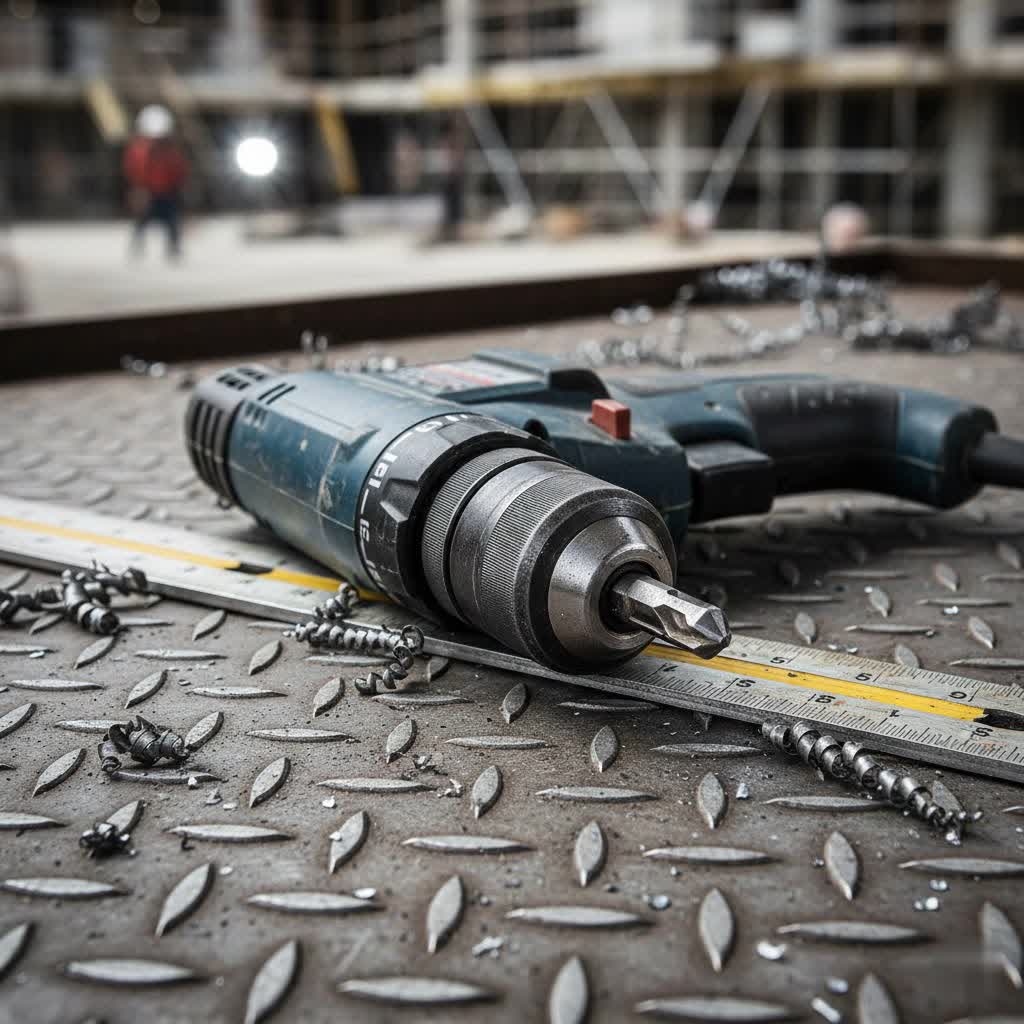
Stepping into a home renovation project or a professional construction site, you quickly realize that some tasks demand more than just a standard drill. Whether you’re a seasoned technician or a dedicated DIYer, tackling dense materials like concrete, stone, and brick requires a specialized tool designed for the job: the electric rotary hammer drill. This guide will walk you through everything you need to know about these formidable machines, helping you make an informed decision and master their use.
Overview of Electric Rotary Hammer Drills
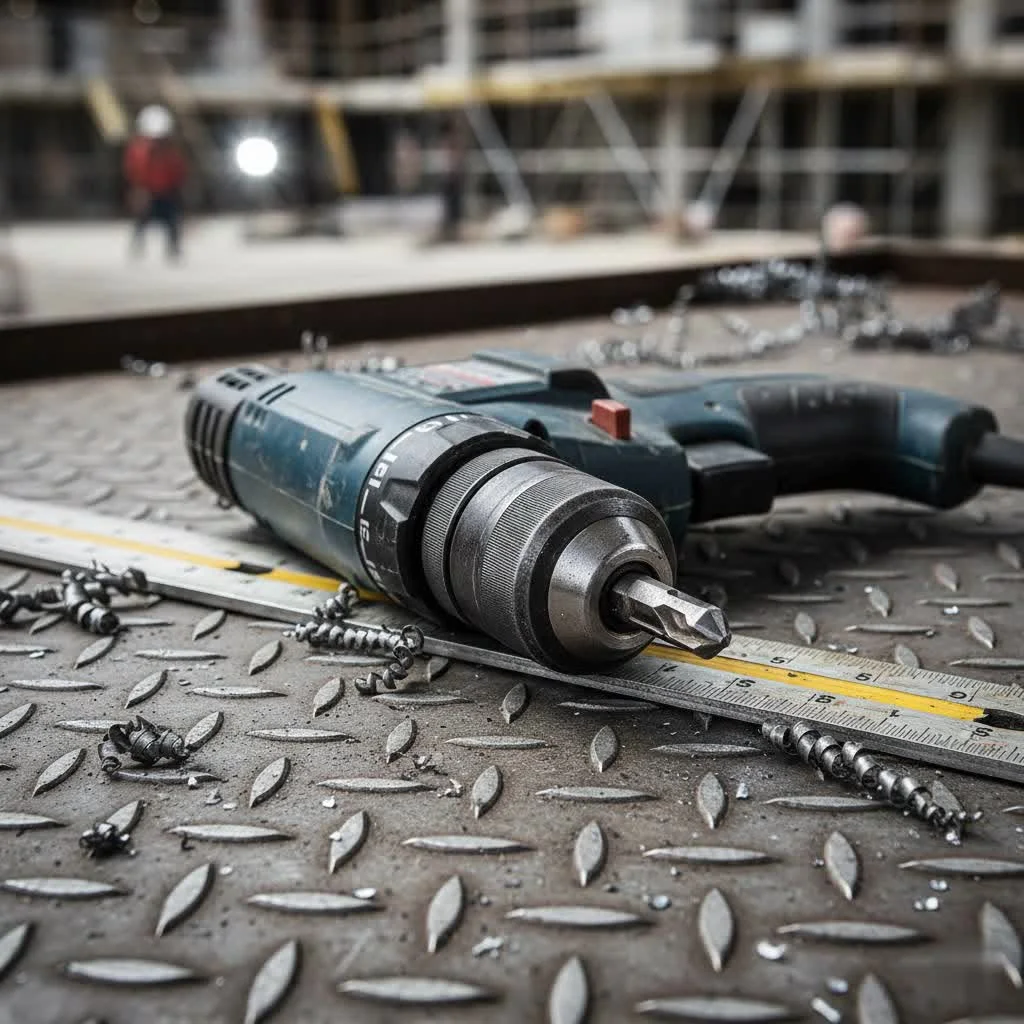
An electric rotary hammer drill is a robust power tool engineered to handle demanding drilling and light demolition tasks in tough materials. Unlike conventional drills that rely solely on rotational force, or even standard hammer drills that use a basic impact mechanism, rotary hammer drills employ a sophisticated piston-driven system. This mechanism generates powerful, rapid hammering action, allowing the tool to effectively bore into and break through hardened surfaces.
The history of drilling tools has seen remarkable evolution, from simple hand augers to the modern marvels of today. Early electric drills provided rotational power, but the need to work with masonry led to the development of impact mechanisms. The rotary hammer drill marked a significant leap, introducing a pneumatic hammering action that far surpassed its predecessors in efficiency and power, solidifying its place as an indispensable tool in construction and heavy-duty DIY.
Across the market, electric rotary hammer drills come in various forms, primarily categorized by their power, chuck type, and specialized functions. You’ll find models suited for everything from light-duty masonry work to extensive concrete demolition, each designed with specific applications and material strengths in mind.
Detailed Classification of Electric Rotary Hammer Drills
While often grouped under the broad term “hammer drill,” it’s crucial to distinguish between different types of drilling tools, especially the electric rotary hammer drill, which stands apart due to its unique internal mechanism and superior performance in tough materials.
Rotary Hammer Drill (Máy Khoan Búa)
The electric rotary hammer drill, sometimes simply called a “roto-hammer,” is the powerhouse of masonry drilling. It uses a piston-driven air compression system to deliver a much more powerful impact energy (measured in joules or foot-pounds) than a regular hammer drill. This piston mechanism creates a forceful, concentrated blow directly to the drill bit, pulverizing material more effectively.
- Advantages: Exceptional drilling speed and power in concrete, stone, and brick; capable of drilling larger diameter holes; multi-mode functionality (drill, hammer drill, hammer-only for chiseling); highly durable for professional, heavy-duty use.
- Disadvantages: Generally heavier and bulkier; higher cost; can be overkill for lighter tasks, potentially causing damage.
- Suitable Applications: Drilling anchor holes in concrete, rebar installations, extensive masonry work, light concrete demolition, chiseling tiles or mortar, breaking up tough materials.
- Comparison: Far superior to hammer drills for heavy-duty concrete and masonry work due to its dedicated pneumatic hammering mechanism.
Hammer Drill (Máy Khoan Vặn Vít / Máy Khoan Động Lực, often confused in Vietnamese)
|
Our Picks for the Best Electric Drill in 2026
As an Amazon Associate I earn from qualifying purchases.
|
||
| Num | Product | Action |
|---|---|---|
| 1 | Hoteche 320W 10mm Torque Drill, 19+1 Torque Settings Corded Electric Drill for Metal (10mm) & Wood (20mm), Yellow, Color Box Packaging |

|
| 2 | PULITUO'S 20V Cordless Drill/Driver, Electric Screwdriver - 2 Batteries, 30Nm, 21+1 Torque, 2 Speed, Keyless 3/8" Chase Drill with LED Light, Kit for Home (Green) |
|
| 3 | BLACK+DECKER 20V MAX* POWERCONNECT Cordless Drill Driver Kit with Drill Bit Set and Sockets, 100 pc. Tool Kit for Home, Battery and Charger Included ,Orange (BDC120VA100) |
|
| 4 | Cordless Drill Set, VIWKO 20V Power Drill with Power Pack 2.0Ah and Charger, 3/8-Inch Keyless Chuck Electricdrill, 25+1 Torque, 42pcs Drilldriver Bits/Screws for DIY Projects (Red) |
|
| 5 | 20V Cordless Drill, Electric Power Drill Set with Battery Charger and Carrying Case, 3/8” Keyless Chuck, 2 Variable Speed, 18+3 Torque, 72pcs Driver Bits and Belt Hook, Red |
|
| 6 | AVID POWER 20V MAX Lithium lon Cordless Drill Set, Power Drill Kit with Battery and Charger, 3/8-Inch Keyless Chuck, Variable Speed, 16 Position and 22pcs Drill Bits (Red) |
|
| 7 | FADAKWALT Cordless Drill Set,12V Power Drill Set with Battery and Charger, Electric Driver/Drill Bits, 3/8'' Keyless Chuck,21+1 Torque Setting, 180 inch-lbs, with LED Electric Drill Set (Green) |
|
| 8 | DEWALT 20V MAX Cordless Drill Driver Set, Electric Drill, Brushless 1/2 In 2 Speed, 2.0 Ah Battery and Charger Included, LED Light (DCD777D1) |
|
| 9 | DEWALT 20V Max Cordless Drill Driver Set, 2 Speed, High Performance Motor, Includes 2 XR 1.3Ah Li-Ion Batteries, Charger and Contractor Bag (DCD771C2) |
|
| 10 | COMOWARE 20V Cordless Drill, Electric Power Drill Set with 1 Battery & Charger, 3/8” Keyless Chuck, 2 Variable Speed, 266 In-lb Torque, 25+1 Position and 34pcs Drill/Driver Bits |
|
It’s important to clarify that in English, a “hammer drill” (often translated as Máy Khoan Động Lực or Máy Khoan Búa for lighter versions in Vietnamese context, and Máy Khoan Vặn Vít is actually an “impact driver” or “drill/driver” with screw driving capabilities) operates differently from a rotary hammer. A standard hammer drill uses two ridged discs that “chatter” against each other to create a hammering action. This mechanism provides a rapid, lower-force impact suitable for less demanding tasks.
- Advantages: Lighter and more compact than rotary hammers; versatile for light masonry (brick, mortar, concrete block) and standard drilling (wood, metal); often more affordable.
- Disadvantages: Less powerful impact energy; struggles with dense, poured concrete or large holes; not ideal for chiseling or demolition.
- Suitable Applications: Drilling small to medium holes in brick, mortar, concrete blocks, and occasional poured concrete; general drilling in wood, plastic, and metal (when hammer function is disengaged).
- Comparison: Less powerful and efficient for heavy-duty masonry compared to a rotary hammer. The impact is generated mechanically through a clutch-like action, not pneumatically.
Impact Driver (Máy Khoan Vặn Vít)
An impact driver is specifically designed for driving screws and fasteners, delivering high rotational torque with quick, powerful bursts of impact to prevent cam-out and make driving easier. It is generally not used for drilling holes in masonry.
- Advantages: Excellent for driving long screws quickly; very high torque; compact and lightweight.
- Disadvantages: Not designed for drilling holes in hard materials; no hammer-drilling function for masonry.
- Suitable Applications: Driving fasteners, assembling furniture, deck building.
- Comparison: Not a drilling tool for masonry; its impact mechanism is for rotational force, not axial hammering.
Magnetic Drill (Máy Khoan Từ)
A magnetic drill, or mag drill, is a specialized drilling machine primarily used in metalworking to drill precise holes in steel. It features a powerful electromagnetic base that adheres to ferrous metal surfaces, allowing for stable and accurate drilling, often with annular cutters.
- Advantages: Extremely precise and stable drilling in metal; ideal for large-diameter holes in thick steel; portable for on-site metal fabrication.
- Disadvantages: Only works on magnetic materials; heavy and specialized; not suitable for masonry or general drilling.
- Suitable Applications: Structural steel fabrication, bridge construction, heavy machinery repair.
- Comparison: A highly specialized tool for metal, entirely different in function and application from rotary hammer drills.
Comparative Table of Drilling Tools
Understanding the differences between common drilling tools is essential for selecting the right one for your job. Here’s a comparative overview:
| Feature | Electric Rotary Hammer Drill | Hammer Drill | Impact Driver |
|---|---|---|---|
| Primary Use | Heavy-duty concrete/masonry, chiseling | Light-duty masonry, general drilling | Driving screws/fasteners |
| Impact Mech. | Pneumatic (piston-driven) | Mechanical (chattering discs) | Rotational (tangential blows) |
| Impact Energy | High (Joules/ft-lbs) | Medium (BPM) | Very high torque, low axial impact |
| Chuck Type | SDS-Plus, SDS-Max | Keyed/Keyless (Jacob’s) | Hex (1/4 inch) |
| Modes | Drill, Hammer Drill, Hammer Only | Drill, Hammer Drill | Drive (impact) |
| Best For | Large holes in concrete, demolition, rebar | Small holes in brick/block, general drilling | Fastening, driving screws |
| Cost | Higher | Medium | Medium |
| Weight/Size | Heavier, larger | Lighter, compact | Lightest, very compact |
Overall Assessment: The electric rotary hammer drill is unmatched for serious masonry and concrete work, offering power and durability that other drills cannot. While a hammer drill offers versatility for light masonry and general tasks, it lacks the sheer force for challenging materials. Impact drivers are champions for fastening, not drilling masonry. Magnetic drills are in a league of their own for metalwork.
“For drilling into hardened concrete or performing light demolition, a rotary hammer is not just an option, it’s a necessity. Its piston-driven mechanism truly sets it apart from all other drills.” – Johnathan Reed, Master Tradesman and Tool Expert
How to Choose the Right Electric Rotary Hammer Drill
Selecting the ideal electric rotary hammer drill requires a careful assessment of your specific needs, project demands, and the tool’s technical specifications.
Determine Your Usage Needs
Before anything else, consider what you’ll primarily be using the drill for:
- Main Purpose: Will you be drilling into concrete, brick, stone, or performing light chiseling? Are the tasks occasional DIY projects or daily professional work? For heavy-duty construction, choose a model with higher impact energy. For home renovations involving light masonry, a more compact option might suffice.
- Material to Drill: Concrete requires significant power (higher joules), while brick and mortar may be handled by models with moderate impact. Consider reinforced concrete, which demands even more robust performance.
- Frequency of Use: Occasional users might prioritize budget and versatility, while daily professionals need durability, comfort features, and sustained power. Corded models often offer consistent power for prolonged use, while cordless options provide mobility for intermittent tasks.
Budget
Your budget will inevitably influence your choice, but remember that investing in a quality tool often pays off in performance, durability, and safety.
- Entry-Level (around $150-$250): Suitable for light to medium-duty DIY tasks, offering basic hammer drilling and drilling modes. Impact energy typically ranges from 1.5 to 3 ft-lbs.
- Mid-Range ($250-$500): Provides a good balance of power, features, and durability for serious DIYers and semi-professionals. Expect higher impact energy (3-6 ft-lbs), better vibration control, and often multiple modes including chiseling.
- Professional/High-End (over $500): Designed for continuous, heavy-duty commercial use. These drills offer superior impact energy (6+ ft-lbs), advanced ergonomics, robust construction, and often SDS-Max chucks for larger bits.
Critical Technical Specifications
Delving into the technical details will help you match the drill to your toughest jobs.
- Power (Wattage/Amperage): Higher wattage (for corded) or amperage (for corded, or voltage for cordless) generally indicates a more powerful motor, capable of sustained performance in challenging materials. Look for 800W+ for good performance.
- Impact Energy (Joules/Foot-Pounds): This is arguably the most crucial specification for a rotary hammer. Measured in joules (J) or foot-pounds (ft-lbs), it quantifies the force of each blow. For construction work, aim for at least 2 J, with 4-6 J recommended for regular light demolition, and 8-10 J for daily versatile use. Heavy-duty applications can demand over 10 J.
- Speed (RPM – Revolutions Per Minute): Variable speed settings are vital for versatility. Higher RPM (e.g., above 1000 RPM) is good for drilling into wood or metal, while lower speeds are better for controlled hammering in hard materials. Speed control allows adaptation to different tasks and materials.
- Blows Per Minute (BPM): Also known as impact frequency, this indicates how many times the hammer mechanism strikes the bit per minute. Higher BPM (e.g., above 4000 BPM) helps for efficient drilling in hard materials.
- Chuck Type (SDS-Plus, SDS-Max):
- SDS-Plus: The most common type for rotary hammers, suitable for drills up to about 1-inch concrete capacity. It allows bits to slide within the chuck, enhancing the hammering action.
- SDS-Max: Designed for larger, more powerful rotary hammers, typically for drilling holes over 1 inch in diameter and heavier chiseling. These chucks handle more torque and impact energy.
- Note: Both SDS systems allow for quick, tool-free bit changes and provide a secure grip while enabling the necessary back-and-forth movement for hammering.
- Functions (Drill, Hammer Drill, Chisel): Many rotary hammer drills offer multiple modes. A “drill-only” mode is for standard drilling in wood or metal. “Hammer drill” combines rotation and hammering for masonry. “Hammer-only” mode allows the tool to function as a light demolition hammer for chiseling, breaking tiles, or removing mortar.
Brand and Reliability
Opt for reputable brands known for their quality, durability, and customer support. Brands like Bosch, Makita, DeWalt, Metabo, and Hilti are often highly rated in the professional community. Read reviews and look for drills with good warranties. A tool’s reliability ensures long-term performance and reduces unexpected downtime on critical projects.
Supplemental Features
Modern rotary hammer drills come with a host of features designed to enhance user experience and safety:
- LED Light: Illuminates the work area, especially useful in dimly lit spaces.
- Variable Speed Control: Allows precise adjustment of drilling speed, crucial for different materials and tasks.
- Anti-Vibration System: Reduces user fatigue and improves comfort during prolonged use, often achieved through dampening mechanisms in the handle.
- Safety Clutch: Automatically disengages the drive if the bit binds, protecting both the user from sudden torque reaction and the tool from damage.
- Depth Stop: A rod attached to the side handle that helps drill holes to a precise, consistent depth, preventing over-drilling.
- Battery (for Cordless Models): Consider battery voltage (e.g., 18V, 20V, 36V) and amp-hours (Ah) for runtime. Brushless motors are more efficient and durable, offering longer battery life and increased power.
Safe Usage and Maintenance Tips for Electric Rotary Hammer Drills
Operating an electric rotary hammer drill safely and maintaining it properly are paramount to maximizing its lifespan and ensuring efficient work.
Correct Usage Guidelines
- Read the Manual: Always familiarize yourself with your specific tool’s operating instructions, safety features, and recommended applications.
- Select the Right Bit: Use SDS-Plus or SDS-Max bits specifically designed for rotary hammers and appropriate for the material you are drilling. Ensure bits are sharp and in good condition.
- Choose the Correct Mode: Switch to “hammer drill” for masonry, “drill only” for wood/metal, and “hammer only” for chiseling. Using the wrong mode can damage the material or the tool.
- Secure Your Workpiece: Always clamp or secure the material you are drilling into to prevent movement and ensure safety.
- Proper Grip and Stance: Hold the drill firmly with both hands, using the auxiliary handle for control. Maintain a balanced stance to brace against torque.
- Start Slowly and Apply Steady Pressure: Begin drilling at a slow speed to prevent the bit from “walking,” then increase speed and apply steady, consistent pressure. Avoid excessive force, which can slow drilling and cause wear.
- Clear Debris: Periodically pull the drill bit out of the hole to clear debris from the flutes. This reduces friction, prevents binding, and extends bit life.
- Use a Depth Stop: Utilize the depth stop feature to drill holes to a precise depth, saving time and preventing damage.
- Avoid Overheating: For extended tasks, allow the drill to cool down periodically, especially if it feels hot. Overheating can damage the motor.
Essential Safety Precautions
- Personal Protective Equipment (PPE): Always wear safety glasses to protect against flying debris. Hearing protection is crucial due to the high noise levels. Work gloves provide grip and protect hands. A dust mask is recommended when drilling masonry to avoid inhaling fine particles.
- Check the Tool: Before each use, inspect the power cord (if corded) for damage, and ensure all handles and guards are securely attached. For cordless drills, check the battery for damage.
- Clear the Area: Ensure your work area is free of obstructions, especially electrical wires or plumbing pipes that could be damaged. Use a stud finder or wire detector if unsure.
- Be Aware of Kickback: Rotary hammers can generate significant torque. Be prepared for potential kickback if the bit jams, especially when working with rebar in concrete. A safety clutch helps mitigate this risk.
- Maintain Your Balance: Never overreach or work in an unstable position.
Tool Maintenance for Longevity
- Regular Cleaning: After each use, clean the drill thoroughly to remove dust and debris, especially from ventilation slots and the chuck area. A soft brush or compressed air works well.
- Lubrication: Consult your owner’s manual for specific lubrication requirements. Some rotary hammers require periodic greasing of the hammer mechanism.
- Bit Inspection: Regularly inspect drill bits for wear, damage, or dullness. Replace worn bits to ensure efficient drilling and prevent strain on the tool.
- Store Properly: Store your rotary hammer in a clean, dry place, ideally in its original case, to protect it from dust, moisture, and impact.
- Cord/Battery Care: For corded drills, coil the cord neatly without kinks. For cordless models, keep batteries charged and stored in a moderate temperature environment.
By adhering to these usage and maintenance guidelines, your electric rotary hammer drill will perform reliably and safely for years to come.
Conclusion
The electric rotary hammer drill is an indispensable tool for anyone serious about tackling challenging drilling tasks in concrete, masonry, and stone. Its superior pneumatic hammering mechanism sets it apart from conventional drills and even standard hammer drills, making light work of what would otherwise be arduous jobs. From its powerful impact energy and versatile modes to crucial features like anti-vibration systems and SDS chucks, understanding these tools is key to unlocking their full potential.
By carefully considering your project needs, budget, and the technical specifications, you can select a rotary hammer drill that not only meets but exceeds your expectations. Remember, safety and proper maintenance are as important as the tool’s power, ensuring both your well-being and the longevity of your investment.
Are you ready to experience the unmatched power and efficiency of a dedicated electric rotary hammer drill in your next demanding project?
Frequently Asked Questions
What makes an electric rotary hammer drill different from a regular hammer drill?
An electric rotary hammer drill utilizes a piston-driven pneumatic mechanism to create a powerful, rapid hammering action, delivering significantly higher impact energy (joules) suitable for heavy-duty concrete and masonry. In contrast, a regular hammer drill uses a mechanical “chattering” action from two ridged discs, providing less impact force and generally suited for lighter masonry tasks.
Can I use standard drill bits with a rotary hammer drill?
Generally, no. Rotary hammer drills are designed for specialized SDS-Plus or SDS-Max bits, which have grooves that lock securely into the chuck while allowing the bit to move back and forth for the hammering action. However, some rotary hammers can use an SDS-to-standard chuck adapter for drilling in wood or metal, but only in drill-only mode.
What does “impact energy” in joules mean for a rotary hammer drill?
Impact energy, measured in joules (J) or foot-pounds (ft-lbs), indicates the force of each blow delivered by the hammer mechanism. A higher joule rating means a more powerful impact, allowing the drill to penetrate harder materials like concrete more efficiently and drill larger holes faster.
Is a corded or cordless electric rotary hammer drill better?
Both have advantages. Corded rotary hammer drills typically offer consistent, sustained power for prolonged heavy-duty tasks without needing battery changes. Cordless models provide excellent mobility and convenience for jobs without immediate power access, though battery life and weight are key considerations. The “better” choice depends on your specific application and job site conditions.
What are the main applications for the “hammer only” mode?
The “hammer only” mode (sometimes called chisel mode) disengages the rotation, allowing the rotary hammer drill to function as a miniature jackhammer or chipping hammer. This mode is ideal for tasks such as breaking up small sections of concrete, chiseling out mortar, removing old tiles, or light demolition work.
Get our weekly buyer guide
Practical specs, not advice. Unsubscribe anytime.
