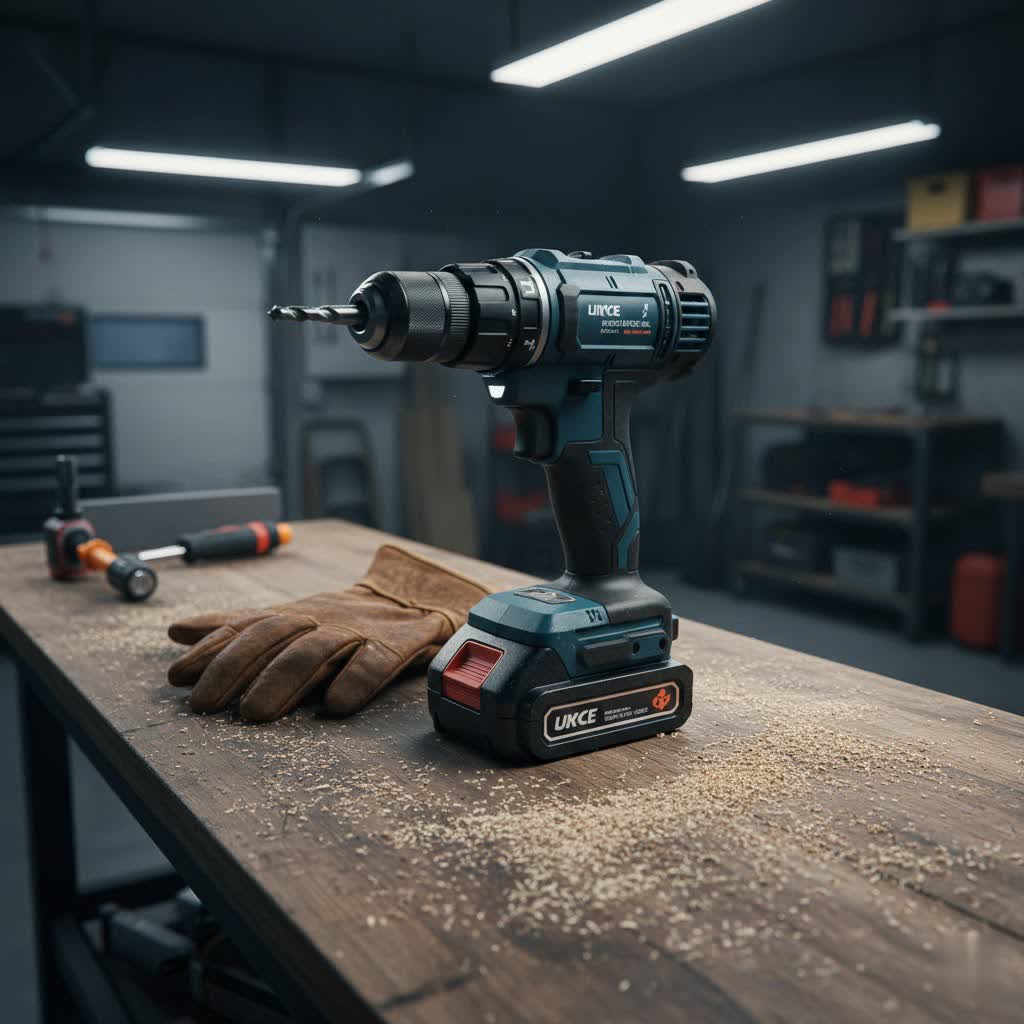
Electric drills are indispensable tools for homeowners, DIY enthusiasts, and many professionals, transforming strenuous manual tasks into quick, precise operations. Among the myriad brands, Ryobi has carved out a significant niche, particularly with its extensive 18V ONE+ cordless system, offering a balance of performance, versatility, and affordability. Whether you’re hanging a picture, assembling furniture, or tackling a serious renovation, understanding the nuances of Ryobi electric drills can empower you to choose the perfect tool for your needs.
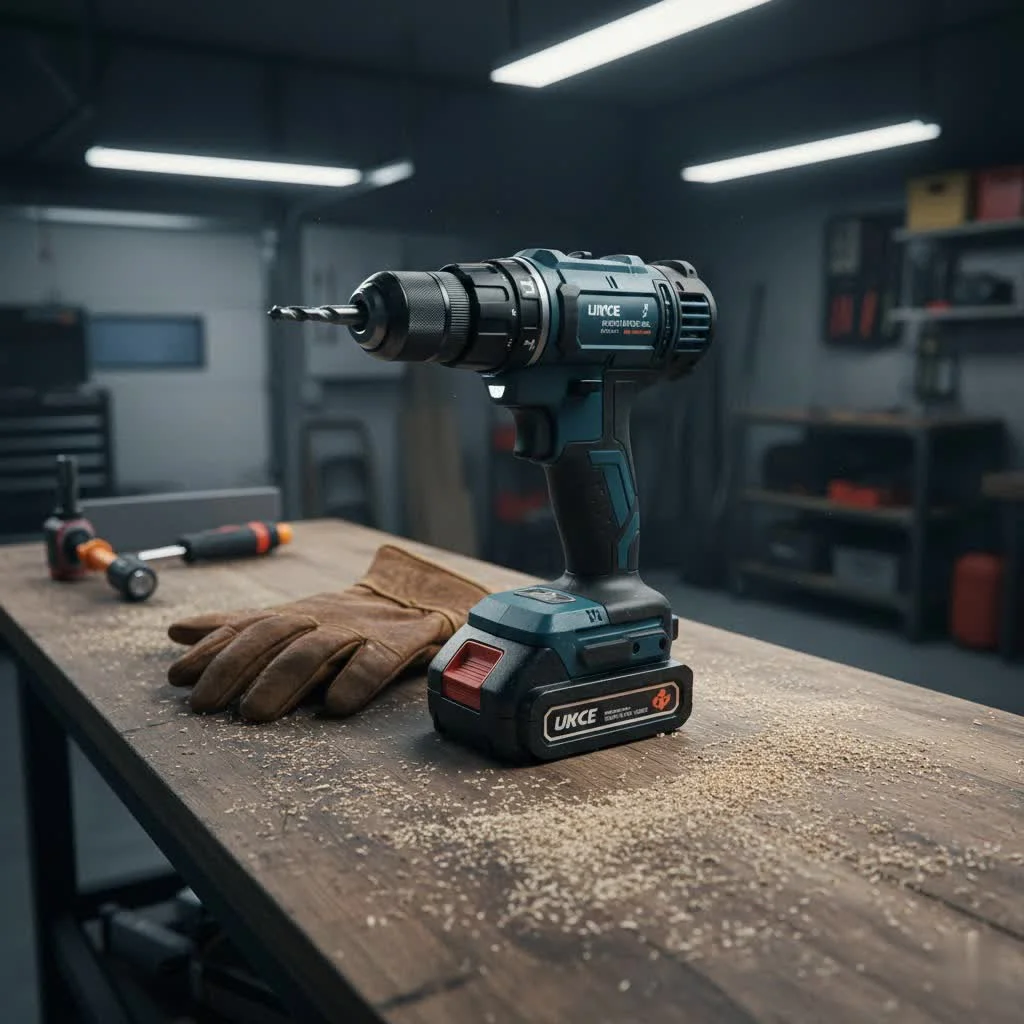
Overview of Electric Drills
At its core, an electric drill is a power tool designed to bore holes into various materials and drive fasteners like screws and bolts. The evolution of electric drills has been remarkable, moving from cumbersome corded models to highly efficient, portable cordless units, largely powered by advanced lithium-ion battery technology. These modern drills, including the popular Ryobi electric drills, now offer features like variable speeds, adjustable torque, and even specialized hammering actions, making them versatile companions for almost any task.
The market offers several types of electric drills, each engineered for specific applications. From basic drill drivers perfect for everyday tasks to robust rotary hammer drills built for heavy-duty masonry work, understanding these classifications is crucial. Ryobi excels in the cordless segment, with its 18V ONE+ system providing a common battery platform across hundreds of tools, a significant advantage for expanding your toolkit without accumulating multiple chargers and battery types.
Detailed Classification of Electric Drills
Ryobi offers a comprehensive range of drills within its 18V ONE+ system, catering to diverse project requirements. Understanding the specific functionalities of each type will guide you to the optimal choice.
Hammer Drills
Hammer drills, often referred to as “combi drills” in some markets, combine the rotational drilling action of a standard drill driver with a percussive, hammering motion. This impact feature allows the drill bit to chip away at tough materials while rotating, making it highly effective for drilling into masonry.
- Advantages: Excellent for brick, concrete, and stone. Versatile enough to switch off the hammer function for regular drilling into wood or metal. Ryobi’s 18V HP Brushless Hammer Drills, like the PBLHM102 and PSBHM02, offer significant power and efficiency.
- Disadvantages: Generally heavier and bulkier than standard drill drivers due to the internal hammer mechanism. While effective for light to medium masonry, they don’t match the raw power of dedicated rotary hammer drills for very demanding concrete work.
- Applications: Installing shelves into brick walls, mounting TVs to concrete, light demolition, and general-purpose drilling where masonry might be encountered.
- Comparison: A hammer drill provides more force than a standard drill driver for masonry but less intense impact than an SDS+ rotary hammer. It offers a balance between versatility and specialized function.
Drill Drivers
The drill driver is arguably the most common and versatile type of electric drill. It’s designed primarily for drilling holes into various materials and driving screws with precision.
- Advantages: Lightweight, compact, and highly maneuverable. Features a clutch mechanism with multiple settings to control torque, preventing over-driving screws or damaging delicate materials. Excellent for general household tasks and detailed work. Ryobi’s 18V ONE+ Cordless 1/2-inch Drill/Driver (PCL206 or PSBDD02) is a popular choice for its balance of power and value.
- Disadvantages: Lacks the hammering action for masonry and the high torque impact drivers provide for heavy-duty fastening.
- Applications: Assembling flat-pack furniture, hanging pictures, drilling pilot holes in wood or metal, tightening loose screws, and general DIY projects around the house.
- Comparison: More about finesse and versatility for everyday drilling and driving compared to the brute force of impact drivers or hammer drills.
Impact Drivers
Unlike traditional drill drivers, impact drivers are specialized for fastening tasks, delivering quick, short bursts of rotational force (impacts) in addition to continuous rotation. This unique mechanism allows them to drive long, stubborn screws and bolts with significantly less effort and fatigue for the user.
- Advantages: Exceptional torque for driving large fasteners, lag bolts, and screws into dense materials like thick wood or metal. More compact and lighter than many drills, making them ideal for overhead work or tight spaces. Ryobi’s 18V ONE+ HP Cordless Brushless Performance Impact Driver is known for its high torque output.
- Disadvantages: Not ideal for drilling holes, especially larger ones or in masonry. They lack the adjustable clutch settings of a drill driver, making precise torque control difficult and risking over-driving or stripping screws in softer materials.
- Applications: Deck building, framing, driving self-tapping screws, automotive work, and any task requiring high-volume or heavy-duty fastening.
- Comparison: While a drill driver spins continuously, an impact driver “hammers” rotationally, applying immense torque to fastening tasks that would stall a regular drill.
Rotary Hammer Drills (SDS+)
Rotary hammer drills, particularly those with SDS+ chucks, are purpose-built for heavy-duty drilling into concrete, stone, and other tough masonry. They use a piston mechanism to deliver powerful, pneumatic hammering blows, far exceeding the percussive action of a standard hammer drill.
- Advantages: Superior drilling speed and power in concrete and masonry. Many models include a chisel function for light demolition, such as removing tiles. Ryobi’s 18V ONE+ HP Brushless 1-inch SDS-Plus Rotary Hammer (P223) features anti-vibration technology and multi-mode operation.
- Disadvantages: Significantly larger, heavier, and more expensive than other drill types. Not suitable for delicate drilling or driving screws. Requires specialized SDS+ bits.
- Applications: Professional construction, installing anchor bolts in concrete, breaking up small sections of concrete, and extensive masonry work.
- Comparison: When it comes to brute force for hard materials, an SDS+ rotary hammer leaves standard hammer drills and drill drivers far behind.
Magnetic Drills
Magnetic drills are heavy-duty, industrial tools designed for precision drilling into thick metal, typically structural steel. They feature an electromagnetic base that clamps securely onto the metal surface, allowing for stable and accurate drilling of large holes with specialized cutters (annular cutters).
- Advantages: Unparalleled stability and precision for drilling large diameter holes in thick metal, especially vertically or overhead.
- Disadvantages: Highly specialized, heavy, and expensive. Not designed for general-purpose drilling or other materials.
- Applications: Fabricating steel structures, bridge construction, heavy machinery repair, and other industrial metalworking tasks.
- Note on Ryobi: While Ryobi offers a vast range of power tools, magnetic drills are highly specialized industrial equipment and are not typically found within Ryobi’s primary 18V ONE+ cordless lineup, which focuses on versatile, portable solutions for homeowners and tradespeople. Therefore, you won’t typically find a Ryobi-branded magnetic drill for sale.
Comparison Table of Ryobi Electric Drills
|
Our Picks for the Best Electric Drill in 2026
As an Amazon Associate I earn from qualifying purchases.
|
||
| Num | Product | Action |
|---|---|---|
| 1 | DEWALT 20V Max Cordless Drill Driver Set, 2 Speed, High Performance Motor, Includes 2 XR 1.3Ah Li-Ion Batteries, Charger and Contractor Bag (DCD771C2) |

|
| 2 | COMOWARE 20V Cordless Drill, Electric Power Drill Set with 1 Battery & Charger, 3/8” Keyless Chuck, 2 Variable Speed, 266 In-lb Torque, 25+1 Position and 34pcs Drill/Driver Bits |
|
| 3 | PULITUO'S 20V Cordless Drill/Driver, Electric Screwdriver - 2 Batteries, 30Nm, 21+1 Torque, 2 Speed, Keyless 3/8" Chase Drill with LED Light, Kit for Home (Green) |
|
| 4 | Hoteche 320W 10mm Torque Drill, 19+1 Torque Settings Corded Electric Drill for Metal (10mm) & Wood (20mm), Yellow, Color Box Packaging |
|
| 5 | Cordless Drill Set, VIWKO 20V Power Drill with Power Pack 2.0Ah and Charger, 3/8-Inch Keyless Chuck Electricdrill, 25+1 Torque, 42pcs Drilldriver Bits/Screws for DIY Projects (Red) |
|
| 6 | 20V Cordless Drill, Electric Power Drill Set with Battery Charger and Carrying Case, 3/8” Keyless Chuck, 2 Variable Speed, 18+3 Torque, 72pcs Driver Bits and Belt Hook, Red |
|
| 7 | BLACK+DECKER 20V MAX* POWERCONNECT Cordless Drill Driver Kit with Drill Bit Set and Sockets, 100 pc. Tool Kit for Home, Battery and Charger Included ,Orange (BDC120VA100) |
|
| 8 | AVID POWER 20V MAX Lithium lon Cordless Drill Set, Power Drill Kit with Battery and Charger, 3/8-Inch Keyless Chuck, Variable Speed, 16 Position and 22pcs Drill Bits (Red) |
|
| 9 | FADAKWALT Cordless Drill Set,12V Power Drill Set with Battery and Charger, Electric Driver/Drill Bits, 3/8'' Keyless Chuck,21+1 Torque Setting, 180 inch-lbs, with LED Electric Drill Set (Green) |
|
| 10 | DEWALT 20V MAX Cordless Drill Driver Set, Electric Drill, Brushless 1/2 In 2 Speed, 2.0 Ah Battery and Charger Included, LED Light (DCD777D1) |
|
To help you visualize the differences, here’s a comparison of common Ryobi drill types:
| Drill Type | Motor Type | Max Torque (in-lbs) | Max RPM | Hammer Rate (BPM) | Chuck Type/Size | Best Use | Example Ryobi Model |
|---|---|---|---|---|---|---|---|
| Drill Driver | Brushed/Brushless | 450 – 515 | 1700 – 1750 | N/A | 1/2″ Keyless Ratcheting | General drilling (wood, metal, plastic) & screwdriving | PCL206 (Brushed) |
| Combi/Hammer Drill | Brushed/Brushless | 450 – 850 | 1700 – 2150 | 27,200 – 34,400 | 1/2″ Keyless Ratcheting | Versatile drilling (wood, metal, plastic, light masonry) & screwdriving | PBLHM102 (Brushless HP) |
| Impact Driver | Brushless (Ryobi HP) | 3000+ (fastening) | N/A (impact-based) | N/A | 1/4″ Hex Quick Release | Heavy-duty fastening (long screws, lag bolts) | PBLID04 (Brushless HP) |
| Rotary Hammer (SDS+) | Brushless | N/A (impact energy) | 1380 – 2100 | 5000 – 31,000 | SDS+ | Heavy-duty masonry drilling (concrete, stone), chiseling | P223 (Brushless SDS+) |
Note: Specifications can vary by specific model within each type, especially between brushed and HP brushless versions. The torque for impact drivers is typically much higher for fastening than traditional drills.
Guide to Choosing the Right Ryobi Electric Drill
Selecting the perfect Ryobi electric drill involves a thoughtful assessment of your specific needs, budget, and the features that matter most for your projects.
Determine Your Needs
Start by clarifying what you’ll primarily use the drill for.
- Purpose: Are you a DIYer, a hobbyist, or a professional? Ryobi tools are generally well-suited for home use and light-to-medium professional tasks, offering great value for “weekend warriors”.
- Materials: Will you be drilling into soft wood, tough metal, plastic, or hard concrete and brick? This dictates whether you need a basic drill driver, a hammer drill, or a more powerful rotary hammer.
- Frequency: Occasional use for small fixes might mean a budget-friendly brushed model is sufficient, while frequent, demanding work justifies investing in a brushless HP model for durability and performance.
Budget
Ryobi is known for its competitive pricing, especially for its 18V ONE+ system.
- Cost-effectiveness: Consider purchasing a bare tool if you already own Ryobi 18V ONE+ batteries and a charger. If not, a kit (tool, battery, charger) often provides the best initial value. Ryobi offers options from budget-friendly brushed kits (like the PCL206K1) to higher-performance HP brushless models.
- Long-term Value: Investing in the ONE+ platform means batteries are interchangeable across over 300 tools, saving you money on future tool purchases.
Key Technical Specifications
Understanding these specs will help you compare models effectively.
- Motor Type (Brushed vs. Brushless): Brushless motors (often found in Ryobi’s “HP” line) are more efficient, powerful, durable, and offer longer runtime due to less friction and heat build-up. Brushed motors are more affordable and suitable for occasional use.
- Power (Voltage): Ryobi’s primary cordless line is 18V ONE+. This voltage provides ample power for most common tasks.
- Torque (in-lbs): Measures the rotational force. Higher torque means more power for driving large fasteners or drilling through tough materials. Ryobi drills typically range from 450 to 850 in-lbs for drill/drivers and hammer drills, with impact drivers significantly higher.
- Speed (RPM): Revolutions per minute. Many Ryobi drills have a 2-speed gearbox: a lower speed for high torque applications (driving screws) and a higher speed for faster drilling.
- Chuck Size: 1/2-inch chucks offer greater versatility, accommodating a wider range of drill bits. 3/8-inch chucks are found on more compact or budget models. Keyless ratcheting chucks provide secure bit retention and easy changes.
- Functions: Decide if you need drill-only, drill/driver, hammer drill, or impact driver functionality. Some tools, like combi drills, offer multiple modes.
Brand and Reliability
Ryobi has built a reputation for offering reliable tools that provide excellent value, particularly for the DIY and homeowner market.
- System Compatibility: The 18V ONE+ system is a significant advantage, allowing you to power numerous tools with the same batteries, simplifying your toolkit and saving costs.
- Warranty: Ryobi typically offers a 3-year manufacturer’s warranty on its tools, indicating confidence in their durability.
Additional Features
Modern drills come with features designed to enhance user experience and efficiency.
- LED Worklight: Illuminates the work area, especially useful in dimly lit spaces.
- Belt Clip: Allows for convenient, hands-free carrying while working.
- Auxiliary Handle: Provides extra control and reduces fatigue, especially with higher-torque hammer drills or rotary hammers.
- Anti-Vibration Technology: Reduces user fatigue during prolonged use, particularly with high-impact tools like rotary hammer drills.
- Variable Speed Trigger: Offers precise control over drilling and driving speed.
Tips for Safe Use and Maintenance of Ryobi Electric Drills
To ensure longevity and safe operation of your Ryobi electric drill, follow these essential usage and maintenance practices.
Proper Use
- Match Bit to Task: Always use the correct drill bit for the material and the fastener head. For impact drivers, use only impact-rated bits to prevent shattering.
- Start Slowly: Begin drilling or driving at a slower speed to prevent the bit from “walking” and gradually increase speed once engaged.
- Apply Steady Pressure: Let the tool do the work. Excessive force can overheat the motor or strip fasteners.
- Secure Workpiece: Always clamp your workpiece firmly to prevent it from moving during operation, which can cause injury or damage.
Safety Measures
- Personal Protective Equipment (PPE): Always wear safety glasses to protect against flying debris. Hearing protection is advisable, especially when using hammer drills or rotary hammers.
- Read the Manual: Familiarize yourself with your specific drill’s features, safety instructions, and maintenance schedule.
- Clear Work Area: Keep your workspace clean and free of clutter to prevent tripping hazards.
- Check for Obstructions: Before drilling into walls or other structures, check for electrical wires, pipes, or other hidden obstructions.
- Battery Safety: Use only Ryobi 18V ONE+ batteries and chargers with your Ryobi tools. Avoid damaging batteries or exposing them to extreme temperatures.
Maintenance
- Clean After Use: Wipe down your drill after each use to remove dust, debris, and grime. Use a dry cloth or compressed air; avoid harsh chemicals.
- Inspect Chuck and Bits: Regularly check the chuck for wear or damage, ensuring it securely holds bits. Inspect bits for sharpness and damage, replacing them as needed.
- Battery Care: Store batteries in a cool, dry place. Avoid fully discharging lithium-ion batteries frequently, as this can reduce their lifespan. Keep terminals clean.
- Proper Storage: Store your drill and accessories in their original case or a dedicated tool bag to protect them from impact and environmental damage.
“Ryobi’s commitment to the ONE+ platform means users can expand their tool collection without the hassle and expense of acquiring new battery systems for every tool. It’s a game-changer for accessibility and long-term value.”
Conclusion
Ryobi electric drills stand as a testament to the brand’s dedication to providing accessible, high-performing tools for a wide array of projects. With their expansive 18V ONE+ system, you gain not just a drill, but entry into an ecosystem of over 300 compatible tools, ensuring remarkable versatility and cost efficiency. By understanding the distinct characteristics of drill drivers, hammer drills, impact drivers, and rotary hammer drills, alongside crucial technical specifications and safety protocols, you can confidently select a Ryobi electric drill that perfectly aligns with your project demands. Whether you’re a seasoned professional or just beginning your DIY journey, the right Ryobi drill can elevate your craftsmanship and efficiency. Which Ryobi drill will power your next great project?
Frequently Asked Questions
Are Ryobi HP drills worth the extra cost for DIYers?
Ryobi HP (High Performance) drills typically feature brushless motors and advanced electronics, offering greater power, efficiency, and durability than standard brushed models. For DIYers who tackle frequent or more demanding projects, the enhanced performance and longer tool lifespan often justify the slightly higher investment, providing a smoother and more reliable experience.
Can I use a Ryobi impact driver for drilling holes?
While an impact driver can technically drill small holes in wood or metal using a hex-shank drill bit, it’s not its primary function nor recommended for precise drilling. Impact drivers lack a clutch for torque control, making it easy to over-drill or damage materials, and they are not designed for masonry drilling. A drill driver or combi drill is better suited for drilling tasks.
What does “18V ONE+ System” mean for Ryobi electric drills?
The “18V ONE+ System” signifies that all Ryobi 18-volt cordless tools, including their extensive range of drills, share the same battery platform. This allows you to use any Ryobi 18V ONE+ battery with any Ryobi 18V ONE+ tool, eliminating the need for multiple battery types and chargers, which significantly saves money and reduces clutter.
How long do Ryobi electric drill batteries typically last?
The lifespan of a Ryobi 18V ONE+ battery depends on its Amp-hour (Ah) rating and usage. Smaller batteries (1.5Ah – 2.0Ah) are lighter and good for quick tasks, while larger ones (4.0Ah – 9.0Ah) provide extended runtime for heavier jobs. With proper care and charging, Ryobi lithium-ion batteries can last for several years, often offering thousands of charge cycles.
What’s the main difference between brushed and brushless Ryobi drills for home use?
The main difference lies in their internal motor design. Brushed drills use carbon brushes that create friction and wear over time, while brushless drills use electronics, making them more efficient, powerful, and durable. For home use, a brushed Ryobi drill is perfectly adequate for occasional, lighter tasks. However, for frequent use, tougher materials, or longer runtimes, a brushless Ryobi drill will offer superior performance and longevity.
Get our weekly buyer guide
Practical specs, not advice. Unsubscribe anytime.
