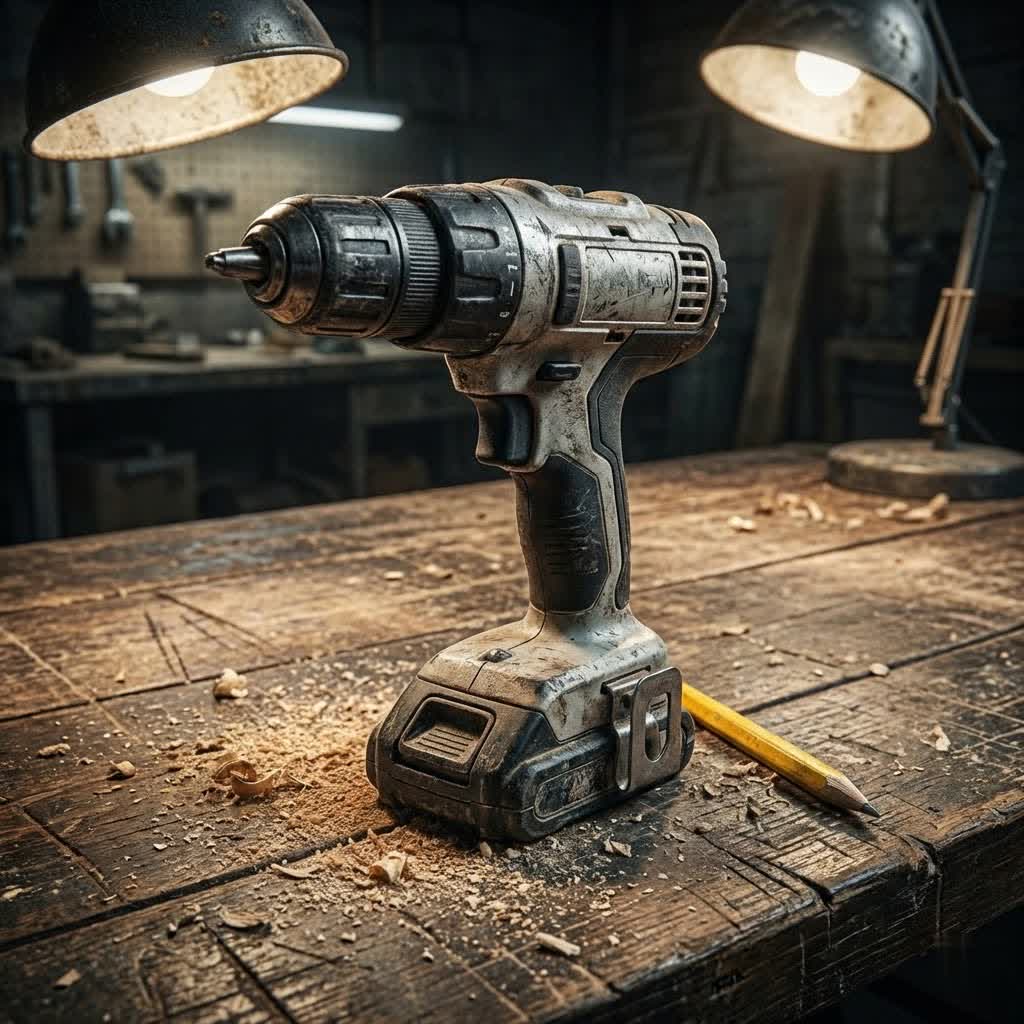
Are you tired of tackling household projects with subpar tools, or perhaps overwhelmed by the high price tags of professional-grade drills? Finding the right electric drill can transform your DIY experience, making tasks from assembling furniture to hanging shelves much simpler and more enjoyable. This comprehensive guide will explore the Hyper Tough Electric Drill, a popular choice for homeowners and DIY enthusiasts looking for reliable performance without breaking the bank. We’ll delve into its features, capabilities, and how it stacks up, helping you decide if this versatile tool is the perfect addition to your toolkit.
Overview of Electric Drills
An electric drill is a fundamental power tool designed to drill holes and drive fasteners into various materials. Its utility spans from simple home repairs to more complex construction projects, making it indispensable for any DIY enthusiast or professional tradesperson. Modern electric drills have evolved significantly from their early, bulky predecessors, now offering a wide range of designs, power sources, and specialized functions.
The history of electric drills dates back to 1895 with the introduction of the first portable electric drill. Since then, continuous innovation has led to lighter, more powerful, and feature-rich models. Today, the market offers a diverse array of drills, categorized by their power source (corded or cordless), specific functionalities (drilling, driving, hammering), and intended applications. This evolution has made powerful drilling technology accessible to everyone, from the casual user to the seasoned expert.
Common types of electric drills you’ll encounter include basic drill drivers, hammer drills for masonry, impact drivers for high-torque fastening, and specialized options like magnetic drills. Each type is engineered for specific tasks, offering varying levels of power, speed, and precision to match the job at hand. Understanding these distinctions is crucial for selecting a tool that not only meets your project requirements but also offers efficiency and safety.
Detailed Classification of Electric Drills
Electric drills come in various forms, each designed for optimal performance in specific scenarios. Understanding these types will help clarify where the Hyper Tough electric drill fits into the broader market.
Hammer Drill
Hammer drills are powerful tools engineered for drilling into tough materials like concrete, brick, and stone. They combine rotational motion with a percussive hammering action, effectively chipping away at hard surfaces while rotating a drill bit. This dual action significantly speeds up drilling in masonry compared to standard drills.
- Advantages: Excellent for drilling into hard materials, efficient for masonry work, often includes a drill-only mode for versatility.
- Disadvantages: Heavier and bulkier than standard drills, more expensive, can be overkill for general household tasks.
- Suitable Applications: Installing anchors in concrete, drilling holes for plumbing or electrical conduits in masonry, bricklaying.
- Comparison: Unlike a standard drill that only rotates, a hammer drill adds a forceful forward-and-backward impact, making it indispensable for concrete and stone work.
|
Our Picks for the Best Electric Drill in 2026
We may earn a commission when you use one of our links to make a purchase.
|
||
| Num | Product | Action |
|---|---|---|
| 1 | COMOWARE 20V Cordless Drill, Electric Power Drill Set with 1 Battery & Charger, 3/8” Keyless Chuck, 2 Variable Speed, 266 In-lb Torque, 25+1 Position and 34pcs Drill/Driver Bits |

|
| 2 | FADAKWALT Cordless Drill Set,12V Power Drill Set with Battery and Charger, Electric Driver/Drill Bits, 3/8'' Keyless Chuck,21+1 Torque Setting, 180 inch-lbs, with LED Electric Drill Set (Green) |
|
| 3 | BLACK+DECKER 20V MAX* POWERCONNECT Cordless Drill Driver Kit with Drill Bit Set and Sockets, 100 pc. Tool Kit for Home, Battery and Charger Included ,Orange (BDC120VA100) |
|
| 4 | Cordless Drill Set, VIWKO 20V Power Drill with Power Pack 2.0Ah and Charger, 3/8-Inch Keyless Chuck Electricdrill, 25+1 Torque, 42pcs Drilldriver Bits/Screws for DIY Projects (Red) |
|
| 5 | 20V Cordless Drill, Electric Power Drill Set with Battery Charger and Carrying Case, 3/8” Keyless Chuck, 2 Variable Speed, 18+3 Torque, 72pcs Driver Bits and Belt Hook, Red |
|
| 6 | AVID POWER 20V MAX Lithium lon Cordless Drill Set, Power Drill Kit with Battery and Charger, 3/8-Inch Keyless Chuck, Variable Speed, 16 Position and 22pcs Drill Bits (Red) |
|
| 7 | DEWALT 20V MAX Cordless Drill Driver Set, Electric Drill, Brushless 1/2 In 2 Speed, 2.0 Ah Battery and Charger Included, LED Light (DCD777D1) |
|
| 8 | PULITUO'S 20V Cordless Drill/Driver, Electric Screwdriver - 2 Batteries, 30Nm, 21+1 Torque, 2 Speed, Keyless 3/8" Chase Drill with LED Light, Kit for Home (Green) |
|
| 9 | Hoteche 320W 10mm Torque Drill, 19+1 Torque Settings Corded Electric Drill for Metal (10mm) & Wood (20mm), Yellow, Color Box Packaging |
|
| 10 | DEWALT 20V Max Cordless Drill Driver Set, 2 Speed, High Performance Motor, Includes 2 XR 1.3Ah Li-Ion Batteries, Charger and Contractor Bag (DCD771C2) |
|
Drill Driver
Drill drivers are the most common and versatile type of electric drill. They are designed for both drilling holes into wood, metal, and plastic, and for driving screws. They feature a clutch mechanism that prevents over-tightening screws and stripping screw heads, offering adjustable torque settings for various tasks.
- Advantages: Versatile for drilling and driving, adjustable torque for precision, typically lightweight and easy to handle.
- Disadvantages: Not suitable for heavy-duty masonry drilling without specialized bits and sufficient power, lacks the impact force for stubborn fasteners.
- Suitable Applications: Furniture assembly, hanging pictures, general home repairs, installing shelving, light carpentry.
- Comparison: A drill driver is your everyday workhorse, offering a balance of drilling capability and controlled fastening, whereas a hammer drill focuses on brute force for masonry.
Impact Driver
Impact drivers are specialized tools designed to deliver high torque for driving screws and tightening fasteners, especially in situations where a drill driver might struggle. They achieve this with a quick, rotational hammering action that applies much greater force than a standard drill, without stressing the user’s wrist.
- Advantages: Exceptional torque for driving long or stubborn screws, reduces user fatigue, minimizes cam-out (bit slipping).
- Disadvantages: Not ideal for precision drilling (no clutch), can damage softer materials if not used carefully, typically louder than drill drivers.
- Suitable Applications: Deck building, installing heavy-duty lag screws, fastening metal sheets, driving screws into dense wood.
- Comparison: While a drill driver spins continuously, an impact driver applies short, powerful bursts of rotational force, making it superior for fastening but less controlled for delicate drilling.
Magnetic Drill
Magnetic drills are heavy-duty, specialized drills primarily used in metalworking and structural steel fabrication. They feature a powerful electromagnetic base that adheres to ferrous metal surfaces, allowing for stable and precise drilling, often with annular cutters or twist drills.
- Advantages: Extremely stable and precise drilling in metal, ideal for large diameter holes in thick steel, portable for on-site fabrication.
- Disadvantages: Limited to ferrous metals, typically expensive, heavier and less versatile for general tasks.
- Suitable Applications: Bridge construction, erecting steel structures, drilling into I-beams and heavy plate metal.
- Comparison: Magnetic drills are highly specialized industrial tools, far removed from the general-purpose use cases of drills like the Hyper Tough, which caters to lighter materials and everyday tasks.
Comparing Electric Drill Types
To give you a clearer picture, here’s a comparative overview of different electric drill types, highlighting their core attributes and ideal uses.
| Feature / Drill Type | Drill Driver | Hammer Drill | Impact Driver | Magnetic Drill |
|---|---|---|---|---|
| Primary Function | Drilling & Driving | Drilling Masonry | Driving Fasteners | Precision Metal Drilling |
| Power Source | Corded/Cordless | Corded/Cordless | Cordless | Corded |
| Key Action | Rotational | Rotational + Percussion | Rotational Impact | Rotational (Stable) |
| Ideal Materials | Wood, Metal, Plastic | Concrete, Brick, Stone | Wood, Metal (Fastening) | Thick Ferrous Metal |
| Torque Control | Yes (Clutch) | Yes (Clutch/Mode) | Limited/None | N/A (Drilling) |
| Weight | Light to Medium | Medium to Heavy | Light to Medium | Heavy |
| Noise Level | Moderate | High | High | Moderate to High |
| Common Uses | Home repairs, furniture assembly, light DIY | Masonry projects, anchoring | Deck building, heavy fastening | Structural steel, fabrication |
| Cost | Low to Moderate | Moderate to High | Moderate | High |
This table illustrates the distinct capabilities of each drill type. The Hyper Tough electric drill primarily falls into the “Drill Driver” category, offering a compelling blend of affordability and functionality for most common household projects. While some models may offer increased power, they are generally positioned as versatile tools for everyday tasks rather than specialized heavy-duty applications.
How to Choose the Right Hyper Tough Electric Drill
Selecting the best Hyper Tough electric drill involves assessing your needs, budget, and understanding key technical specifications. Hyper Tough offers a range of drills that are highly regarded for their value and performance in DIY and light-duty tasks.
Determine Your Usage Needs
Before anything else, consider what you’ll primarily use the drill for.
- Main Purpose: Are you mostly assembling flat-pack furniture, hanging pictures, or tackling more involved renovations like installing drywall or shelves? For simple tasks, a basic 8V or 12V cordless drill might suffice. For slightly more demanding jobs, a 20V model offers greater power.
- Materials: Will you be drilling into wood, plastic, soft metals, or occasionally light masonry? Hyper Tough drills are generally excellent for wood, plastic, and soft metals. For concrete or brick, while some 20V models might handle light masonry with appropriate bits, they are not dedicated hammer drills.
- Frequency: How often will you use the drill? If it’s for occasional projects, a standard cordless model is perfect. For more frequent use, consider battery life and charging time.
Set Your Budget
Hyper Tough drills are known for their exceptional affordability, making them a fantastic option if you’re working with a tight budget.
- Budget Range: Hyper Tough drills typically fall into a very accessible price range, often under $50 for a drill, battery, and charger combo. This contrasts sharply with premium brands, which can cost several times more.
- Value for Money: At its price point, Hyper Tough consistently delivers strong performance for homeowners and DIYers, offering features found in more expensive models. Prioritize models that offer essential features like LED work lights and variable speed within your budget.
Important Technical Specifications
Understanding these specifications will help you make an informed decision.
- Power (Voltage): For cordless drills, voltage (e.g., 8V, 12V, 20V Max) indicates the potential power output. Higher voltage generally means more power and better performance for tougher tasks. A 20V Max Hyper Tough drill is a popular choice for balancing power and versatility for most household jobs.
- Speed (RPM): Measured in Revolutions Per Minute, speed dictates how fast the drill bit spins. Variable speed triggers are crucial for control, allowing slower speeds for driving screws and higher speeds for drilling. Look for models with a decent RPM range (e.g., 0-550 RPM or higher for 20V models).
- Torque (Inch-lbs / Nm): Torque is the rotational force the drill can exert. Higher torque is better for driving large screws and drilling through dense materials. Hyper Tough drills often offer 130 inch-lbs (15 Nm) or more, with adjustable clutch settings (e.g., 15+1 to 24 positions) to prevent over-tightening.
- Chuck Size: The chuck holds the drill bit. Common sizes are 3/8-inch and 1/2-inch. A 3/8-inch keyless chuck is standard on many Hyper Tough cordless drills, allowing for quick and easy bit changes.
- Functions (Drill, Hammer, Screwdriver): Most Hyper Tough drills are drill drivers, meaning they excel at both drilling and driving screws. Some might offer a “drill mode” for maximum power without clutch engagement. Dedicated hammer drill functionality is less common in the Hyper Tough lineup, but their 20V models can handle light concrete tasks.
Brand Reputation and Reliability
Hyper Tough, primarily sold at Walmart, has established itself as a go-to brand for affordable and functional tools.
- Trustworthiness: While not in the same league as professional brands like DeWalt or Milwaukee, Hyper Tough has garnered a reputation for providing reliable tools that perform well for their intended audience. User reviews frequently highlight their surprising power and durability for the price.
- Warranty: Most Hyper Tough products come with a limited warranty (e.g., 2-year), offering peace of mind.
Additional Features
Small features can significantly enhance the user experience.
- LED Work Light: Many Hyper Tough cordless drills include a built-in LED light that illuminates the work area, especially useful in dimly lit spaces.
- Variable Speed Control: Essential for precision, allowing you to match the speed to the material and task.
- Ergonomics and Grip: Hyper Tough drills often feature ergonomic designs with rubberized grips, ensuring comfort and reducing fatigue during extended use.
- Battery System (for Cordless): Look for lithium-ion batteries, which offer better performance, longer life, and no memory effect compared to older NiCd batteries. Many Hyper Tough 20V batteries are interchangeable across their 20V tool line. Consider models with fast chargers (e.g., 1-hour charge time) and battery indicator lights.
“For the average homeowner or DIY enthusiast, a Hyper Tough electric drill delivers exceptional value, often outperforming expectations for its price point. It’s about smart choices, not just spending more.”
Tips for Safe Use and Maintenance of Your Electric Drill
To ensure your Hyper Tough electric drill provides years of reliable service, proper usage and maintenance are key.
Safe Usage Guidelines
- Read the Manual: Always start by reading your drill’s user manual to understand its specific features and safety precautions.
- Wear Protective Gear: Always wear safety glasses to protect your eyes from flying debris. Gloves are also recommended for better grip and hand protection.
- Secure Your Workpiece: Clamp small items securely to a workbench to prevent them from spinning or moving unexpectedly during drilling.
- Choose the Right Bit: Use the correct drill bit for the material and hole size. Dull or incorrect bits can cause kickback or poor results.
- Start Slow: Begin drilling or driving at a low speed to ensure the bit seats properly and to prevent slipping. Increase speed gradually as needed.
- Apply Consistent Pressure: Let the drill do the work. Excessive force can overheat the motor or break bits.
- Watch for Kickback: Be prepared for the drill to twist if the bit binds in the material. Maintain a firm grip.
- Unplug or Remove Battery: Always remove the battery or unplug a corded drill before changing bits, making adjustments, or performing maintenance.
Maintenance for Extended Lifespan
- Clean After Each Use: Wipe down your drill with a clean, dry cloth to remove dust and debris. Compressed air can be used to clear ventilation slots.
- Inspect Regularly: Before and after use, check the chuck, cord (if applicable), and battery for any signs of damage or wear.
- Store Properly: Store your drill in a dry, clean place, away from extreme temperatures and moisture. A dedicated tool bag or case is ideal.
- Battery Care (Cordless Drills): For lithium-ion batteries, store them with a partial charge (around 40-50%) if not using for an extended period. Avoid fully discharging them, and always use the manufacturer’s recommended charger.
- Lubricate (if specified): Some drill components might require occasional lubrication; refer to your manual.
Following these simple guidelines will help you maximize the lifespan of your Hyper Tough electric drill and ensure safe operation for all your projects.
Conclusion
The Hyper Tough electric drill stands out as an exceptional value proposition in the crowded power tool market. Designed with the homeowner and DIY enthusiast in mind, these drills offer a potent combination of affordability, user-friendly features, and reliable performance for a wide array of common tasks. From effortlessly assembling furniture to precisely hanging shelving, a Hyper Tough drill can significantly elevate your project capabilities without demanding a premium price.
While it may not match the raw power or heavy-duty endurance of professional-grade tools, the Hyper Tough electric drill consistently delivers where it counts for everyday use. Its thoughtful design, including ergonomic grips, LED work lights, and versatile torque settings, ensures a comfortable and efficient experience. For anyone seeking a dependable and economical solution to their drilling and driving needs, the Hyper Tough electric drill proves to be a smart investment, empowering you to tackle projects with confidence and competence.
Ready to power up your next project with a tool that delivers on its promises without breaking the bank?
Frequently Asked Questions
Is a Hyper Tough electric drill good for heavy-duty construction?
Hyper Tough electric drills are primarily designed for light to medium-duty tasks, perfect for home repairs and DIY projects. While powerful for their price, they are generally not recommended for continuous heavy-duty construction work that requires professional-grade tools with higher torque and durability.
Can Hyper Tough cordless drill batteries be interchanged with other brands?
No, Hyper Tough cordless drill batteries are typically designed to be compatible only with other Hyper Tough tools of the same voltage series (e.g., 20V Max batteries with 20V Max tools). They are not interchangeable with batteries from other power tool brands like DeWalt or Ryobi due to proprietary designs and voltage requirements.
What is the typical battery life of a Hyper Tough 20V Max drill?
The battery life of a Hyper Tough 20V Max drill depends on the specific task and battery capacity (Ah). For general household tasks like drilling into wood or driving screws, a 1.5Ah battery can often last for several hours of intermittent use. For more demanding tasks, the battery will drain faster, but many users find the runtime sufficient for typical DIY projects.
Do Hyper Tough drills come with a warranty?
Yes, most Hyper Tough electric drills come with a limited warranty, often a 2-year warranty. It’s always best to check the product packaging or manufacturer’s website for specific warranty details, as terms and conditions can vary by model and region.
Are Hyper Tough drills suitable for beginners?
Absolutely! Hyper Tough drills are an excellent choice for beginners and those new to DIY. They are affordable, straightforward to use, often lightweight, and provide ample power for learning basic drilling and driving techniques without the complexity or cost associated with professional-grade equipment.