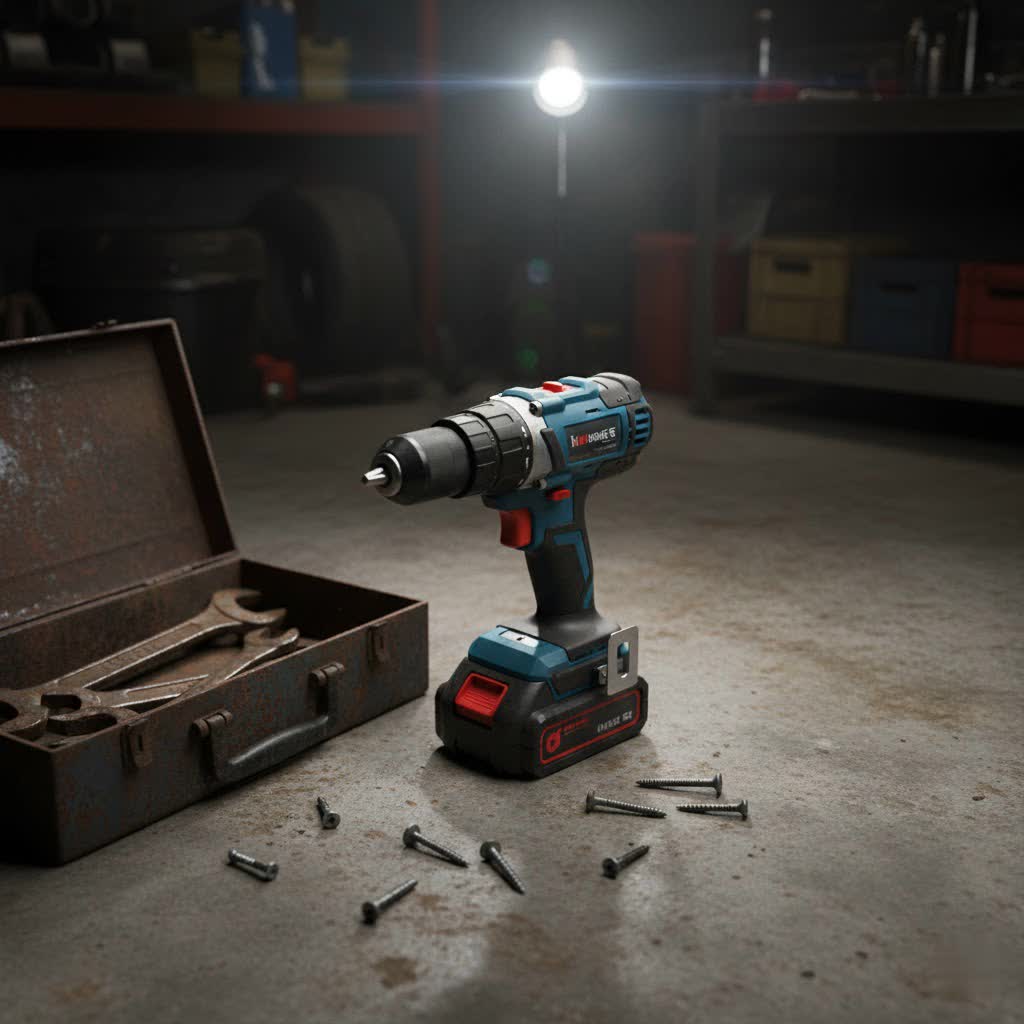
Are you tired of lugging around heavy power tools that leave your arms aching after just a few minutes of work? The right lightweight electric drill can transform your DIY projects and professional tasks, making them far more enjoyable and efficient. This comprehensive guide will navigate you through the world of lightweight electric drills, helping you understand their benefits, types, crucial features, and how to choose the perfect model to meet your needs without compromising on power or precision.
Overview of Electric Drills
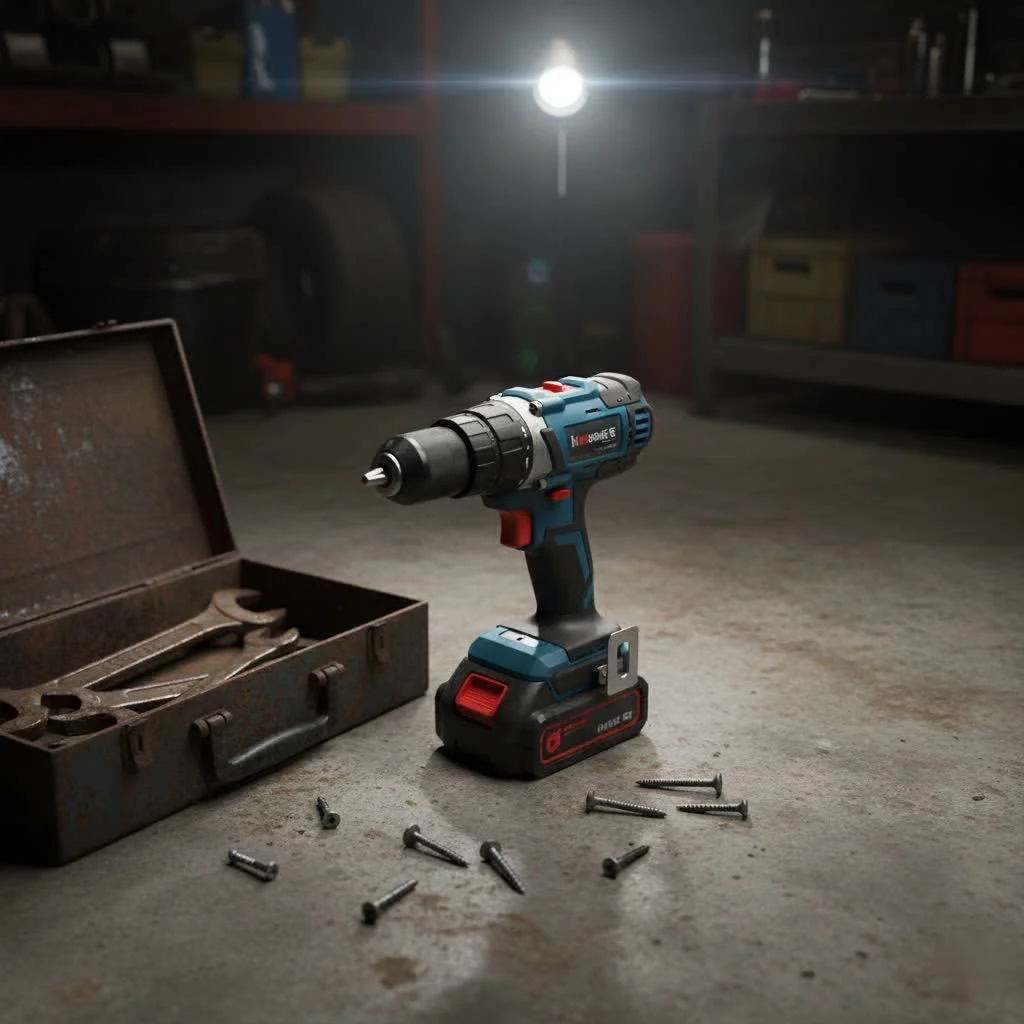
An electric drill is a cornerstone in any toolkit, indispensable for everything from hanging a picture to assembling furniture. These versatile power tools are designed to bore holes and drive fasteners with speed and accuracy. While traditional drills often prioritize raw power, the evolution of tool technology has brought us increasingly lightweight and compact models, especially in the cordless category. This shift focuses on user comfort and maneuverability, allowing for extended use without the common strain and fatigue associated with heavier equipment. The demand for more portable and manageable tools has led manufacturers to innovate, integrating advanced materials and motor designs to reduce overall weight while maintaining impressive performance.
Detailed Classification of Electric Drills
When considering lightweight electric drills, it’s essential to understand the primary types and how their design influences their weight and ideal applications. The category of “lightweight” predominantly features cordless models, prized for their portability and ease of handling.
Drill/Driver
The drill/driver is the most common and versatile electric drill, designed for both drilling holes and driving screws. Lightweight drill/drivers typically offer excellent balance and a compact form factor, making them ideal for a wide array of tasks. They come with adjustable clutches to prevent overtightening and stripping screws, along with variable speed settings for precise control across different materials. Many 12V and compact 18V/20V cordless models fall into this category, weighing significantly less than their heavy-duty counterparts, often under 3 pounds with a battery. These are perfect for general household repairs, assembling furniture, and light-to-medium drilling in wood, plastic, and metal.
- Pros: Highly versatile for drilling and driving, excellent control with adjustable clutch and variable speed, significantly reduces user fatigue.
- Cons: Generally less powerful than hammer drills or dedicated impact drivers for very demanding tasks.
- Suitable Applications: Home repairs, furniture assembly, installing shelving, light metalwork, woodworking.
Hammer Drill
A hammer drill combines the rotational action of a standard drill with a hammering mechanism, allowing it to drill into tough materials like concrete, brick, and masonry. While traditionally heavier, manufacturers now offer compact and lightweight hammer drill variants. These models provide the necessary percussive force for occasional masonry work while remaining manageable enough for general drilling. They are often found in compact 18V or 20V battery platforms, striking a balance between power and portability.
- Pros: Capable of drilling into hard materials like concrete and masonry, offers versatility for both standard and impact drilling.
- Cons: Heavier than a standard drill/driver, and generally less efficient for continuous heavy-duty masonry work than a dedicated rotary hammer.
- Suitable Applications: Installing anchors in concrete, drilling into brick walls, light demolition, all general drilling and driving tasks.
Impact Driver
While technically distinct from a “drill” due to its impact mechanism that applies rotational force (torque) and concussive blows, many users consider impact drivers within the broader “electric drill” family for driving fasteners. Impact drivers excel at quickly driving long screws and lag bolts, making them incredibly efficient for repetitive fastening tasks. Their compact size and lightweight design are major advantages, allowing them to fit into tight spaces and reduce wrist strain. However, they are not ideal for drilling precise holes, especially with larger bits, as their impacting action can make control more challenging.
- Pros: Exceptional power for driving fasteners, very compact and lightweight, highly efficient for repetitive screw driving.
- Cons: Not suitable for precise drilling, generally noisier, and provides less tactile feedback than a drill/driver.
- Suitable Applications: Deck building, framing, driving long screws into dense materials, repetitive fastening tasks.
Magnetic Drill
Magnetic drills are specialized, heavy-duty tools designed for drilling large-diameter holes in thick metal workpieces, typically in fabrication shops or construction sites. They feature a powerful electromagnetic base that adheres to metal surfaces, providing exceptional stability and precision. Due to their robust construction and specialized function, magnetic drills are not lightweight electric drills. They are designed for stationary, high-power applications and would not be considered for general lightweight or portable use.
Comparison Table of Lightweight Electric Drill Types
|
Our Picks for the Best Electric Drill in 2026
As an Amazon Associate I earn from qualifying purchases.
|
||
| Num | Product | Action |
|---|---|---|
| 1 | FADAKWALT Cordless Drill Set,12V Power Drill Set with Battery and Charger, Electric Driver/Drill Bits, 3/8'' Keyless Chuck,21+1 Torque Setting, 180 inch-lbs, with LED Electric Drill Set (Green) |

|
| 2 | Cordless Drill Set, VIWKO 20V Power Drill with Power Pack 2.0Ah and Charger, 3/8-Inch Keyless Chuck Electricdrill, 25+1 Torque, 42pcs Drilldriver Bits/Screws for DIY Projects (Red) |
|
| 3 | AVID POWER 20V MAX Lithium lon Cordless Drill Set, Power Drill Kit with Battery and Charger, 3/8-Inch Keyless Chuck, Variable Speed, 16 Position and 22pcs Drill Bits (Red) |
|
| 4 | 20V Cordless Drill, Electric Power Drill Set with Battery Charger and Carrying Case, 3/8” Keyless Chuck, 2 Variable Speed, 18+3 Torque, 72pcs Driver Bits and Belt Hook, Red |
|
| 5 | DEWALT 20V MAX Cordless Drill Driver Set, Electric Drill, Brushless 1/2 In 2 Speed, 2.0 Ah Battery and Charger Included, LED Light (DCD777D1) |
|
| 6 | BLACK+DECKER 20V MAX* POWERCONNECT Cordless Drill Driver Kit with Drill Bit Set and Sockets, 100 pc. Tool Kit for Home, Battery and Charger Included ,Orange (BDC120VA100) |
|
| 7 | COMOWARE 20V Cordless Drill, Electric Power Drill Set with 1 Battery & Charger, 3/8” Keyless Chuck, 2 Variable Speed, 266 In-lb Torque, 25+1 Position and 34pcs Drill/Driver Bits |
|
| 8 | PULITUO'S 20V Cordless Drill/Driver, Electric Screwdriver - 2 Batteries, 30Nm, 21+1 Torque, 2 Speed, Keyless 3/8" Chase Drill with LED Light, Kit for Home (Green) |
|
| 9 | DEWALT 20V Max Cordless Drill Driver Set, 2 Speed, High Performance Motor, Includes 2 XR 1.3Ah Li-Ion Batteries, Charger and Contractor Bag (DCD771C2) |
|
| 10 | Hoteche 320W 10mm Torque Drill, 19+1 Torque Settings Corded Electric Drill for Metal (10mm) & Wood (20mm), Yellow, Color Box Packaging |
|
To help clarify the differences, here’s a quick comparison of the types of lightweight electric drills:
| Feature | Drill/Driver (Lightweight) | Hammer Drill (Compact) | Impact Driver (Compact) |
|---|---|---|---|
| Primary Use | Drilling holes, driving screws | Drilling into wood, metal, masonry, driving fasteners | Driving screws, bolts, and fasteners |
| Weight (Approx.) | 1.5 – 3.5 lbs (with battery) | 2.5 – 4.5 lbs (with battery) | 1.5 – 3.0 lbs (with battery) |
| Power Source | Cordless (12V, compact 18V/20V) | Cordless (compact 18V/20V) | Cordless (12V, 18V/20V) |
| Key Feature | Adjustable clutch, variable speed, precise control | Hammering action for masonry, rotational for other tasks | High torque, rapid impacting action, quick fastening |
| Ideal For | Home DIY, furniture assembly, light-to-medium tasks | Occasional masonry, general-purpose drilling | Repetitive fastening, driving long screws |
| Precision | High for drilling | Moderate for drilling (can be less precise in hammer mode) | Lower for drilling (due to impacting action) |
Guide to Choosing a Suitable Electric Drill
Selecting the ideal lightweight electric drill involves considering your specific needs and understanding key technical specifications. A well-chosen drill will provide comfort, efficiency, and the power required for your projects.
Determining Usage Needs
The first step is to honestly assess your primary tasks. For light-duty household chores, assembling flat-pack furniture, or hanging decorations, a 12V lightweight drill/driver is often more than sufficient and offers maximum portability. If your projects involve occasional drilling into brick or concrete, a compact hammer drill would be a better choice. For frequent driving of long screws, particularly in construction or woodworking, a lightweight impact driver is invaluable. Consider the materials you’ll be working with and the frequency of use.
Budget
Your budget plays a significant role in your decision. 12V systems are often more affordable and offer excellent value for light work, often including two batteries and a charger in the kit. More powerful compact 18V/20V drills will typically be more expensive, especially if they feature brushless motors or advanced battery technology. Consider the long-term cost, including replacement batteries and compatibility with other tools in a brand’s ecosystem.
Important Technical Specifications
When focusing on lightweight drills, these specifications become particularly important:
- Weight (with Battery): Always check the tool’s weight with a typical battery, as this is how you’ll use it. Many excellent lightweight drills weigh between 1.5 to 3 pounds. Lighter drills drastically reduce arm and wrist fatigue, especially during overhead work or extended use.
- Voltage (V):
- 12V: Offers the greatest lightness and compactness, ideal for precision tasks and light-duty applications. Don’t underestimate their capability for most home DIY.
- 18V/20V (Max): Provides more power and longer runtime, with compact models still being relatively lightweight. These are suitable for more demanding medium-duty tasks. Note that “18V” and “20V Max” generally refer to the same battery technology, with 20V Max being the initial peak voltage.
- Brushless Motor: Drills with brushless motors are generally lighter, more efficient, run cooler, and last longer than brushed motor counterparts. They deliver more power per pound, making them a premium feature for lightweight tools.
- Ergonomics and Grip: A drill that feels balanced and comfortable in your hand is crucial for reducing fatigue. Look for models with a comfortable grip diameter, especially if you have smaller hands, and a balanced weight distribution that doesn’t feel top-heavy.
- Chuck Size:
- 1/4-inch: Common on very light-duty or specialized drivers.
- 3/8-inch: A versatile size suitable for most household tasks and common on lightweight drills.
- 1/2-inch: Offers greater bit compatibility and robustness, typically found on more powerful (and slightly heavier) drills.
- Torque and Speed Settings: An adjustable clutch and variable speed trigger are vital. The clutch prevents over-driving fasteners, while variable speed offers control for different materials and tasks. Look for at least two-speed settings (low for high torque, high for speed).
Brand and Reliability
Investing in reputable brands often ensures better build quality, reliability, and access to a wider ecosystem of compatible batteries and tools. Brands frequently praised for their lightweight and compact offerings include Bosch, DeWalt, Makita, Milwaukee, and Skil. Always consider the warranty and available customer support.
Additional Features
Look for features that enhance usability and convenience:
- LED Work Light: Illuminates the work area, especially useful in dimly lit spaces.
- Belt Clip: Allows you to keep the tool handy when working on a ladder or moving around.
- Battery Indicator: Shows the remaining battery life, helping you plan your work and avoid unexpected downtime.
- Quick-Change Chucks/Attachments: Some 12V models offer interchangeable heads (like the Bosch FlexiClick) for added versatility in tight spaces.
Tips for Safe Use and Maintenance of Lightweight Electric Drills
Even lightweight electric drills are powerful tools that require proper handling and care to ensure safety and longevity.
Safe Usage Guidelines
- Wear Safety Gear: Always wear safety glasses to protect your eyes from debris. Consider gloves for better grip and hearing protection for extended use, especially with impact drivers.
- Secure Your Workpiece: Clamp small items securely to prevent them from spinning or moving during drilling.
- Choose the Right Bit: Use the correct drill bit for the material you are working on. A dull or incorrect bit can bind, overheat, or damage the material.
- Maintain Control: Hold the drill firmly with both hands (if applicable) and apply steady, even pressure. Avoid forcing the drill.
- Clear the Area: Ensure your workspace is free of obstructions, especially power cords (if using a corded drill) or other tools that could cause a tripping hazard.
- Battery Safety (for Cordless): Remove the battery when changing bits or performing maintenance. Never expose batteries to extreme temperatures or physical damage.
Maintenance Tips to Prolong Tool Life
- Clean Regularly: After each use, wipe down your drill to remove dust and debris. Use compressed air to clear ventilation slots, preventing motor overheating.
- Inspect the Chuck: Keep the chuck clean and free of debris to ensure bits are held securely.
- Battery Care (for Cordless):
- Charge batteries fully before their first use.
- Avoid completely draining lithium-ion batteries; recharge them before they are fully depleted.
- Store batteries in a cool, dry place, away from extreme temperatures.
- If you won’t use the drill for an extended period, remove the battery and store it separately.
- Check for Damage: Regularly inspect the drill, cord (if applicable), and battery for any signs of wear, cracks, or damage. Replace damaged parts immediately.
- Proper Storage: Store your drill in its case or a designated tool storage area, protecting it from dust, moisture, and impacts.
Conclusion
Embracing a lightweight electric drill can fundamentally change your approach to projects, making tasks less arduous and more precise. Whether you’re a seasoned technician or a passionate DIYer, the ability to work comfortably for longer periods, reach tight spaces with ease, and minimize fatigue is invaluable. By understanding the different types—from versatile drill/drivers to compact hammer drills and powerful impact drivers—and carefully considering factors like weight, voltage, motor type, and ergonomics, you can select a tool that feels like an extension of your hand. Remember that even though these drills are light, they pack enough punch for most common applications, proving that sometimes, less weight means more capability.
What project will you tackle first with your new, agile powerhouse?
Frequently Asked Questions
What is the ideal weight for a lightweight electric drill?
An ideal lightweight electric drill, including the battery, typically weighs between 1.5 to 3.5 pounds. Models in this range significantly reduce user fatigue, making them comfortable for extended use and overhead tasks.
Are 12V lightweight drills powerful enough for home use?
Yes, 12V lightweight drills are generally powerful enough for most home use scenarios, including assembling furniture, hanging pictures, drilling into wood, plastic, and light metals, and driving common screws. They offer an excellent balance of power, compactness, and weight.
What is the difference between a lightweight hammer drill and a lightweight impact driver?
A lightweight hammer drill is designed for drilling into hard materials like masonry, combining rotation with a pounding action, and can also perform standard drilling. A lightweight impact driver is primarily for driving fasteners efficiently and quickly, using rotational force and impacts, but is not ideal for drilling precise holes.
Do lightweight drills come with brushless motors?
Many modern lightweight drills, especially higher-quality models from reputable brands, feature brushless motors. Brushless motors contribute to the drill’s lighter weight, increased efficiency, longer runtime, and enhanced durability compared to brushed motors.
How does ergonomics affect a lightweight drill’s usability?
Ergonomics plays a crucial role beyond just the raw weight. A well-designed lightweight drill will have a balanced feel, a comfortable grip that fits your hand size, and intuitive controls. Good ergonomics minimize strain and improve control, allowing you to work more comfortably and accurately for longer periods.
Get our weekly buyer guide
Practical specs, not advice. Unsubscribe anytime.
