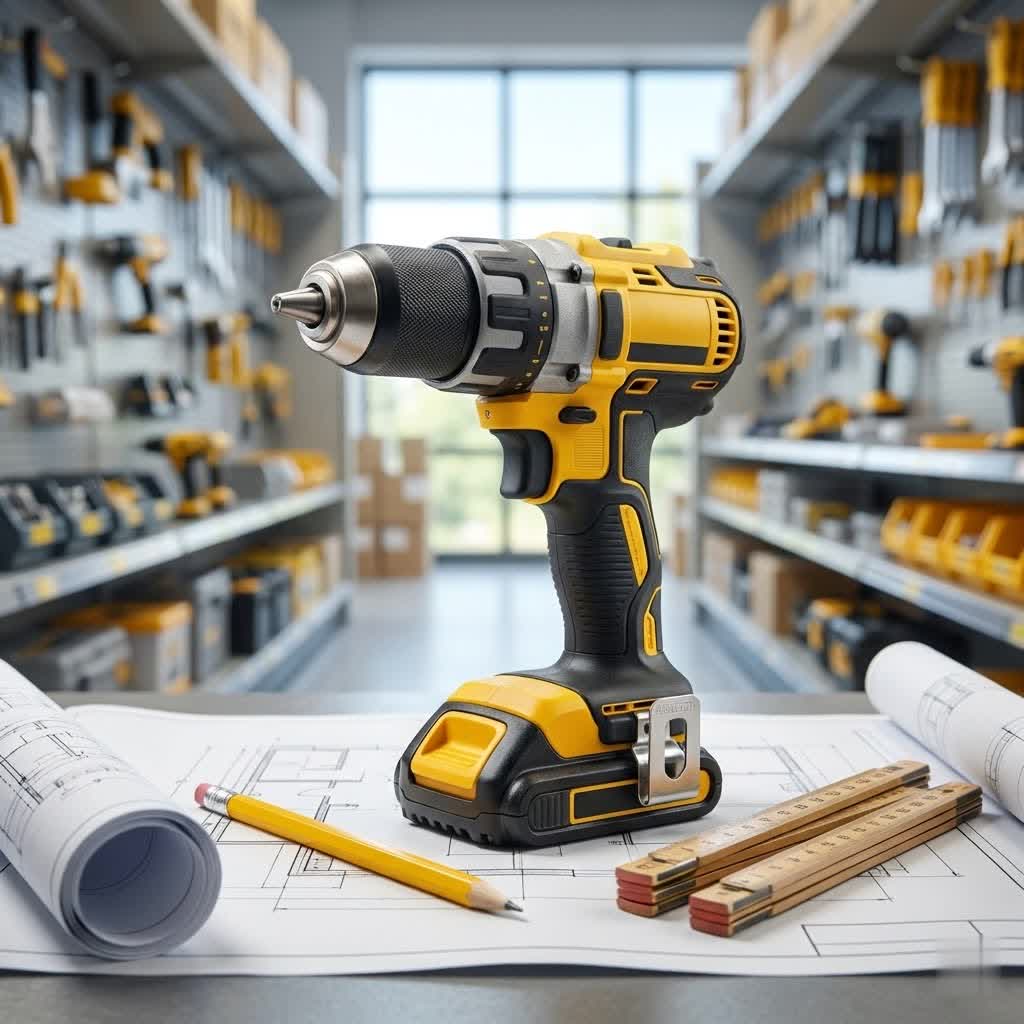
Stepping into the world of power tools can be overwhelming, with countless options promising efficiency and durability. But if you’re a professional tradesperson or a dedicated DIY enthusiast, you’ve likely heard the name Milwaukee. For decades, Milwaukee Electric Drill tools have set the standard for robust performance, innovative technology, and unwavering reliability on job sites and in workshops worldwide. Choosing the right electric drill is crucial for project success and personal safety, and understanding Milwaukee’s diverse lineup empowers you to make an informed decision that will serve you for years to come.
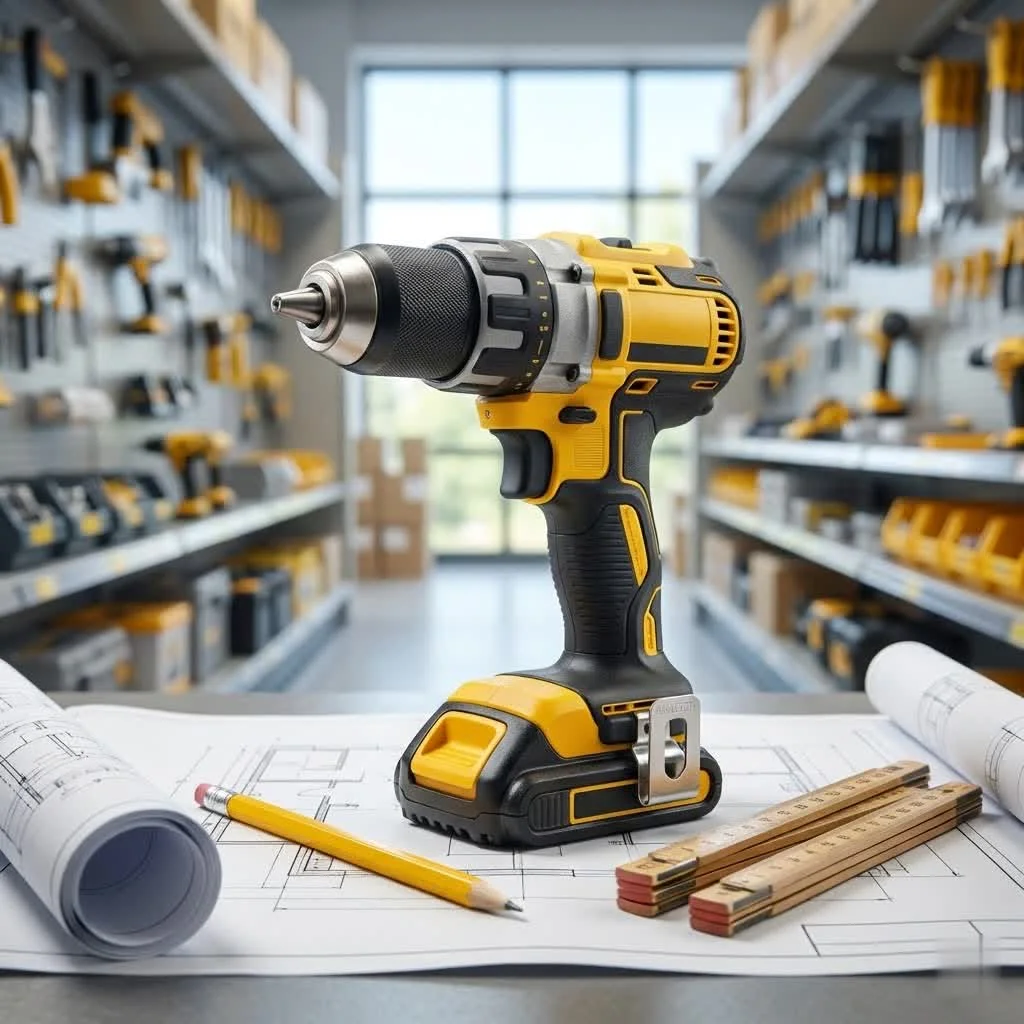
This comprehensive guide examine the specifics of Milwaukee electric drills, exploring their core technologies, various types, and how to select the perfect model to tackle any task with confidence. We’ll break down the nuances that make these tools stand out, ensuring you gain the insights needed to master your next project.
General Overview of Electric Drills
Electric drills are indispensable power tools, fundamental for creating holes, driving fasteners, and even mixing materials across a multitude of applications. From assembling furniture at home to heavy-duty construction tasks on a professional site, a reliable electric drill is a cornerstone of any toolkit. Their evolution has transformed manual labor into efficient, precise work, continuously adapting to new materials and demands.
Historically, electric drills replaced hand-powered augers, dramatically improving speed and reducing effort. Over time, advancements led to diverse forms, including corded models for continuous power and, more recently, sophisticated cordless versions that offer unparalleled portability and flexibility. Milwaukee, in particular, has been at the forefront of this innovation, largely driven by its M12 and M18 battery platforms, which have redefined cordless tool performance. These platforms provide a powerful, interchangeable battery system that allows users to operate a wide array of tools with the same battery packs, enhancing efficiency and reducing overall equipment costs.
Detailed Classification of Milwaukee Electric Drills
Milwaukee offers an impressive array of electric drills, each engineered for specific tasks and materials. Understanding these distinctions is key to maximizing your productivity and achieving professional results.
Milwaukee Hammer Drills
Milwaukee hammer drills are powerhouses designed for drilling into tough, dense materials like concrete, brick, and masonry. What sets them apart is their unique hammering mechanism, which delivers rapid, percussive blows while the drill bit rotates. This combination pulverizes the material, allowing the bit to penetrate with greater ease and speed than a standard drill.
Hammer drills typically feature a selector switch, allowing users to toggle between standard rotary drilling for wood and metal, and hammer drilling for masonry applications. This versatility makes them invaluable for construction, renovation, and installation tasks where both types of drilling are required. While incredibly powerful, their percussive action makes them less suitable for delicate materials or precision woodworking, where excessive force could cause damage. For heavy-duty concrete work, Milwaukee’s M18 FUEL Hammer Drill/Driver models, such as the 2904, deliver exceptional torque and speed, often featuring advanced safety features like AutoStop anti-kickback technology to protect the user during bind-ups.
Milwaukee Impact Drivers
|
Our Picks for the Best Electric Drill in 2026
As an Amazon Associate I earn from qualifying purchases.
|
||
| Num | Product | Action |
|---|---|---|
| 1 | FADAKWALT Cordless Drill Set,12V Power Drill Set with Battery and Charger, Electric Driver/Drill Bits, 3/8'' Keyless Chuck,21+1 Torque Setting, 180 inch-lbs, with LED Electric Drill Set (Green) |

|
| 2 | AVID POWER 20V MAX Lithium lon Cordless Drill Set, Power Drill Kit with Battery and Charger, 3/8-Inch Keyless Chuck, Variable Speed, 16 Position and 22pcs Drill Bits (Red) |
|
| 3 | DEWALT 20V MAX Cordless Drill Driver Set, Electric Drill, Brushless 1/2 In 2 Speed, 2.0 Ah Battery and Charger Included, LED Light (DCD777D1) |
|
| 4 | COMOWARE 20V Cordless Drill, Electric Power Drill Set with 1 Battery & Charger, 3/8” Keyless Chuck, 2 Variable Speed, 266 In-lb Torque, 25+1 Position and 34pcs Drill/Driver Bits |
|
| 5 | DEWALT 20V Max Cordless Drill Driver Set, 2 Speed, High Performance Motor, Includes 2 XR 1.3Ah Li-Ion Batteries, Charger and Contractor Bag (DCD771C2) |
|
| 6 | Cordless Drill Set, VIWKO 20V Power Drill with Power Pack 2.0Ah and Charger, 3/8-Inch Keyless Chuck Electricdrill, 25+1 Torque, 42pcs Drilldriver Bits/Screws for DIY Projects (Red) |
|
| 7 | PULITUO'S 20V Cordless Drill/Driver, Electric Screwdriver - 2 Batteries, 30Nm, 21+1 Torque, 2 Speed, Keyless 3/8" Chase Drill with LED Light, Kit for Home (Green) |
|
| 8 | 20V Cordless Drill, Electric Power Drill Set with Battery Charger and Carrying Case, 3/8” Keyless Chuck, 2 Variable Speed, 18+3 Torque, 72pcs Driver Bits and Belt Hook, Red |
|
| 9 | Hoteche 320W 10mm Torque Drill, 19+1 Torque Settings Corded Electric Drill for Metal (10mm) & Wood (20mm), Yellow, Color Box Packaging |
|
| 10 | BLACK+DECKER 20V MAX* POWERCONNECT Cordless Drill Driver Kit with Drill Bit Set and Sockets, 100 pc. Tool Kit for Home, Battery and Charger Included ,Orange (BDC120VA100) |
|
Often mistaken for drills, impact drivers are specialized tools primarily designed for driving screws and other fasteners with high torque and efficiency. Unlike a drill, which applies continuous rotational force, an impact driver delivers rapid, short bursts of rotational force (impacts) when it encounters resistance. This impactful action makes them incredibly effective at driving long screws, lag bolts, and other large fasteners without stripping screw heads or fatiguing the user’s wrist.
Impact drivers excel in applications requiring repetitive fastening, such as decking, framing, or assembling cabinetry. Their compact size and lightweight design, particularly in Milwaukee’s M12 and M18 FUEL lines, make them ideal for working in tight spaces or overhead. They are generally not recommended for drilling precise holes, especially in softer materials, due to their aggressive, high-torque nature which can easily over-drive or damage the workpiece. The Milwaukee M18 FUEL Impact Driver, for example, is renowned for its speed and power in demanding fastening applications.
Milwaukee Drill Drivers
Drill drivers are the most common and versatile type of electric drill, serving as the workhorse for a wide range of tasks. These tools are designed for both drilling holes into various materials (wood, metal, plastic) and driving screws. They feature an adjustable clutch, which allows the user to set the torque level, preventing screws from being over-driven or stripped, and providing control for different materials and fastener sizes.
Milwaukee’s drill drivers are available across both their M12 and M18 platforms, offering options for light-duty, compact work (M12 Compact Brushless Drill/Driver) up to heavy-duty applications (M18 FUEL Drill/Driver). They are characterized by their precision, variable speed triggers, and often come with multiple speed settings for optimal control. While they can drive screws, they lack the high-impact force of impact drivers, making them less efficient for large quantities of heavy-duty fastening. They are, however, the go-to tool for general carpentry, electrical work, plumbing, and home repairs, offering a balanced combination of power and finesse.
Milwaukee Magnetic Drills
Milwaukee magnetic drills are highly specialized tools designed for heavy-duty metal drilling, typically in fabrication shops, construction, or industrial settings. These drills feature a powerful electromagnetic base that securely clamps the tool to a ferrous metal surface, providing exceptional stability and precision. This fixed setup prevents movement during drilling, making them ideal for creating large, accurate holes in thick steel beams, plates, or other structural components.
Unlike other drills that use standard twist bits, magnetic drills often employ annular cutters, which cut only the circumference of the hole, producing a cleaner, faster cut and less material waste. Milwaukee offers both corded and cordless M18 FUEL magnetic drills, such as the 2788-22HD, which boast significant drilling capacity and strong magnetic holding force, even on thin steel. Their primary application is in situations where a drill press isn’t feasible, and the workpiece cannot be easily moved, allowing for on-site, precise drilling of large holes.
Comparison Table: Milwaukee Electric Drills
| Feature | Milwaukee M12 Compact Drill Driver | Milwaukee M18 FUEL Drill Driver | Milwaukee M18 FUEL Hammer Drill | Milwaukee M18 FUEL Impact Driver | Milwaukee M18 FUEL Magnetic Drill |
|---|---|---|---|---|---|
| Primary Use | Light drilling, general fastening | All-around drilling & driving | Heavy-duty drilling in masonry | High-speed fastening of screws/bolts | Heavy-duty metal drilling |
| Voltage Platform | M12 (12V) | M18 (18V) | M18 (18V) | M18 (18V) | M18 (18V) |
| Typical Torque | ~250 in-lbs | ~500 in-lbs (compact) to ~1,200 in-lbs | ~1,400 in-lbs | ~2,000 in-lbs or higher | Varies by model/cutter |
| Hammer Function | No | No | Yes | No | No (specialized for metal) |
| Best For | Tight spaces, overhead work, homeowners | General contractors, versatile tasks | Concrete, brick, heavy-duty masonry | Repetitive fastening, large fasteners | Steel fabrication, structural work |
| Key Features | Compact, lightweight | POWERSTATE, REDLITHIUM, REDLINK PLUS | AutoStop, POWERSTATE, REDLITHIUM | POWERSTATE, REDLITHIUM, high RPM | Permanent magnet, annular cutters |
Guide to Choosing the Right Milwaukee Electric Drill
Selecting the ideal Milwaukee electric drill requires a careful assessment of your specific needs, balancing power with portability and features with budget.
Determine Usage Needs
Before anything else, consider the primary purpose of your drill. What materials will you be working with most often? Are you mostly drilling into wood, driving screws into drywall, or tackling concrete and steel? What size holes or fasteners do you anticipate?
“The key is matching the tool to the task,” says John D., a seasoned construction foreman. “A compact M12 is fantastic for electrical panels, but you’ll burn it out trying to bore into thick concrete all day.”
If you need to drill into masonry, a hammer drill is essential. For repetitive fastening, an impact driver is more efficient. General-purpose tasks are best served by a versatile drill driver. For heavy metalwork, especially structural, a magnetic drill is indispensable.
Budget
Milwaukee offers a range of options at different price points. While M12 tools are generally more affordable and suitable for lighter tasks, the M18 and particularly the M18 FUEL line represent a greater investment due to their enhanced power and advanced technologies. Consider buying combo kits, as these often provide better value by including multiple tools, batteries, and a charger at a reduced price compared to purchasing items individually. Factor in the long-term cost, including battery replacements and potential future tool expansions.
Important Technical Specifications
- Power (Torque & RPM): Higher torque (measured in inch-pounds or Newton-meters) indicates greater twisting force, crucial for driving large fasteners or drilling tough materials. Revolutions Per Minute (RPM) determines drilling speed. Many drills offer multiple speed settings, allowing you to optimize for different tasks.
- Motor Type: Brushless motors, especially Milwaukee’s POWERSTATE, offer superior efficiency, longer runtimes, and extended tool life compared to traditional brushed motors, as they generate less heat and friction.
- Battery System: Milwaukee’s M12 (12V) and M18 (18V) REDLITHIUM batteries are known for their performance and durability. Higher Amp-hour (Ah) batteries provide longer runtimes. Ensure compatibility if you already own Milwaukee tools.
- Chuck Size: Common sizes are 3/8-inch and 1/2-inch. A 1/2-inch chuck accommodates a wider range of drill bits and provides a more secure grip for larger bits, which is beneficial for heavy-duty applications.
- Functions: Decide if you need drill-only, drill/drive, hammer drill, or impact functionality. Many Milwaukee drills are multi-functional (e.g., hammer drill/driver).
Brand Reputation and Reliability
Milwaukee has established itself as a leading brand in the power tool industry, synonymous with durability, performance, and innovation. Their tools are built to withstand rigorous job site conditions and come with robust warranties, ensuring peace of mind for professionals. The continuous investment in technologies like REDLITHIUM and REDLINK PLUS Intelligence further solidifies their reputation for reliability.
Additional Features
Modern Milwaukee drills come packed with features designed to enhance usability and safety:
- LED Light: Illuminates the work area, especially useful in dim conditions.
- Variable Speed Trigger: Allows for precise control over drilling and driving speed.
- AutoStop Anti-Kickback: This crucial safety feature automatically shuts down the drill if it senses a sudden bind-up, preventing potential injury to the user.
- ONE-KEY Compatibility: Available on select M18 FUEL models, ONE-KEY allows users to customize tool settings, track tool location, and manage inventory via a smartphone app. This provides an unprecedented level of control and security.
- Ergonomics: Look for drills with comfortable grips and balanced designs to reduce fatigue during extended use.
Tips for Safe Use and Maintenance of Milwaukee Electric Drills
Proper usage and regular maintenance are paramount to extending the lifespan of your Milwaukee electric drill and ensuring safe operation.
When using your drill, always wear appropriate personal protective equipment, including safety glasses and, when impact drilling, ear protection. Secure your workpiece firmly to prevent it from moving unexpectedly. For high-torque applications or with larger battery packs (9.0 Ah or higher), always attach and use the auxiliary side handle to maintain control and reduce the risk of injury. Ensure you select the correct drill bit for the material and task at hand; using the wrong bit can lead to poor performance, damage to the material, or kickback. Apply steady, consistent pressure and let the tool do the work, avoiding excessive force that can bind the bit or overheat the motor. Be aware of hidden electrical wiring or plumbing, especially when drilling into walls, and use a stud finder or other detection tools.
For maintenance, routinely clean your drill, especially clearing dust and debris from the ventilation slots to prevent overheating. Regularly inspect the chuck for any signs of wear or damage and ensure it tightens securely. Pay attention to your REDLITHIUM batteries: avoid completely draining them before recharging, store them in a cool, dry place, and protect them from extreme temperatures and moisture to prolong their life. Never attempt to disassemble the tool, battery pack, or charger yourself; for any complex issues or repairs, always contact a certified Milwaukee service facility. By following these guidelines, your Milwaukee electric drill will remain a reliable companion for years of projects.
Conclusion
The Milwaukee electric drill represents a benchmark in power tool technology, offering an unparalleled blend of power, precision, and durability. Whether you’re a homeowner tackling weekend projects or a seasoned professional on a demanding job site, understanding the diverse range of Milwaukee drills – from the compact M12 drill drivers to the heavy-duty M18 FUEL hammer drills and specialized magnetic drills – is essential for making the right choice. By considering your specific usage needs, leveraging advanced features like POWERSTATE motors and REDLITHIUM batteries, and adhering to proper safety and maintenance practices, you can confidently select a Milwaukee electric drill that will empower you to achieve exceptional results.
Ready to improve your craftsmanship? Which Milwaukee electric drill will be the next indispensable addition to your toolkit?
Frequently Asked Questions
What is the main difference between Milwaukee M12 and M18 drills?
Milwaukee M12 drills are designed for compact, lightweight performance, ideal for tasks in tight spaces or where portability is key, offering sufficient power for light-to-medium duty work. M18 drills, conversely, provide significantly more power and runtime, making them suitable for heavy-duty applications and professional construction tasks. The choice depends on balancing power requirements with tool size and weight.
What does “FUEL” mean in Milwaukee tools?
The “FUEL” designation signifies Milwaukee’s most advanced cordless tools, integrating three core technologies: a POWERSTATE brushless motor for maximum power and lifespan, REDLITHIUM batteries for extended runtime and durability, and REDLINK PLUS Intelligence for optimized communication and protection between the tool and battery. This combination delivers superior performance, especially under heavy loads.
Can I use my Milwaukee drill for both drilling and driving screws?
Yes, most Milwaukee drill drivers are designed for both drilling holes and driving screws, thanks to their adjustable clutch settings. These settings allow you to control the torque, preventing screws from being over-driven or stripped. For heavy-duty or repetitive fastening, however, an impact driver would be more efficient due to its specialized impact mechanism.
What is the AutoStop feature on Milwaukee drills?
Milwaukee’s AutoStop feature is an advanced anti-kickback technology primarily found on their M18 FUEL hammer drills and drill drivers. It automatically senses a bind-up event (when the drill bit gets stuck) and instantly shuts down the motor. This safety mechanism helps prevent sudden tool rotation, protecting the user from potential wrist or arm injuries.
How often should I maintain my Milwaukee electric drill?
Regular maintenance is crucial for optimal performance and longevity. It is recommended to clean your drill after each use, especially clearing dust from vents. Periodically inspect the chuck, bits, and battery for wear. For professional use, consider having the tool inspected by a Milwaukee service facility every six months to a year, depending on usage frequency and conditions.
Get our weekly buyer guide
Practical specs, not advice. Unsubscribe anytime.
