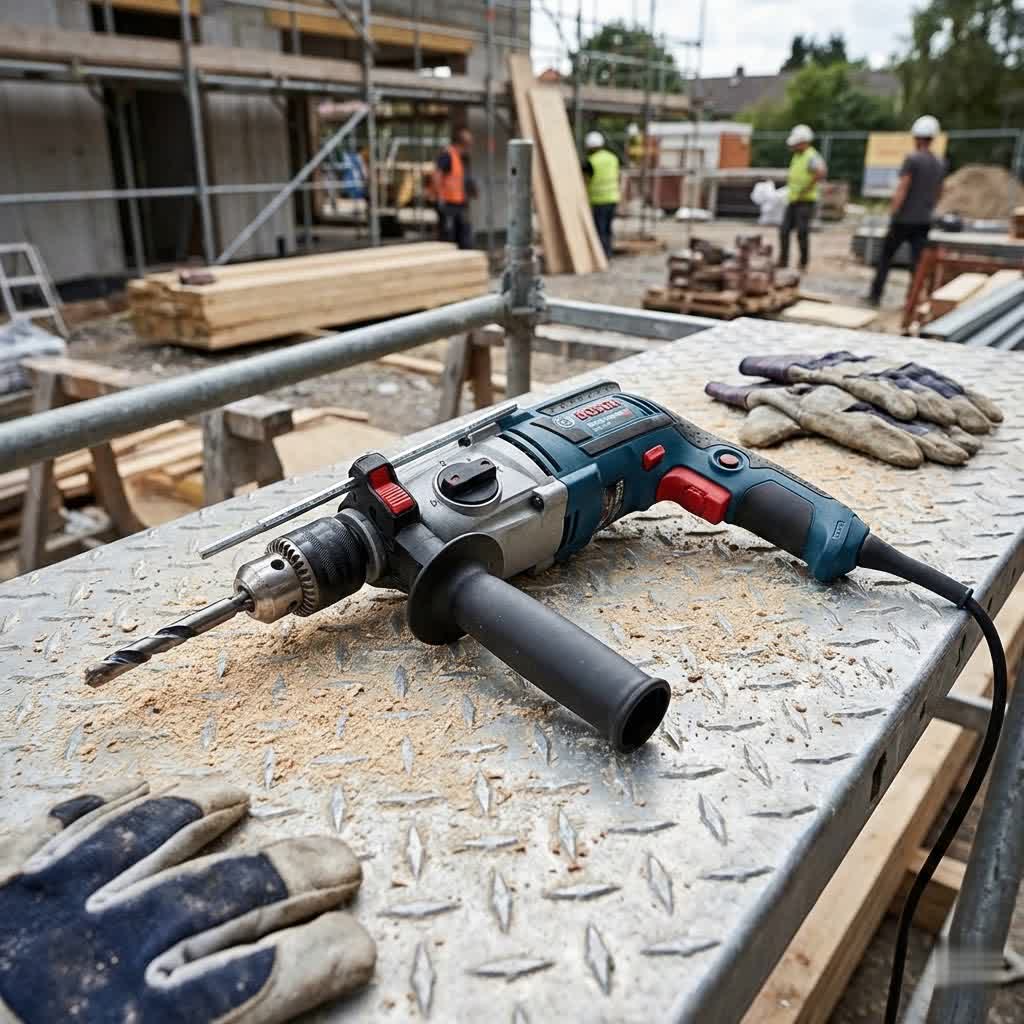
Are you a seasoned professional tackling demanding construction projects, or a passionate DIYer embarking on your next home improvement venture? Regardless of your expertise, the right electric drill is an indispensable tool, and Ridgid has carved out a significant niche for itself in the market. With a reputation for robust performance, innovative features, and an industry-leading warranty, Ridgid electric drills offer a compelling blend of power, reliability, and value. This comprehensive guide will equip you with everything you need to know about these versatile tools, helping you make the best choice for your projects.
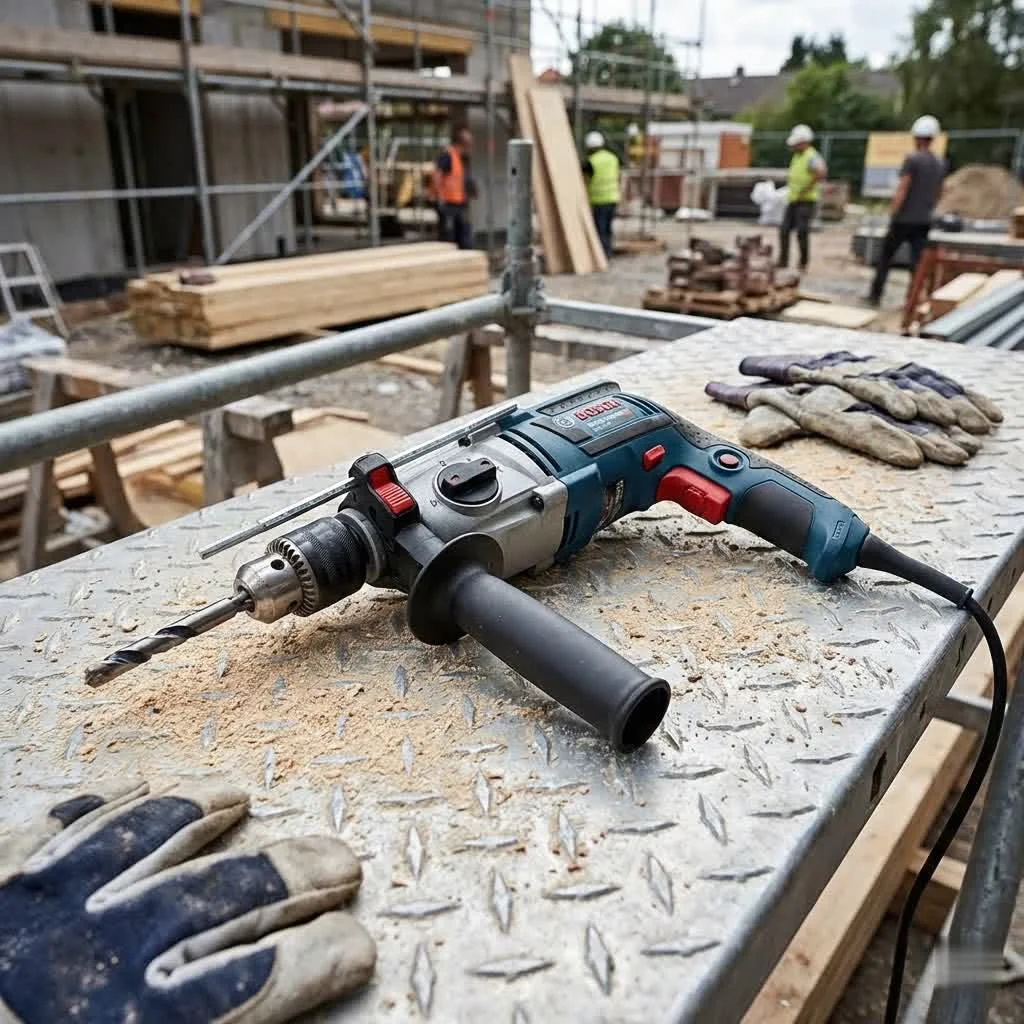
An Overview of Electric Drills
Electric drills are fundamental power tools designed primarily for drilling holes and driving fasteners. Their evolution from rudimentary hand-cranked tools to sophisticated battery-powered machines has revolutionized construction, woodworking, and home repair. Modern electric drills come in various forms, each tailored for specific applications, offering different levels of power, speed, and functionality. Understanding these types is the first step toward selecting the perfect tool. For electric drills buying guides on this site.
Historically, electric drills replaced manual labor, providing efficiency and consistency previously unattainable. Early models were bulky, corded, and limited in features. Today, advancements in battery technology, motor design (especially brushless motors), and ergonomic considerations have led to lightweight, powerful, and highly versatile cordless options that dominate the market.
Common electric drill categories are often defined by their power source (corded vs. cordless), their primary function (drilling, driving, or both), and specialized mechanisms like hammering action. From compact drill/drivers for everyday tasks to heavy-duty hammer drills for masonry, the range of available tools ensures there’s a solution for virtually every drilling and fastening need.
Detailed Classification of Electric Drills
Electric drills are broadly categorized based on their mechanism and intended use. While Ridgid offers several types, understanding the general classifications first helps contextualize their offerings.
Hammer Drills
Hammer drills combine rotary motion with a rapid hammering action along the axis of the drill bit. This percussive force allows them to bore into tough materials like concrete, brick, and stone that a standard drill would struggle with.
- Pros: Excellent for masonry and concrete, efficient for tough materials, often includes a drill-only mode for versatility.
- Cons: Heavier and bulkier than standard drills, can be overkill for light-duty tasks, generate more vibration and noise.
- Applications: Installing anchors in concrete, drilling through brick walls, light demolition work.
- Comparison: Unlike standard drills that rely solely on rotation to remove material, hammer drills “chip away” at the surface, significantly speeding up drilling in hard materials. They differ from rotary hammers by using a clutch mechanism for hammering rather than a pneumatic one, making them suitable for smaller masonry holes, whereas rotary hammers are for larger, more demanding tasks. Ridgid’s 18V brushless hammer drills (e.g., R86115, R861152) are known for providing strong performance in this category, with some models offering high torque suitable for challenging tasks.
Screwdriver Drills (Drill/Drivers)
|
Our Picks for the Best Electric Drill in 2026
As an Amazon Associate I earn from qualifying purchases.
|
||
| Num | Product | Action |
|---|---|---|
| 1 | DEWALT 20V Max Cordless Drill Driver Set, 2 Speed, High Performance Motor, Includes 2 XR 1.3Ah Li-Ion Batteries, Charger and Contractor Bag (DCD771C2) |

|
| 2 | Hoteche 320W 10mm Torque Drill, 19+1 Torque Settings Corded Electric Drill for Metal (10mm) & Wood (20mm), Yellow, Color Box Packaging |
|
| 3 | 20V Cordless Drill, Electric Power Drill Set with Battery Charger and Carrying Case, 3/8” Keyless Chuck, 2 Variable Speed, 18+3 Torque, 72pcs Driver Bits and Belt Hook, Red |
|
| 4 | DEWALT 20V MAX Cordless Drill Driver Set, Electric Drill, Brushless 1/2 In 2 Speed, 2.0 Ah Battery and Charger Included, LED Light (DCD777D1) |
|
| 5 | Cordless Drill Set, VIWKO 20V Power Drill with Power Pack 2.0Ah and Charger, 3/8-Inch Keyless Chuck Electricdrill, 25+1 Torque, 42pcs Drilldriver Bits/Screws for DIY Projects (Red) |
|
| 6 | AVID POWER 20V MAX Lithium lon Cordless Drill Set, Power Drill Kit with Battery and Charger, 3/8-Inch Keyless Chuck, Variable Speed, 16 Position and 22pcs Drill Bits (Red) |
|
| 7 | PULITUO'S 20V Cordless Drill/Driver, Electric Screwdriver - 2 Batteries, 30Nm, 21+1 Torque, 2 Speed, Keyless 3/8" Chase Drill with LED Light, Kit for Home (Green) |
|
| 8 | FADAKWALT Cordless Drill Set,12V Power Drill Set with Battery and Charger, Electric Driver/Drill Bits, 3/8'' Keyless Chuck,21+1 Torque Setting, 180 inch-lbs, with LED Electric Drill Set (Green) |
|
| 9 | BLACK+DECKER 20V MAX* POWERCONNECT Cordless Drill Driver Kit with Drill Bit Set and Sockets, 100 pc. Tool Kit for Home, Battery and Charger Included ,Orange (BDC120VA100) |
|
| 10 | COMOWARE 20V Cordless Drill, Electric Power Drill Set with 1 Battery & Charger, 3/8” Keyless Chuck, 2 Variable Speed, 266 In-lb Torque, 25+1 Position and 34pcs Drill/Driver Bits |
|
A drill/driver is the most common and versatile type of electric drill. It’s designed for both drilling holes into various materials (wood, plastic, metal) and driving screws. They feature an adjustable clutch that prevents over-driving or stripping screws.
- Pros: Highly versatile for drilling and driving, adjustable torque settings, generally lightweight and easy to handle.
- Cons: Not suitable for heavy-duty masonry work, less powerful for driving large fasteners compared to impact drivers.
- Applications: Assembling furniture, installing shelves, drilling pilot holes, general household repairs.
- Comparison: These are the workhorses for everyday tasks. Ridgid offers a range of 18V brushless drill/drivers (e.g., R86114, SubCompact models) that balance power and ergonomics, making them ideal for a wide array of projects, from light DIY to more demanding jobs.
Impact Drivers
Impact drivers specialize in driving fasteners with high torque and efficiency. They deliver short, powerful rotational blows (impacts) in addition to continuous rotation, which helps drive screws quickly and prevent cam-out.
- Pros: Extremely efficient at driving long or large fasteners, compact design, reduces wrist strain, excellent for repetitive driving tasks.
- Cons: Not designed for precision drilling (lack a chuck for standard round-shank drill bits, only accept hex-shank bits), loud operation, can damage delicate materials if not used carefully.
- Applications: Deck building, framing, fastening metal roofing, driving self-tapping screws.
- Comparison: While a drill/driver can drive screws, an impact driver does it significantly faster and with less effort, especially for tough applications. Ridgid’s 18V brushless impact drivers (e.g., R862311) are lauded for their compact size and high torque output, making them a favorite for tasks requiring significant driving power.
Magnetic Drills
Magnetic drills, also known as mag drills, are specialized tools primarily used for drilling large-diameter holes in metal, particularly steel beams. They feature a powerful electromagnet in their base that secures the drill to the metal surface, allowing for precise and stable drilling, often with annular cutters.
- Pros: Exceptional stability and precision on metal surfaces, can drill large holes efficiently, ideal for structural steel work.
- Cons: Limited to ferromagnetic materials, generally heavy and expensive, not suitable for general-purpose drilling.
- Applications: Structural steel fabrication, bridge construction, heavy machinery repair, drilling overhead in steel.
- Comparison: Unlike handheld drills, magnetic drills provide a fixed, sturdy platform, significantly reducing operator fatigue and increasing accuracy for heavy metalworking. While Ridgid is renowned for its general electric drills, their focus for drills leans more towards plumbing and pipe work, with specialized pipe threading machines and other heavy-duty equipment for metal, rather than general portable magnetic drills.
Comparing Popular Electric Drill Types
To help you discern which type of electric drill best suits your needs, here’s a comparative overview highlighting key differences:
| Feature/Type | Drill/Driver (Standard) | Hammer Drill | Impact Driver |
|---|---|---|---|
| Primary Function | Drilling holes, driving screws | Drilling masonry, general drilling | Driving fasteners (screws, bolts) |
| Mechanism | Rotational | Rotational + Axial hammering | Rotational + Tangential impacting |
| Chuck Type | Keyless chuck (round & hex bits) | Keyless chuck (round & hex bits) | Quick-change hex chuck (hex bits only) |
| Torque Control | Adjustable clutch | Adjustable clutch (in drill mode) | Often multiple speed/power settings |
| Best For | General household, woodworking, light metal, plastic | Concrete, brick, stone, heavy-duty drilling | Driving long screws, lag bolts, repetitive fastening |
| Common Materials | Wood, metal, plastic, drywall | Concrete, brick, masonry, wood, metal | Wood, metal, composite materials |
| Noise Level | Moderate | High (especially in hammer mode) | High, distinct hammering sound |
| Size/Weight | Compact to medium | Medium to heavy | Very compact and lightweight |
| Precision | High for drilling | Good for drilling in hard materials | Lower for drilling, high for fastening |
Overall Assessment:
The standard drill/driver is your all-around utility player, essential for any toolbox. A hammer drill is invaluable for tasks involving masonry, extending your capabilities beyond wood and metal. The impact driver excels at driving, making quick work of repetitive fastening and large screws where a drill/driver might struggle or strain your wrist. For many, a combo kit that includes a drill/driver and an impact driver provides the most versatile solution for a wide range of tasks.
Your Guide to Choosing the Right Ridgid Electric Drill
Selecting the ideal electric drill, particularly from a reputable brand like Ridgid, involves considering several factors to match the tool to your specific requirements and work style.
1. Define Your Usage Needs
Before diving into specifications, identify what you’ll primarily use the drill for.
- Main Purpose: Are you primarily drilling holes, driving screws, or both? For general drilling and driving, a standard drill/driver is perfect. If you frequently work with concrete or masonry, a hammer drill is a must. For heavy-duty fastening, an impact driver is unparalleled. Ridgid offers excellent 18V platforms that cater to all these needs.
- Materials to Drill/Drive: Wood, metal, plastic, drywall, concrete, brick? Different materials require different drill types and power levels. For example, Ridgid’s hammer drills are designed for tough masonry, while their drill/drivers handle softer materials with ease.
- Frequency of Use: Occasional DIY projects or daily professional work? For light, infrequent use, a basic 18V drill/driver might suffice. For heavy, continuous professional use, consider Ridgid’s more powerful brushless models and ensure you have ample battery capacity.
2. Set Your Budget
Ridgid tools are known for offering professional-level performance at a competitive price point, often sitting comfortably between entry-level brands and premium professional lines.
- Budget Range: Determine how much you’re willing to spend. Ridgid combo kits often provide excellent value, bundling a drill/driver, impact driver, batteries, and a charger. This can be more cost-effective than buying tools individually.
- Value vs. Cost: Remember to factor in Ridgid’s Lifetime Service Agreement (LSA). This exceptional warranty, which often includes free parts, service, and even free battery replacement for life upon registration, can significantly add to the long-term value, offsetting a slightly higher initial cost compared to brands without such extensive coverage. This LSA is a major differentiator for Ridgid.
3. Key Technical Specifications
Understanding these specs will help you compare Ridgid models effectively.
- Power (Voltage & Amperage): Ridgid’s cordless line primarily uses an 18V platform. Higher amp-hour (Ah) batteries (e.g., 4.0Ah, 6.0Ah MAX Output) provide longer runtime. For corded tools, higher amperage (amps) generally indicates more power.
- Speed (RPM): Revolutions Per Minute (RPM) determines how fast the drill bit spins. Higher RPM is better for drilling into softer materials quickly, while lower RPM combined with high torque is crucial for driving large fasteners or drilling tough materials. Many Ridgid drills offer multiple speed settings.
- Torque (Inch-Pounds/Newton-Meters): Torque is the rotational force of the drill, critical for driving screws and drilling through tough materials. Ridgid’s brushless drills offer impressive torque, with some hammer drills reaching 800-1250 in/lbs.
- Chuck Type & Size:
- Keyless Chuck: Standard on most drill/drivers and hammer drills, allowing for tool-free bit changes. Common sizes are 1/2 inch (more versatile for larger bits) and 3/8 inch (compact). Ridgid drills typically feature durable all-metal, single-sleeve ratcheting chucks.
- Hex Chuck (Quick-Change): Exclusively for impact drivers, accepts 1/4-inch hex-shank bits for fast changes.
- Functions (Drill, Hammer, Screwdriver): Ensure the drill has the modes you need. A hammer drill will have a drill mode and a hammer drill mode. Drill/drivers have a drill mode and various clutch settings for driving.
4. Brand Reputation and Reliability
Ridgid has a strong reputation, especially among DIYers and tradespeople who value durability and customer support.
- Trusted Name: Ridgid is a well-established brand known for durable tools, particularly in plumbing and pipework, with a solid entry into the electric power tool market.
- Lifetime Service Agreement (LSA): As mentioned, Ridgid’s LSA (upon registration within 90 days) is a standout feature, offering free parts, service, and battery replacement for the lifetime of the tool. This provides significant peace of mind and long-term savings.
- User Reviews: Consult reviews from other users and professional testing sites like Pro Tool Reviews. Many users praise Ridgid for its value, performance, and the unparalleled LSA.
5. Additional Features to Consider
Modern drills come with features that enhance usability and safety.
- LED Light: Illuminates the work area, crucial in dimly lit spaces. Most Ridgid cordless drills include this.
- Variable Speed Control: A pressure-sensitive trigger allows for precise speed adjustment, essential for starting holes accurately and preventing damage.
- Anti-Kickback Technology: Some advanced drills automatically shut off if the drill binds, protecting the user from injury.
- Ergonomics & Grip: A comfortable, well-balanced tool reduces fatigue during prolonged use. Ridgid tools often feature ergonomic designs with rubber overmolds for better grip and control.
- Brushless Motor: Found in many newer Ridgid 18V tools, brushless motors offer increased efficiency, longer runtime, more power, and extended motor life compared to brushed motors. They are a significant upgrade.
- Battery System: Ridgid’s 18V battery platform is interchangeable across its extensive range of 18V tools, offering convenience and cost savings if you already own other Ridgid cordless products.
“Ridgid’s Lifetime Service Agreement truly sets them apart. It’s not just a warranty; it’s a commitment to their users that their tools are built to last and supported for the long haul, making them an excellent investment for both homeowners and professionals.”
Tips for Safe Use and Maintenance of Your Electric Drill
To ensure your Ridgid electric drill operates safely and maintains peak performance for years to come, proper usage and maintenance are crucial.
Safe Usage Guidelines
Safety should always be your top priority when operating any power tool.
- Read the Manual: Always consult your Ridgid drill’s operator’s manual before first use. It contains critical safety information and specific operating instructions for your model.
- Wear Personal Protective Equipment (PPE):
- Eye Protection: Always wear safety glasses or goggles to protect against flying debris.
- Hearing Protection: Drills, especially hammer drills and impact drivers, can be loud. Use earplugs or earmuffs.
- Gloves: Protect your hands from splinters and abrasions, but ensure they don’t interfere with your grip or get caught in moving parts.
- Secure Your Workpiece: Always clamp or brace the material you’re working on. Holding it by hand can lead to kickback and injury.
- Choose the Right Bit: Use the correct type and size of drill bit for the material and application. Ensure bits are sharp and in good condition.
- Proper Grip and Stance: Maintain a firm grip on the drill and a balanced stance. Be prepared for the torque, especially with powerful impact drivers or hammer drills.
- Mind Your Surroundings: Be aware of electrical wires, plumbing, and other hazards within your work area. Use a stud finder before drilling into walls.
- Avoid Overreaching: Maintain proper footing and balance. Don’t overextend yourself, which can lead to loss of control.
- Unplug/Remove Battery: Always unplug a corded drill or remove the battery from a cordless drill before changing bits, making adjustments, or performing maintenance.
Maintenance for Longevity
Regular care will significantly extend the lifespan of your Ridgid electric drill.
- Clean After Each Use: Wipe down the drill to remove dust, debris, and grime. Use a soft brush or compressed air to clean air vents and the chuck area, preventing buildup that can lead to overheating.
- Inspect for Damage: Regularly check the power cord (if applicable), chuck, housing, and battery contacts for any signs of wear, cracks, or damage. Replace damaged parts promptly or have the tool serviced.
- Lubrication (if specified): Some drill components may require periodic lubrication. Refer to your owner’s manual for specific instructions; over-lubrication can also cause problems.
- Battery Care (for cordless drills):
- Store batteries in a cool, dry place, away from extreme temperatures.
- Avoid fully discharging lithium-ion batteries frequently; partial discharges are better for longevity.
- Use only the charger specified for your Ridgid battery system.
- Bit Storage: Store drill bits properly to keep them sharp and organized. A dull bit requires more force and can overheat the drill.
- Professional Service: If you notice any unusual noises, excessive vibration, or diminished performance, consider taking your Ridgid drill to an authorized service center. Remember the Lifetime Service Agreement for potential repairs.
Conclusion
Choosing a Ridgid electric drill means investing in a tool designed for performance, durability, and backed by an exceptional warranty. Whether you opt for a versatile drill/driver for everyday tasks, a robust hammer drill for masonry, or a powerful impact driver for fastening, Ridgid offers compelling options across its 18V cordless platform. By understanding the different types, considering key specifications like power, speed, and torque, and factoring in Ridgid’s unique Lifetime Service Agreement, you can confidently select the perfect drill to empower your projects.
What challenges are you hoping your next electric drill will help you overcome?
Get our weekly buyer guide
Practical specs, not advice. Unsubscribe anytime.
