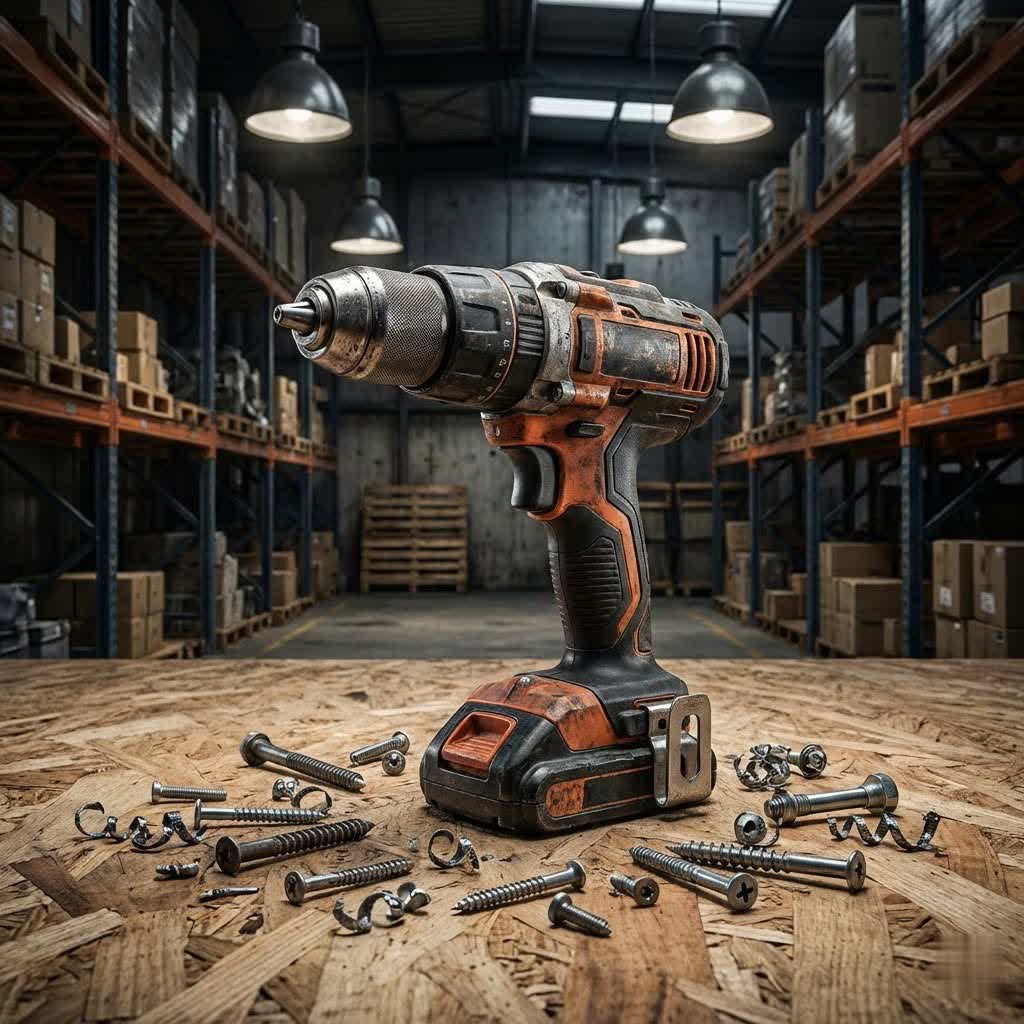
Every DIY enthusiast and professional alike understands the critical role a reliable electric drill plays in completing projects efficiently and effectively. Among the myriad options available, the 3/8 electric drill stands out as a true workhorse, offering a compelling blend of power, precision, and portability. But what exactly defines this versatile tool, and how can you leverage its capabilities to tackle everything from simple household repairs to more intricate woodworking tasks? This comprehensive guide will illuminate the world of 3/8 electric drills, equipping you with the knowledge to make an informed choice and master its use.
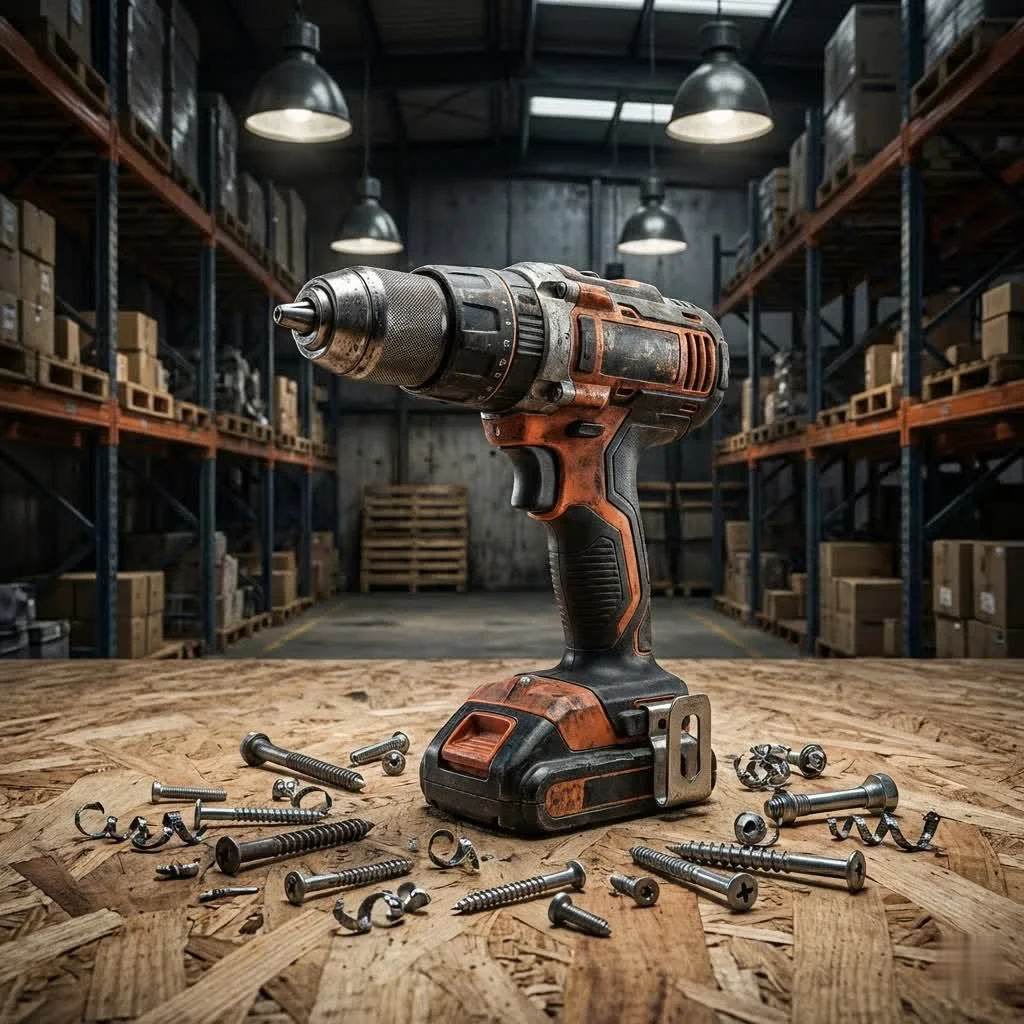
Overview of Electric Drills
Electric drills are fundamental power tools designed primarily for drilling holes into various materials and driving fasteners. Their invention revolutionized construction and manufacturing, making tasks that once required significant manual effort both quicker and less strenuous. From early hand-cranked models to today’s high-tech cordless units, the evolution of the electric drill has consistently focused on enhancing power, control, and user comfort.
Today, the market offers a diverse range of electric drills, categorized by factors like chuck size, power source, and specialized functions. The chuck, which holds the drill bit, is a key differentiator, with common sizes being 1/4-inch, 3/8-inch, and 1/2-inch. Each size caters to different demands, influencing the types of bits that can be used and the intensity of the tasks the drill can handle.
Detailed Classification of 3/8 Electric Drills
The 3/8-inch chuck size signifies a drill’s capacity to hold bits with shanks up to 3/8 of an inch in diameter. This makes 3/8 electric drills exceptionally versatile for a broad spectrum of light to medium-duty applications, often striking the perfect balance between power and maneuverability. Let’s delve into the specific types commonly found in this size.
3/8-inch Drill/Driver
The 3/8-inch drill/driver is arguably the most common and essential electric drill for general household use and light professional work. It excels at both drilling holes and driving screws, making it indispensable for tasks like assembling furniture, hanging pictures, and installing shelves. These drills typically feature variable speed triggers, allowing users to control the RPM for precision work or faster drilling, and an adjustable clutch to prevent over-driving screws and stripping screw heads. Their compact size and lighter weight make them comfortable to use for extended periods and in tight spaces.
3/8-inch Hammer Drill
For those projects that occasionally involve drilling into masonry, brick, or concrete, a 3/8-inch hammer drill offers added capability. Unlike standard drill/drivers, hammer drills incorporate a percussive action, rapidly pushing the drill bit forward while it rotates. This hammering motion, combined with the rotation, pulverizes brittle materials, making masonry drilling significantly easier. While not as powerful as larger 1/2-inch hammer drills or rotary hammers, the 3/8-inch version is excellent for light-duty masonry tasks like mounting fixtures to concrete walls or drilling pilot holes for anchors, all while maintaining the manageable size and weight of a 3/8-inch tool.
Corded 3/8-inch Electric Drill
|
Our Picks for the Best Electric Drill in 2026
As an Amazon Associate I earn from qualifying purchases.
|
||
| Num | Product | Action |
|---|---|---|
| 1 | AVID POWER 20V MAX Lithium lon Cordless Drill Set, Power Drill Kit with Battery and Charger, 3/8-Inch Keyless Chuck, Variable Speed, 16 Position and 22pcs Drill Bits (Red) |

|
| 2 | 20V Cordless Drill, Electric Power Drill Set with Battery Charger and Carrying Case, 3/8” Keyless Chuck, 2 Variable Speed, 18+3 Torque, 72pcs Driver Bits and Belt Hook, Red |
|
| 3 | COMOWARE 20V Cordless Drill, Electric Power Drill Set with 1 Battery & Charger, 3/8” Keyless Chuck, 2 Variable Speed, 266 In-lb Torque, 25+1 Position and 34pcs Drill/Driver Bits |
|
| 4 | DEWALT 20V Max Cordless Drill Driver Set, 2 Speed, High Performance Motor, Includes 2 XR 1.3Ah Li-Ion Batteries, Charger and Contractor Bag (DCD771C2) |
|
| 5 | PULITUO'S 20V Cordless Drill/Driver, Electric Screwdriver - 2 Batteries, 30Nm, 21+1 Torque, 2 Speed, Keyless 3/8" Chase Drill with LED Light, Kit for Home (Green) |
|
| 6 | BLACK+DECKER 20V MAX* POWERCONNECT Cordless Drill Driver Kit with Drill Bit Set and Sockets, 100 pc. Tool Kit for Home, Battery and Charger Included ,Orange (BDC120VA100) |
|
| 7 | FADAKWALT Cordless Drill Set,12V Power Drill Set with Battery and Charger, Electric Driver/Drill Bits, 3/8'' Keyless Chuck,21+1 Torque Setting, 180 inch-lbs, with LED Electric Drill Set (Green) |
|
| 8 | Hoteche 320W 10mm Torque Drill, 19+1 Torque Settings Corded Electric Drill for Metal (10mm) & Wood (20mm), Yellow, Color Box Packaging |
|
| 9 | Cordless Drill Set, VIWKO 20V Power Drill with Power Pack 2.0Ah and Charger, 3/8-Inch Keyless Chuck Electricdrill, 25+1 Torque, 42pcs Drilldriver Bits/Screws for DIY Projects (Red) |
|
| 10 | DEWALT 20V MAX Cordless Drill Driver Set, Electric Drill, Brushless 1/2 In 2 Speed, 2.0 Ah Battery and Charger Included, LED Light (DCD777D1) |
|
Corded 3/8-inch electric drills draw their power directly from an electrical outlet, providing consistent, uninterrupted performance. This eliminates concerns about battery life, making them ideal for prolonged tasks or projects where a power source is readily available. They often offer a higher power-to-weight ratio than their cordless counterparts due to the absence of a heavy battery pack. Corded models are generally more robust and can sustain high torque applications without fading, making them a reliable choice for consistent workshop use or extended DIY projects where mobility isn’t the primary concern.
Cordless 3/8-inch Electric Drill
The cordless 3/8-inch electric drill has surged in popularity due to its unparalleled portability and convenience. Powered by rechargeable battery packs, typically lithium-ion, these drills offer freedom of movement, allowing users to work in remote locations or where outlets are scarce. Modern cordless drills with advanced battery technology provide impressive power and runtime, rivaling many corded models for light to medium tasks. Features like LED work lights, belt clips, and ergonomic grips further enhance their user-friendliness, making them a top choice for on-the-go projects, quick fixes, and any job requiring maximum maneuverability. “Many DIY enthusiasts find themselves gravitating towards the convenience of a cordless model within these sizes. A battery-powered option provides flexibility without being tethered by cords—a game-changer when you’re moving around different areas of your home or workspace.”
Comparing 3/8-inch Electric Drill Types
Choosing the right 3/8-inch electric drill involves understanding the nuances between its primary types and power sources. This table offers a concise comparison to help you pinpoint the best fit for your specific needs.
| Feature / Type | 3/8-inch Drill/Driver | 3/8-inch Hammer Drill | Corded 3/8-inch Electric Drill | Cordless 3/8-inch Electric Drill |
|---|---|---|---|---|
| Primary Function | Drilling & Fastening | Drilling (Wood, Metal, Masonry) | Drilling & Fastening | Drilling & Fastening |
| Best For | General DIY, Assembly, Light Wood/Metal | Light Masonry, Concrete | Continuous, High-Power tasks | Mobility, Remote work, Quick jobs |
| Power Source | Corded or Cordless | Corded or Cordless | Wall Outlet | Rechargeable Battery (Li-Ion) |
| Masonry Drilling | No (or very limited) | Yes (Light to Medium) | No (unless a hammer drill) | No (unless a hammer drill) |
| Portability | High (Cordless), Moderate (Corded) | Moderate | Low (Tethered) | Very High |
| Consistent Power | Varies by power source | Varies by power source | Excellent | Dependent on Battery Charge |
| Typical Weight | Light to Moderate | Moderate | Moderate | Light to Moderate |
| Cost | Moderate | Moderate to High | Low to Moderate | Moderate to High |
| Key Features | Variable Speed, Clutch | Variable Speed, Clutch, Hammer Function | High Amperage, Continuous Power | Variable Speed, Clutch, LED, Ergonomic Grip |
Overall Assessment: The standard 3/8-inch drill/driver is the everyday workhorse, ideal for most DIY and home repair tasks. Adding a hammer function expands its capabilities to light masonry. Corded drills offer unwavering power for extended use, while cordless models provide the ultimate freedom and convenience for varied job sites.
How to Choose the Right 3/8 Electric Drill
Selecting the perfect 3/8 electric drill means aligning its features with your personal requirements and the demands of your projects. Consider these factors carefully:
Determine Your Usage Needs
Before anything else, identify the primary purpose of your drill. Are you mainly assembling flat-pack furniture, hanging art, or tackling occasional small repairs? Or do your projects involve more intensive drilling into tougher materials like light masonry, or continuous use over long periods?
- Occasional DIY / Home Use: A basic cordless 3/8-inch drill/driver is often sufficient.
- Varied DIY / Light Renovation: A 3/8-inch hammer drill (corded or cordless) provides versatility for wood, metal, and light concrete.
- Frequent Use / Workshop: A corded 3/8-inch drill for consistent power, or a high-voltage cordless system if portability is key.
Set Your Budget
Electric drills come in a wide price range. Entry-level models are affordable and suitable for basic tasks, while high-end drills from reputable brands offer advanced features, greater durability, and superior performance at a higher cost. Decide how much you’re willing to invest, keeping in mind that a slightly higher investment often translates to better quality and a longer tool lifespan.
Essential Technical Specifications
Understanding these key specifications will help you gauge a drill’s performance:
- Power (Amps for Corded, Volts for Cordless): Higher amperage (e.g., 6-8 amps) in corded drills means more power. For cordless, higher voltage (e.g., 12V, 18V, 20V MAX) generally indicates greater torque and sustained performance.
- Speed (RPM): Variable speed triggers are crucial. Lower RPM (revolutions per minute) provides more torque for driving screws and drilling in hard materials, while higher RPM is better for fast drilling in softer materials.
- Torque: Measured in inch-pounds or Newton-meters, torque is the rotational force. Higher torque makes it easier to drive large screws or drill through dense materials. Many drills have an adjustable clutch to control torque, preventing damage to fasteners or workpieces.
- Chuck Type: 3/8-inch drills commonly feature keyless chucks for quick and easy bit changes. Ratcheting keyless chucks offer a more secure grip.
- Functions (Drill, Hammer, Driver): Ensure the drill offers the modes required for your tasks. A drill/driver with a hammer function offers the best versatility for many users.
Brand and Reliability
Investing in a reputable brand often guarantees better quality, durability, and customer support. Brands like DeWalt, Milwaukee, Bosch, Makita, and Ryobi are known for their reliable electric drills. Always check user reviews and warranty information. A brand with a strong track record for power tools is a wise choice for long-term satisfaction.
Supplemental Features
Modern drills include various features that enhance usability:
- LED Work Light: Illuminates the work area, especially useful in dimly lit spaces.
- Variable Speed Control: Essential for precision and adaptability to different materials.
- Anti-Vibration System: Reduces user fatigue during prolonged use, particularly for hammer drills.
- Battery System (for Cordless): Look for lithium-ion batteries for longer life, faster charging, and no memory effect. Consider drills that are part of a larger tool system, allowing you to use the same batteries across multiple tools.
- Ergonomics: A comfortable grip and balanced design reduce fatigue and improve control.
Tips for Safe Use and Maintenance of 3/8 Electric Drills
Proper handling and care are crucial for maximizing the lifespan of your 3/8 electric drill and ensuring your safety.
Correct Usage Guidelines
- Wear Safety Gear: Always wear safety glasses or a face shield. Gloves are recommended for handling materials, but avoid loose gloves that could get caught by rotating parts. Ear protection is advisable for noisy hammer drill operations.
- Secure Your Workpiece: Always clamp or secure the material you’re drilling into. This prevents it from spinning or shifting, which can lead to injury or damaged work.
- Choose the Right Bit: Use the correct drill bit type and size for the material and hole diameter. Dull bits can cause overheating and poor performance.
- Start Slow and Steady: Begin drilling at a slow speed to prevent the bit from “walking” and to establish a precise pilot hole. Gradually increase speed as the bit bites into the material.
- Apply Even Pressure: Apply firm, consistent pressure in line with the drill bit. Avoid excessive force, which can bend the bit or stall the motor.
- Reverse for Extraction: Use the reverse function to back out drill bits that get stuck or to remove screws.
- Beware of Kickback: Be prepared for potential kickback, especially when drilling large holes or working with knotty wood. Maintain a firm grip.
Maintenance for Longevity
- Clean After Each Use: Wipe down your drill to remove dust, debris, and sawdust. Use compressed air to clear vents and keep the motor cool.
- Inspect Chuck and Cord/Battery: Regularly check the chuck for damage and ensure it grips bits securely. For corded drills, inspect the power cord for cuts or fraying. For cordless, ensure battery contacts are clean and free of corrosion.
- Store Properly: Store your drill in a clean, dry place, preferably in its case, to protect it from dust, moisture, and impact.
- Lubricate (if applicable): Some drill parts may require occasional lubrication; consult your user manual for specific instructions.
- Battery Care (for Cordless): Store lithium-ion batteries at a partial charge (around 50%) if not used for extended periods. Avoid fully discharging or overcharging them.
“A well-maintained 3/8 electric drill is not just a tool; it’s an investment that will serve you reliably for years across countless projects. Neglecting basic care is the fastest way to shorten its life.” – Johnathan Reed, Master Carpenter & Tool Expert
Conclusion
The 3/8 electric drill is an indispensable tool in any workshop or home, celebrated for its versatility, ease of use, and capability to handle a wide array of drilling and driving tasks. Whether you opt for a compact drill/driver, a multi-functional hammer drill, or prioritize the consistent power of a corded model or the freedom of a cordless unit, understanding its features and proper application is key to unlocking its full potential. By considering your specific needs, evaluating technical specifications, and committing to diligent care, your 3/8 electric drill will undoubtedly become your most trusted companion for all your projects. What project will you tackle first with your perfectly chosen 3/8 electric drill?
Frequently Asked Questions
What does “3/8 inch” refer to on an electric drill?
The “3/8 inch” refers to the maximum diameter of the shank of a drill bit that the drill’s chuck can securely hold. This size indicates that the drill is primarily suited for light to medium-duty drilling and driving applications.
Is a 3/8-inch electric drill powerful enough for all household tasks?
For most common household tasks like hanging pictures, assembling furniture, light woodworking, and drilling into drywall or thin metal, a 3/8-inch electric drill is perfectly adequate. For heavy-duty drilling into concrete or large diameter holes in dense materials, a 1/2-inch drill or a specialized hammer drill might be necessary.
Can a 3/8-inch electric drill be used to drive screws?
Absolutely, the vast majority of 3/8-inch electric drills are designed to function as both drills and drivers. They typically come with variable speed control and an adjustable clutch, making them highly effective for driving and removing screws without over-tightening or stripping the heads.
What are the main advantages of a cordless 3/8-inch drill over a corded one?
The primary advantage of a cordless 3/8-inch drill is its mobility, allowing you to work anywhere without being limited by power outlets. They offer greater convenience for outdoor projects or job sites without accessible power, whereas corded drills provide continuous, consistent power without battery concerns.
How often should I charge my cordless 3/8-inch drill battery?
For drills with lithium-ion batteries, it’s best to charge them as needed, rather than waiting for them to be completely depleted. Avoid storing batteries fully discharged or fully charged for extended periods; a partial charge (around 50%) is ideal for long-term storage.
Get our weekly buyer guide
Practical specs, not advice. Unsubscribe anytime.
