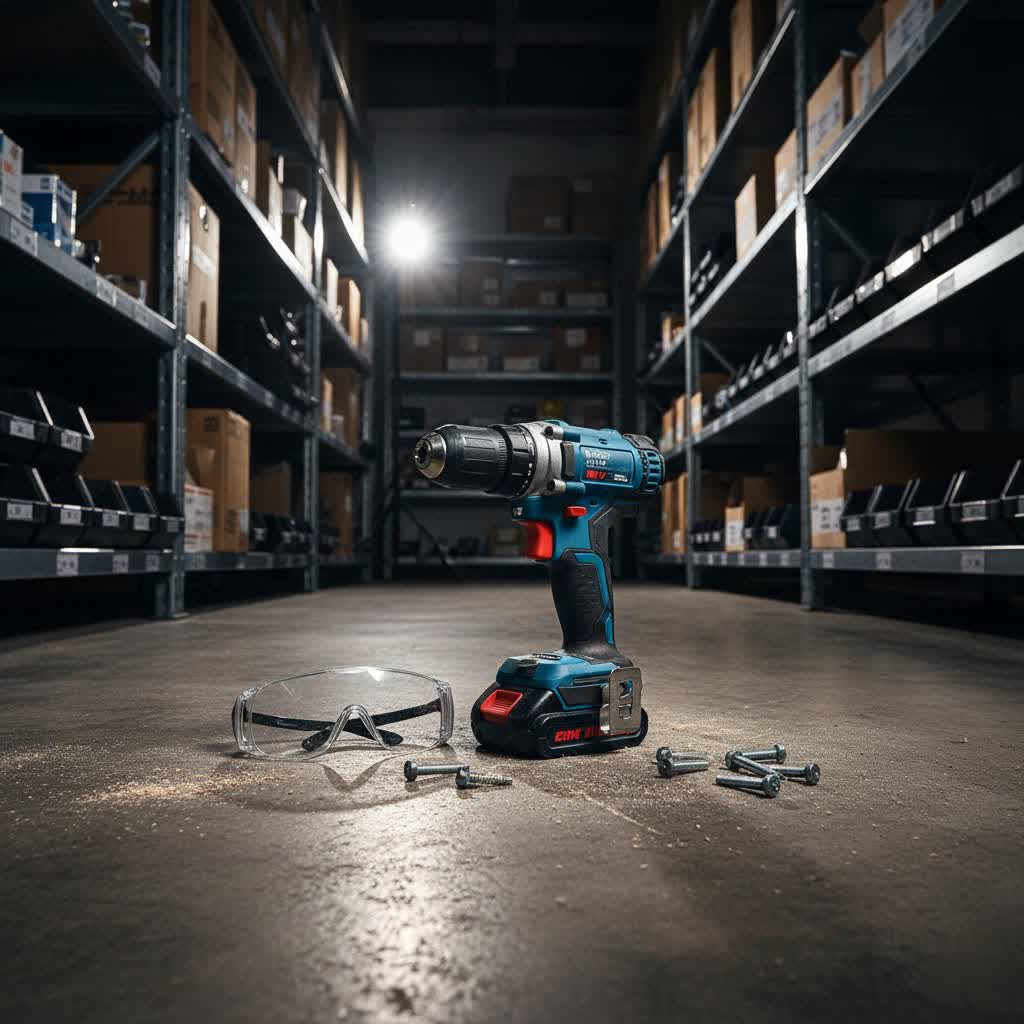
Navigating the world of power tools can be daunting, especially when the job demands more than just basic drilling. For seasoned technicians and serious DIY enthusiasts tackling demanding projects, a standard drill simply won’t suffice. When you need to bore through concrete, steel, or dense hardwoods, a heavy-duty electric drill becomes your indispensable partner. This comprehensive guide will arm you with the knowledge to understand, select, and effectively utilize these formidable machines, ensuring precision, power, and safety in every heavy-duty application.
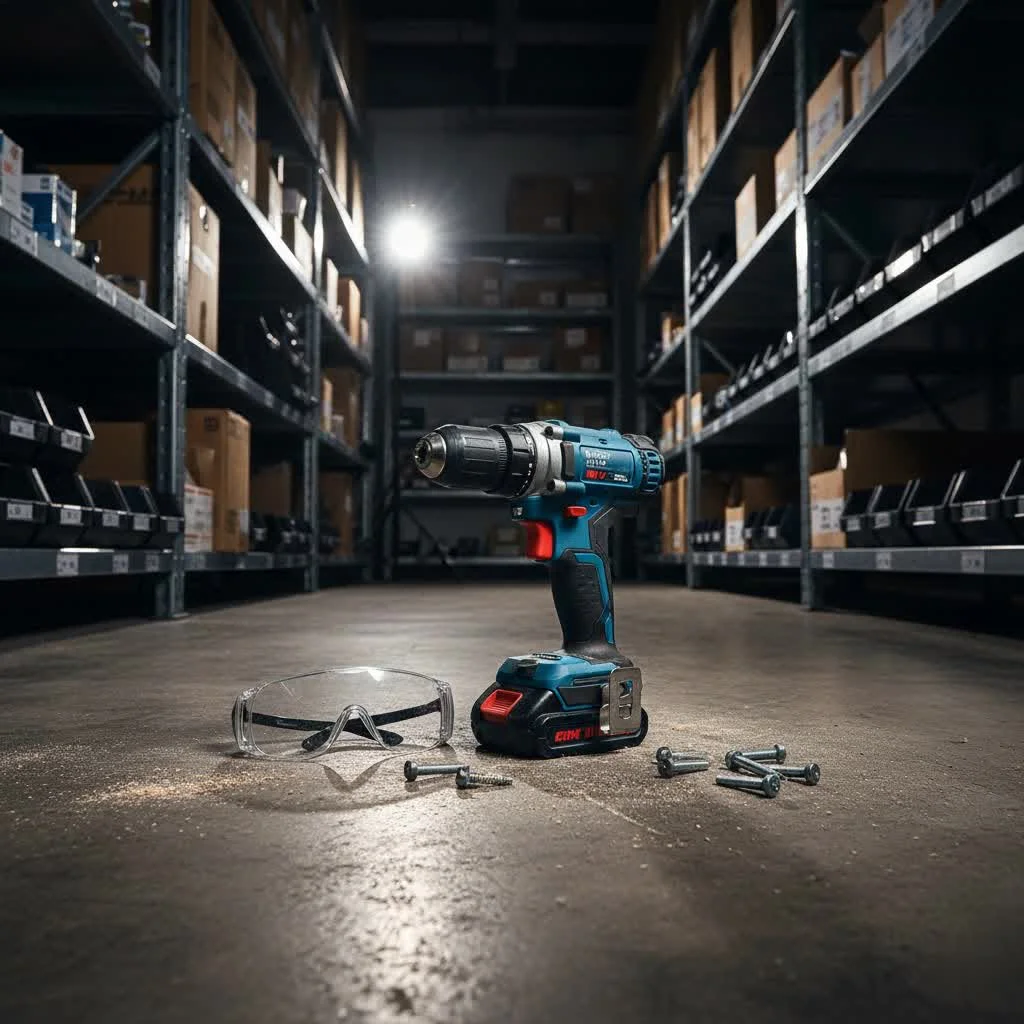
Overview of Heavy-Duty Electric Drills
An electric drill is a cornerstone tool in any professional’s arsenal, fundamentally designed to create holes and drive fasteners across a multitude of materials. While basic models handle everyday tasks, heavy-duty electric drills are engineered for resilience and superior performance, built to withstand the rigors of continuous use in challenging environments. For see our electric drills recommendations on this site.
The evolution of the electric drill began over a century ago, transforming from rudimentary hand tools into sophisticated powerhouses. Early electric models were simple rotary tools, but advancements in motor technology, gear systems, and material science led to the development of specialized heavy-duty drills capable of tackling virtually any material. Today’s heavy-duty drills integrate robust motors, advanced ergonomics, and diverse functionalities, making them essential for construction, renovation, and heavy fabrication.
Generally, heavy-duty electric drills are characterized by their high power output, significant torque, and durable construction. They are purpose-built to drill through materials that would quickly overwhelm lighter-duty machines, such as reinforced concrete, thick metals, or large timber beams. These powerful tools come in various forms, each designed for specific demanding applications, ensuring there’s a perfect match for even the most challenging tasks.
Detailed Classification of Heavy-Duty Electric Drills
Understanding the distinct categories of heavy-duty electric drills is crucial for selecting the right tool for your specific project. While they all share the common goal of power and durability, their operational mechanisms and ideal applications vary significantly.
Hammer Drills
Hammer drills are versatile tools that combine the rotary action of a standard drill with a percussive, hammering motion. This dual action makes them exceptionally effective for drilling into masonry, brick, and concrete. The “hammer” function rapidly thrusts the drill bit forward, chipping away at the hard material while the rotation clears the debris.
- Advantages:
- Excellent for drilling into hard masonry materials.
- Often feature a “drill-only” mode for wood and metal.
- More compact and lighter than dedicated rotary hammers.
- Disadvantages:
- Less powerful than rotary hammers for large-diameter holes in concrete.
- Can be slower and less efficient in very dense concrete.
- Suitable Applications: Installing anchors in concrete, mounting shelves on brick walls, light demolition work, general construction in masonry.
- Comparison: Unlike standard drills, hammer drills employ a hammering action. They are a step up in power for masonry compared to a regular drill but are generally less aggressive than rotary hammers.
Impact Drivers
|
Our Picks for the Best Electric Drill in 2026
As an Amazon Associate I earn from qualifying purchases.
|
||
| Num | Product | Action |
|---|---|---|
| 1 | BLACK+DECKER 20V MAX* POWERCONNECT Cordless Drill Driver Kit with Drill Bit Set and Sockets, 100 pc. Tool Kit for Home, Battery and Charger Included ,Orange (BDC120VA100) |

|
| 2 | PULITUO'S 20V Cordless Drill/Driver, Electric Screwdriver - 2 Batteries, 30Nm, 21+1 Torque, 2 Speed, Keyless 3/8" Chase Drill with LED Light, Kit for Home (Green) |
|
| 3 | Cordless Drill Set, VIWKO 20V Power Drill with Power Pack 2.0Ah and Charger, 3/8-Inch Keyless Chuck Electricdrill, 25+1 Torque, 42pcs Drilldriver Bits/Screws for DIY Projects (Red) |
|
| 4 | FADAKWALT Cordless Drill Set,12V Power Drill Set with Battery and Charger, Electric Driver/Drill Bits, 3/8'' Keyless Chuck,21+1 Torque Setting, 180 inch-lbs, with LED Electric Drill Set (Green) |
|
| 5 | Hoteche 320W 10mm Torque Drill, 19+1 Torque Settings Corded Electric Drill for Metal (10mm) & Wood (20mm), Yellow, Color Box Packaging |
|
| 6 | COMOWARE 20V Cordless Drill, Electric Power Drill Set with 1 Battery & Charger, 3/8” Keyless Chuck, 2 Variable Speed, 266 In-lb Torque, 25+1 Position and 34pcs Drill/Driver Bits |
|
| 7 | DEWALT 20V Max Cordless Drill Driver Set, 2 Speed, High Performance Motor, Includes 2 XR 1.3Ah Li-Ion Batteries, Charger and Contractor Bag (DCD771C2) |
|
| 8 | 20V Cordless Drill, Electric Power Drill Set with Battery Charger and Carrying Case, 3/8” Keyless Chuck, 2 Variable Speed, 18+3 Torque, 72pcs Driver Bits and Belt Hook, Red |
|
| 9 | AVID POWER 20V MAX Lithium lon Cordless Drill Set, Power Drill Kit with Battery and Charger, 3/8-Inch Keyless Chuck, Variable Speed, 16 Position and 22pcs Drill Bits (Red) |
|
| 10 | DEWALT 20V MAX Cordless Drill Driver Set, Electric Drill, Brushless 1/2 In 2 Speed, 2.0 Ah Battery and Charger Included, LED Light (DCD777D1) |
|
While not strictly “drills” in the traditional sense of creating holes, impact drivers are indispensable heavy-duty tools for driving fasteners with immense power. They deliver rotational force alongside rapid, short bursts of impact force, which helps prevent cam-out (stripping the screw head) and drives screws much faster and with less effort than a standard drill.
- Advantages:
- Exceptional torque for driving long, large fasteners.
- Prevents screw stripping.
- Compact and lightweight, ideal for tight spaces.
- Reduces user fatigue during repetitive fastening.
- Disadvantages:
- Not designed for precision drilling of holes (unless using specialized bits).
- Can be louder than standard drills.
- Suitable Applications: Deck building, securing subflooring, installing heavy-duty lag bolts, assembling metal frameworks, automotive work.
- Comparison: Impact drivers excel at driving screws, where drills are primarily for making holes. They provide significantly more torque for fastening than a drill/driver.
Rotary Hammers
Rotary hammers are the heavyweights for serious concrete and masonry work. They use an electro-pneumatic hammer mechanism, delivering much stronger, piston-driven impacts than a standard hammer drill. This mechanism allows them to drill larger diameter holes faster and with less effort, even through rebar-reinforced concrete.
- Advantages:
- Superior power for drilling large holes in concrete, stone, and brick.
- Faster drilling speed in hard materials.
- Often feature chisel/demolition modes for light breaking tasks.
- Reduced vibration compared to hammer drills for equivalent work.
- Disadvantages:
- Heavier and bulkier than hammer drills.
- Generally more expensive.
- Overkill for wood or metal drilling (though many have a “rotation-only” mode).
- Suitable Applications: Drilling anchor holes in structural concrete, breaking up small sections of concrete, channeling for electrical conduits, large-scale masonry work.
- Comparison: Rotary hammers are significantly more powerful for masonry than hammer drills, making them suitable for professional construction and demolition tasks.
Magnetic Drills
Magnetic drills are highly specialized heavy-duty tools designed for drilling precise holes in metal, particularly large diameter holes in thick steel plates or structural steel. They feature a powerful electromagnet in their base that securely clamps the drill to the metal surface, providing exceptional stability and preventing movement during operation. This stability, combined with powerful motors and specialized annular cutters, allows for clean, accurate holes in heavy gauge metal.
- Advantages:
- Unmatched stability and precision for drilling metal.
- Ideal for large diameter holes in thick steel.
- Can be used horizontally, vertically, or overhead.
- Reduced physical effort due to magnetic adhesion.
- Disadvantages:
- Exclusively for ferrous metals (cannot be used on aluminum, wood, etc.).
- Heavier and less portable than handheld drills.
- Higher cost and specialized cutters.
- Suitable Applications: Structural steel fabrication, bridge construction, heavy machinery repair, shipyard work, installing fixtures on metal beams.
- Comparison: Magnetic drills offer a level of stability and hole-making capability in metal that no other handheld electric drill can match.
Comparison Table of Heavy-Duty Electric Drills
Choosing the right heavy-duty electric drill involves weighing their unique strengths against your project’s demands. This table provides a concise comparison of the primary types:
| Feature | Hammer Drill | Impact Driver | Rotary Hammer | Magnetic Drill |
|---|---|---|---|---|
| Primary Use | Drilling masonry, light concrete | Driving fasteners | Heavy concrete, stone, demolition | Precise drilling in thick metal |
| Power Output | Moderate to High (7-10 Amps / 18-20V) | High Torque (1500-2000+ in-lbs) | Very High (10+ Amps / 20V+ SDS) | Very High (1000W+ / High Torque) |
| Drilling Action | Rotary + Percussion (mechanical) | Rotational + Tangential Impact | Rotary + Percussion (electro-pneumatic) | Rotary (with annular cutters) |
| Best For | Home renovation, small masonry jobs | Deck building, heavy fastening | Commercial construction, rebar | Steel fabrication, structural work |
| Key Advantage | Versatility for masonry and general drilling | Efficient, powerful fastening | Fastest and strongest for concrete | Unrivaled precision in thick metal |
| Typical Bit Type | Masonry bits, twist bits | Hex shank driver bits | SDS-Plus/Max bits | Annular cutters, twist bits (with adapter) |
| Portability | High | Very High | Moderate | Low to Moderate |
| Cost | Mid-range | Mid-range | High | Very High |
This comparison highlights that while all are heavy-duty, their optimal applications are distinct. For instance, a rotary hammer is unmatched for concrete, while a magnetic drill is supreme for precise metalwork.
How to Choose a Heavy-Duty Electric Drill
Selecting the perfect heavy-duty electric drill requires a methodical approach, aligning the tool’s capabilities with your specific project requirements. It’s an investment that pays dividends in efficiency, safety, and project quality.
Determine Your Usage Needs
Before diving into specifications, clearly define your primary applications:
- Primary Purpose: Are you mainly drilling holes, driving fasteners, or both? What materials will you encounter most frequently—concrete, steel, wood, or a mix?
- Material Hardness: Harder materials like concrete and steel demand higher impact energy and torque. Softer materials like wood still benefit from power but require variable speed for control.
- Frequency of Use: For daily, continuous professional use, invest in top-tier durability and performance. For occasional heavy tasks, a robust mid-range model might suffice.
- Corded vs. Cordless:
- Corded: Offers consistent, unlimited power for prolonged, heavy-duty tasks without battery concerns. Ideal for workshops or jobsites with reliable power access. Typically more powerful for their weight.
- Cordless: Provides superior mobility and convenience, essential for working in remote areas or without immediate power outlets. For heavy-duty cordless, prioritize higher voltage (18V-20V+) and amp-hour (Ah) batteries for extended runtime and power.
Budget
Establish a realistic budget, understanding that heavy-duty tools represent a significant investment in quality and longevity. While it’s tempting to opt for the cheapest option, compromising on a heavy-duty tool can lead to frustration, premature wear, and even safety risks. Leading brands often come with higher price tags but offer superior performance, durability, and warranty support. Consider the long-term value: a reliable, high-performance tool reduces downtime and replacement costs.
Critical Technical Specifications
Dive into the numbers that define a heavy-duty drill’s capabilities:
- Power:
- Corded: Measured in Amps (A) or Watts (W). For heavy-duty applications, look for 8-15 Amps or 1000-1500+ Watts. Higher numbers indicate more raw power.
- Cordless: Measured in Volts (V). Heavy-duty cordless drills typically range from 18V to 20V (or even 36V/54V for some systems). Higher voltage translates to more power and torque.
- Speed (RPM – Revolutions Per Minute): Variable speed control is paramount for heavy-duty work. Lower speeds offer more torque and control for driving screws or drilling hard materials, while higher speeds are ideal for faster drilling in softer materials. A typical range for heavy-duty drills might be 0-1000 RPM (low speed) and 0-3000 RPM (high speed).
- Torque: This is the rotational force, crucial for driving large fasteners and drilling through dense materials. While often not explicitly listed in easily comparable units for all drills, higher power output generally correlates with higher torque. Look for clutch settings that allow you to adjust torque to prevent over-driving screws or damaging materials.
- Chuck Type and Size:
- Chuck Size: For heavy-duty tasks, a 1/2-inch (13mm) chuck is standard. This larger size accommodates bigger drill bits and provides a more secure grip for demanding applications.
- Chuck Type: Keyless chucks offer convenience for quick bit changes, while keyed chucks provide maximum grip for high-torque applications, sometimes preferred by professionals for extreme tasks.
- SDS Chuck (for Rotary Hammers): SDS-Plus or SDS-Max chucks are designed specifically for rotary hammers, allowing bits to slide in and out while providing exceptional power transfer for hammering action.
- Functions (Drill, Hammer, Impact): Many heavy-duty drills offer multiple modes. Ensure the drill you choose has the specific functions needed for your work, whether it’s drill-only, hammer drilling, or impact driving.
Brand and Reliability
Reputation matters in power tools. Established brands like Milwaukee, DeWalt, Makita, Bosch, Flex, and Hilti are known for their robust engineering, performance, and after-sales support. Researching user reviews and professional opinions can provide valuable insights into a tool’s long-term reliability and common issues. A reputable brand often means better build quality, more consistent performance, and easier access to spare parts and service.
Additional Features
Modern heavy-duty drills come with features that enhance safety, comfort, and efficiency:
- LED Work Light: Illuminates the drilling area, especially useful in dimly lit spaces.
- Anti-Vibration Technology: Reduces user fatigue during prolonged use, particularly in rotary hammers.
- Ergonomic Design & Grip: Comfortable handles and balanced weight distribution minimize strain.
- Brushless Motors: For cordless drills, brushless motors offer greater efficiency, longer runtime, more power, and extended motor life compared to brushed motors.
- Clutch Settings: Allows adjustment of torque for driving screws, preventing damage to fasteners and materials.
- Depth Stop: Ensures consistent drilling depth.
- Side Handle: Provides extra control and stability, especially for high-torque applications.
- Battery Indicators and Fast Charging: For cordless models, clear battery status and rapid charging capabilities are highly beneficial.
Tips for Safe Use and Maintenance of Heavy-Duty Electric Drills
Even the most robust heavy-duty electric drill requires proper handling and care to ensure its longevity and, more importantly, your safety. As powerful tools, they demand respect and adherence to best practices.
Safe Usage Guidelines
- Wear Personal Protective Equipment (PPE): Always wear safety glasses or goggles to protect against flying debris. Gloves can improve grip and protect hands. For noisy operations, especially with hammer or rotary drills, ear protection is essential.
- Secure Your Workpiece: Never hold the material by hand. Use clamps, a vice, or other securing methods to prevent the workpiece from spinning or shifting, which can cause injury or damage.
- Choose the Right Bit: Match the drill bit to the material and the task. Using the wrong bit can lead to poor performance, bit breakage, or tool damage. Ensure the bit is sharp and in good condition.
- Maintain a Firm Grip: Always use the auxiliary side handle if provided, especially with high-torque drills, to maintain control and prevent wrist strain or injury if the drill binds.
- Start Slowly and Apply Steady Pressure: Begin drilling at a low speed to ensure the bit starts accurately, then gradually increase speed and apply firm, steady pressure. Let the drill do the work; excessive force can lead to overheating and premature wear.
- Be Aware of Kickback: Heavy-duty drills, particularly those with high torque, can kick back if the bit jams. Be prepared for this by maintaining a strong stance and firm grip. Many modern drills include anti-kickback features for added safety.
- Check for Obstructions: Before drilling into walls or floors, use a stud finder or material scanner to check for hidden electrical wires, pipes, or rebar.
- Keep the Work Area Clear: A cluttered workspace increases the risk of trips, falls, or entanglement with the drill or its cord.
Maintenance for Longevity
Regular maintenance is key to extending the life and performance of your heavy-duty electric drill:
- Clean After Each Use: Dust, chips, and debris can accumulate in vents and moving parts, leading to overheating and wear. Use a soft brush, cloth, or compressed air to clean the tool thoroughly.
- Store Properly: Store your drill in a dry, dust-free environment, ideally in its original case or a dedicated tool storage system. Protect it from moisture, extreme temperatures, and direct sunlight.
- Inspect the Chuck: Periodically check the chuck for wear or damage and ensure it tightens securely around drill bits. A loose chuck can be inefficient and dangerous.
- Lubricate Moving Parts: For models that require it, apply light machine oil or grease to specified moving parts (consult your owner’s manual). Many modern drills have sealed components that do not require external lubrication.
- Battery Care (for Cordless Drills):
- Charge Appropriately: Avoid overcharging (leaving on charger indefinitely) or fully discharging batteries too often. Follow manufacturer’s recommendations for optimal charging cycles.
- Store Batteries: Store batteries in a cool, dry place, typically at a partial charge (around 50%).
- Use the Correct Charger: Always use the charger supplied by the manufacturer to prevent battery damage.
- Replace Worn Parts: Dull or damaged drill bits and accessories should be replaced immediately. Using compromised bits strains the motor and produces poor results. Periodically check the power cord for damage on corded drills.
- Listen to Your Tool: Pay attention to any unusual noises, vibrations, or changes in performance. These can be early indicators of a developing problem.
“A heavy-duty electric drill is an extension of the craftsman’s will. Its power demands respect, and its longevity hinges on diligent care. Always prioritize safety, and remember that even the strongest tool thrives on proper maintenance.” – John “The Builder” Henderson, Master Carpenter and Construction Expert
Conclusion
The heavy-duty electric drill is a cornerstone for serious professionals and dedicated DIYers, empowering you to tackle the toughest materials and most demanding projects with confidence. From the percussive force of a hammer drill to the precise magnetic grip on steel, understanding the distinct types, their unique capabilities, and critical specifications is paramount. By considering your specific needs, investing in a reputable brand, and diligently following safety and maintenance guidelines, you ensure that your heavy-duty electric drill remains a reliable, high-performance asset for years to come.
Which heavy-duty electric drill will be the next indispensable addition to your toolkit? The right choice will not only enhance your work quality but also significantly improve your efficiency and safety on every challenging job.
Frequently Asked Questions
What makes an electric drill “heavy-duty”?
Heavy-duty electric drills are distinguished by their robust motors (higher amperage for corded, higher voltage for cordless), increased torque, larger chuck sizes (typically 1/2-inch), durable construction, and specialized features like hammer functions or electro-pneumatic mechanisms, enabling them to handle materials such as concrete, steel, and dense hardwoods effectively and continuously.
Can a cordless heavy-duty drill be as powerful as a corded one?
Modern cordless heavy-duty drills, especially those with high voltage (18V-20V+) and brushless motors, offer impressive power and torque that can rival many corded models for a wide range of tasks. However, for continuous, extremely demanding applications or where unlimited runtime is critical, a corded heavy-duty drill often still provides a slight edge in sustained power without battery degradation.
What is the difference between a hammer drill and a rotary hammer?
A hammer drill uses a mechanical clutch to generate a hammering action, suitable for light to medium masonry work. A rotary hammer, conversely, employs an electro-pneumatic mechanism to deliver significantly stronger, piston-driven impacts, making it far more effective and faster for drilling larger holes in dense concrete, stone, and even through rebar.
What chuck size is best for heavy-duty electric drills?
For heavy-duty electric drills, a 1/2-inch (13mm) chuck is generally considered best. This size accommodates a wider range of larger drill bits, providing a more secure grip and better power transfer necessary for drilling through tough materials and driving large fasteners.
How often should I lubricate my heavy-duty drill?
The lubrication frequency for your heavy-duty drill depends on its specific model and usage. Always consult your owner’s manual, as some modern drills feature sealed, maintenance-free components, while older or specific models may require periodic application of light machine oil or grease to certain moving parts like the chuck or gear housing.
Is it necessary to wear ear protection when using a heavy-duty drill?
Yes, it is highly recommended to wear ear protection, especially when using hammer drills, rotary hammers, or impact drivers for extended periods. These tools can generate significant noise levels that, over time, can contribute to hearing damage. Safety glasses and gloves are also essential PPE for all drilling tasks.
Get our weekly buyer guide
Practical specs, not advice. Unsubscribe anytime.
