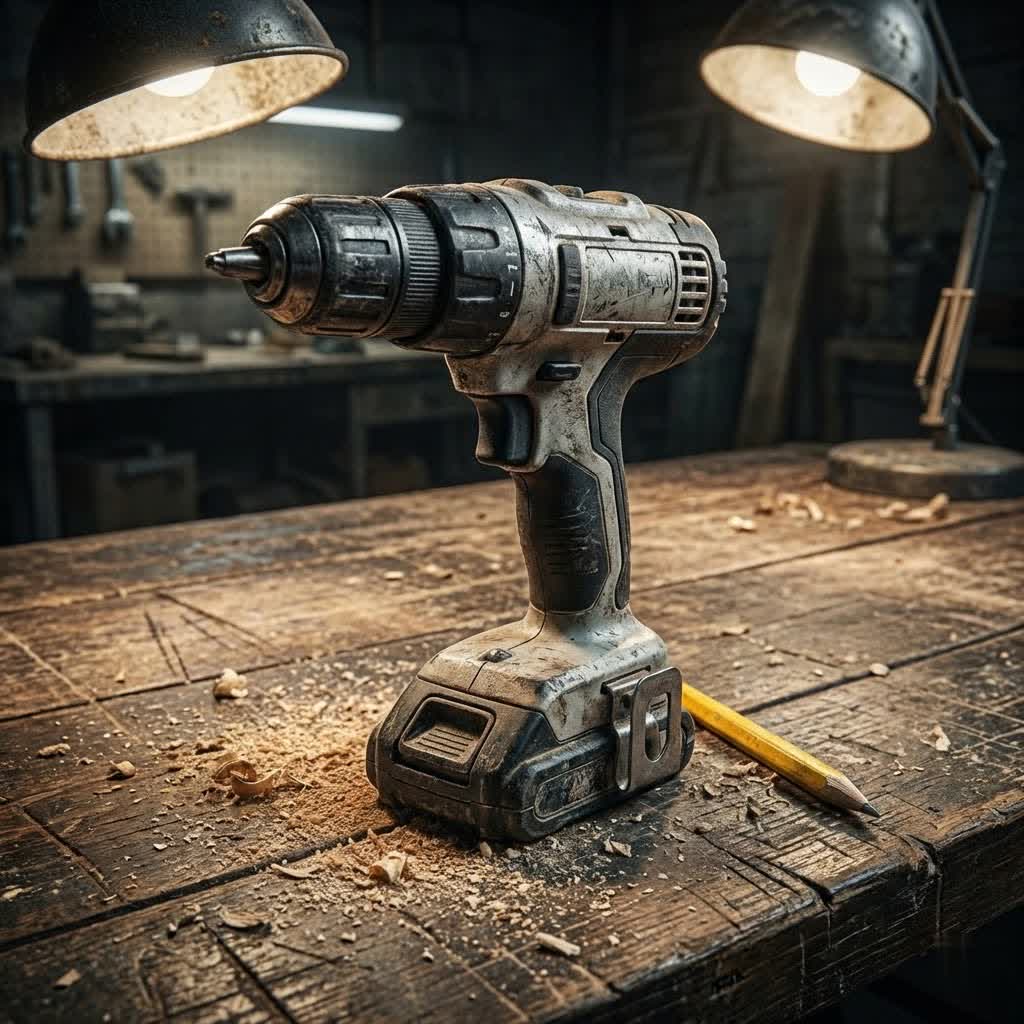
Stepping onto any job site or embarking on a home improvement project, you’ll quickly realize that the right tools are not just a luxury, but a necessity for efficiency and quality. Among the vast array of power tools, the electric drill stands as a cornerstone, transforming challenging tasks into manageable ones. But when it comes to tackling tough materials like concrete, brick, or stone, a standard drill often falls short. This is where the Electric Hammer Drill, a powerhouse designed for impact and rotation, steps in.
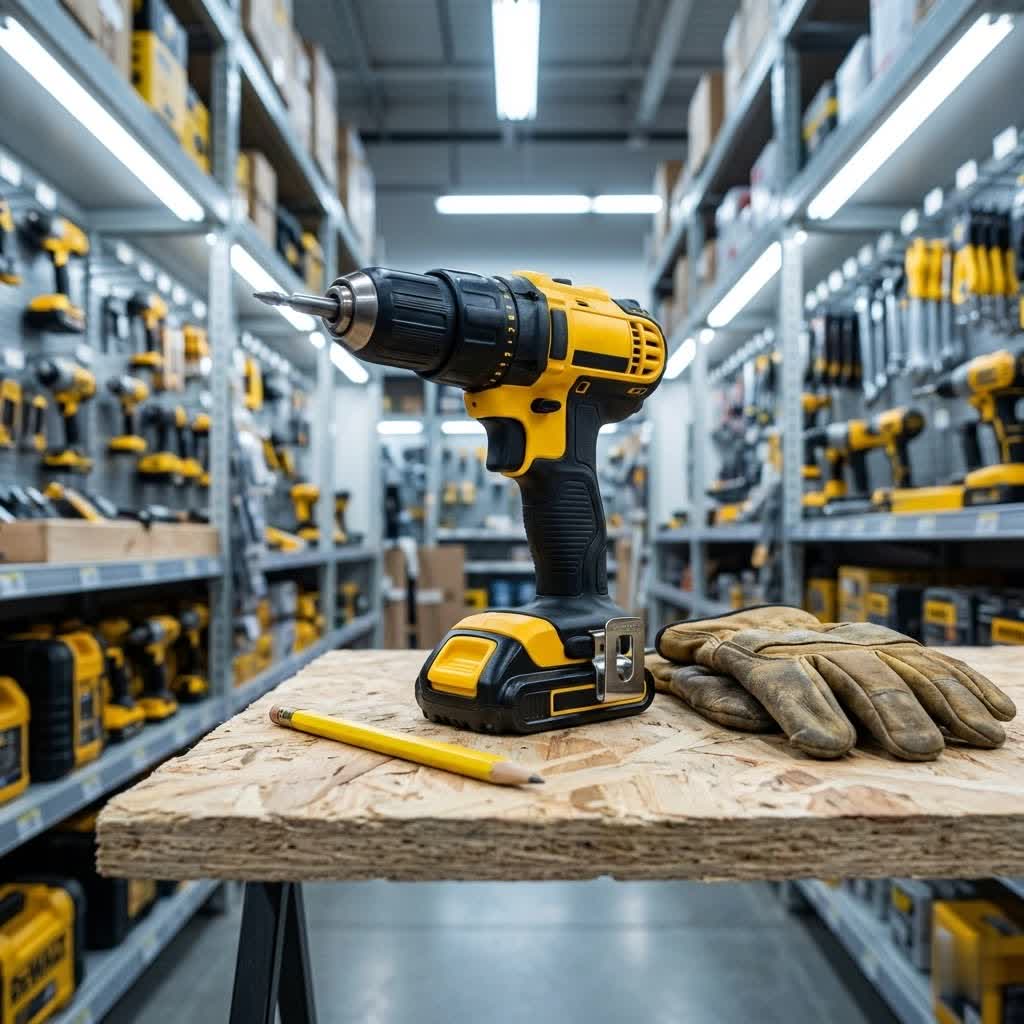
This comprehensive guide will demystify the electric hammer drill, exploring its capabilities, differentiating it from other drill types, and providing expert advice on selection, usage, and maintenance. Whether you’re a seasoned professional or a dedicated DIYer, understanding this versatile tool is key to achieving superior results and enhancing your toolkit.
Overview of Electric Drills
An electric drill is an indispensable power tool, primarily designed for drilling holes and driving fasteners. Its core function involves a motor that spins a drill bit, held securely by a chuck, to bore into various materials. Over the decades, electric drills have evolved significantly, moving from bulky corded units to highly portable, powerful cordless models, and specializing into different categories to meet diverse demands.
The history of the electric drill dates back to the late 19th century, with the first portable electric drill invented in 1895. Early models were heavy and cumbersome, but continuous innovation in motor technology, battery life, and ergonomic design has led to the sophisticated, user-friendly tools we have today. This evolution has expanded their applications from simple woodworking to heavy-duty construction, making them a staple in every craftsman’s arsenal.
Today’s market offers a wide range of electric drills, categorized primarily by their power source, functionality, and intended application. From basic drill drivers for everyday tasks to specialized hammer drills for masonry, and even robust rotary hammers for concrete demolition, there’s a tool engineered for almost every drilling or driving scenario. Key factors like power (voltage/amperage), speed (RPM), and additional features like impact mechanisms or adjustable clutches dictate their suitability for different projects.
Detailed Classification of Electric Drills
The world of electric drills is diverse, with each type engineered for specific tasks and materials. Understanding these distinctions is crucial for selecting the right tool to optimize performance and ensure safety.
Electric Hammer Drill
An electric hammer drill, often simply called a hammer drill or percussion drill, is a versatile tool that combines the rotary action of a standard drill with a rapid hammering motion along the axis of the bit. This dual action allows it to effectively penetrate hard materials such as brick, masonry, and concrete that a conventional drill would struggle with. The hammering mechanism in most hammer drills relies on two ridged discs that rapidly engage and disengage, creating thousands of blows per minute (BPM) to chip away at the material as the bit rotates.
- Advantages:
- Versatility: Many models feature a selectable mode, allowing users to switch between standard rotary drilling (for wood, metal, plastics) and hammer drilling (for masonry).
- Efficiency in Hard Materials: Significantly faster and more effective than a standard drill for drilling into brick and concrete.
- Cost-Effective: Often more affordable and lighter than dedicated rotary hammer drills, making them a popular choice for DIYers and light-to-medium professional tasks.
- Disadvantages:
- Less Powerful than Rotary Hammers: While effective for lighter masonry, they are less suited for very large holes or extensive work in dense concrete compared to rotary hammers.
- User Fatigue: The impact mechanism, while effective, can generate considerable vibration, leading to user fatigue during prolonged use if not equipped with good anti-vibration features.
- Suitable Applications:
- Mounting shelves or cabinets on brick walls.
- Drilling pilot holes for anchors in concrete blocks.
- Light renovation tasks involving masonry.
- Comparison: Compared to an impact driver, a hammer drill’s impact is linear, directly into the material, designed for drilling. In contrast to a rotary hammer, its impact mechanism is mechanical (ridged discs) rather than pneumatic (piston-driven), making it less powerful.
|
Our Picks for the Best Electric Drill in 2026
We may earn a commission when you use one of our links to make a purchase.
|
||
| Num | Product | Action |
|---|---|---|
| 1 | BLACK+DECKER 20V MAX* POWERCONNECT Cordless Drill Driver Kit with Drill Bit Set and Sockets, 100 pc. Tool Kit for Home, Battery and Charger Included ,Orange (BDC120VA100) |

|
| 2 | PULITUO'S 20V Cordless Drill/Driver, Electric Screwdriver - 2 Batteries, 30Nm, 21+1 Torque, 2 Speed, Keyless 3/8" Chase Drill with LED Light, Kit for Home (Green) |
|
| 3 | DEWALT 20V MAX Cordless Drill Driver Set, Electric Drill, Brushless 1/2 In 2 Speed, 2.0 Ah Battery and Charger Included, LED Light (DCD777D1) |
|
| 4 | Cordless Drill Set, VIWKO 20V Power Drill with Power Pack 2.0Ah and Charger, 3/8-Inch Keyless Chuck Electricdrill, 25+1 Torque, 42pcs Drilldriver Bits/Screws for DIY Projects (Red) |
|
| 5 | 20V Cordless Drill, Electric Power Drill Set with Battery Charger and Carrying Case, 3/8” Keyless Chuck, 2 Variable Speed, 18+3 Torque, 72pcs Driver Bits and Belt Hook, Red |
|
| 6 | DEWALT 20V Max Cordless Drill Driver Set, 2 Speed, High Performance Motor, Includes 2 XR 1.3Ah Li-Ion Batteries, Charger and Contractor Bag (DCD771C2) |
|
| 7 | COMOWARE 20V Cordless Drill, Electric Power Drill Set with 1 Battery & Charger, 3/8” Keyless Chuck, 2 Variable Speed, 266 In-lb Torque, 25+1 Position and 34pcs Drill/Driver Bits |
|
| 8 | AVID POWER 20V MAX Lithium lon Cordless Drill Set, Power Drill Kit with Battery and Charger, 3/8-Inch Keyless Chuck, Variable Speed, 16 Position and 22pcs Drill Bits (Red) |
|
| 9 | Hoteche 320W 10mm Torque Drill, 19+1 Torque Settings Corded Electric Drill for Metal (10mm) & Wood (20mm), Yellow, Color Box Packaging |
|
| 10 | FADAKWALT Cordless Drill Set,12V Power Drill Set with Battery and Charger, Electric Driver/Drill Bits, 3/8'' Keyless Chuck,21+1 Torque Setting, 180 inch-lbs, with LED Electric Drill Set (Green) |
|
Impact Driver
An impact driver is a specialized power tool primarily designed for driving and removing fasteners, such as screws, bolts, and lag screws, with exceptional speed and torque. Unlike a drill or hammer drill, an impact driver delivers its force rotationally, perpendicular to the bit, through a unique internal mechanism. When it encounters resistance, the impact driver engages a hammer-and-anvil mechanism that delivers quick, powerful rotational blows, allowing it to drive fasteners efficiently without stripping screw heads or causing excessive wrist strain.
- Advantages:
- High Torque: Delivers significantly higher torque than standard drills, making it ideal for driving long or large fasteners into dense materials.
- Reduced Kickback: The impacting action minimizes rotational kickback, making it more comfortable and safer to use, especially for repetitive tasks.
- Compact Size: Generally more compact and lightweight than drills, allowing access to tighter spaces.
- Disadvantages:
- Less Precision for Drilling: While some can drill holes, their primary strength is driving. They are not ideal for precise hole drilling, especially in delicate materials.
- Limited Bit Compatibility: Typically uses a quick-change chuck compatible only with 1/4-inch hex-shank bits, limiting the range of drill bits.
- Noise: Impact drivers can be quite noisy during operation due to their impacting mechanism.
- Suitable Applications:
- Assembling furniture with numerous screws.
- Building decks or fences.
- Driving lag bolts.
- Removing rusted or stubborn fasteners.
- Comparison: The key distinction from a hammer drill is the direction of the impact. An impact driver’s impact is rotational to assist fastening, while a hammer drill’s impact is linear to assist drilling.
Rotary Hammer Drill
The rotary hammer drill represents the heavy-duty end of the drilling spectrum, engineered for the most demanding tasks in concrete, stone, and masonry. It is significantly more powerful than a standard hammer drill, utilizing a piston mechanism to generate a pneumatic hammering action. This mechanism delivers much stronger and slower impacts, allowing the rotary hammer to pulverize tough materials with greater ease and drill larger diameter holes more quickly. Many rotary hammers also feature a “hammer-only” mode, turning them into a compact chipping hammer for light demolition work like removing tiles or chiseling concrete.
- Advantages:
- Superior Power: Excels at drilling large holes (often over 1 inch in diameter) in solid concrete, stone, and rebar-reinforced materials.
- Versatile Modes: Often includes drill-only, hammer-drill, and hammer-only (chipping) modes, offering greater versatility for various demolition and drilling tasks.
- Reduced User Fatigue: The pneumatic mechanism absorbs more shock than a mechanical hammer drill, making it more comfortable for prolonged heavy-duty use.
- SDS Chuck System: Typically uses an SDS (Slotted Drive System) chuck, which allows bits to slide back and forth, maximizing the hammering action and preventing bit slippage.
- Disadvantages:
- Heavier and Bulkier: Rotary hammers are generally larger and heavier, making them less maneuverable in tight spaces and more challenging for overhead work.
- Higher Cost: Due to their robust design and advanced mechanism, rotary hammers usually come with a higher price tag.
- Overkill for Light Tasks: Their power can be excessive for lighter drilling into wood or thin materials.
- Suitable Applications:
- Core drilling in concrete.
- Heavy-duty anchoring in structural concrete.
- Chiseling tasks, tile removal, or breaking up small concrete sections.
- Professional construction and renovation work.
- Comparison: The key differentiator from an electric hammer drill is the internal mechanism (piston vs. ridged discs) and the resulting impact force, which is much higher in a rotary hammer.
Magnetic Drill
A magnetic drill, often referred to as a “mag drill,” is a specialized industrial tool designed for drilling precise holes in ferrous metals (materials containing iron, such as steel). Its most defining feature is a powerful electromagnetic base that securely clamps the drill to the metal workpiece, providing exceptional stability and accuracy during drilling. This fixed vertical travel largely eliminates lateral movement, leading to higher precision and consistency, especially for larger diameter holes.
- Advantages:
- High Precision and Accuracy: The magnetic base ensures minimal movement, resulting in highly accurate and perpendicular holes, often with tolerances as fine as 0.001mm.
- Portability for Industrial Tasks: Despite being powerful, many magnetic drills are portable, allowing them to be taken to large structural steel components that cannot be moved. They can operate horizontally, vertically, or even overhead.
- Efficiency: Can drill large holes faster than traditional handheld methods, with less prone to overheating due to specialized cutters and cooling systems.
- Enhanced Safety: The secure magnetic attachment reduces the risk of slipping or unexpected movement, enhancing operator safety.
- Disadvantages:
- Limited to Ferrous Materials: The magnetic base only adheres to ferrous metals, making it unsuitable for aluminum, copper, brass, or non-metallic materials.
- Weight and Bulk: Can be heavier and bulkier than standard handheld drills, potentially challenging to maneuver in very confined spaces.
- Higher Initial Investment: Specialized design and features mean a higher upfront cost.
- Limited Drilling Depth: Depth is often limited by the length of annular cutters used.
- Suitable Applications:
- Fabrication of structural steel.
- Bridge construction and repair.
- Shipbuilding.
- Installation of heavy machinery.
- Any application requiring precise, large-diameter holes in metal.
- Comparison: Magnetic drills are fundamentally different from other drill types as their primary function revolves around precise, stable drilling into specific materials (ferrous metals) due to their unique magnetic adhesion. They are not interchangeable with hammer drills or rotary hammers which focus on masonry and concrete.
Comparison Table of Electric Drill Types
Choosing the right electric drill depends heavily on the specific tasks you intend to perform. This table provides a quick overview of the key characteristics, pros, and cons of the discussed drill types.
| Feature | Electric Hammer Drill (Máy Khoan Búa) | Impact Driver (Máy Khoan Vặn Vít) | Rotary Hammer Drill (Máy Khoan Động Lực) | Magnetic Drill (Máy Khoan Từ) |
|---|---|---|---|---|
| Primary Use | Drilling into light-to-medium masonry, brick, concrete. Can also drill wood/metal. | Driving and removing fasteners (screws, bolts) with high torque. | Heavy-duty drilling in dense concrete, stone; chiseling/demolition. | Precision drilling large holes in ferrous metals (steel, iron). |
| Impact Type | Mechanical (ridged discs) – linear impact. | Rotational impact (hammer & anvil) – perpendicular to bit. | Pneumatic (piston mechanism) – strong linear impact. | None (focus on stable, precise rotation). |
| Power Level | Medium | High torque for fastening, medium for drilling. | Very High | High (for drilling metal) |
| Optimal Materials | Brick, block, lighter concrete, wood, metal. | Wood, metal, plastics (for fasteners). | Dense concrete, stone, masonry, rebar. | Ferrous metals (steel, iron). |
| Chuck Type | Standard 3-jaw chuck (keyed/keyless). | 1/4-inch hex quick-change chuck. | SDS Plus/Max chuck. | Standard chuck or arbor for annular cutters. |
| Bit Compatibility | Masonry bits, standard drill bits. | Hex-shank driver bits, some hex-shank drill bits. | SDS drill bits, chisels. | Annular cutters, twist drill bits (with adapter). |
| Advantages | Versatile (drill/hammer mode), good for DIY/light professional use. | High torque for fastening, less kickback, compact. | Extremely powerful, multi-mode (drill/hammer/chisel), low vibration. | High precision, stable, portable for large metal structures, efficient. |
| Disadvantages | Less powerful than rotary hammer, more vibration than standard drill. | Less versatile for drilling, noisy, limited bit types. | Heavy, bulky, higher cost, overkill for light tasks. | Only for ferrous metals, heavy, expensive, limited drilling depth. |
In summary, for occasional drilling into light masonry, an electric hammer drill is sufficient. For heavy-duty fastening, an impact driver is superior. For significant concrete work or demolition, a rotary hammer is the tool of choice. And for precise metal drilling in industrial settings, a magnetic drill is indispensable.
Choosing the Right Electric Drill
Selecting the perfect electric drill for your needs involves a thoughtful assessment of several key factors. Your choice will significantly impact your project’s efficiency, quality, and your overall experience.
Determine Your Usage Needs
Before diving into specifications, consider the primary purpose of your drill. Are you a weekend warrior tackling DIY home repairs, or a professional contractor facing daily heavy-duty tasks?
- Main Purpose: What will you primarily use the drill for? Drilling into wood, metal, plastic, concrete, or driving screws? For light-to-medium masonry work, a hammer drill is ideal. For heavy concrete, a rotary hammer is essential. For precise metal work, a magnetic drill. For general fastening, an impact driver or a drill driver.
- Material to Drill: Different materials require different levels of power and impact. Wood and drywall are soft, requiring minimal power. Brick and concrete need a hammer action. Steel demands high torque and specific bits, and thick structural steel often benefits from a magnetic drill.
- Frequency of Use: Occasional use warrants a more budget-friendly, versatile tool. Frequent, heavy-duty use justifies investing in a specialized, durable, and powerful model.
Budget
Your budget plays a significant role in narrowing down options.
- Determine Your Spend: Set a realistic budget based on your usage frequency and required features.
- Value vs. Cost: While cheaper drills are tempting, a slightly higher investment often translates to better durability, more features, and improved performance, saving you money and frustration in the long run. Compare features and reviews within your price range.
Important Technical Specifications
Understanding these technical aspects will help you compare different models effectively.
- Power:
- Corded Drills: Measured in Amps (A). Higher amperage generally means more power for continuous, demanding tasks. A 7-8 amp corded drill is good for most DIYers.
- Cordless Drills: Measured in Voltage (V). Higher voltage (e.g., 18V or 20V MAX) indicates greater power and often longer runtime, suitable for heavy-duty cordless applications.
- Speed (RPM – Revolutions Per Minute): This indicates how fast the drill bit rotates. Variable speed control is crucial for versatility. Lower RPM with higher torque is better for driving screws and drilling in hard materials, while higher RPM is suitable for drilling in softer materials like wood or thin metal. Many hammer drills offer speeds above 1000 RPM for wood/metal and lower speeds with hammer function for masonry.
- Impact Force (Joules) or Blows Per Minute (BPM): For hammer drills and rotary hammers, this measures the strength and frequency of the hammering action.
- BPM: Thousands of blows per minute indicate how quickly the drill chips away at material.
- Joules: Measures the impact energy, especially for rotary hammers. Higher Joules mean more powerful individual blows, crucial for dense concrete. A 2 Joule impact energy is a good benchmark for demanding tasks.
- Torque (Nm – Newton-meters or in-lbs): Rotational force. High torque is essential for driving large fasteners and drilling through tough materials. An adjustable clutch on a drill driver or hammer drill allows you to set the torque, preventing over-driving screws or stripping heads. Impact drivers excel in delivering high torque for fastening.
- Chuck Type and Size: The chuck holds the drill bit.
- Standard Drills/Hammer Drills: Typically have 3-jaw chucks (keyed or keyless). Sizes like 3/8-inch or 1/2-inch indicate the maximum shank diameter the chuck can hold. A 1/2-inch chuck handles heavier applications.
- Impact Drivers: Use 1/4-inch hex quick-change chucks.
- Rotary Hammers: Primarily use SDS (Slotted Drive System) chucks for specific SDS bits.
- Functions (Drill, Hammer, Screwdriver): Many modern drills, especially hammer drills, offer multiple modes: drill-only, hammer drill, and sometimes a screwdriver mode. Rotary hammers may also have a hammer-only mode for chiseling. Select a tool that offers the modes you need.
Brand and Reliability
Reputable brands often guarantee better quality, durability, and customer support.
- Trusted Manufacturers: Brands like Milwaukee, DeWalt, Bosch, Makita, and Hilti are known for their reliable and high-performance power tools.
- Reviews and Warranty: Check user reviews for insights into real-world performance and consider the warranty offered by the manufacturer.
Additional Features
Modern drills come with various features that enhance usability and safety.
- LED Work Light: Illuminates the work area, especially useful in dimly lit spaces.
- Variable Speed Control: Allows precise control over drilling speed, adapting to different materials and tasks.
- Anti-Vibration System: Reduces vibrations transferred to the user, significantly improving comfort during prolonged use. Rotary hammers often excel in this.
- Battery System (for Cordless Drills): Look for robust battery platforms (e.g., 18V or 20V MAX lithium-ion) that offer good runtime and fast charging. Brushless motors, while more expensive, provide superior efficiency, power, and longer tool life by reducing friction.
- Ergonomics: A comfortable grip and balanced design reduce fatigue, especially for extended use.
Tips for Safe Use and Maintenance of Electric Drills
Operating any power tool, especially those with significant impact, requires adherence to strict safety protocols and proper maintenance to ensure longevity and prevent accidents.
Proper Usage Techniques
- Wear Personal Protective Equipment (PPE): Always wear safety goggles to protect against flying debris, ear protection due to high noise levels, and gloves to reduce vibration and improve grip. A dust mask is crucial when drilling masonry to avoid inhaling hazardous dust.
- Inspect Your Tool and Bits: Before each use, check that the drill bit is sharp, undamaged, and appropriate for the material. Ensure the chuck is securely tightened around the bit. Loose bits can cause injury or damage.
- Prepare Your Work Area: Clear any clutter, ensure adequate lighting and ventilation. Use a stud finder or wire detector to check for hidden electrical wires or plumbing before drilling into walls.
- Secure Your Workpiece: Always clamp or brace the material you are drilling to prevent it from moving unexpectedly, which can cause kickback or inaccurate holes.
- Maintain a Firm Grip: Hold the drill with both hands, especially when using a hammer drill or rotary hammer, to control kickback and maintain stability. Position your feet shoulder-width apart for a balanced stance.
- Start Slowly, Apply Steady Pressure: Begin drilling at a low speed to create a pilot hole and prevent the bit from “walking.” Gradually increase speed and apply steady, even pressure. Do not force the drill; let the tool do the work. Excessive force can overheat the motor, snap the bit, or damage the material.
- Clear Debris: When drilling deep holes, especially in masonry, periodically withdraw the bit to clear dust and chips, which helps prevent overheating and binding. You can also use a vacuum attachment or compressed air to manage dust.
- Lubricate Bits (for metal drilling): When drilling into metal, use cutting oil or lubricant to reduce friction, keep the bit cool, and extend its lifespan.
Maintenance for Longevity
- Clean After Use: After each use, wipe down the drill to remove dust and debris. Use compressed air to clear ventilation slots and the chuck area.
- Lubricate Moving Parts: For rotary hammers with SDS chucks, periodically apply specialized grease to the bit shank and the chuck mechanism to ensure smooth operation and prevent wear.
- Store Properly: Store your drill in a dry, clean place, preferably in its case, to protect it from dust, moisture, and accidental damage.
- Battery Care (for Cordless Drills): Follow manufacturer guidelines for charging and storing batteries. Avoid extreme temperatures and fully discharge and recharge periodically if recommended by the manufacturer.
- Regular Inspections: Periodically check the power cord (for corded drills) for any damage, and ensure all screws and fasteners on the tool body are tight.
“The difference between a good job and a great job often lies not just in skill, but in choosing the right tool for the task and knowing how to use it safely and effectively.” – Admin, ReviewsByM.com
Conclusion
Electric hammer drills, along with their specialized cousins like impact drivers, rotary hammers, and magnetic drills, are indispensable tools for anyone serious about construction, renovation, or DIY projects. Each tool is a marvel of engineering, designed to bring power and precision to specific challenges, from drilling through solid concrete to driving heavy-duty fasteners or making accurate holes in structural steel.
By understanding the unique mechanisms, applications, and limitations of each type, you can confidently select the perfect drill to tackle your next project. Remember to always prioritize safety by wearing appropriate PPE and following correct operating procedures. With the right tool in hand, properly maintained and safely operated, you’ll not only achieve professional-grade results but also enjoy the satisfaction of a job well done.
What projects are you planning to tackle next with the power of a specialized electric drill?
Frequently Asked Questions
Can I use a hammer drill as a regular drill?
Yes, most electric hammer drills feature a mode selector that allows you to switch off the hammer action, enabling them to function as a standard rotary drill for drilling into wood, metal, or plastic. This versatility makes them a valuable all-around tool for various tasks.
What’s the main difference between a hammer drill and a rotary hammer?
The primary difference lies in their impact mechanism and power. A hammer drill uses a mechanical clutch system to deliver rapid, less powerful impacts, suitable for lighter masonry. A rotary hammer uses a pneumatic piston mechanism, generating much stronger, slower impacts ideal for heavy-duty concrete and stone drilling, and even light demolition.
Do I need special bits for an electric hammer drill?
Yes, when using the hammer function, you must use masonry drill bits, which are designed to withstand the percussive action and are typically carbide-tipped. For standard drilling (without hammer action), you can use regular drill bits appropriate for wood, metal, or plastic.
Is a cordless hammer drill as powerful as a corded one?
While corded hammer drills traditionally offer consistent, unlimited power, modern cordless hammer drills with advanced battery technology (e.g., 18V or 20V MAX lithium-ion) and brushless motors have significantly closed the power gap. For many light-to-medium duty tasks, a high-quality cordless hammer drill can perform comparably to its corded counterpart, offering superior portability.
When should I choose an impact driver over a hammer drill?
Choose an impact driver primarily when your task involves driving a large number of screws or long, heavy fasteners into materials like wood or metal. Its high rotational torque and impact action are optimized for fastening. A hammer drill is better suited for drilling holes into hard masonry surfaces.