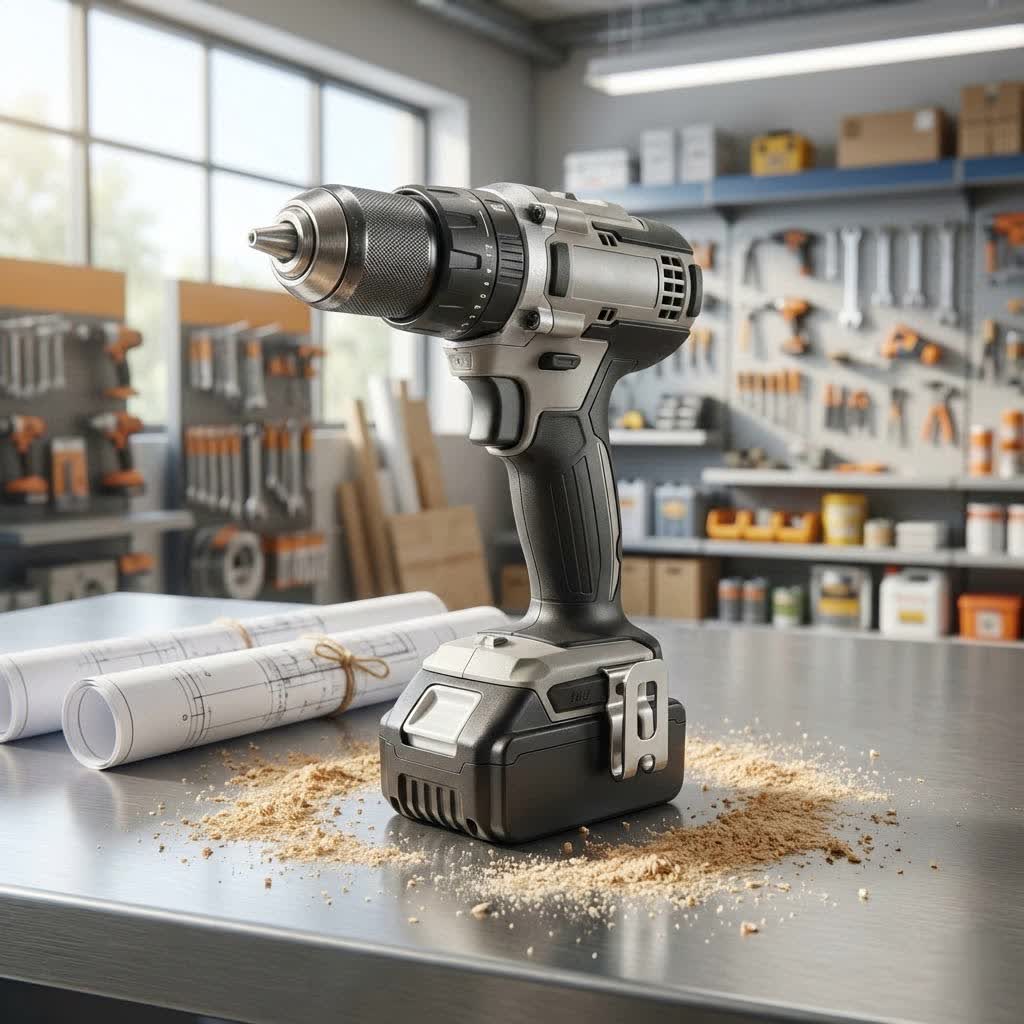
Have you ever found yourself staring at a wall, a piece of wood, or a stubborn screw, wishing you had the right tool for the job? For both seasoned professionals and enthusiastic DIYers, an electric drill is an indispensable tool, and when it comes to reliability and innovation, Bosch electric drills often stand out. Navigating the vast array of options can be daunting, but understanding the specific features and applications of Bosch’s range will empower you to make an informed decision, transforming your projects from challenging to effortless. This guide will delve into the world of Bosch electric drills, helping you unlock their full potential for every task.
General Overview of Electric Drills
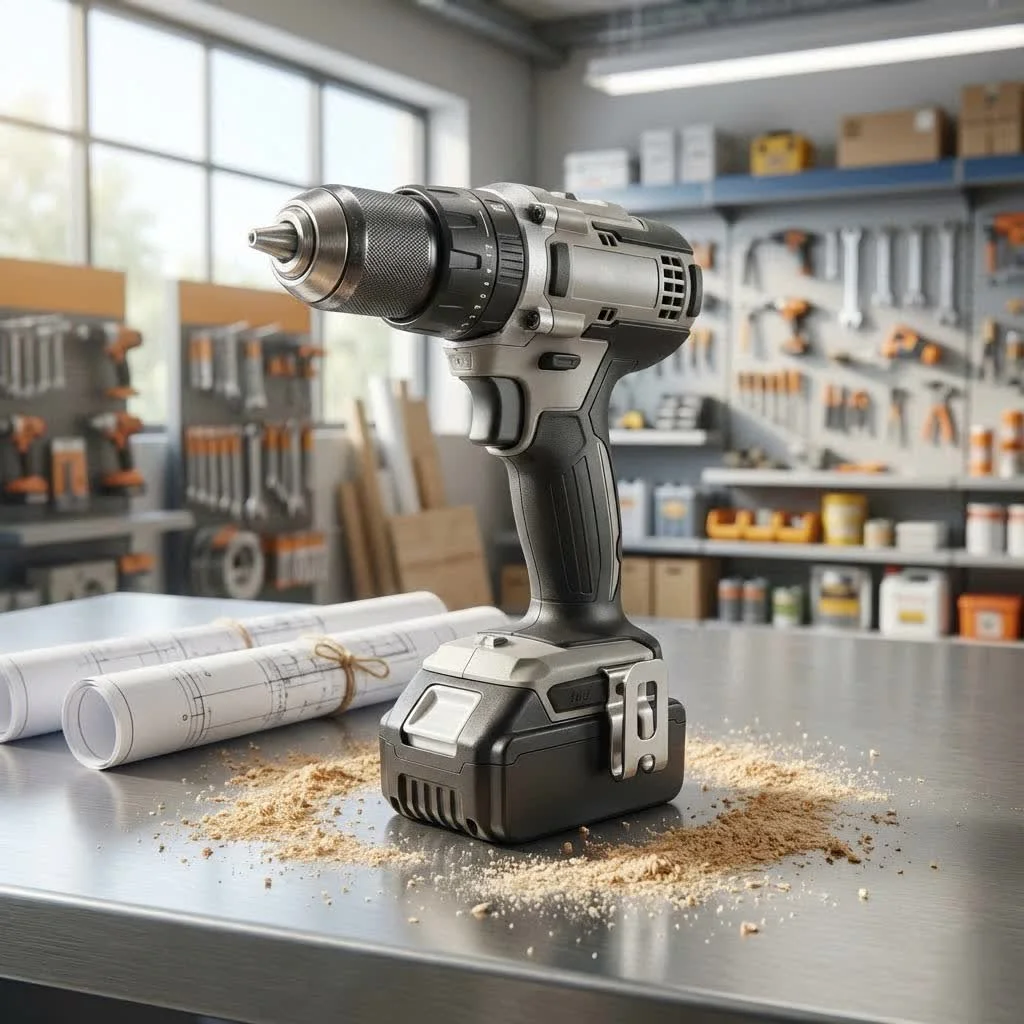
An electric drill is a versatile power tool designed primarily for drilling holes and driving fasteners. Its fundamental operation involves a rotating bit powered by an electric motor, which can vary significantly in power and design. Over the decades, electric drills have evolved from simple hand-cranked tools to sophisticated corded and cordless machines, incorporating advanced features like variable speed control, hammering functions, and ergonomic designs.
Modern electric drills are broadly categorized by their power source (corded or cordless) and their functional capabilities. Corded drills offer consistent, uninterrupted power, making them ideal for heavy-duty, prolonged tasks in a workshop setting. Cordless drills, powered by rechargeable batteries, provide unparalleled portability and freedom of movement, perfect for on-the-go jobs or areas without immediate power access. Within these categories, drills are further distinguished by specialized mechanisms designed for specific materials and tasks, such as drilling into tough masonry or efficiently driving screws.
Detailed Classification of Bosch Electric Drills
Bosch offers a diverse lineup of electric drills, each engineered for distinct applications, ensuring there’s a perfect tool for every need, from light assembly to demanding construction. Understanding these classifications is key to selecting the right drill.
Drill Drivers
Bosch Drill Drivers are the fundamental workhorses in any toolkit, designed for two primary functions: drilling holes and driving screws. They feature a clutch mechanism that prevents overtightening and stripping screws. These drills are highly versatile for simple tasks around the home, capable of working with various materials like wood, metal, and light masonry. They are perfect for assembling furniture, hanging pictures, or basic drilling tasks.
Combi Drills (Impact/Hammer Drills)
Often considered the “favorite” for many users, Bosch Combi Drills combine the functions of a drill driver with an added hammering mechanism. This makes them exceptionally versatile, suitable for both easy and hard tasks. The hammering action involves two ribbed metal discs clicking against each other, pounding the drill bit forward while it rotates. This dual action allows them to efficiently drill into tougher materials such as brick, concrete, and heavy masonry, alongside their regular drilling and screwdriving capabilities.
SDS Hammer Drills
|
Our Picks for the Best Electric Drill in 2026
As an Amazon Associate I earn from qualifying purchases.
|
||
| Num | Product | Action |
|---|---|---|
| 1 | Cordless Drill Set, VIWKO 20V Power Drill with Power Pack 2.0Ah and Charger, 3/8-Inch Keyless Chuck Electricdrill, 25+1 Torque, 42pcs Drilldriver Bits/Screws for DIY Projects (Red) |

|
| 2 | DEWALT 20V Max Cordless Drill Driver Set, 2 Speed, High Performance Motor, Includes 2 XR 1.3Ah Li-Ion Batteries, Charger and Contractor Bag (DCD771C2) |
|
| 3 | FADAKWALT Cordless Drill Set,12V Power Drill Set with Battery and Charger, Electric Driver/Drill Bits, 3/8'' Keyless Chuck,21+1 Torque Setting, 180 inch-lbs, with LED Electric Drill Set (Green) |
|
| 4 | DEWALT 20V MAX Cordless Drill Driver Set, Electric Drill, Brushless 1/2 In 2 Speed, 2.0 Ah Battery and Charger Included, LED Light (DCD777D1) |
|
| 5 | BLACK+DECKER 20V MAX* POWERCONNECT Cordless Drill Driver Kit with Drill Bit Set and Sockets, 100 pc. Tool Kit for Home, Battery and Charger Included ,Orange (BDC120VA100) |
|
| 6 | COMOWARE 20V Cordless Drill, Electric Power Drill Set with 1 Battery & Charger, 3/8” Keyless Chuck, 2 Variable Speed, 266 In-lb Torque, 25+1 Position and 34pcs Drill/Driver Bits |
|
| 7 | PULITUO'S 20V Cordless Drill/Driver, Electric Screwdriver - 2 Batteries, 30Nm, 21+1 Torque, 2 Speed, Keyless 3/8" Chase Drill with LED Light, Kit for Home (Green) |
|
| 8 | AVID POWER 20V MAX Lithium lon Cordless Drill Set, Power Drill Kit with Battery and Charger, 3/8-Inch Keyless Chuck, Variable Speed, 16 Position and 22pcs Drill Bits (Red) |
|
| 9 | 20V Cordless Drill, Electric Power Drill Set with Battery Charger and Carrying Case, 3/8” Keyless Chuck, 2 Variable Speed, 18+3 Torque, 72pcs Driver Bits and Belt Hook, Red |
|
| 10 | Hoteche 320W 10mm Torque Drill, 19+1 Torque Settings Corded Electric Drill for Metal (10mm) & Wood (20mm), Yellow, Color Box Packaging |
|
For maximum strength and tackling the toughest materials, Bosch SDS Hammer Drills, also known as Rotary Hammer Drills, are the preferred choice. These drills feature a pneumatic hammering mechanism, where a piston compresses a cylinder of air to powerfully beat the drill bit as it rotates. This robust action makes them superior for rapidly drilling into concrete and masonry, often incorporating additional shock-absorbing qualities for user comfort during heavy use. They are indispensable for demanding construction and renovation projects.
Impact Drivers
Bosch Impact Drivers are specialized tools designed primarily for driving screws, especially large diameter screws, quickly and efficiently. Unlike standard drill drivers, they deliver a rotational, “twisting” force combined with rapid impacts. This high rotational torque allows them to overcome resistance without straining the user’s wrist. Impact drivers tend to be smaller and lighter than other drill types, making them comfortable for extended screwdriving tasks, such as assembling extensive furniture or building decking areas.
Comparison Table of Bosch Electric Drill Types
| Drill Type | Key Function(s) | Best For | Common Materials | Bosch Series Examples (General) |
|---|---|---|---|---|
| Drill Driver | Drilling holes, Driving screws | Basic DIY, Furniture assembly, Light repairs | Wood, Metal, Light Masonry | GSR, GSB (basic models) |
| Combi Drill | Drilling (rotary & hammer), Screwdriving | General DIY, Medium-duty construction | Wood, Metal, Masonry, Concrete | GSB (advanced models), GSB 18V-50 |
| SDS Hammer Drill | Heavy-duty drilling (hammer action) | Demanding construction, Concrete/Masonry work | Concrete, Stone, Hard Masonry | GBH Professional |
| Impact Driver | High-torque screwdriving | Fastening large screws, Decking, Assembly | Wood, Metal (with appropriate screws) | GDX, GDR Professional |
This table provides a quick reference to help you discern which Bosch electric drill aligns with your primary needs. Each type offers distinct advantages, making the right choice dependent on your specific projects.
Guide to Choosing the Right Bosch Electric Drill
Selecting the perfect Bosch electric drill involves more than just picking the first one you see. It requires a thoughtful assessment of your specific needs, budget, and the features that matter most for your tasks.
Determine Usage Needs
Before anything else, consider what you’ll primarily be using the drill for. Are you a casual DIYer tackling occasional home repairs, or a professional working on daily construction projects? The type of materials you’ll be working with (wood, metal, plastic, drywall, concrete, or masonry) dictates the required power and functionality. For instance, drilling into concrete demands a hammer function, while fine woodworking benefits from precise speed control. Also, think about the frequency of use; light, infrequent use may not justify a high-end professional model.
Budget
Bosch offers drills across a wide price spectrum. Setting a realistic budget helps narrow down your options. While it’s tempting to opt for the cheapest model, investing a bit more in a higher-quality drill can save you money and frustration in the long run through increased durability and performance. Compare features within your price range, prioritizing those essential for your core tasks. Remember to factor in accessories like drill bits and extra batteries for cordless models.
Important Technical Specifications
Several technical specifications directly impact a drill’s performance:
- Power/Voltage: For corded drills, wattage (e.g., 550W, 700W) indicates power output, while for cordless drills, battery voltage (e.g., 12V, 18V) is key. Bosch’s 18V cordless drills are known for balancing power and portability.
- Speed (RPM): Variable speed control is crucial for adapting to different materials and tasks. Slower speeds are better for driving screws and drilling into harder materials, while higher speeds are for lighter drilling.
- Torque: Measured in Newton-meters (Nm), torque indicates the rotational force, essential for driving screws. Higher torque means less effort for tough fastening jobs.
- Chuck Size: Common sizes are 3/8-inch and 1/2-inch. A 1/2-inch chuck can accommodate larger drill bits, offering greater versatility for various tasks.
- Brushless Motor: Many advanced Bosch drills feature brushless motors. These motors are more efficient, run cooler, provide longer battery life (for cordless models), and generally have a longer lifespan compared to brushed motors.
Bosch Brand and Reliability
Bosch has a long-standing reputation for innovation, quality, and performance in the power tool industry. When choosing a Bosch drill, you are investing in a brand known for meticulously engineered tools that are both robust and ergonomic. Their drills are constructed with high-quality materials to ensure durability and longevity, capable of withstanding the rigors of heavy-duty use. This commitment to quality makes Bosch a reliable choice for both professionals and DIY enthusiasts.
Additional Features
Consider extra features that enhance usability and safety:
- LED Worklight: Illuminates the work area, especially useful in dimly lit spaces.
- Ergonomic Design/Anti-Vibration: A comfortable grip and vibration reduction systems minimize user fatigue during extended use, as Bosch prioritizes ergonomic design in their tools.
- Battery System (for cordless): Look for drills part of a broader 18V or 12V system, allowing you to use the same batteries across multiple Bosch tools. Features like fast charging and battery fuel gauges are also beneficial.
- Belt Clip: Convenient for carrying the drill hands-free.
Tips for Safe Use and Maintenance of Bosch Electric Drills
Proper handling and routine maintenance are paramount for ensuring the longevity and safe operation of your Bosch electric drill. A well-maintained tool performs better and minimizes risks.
Always wear appropriate personal protective equipment (PPE), including safety glasses, hearing protection, and gloves, when operating any electric drill. Ensure your workpiece is securely clamped to prevent movement. Apply steady, even pressure, and avoid forcing the drill, which can lead to overheating or damage to the bit or material. For hammer drilling, always set the direction of rotation to right rotation. Familiarize yourself with the machine’s controls, including the on/off switch and locking button, before you begin any task.
To keep your Bosch drilling machine operating at peak performance and extend its lifespan:
- Regular Cleaning: After each use, remove dust and debris from the drill body and chuck. This prevents blockages and buildup that can affect performance.
- Lubricate Moving Parts: Apply a light oil to moving components as recommended by the manufacturer to reduce friction and wear over time.
- Inspect and Replace Worn Parts: Routinely check for signs of wear, such as dull drill bits, damaged chucks, or frayed cords (for corded models). Replace worn parts promptly to maintain efficiency and safety.
- Proper Storage: Store your drill in a cool, dry place to prevent corrosion and protect it from impact. Using a case or protective cover when not in use is highly recommended.
- Battery Care (Cordless Models): Charge batteries correctly using only compatible chargers. Avoid overcharging, as this can degrade battery health. Store batteries in a partially charged state if they won’t be used for extended periods.
“A Bosch drill isn’t just a tool; it’s an investment in quality craftsmanship and reliability. Proper care ensures it performs at its best for years.” – ReviewsByM.com Admin, Electric Drill Technician
Conclusion
Bosch electric drills offer a world of possibilities for both the home workshop and professional job site, combining robust construction with innovative features. From the straightforward utility of a drill driver to the brute force of an SDS hammer drill, each model is designed to excel at specific tasks. By carefully considering your project needs, understanding key technical specifications, and prioritizing consistent maintenance, you can choose a Bosch drill that not only meets but exceeds your expectations. With the right Bosch electric drill in hand, what challenging project will you tackle next?
Frequently Asked Questions
What makes Bosch electric drills a preferred choice for many users?
Bosch electric drills are favored for their reputation for durability, innovative design, and consistent performance. They incorporate ergonomic features and robust construction, often utilizing advanced technologies like brushless motors, to deliver reliable power and extended tool life for diverse applications.
Is an 18V Bosch cordless drill powerful enough for professional use?
Absolutely. Many Bosch 18V cordless drills, especially those with brushless motors, offer significant power and torque suitable for demanding professional tasks. Their portability combined with robust performance makes them a popular choice on job sites where corded power isn’t always convenient.
What’s the main difference between a Bosch Combi Drill and an SDS Hammer Drill?
A Bosch Combi Drill offers both rotary drilling and a less powerful hammer function for masonry, alongside screwdriving. An SDS Hammer Drill, however, features a dedicated pneumatic hammering mechanism that delivers much stronger impacts, making it superior for heavy-duty drilling into concrete and hard masonry.
How can I maximize the battery life of my Bosch cordless electric drill?
To maximize battery life, always use the compatible Bosch charger and avoid overcharging. Store batteries in a cool, dry place and aim for a 50-60% charge level if storing for extended periods. Regularly cleaning the battery terminals can also help maintain good contact and efficient charging.
Can I use my Bosch electric drill for mixing paint or thin-set mortar?
Yes, many Bosch electric drills, particularly corded models or higher-torque cordless ones, can be used for mixing tasks. You would need to attach a suitable mixing paddle bit. Ensure the drill has sufficient power and variable speed control for effective mixing without overheating.
Get our weekly buyer guide
Practical specs, not advice. Unsubscribe anytime.
