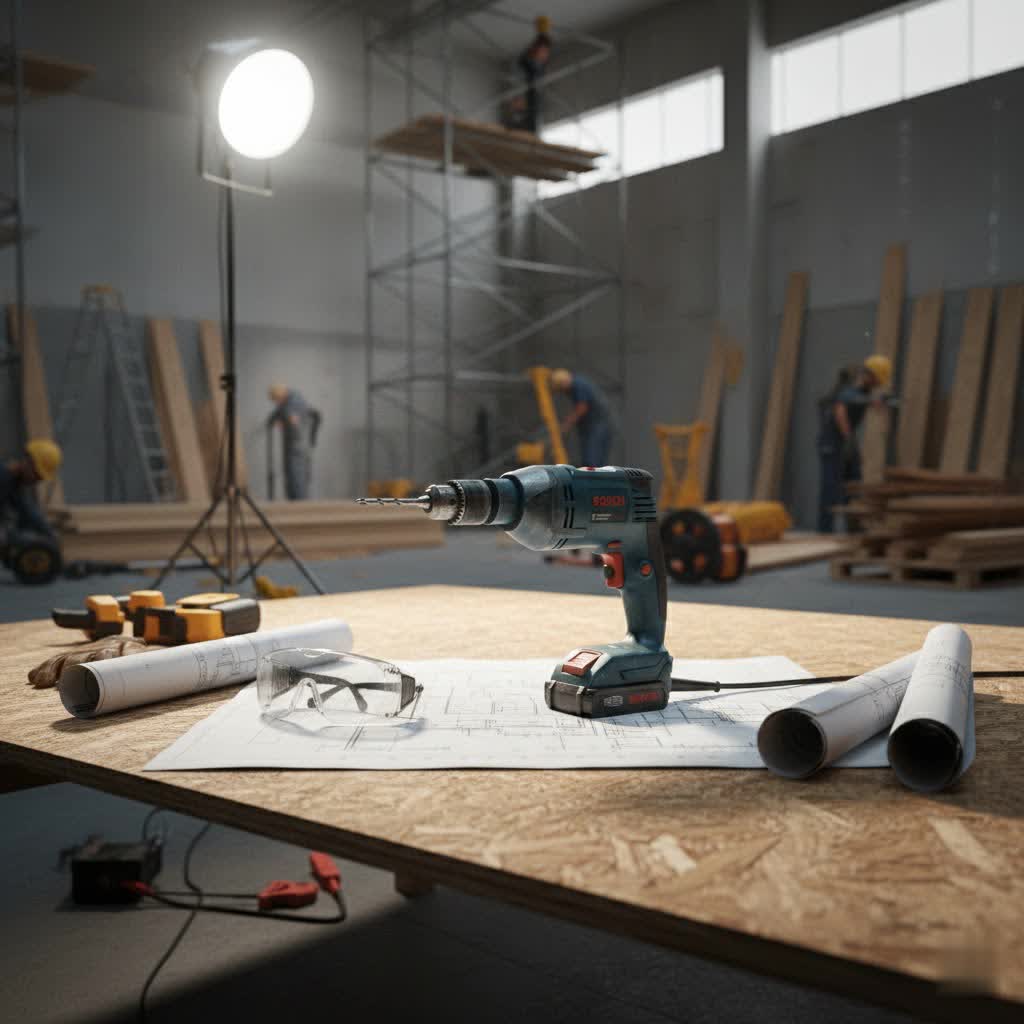
Tired of cumbersome cords limiting your reach and project flexibility? A portable electric drill is the modern craftsman’s best friend, offering unparalleled freedom and efficiency for countless tasks. Whether you’re a seasoned professional tackling intricate construction work or a home DIY enthusiast embarking on a weekend project, understanding these powerful, cordless tools is key to unlocking your full potential. This comprehensive guide will illuminate everything you need to know, from the core mechanics and diverse types of portable drills to essential buying considerations and maintenance tips, ensuring you make the best choice for your needs.
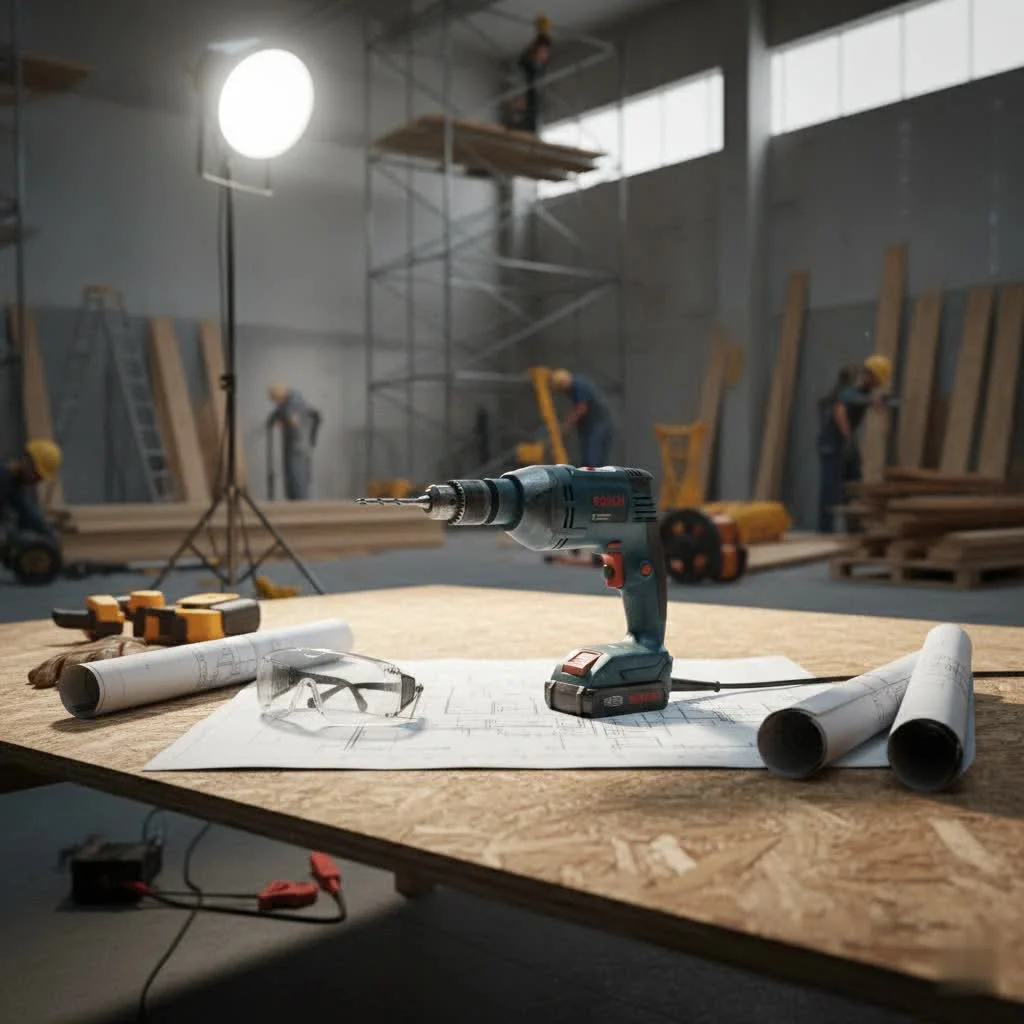
Understanding the Portable Electric Drill
A portable electric drill, often referred to as a cordless drill, is a compact, handheld power tool designed for both drilling holes and driving screws. Its defining characteristic is its independence from a power outlet, powered instead by a rechargeable battery, typically Lithium-ion. This freedom of movement makes it an indispensable tool for a wide range of applications, eliminating trip hazards and allowing work in remote locations or tight spaces where cords would be impractical. The evolution of electric drills has seen a significant shift from bulky corded models to the sleek, powerful, and versatile cordless units we rely on today, thanks to advancements in battery and motor technology. At its heart, a portable electric drill comprises a motor, a chuck for holding bits, a variable-speed trigger for precise control, and a battery that provides its power. For best electric drills roundups on this site.
Classifying Portable Electric Drills
While all portable electric drills offer mobility, they specialize in different tasks, making it crucial to understand their distinct functionalities. Each type is engineered with specific strengths and limitations, catering to various project demands and material types.
Drill/Drivers
The standard drill/driver is the most common and versatile type of portable electric drill, designed for everyday tasks involving drilling holes and driving fasteners. These tools feature a clutch mechanism that allows for torque adjustment, preventing over-driving screws or damaging delicate materials.
- Pros: Highly versatile, excellent for general drilling into wood, plastic, and light metal, and proficient at driving screws.
- Cons: Not designed for heavy-duty drilling in very hard materials or masonry.
- Suitable Applications: Furniture assembly, hanging pictures, installing shelves, light repair work, and general DIY projects.
Portable Hammer Drills
A portable hammer drill, sometimes called a combi drill, combines the rotational action of a standard drill with a percussive, hammering motion. This impact feature makes it highly effective for drilling into tough materials like brick, concrete, and masonry, which a standard drill would struggle with.
- Pros: Exceptional for drilling into hard materials, offers versatility for both standard drilling and hammer drilling.
- Cons: Generally heavier and bulkier than standard drill/drivers, and the hammering action is not suitable for delicate materials or precise screwdriving.
- Suitable Applications: Installing anchors in concrete walls, drilling into brickwork for mounting fixtures, and other masonry-related tasks.
Portable Impact Drivers
|
Our Picks for the Best Electric Drill in 2026
As an Amazon Associate I earn from qualifying purchases.
|
||
| Num | Product | Action |
|---|---|---|
| 1 | 20V Cordless Drill, Electric Power Drill Set with Battery Charger and Carrying Case, 3/8” Keyless Chuck, 2 Variable Speed, 18+3 Torque, 72pcs Driver Bits and Belt Hook, Red |

|
| 2 | PULITUO'S 20V Cordless Drill/Driver, Electric Screwdriver - 2 Batteries, 30Nm, 21+1 Torque, 2 Speed, Keyless 3/8" Chase Drill with LED Light, Kit for Home (Green) |
|
| 3 | Hoteche 320W 10mm Torque Drill, 19+1 Torque Settings Corded Electric Drill for Metal (10mm) & Wood (20mm), Yellow, Color Box Packaging |
|
| 4 | Cordless Drill Set, VIWKO 20V Power Drill with Power Pack 2.0Ah and Charger, 3/8-Inch Keyless Chuck Electricdrill, 25+1 Torque, 42pcs Drilldriver Bits/Screws for DIY Projects (Red) |
|
| 5 | FADAKWALT Cordless Drill Set,12V Power Drill Set with Battery and Charger, Electric Driver/Drill Bits, 3/8'' Keyless Chuck,21+1 Torque Setting, 180 inch-lbs, with LED Electric Drill Set (Green) |
|
| 6 | COMOWARE 20V Cordless Drill, Electric Power Drill Set with 1 Battery & Charger, 3/8” Keyless Chuck, 2 Variable Speed, 266 In-lb Torque, 25+1 Position and 34pcs Drill/Driver Bits |
|
| 7 | AVID POWER 20V MAX Lithium lon Cordless Drill Set, Power Drill Kit with Battery and Charger, 3/8-Inch Keyless Chuck, Variable Speed, 16 Position and 22pcs Drill Bits (Red) |
|
| 8 | DEWALT 20V MAX Cordless Drill Driver Set, Electric Drill, Brushless 1/2 In 2 Speed, 2.0 Ah Battery and Charger Included, LED Light (DCD777D1) |
|
| 9 | BLACK+DECKER 20V MAX* POWERCONNECT Cordless Drill Driver Kit with Drill Bit Set and Sockets, 100 pc. Tool Kit for Home, Battery and Charger Included ,Orange (BDC120VA100) |
|
| 10 | DEWALT 20V Max Cordless Drill Driver Set, 2 Speed, High Performance Motor, Includes 2 XR 1.3Ah Li-Ion Batteries, Charger and Contractor Bag (DCD771C2) |
|
Portable impact drivers are specialized tools engineered for driving screws and fasteners with high torque and efficiency. Unlike drill/drivers that rely on continuous rotational force, impact drivers deliver short, powerful bursts of rotational force (impacts) when resistance is met. This mechanism greatly reduces cam-out (the bit slipping out of the screw head) and user fatigue.
- Pros: Delivers significantly more torque than a drill/driver for fastening, drives long screws quickly and easily, ideal for repetitive tasks, less wrist strain.
- Cons: Not suitable for precision drilling, can be louder than standard drills, and the impact action is not ideal for all drilling applications.
- Suitable Applications: Deck building, fencing, driving lag bolts, fastening multiple screws in construction, and automotive work.
Magnetic Drills
It is important to note that while the term “electric drill” encompasses a wide array of tools, “magnetic drills” are typically not classified as portable hand-held tools in the same vein as the battery-powered drills discussed above. Magnetic drills are specialized, heavy-duty machines primarily used in industrial and construction settings for drilling large-diameter holes in metal. They feature an electromagnetic base that clamps securely to ferrous metal surfaces, providing exceptional stability and precision. These drills are almost exclusively corded due to their high power demands and the need for continuous, stable operation, making them distinct from the cordless, handheld “portable electric drills” that are the focus of this guide.
Portable Electric Drill Comparison: Finding Your Match
Choosing the right portable electric drill can significantly impact the success and ease of your projects. Here’s a comparative overview of the main types of portable drills to help you discern which tool best aligns with your needs.
| Feature | Drill/Driver | Portable Hammer Drill | Portable Impact Driver |
|---|---|---|---|
| Primary Use | General drilling and screwdriving | Drilling into masonry, concrete, brick | Driving screws and fasteners with high torque |
| Key Feature | Adjustable clutch for torque control | Hammering action for hard materials | High-torque impacting mechanism |
| Power Output | Moderate | High (for impact) | Very High (for fastening) |
| Materials | Wood, plastic, light metal | Masonry, concrete, brick, wood, metal | Wood, metal (for fasteners) |
| Precision | Good for drilling | Moderate (for drilling, less for fine work) | Less suitable for precision drilling |
| Noise Level | Moderate | Louder (when hammering) | Loud (when impacting) |
| Weight | Light to moderate | Moderate to heavy | Light to moderate |
Analysis and Evaluation: For general household tasks and most DIY projects involving wood or metal, a standard drill/driver offers excellent versatility. If your projects frequently involve drilling into brick or concrete, a portable hammer drill is indispensable. For those who regularly drive large or numerous fasteners, an impact driver will save immense time and effort, though it’s less ideal for precise drilling. Many professionals opt for both a drill/driver and an impact driver for a comprehensive toolkit.
Your Expert Guide to Selecting a Portable Electric Drill
Selecting the ideal portable electric drill involves a thoughtful assessment of your specific needs, budget, and the tool’s technical capabilities. With numerous options available, focusing on these key factors will lead you to a choice that delivers optimal performance and satisfaction.
Define Your Project Needs
Before diving into specifications, consider what you’ll primarily use the drill for. Are you a weekend DIYer assembling flat-pack furniture and hanging pictures, or a professional contractor needing a robust tool for daily construction tasks? What materials will you be working with most often—wood, metal, plastic, or concrete? Understanding the frequency and intensity of your expected use will guide your decision towards the right type and power level of drill.
Budgeting for Performance
Portable electric drills come in a wide price range, from entry-level models for occasional home use to high-performance tools for demanding professional applications. While it’s tempting to opt for the cheapest option, investing in a reliable brand often translates to better durability, performance, and a longer lifespan for your tool. Determine a budget, but be prepared to balance cost with the features and quality you require.
Crucial Technical Specifications
- Voltage (Power): This is a primary indicator of a portable drill’s power. Common voltages include 12V, 18V, and 20V (often interchangeable with 18V in marketing). 12V drills are lighter and more compact, ideal for light-duty tasks and working in tight spaces. 18V or 20V drills offer significantly more power and versatility, suitable for heavier drilling and driving applications.
- Battery Technology: Lithium-ion (Li-ion) batteries are the industry standard for portable drills, offering excellent power-to-weight ratio, longer runtimes, faster charging, and no “memory effect” compared to older NiCad batteries. Look at the Amp-hours (Ah) rating, which indicates battery capacity and how long it will run between charges. For continuous work, consider purchasing a drill kit that includes two batteries so you can always have a charged spare.
- Motor Type: You’ll encounter both brushed and brushless motors. Brushless motors are more efficient, deliver more power, run cooler, and have a longer lifespan because they generate less friction and heat. While generally more expensive, the benefits often outweigh the cost for frequent users or professionals. Brushed motors are still effective and more affordable for casual users.
- Torque: Measured in Newton-meters (Nm) or inch-pounds (in-lbs), torque indicates the rotational force the drill can apply. Higher torque is essential for driving large fasteners or drilling into tough materials. Drills often feature adjustable torque settings (clutch) to prevent overtightening or damaging screw heads.
- Speed Settings: Most quality portable drills offer variable speed triggers, allowing you to control the RPM (revolutions per minute) based on the task. Multiple gear settings (e.g., two-speed gearbox) provide even greater control, with lower speeds for high-torque driving and higher speeds for drilling.
- Chuck Type & Size: The chuck holds the drill bit or driver bit. Keyless chucks are standard on most portable drills, allowing for quick and easy bit changes without a separate key. Look for a metal chuck for greater durability over plastic versions. Common sizes are 3/8-inch and 1/2-inch; a 1/2-inch chuck offers more versatility for larger bits.
Brand Reputation and Reliability
Choosing a reputable brand can provide peace of mind regarding product quality, durability, and customer support. Established brands like DeWalt, Milwaukee, Bosch, Makita, Ryobi, and Craftsman consistently receive high ratings for their portable electric drills. These manufacturers often offer comprehensive warranties and have extensive ecosystems of compatible battery packs and tools.
Essential Additional Features
Many portable electric drills come with useful additional features that can enhance user experience and safety:
- LED Worklight: Illuminates your workspace, especially useful in dimly lit areas.
- Belt Clip: Allows for easy carrying and quick access.
- Ergonomic Design: A comfortable grip and balanced weight reduce fatigue during prolonged use.
- Smart Connectivity: Some advanced models offer Bluetooth connectivity to track tool usage and battery status.
- Anti-Vibration Systems: Can reduce user fatigue when working with hammer drills.
Safe Operation and Longevity: Portable Electric Drill Maintenance Tips
To ensure your portable electric drill remains a reliable workhorse for years to come, proper usage and consistent maintenance are crucial. Treat your tools with care, and they will serve you well.
- Proper Handling: Always maintain a firm, balanced grip on your drill. For tasks requiring significant force, use both hands where possible. Apply steady, even pressure, letting the drill do the work rather than forcing it, which can cause wear on the motor and bits.
- Safety First: Eye protection is non-negotiable; always wear safety glasses to shield against flying debris. Depending on the task, gloves and hearing protection may also be necessary. Ensure your workpiece is securely clamped to prevent movement.
- Regular Cleaning: After each use, wipe down your drill to remove dust, wood shavings, or metal filings. Pay special attention to the vents to ensure proper airflow and prevent the motor from overheating.
- Battery Care: Store Lithium-ion batteries in a cool, dry place, ideally at a partial charge (around 50%) if storing for extended periods. Avoid fully discharging the battery, as this can reduce its lifespan. Always use the charger specifically designed for your battery pack.
- Bit Storage: Keep your drill bits clean, sharp, and organized. Dull bits require more force and can strain your drill’s motor. Store them in a proper case to prevent damage and corrosion.
“A well-chosen portable electric drill isn’t just a tool; it’s an extension of your capability, empowering you to tackle projects with confidence and efficiency.”
Conclusion
Portable electric drills have revolutionized how we approach tasks, offering unmatched freedom, versatility, and power for both casual DIYers and seasoned professionals. By understanding the different types—drill/drivers, hammer drills, and impact drivers—and carefully considering essential factors like voltage, battery technology, motor type, and ergonomic design, you can confidently select a portable electric drill that perfectly matches your needs. Proper usage and diligent maintenance will ensure your tool remains a reliable partner for countless projects to come. Ready to experience the freedom of cordless power?
What exciting project will you tackle first with your new portable electric drill?
Frequently Asked Questions
What is the main advantage of a portable electric drill?
The primary advantage of a portable electric drill is its cordless design, powered by a rechargeable battery. This offers unparalleled freedom of movement, allowing you to work anywhere without being tethered to a power outlet, improving both convenience and safety on the job site or around the home.
Can a portable drill be used for masonry?
Yes, certain types of portable electric drills, specifically portable hammer drills, are designed to drill into masonry, concrete, and brick. They achieve this by combining a rotating action with a percussive hammering motion, which effectively chips away at hard materials.
How long do portable drill batteries last?
The runtime of a portable drill’s battery depends on its Amp-hour (Ah) rating and the intensity of the task. Higher Ah ratings mean longer runtimes. Lithium-ion batteries generally offer several hours of intermittent use and can last for many years with proper care and charging cycles.
What does “brushless” mean for a portable drill?
A brushless motor in a portable drill uses electronic sensors instead of carbon brushes to control the motor’s rotation. This results in greater efficiency, more power delivery, a cooler running motor, and a significantly longer lifespan compared to traditional brushed motors, often making them a worthwhile investment.
Is 12V or 18V better for a portable drill?
Neither 12V nor 18V is universally “better”; it depends on your needs. 12V portable drills are lighter and more compact, ideal for light-duty tasks, overhead work, and tight spaces. 18V (or 20V) portable drills offer more power and torque, making them suitable for heavier applications, larger drilling capacities, and demanding professional use.
What are some reliable portable drill brands?
Several brands are widely recognized for their reliable and high-quality portable electric drills, catering to various needs and budgets. Top brands frequently recommended by professionals and DIY enthusiasts include DeWalt, Milwaukee, Bosch, Makita, Ryobi, and Craftsman.
Get our weekly buyer guide
Practical specs, not advice. Unsubscribe anytime.
