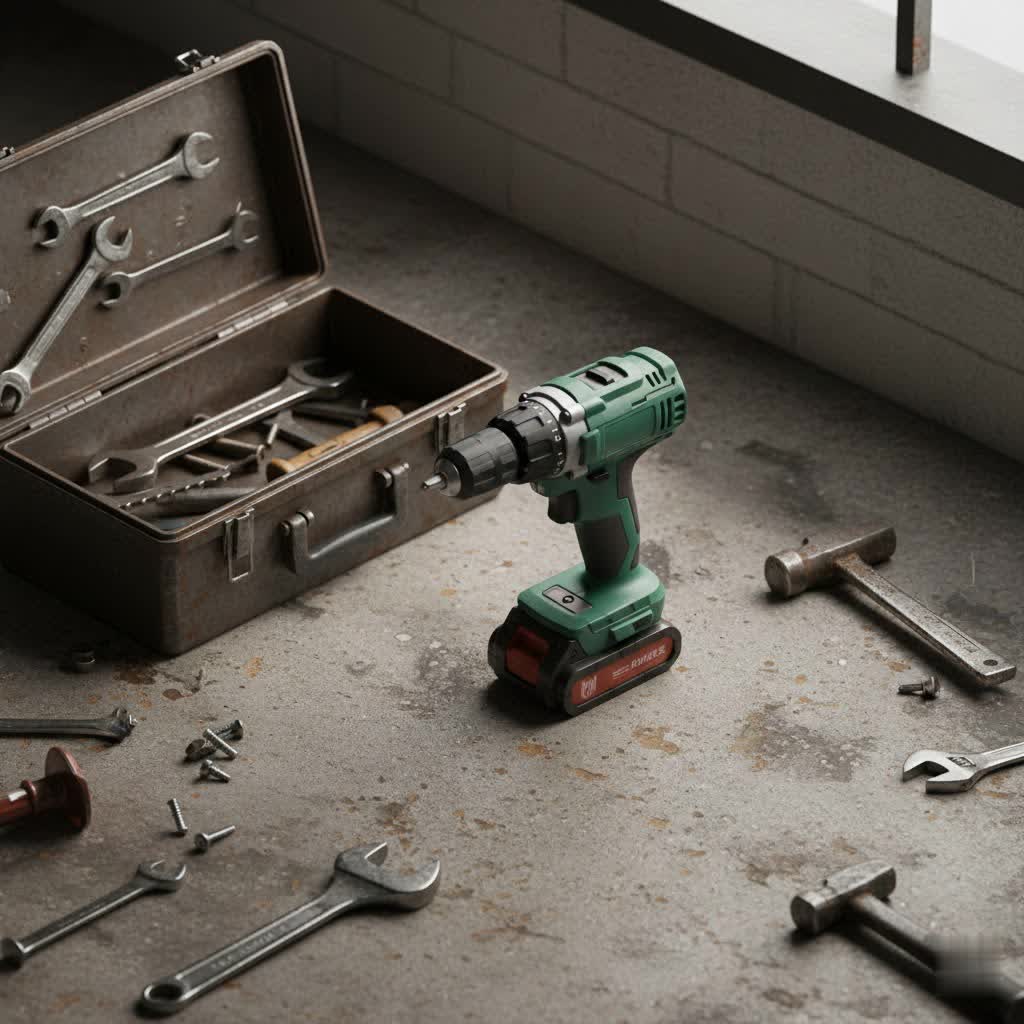
Navigating the world of power tools can be daunting, especially when trying to differentiate between an electric drill and an electric screwdriver. While both are essential for any toolkit, understanding their distinct capabilities and overlapping functions is key to tackling projects with confidence and efficiency. This comprehensive guide will illuminate the nuances of these indispensable tools, helping you choose the perfect device for your specific needs, whether you’re a seasoned professional or a weekend DIY enthusiast.
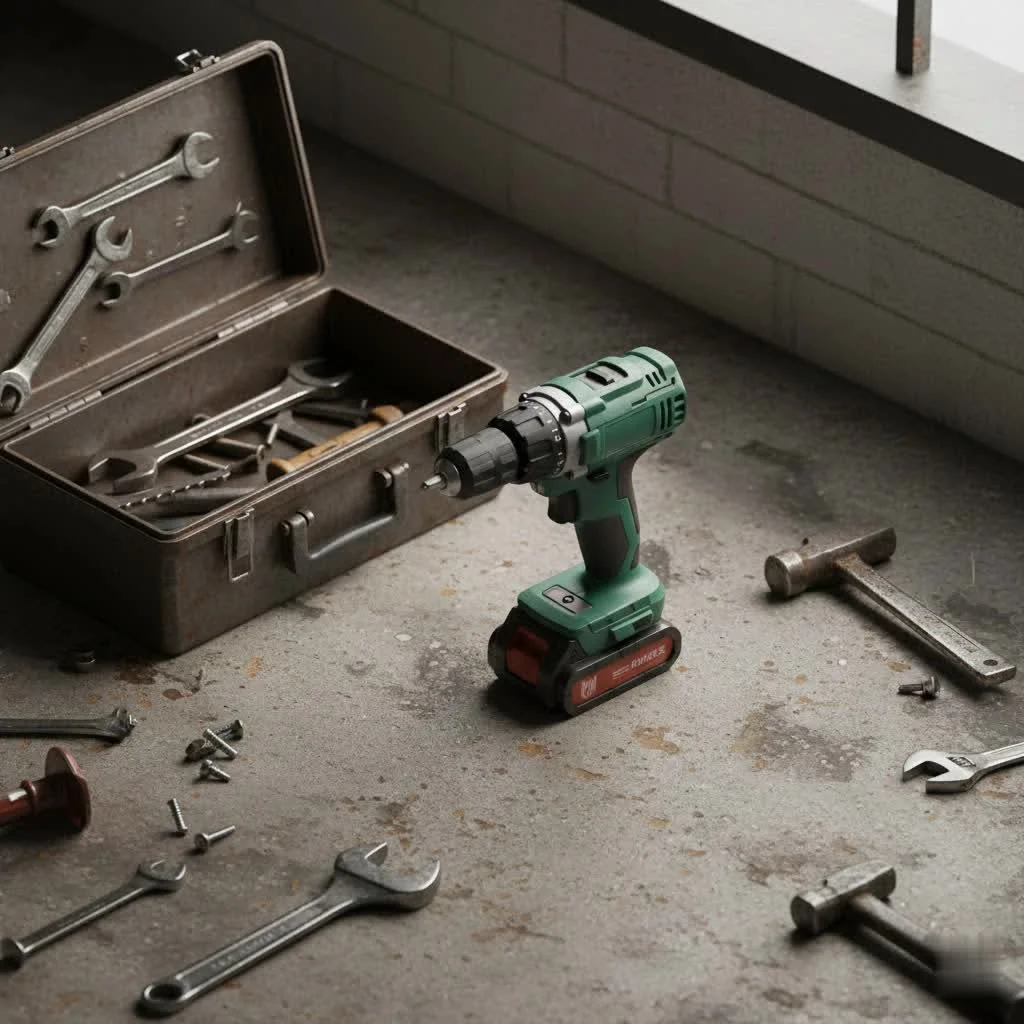
Overview of Electric Drills and Screwdrivers
Electric drills and screwdrivers have revolutionized how we approach tasks, transforming strenuous manual labor into swift, precise operations. An electric drill is primarily designed to create holes in various materials, from wood and metal to plastic and even masonry. Its rotating action, combined with a suitable drill bit, allows for rapid material removal. Many modern drills also possess screwdriving capabilities, making them highly versatile. An electric screwdriver, on the other hand, is specifically engineered for driving and removing screws with minimal effort and enhanced control, particularly in delicate applications. For more electric drills guides on this site.
The evolution of these tools reflects centuries of innovation, starting from rudimentary hand-cranked devices to the sophisticated, battery-powered marvels we use today. Early power drills emerged in the late 19th century, dramatically improving construction and manufacturing processes. Over time, advancements in motor technology, battery power, and ergonomic design have led to the diverse range of electric drills and screwdrivers available on the market, each tailored for specific tasks and levels of power.
Today, the market offers several common types of electric drills and screwdrivers. These include basic drill drivers, which combine drilling and screwdriving functions; hammer drills, designed for drilling into tough masonry; impact drivers, specialized for heavy-duty fastening; and dedicated electric screwdrivers, focusing on precise screw work. Understanding these distinctions is crucial for selecting the right tool for optimal performance and safety.
Detailed Classification of Electric Drills and Screwdrivers
The world of power tools is rich with specialized equipment, and electric drills and screwdrivers are no exception. Each type is engineered for particular tasks, offering unique advantages and limitations.
Hammer Drill
A hammer drill stands out for its unique ability to combine rotational drilling with a rapid, piston-like hammering action. This dual functionality makes it exceptionally effective for drilling into tough, dense materials like concrete, brick, and stone.
- Advantages: Superior performance in masonry, capable of handling heavy-duty drilling tasks where a standard drill would struggle. Many also offer a drill-only mode for versatility in wood and metal.
- Limitations: Generally heavier and bulkier than standard drills, which can lead to increased user fatigue. The hammering mechanism also makes them louder and can be less precise for delicate drilling.
- Applications: Ideal for installing anchors in concrete walls, mounting heavy fixtures, or any task requiring penetration into hard mineral surfaces.
- Comparison: Unlike a standard drill, which relies solely on rotation to remove material, a hammer drill uses both rotation and percussive blows to pulverize hard materials as it drills, significantly speeding up the process.
Impact Driver
|
Our Picks for the Best Electric Drill in 2026
As an Amazon Associate I earn from qualifying purchases.
|
||
| Num | Product | Action |
|---|---|---|
| 1 | Hoteche 320W 10mm Torque Drill, 19+1 Torque Settings Corded Electric Drill for Metal (10mm) & Wood (20mm), Yellow, Color Box Packaging |

|
| 2 | 20V Cordless Drill, Electric Power Drill Set with Battery Charger and Carrying Case, 3/8” Keyless Chuck, 2 Variable Speed, 18+3 Torque, 72pcs Driver Bits and Belt Hook, Red |
|
| 3 | BLACK+DECKER 20V MAX* POWERCONNECT Cordless Drill Driver Kit with Drill Bit Set and Sockets, 100 pc. Tool Kit for Home, Battery and Charger Included ,Orange (BDC120VA100) |
|
| 4 | AVID POWER 20V MAX Lithium lon Cordless Drill Set, Power Drill Kit with Battery and Charger, 3/8-Inch Keyless Chuck, Variable Speed, 16 Position and 22pcs Drill Bits (Red) |
|
| 5 | COMOWARE 20V Cordless Drill, Electric Power Drill Set with 1 Battery & Charger, 3/8” Keyless Chuck, 2 Variable Speed, 266 In-lb Torque, 25+1 Position and 34pcs Drill/Driver Bits |
|
| 6 | DEWALT 20V Max Cordless Drill Driver Set, 2 Speed, High Performance Motor, Includes 2 XR 1.3Ah Li-Ion Batteries, Charger and Contractor Bag (DCD771C2) |
|
| 7 | Cordless Drill Set, VIWKO 20V Power Drill with Power Pack 2.0Ah and Charger, 3/8-Inch Keyless Chuck Electricdrill, 25+1 Torque, 42pcs Drilldriver Bits/Screws for DIY Projects (Red) |
|
| 8 | DEWALT 20V MAX Cordless Drill Driver Set, Electric Drill, Brushless 1/2 In 2 Speed, 2.0 Ah Battery and Charger Included, LED Light (DCD777D1) |
|
| 9 | PULITUO'S 20V Cordless Drill/Driver, Electric Screwdriver - 2 Batteries, 30Nm, 21+1 Torque, 2 Speed, Keyless 3/8" Chase Drill with LED Light, Kit for Home (Green) |
|
| 10 | FADAKWALT Cordless Drill Set,12V Power Drill Set with Battery and Charger, Electric Driver/Drill Bits, 3/8'' Keyless Chuck,21+1 Torque Setting, 180 inch-lbs, with LED Electric Drill Set (Green) |
|
An impact driver is a powerhouse specifically designed for driving screws and fasteners with extreme efficiency. It delivers short, powerful bursts of rotational force, combined with concussive blows, which helps drive screws quickly and prevent “cam-out” (where the bit slips from the screw head).
- Advantages: Unmatched torque for driving long or stubborn screws, excellent for preventing stripped screw heads, and reduces strain on the user. Its compact size often allows access to tighter spaces than a drill.
- Limitations: Not ideal for drilling precision holes due to its impacting action, and typically requires impact-rated bits. The impact mechanism can also be quite noisy.
- Applications: Perfect for deck building, framing, fastening large lag bolts, or any high-volume screwdriving application.
- Comparison: While a drill driver rotates consistently, an impact driver’s unique hammering action delivers far greater torque for fastening, making it superior for heavy-duty screw driving.
Drill Driver
The drill driver is arguably the most common and versatile electric drill available, serving as a staple in both professional and home toolkits. It seamlessly combines the function of drilling holes with the ability to drive and remove screws, making it a true all-rounder.
- Advantages: Highly versatile for a wide range of tasks, features adjustable clutch settings to prevent overtightening and stripping screws, and is generally lighter and quieter than hammer or impact drills.
- Limitations: Lacks the sheer power of a hammer drill for extensive masonry work or the raw torque of an impact driver for very large, stubborn fasteners.
- Applications: Excellent for assembling furniture, hanging pictures, drilling pilot holes, light woodworking, and general household repairs.
- Comparison: Most drill drivers feature a clutch, allowing you to set the maximum torque before the chuck stops rotating. This precision is vital for screwdriving without damaging materials or fasteners, a feature less common in dedicated drills or screwdrivers.
Electric Screwdriver (Dedicated)
A dedicated electric screwdriver is often a smaller, lighter tool designed purely for driving and removing screws, prioritizing precision and comfort over raw power. These tools are typically lower voltage and more compact, making them perfect for intricate tasks.
- Advantages: Extremely lightweight and compact, ideal for tight spaces and delicate work, offers precise torque control to prevent damage to small fasteners and sensitive materials. Reduces hand fatigue during repetitive tasks.
- Limitations: Low power output means it cannot drill holes or drive large screws into dense materials. Not suitable for heavy-duty applications.
- Applications: Assembling flat-pack furniture, repairing electronics, working on small appliances, delicate fastening jobs where precision is paramount.
- Comparison: Unlike a drill driver that sacrifices some compactness for drilling capability, a dedicated electric screwdriver is streamlined for screwdriving, often featuring a smaller form factor and lower torque specifically for finesse.
Comparison Table of Electric Drills and Screwdrivers
To help you quickly discern the best tool for your next project, here’s a comparative overview of the primary types of electric drills and screwdrivers:
| Feature | Electric Screwdriver | Drill Driver | Impact Driver | Hammer Drill |
|---|---|---|---|---|
| Primary Function | Driving/Removing Screws, Precision | Drilling Holes, Driving Screws | Heavy-Duty Fastening | Drilling Masonry, Drilling |
| Power/Torque | Low to Medium Torque, High Precision | Medium Torque, Variable Speed | Very High Torque, Impact Action | High Torque, Hammering Action |
| Ideal Applications | Furniture assembly, electronics, small repairs | General DIY, woodworking, light construction | Deck building, framing, lag bolts, stubborn fasteners | Concrete, brick, stone, heavy-duty drilling |
| Key Advantages | Lightweight, compact, precise control, reduced fatigue | Versatile, adjustable clutch, common for all-around use | Powerful, fast, prevents stripping, excellent for long screws | Drills hard materials quickly, dual-mode functionality |
| Key Limitations | No drilling, low power for large screws | Less power for heavy masonry/fastening than specialized tools | No precision drilling, noisy, requires impact bits | Heavier, noisier, less precise for fine work, more expensive |
Guide to Choosing the Right Electric Drill or Screwdriver
Choosing between the array of electric drills and screwdrivers can feel overwhelming. The key is to match the tool’s capabilities with your specific project demands.
Determine Usage Needs
Before anything else, consider what tasks you’ll primarily be performing. Are you assembling intricate electronics, hanging a few pictures, or undertaking a major renovation project?
- Purpose: If your main goal is precision fastening for small items, a dedicated electric screwdriver is ideal. For general drilling and occasional screwdriving, a drill driver is your best bet. If you’re driving many large fasteners or working with concrete, an impact driver or hammer drill becomes necessary.
- Materials: What surfaces will you be working with? Wood, metal, plastic, drywall, or concrete? Different materials require varying levels of power and specific drilling/driving mechanisms.
- Frequency: Will you use the tool once a month for small fixes or daily for demanding professional tasks? Occasional users might prioritize ease of use and affordability, while professionals need durability, power, and long battery life.
Budget
Your budget plays a significant role in tool selection. High-end models often offer more power, features, and durability, but excellent entry-level and mid-range options exist for various needs. Determine how much you’re willing to invest and seek the best value within that range. Sometimes, spending a little more upfront on a quality tool can save you money on replacements and repairs in the long run.
Important Technical Specifications
Understanding the technical aspects ensures you get a tool that performs reliably for your tasks.
- Power (Voltage/Amperage): For cordless tools, voltage (V) indicates power, with 12V ideal for lighter tasks and 18V-20V for more demanding applications. Corded drills are rated in amps (A), with higher amperage indicating more power.
- Speed (RPM): Revolutions per minute (RPM) dictate how fast the bit spins. Look for variable speed settings that allow you to control the RPM, crucial for precision drilling and preventing screw damage.
- Torque & Clutch: Torque is the rotational force. A higher torque rating (often in Newton-meters or inch-pounds) means more power for driving screws. An adjustable clutch, found on most drill drivers, lets you set the torque, preventing overtightening and stripping screws.
- Chuck Type & Size: The chuck holds the drill or screwdriver bit. Keyless chucks allow for quick, tool-free bit changes, while keyed chucks require a key for tightening. Common chuck sizes are 3/8-inch for lighter drills and 1/2-inch for heavier-duty models.
- Functionality: Decide if you need just drilling, drilling and driving, or specialized hammer or impact functions. Many tools offer multiple modes, enhancing their versatility.
Brand and Reliability
Reputable brands often guarantee higher quality, better warranty support, and readily available replacement parts or accessories. While specific brand recommendations are beyond this guide, prioritize brands known for their durability and customer satisfaction in the power tool industry. Reading reviews and understanding a brand’s reputation for innovation and reliability can guide your decision.
Additional Features
Modern electric drills and screwdrivers come with a host of features that can enhance usability and safety.
- LED Lights: Integrated LED lights illuminate the workpiece, particularly useful in dimly lit areas.
- Ergonomic Design: A comfortable grip and balanced weight reduce user fatigue during extended use.
- Battery (Cordless Tools): Lithium-ion (Li-ion) batteries are standard due to their longer life and consistent power. Consider battery voltage (V) and ampere-hours (Ah) for capacity, and look for models that include multiple batteries or fast chargers.
- Belt Clips & Bit Storage: Small conveniences like a belt clip for easy carrying or onboard bit storage can make a big difference in workflow.
“The right tool doesn’t just make the job easier; it makes it safer and more enjoyable. Always prioritize functionality and ergonomics based on your specific tasks.” – ReviewsByM Admin, Power Tool Expert
Tips for Safe Use and Maintenance of Electric Drills and Screwdrivers
Ensuring the longevity and safe operation of your electric drills and screwdrivers is paramount. Proper use and regular maintenance are not just recommendations; they are essential practices.
Safe Use Practices
Safety should always be your top priority when operating any power tool.
- Wear Personal Protective Equipment (PPE): Always wear safety glasses to protect your eyes from debris. Gloves can protect your hands, and hearing protection is advisable when using louder tools like hammer drills or impact drivers.
- Secure Your Workpiece: Ensure the material you are working on is firmly clamped or secured. This prevents it from spinning or shifting unexpectedly, which can cause injury or damage.
- Use the Right Bit for the Job: Select the appropriate drill bit or screwdriver bit for the material and fastener. Using the wrong bit can lead to stripped screws, broken bits, or inefficient drilling.
- Maintain a Firm Grip and Stance: Hold the tool firmly with both hands (if applicable) and maintain a stable stance. Be aware of the tool’s torque, especially with more powerful drills, to prevent kickback.
- Avoid Overloading: Do not force the tool beyond its intended capacity. Let the tool do the work; applying excessive pressure can damage the tool, the bit, or the material.
- Read the Manual: Always consult the manufacturer’s instruction manual. It contains crucial safety warnings, operating procedures, and maintenance guidelines specific to your tool.
Maintenance for Longevity
Regular maintenance extends the life of your tools and ensures they remain in peak working condition.
- Clean After Each Use: Dust, dirt, and debris can accumulate in the motor and vents, causing overheating. Use a clean cloth or compressed air to clear away any buildup.
- Store Properly: Store your electric drills and screwdrivers in a clean, dry place, ideally in their original case or a dedicated toolbox. Protect them from extreme temperatures and moisture.
- Inspect for Damage: Before and after each use, visually inspect the tool for any signs of wear or damage, such as frayed cords, cracked housings, or dull/damaged bits. Replace damaged parts immediately.
- Battery Care (for Cordless Tools): For cordless tools, follow battery manufacturer guidelines for charging and storage. Avoid fully draining lithium-ion batteries and store them partially charged in a cool, dry place if not used for extended periods.
- Bit Maintenance: Keep your drill bits and screwdriver bits sharp and clean. Dull bits require more force, increasing the risk of damage or injury. Lubricate bits if specified for certain materials.
Conclusion
Electric drills and screwdrivers are truly foundational tools, indispensable for a vast array of tasks that span from delicate household repairs to robust construction projects. Understanding the specialized strengths of each type—from the precision of a dedicated electric screwdriver to the raw power of a hammer drill—empowers you to make intelligent choices. By carefully considering your project needs, reviewing key technical specifications like power, torque, and speed, and prioritizing reliable brands with essential features, you can equip yourself with the perfect tool. Remember to always adhere to safety protocols and implement a consistent maintenance routine to ensure your tools serve you effectively and safely for years to come.
What projects are you looking to conquer with your next electric drill or screwdriver?
Frequently Asked Questions
What is the main difference between an electric drill and an electric screwdriver?
The primary distinction lies in their main purpose and power. An electric drill is fundamentally designed for drilling holes in various materials and generally offers more power and higher RPM. An electric screwdriver, while it can also drive screws, is typically smaller, less powerful, and optimized for precision fastening tasks, focusing on controlled torque rather than raw speed or drilling capability.
Can an electric drill be used as a screwdriver?
Yes, most modern electric drills are designed as “drill drivers,” meaning they can both drill holes and drive screws. They typically feature an adjustable clutch that allows you to control the torque, preventing screws from being over-tightened or stripped, making them highly versatile for a wide range of tasks.
Do I need an impact driver if I have a drill driver?
It depends on your projects. While a drill driver can handle most screwdriving tasks, an impact driver excels at driving long, large, or stubborn fasteners into dense materials with much greater efficiency and less effort. Its unique hammering action applies significantly more torque, making it superior for heavy-duty fastening where a drill driver might struggle or strip screws.
What voltage is best for a cordless drill/screwdriver?
For dedicated electric screwdrivers, 4V to 10V is usually sufficient for light assembly and precision work. For drill drivers, 12V offers a compact and capable tool for general household tasks, while 18V-20V provides more power and longer run time, making them suitable for heavier DIY projects and professional use.
How do I prevent stripping screws when using an electric drill or screwdriver?
To prevent stripping screws, always use the correct size and type of bit that fits snugly into the screw head. Engage the tool’s clutch setting to an appropriate torque level for the material you’re working with, reducing the chance of overtightening. Apply firm, steady pressure directly in line with the screw, and use a slower speed setting until the screw is started.
Get our weekly buyer guide
Practical specs, not advice. Unsubscribe anytime.
