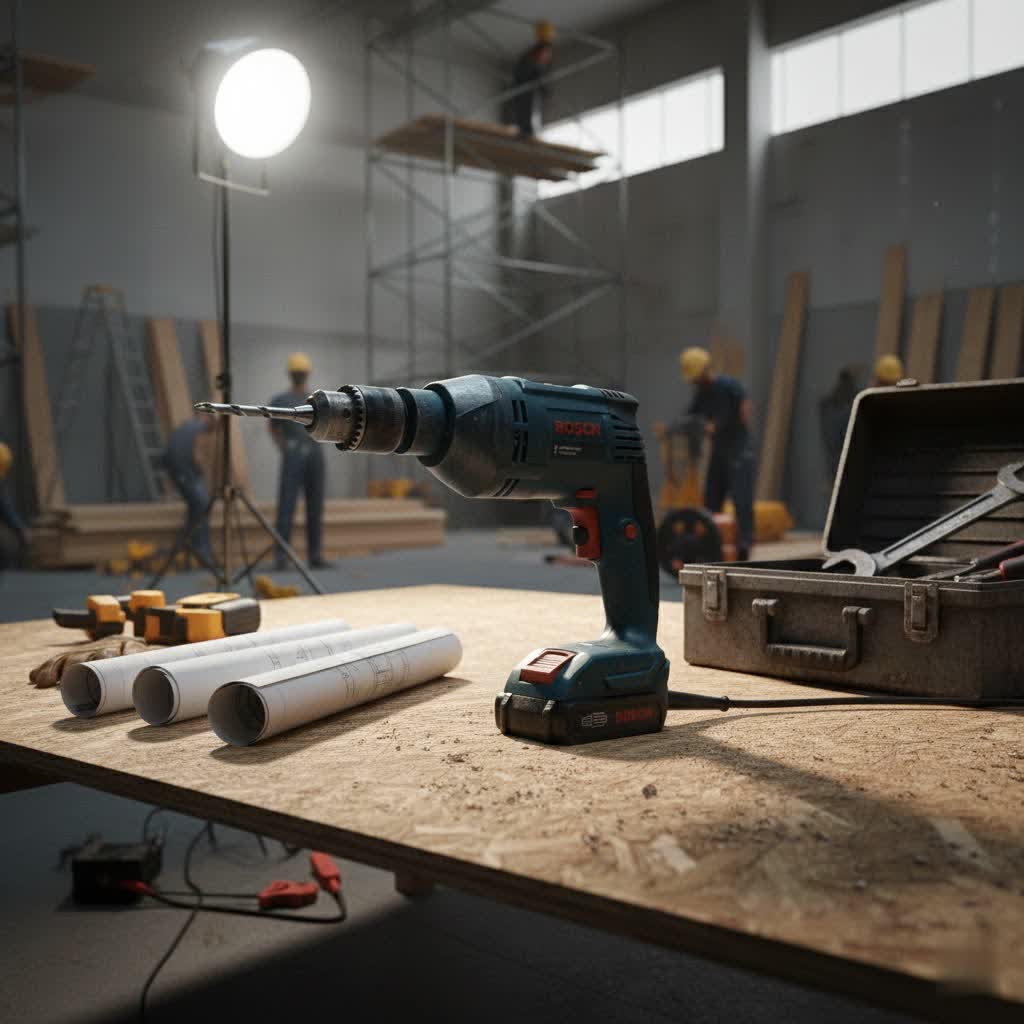
Have you ever found yourself needing to drill a tiny hole, engrave a delicate design, or fix intricate electronics, only to find your standard power drill too bulky and unwieldy? This common frustration highlights the indispensable role of the mini electric drill in modern workshops and craft spaces. These compact powerhouses are engineered for precision and portability, making them perfect companions for tasks that demand a lighter touch and meticulous detail. This comprehensive guide will navigate the world of mini electric drills, helping you understand their capabilities, various types, and how to select the perfect tool to elevate your precision projects.
Overview of Electric Drills
Electric drills are fundamental tools in almost every DIYer’s and professional’s arsenal, transforming manual effort into efficient power. From their humble beginnings in the late 19th century, when Arthur James Arnot and William Blanch Brain patented the first electric drill in 1889 for coal mining, these tools have evolved dramatically. Initially robust and stationary, they steadily became more compact and versatile. Today, electric drills encompass a wide spectrum, from heavy-duty hammer drills designed for concrete to the agile, pocket-sized mini electric drills we focus on. While larger drills excel in demanding construction and renovation tasks, mini electric drills carve out their niche by offering unparalleled control for smaller, more intricate applications.
Understanding Mini Electric Drills: Types and Key Characteristics
Mini electric drills are specialized versions of their larger counterparts, prioritizing finesse over brute force. They are typically defined by their compact size, lightweight design, and the ability to perform detailed work that standard drills cannot. Their versatility makes them essential for hobbyists, crafters, and technicians working on delicate materials.
Cordless Mini Rotary Tools/Drills: The Versatile Handheld
Cordless mini rotary tools, often referred to as mini drills, are perhaps the most popular type in this category. They offer the ultimate freedom of movement, powered by rechargeable lithium-ion batteries. These tools are incredibly versatile, capable of more than just drilling; they often come with a wide array of accessories for grinding, sanding, polishing, cutting, and engraving.
-
Advantages:
- Unmatched Portability: No cords mean you can work anywhere, from a workbench to a remote project site.
- Exceptional Precision: Their small form factor and ergonomic design allow for fine motor control, crucial for delicate tasks.
- Multifunctionality: Many models are true rotary tools, accepting various bits for a wide range of applications beyond just drilling.
- Variable Speed Control: Essential for matching the tool’s speed to the specific material and task, preventing damage to delicate workpieces.
-
Disadvantages:
- Limited Power: Generally less powerful than corded versions or larger drills, making them unsuitable for heavy-duty drilling into dense materials.
- Battery Life: Runtime is dependent on battery capacity and usage, requiring periodic recharging.
-
Suitable Applications: Ideal for intricate craft projects, jewelry making, electronic repairs, model building, delicate woodworking, and fine engraving.
Corded Mini Electric Drills: Consistent Power for Intricate Work
|
Our Picks for the Best Electric Drill in 2026
As an Amazon Associate I earn from qualifying purchases.
|
||
| Num | Product | Action |
|---|---|---|
| 1 | Hoteche 320W 10mm Torque Drill, 19+1 Torque Settings Corded Electric Drill for Metal (10mm) & Wood (20mm), Yellow, Color Box Packaging |

|
| 2 | Cordless Drill Set, VIWKO 20V Power Drill with Power Pack 2.0Ah and Charger, 3/8-Inch Keyless Chuck Electricdrill, 25+1 Torque, 42pcs Drilldriver Bits/Screws for DIY Projects (Red) |
|
| 3 | 20V Cordless Drill, Electric Power Drill Set with Battery Charger and Carrying Case, 3/8” Keyless Chuck, 2 Variable Speed, 18+3 Torque, 72pcs Driver Bits and Belt Hook, Red |
|
| 4 | DEWALT 20V Max Cordless Drill Driver Set, 2 Speed, High Performance Motor, Includes 2 XR 1.3Ah Li-Ion Batteries, Charger and Contractor Bag (DCD771C2) |
|
| 5 | AVID POWER 20V MAX Lithium lon Cordless Drill Set, Power Drill Kit with Battery and Charger, 3/8-Inch Keyless Chuck, Variable Speed, 16 Position and 22pcs Drill Bits (Red) |
|
| 6 | PULITUO'S 20V Cordless Drill/Driver, Electric Screwdriver - 2 Batteries, 30Nm, 21+1 Torque, 2 Speed, Keyless 3/8" Chase Drill with LED Light, Kit for Home (Green) |
|
| 7 | BLACK+DECKER 20V MAX* POWERCONNECT Cordless Drill Driver Kit with Drill Bit Set and Sockets, 100 pc. Tool Kit for Home, Battery and Charger Included ,Orange (BDC120VA100) |
|
| 8 | COMOWARE 20V Cordless Drill, Electric Power Drill Set with 1 Battery & Charger, 3/8” Keyless Chuck, 2 Variable Speed, 266 In-lb Torque, 25+1 Position and 34pcs Drill/Driver Bits |
|
| 9 | FADAKWALT Cordless Drill Set,12V Power Drill Set with Battery and Charger, Electric Driver/Drill Bits, 3/8'' Keyless Chuck,21+1 Torque Setting, 180 inch-lbs, with LED Electric Drill Set (Green) |
|
| 10 | DEWALT 20V MAX Cordless Drill Driver Set, Electric Drill, Brushless 1/2 In 2 Speed, 2.0 Ah Battery and Charger Included, LED Light (DCD777D1) |
|
While cordless options offer freedom, corded mini electric drills provide a continuous and consistent power supply, eliminating concerns about battery depletion during extended work sessions. They typically plug directly into an electrical outlet.
-
Advantages:
- Consistent Power: Offers steady performance without power drops as the battery drains, which is beneficial for prolonged, consistent work.
- No Recharging Needed: Ready to go as long as there’s a power outlet nearby.
-
Disadvantages:
- Limited Mobility: The power cord restricts movement and can be a hindrance in tight spaces or where an outlet is not readily available.
- Potential Tripping Hazard: Cords can pose safety risks in a busy workspace.
-
Suitable Applications: Best for stationary tasks requiring sustained power and precision, such as drilling many small holes in a production line for crafts, or engraving projects that take a long time.
Precision Pin Vise Drills (Manual Option)
Though not “electric,” pin vise drills represent the extreme end of precision for small hole drilling and are a vital alternative for many delicate tasks. These are entirely manual tools, relying on hand power for rotation.
-
Advantages:
- Ultimate Control: Offers the finest level of control and tactile feedback, crucial for preventing breakage in extremely fragile materials.
- No Power Required: Can be used anywhere, anytime, without needing electricity or batteries.
- Quiet Operation: Completely silent, making them suitable for quiet environments.
-
Disadvantages:
- Slow and Labor-Intensive: Requires physical effort and is significantly slower than electric options.
- Limited Material Range: Best for very soft materials like wood, resin, plastic, beads, and extremely thin soft metals.
-
Suitable Applications: Micro-drilling in jewelry, model making, delicate PCB work, watch repair, and any task where even a mini electric drill might be too powerful.
Comparison Table of Mini Electric Drills
Understanding the nuances between different types of mini drills can significantly impact your project’s success. Here’s a comparative overview:
| Feature | Cordless Mini Rotary Tool | Corded Mini Electric Drill | Pin Vise (Manual) Drill |
|---|---|---|---|
| Power Source | Rechargeable Battery | AC Outlet (Corded) | Manual (Hand-powered) |
| Power Output | Moderate | Consistent, moderate | Very Low |
| Portability | Excellent | Limited (by cord) | Excellent |
| Precision | Excellent | Excellent | Superior |
| Ideal Use | Crafts, electronics, DIY, engraving | Extended intricate tasks, carving | Micro-drilling, ultra-delicate work |
| Speed Control | Variable (often 5,000-25,000 RPM) | Variable (some models) | Manual |
| Battery Life | Limited (e.g., 50 mins) | N/A | N/A |
| Noise Level | Low to Moderate | Low to Moderate | Silent |
| Cost | Mid-range | Low to Mid-range | Very Low |
How to Choose the Right Mini Electric Drill
Selecting the perfect mini electric drill involves carefully aligning the tool’s capabilities with your specific project demands. As a technician with over a decade of experience, I’ve seen firsthand how the right tool can transform a frustrating task into a satisfying achievement.
Determine Your Needs
Before diving into specifications, clearly define what you’ll be using the drill for. Are you primarily doing jewelry making, electronics repair, model building, or light household fixes? The material you’ll be drilling into—be it plastic, wood, resin, or soft metals—also dictates the required power and bit type. Consider the frequency of use; a casual hobbyist might prioritize portability, while someone with daily intricate tasks might value consistent power.
Budget
Mini electric drills vary widely in price. Establishing a budget early on will help narrow down your options. While cheaper models can suffice for occasional, light use, investing in a reputable brand often means better durability, more features, and a wider range of compatible accessories. Remember, a higher initial cost can translate to long-term value through reliability and versatility.
Important Technical Specifications
Understanding a few key technical terms will empower you to make an informed decision:
- Power (Voltage/Wattage): For cordless drills, voltage (e.g., 3.6V, 8V) gives an indication of power. For corded models, wattage (e.g., 180W) is relevant. Higher numbers generally mean more power.
- Speed (RPM): Revolutions Per Minute (RPM) indicates how fast the drill bit spins. Variable speed settings are crucial for versatility, allowing you to match the speed to the material. Delicate materials require lower speeds, while faster speeds are suitable for harder materials or polishing. Some mini drills offer ranges from 5,000 to 25,000 RPM.
- Chuck Type: Many mini drills use collets for securing very small bits, while others might feature a keyless chuck for quicker bit changes. Ensure the chuck/collet system is compatible with the bit sizes you plan to use.
- Functions: Beyond drilling, many mini electric drills (especially rotary tools) offer functions like grinding, sanding, polishing, and engraving.
Brands and Reliability
Several brands have established themselves as leaders in the mini electric drill market, known for their quality and innovation. Dremel, for example, is almost synonymous with rotary tools and offers a wide range of accessories. Other notable brands for mini drills and related tools include Arrowmax, Fox HSDM, and Hoto. Researching brand reviews and product warranties can give you peace of mind regarding the tool’s durability and manufacturer support.
Additional Features
Look for features that enhance usability and expand the tool’s capabilities:
- LED Light: A built-in LED light illuminates your workspace, which is especially useful for intricate work in poorly lit areas.
- Variable Speed Control: As mentioned, this is vital for adapting to different tasks and materials.
- Forward/Reverse Rotation: Useful for unscrewing fasteners or backing out stuck bits.
- Attachments: Flexible shaft attachments can provide even greater precision and access to confined spaces. A drill stand can convert a handheld mini drill into a stationary press for more stability when drilling precise vertical holes.
- Ergonomic Design: A comfortable, slip-resistant grip is crucial for extended use and maintaining control, reducing hand fatigue.
- Carrying Case: A dedicated case keeps your drill and its many accessories organized and protected.
Tips for Safe Use and Maintenance of Mini Electric Drills
Even though mini electric drills are smaller, they are still power tools and require proper handling to ensure safety and longevity.
Safe Usage Guidelines:
- Read the Manual: Always familiarize yourself with your specific drill’s manual before first use.
- Wear Safety Gear: Always wear safety glasses to protect your eyes from debris. Gloves can protect hands, but avoid loose gloves that could get caught in moving parts.
- Secure Your Workpiece: Use clamps or a vise to secure the material you are drilling. This prevents it from shifting and causing injury or inaccurate work.
- Use the Right Bit: Match the drill bit to the material and the task. Using an incorrect bit can lead to breakage, damage to the workpiece, or injury.
- Start Slowly: Begin drilling at a lower speed, especially on delicate materials, and gradually increase the speed as needed.
- Avoid Overheating: Don’t apply excessive pressure, which can overheat the motor and the bit. Let the tool do the work. Take breaks if the tool feels hot.
- Keep the Work Area Clean: A tidy workspace reduces the risk of accidents.
Maintenance for Longevity:
- Clean After Each Use: Remove dust and debris from the drill’s vents and chuck/collet. A small brush or compressed air can be effective.
- Inspect Bits and Accessories: Regularly check drill bits for dullness or damage and replace them as necessary. Ensure all attachments are clean and functional.
- Battery Care (Cordless Drills): For cordless models, follow the manufacturer’s guidelines for charging and storing batteries. Avoid extreme temperatures. Using a standard 5V 1A charger is often recommended over fast chargers for better battery health.
- Proper Storage: Store your mini electric drill and its accessories in its original case or a designated toolbox, protected from dust and moisture.
“Mini electric drills are game-changers for anyone tackling detailed projects. Their precision and portability unlock creative possibilities that larger tools simply can’t match.” – ReviewsByM.com Admin, Electric Drill Specialist
Conclusion
Mini electric drills are invaluable tools that bridge the gap between manual dexterity and powered efficiency, opening up a world of possibilities for precision work. Their compact size, versatility, and focus on control make them indispensable for crafters, DIY enthusiasts, and professionals alike. By understanding the different types, key specifications, and how to choose and maintain your tool, you can confidently select a mini electric drill that will be a reliable partner for years to come. Whether you’re engraving a personalized gift or meticulously repairing electronics, the right mini electric drill transforms challenging tasks into enjoyable and rewarding experiences.
What intricate project are you excited to tackle with your new mini electric drill?
Frequently Asked Questions
What is the main advantage of a mini electric drill over a standard drill?
The primary advantage is precision and maneuverability. Mini electric drills are designed for intricate tasks, delicate materials, and tight spaces where a standard, larger drill would be too cumbersome or powerful, offering superior control for fine details.
Can a mini electric drill be used for heavy-duty drilling?
No, mini electric drills are not suitable for heavy-duty drilling. They are built for precision and light tasks with materials like plastic, wood, and soft metals. Attempting to drill into hard, thick materials will likely damage the tool or the workpiece.
Are all mini electric drills cordless?
No, while many popular models are cordless for maximum portability, corded mini electric drills also exist. Corded versions offer continuous power without worrying about battery life, which can be beneficial for extended work sessions at a workbench.
What kind of projects are best suited for a mini electric drill?
Mini electric drills excel in projects requiring fine detail, such as jewelry making, engraving, model building, intricate woodworking, electronics repair, and small craft projects. They are perfect for drilling tiny holes or shaping small components.
What accessories are commonly used with mini electric drills?
Common accessories include various sizes of drill bits, grinding stones, sanding drums, polishing wheels, cutting discs, and engraving bits. Many models also support flexible shaft attachments for enhanced precision in hard-to-reach areas.
How do I maintain the battery life of my cordless mini electric drill?
To maintain battery life, avoid overcharging or fully depleting the battery frequently. Store the drill and battery in a cool, dry place. Using the manufacturer’s recommended charger and avoiding high-current fast chargers can also extend battery longevity.
What is the difference between a mini electric drill and a rotary tool?
Often, the terms are used interchangeably, as many mini electric drills are indeed rotary tools designed for a multitude of tasks beyond just drilling (like sanding, polishing, cutting). However, some mini electric drills might be more specialized for drilling only.
Get our weekly buyer guide
Practical specs, not advice. Unsubscribe anytime.
