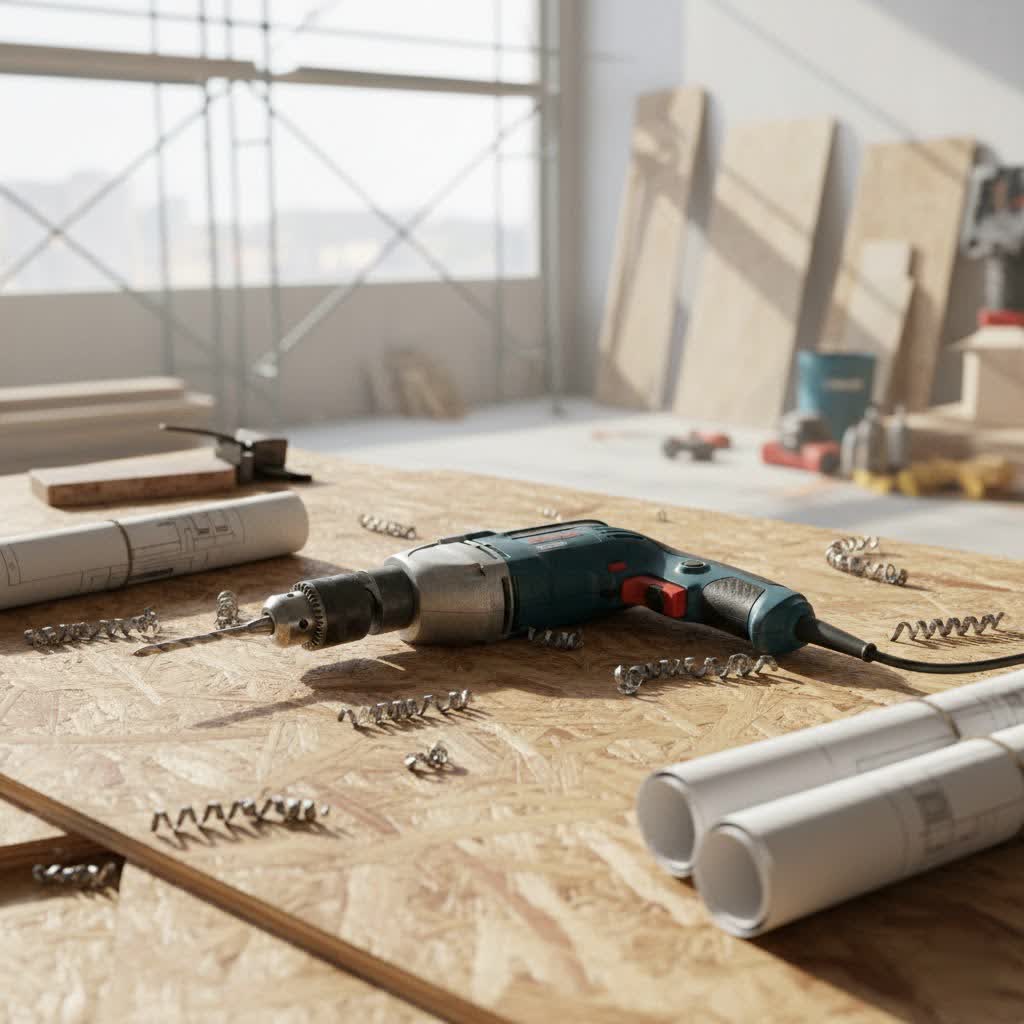
Stepping into the world of DIY or professional craftsmanship, one tool consistently stands out as indispensable: the electric drill. For decades, Bosch has been at the forefront of innovation, delivering electric drills that combine power, precision, and durability. Choosing the right electric Bosch drill can elevate your work, making tasks from assembling furniture to tackling heavy masonry projects significantly easier and more efficient. This guide will walk you through the diverse range of Bosch electric drills, their unique features, and how to select the perfect model to meet your specific needs.
Overview of Electric Drills
At its core, an electric drill is a power tool designed to bore holes or drive fasteners into various materials. It has evolved significantly from its early hand-cranked predecessors to the advanced, versatile machines we use today. Modern electric drills are powered either by an electrical cord (corded) or rechargeable batteries (cordless), each offering distinct advantages. Bosch, a brand synonymous with engineering excellence, manufactures a broad spectrum of these tools, catering to everyone from the casual homeowner to the demanding professional.
Across the market, electric drills are generally categorized by their primary function and power source. You’ll find standard drill drivers for basic tasks, hammer drills for tougher materials, impact drivers for high-torque fastening, and robust SDS hammer drills for heavy-duty concrete work. Understanding these distinctions is crucial to harnessing the full potential of your Bosch electric drill.
Detailed Classification of Electric Bosch Drills
Bosch offers a robust lineup across all major electric drill categories, each engineered with specific applications in mind.
Drill Drivers
Drill drivers are the most common and versatile type of electric drill. They are designed for both drilling holes and driving screws. Bosch drill drivers often feature variable speed settings and a clutch mechanism to prevent overdriving screws, making them ideal for a wide array of tasks.
- Pros: Highly versatile for drilling and driving, lightweight and compact (especially 12V models like the Bosch 12V Flexi-Click), suitable for various materials including wood, metal, and light masonry.
- Cons: Less effective for heavy-duty concrete or masonry than specialized hammer drills.
- Applications: Assembling furniture, hanging pictures, installing shelves, general home repairs, and lighter workshop tasks.
- Comparison: Your everyday workhorse, perfect for precision and general use, but not built for brute force.
Hammer Drills
When you need to tackle tougher materials like brick, block, or light concrete, a hammer drill is your go-to. Unlike standard drill drivers, hammer drills incorporate a hammering action that rapidly pushes the drill bit forward while it rotates, breaking up the material as it drills.
- Pros: Excellent for drilling into masonry, brick, and concrete, offering a significant power boost over standard drills. Bosch models like the AdvancedImpact 18V combine power with user comfort.
- Cons: Heavier and often bulkier than drill drivers; the hammering action is not always necessary or desirable for softer materials.
- Applications: Installing anchors in concrete, mounting fixtures to brick walls, light demolition work.
- Comparison: A step up in power for hard materials, providing both rotational and percussive force.
Impact Drivers
|
Our Picks for the Best Electric Drill in 2026
As an Amazon Associate I earn from qualifying purchases.
|
||
| Num | Product | Action |
|---|---|---|
| 1 | BLACK+DECKER 20V MAX* POWERCONNECT Cordless Drill Driver Kit with Drill Bit Set and Sockets, 100 pc. Tool Kit for Home, Battery and Charger Included ,Orange (BDC120VA100) |

|
| 2 | DEWALT 20V MAX Cordless Drill Driver Set, Electric Drill, Brushless 1/2 In 2 Speed, 2.0 Ah Battery and Charger Included, LED Light (DCD777D1) |
|
| 3 | COMOWARE 20V Cordless Drill, Electric Power Drill Set with 1 Battery & Charger, 3/8” Keyless Chuck, 2 Variable Speed, 266 In-lb Torque, 25+1 Position and 34pcs Drill/Driver Bits |
|
| 4 | PULITUO'S 20V Cordless Drill/Driver, Electric Screwdriver - 2 Batteries, 30Nm, 21+1 Torque, 2 Speed, Keyless 3/8" Chase Drill with LED Light, Kit for Home (Green) |
|
| 5 | 20V Cordless Drill, Electric Power Drill Set with Battery Charger and Carrying Case, 3/8” Keyless Chuck, 2 Variable Speed, 18+3 Torque, 72pcs Driver Bits and Belt Hook, Red |
|
| 6 | Cordless Drill Set, VIWKO 20V Power Drill with Power Pack 2.0Ah and Charger, 3/8-Inch Keyless Chuck Electricdrill, 25+1 Torque, 42pcs Drilldriver Bits/Screws for DIY Projects (Red) |
|
| 7 | FADAKWALT Cordless Drill Set,12V Power Drill Set with Battery and Charger, Electric Driver/Drill Bits, 3/8'' Keyless Chuck,21+1 Torque Setting, 180 inch-lbs, with LED Electric Drill Set (Green) |
|
| 8 | DEWALT 20V Max Cordless Drill Driver Set, 2 Speed, High Performance Motor, Includes 2 XR 1.3Ah Li-Ion Batteries, Charger and Contractor Bag (DCD771C2) |
|
| 9 | AVID POWER 20V MAX Lithium lon Cordless Drill Set, Power Drill Kit with Battery and Charger, 3/8-Inch Keyless Chuck, Variable Speed, 16 Position and 22pcs Drill Bits (Red) |
|
| 10 | Hoteche 320W 10mm Torque Drill, 19+1 Torque Settings Corded Electric Drill for Metal (10mm) & Wood (20mm), Yellow, Color Box Packaging |
|
Impact drivers are specialized tools primarily designed for driving screws and fasteners with high torque. They deliver a rotational impact action that helps to drive fasteners more efficiently and with less effort, especially when dealing with long screws or dense materials.
- Pros: Superior torque for driving fasteners, preventing cam-out and hand fatigue. Their compact and lightweight design makes them comfortable for extensive screw-driving tasks.
- Cons: Not ideal for drilling holes, particularly precise ones, as their impact mechanism is focused on rotational force rather than smooth drilling.
- Applications: Deck building, assembling large furniture, fastening large lag bolts, repetitive screw driving tasks.
- Comparison: A dedicated driving tool, offering unmatched efficiency for fastening, complementing a drill driver rather than replacing it.
SDS Hammer Drills (Rotary Hammer Drills)
For the most demanding drilling tasks in concrete and masonry, nothing surpasses an SDS hammer drill. These drills utilize a piston mechanism to create a powerful hammering action, making them far more effective than standard hammer drills for heavy-duty applications. Bosch’s professional line includes models like the GBH 2-28, known for their exceptional performance.
- Pros: Unrivaled power for drilling into concrete, stone, and rebar. Many models offer chisel functions for light demolition. Equipped with special SDS chucks for secure bit retention and efficient power transfer.
- Cons: Significantly heavier and larger than other drill types, making them less suitable for fine work or overhead tasks.
- Applications: Breaking up concrete, drilling large diameter holes in masonry for plumbing or electrical conduits, heavy construction work.
- Comparison: The powerhouse of drills, specifically engineered for maximum penetration and demolition in the hardest materials.
Comparison Table of Electric Drill Types
To help you visualize the differences, here’s a detailed comparison of the various electric Bosch drill types:
| Feature | Drill Driver | Hammer Drill | Impact Driver | SDS Hammer Drill |
|---|---|---|---|---|
| Primary Use | Drilling holes, driving screws | Drilling into masonry/concrete, light demolition | Driving screws, bolts, fasteners | Heavy-duty concrete drilling, chiseling |
| Materials | Wood, metal, plastic, light masonry | Brick, block, concrete, stone | Wood, metal, composite | Concrete, stone, rebar, asphalt |
| Action | Rotary | Rotary + Percussive (clutch-based hammering) | Rotational Impact (high torque, less kickback) | Rotary + Piston-driven Hammering (powerful) |
| Power Output | Moderate | Moderate to High | High Torque | Very High |
| Portability | High (especially cordless) | Medium | High | Low (typically heavier) |
| Typical Bosch Models | GSR 12V-15, GSR 18V-400B12 | AdvancedImpact 18V | GDX 18V-200 C | GBH 2-28, GBH 18V-26 |
| Pros | Versatile, lightweight, precise | Effective for masonry, more versatile than SDS | Excellent for fastening, compact | Extreme power for tough materials, fast drilling |
| Cons | Limited for heavy masonry | Can be heavy, less effective for driving screws | Poor for drilling holes, can be noisy | Heavy, specialized, not for light tasks |
Guide to Choosing the Right Electric Bosch Drill
Selecting the ideal electric Bosch drill requires careful consideration of your needs and the tasks you’ll undertake.
Determine Usage Needs
Your first step is to clarify your primary purpose. Are you a DIY enthusiast tackling occasional home improvement projects, or a professional needing a reliable tool for daily, demanding work?
- DIY & Home Use: A versatile drill driver or a combi drill (which includes a hammer function) like the Bosch 18V Compact Brushless is often sufficient for tasks involving wood, drywall, and light masonry.
- Professional & Heavy-Duty: If you frequently work with concrete, steel, or require high-volume fastening, you’ll need a more robust tool, such as an SDS hammer drill or a powerful impact driver.
Budget
Bosch offers drills across a range of price points, from entry-level models suitable for casual use to premium professional-grade tools. While it can be tempting to opt for the cheapest option, investing in a higher-quality Bosch drill often translates to better performance, greater durability, and a longer lifespan, offering excellent long-term value. Consider the frequency of use and the criticality of your projects when setting your budget.
Important Technical Specifications
Understanding key specifications will help you make an informed decision:
- Power: For cordless drills, voltage (e.g., 12V, 18V) indicates power. Higher voltage generally means more power and longer runtimes. Corded drills are measured in wattage and offer consistent power for prolonged use without battery concerns.
- Speed (RPM): Variable speed control is crucial for adapting to different materials and tasks. A drill with a wide RPM range offers greater versatility.
- Torque: Measured in inch-pounds or Newton-meters, torque indicates the rotational force the drill can exert. Higher torque is essential for driving large fasteners and drilling into tough materials.
- Chuck Type and Size: Most drills use keyless chucks for easy bit changes. Common sizes are 3/8-inch and 1/2-inch. For SDS hammer drills, specialized SDS-plus or SDS-max chucks are used for their unique bit design.
- Functions: Decide if you need drill-only, drill/driver, hammer drill, or impact driver capabilities. Many Bosch combi drills offer multiple modes for versatility.
Brand and Reliability
Bosch has a strong reputation for engineering reliable and durable power tools. Their drills often feature robust construction, high-quality components like metal chucks, and advanced motor technologies, including brushless motors that offer extended tool life and efficiency. Choosing Bosch ensures you’re investing in a product backed by years of innovation and user trust.
Additional Features
Modern Bosch drills come with a host of features that can enhance usability and performance:
- LED Work Light: Illuminates the workpiece, especially useful in dimly lit areas.
- Anti-Kickback Control: A safety feature that detects sudden rotation lock-up and shuts down the tool to prevent injury.
- Vibration Control: Reduces user fatigue during prolonged use, particularly important for hammer and SDS drills.
- Interchangeable Chucks: Some models, like the Bosch AdvancedImpact 18V, offer interchangeable chucks for different applications, adding to their versatility.
- Battery Indicators: For cordless models, these show the remaining battery charge, helping you manage your workflow.
“A well-chosen electric drill isn’t just a tool; it’s an extension of your capability. Bosch’s commitment to innovation means there’s a perfect drill for every challenge, big or small.” – ReviewsByM Admin, Technician with 10+ Years of Electric Drill Experience
Tips for Safe Use and Maintenance of Electric Drills
To ensure your Bosch electric drill operates safely and maintains peak performance, proper use and regular maintenance are essential.
Proper Use
- Select the Correct Bit: Always match the drill bit to the material you are drilling (e.g., masonry bits for concrete, HSS bits for metal, brad-point bits for wood).
- Apply Appropriate Pressure: Let the drill do the work. Excessive force can overheat the motor or bit and reduce accuracy.
- Maintain the Correct Angle: Drill straight into the workpiece unless specific angles are required.
- Secure Your Workpiece: Always clamp or secure the material you are drilling to prevent movement and ensure safety.
Safety Measures
- Eye Protection: Always wear safety glasses or goggles to protect against flying debris.
- Hearing Protection: Use ear defenders, especially when operating hammer drills or SDS drills, which can be noisy.
- Gloves: Wear appropriate work gloves to improve grip and protect your hands.
- Read the Manual: Familiarize yourself with your specific Bosch drill’s safety guidelines and operating instructions.
- Avoid Overheating: Take regular breaks during extended tasks to prevent the motor from overheating.
Maintenance
- Regular Cleaning: After each use, wipe down your drill to remove dust and debris. Keep ventilation slots clear.
- Lubricate Moving Parts: Consult your manual for any recommended lubrication points to ensure smooth operation.
- Inspect and Replace Worn Parts: Regularly check drill bits, chucks, and power cords for wear and tear. Replace damaged components immediately.
- Proper Storage: Store your drill in a cool, dry place, ideally in its original case or a protective cover, to prevent damage and corrosion.
- Battery Care (for Cordless Models): Use only compatible Bosch chargers. Avoid overcharging and fully discharge batteries occasionally to prolong their lifespan.
Conclusion
The electric Bosch drill stands as a testament to precision engineering, offering a solution for nearly every drilling and fastening task imaginable. From the nimble drill driver perfect for everyday home improvements to the robust SDS hammer drill built for heavy-duty construction, Bosch provides tools that empower users with exceptional performance and unwavering reliability. By understanding the distinct types, considering key technical specifications, and prioritizing proper maintenance, you can confidently choose an electric Bosch drill that not only meets your project demands but also inspires confidence in your craftsmanship. So, what exciting project will your new Bosch drill help you conquer next?
Frequently Asked Questions
What is the primary difference between a Bosch hammer drill and an SDS hammer drill?
A Bosch hammer drill uses a percussive action suitable for brick and light concrete, where two ribbed discs click together. An SDS hammer drill, conversely, uses a piston-driven pneumatic mechanism that delivers significantly more powerful blows, making it ideal for heavy-duty concrete and stone with less effort.
Can a Bosch cordless drill be as powerful as a corded model?
Modern Bosch 18V cordless drills, especially those with brushless motors, have largely closed the power gap with their corded counterparts for many applications. They offer comparable torque and drilling speeds, with the added benefit of portability and freedom from power outlets.
How do I choose the right drill bit for my Bosch electric drill?
The drill bit must match both the material you’re working with and the drill’s chuck type. For wood, use brad-point or spade bits. For metal, use HSS (High-Speed Steel) bits. For masonry and concrete, you’ll need carbide-tipped masonry bits, and for SDS hammer drills, specialized SDS bits are required.
What is the significance of “brushless motor” in Bosch drills?
Bosch drills with brushless motors offer several advantages over brushed motors. They are more efficient, leading to longer battery runtimes in cordless models, produce less heat, and have a longer lifespan due to fewer wearing parts, making them a premium choice for durability and performance.
Are Bosch electric drills suitable for beginners?
Yes, many Bosch electric drills are designed with user-friendly features like ergonomic grips, variable speed triggers, and relatively lightweight designs, making them accessible and easy to handle for beginners. Bosch’s DIY line is particularly geared towards new users.
Get our weekly buyer guide
Practical specs, not advice. Unsubscribe anytime.
