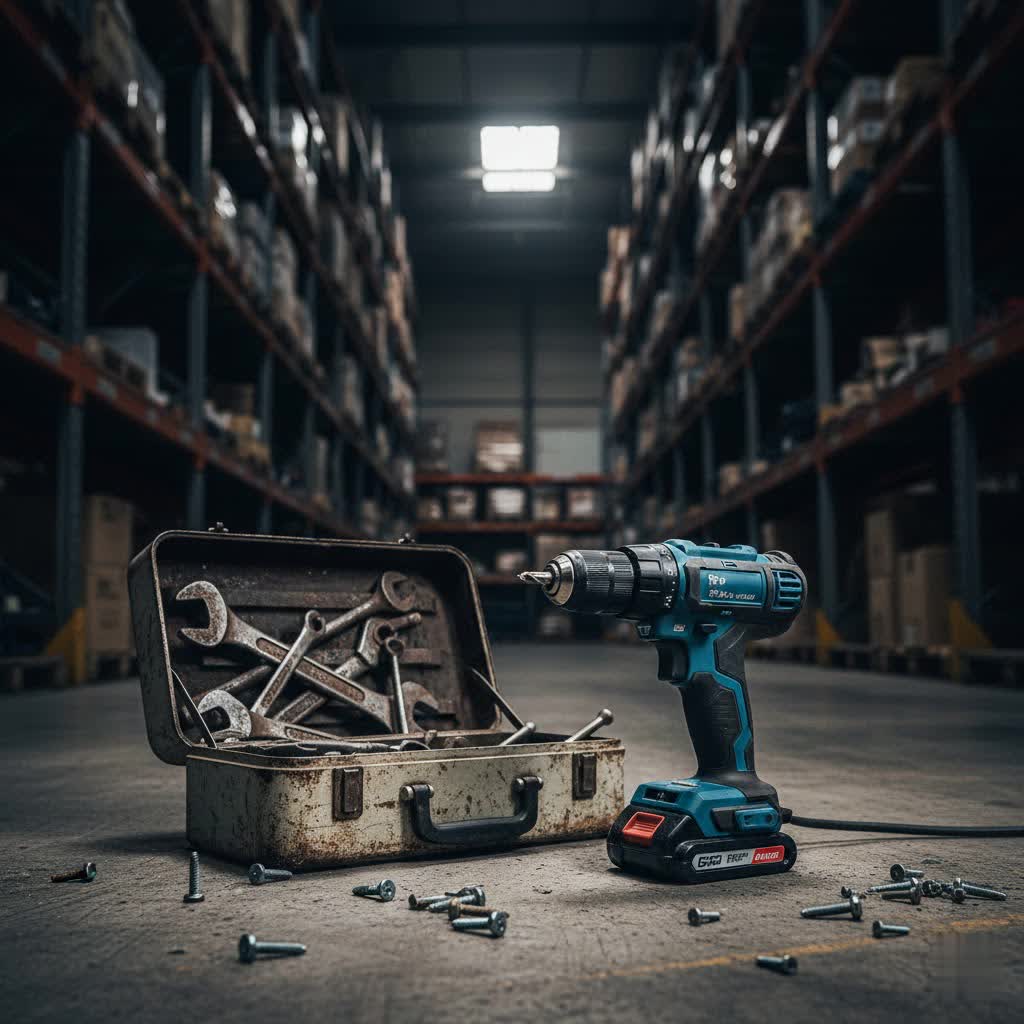
Choosing the best electric drill can feel like a daunting task, whether you’re a seasoned professional tackling demanding construction projects or a dedicated DIY enthusiast looking to upgrade your toolkit. With countless models flooding the market, each boasting unique features and specifications, how do you pinpoint the perfect tool that aligns with your specific needs? This comprehensive guide is designed to cut through the noise, offering insights gleaned from over a decade of hands-on experience with electric drills, helping you make an informed decision for power, precision, and performance.
An Overview of Electric Drills
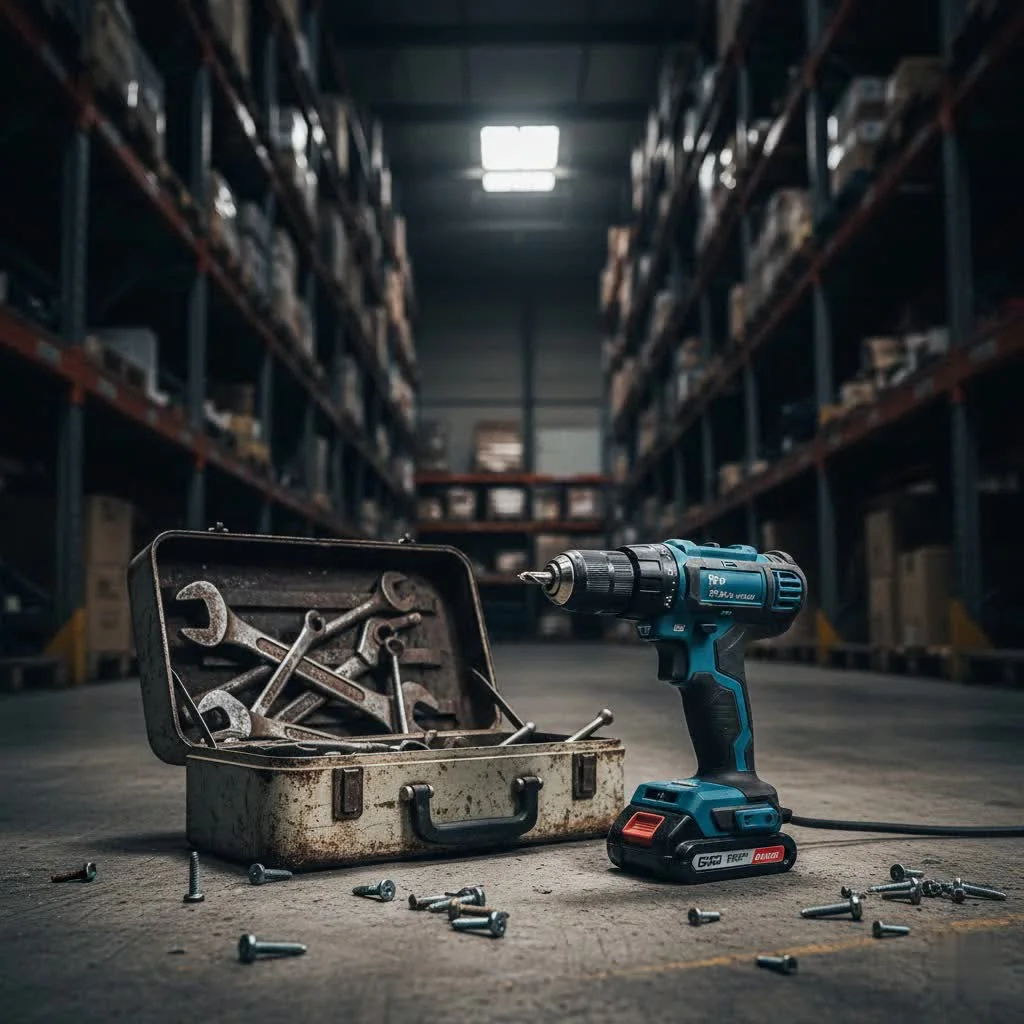
An electric drill is an indispensable power tool used to bore holes in various materials or to drive screws. At its core, it employs a rotating drill bit, or screwdriver bit, powered by an electric motor, enabling users to perform tasks from assembling furniture to heavy-duty construction. The versatility of these tools makes them a cornerstone in any workshop or job site.
The evolution of electric drills is a fascinating journey. From early hand-cranked augers to the first electric drills patented in the late 19th century, technology has continuously refined their power, efficiency, and user-friendliness. Today, advancements in motor design, battery technology, and ergonomic considerations have transformed them into sophisticated instruments.
The market offers a diverse range of electric drills, generally categorized by their power source (corded or cordless), the mechanism they employ (rotary, hammer, impact), and their intended application. Understanding these fundamental distinctions is crucial for selecting the best electric drill for your tasks.
Detailed Classification of Electric Drills
Electric drills are far from a one-size-fits-all tool. Each type is engineered for specific applications, offering distinct advantages and limitations.
Hammer Drill
A hammer drill, sometimes referred to as a percussion drill, combines rotary drilling with a rapid hammering action. This percussive force allows the drill bit to chip away at tough materials while rotating, making it exceptionally effective for drilling into masonry, brick, and concrete.
- Pros: Excellent for hard materials, provides faster drilling in masonry than standard drills, often includes a “drill-only” mode for versatility.
- Cons: Heavier and bulkier than standard drill drivers, can be overkill for softer materials, typically more expensive.
- Applications: Installing shelves in brick walls, mounting TVs on concrete, any task requiring holes in stone or masonry.
- Comparison: Unlike a standard drill driver that solely rotates, a hammer drill adds a pulsating forward motion. It’s less powerful than a dedicated rotary hammer (SDS drill) but more compact for general DIY masonry tasks.
Drill Driver
|
Our Picks for the Best Electric Drill in 2026
As an Amazon Associate I earn from qualifying purchases.
|
||
| Num | Product | Action |
|---|---|---|
| 1 | FADAKWALT Cordless Drill Set,12V Power Drill Set with Battery and Charger, Electric Driver/Drill Bits, 3/8'' Keyless Chuck,21+1 Torque Setting, 180 inch-lbs, with LED Electric Drill Set (Green) |

|
| 2 | DEWALT 20V MAX Cordless Drill Driver Set, Electric Drill, Brushless 1/2 In 2 Speed, 2.0 Ah Battery and Charger Included, LED Light (DCD777D1) |
|
| 3 | COMOWARE 20V Cordless Drill, Electric Power Drill Set with 1 Battery & Charger, 3/8” Keyless Chuck, 2 Variable Speed, 266 In-lb Torque, 25+1 Position and 34pcs Drill/Driver Bits |
|
| 4 | PULITUO'S 20V Cordless Drill/Driver, Electric Screwdriver - 2 Batteries, 30Nm, 21+1 Torque, 2 Speed, Keyless 3/8" Chase Drill with LED Light, Kit for Home (Green) |
|
| 5 | 20V Cordless Drill, Electric Power Drill Set with Battery Charger and Carrying Case, 3/8” Keyless Chuck, 2 Variable Speed, 18+3 Torque, 72pcs Driver Bits and Belt Hook, Red |
|
| 6 | AVID POWER 20V MAX Lithium lon Cordless Drill Set, Power Drill Kit with Battery and Charger, 3/8-Inch Keyless Chuck, Variable Speed, 16 Position and 22pcs Drill Bits (Red) |
|
| 7 | BLACK+DECKER 20V MAX* POWERCONNECT Cordless Drill Driver Kit with Drill Bit Set and Sockets, 100 pc. Tool Kit for Home, Battery and Charger Included ,Orange (BDC120VA100) |
|
| 8 | DEWALT 20V Max Cordless Drill Driver Set, 2 Speed, High Performance Motor, Includes 2 XR 1.3Ah Li-Ion Batteries, Charger and Contractor Bag (DCD771C2) |
|
| 9 | Hoteche 320W 10mm Torque Drill, 19+1 Torque Settings Corded Electric Drill for Metal (10mm) & Wood (20mm), Yellow, Color Box Packaging |
|
| 10 | Cordless Drill Set, VIWKO 20V Power Drill with Power Pack 2.0Ah and Charger, 3/8-Inch Keyless Chuck Electricdrill, 25+1 Torque, 42pcs Drilldriver Bits/Screws for DIY Projects (Red) |
|
The most common and versatile type, a drill driver performs two primary functions: drilling holes and driving screws. It features an adjustable clutch that prevents over-driving screws and damaging materials, making it suitable for a wide array of household and light-to-medium professional tasks.
- Pros: Highly versatile for drilling and driving, lightweight and ergonomic, ideal for general DIY and woodworking.
- Cons: Less powerful than impact drivers for driving large fasteners, not suitable for heavy masonry without a hammer function.
- Applications: Assembling furniture, hanging pictures, drilling pilot holes in wood or metal, light screw driving.
- Comparison: Lacks the hammering action of a hammer drill and the high torque of an impact driver, but its clutch system provides precision for delicate screw driving.
Impact Driver
Impact drivers are specialized for driving fasteners, particularly long screws or lag bolts, with incredible efficiency. They deliver short, powerful bursts of rotational force (impacts) when resistance is met, preventing cam-out (stripping the screw head) and making quick work of demanding driving applications.
- Pros: High torque for driving large fasteners, prevents user fatigue, compact design, excellent for repetitive screw driving.
- Cons: Not designed for drilling holes (though some bits exist), can be noisy, less precise for delicate tasks due to high torque.
- Applications: Deck building, framing, installing subflooring, driving fasteners into dense hardwoods or metal.
- Comparison: Unlike a drill driver that applies continuous rotational force, an impact driver uses rotational impacts to drive screws, making it far superior for heavy-duty fastening.
Magnetic Drill
A magnetic drill, often called a mag drill, is a highly specialized portable drilling machine designed for precision drilling into ferrous (magnetic) materials like steel and iron. It utilizes a powerful electromagnetic or permanent magnetic base to firmly adhere to the workpiece, providing unparalleled stability and accuracy, especially on vertical or overhead surfaces.
- Pros: Exceptional stability and precision on magnetic surfaces, ideal for large or thick metal workpieces, capable of handling large diameter bits.
- Cons: Only works on ferrous materials, typically heavy and specialized, not suitable for general drilling tasks.
- Applications: Steel fabrication, construction (structural steel), shipbuilding, bridge building, heavy machinery repair where drilling large, accurate holes in metal is crucial.
- Comparison: Unlike other drills, its primary advantage is its magnetic adhesion, which eliminates the need for clamps and allows for drilling in challenging orientations on metal.
Comparison Table of Electric Drill Types
Understanding the differences at a glance can simplify your decision. Here’s a comparison of common electric drill types:
| Feature | Drill Driver | Hammer Drill | Impact Driver | Magnetic Drill |
|---|---|---|---|---|
| Primary Use | Drilling, screw driving | Masonry drilling | Heavy-duty screw driving | Precision metal drilling |
| Action | Rotation | Rotation + Hammering | Rotational Impacts | Rotation |
| Materials | Wood, metal, plastic | Masonry, brick, concrete | Wood, metal | Ferrous metals (steel, iron) |
| Torque | Moderate | Moderate to High | Very High | High |
| Precision | High (with clutch) | Moderate | Moderate (for driving) | Very High (on metal) |
| Portability | High | Medium | High | Medium to Low |
| Typical Power | 12V-20V (Cordless), 5-8 Amps (Corded) | 18V-20V (Cordless), 7-10 Amps (Corded) | 12V-20V (Cordless) | 110V-230V (Corded) |
| Best For | Home DIY, light tasks | Masonry projects | Fastening long screws | Industrial metal work |
Guide to Choosing the Right Electric Drill
Selecting the best electric drill involves more than just picking a powerful tool; it’s about finding the right match for your workflow and ambitions.
Determine Your Usage Needs
Before anything else, clarify what you’ll primarily use the drill for.
- Main purpose: Are you mainly assembling flat-pack furniture, hanging pictures, drilling into concrete, or working on automotive repairs? Light tasks might only require a basic drill driver, while demanding projects could necessitate a hammer drill or impact driver.
- Materials: What surfaces will you be working with? Wood, drywall, plastic, metal, or masonry each require different drill capabilities and bit types.
- Frequency of use: For occasional home use, an entry-level cordless drill might suffice. Professionals or frequent DIYers will benefit from more robust, feature-rich models with longer battery life or continuous corded power.
Budget
Your budget will naturally influence your options.
- Identify your budget range: Electric drills vary widely in price, from budget-friendly options for basic tasks to high-end professional-grade tools.
- Compare within price points: Don’t just pick the cheapest or most expensive. Research the best value within your determined budget, considering features, brand reputation, and included accessories (like batteries and chargers for cordless models).
Important Technical Specifications
Delving into the specs helps you understand a drill’s true capabilities.
- Power: For cordless drills, this is measured in voltage (V), typically 12V, 18V, or 20V Max, with higher voltage generally indicating more power. For corded drills, power is measured in amps (A), usually ranging from 5 to 10 amps. More amps mean more continuous power.
- Speed (RPM – Revolutions Per Minute): Higher RPMs are good for drilling holes, while lower RPMs with higher torque are better for driving screws. Variable speed triggers offer precise control.
- Torque: This is the rotational force, measured in inch-pounds (in-lbs) or Newton-meters (Nm). Higher torque allows for driving larger fasteners and drilling into tougher materials. Many drills feature clutch settings to adjust torque and prevent over-driving.
- Chuck Size: The chuck holds the drill bit. Common sizes are 1/4-inch, 3/8-inch, and 1/2-inch. A 1/2-inch chuck accepts a wider range of larger bits, making it suitable for heavier applications. Keyless chucks offer quick bit changes.
- Functions: Look for features like “drill mode,” “hammer mode,” and “screwdriver mode” for versatility. A brushless motor offers longer run time, more power, and increased durability.
Brand and Reliability
Choosing a reputable brand often translates to better quality, durability, and customer support.
- Trusted brands: Brands like DeWalt, Milwaukee, Makita, Bosch, and Craftsman are well-regarded in the industry for their power tools.
- Durability and quality: Investigate reviews and expert opinions on a model’s build quality and longevity. A robust tool can save you money and frustration in the long run.
Additional Features
Modern electric drills come with a host of supplementary features that enhance usability and performance.
- LED light: Illuminates the workpiece in dimly lit areas.
- Variable speed control: Allows for precise speed adjustment based on the material and task.
- Anti-vibration: Reduces user fatigue during prolonged use.
- Battery (for cordless drills): Consider battery voltage, ampere-hours (Ah) for run time, and charging time. Lithium-ion batteries are standard for their power and efficiency.
“The right electric drill isn’t just a tool; it’s an extension of your craftsmanship. Understanding its nuances, from torque to battery chemistry, empowers you to tackle any project with confidence and precision.” – Admin, ReviewsByM.com, Power Tool Technician with 10+ Years Experience
Tips for Safe Use and Maintenance of Electric Drills
Proper handling and care ensure your electric drill performs optimally and safely for years.
-
Proper Usage:
- Always read the manufacturer’s manual before operation.
- Wear appropriate personal protective equipment (PPE), including safety glasses, hearing protection, and gloves.
- Secure your workpiece: Use clamps or a vise to prevent the material from moving during drilling.
- Choose the correct bit: Match the drill bit type and size to the material and hole diameter.
- Start slowly: Begin drilling at a low speed to create a pilot point, then increase speed as needed.
- Apply steady pressure: Let the drill do the work; excessive force can damage the drill or workpiece.
- Keep cords clear: For corded drills, ensure the cord is always behind you and away from the drilling area.
-
Safety Measures:
- Inspect your drill before each use for any damage to the cord, housing, or chuck.
- Unplug corded drills or remove batteries from cordless drills before changing bits or performing maintenance.
- Avoid working in wet conditions or near flammable liquids.
- Ensure proper ventilation, especially when drilling into materials that produce dust.
-
Maintenance for Longevity:
- Clean your drill regularly: Wipe down the housing to remove dust and debris. Use compressed air to clear ventilation slots.
- Check and clean the chuck: Ensure it’s free of debris to securely hold bits.
- Store properly: Keep your drill in a dry, safe place, ideally in its case, away from extreme temperatures.
- Battery care: For cordless drills, follow manufacturer guidelines for charging and storing batteries to maximize their lifespan. Avoid fully draining or overcharging lithium-ion batteries.
Conclusion
Choosing the best electric drill is an investment in your efficiency and the quality of your work. By understanding the different types—from versatile drill drivers and powerful hammer drills to high-torque impact drivers and specialized magnetic drills—and considering key factors like power, speed, and ergonomics, you can confidently select a tool that perfectly meets your project demands. Remember, whether you’re a DIY enthusiast or a seasoned professional, the right electric drill is a critical component of a well-equipped toolkit, ready to tackle any challenge.
What project are you most excited to conquer with your next electric drill?
Frequently Asked Questions
What’s the main difference between a hammer drill and an impact driver?
A hammer drill excels at drilling into tough masonry by combining rotation with a pounding action, ideal for brick and concrete. An impact driver, on the other hand, is specifically designed for driving screws and fasteners with high torque bursts, making it much faster and more efficient for fastening tasks in wood or metal.
Is a cordless or corded electric drill better for home use?
For most home use and DIY projects, a cordless electric drill offers superior portability and convenience, allowing you to work anywhere without needing an outlet. However, if you have continuous, heavy-duty tasks or prefer unlimited runtime, a corded drill provides consistent power without battery concerns.
What specifications are most important when buying an electric drill?
Key specifications include voltage (for cordless) or amperage (for corded) for power, RPM for speed, and torque for rotational force. Also consider chuck size (e.g., 3/8-inch for general use, 1/2-inch for heavy duty) and whether it has features like variable speed control and a brushless motor for efficiency and durability.
Can I use a drill driver for light masonry work?
While a standard drill driver isn’t ideal for masonry, you can use it for very light tasks in softer brick or mortar with a specialized masonry bit and careful, consistent pressure. For any significant work in concrete or harder masonry, a hammer drill or rotary hammer drill is highly recommended for efficiency and to prevent tool damage.
How often should I charge my cordless drill battery?
It’s best practice to charge your cordless drill battery when it’s low, rather than waiting for it to be completely dead, as this helps maintain the battery’s overall health and lifespan, especially for lithium-ion batteries. Avoid leaving batteries on the charger indefinitely after they are full.
Get our weekly buyer guide
Practical specs, not advice. Unsubscribe anytime.
