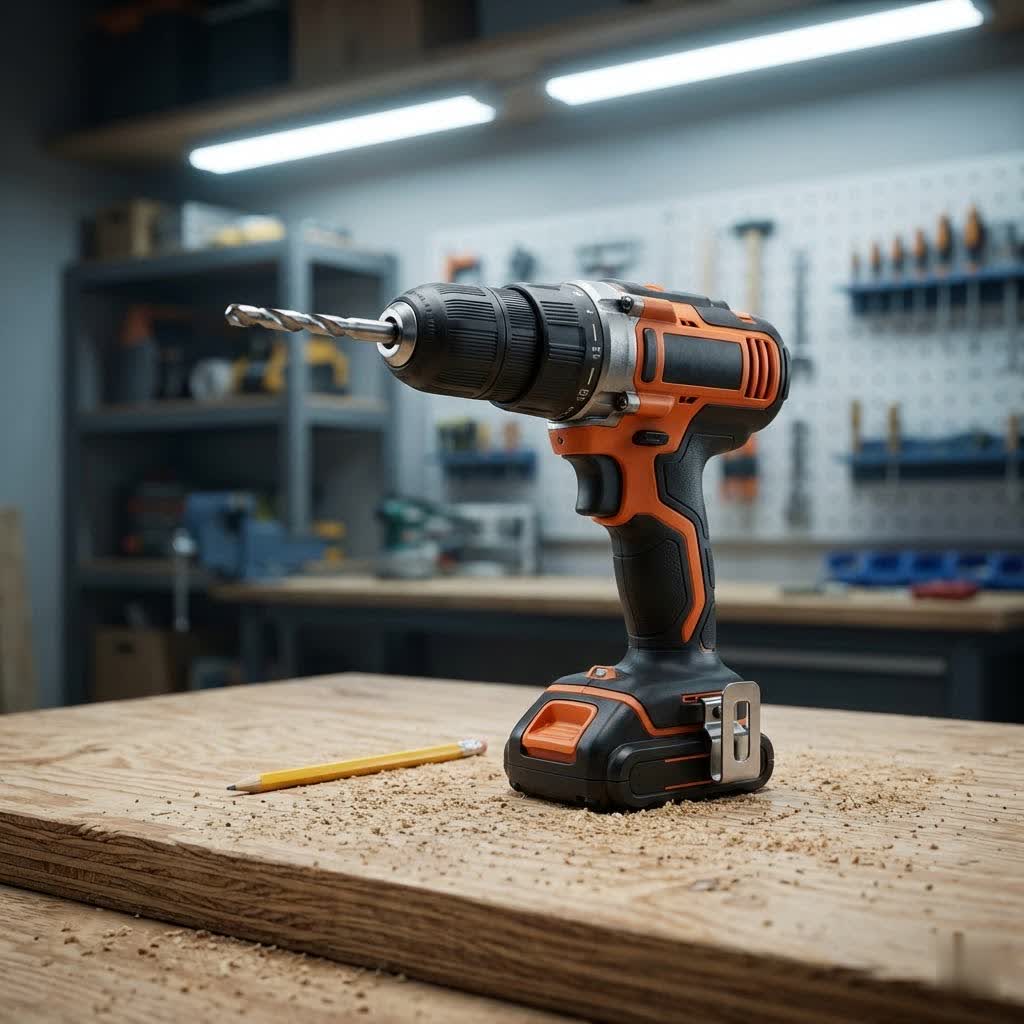
Every DIY enthusiast, homeowner, or aspiring technician knows the electric drill is an indispensable tool. It’s the workhorse of any toolkit, crucial for everything from hanging pictures and assembling furniture to tackling more demanding home improvement projects. But with countless options on the market, how do you find a reliable electric drill that won’t break the bank? This comprehensive guide, crafted from over a decade of hands-on experience with electric drills, will help you navigate the choices and pick the best budget-friendly option to meet your needs.
Overview of Electric Drills
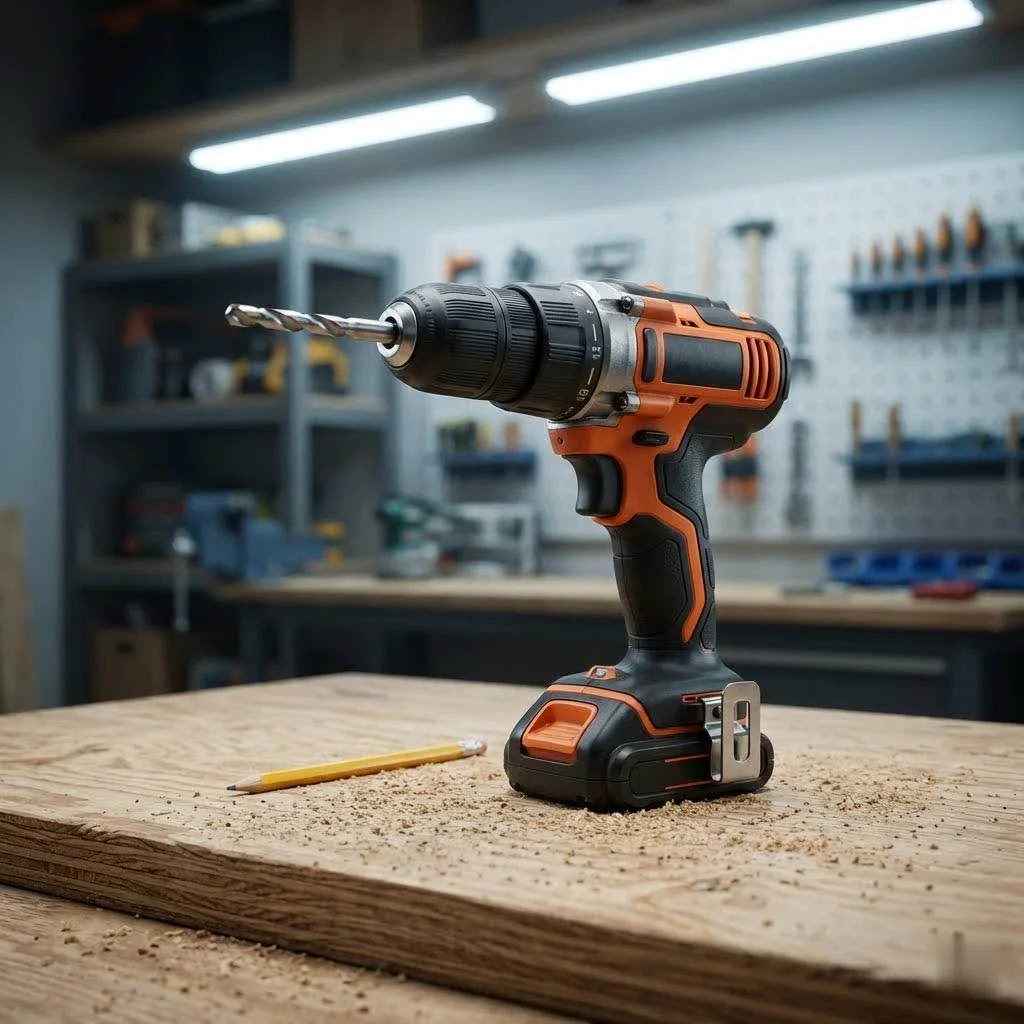
Electric drills are power tools designed primarily for making holes in various materials and driving fasteners like screws. Their evolution has transformed them from simple manual tools into sophisticated devices, incorporating features that enhance precision, power, and user comfort. From the earliest electric models in the late 19th century to today’s advanced cordless units, drills have continually adapted to user demands, becoming more compact, efficient, and versatile. For browse all electric drills articles on this site.
The market today offers a wide array of electric drills, generally categorized by their power source, functionality, and intended application. The most common types include standard drill drivers, which are perfect for everyday tasks, and hammer drills, which add percussive action for tougher materials. Cordless models, powered by rechargeable batteries, offer unmatched portability, while corded drills provide continuous, consistent power for extended use without worrying about battery life.
Detailed Classification of Electric Drills
Understanding the different types of electric drills is crucial, especially when looking for a cheap yet capable option. While high-end models offer specialized functionalities, the budget segment typically focuses on versatile tools suitable for most household and DIY tasks.
Drill Drivers
Drill drivers are the most fundamental and widely used type of electric drill, making them a common choice for those seeking an affordable solution. These versatile tools are designed for two primary functions: drilling holes and driving screws. They feature a rotating chuck that holds various drill bits or screwdriver bits.
- Advantages:
- Versatility: Excellent for general household tasks, furniture assembly, hanging decor, and light repair work.
- User-Friendly: Often lightweight and compact, making them easy to handle, especially for beginners or those working in tight spaces.
- Affordability: Many quality drill drivers are available at very competitive prices, often as complete kits with a battery and charger.
- Clutch Settings: Most come with adjustable clutch settings to prevent overdriving screws or stripping screw heads, a crucial feature for precise work.
- Disadvantages:
- Limited Power for Hard Materials: They lack the percussive action needed for drilling into masonry, concrete, or very dense materials effectively.
- Torque Limitations: While capable for most screws, they may struggle with very long or large-diameter fasteners in tough materials.
- Suitable Applications: Ideal for wood, plastic, soft metals, drywall, and general screw driving. For basic DIY, a budget drill driver is often the best “bang for your buck.” Many budget models like the Craftsman V20 1/2-Inch Cordless Drill/Driver Kit offer solid performance for typical DIY needs.
Hammer Drills
|
Our Picks for the Best Electric Drill in 2026
As an Amazon Associate I earn from qualifying purchases.
|
||
| Num | Product | Action |
|---|---|---|
| 1 | 20V Cordless Drill, Electric Power Drill Set with Battery Charger and Carrying Case, 3/8” Keyless Chuck, 2 Variable Speed, 18+3 Torque, 72pcs Driver Bits and Belt Hook, Red |

|
| 2 | BLACK+DECKER 20V MAX* POWERCONNECT Cordless Drill Driver Kit with Drill Bit Set and Sockets, 100 pc. Tool Kit for Home, Battery and Charger Included ,Orange (BDC120VA100) |
|
| 3 | AVID POWER 20V MAX Lithium lon Cordless Drill Set, Power Drill Kit with Battery and Charger, 3/8-Inch Keyless Chuck, Variable Speed, 16 Position and 22pcs Drill Bits (Red) |
|
| 4 | FADAKWALT Cordless Drill Set,12V Power Drill Set with Battery and Charger, Electric Driver/Drill Bits, 3/8'' Keyless Chuck,21+1 Torque Setting, 180 inch-lbs, with LED Electric Drill Set (Green) |
|
| 5 | PULITUO'S 20V Cordless Drill/Driver, Electric Screwdriver - 2 Batteries, 30Nm, 21+1 Torque, 2 Speed, Keyless 3/8" Chase Drill with LED Light, Kit for Home (Green) |
|
| 6 | COMOWARE 20V Cordless Drill, Electric Power Drill Set with 1 Battery & Charger, 3/8” Keyless Chuck, 2 Variable Speed, 266 In-lb Torque, 25+1 Position and 34pcs Drill/Driver Bits |
|
| 7 | Cordless Drill Set, VIWKO 20V Power Drill with Power Pack 2.0Ah and Charger, 3/8-Inch Keyless Chuck Electricdrill, 25+1 Torque, 42pcs Drilldriver Bits/Screws for DIY Projects (Red) |
|
| 8 | DEWALT 20V MAX Cordless Drill Driver Set, Electric Drill, Brushless 1/2 In 2 Speed, 2.0 Ah Battery and Charger Included, LED Light (DCD777D1) |
|
| 9 | Hoteche 320W 10mm Torque Drill, 19+1 Torque Settings Corded Electric Drill for Metal (10mm) & Wood (20mm), Yellow, Color Box Packaging |
|
| 10 | DEWALT 20V Max Cordless Drill Driver Set, 2 Speed, High Performance Motor, Includes 2 XR 1.3Ah Li-Ion Batteries, Charger and Contractor Bag (DCD771C2) |
|
Hammer drills, often found as “combi drills” in the budget range, combine the rotational action of a drill driver with a hammering motion. This percussive action allows them to bore into harder materials like brick, concrete, and stone.
- Advantages:
- Masonry Capability: Essential for drilling into concrete, brick, or other tough materials that a standard drill cannot penetrate.
- Versatility (Combi Drills): Many affordable hammer drills also function as standard drill drivers, allowing you to switch between modes for different tasks.
- Increased Power: Generally offer more torque and power, beneficial for drilling larger holes or driving tougher fasteners in wood as well.
- Disadvantages:
- Heavier and Bulkier: The hammer mechanism adds weight and size, which can lead to arm fatigue during extended use or make them harder to maneuver in confined spaces.
- Higher Cost: While budget options exist (e.g., Craftsman V20 1/2-Inch Cordless Hammer Drill Kit), they are typically more expensive than basic drill drivers.
- Overkill for Light Tasks: The hammer function is unnecessary for most common household drilling and can be less precise for delicate work.
- Suitable Applications: Home renovation projects involving masonry, installing shelves on brick walls, light concrete work, and jobs requiring more substantial driving power.
Comparison Table of Common Electric Drill Types for Budget Buyers
When navigating the world of affordable electric drills, understanding the core differences between the most common types helps in making an informed decision. Here’s a quick comparison tailored for budget-conscious buyers focusing on typical DIY and home use.
| Feature | Drill Driver (e.g., Ryobi 18V One+ Drill/Driver) | Hammer Drill (e.g., Skil PWRCORE 20V Combi) |
|---|---|---|
| Primary Use | Drilling holes, driving screws | Drilling masonry, heavy-duty drilling |
| Percussion Mode | No | Yes (for hard materials) |
| Typical Cost | Low to Mid-Range (Often under $70) | Mid-Range (Often $80-$120) |
| Weight/Size | Lighter, more compact | Heavier, bulkier |
| Materials | Wood, plastic, drywall, soft metals | Concrete, brick, stone, wood, metal |
| Best For | General household DIY, furniture assembly | Renovation projects, mounting on masonry |
| Noise Level | Moderate | Louder (in hammer mode) |
| Portability | Very good | Good (but heavier) |
This table highlights that while a drill driver is sufficient for most common tasks, a hammer drill or combi drill offers enhanced capability for masonry if your projects demand it. For most DIYers, a robust drill driver provides excellent value.
Guide to Choosing Your Perfect Electric Drill
Selecting the right cheap electric drill involves balancing cost with your specific needs. As an experienced technician, I emphasize that “cheap” doesn’t have to mean “low quality.” It means finding the best value within your budget.
Determine Usage Needs
Before anything else, clarify what you’ll primarily use the drill for.
- Main Purpose: Are you mostly hanging pictures, assembling flat-pack furniture, or performing light repairs? A basic drill driver will suffice. If you plan to tackle projects involving concrete, brick, or stone, a hammer drill function is essential.
- Materials: Consider the materials you’ll be drilling into. Wood, drywall, and plastic are easily handled by drill drivers. Masonry requires a hammer drill. Drilling into metal requires specific bits and adequate torque/speed control.
- Frequency of Use: For occasional use (a few times a year), an entry-level drill driver offers superb value. For frequent DIY projects, investing slightly more in a model with better battery life, comfort, or additional features will pay off. For instance, the Bosch 12V Max Drill/Driver Kit PS31-2A is a fantastic option for the average homeowner undertaking DIY projects.
Budget
“Cheap” is subjective, but for electric drills, this generally means under $100, and often even under $70 for a decent kit.
- Set Your Price Range: Define how much you’re willing to spend. Remember that budget drills often come as kits, including a battery and charger, which adds significant value.
- Value Over Lowest Price: Don’t just pick the absolute cheapest. Look for the best performance and features within your budget. Brands like Ryobi, Craftsman, and Skil often lead in the best-value categories. The Skil PWRCORE Drill Driver Kit, for example, is lauded for solid performance at an affordable price point.
Important Technical Specifications
Understanding these key specs helps in comparing different models effectively.
- Power (Voltage): Cordless drills come in various voltages (12V, 18V, 20V, 24V). Higher voltage generally means more power and torque, but also more weight. For light DIY, 12V is often sufficient and lighter. 18V/20V offers a good balance of power and portability for most home projects.
- Speed (RPM): Measured in Revolutions Per Minute, speed dictates how fast the bit spins. Drills typically have variable speed triggers and often multiple gear settings (e.g., low speed/high torque for driving, high speed/low torque for drilling). Higher RPMs are good for fast drilling in softer materials, while lower RPMs with higher torque are needed for tougher jobs and driving screws precisely.
- Torque (Inch-Pounds): This is the twisting force the drill can generate. Higher torque is vital for driving large fasteners and drilling into dense materials. Many budget drills offer sufficient torque (e.g., 200-400 in-lbs) for typical home tasks.
- Chuck Type & Size: Most modern drills feature keyless chucks, allowing for quick bit changes without a separate tool. Common sizes are 3/8-inch and 1/2-inch. A 1/2-inch chuck accepts a wider variety of bits, which can be advantageous for versatility.
- Functions:
- Drill Mode: Standard rotational action for holes.
- Driver Mode (Clutch): Adjustable settings to control torque, preventing over-tightening or stripping screws.
- Hammer Mode: Perforates hard materials with a hammering action alongside rotation (found in hammer drills/combi drills).
Brands and Reliability
Several brands offer reliable budget-friendly electric drills that perform well for DIY and home use.
- Reputable Budget Brands: Look for brands like Ryobi, Craftsman, Skil, Hart, and Hyper Tough. While they might not be premium professional tools, they often provide excellent value and reliability for their price point. Ryobi, for instance, is known for its extensive 18V ONE+ system, offering interchangeable batteries across a wide range of tools.
- Read Reviews: Always check user reviews for insights into real-world performance, durability, and customer service for specific models.
Additional Features
Even on a budget, some features can significantly enhance usability.
- LED Work Light: Illuminates the work area, especially useful in dimly lit spaces. Many budget models include this.
- Variable Speed Control: A trigger that allows you to vary the speed depending on how much you press it. Essential for precision.
- Anti-Vibration/Ergonomic Grip: While less common in the cheapest drills, a comfortable, anti-vibration grip can reduce fatigue during longer tasks.
- Battery System (for Cordless): If choosing a cordless drill, consider if the battery is part of a larger interchangeable system. This allows you to use the same batteries across multiple tools from the same brand, saving money in the long run. Skil’s PWRCORE 20V and Ryobi’s ONE+ systems are good examples.
Tips for Safe Use and Maintenance of Electric Drills
Even a cheap electric drill can be a safe and long-lasting tool with proper handling and care.
- Read the Manual: Always start by reading your drill’s user manual. It contains specific safety instructions and operational guidelines for your model.
- Wear Safety Gear: Always wear safety glasses to protect your eyes from debris. Gloves can protect your hands, and ear protection is advisable for prolonged use, especially with hammer drills.
- Secure Your Workpiece: Ensure the material you’re drilling is clamped or held firmly. This prevents it from spinning or shifting, which can cause injury or damage.
- Choose the Right Bit: Use the correct drill bit for the material and task. Dull or incorrect bits can cause kickback, overheating, or poor results.
- Proper Grip and Stance: Maintain a firm grip on the drill with both hands if possible, and stand in a balanced position. Be prepared for torque reaction, especially when drilling large holes or driving long screws.
- Start Slow: Begin drilling at a slow speed to prevent the bit from “walking” and gradually increase speed once the bit has engaged the material.
- Avoid Overheating: Don’t force the drill. Let the tool do the work. If you notice smoke or excessive heat, stop and let it cool down.
- Regular Cleaning: After each use, wipe down your drill to remove dust and debris. Clean the chuck jaws to ensure a good grip on bits.
- Battery Care (for Cordless): Store batteries in a cool, dry place. Avoid fully discharging lithium-ion batteries and follow manufacturer guidelines for charging. Don’t leave batteries on chargers indefinitely.
- Inspect Before Use: Before each use, quickly check the power cord (if corded) for damage, the battery for charge, and the chuck for proper bit seating.
“A cheap drill, when chosen wisely for the task and maintained properly, can be just as effective for typical home projects as a more expensive one. It’s all about matching the tool to the job and respecting its capabilities.” – ReviewsByM.com Admin
Conclusion
Choosing a cheap electric drill doesn’t mean compromising on your DIY aspirations or essential home repairs. By understanding your specific needs, focusing on key technical specifications like power, speed, and torque, and considering reputable budget brands, you can find a highly functional and reliable electric drill without overspending. Remember to prioritize value, safety, and proper maintenance to ensure your chosen tool serves you well for years to come.
What projects are you planning to tackle with your new, affordable electric drill?
Frequently Asked Questions
What is the best cheap cordless drill for home use?
For most home use, a 12V or 18V/20V cordless drill driver from brands like Ryobi, Craftsman, or Skil offers excellent value. Models like the Craftsman V20 1/2-Inch Cordless Drill/Driver Kit are often highlighted as a “best bang for your buck” option for light to medium-duty tasks around the house.
What features should I look for in a budget electric drill?
Key features to prioritize in a budget electric drill include variable speed control, multiple clutch settings for driving screws, a comfortable grip, and a chuck size of at least 3/8-inch (1/2-inch is preferred for versatility). An integrated LED work light and a battery system compatible with other tools are also valuable additions.
Are cheap electric drills reliable for DIY projects?
Yes, many cheap electric drills are perfectly reliable for DIY projects and general home use. Brands have significantly improved the quality and performance of their entry-level tools. While they may not have the extreme power or durability of professional-grade drills, they are more than capable of handling common tasks like drilling in wood, drywall, and driving screws.
Corded vs. Cordless: Which is better for a cheap electric drill?
For budget options, cordless drills often offer more convenience and versatility for DIY projects due to their portability. However, a corded drill can be cheaper upfront and provides consistent power without worrying about battery life or charging, making it a good choice for continuous use in one location. For most “cheap electric drill” searches, cordless options are more common and often recommended.
Get our weekly buyer guide
Practical specs, not advice. Unsubscribe anytime.
