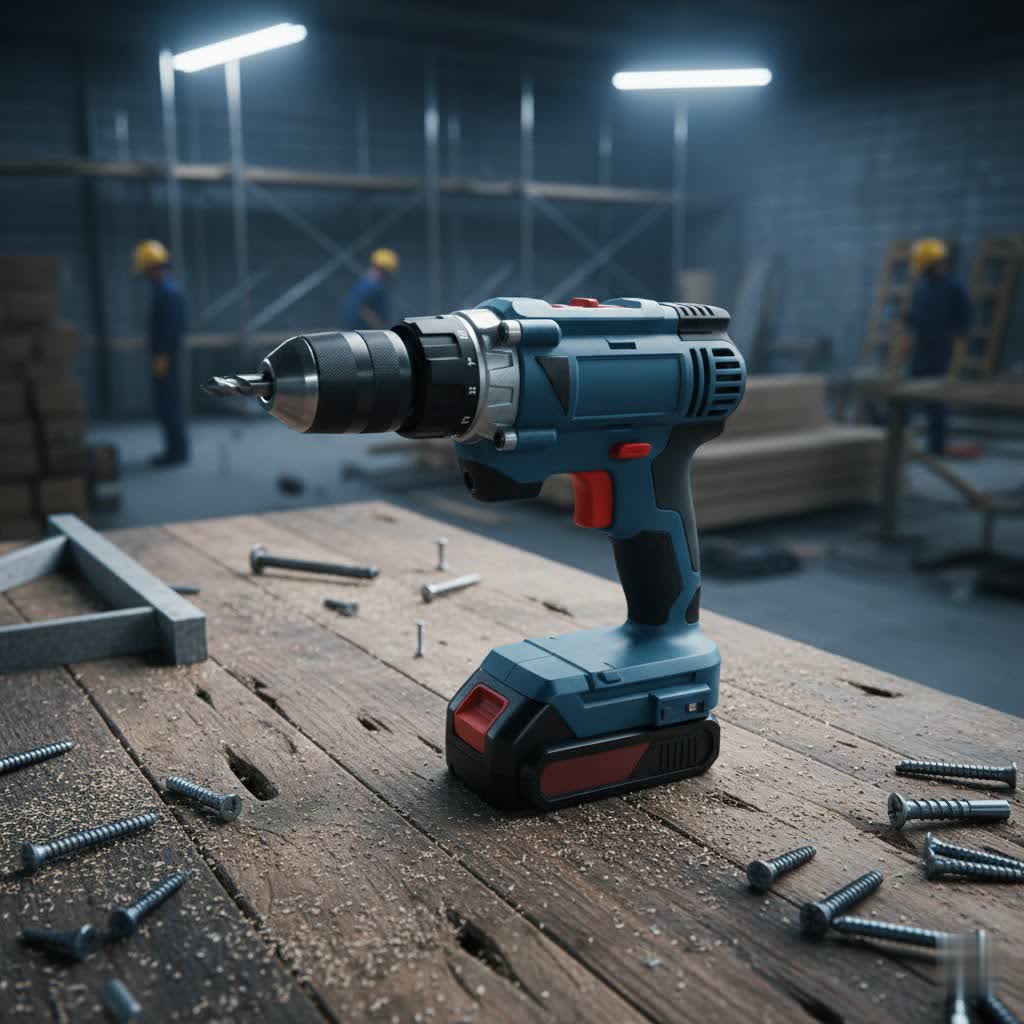
For anyone who has faced the arduous task of digging holes by hand, the prospect of a more efficient solution is incredibly appealing. Electric drill augers offer a transformative approach, converting your standard electric drill into a powerful digging machine. This guide will delve into the world of electric drill augers, exploring their types, applications, and how to choose and use them safely to tackle a variety of tasks with remarkable ease and precision.
Overview of Electric Drill Augers
An electric drill auger is essentially an attachment that fits onto a powerful electric drill, featuring a spiral-shaped blade, known as flighting, designed to bore into various materials. While augers have a long history, evolving from simple hand tools to robust gas-powered machines, the advent of electric drill auger attachments has democratized their use, making them accessible and convenient for homeowners and professionals alike. For electric drills buying guides on this site.
These versatile tools excel at drilling clean, consistent holes faster and with less physical effort than traditional digging methods. Their primary purpose is to remove material—be it soil, ice, or wood—by rotating the helical screw, which then carries the loosened debris up and out of the hole. This capability makes them indispensable for a wide range of applications, from intricate garden planting to robust construction tasks and even specialized activities like ice fishing.
Detailed Classification of Electric Drill Augers
Electric drill augers are not one-size-fits-all; they are categorized based on their intended use, material, and design. Understanding these classifications is key to selecting the perfect tool for your project.
Earth Augers for Electric Drills
Earth augers are designed to penetrate soil for various landscaping and construction purposes. They streamline tasks that would otherwise be back-breaking with a shovel or post-hole digger.
- Advantages: Exceptional efficiency for digging multiple holes, reduced physical strain, and cleaner holes compared to manual methods. They are relatively lightweight and portable, especially when paired with a cordless drill.
- Disadvantages: Their effectiveness can be limited in extremely rocky or heavily compacted clay soils without a high-torque drill.
- Suitable Applications: Ideal for planting bulbs, saplings, and small shrubs, installing fence posts, deck posts, signposts, and even aerating soil or taking soil samples. They are a popular choice for light to medium-duty earth-drilling projects.
- Comparison: Far more efficient than a manual shovel or clamshell post-hole digger, especially for repetitive tasks. They offer greater control and less disturbance to surrounding areas than larger, dedicated gas-powered earth augers for smaller projects.
Ice Augers for Electric Drills
|
Our Picks for the Best Electric Drill in 2026
As an Amazon Associate I earn from qualifying purchases.
|
||
| Num | Product | Action |
|---|---|---|
| 1 | Cordless Drill Set, VIWKO 20V Power Drill with Power Pack 2.0Ah and Charger, 3/8-Inch Keyless Chuck Electricdrill, 25+1 Torque, 42pcs Drilldriver Bits/Screws for DIY Projects (Red) |

|
| 2 | Hoteche 320W 10mm Torque Drill, 19+1 Torque Settings Corded Electric Drill for Metal (10mm) & Wood (20mm), Yellow, Color Box Packaging |
|
| 3 | DEWALT 20V MAX Cordless Drill Driver Set, Electric Drill, Brushless 1/2 In 2 Speed, 2.0 Ah Battery and Charger Included, LED Light (DCD777D1) |
|
| 4 | PULITUO'S 20V Cordless Drill/Driver, Electric Screwdriver - 2 Batteries, 30Nm, 21+1 Torque, 2 Speed, Keyless 3/8" Chase Drill with LED Light, Kit for Home (Green) |
|
| 5 | AVID POWER 20V MAX Lithium lon Cordless Drill Set, Power Drill Kit with Battery and Charger, 3/8-Inch Keyless Chuck, Variable Speed, 16 Position and 22pcs Drill Bits (Red) |
|
| 6 | DEWALT 20V Max Cordless Drill Driver Set, 2 Speed, High Performance Motor, Includes 2 XR 1.3Ah Li-Ion Batteries, Charger and Contractor Bag (DCD771C2) |
|
| 7 | 20V Cordless Drill, Electric Power Drill Set with Battery Charger and Carrying Case, 3/8” Keyless Chuck, 2 Variable Speed, 18+3 Torque, 72pcs Driver Bits and Belt Hook, Red |
|
| 8 | COMOWARE 20V Cordless Drill, Electric Power Drill Set with 1 Battery & Charger, 3/8” Keyless Chuck, 2 Variable Speed, 266 In-lb Torque, 25+1 Position and 34pcs Drill/Driver Bits |
|
| 9 | FADAKWALT Cordless Drill Set,12V Power Drill Set with Battery and Charger, Electric Driver/Drill Bits, 3/8'' Keyless Chuck,21+1 Torque Setting, 180 inch-lbs, with LED Electric Drill Set (Green) |
|
| 10 | BLACK+DECKER 20V MAX* POWERCONNECT Cordless Drill Driver Kit with Drill Bit Set and Sockets, 100 pc. Tool Kit for Home, Battery and Charger Included ,Orange (BDC120VA100) |
|
For winter enthusiasts, ice augers specifically designed for electric drills have revolutionized ice fishing. These attachments provide a quiet, lightweight alternative to loud and heavy gas augers.
- Advantages: Significantly lighter and quieter than gas-powered augers, making them easier to transport and use on the ice. They produce no exhaust fumes, a major benefit in enclosed ice shanties. Modern electric drills offer impressive power, allowing for numerous holes on a single charge.
- Disadvantages: Battery performance can degrade in extreme cold, and very thick ice or frequent drilling may drain batteries quickly. A powerful drill and high-capacity batteries are essential.
- Suitable Applications: Primarily used for drilling fishing holes through lake ice. They are excellent for hole hopping and scouting new fishing spots due to their portability.
- Comparison: Outperform manual ice augers in speed and effort. While dedicated electric ice augers often come with proprietary battery systems designed for cold, drill-powered setups offer versatility, using the same drill for other tasks during warmer months.
Garden Augers for Electric Drills
Specifically tailored for gardening tasks, these augers simplify planting and soil preparation, making gardening more enjoyable and less strenuous.
- Advantages: Greatly reduce bending and kneeling, saving your back during extensive planting projects. They create uniform holes quickly, which is beneficial for mass plantings.
- Disadvantages: Smaller garden augers may struggle with tough roots or very rocky garden beds, potentially straining less powerful drills.
- Suitable Applications: Perfect for planting bulbs, bedding plants, small shrubs, and even mixing soil amendments or fertilizers into garden beds. They are also useful for boring holes for garden stakes or umbrella poles.
- Comparison: A significant upgrade from hand trowels or spades, offering speed and consistency that manual tools cannot match.
Specialized Augers for Electric Drills
Beyond the common earth, ice, and garden applications, electric drill augers also cater to more niche requirements.
- Drainage/Mixing Augers: Some augers are designed for clearing clogged drains, while others feature paddles or specific flighting for mixing paint, cement, or other compounds directly in a bucket.
- Pros/Cons: Offer specialized functionality, increasing the utility of a standard electric drill. Their effectiveness hinges on the drill’s power and the auger’s design matching the task.
- Suitable Applications: Unclogging minor blockages, thoroughly mixing small batches of construction materials, or blending liquids.
Comparing Electric Drill Auger Types
Choosing the right auger attachment for your electric drill depends heavily on the specific demands of your project. Here’s a comparative overview to help guide your decision:
| Auger Type | Common Uses | Ideal Drill Specifications | Pros | Cons |
|---|---|---|---|---|
| Earth Auger | Fence posts, planting trees/shrubs, soil sampling | 18V+ Cordless, High Torque | Efficient for repetitive tasks, reduces strain | Can struggle in very rocky/clay soil without powerful drill |
| Ice Auger | Ice fishing, scouting holes | 18V+ Cordless, Brushless, 5Ah+ Batt | Lightweight, quiet, no fumes, highly portable | Battery drain in extreme cold, requires high-capacity batteries |
| Garden Auger | Planting bulbs/bedding plants, soil mixing, small posts | 18V+ Cordless | Saves back, quick uniform holes, ideal for gardening | Less effective on large roots or dense soil, can strain weaker drills |
| Specialized Augers | Mixing, drain clearing | Varies by task, often 18V+ | Addresses specific needs, adds versatility to your drill | Limited in general digging, very specific applications |
How to Choose the Right Electric Drill Auger
Selecting the optimal electric drill auger setup involves evaluating your needs against the capabilities of both the auger attachment and your electric drill.
Identify Your Specific Needs
Before anything else, define your project.
- Project Type: Are you setting fence posts, planting a garden, or going ice fishing? This dictates the auger type.
- Material: What will you be drilling into? Loose soil, hard clay, frozen ice, or wood? Different materials require different auger designs and drill power.
- Hole Dimensions: What diameter and depth do your holes need to be? Auger bits come in various sizes, from small 1.5-inch garden augers to 10-inch or larger earth and ice augers. Consider if extensions will be needed for deeper holes.
- Frequency of Use: Occasional small tasks versus regular heavy-duty work will influence the required durability and power.
Budget Considerations
Electric drill auger attachments are often a more cost-effective entry point than dedicated power augers, especially if you already own a suitable electric drill. However, factor in the cost of a high-quality drill, extra batteries, and any necessary accessories. Investing in a robust drill capable of handling the torque and sustained power demands will pay off in the long run.
Crucial Technical Specifications
The performance of your electric drill auger hinges on the specifications of your drill.
- Drill Power (Voltage & Torque): For most auger applications, an 18V or 20V (or higher) cordless drill is recommended. Look for drills with high torque output, typically measured in inch-pounds or foot-pounds, as this is critical for boring through dense materials. More torque means less effort for you.
- Brushless Motor: A brushless motor is highly recommended. These motors are more efficient, generate less heat, and have a longer lifespan, making them ideal for the strenuous demands of auger operation.
- Chuck Size: A 1/2-inch chuck is standard and necessary to securely hold most auger shafts. Smaller chucks (e.g., 3/8-inch) may not be robust enough for larger augers or tougher jobs.
- Battery (Amp-hours – Ah): For sustained work, particularly with larger augers or in challenging conditions like thick ice, opt for batteries with higher amp-hour ratings (e.g., 5.0Ah or higher). Consider having multiple charged batteries on hand. For cold-weather use, store batteries in a warm place until ready for use.
- Auger Bit Material & Design:
- Steel vs. Composite: Steel augers are generally more durable for earth and ice, while composite flighting (often found on ice augers) can be lighter.
- Blade Types: Different blades are optimized for specific materials. Chipper blades are durable for dirty ice, while shaver blades offer smooth cuts in clean ice. Soil augers have specific cutting tips for various soil types.
- Length & Diameter: Ensure the auger’s length and diameter match your desired hole size and depth. Extensions are available for most augers if greater depth is needed.
- Additional Features:
- Variable Speed: Allows you to control the drilling speed, which is crucial for starting holes and managing torque.
- Reverse Function: Extremely useful for clearing jammed augers or removing the auger from a completed hole.
- Safety Plate/Collar: Some auger attachments or adapters include a safety plate that prevents the auger from falling down the hole if the drill detachment occurs, offering peace of mind, especially over water.
Brands and Reliability
Reputable brands for electric drills include Milwaukee, DeWalt, Makita, and Bosch, all known for their powerful cordless tools. For auger attachments, brands like Eskimo, K-Drill, Power Planter, and StrikeMaster are highly regarded for their specialized designs and durability in their respective fields (ice fishing, gardening). Matching a high-quality drill with a purpose-built auger attachment from a trusted brand ensures optimal performance and longevity.
Essential Accessories
To maximize your electric drill auger experience, consider these accessories:
- Extensions: For reaching greater depths in soil or ice.
- Auger Adapters: Ensure a secure fit between your drill and auger bit.
- Side Handles/Grips: Provide better control and leverage, especially with larger augers.
Safe Usage and Maintenance Tips for Your Electric Drill Auger
Safety should always be paramount when operating any power tool. Proper maintenance also ensures longevity and consistent performance.
Before Use
- Read the Manual: Always familiarize yourself with the operating instructions for both your drill and the auger attachment.
- Inspect Equipment: Before each use, check your drill and auger for any signs of wear, damage, or loose connections. Ensure blades are sharp and secure.
- Wear Personal Protective Equipment (PPE): Always don safety glasses to protect against flying debris, sturdy gloves for grip and protection, and steel-toe boots. Hearing protection is also recommended, even with quieter electric drills, for prolonged use.
- Clear the Work Area: Remove any potential obstructions from the drilling site.
- Check for Utilities: Before digging into the ground, always verify the location of any underground power lines, water pipes, or other utilities to prevent serious injury or damage.
During Operation
- Start Slow: Begin drilling at a slow speed to establish the hole and prevent kickback, gradually increasing speed as the auger bites into the material.
- Maintain Steady Pressure: Let the auger and drill do the work. Avoid excessive downward force, which can overload the drill or cause the auger to bind.
- Brace for Torque: Be prepared for the rotational force (torque) of the drill, especially when the auger encounters resistance. For larger augers, use auxiliary handles and maintain a stable stance.
- Clear Obstructions: If you hit a rock, root, or other obstruction, stop the drill immediately. Attempt to remove the obstruction manually before continuing. Avoid forcing the auger through tough obstacles. For extremely rocky soil, a heavy-duty auger bit might be necessary, or consider alternative digging methods.
- Use Reverse Function: If the auger becomes stuck, use the reverse function to extract it safely.
- Know the Shut-Off: Always know where the drill’s power switch is and how to quickly turn it off in an emergency.
After Use and Storage
- Clean Thoroughly: After each use, clean the auger bit and drill to remove dirt, debris, or ice. This prevents corrosion and build-up.
- Sharpen Blades: Keep auger blades sharp for optimal performance. Dull blades will reduce efficiency and increase strain on your drill.
- Battery Care: For cordless drills, follow manufacturer guidelines for battery charging and storage. In cold weather, bring batteries indoors to warm up before use and store them in a temperate environment.
- Proper Storage: Store your auger attachment and drill in a dry, safe place away from moisture and extreme temperatures.
Conclusion
Electric drill augers represent a fantastic fusion of versatility and power, transforming the laborious task of hole digging into a quick and efficient operation. Whether you’re a passionate gardener, an avid ice angler, or undertaking light construction work, these attachments offer a compelling blend of convenience and performance. By understanding the various types, meticulously selecting the right drill and auger bit for your specific needs, and adhering to crucial safety protocols, you can unlock unparalleled precision and make quick work of your toughest projects. Equip yourself with the right knowledge and tools, and your next project will undoubtedly be a breeze.
What project will you tackle first with the newfound power of your electric drill auger?
Frequently Asked Questions
What kind of drill do I need for an auger?
You’ll need a powerful cordless drill, typically 18V or 20V (or higher), with a high torque output and a 1/2-inch chuck. A brushless motor is highly recommended for efficiency, durability, and better performance under load. For sustained or demanding tasks, a battery with a 5.0Ah capacity or greater is advisable.
Can any drill be used with an auger attachment?
No, not just any drill will suffice. Using an underpowered drill (e.g., 12V or lower, or those with less torque) or one with a smaller chuck size (e.g., 3/8-inch) with an auger attachment can quickly damage the drill, burn out the motor, or lead to inefficient and frustrating operation. Always match your drill’s specifications to the demands of the auger and the material you’re drilling into.
Are electric drill augers good for rocky soil?
Electric drill augers can work in moderately rocky soil if paired with a powerful, high-torque drill and a heavy-duty auger bit designed for such conditions. However, for extremely rocky terrain or very dense clay, dedicated gas-powered augers often offer superior power and resilience. You may need to clear larger rocks manually if encountered.
How deep can an electric drill auger dig?
Most standard electric drill augers can dig holes ranging from 12 inches to 3 or 4 feet deep. For greater depths, many auger systems offer extension rods that can add an additional 12 inches or more, allowing you to reach necessary depths for specific applications like deep fence posts or deck footings.
What are the main advantages of an electric drill auger over a gas auger?
Electric drill augers offer several significant advantages: they are typically much lighter and more portable, quieter during operation, and produce no noxious fumes, making them ideal for enclosed spaces or close quarters. They also eliminate the need for fuel mixing and engine maintenance. Furthermore, the drill itself retains its versatility for other tasks when not being used with the auger attachment.
Get our weekly buyer guide
Practical specs, not advice. Unsubscribe anytime.
