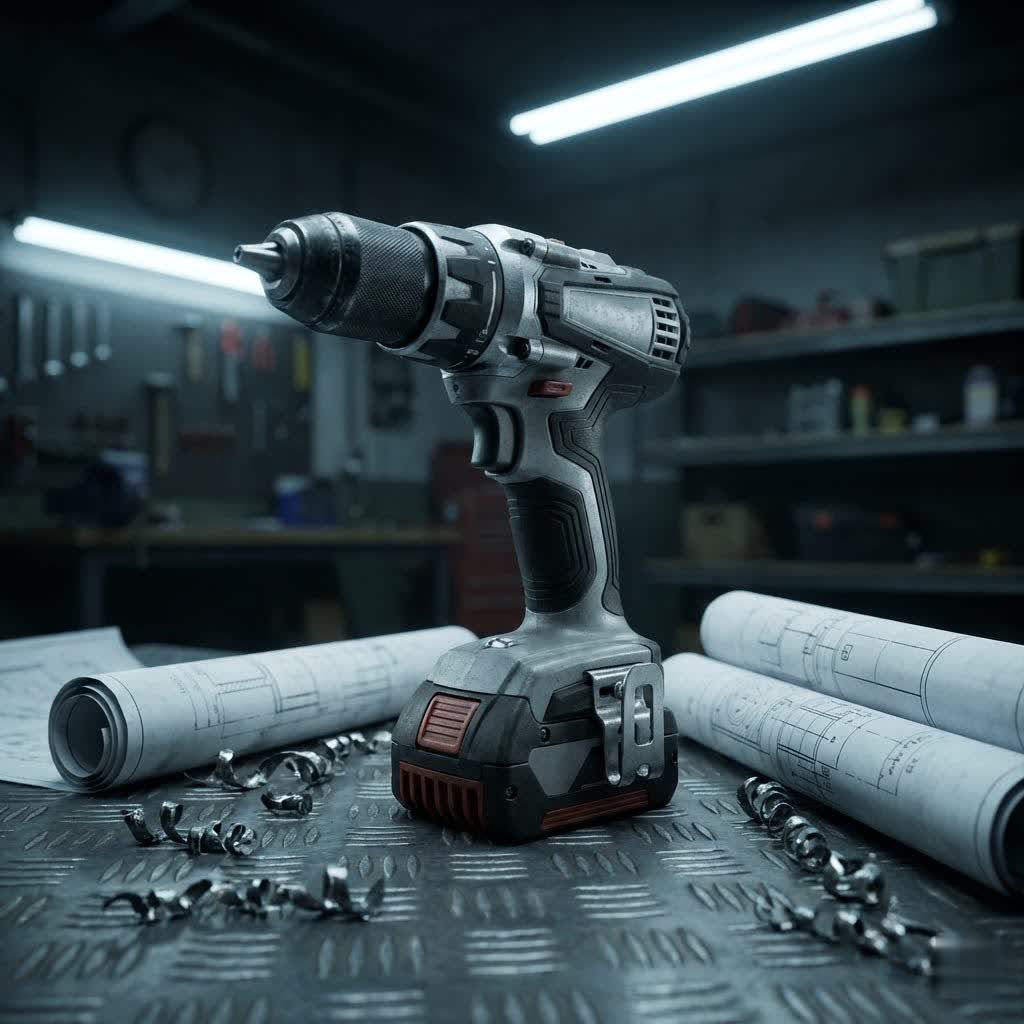
As the chill of winter descends and lakes transform into icy playgrounds, ice fishing enthusiasts eagerly prepare for their pursuit of the season’s bounty. For decades, the arduous task of drilling through thick ice often meant heavy, noisy gas augers or back-breaking manual labor. However, a revolutionary shift has taken place with the advent and widespread adoption of the electric drill ice auger. This innovative combination of a powerful cordless drill and a specialized auger bit has redefined convenience and efficiency on the ice, offering a quieter, cleaner, and more portable solution for anglers everywhere.
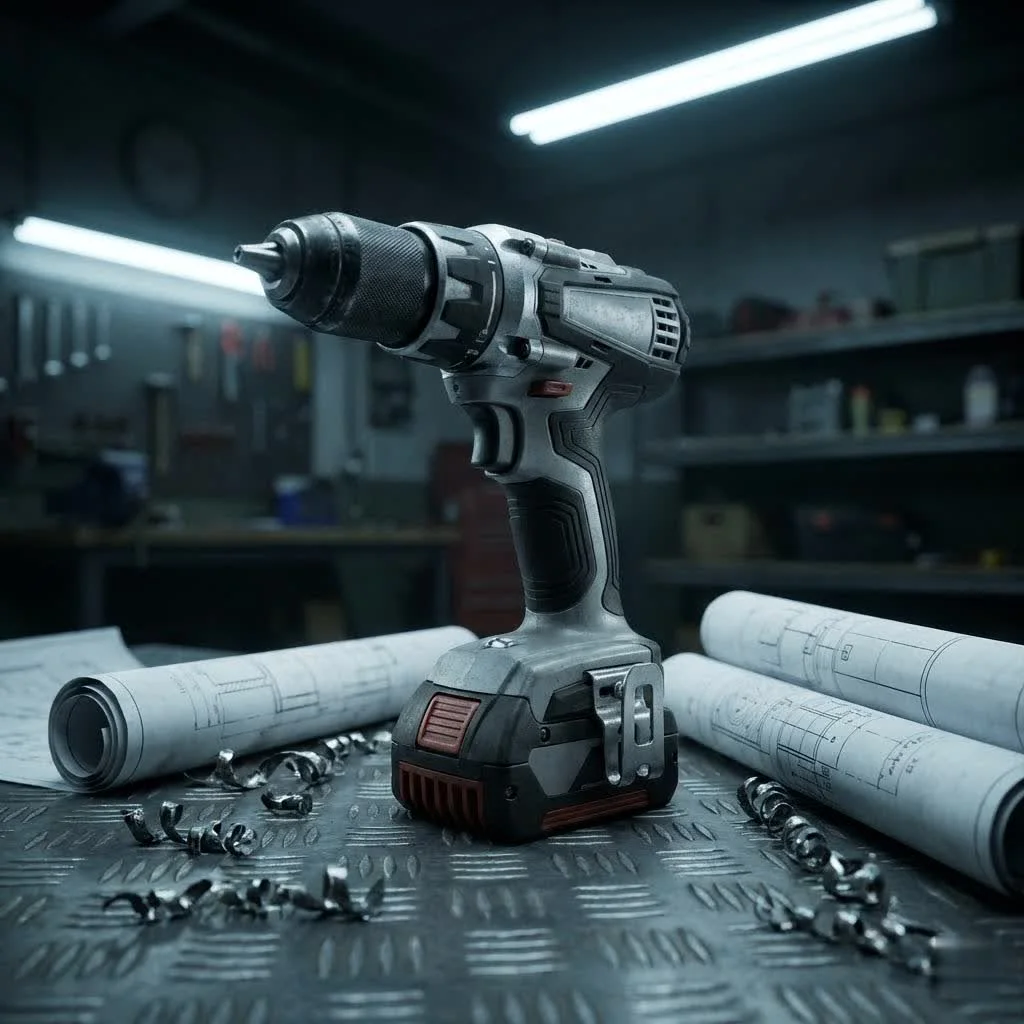
Gone are the days of wrestling with temperamental pull-starts and dealing with gasoline fumes. Electric drill ice augers leverage modern battery and motor technology to deliver impressive performance, making them an increasingly popular choice. Whether you’re a seasoned ice angler or new to the sport, understanding this evolving technology is key to enhancing your winter fishing experience.
Overview of Electric Drill Ice Augers
An electric drill ice auger isn’t a single, standalone tool but rather a powerful synergy between a high-torque cordless electric drill and a purpose-built auger bit. This setup has rapidly gained traction in the ice fishing community, moving beyond niche applications to become a mainstream solution. Its core purpose is simple: to provide a lightweight, efficient, and user-friendly method for drilling fishing holes through frozen surfaces.
The history of using electric drills for ice fishing dates back several years, but its true popularization coincides with significant advancements in cordless drill technology. Early attempts often led to burnt-out drills and disappointing battery life. However, with the development of powerful lithium-ion batteries, robust brushless motors, and specialized ice auger bits designed to work optimally with these drills, the electric drill ice auger has truly come into its own. This evolution has transformed a once cumbersome task into a smooth and manageable part of the ice fishing routine.
The Power Behind the Punch: Drill Types for Ice Augers
Not just any electric drill will suffice for the demanding task of cutting through ice. The key lies in selecting a drill with adequate power, torque, and robust construction to withstand the stresses of ice drilling.
- Cordless Hammer Drills: These are the most common choice for powering ice augers. While the “hammer” function isn’t typically used for ice, these drills often boast higher torque ratings and more durable gearboxes than standard drills, making them well-suited for the continuous rotational force required. Look for models with 18V, 20V, or even 60V battery platforms, and substantial torque output, often upwards of 700-1300 inch-pounds.
- High-Torque Drills/Mud Mixers: Some anglers opt for specialized high-torque drills, sometimes referred to as mud mixers, which are designed for heavy-duty mixing applications. These tools excel at maintaining consistent torque at lower RPMs, which can be advantageous for drilling through very thick ice without overworking the drill. They generally offer superior durability and power delivery for sustained ice cutting.
- Considerations: Regardless of the specific type, a drill with a ½-inch chuck is essential to securely hold the auger adapter. Brushless motors are highly recommended due to their increased efficiency, longer lifespan, and better power delivery under load compared to brushed motors.
Detailed Classification of Electric Drill Ice Auger Components
While the drill provides the power, the auger bit is what does the actual cutting. The design of these bits is crucial for performance, especially when considering different ice conditions.
Shaver Blade Augers
|
Our Picks for the Best Electric Drill in 2026
As an Amazon Associate I earn from qualifying purchases.
|
||
| Num | Product | Action |
|---|---|---|
| 1 | DEWALT 20V Max Cordless Drill Driver Set, 2 Speed, High Performance Motor, Includes 2 XR 1.3Ah Li-Ion Batteries, Charger and Contractor Bag (DCD771C2) |

|
| 2 | Hoteche 320W 10mm Torque Drill, 19+1 Torque Settings Corded Electric Drill for Metal (10mm) & Wood (20mm), Yellow, Color Box Packaging |
|
| 3 | COMOWARE 20V Cordless Drill, Electric Power Drill Set with 1 Battery & Charger, 3/8” Keyless Chuck, 2 Variable Speed, 266 In-lb Torque, 25+1 Position and 34pcs Drill/Driver Bits |
|
| 4 | BLACK+DECKER 20V MAX* POWERCONNECT Cordless Drill Driver Kit with Drill Bit Set and Sockets, 100 pc. Tool Kit for Home, Battery and Charger Included ,Orange (BDC120VA100) |
|
| 5 | Cordless Drill Set, VIWKO 20V Power Drill with Power Pack 2.0Ah and Charger, 3/8-Inch Keyless Chuck Electricdrill, 25+1 Torque, 42pcs Drilldriver Bits/Screws for DIY Projects (Red) |
|
| 6 | FADAKWALT Cordless Drill Set,12V Power Drill Set with Battery and Charger, Electric Driver/Drill Bits, 3/8'' Keyless Chuck,21+1 Torque Setting, 180 inch-lbs, with LED Electric Drill Set (Green) |
|
| 7 | AVID POWER 20V MAX Lithium lon Cordless Drill Set, Power Drill Kit with Battery and Charger, 3/8-Inch Keyless Chuck, Variable Speed, 16 Position and 22pcs Drill Bits (Red) |
|
| 8 | 20V Cordless Drill, Electric Power Drill Set with Battery Charger and Carrying Case, 3/8” Keyless Chuck, 2 Variable Speed, 18+3 Torque, 72pcs Driver Bits and Belt Hook, Red |
|
| 9 | DEWALT 20V MAX Cordless Drill Driver Set, Electric Drill, Brushless 1/2 In 2 Speed, 2.0 Ah Battery and Charger Included, LED Light (DCD777D1) |
|
| 10 | PULITUO'S 20V Cordless Drill/Driver, Electric Screwdriver - 2 Batteries, 30Nm, 21+1 Torque, 2 Speed, Keyless 3/8" Chase Drill with LED Light, Kit for Home (Green) |
|
Shaver blade augers feature flat, razor-sharp blades that essentially shave layers of ice as they rotate. These blades are designed for smooth, efficient cutting, particularly in clean, clear ice.
- Advantages:
- Speed and Efficiency: They tend to cut holes very quickly, requiring less effort from the drill and, consequently, extending battery life.
- Smooth Operation: The shaving action results in a very clean cut and less vibration.
- Lightweight Options: Many shaver blade augers utilize composite flighting, drastically reducing overall weight.
- Disadvantages:
- Vulnerability to Dirty Ice: Shaver blades are susceptible to damage from sand, gravel, or other debris embedded in the ice. A single encounter with such impurities can dull or chip the blades, severely impacting performance.
- Suitable Applications: Ideal for anglers who primarily fish in areas with clean ice, prefer lightweight setups, and prioritize fast hole drilling. Examples include the StrikeMaster LiteFlite and Eskimo Pistol Bit.
Chipper Blade Augers
Chipper blade augers are designed with a more aggressive, serrated blade pattern that chips away at the ice. These blades are generally thicker and more robust than shaver blades.
- Advantages:
- Durability on Dirty Ice: Chipper blades are significantly more resilient to imperfections in the ice, such as sand, dirt, or refrozen slush. They maintain their cutting ability better in “dirty” ice conditions.
- Robust Construction: Their thicker design often translates to greater overall durability and less concern about blade damage.
- Disadvantages:
- Potentially Slower: While still efficient, they may not cut as rapidly or smoothly as shaver blades in pristine ice.
- More Stress on Drill: The chipping action can sometimes put more strain on the drill, potentially consuming battery power faster in challenging conditions.
- Suitable Applications: Excellent for anglers who frequent lakes with variable ice conditions, including those prone to sandy or dirty ice, or for those who need a more rugged, forgiving blade. The K-Drill is a prominent example of a chipper blade design.
Essential Adapters and Safety Plates
Beyond the drill and auger bit, an adapter is the critical link that connects them. Many modern adapters feature built-in safety mechanisms.
- Auger Adapters: These typically feature a shaft that fits into the drill’s chuck on one end and a connection point for the auger bit on the other. They are designed to transfer the drill’s rotational force efficiently to the auger.
- Safety Plates (Clam Plates/T-Handles): A crucial component often integrated into adapters or available as separate accessories. These plates or T-handles prevent the auger from falling through the drilled hole if the drill were to accidentally detach from the auger bit. This is a non-negotiable safety feature, especially when dealing with the high torque of a powerful drill. Clam plates also offer an ergonomic handle system that provides superior control and stability during drilling.
Comparison: Electric Drill Ice Augers vs. Dedicated Electric Augers vs. Gas Augers
The choice of ice auger profoundly impacts the ice fishing experience. Here’s a comparative look at the main types:
| Feature | Electric Drill Ice Auger | Dedicated Electric Auger (e.g., Ion, Eskimo E40) | Gas Auger |
|---|---|---|---|
| Power Source | Cordless power drill (18V-60V) | Integrated electric motor with large battery | 2-stroke or 4-stroke gasoline engine |
| Portability | Very lightweight, drill and auger separate | Lightweight (often composite flighting) | Heaviest, bulky |
| Noise Level | Very quiet | Very quiet | Very loud |
| Fumes/Emissions | None | None | Strong gasoline fumes and exhaust |
| Starting | Instantaneous (pull trigger) | Push button start | Manual pull-start (can be temperamental) |
| Maintenance | Drill care, blade sharpening, battery charging | Battery charging, blade sharpening | Engine maintenance (fuel, oil, spark plug, filter) |
| Ice Thickness | Good for up to 20-24 inches (with right drill/bit) | Excellent for various ice thicknesses | Excellent for very thick ice (24+ inches) |
| Hole Volume | Moderate to high (depends on battery capacity/spares) | High (2000+ inches of ice on a single charge) | Very high (limited by fuel supply) |
| Cold Weather | Drill battery performance can degrade; keep warm | Generally robust, but battery care still important | Can be harder to start, but reliable once running |
| Cost | Moderate (if you own a compatible drill) to high | High | Moderate to high |
| Versatility | Drill can be used for other tasks | Dedicated purpose | Dedicated purpose |
Analysis:
Electric drill ice augers strike a balance between the portability of hand augers and the power of gas models, often at a lower entry cost if an angler already owns a compatible high-torque drill. Dedicated electric augers offer superior performance and integrated design but come at a higher price point. Gas augers remain the choice for extreme conditions and high-volume drilling where weight and noise are secondary concerns.
Guide to Choosing the Right Electric Drill Ice Auger
Selecting the optimal electric drill ice auger setup requires careful consideration of your specific needs, budget, and the technical specifications of both the drill and the auger attachment.
Determine Your Usage Needs
Before diving into specifications, understand how and where you’ll be using your auger:
- Primary Use: Are you a casual angler drilling a few holes, or a dedicated ice fishing enthusiast who drills dozens daily?
- Ice Conditions: Do you typically encounter clean, smooth ice, or is it often mixed with sand, gravel, or refrozen slush? This will dictate blade type.
- Ice Thickness: What’s the typical maximum ice thickness in your fishing areas? Thicker ice demands more power and better battery life.
- Frequency of Use: How often will you be out on the ice? More frequent use might warrant a more robust and higher-capacity setup.
- Hole Diameter: What size of hole do you need? 6-inch augers are common for panfish, while 8-inch or larger are for bigger fish, requiring more torque.
Establish Your Budget
Electric drill ice augers can range significantly in price. If you already own a high-quality cordless drill, your investment might only be for the auger bit and adapter, which can be a cost-effective entry. Dedicated electric augers or purchasing a new high-end drill and auger combination will naturally incur a higher cost.
Important Technical Specifications
Focus on these critical specs for both the drill and the auger bit:
- For the Drill:
- Voltage (V): 18V, 20V, or 60V are common. Higher voltage generally indicates more power.
- Torque (inch-pounds): This is paramount. Look for a drill with high torque (e.g., 700-1300 in-lbs) to efficiently cut through ice without straining the motor.
- Battery Capacity (Amp-hours, Ah): Higher Ah ratings mean longer runtimes. 5Ah or higher batteries are recommended, and always carry spares.
- Brushless Motor: Essential for efficiency, durability, and better power-to-weight ratio.
- Chuck Size: A 1/2-inch metal chuck is necessary for a secure connection to the auger adapter.
- For the Auger Bit:
- Diameter: Common sizes are 6-inch and 8-inch. Larger diameters require more power.
- Blade Type: Choose between shaver blades (fast, clean ice) or chipper blades (durable, dirty ice) based on your conditions.
- Flighting Material: Composite flighting is popular for its lightweight properties, while steel is more traditional and durable.
Brand Reputation and Reliability
Research reputable brands known for quality cordless drills (e.g., Milwaukee, DeWalt, Makita) and specialized ice auger bits (e.g., K-Drill, StrikeMaster, Eskimo, Ion, Nils USA). Reading user reviews and expert testimonials can provide valuable insights into real-world performance and durability. A brand with good customer support and warranty is also a plus.
Supplementary Features
Consider these features that can enhance your drilling experience:
- LED Light: Useful for early morning or late evening fishing.
- Variable Speed Control: Allows you to adjust the drilling speed to different ice conditions.
- Anti-Kickback/Safety Features: Many drills now include features to prevent dangerous kickback if the auger binds.
- Reverse Function: Extremely useful for clearing slush from holes or freeing a stuck auger.
- Ergonomic Handles/Clam Plate: Provides better control, reduces fatigue, and enhances safety.
“The true magic of an electric drill ice auger isn’t just the power it delivers, but the freedom and mobility it grants. No more tethering to gas cans or battling a heavy machine – just grab your drill, auger, and go.” – Dr. Ava Sharpe, Ice Fishing Technology Specialist.
Tips for Safe Use and Maintenance of Your Electric Drill Ice Auger
To ensure a long lifespan for your equipment and, more importantly, your safety on the ice, proper usage and diligent maintenance are paramount.
Safe Usage Guidelines
Operating an electric drill ice auger involves powerful rotational forces, so safety should always be your top priority.
- Always Use the Auxiliary Handle or Clam Plate: The high torque generated by the drill can cause it to twist violently if the auger binds in the ice. Securely attach and use the drill’s auxiliary handle or a specialized clam plate to maintain control and prevent wrist injuries. Brace the drill against your body if possible.
- Maintain Proper Stance: Keep your feet firmly planted and maintain a balanced, stable posture. Avoid leaning directly over the auger while drilling.
- Ensure a Secure Connection: Double-check that the auger adapter is tightly secured in the drill’s chuck before each use. A loose connection can lead to the auger detaching.
- Utilize a Safety Plate: Never operate an electric drill ice auger without a safety plate or T-handle that prevents the auger from falling through the hole if it detaches.
- Start on Low Speed: Begin drilling at a lower speed setting on your drill. This gives you better control and allows the blades to bite into the ice smoothly.
- Let the Auger Do the Work: Avoid applying excessive downward pressure. Let the auger’s design and the drill’s power do the cutting. Pushing too hard can strain the drill, reduce battery life, and dull blades.
- Clear Shavings Regularly: In thick ice, lift the auger out of the hole periodically while it’s still spinning to clear ice shavings. This prevents buildup that can cause the auger to bind. Many drills also have a reverse function which can be used to clear slush efficiently.
- Be Mindful of Surroundings: Keep loose clothing, scarves, gloves, and hair away from the spinning auger to prevent entanglement and serious injury.
Extending the Life of Your Electric Drill Ice Auger
Consistent maintenance is key to protecting your investment and ensuring reliable performance season after season.
- Blade Care:
- Keep Blades Covered: Always use a blade guard when the auger is not in use. This protects the sharp edges from damage and prevents accidental cuts.
- Clean and Dry After Use: After each outing, wipe the auger blades dry with a cloth to prevent rust. Applying a light coat of oil (like WD-40) to the cutting edges before storage can further protect them.
- Check Blade Screws: Periodically inspect and tighten all blade screws. Vibrations from drilling can cause them to loosen, leading to poor performance or even blade detachment.
- Sharpen or Replace: Dull blades will drastically reduce cutting efficiency and put undue strain on your drill. Have your blades professionally sharpened or replace them when they become dull or damaged. Some brands offer sharpening services.
- Battery Care:
- Keep Batteries Warm: Cold temperatures significantly reduce battery performance and capacity. Store spare batteries in an insulated bag, a jacket pocket, or inside your shelter.
- Charge Properly: Follow the manufacturer’s charging instructions. Avoid overcharging or completely draining lithium-ion batteries.
- Long-Term Storage: For off-season storage, charge batteries to about 50-70% capacity and store them in a cool, dry place. Remove them from the drill.
- General Drill and Auger Maintenance:
- Inspect Regularly: Before and after each use, check the drill and auger for any signs of damage, cracks, or loose components.
- Avoid Partial Holes: Do not drill a partial hole and leave the auger standing in the ice. This can cause it to freeze in place or, due to the weight, bend the drill unit.
- Clean the Drill: Wipe down your drill to remove any ice, water, or debris.
- Store Properly: Store your auger assembly in a clean, dry location, ideally suspended from a wall bracket to prevent warping or damage to the flighting.
Conclusion
The electric drill ice auger has undeniably carved a significant niche in the world of ice fishing, offering a compelling blend of power, portability, and environmental friendliness. It represents a modern solution that addresses many of the inconveniences associated with traditional auger types, making the experience more enjoyable and less physically demanding for anglers. By understanding the different components, their technical requirements, and adhering to best practices for use and maintenance, you can confidently select and optimize an electric drill ice auger setup that perfectly suits your winter fishing adventures.
Are you ready to embrace the quiet efficiency of electric power on the ice this season?
Frequently Asked Questions
What kind of drill do I need for an ice auger?
You’ll need a high-torque, brushless cordless drill (18V, 20V, or 60V) with a 1/2-inch metal chuck. Look for at least 700-1000 inch-pounds of torque for optimal performance, especially with larger auger bits or thicker ice.
How many holes can an electric drill ice auger cut on one battery?
The number of holes varies greatly depending on ice thickness, auger diameter, battery capacity (Ah), and ambient temperature. However, many setups with a 5Ah or larger battery can drill dozens of holes through 12-20 inches of ice, with some dedicated electric augers claiming over 2000 inches of ice on a single charge.
Can I use my electric drill ice auger in extremely cold weather?
Yes, but battery performance will be reduced. It’s crucial to keep your drill batteries warm by storing them in an insulated bag or a warm pocket when not actively drilling. Carry multiple charged spare batteries to ensure you have enough power for your outing.
What is a “clam plate” and do I need one?
A clam plate is an accessory that mounts your drill to an ergonomic handle system, offering enhanced control, stability, and safety. While not strictly mandatory for all setups, it’s highly recommended, especially for powerful drills, as it helps distribute torque and prevents dangerous wrist twists if the auger binds.
How do I prevent my ice auger from falling through the hole?
Always use an auger adapter that includes a safety plate or T-handle. This critical component is designed to rest on the ice surface, preventing the entire auger assembly from dropping down the hole if the drill chuck were to loosen or detach unexpectedly.
Get our weekly buyer guide
Practical specs, not advice. Unsubscribe anytime.
