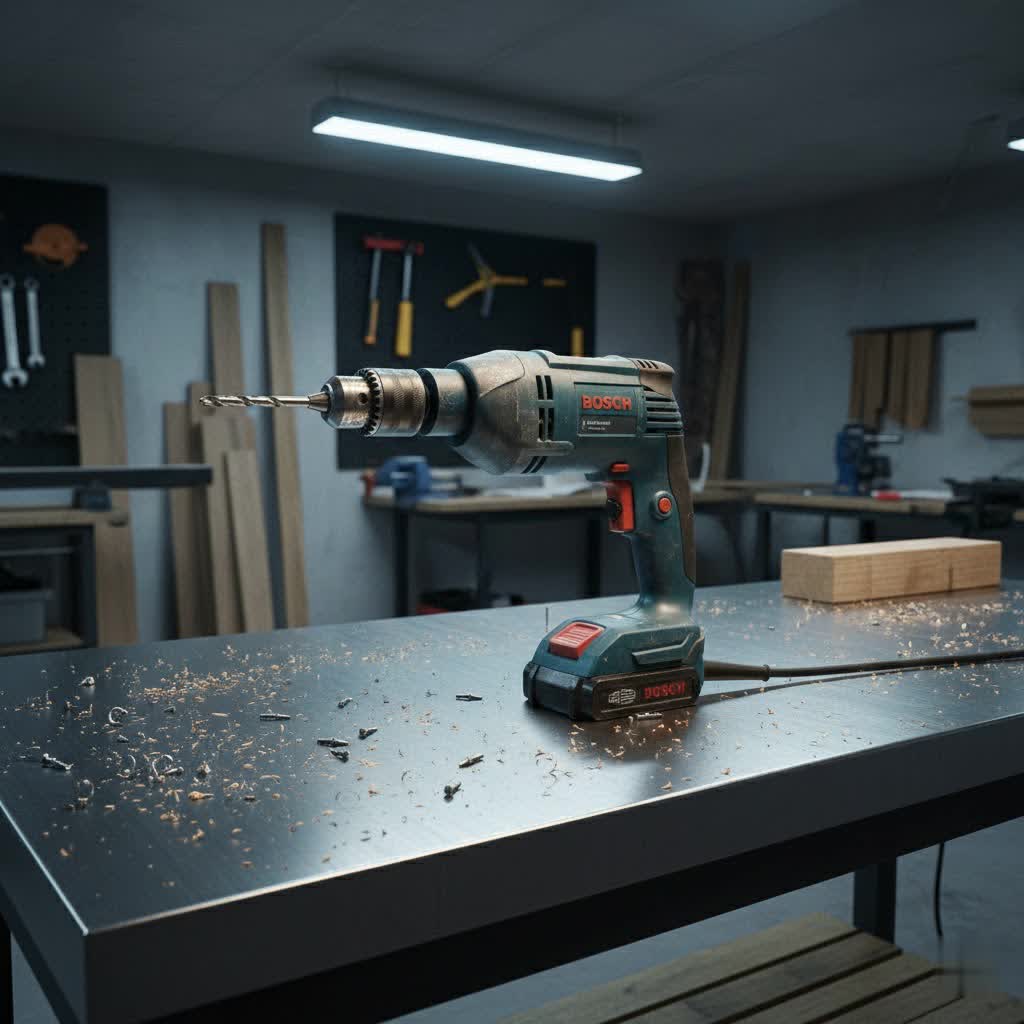
Have you ever wondered what truly drives the performance of your electric drill, turning a simple task like hanging a picture into an effortless endeavor, or tackling a demanding construction project with brute force? At the heart of every electric drill lies its motor, the silent powerhouse dictating its speed, torque, efficiency, and ultimately, its overall capability. Understanding the different types of electric drill motors and how they function is crucial for anyone looking to maximize their tool’s potential, whether you’re a seasoned professional or a dedicated DIY enthusiast. This comprehensive guide will delve into the intricacies of electric drill motors, exploring their evolution, fundamental designs, and helping you make an informed decision for your next project.
An Overview of Electric Drill Motors
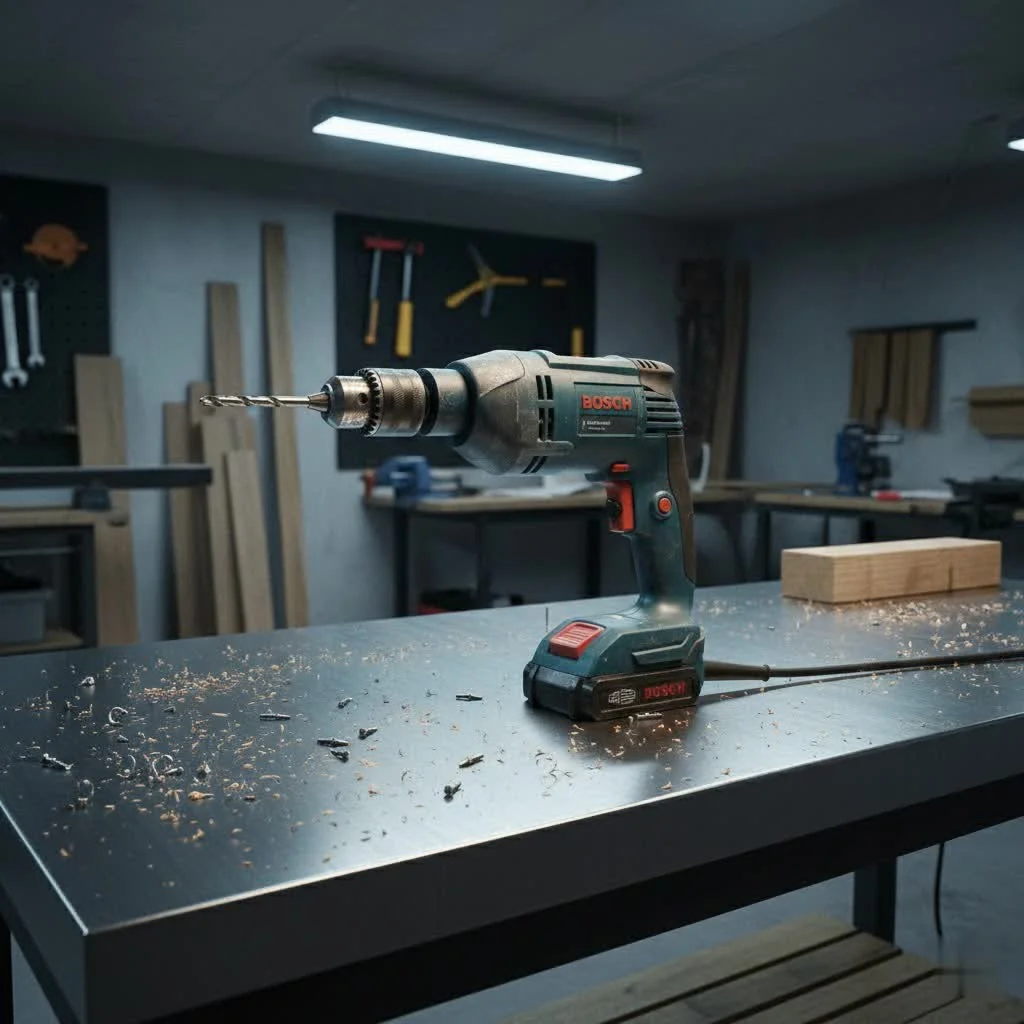
Electric drill motors are the essential component responsible for converting electrical energy into the mechanical rotational motion needed to drive a drill bit or screwdriver. They are the core technology that enables a drill to bore holes into various materials or drive fasteners with precision and power. The strength and efficiency of the motor directly influence the tool’s performance, affecting everything from its drilling speed to its capacity for heavy-duty applications. For shop curated electric drills on this site.
The concept of rotary tools powered by electricity has evolved significantly over time. Before electric motors were integrated into drills for widespread home use in the 1940s, tasks often relied on manual hand-cranked devices, requiring considerable effort. The advent of electric motors revolutionized drilling, bringing unprecedented speed and ease to countless tasks. Within the realm of hand-held power tools, universal motors, a type of DC motor, have historically been prevalent due to their ability to run on both AC and DC power, making them highly versatile for various applications.
Today, the landscape of electric drill motors is dominated by two primary technologies: brushed and brushless motors. While both serve the same fundamental purpose, their internal mechanics, performance characteristics, and ideal applications differ substantially. Recognizing these differences is key to appreciating why certain drills excel in specific scenarios.
Delving Into Electric Drill Motor Types
The choice of motor technology profoundly impacts a drill’s performance, durability, and user experience. Understanding the mechanics behind brushed and brushless motors is essential for appreciating their individual strengths and limitations.
Brushed Motors
Brushed motors represent a more traditional and simpler design in electric drill technology. At their core, a brushed motor consists of a stationary set of magnets (the stator) and a rotating armature (the rotor) wrapped with copper wire coils. The operation hinges on the interaction between these components.
When electricity is introduced, it is fed to the armature coils via small carbon components known as “brushes.” These brushes make contact with a cylindrical component on the armature called the “commutator,” which has separate metal segments. As the armature spins, the brushes continuously make contact with different segments of the commutator, effectively reversing the direction of the current flow through the armature’s coils. This continuous switching creates a magnetic field in the coil that interacts with the stationary magnets of the stator, generating a rotational force, or torque, which causes the drill bit to spin. This principle, based on Lorentz’s law, allows for continuous rotation.
-
Advantages:
- Simplicity and Cost-Effectiveness: Their straightforward mechanical design makes brushed motors relatively inexpensive to manufacture and purchase.
- Robustness: They are often quite rugged and can handle demanding conditions, though at a cost to efficiency.
- Easy Repair: Components like carbon brushes are replaceable, making them easier to service in some cases.
-
Disadvantages:
- Friction and Heat Generation: The constant physical contact between the carbon brushes and the commutator creates significant friction, leading to heat build-up. This heat is a waste of energy and can reduce motor efficiency and lifespan.
- Brush Wear: The brushes inevitably wear down over time due to friction, requiring periodic replacement. This adds to maintenance costs and can lead to downtime.
- Reduced Efficiency: Energy is lost as heat and friction, making brushed motors less efficient at converting electrical power into mechanical work, especially in battery-powered tools where battery life is critical.
- Limited Lifespan: The wear on brushes and commutators inherently limits the overall lifespan of the motor compared to brushless alternatives.
Brushless Motors
|
Our Picks for the Best Electric Drill in 2026
As an Amazon Associate I earn from qualifying purchases.
|
||
| Num | Product | Action |
|---|---|---|
| 1 | COMOWARE 20V Cordless Drill, Electric Power Drill Set with 1 Battery & Charger, 3/8” Keyless Chuck, 2 Variable Speed, 266 In-lb Torque, 25+1 Position and 34pcs Drill/Driver Bits |

|
| 2 | PULITUO'S 20V Cordless Drill/Driver, Electric Screwdriver - 2 Batteries, 30Nm, 21+1 Torque, 2 Speed, Keyless 3/8" Chase Drill with LED Light, Kit for Home (Green) |
|
| 3 | Cordless Drill Set, VIWKO 20V Power Drill with Power Pack 2.0Ah and Charger, 3/8-Inch Keyless Chuck Electricdrill, 25+1 Torque, 42pcs Drilldriver Bits/Screws for DIY Projects (Red) |
|
| 4 | DEWALT 20V MAX Cordless Drill Driver Set, Electric Drill, Brushless 1/2 In 2 Speed, 2.0 Ah Battery and Charger Included, LED Light (DCD777D1) |
|
| 5 | BLACK+DECKER 20V MAX* POWERCONNECT Cordless Drill Driver Kit with Drill Bit Set and Sockets, 100 pc. Tool Kit for Home, Battery and Charger Included ,Orange (BDC120VA100) |
|
| 6 | Hoteche 320W 10mm Torque Drill, 19+1 Torque Settings Corded Electric Drill for Metal (10mm) & Wood (20mm), Yellow, Color Box Packaging |
|
| 7 | AVID POWER 20V MAX Lithium lon Cordless Drill Set, Power Drill Kit with Battery and Charger, 3/8-Inch Keyless Chuck, Variable Speed, 16 Position and 22pcs Drill Bits (Red) |
|
| 8 | DEWALT 20V Max Cordless Drill Driver Set, 2 Speed, High Performance Motor, Includes 2 XR 1.3Ah Li-Ion Batteries, Charger and Contractor Bag (DCD771C2) |
|
| 9 | 20V Cordless Drill, Electric Power Drill Set with Battery Charger and Carrying Case, 3/8” Keyless Chuck, 2 Variable Speed, 18+3 Torque, 72pcs Driver Bits and Belt Hook, Red |
|
| 10 | FADAKWALT Cordless Drill Set,12V Power Drill Set with Battery and Charger, Electric Driver/Drill Bits, 3/8'' Keyless Chuck,21+1 Torque Setting, 180 inch-lbs, with LED Electric Drill Set (Green) |
|
Brushless motors represent a significant advancement in electric drill technology, addressing many of the limitations of their brushed counterparts. As the name suggests, they eliminate the need for carbon brushes and a commutator.
The fundamental difference lies in their reversed configuration: in a brushless motor, the rotor is comprised of permanent magnets, while the stator contains the wire windings. Instead of mechanical brushes, an electronic controller (often referred to as an “electronic brain”) precisely orchestrates the flow of current to these stator windings. This controller continuously varies the electric current to create a rotating magnetic field in the stator. This rotating field then interacts with the permanent magnets on the rotor, causing it to spin. The absence of physical contact for commutation drastically alters the motor’s performance characteristics.
-
Advantages:
- Higher Efficiency and Power: With no brushes creating friction and heat, brushless motors convert a much higher percentage of electrical energy into mechanical energy. This means more power for the same input and more holes drilled per battery charge.
- Extended Runtime: Their superior efficiency translates directly into longer battery life for cordless drills, allowing users to work longer without recharging.
- Reduced Heat Generation: Less friction means less heat, leading to cooler operation and minimizing the risk of overheating, which can prolong the motor’s life.
- Longer Lifespan and Low Maintenance: The absence of wearing parts like brushes means significantly less maintenance and a much longer operational lifespan, often tens of thousands of hours compared to a few thousand for brushed motors.
- Compact and Lighter Design: Without bulky brush assemblies, brushless motors can be designed to be smaller and lighter, making the tools more ergonomic and less fatiguing to use.
- Precise Control: The electronic controller allows for finer control over speed and torque, optimizing performance for different tasks and materials.
-
Disadvantages:
- Higher Initial Cost: The sophisticated electronic controllers and permanent magnet rotors make brushless drills more expensive to manufacture and purchase.
- Complex Electronics: While highly reliable, if the electronic controller fails, diagnosis and repair can be more complex and costly than replacing simple carbon brushes.
Electric Drill Motor Comparison: Brushed vs. Brushless
Choosing between a brushed and brushless motor depends heavily on your specific needs, budget, and intended application. Here’s a comparative overview:
| Feature | Brushed Motors | Brushless Motors |
|---|---|---|
| Efficiency | Lower, energy lost as heat and friction | Higher, draws only necessary power, runs cooler |
| Power | Generally less potent for their size/weight | More potent, higher power-to-weight ratio |
| Longevity | Limited by brush and commutator wear (1,000-3,000 hrs average) | Significantly longer due to no wearing parts (tens of thousands of hours) |
| Maintenance | Requires periodic brush replacement | Virtually maintenance-free, primarily cleaning |
| Cost | Lower initial purchase price | Higher initial purchase price |
| Heat Output | Higher due to friction | Lower, resulting in cooler operation |
| Size/Weight | Can be bulkier for comparable power | More compact and lighter |
| Control | Simpler speed control | More precise speed and torque control via electronics |
| Typical Use | Occasional DIY, light tasks, budget-conscious | Professional use, heavy-duty, demanding projects, extended runtimes |
In summary, for basic household tasks and occasional use where budget is a primary concern, a brushed drill can be an adequate and cost-effective choice. However, for professionals, avid DIYers, or anyone requiring higher efficiency, greater power, longer tool life, and minimal maintenance, the brushless motor stands out as the superior option.
Choosing the Right Electric Drill Motor for Your Needs
Selecting the perfect electric drill motor isn’t just about raw power; it’s about finding the right balance of features that align with your specific projects and preferences. By considering a few key factors, you can ensure your investment delivers optimal performance and satisfaction.
Assess Your Usage Needs
Before anything else, identify the primary purpose of your drill.
- Purpose: Are you assembling furniture, hanging pictures (light-duty DIY)? Driving large screws, drilling into concrete or metal (heavy-duty DIY or professional use)? The intensity and type of tasks will dictate the motor’s required performance.
- Material: Different materials require different levels of torque and speed. Drilling into wood is less demanding than masonry or steel.
- Frequency: An occasional user might prioritize initial cost, while someone using a drill daily will value durability, efficiency, and comfort.
Budget Considerations
Electric drills range widely in price, often directly correlating with motor technology. While brushed drills are typically less expensive upfront, consider the long-term value. A brushless drill, though pricier initially, can offer superior durability, efficiency, and reduced maintenance, potentially saving money over its extended lifespan through fewer battery replacements (for cordless models) and no brush changes.
Key Performance Metrics
The motor’s characteristics directly translate into the drill’s performance metrics:
- Power: For corded drills, power is often measured in amps; for cordless, it’s volts (e.g., 12V, 18V, 20V MAX). Higher numbers generally indicate more power.
- Torque: This is the rotational force the drill can exert. Higher torque is crucial for driving large fasteners or drilling into tough materials. Many drills feature a torque adjustment collar (clutch) to prevent overtightening or damaging materials.
- Speed (RPM): Measured in revolutions per minute, speed is important for drilling quickly. Variable speed triggers allow you to control the RPM, offering greater precision for different materials and tasks.
- Functionality: Consider if you need features like hammer action (for masonry), impact driving, or simply rotary drilling. While not directly a motor characteristic, the motor’s power and control influence how effectively these functions are executed.
Brand Reputation and Reliability
Investing in reputable brands often ensures higher quality motor components and better overall tool construction. Established manufacturers typically use advanced motor designs, whether brushed or brushless, and rigorous testing, leading to more reliable and longer-lasting tools. Researching user reviews and professional opinions can provide valuable insights into a brand’s trustworthiness and product quality.
Additional Features
While the motor is the core, other features enhance usability:
- Battery System (for cordless drills): Brushless motors significantly extend battery life. Consider battery voltage and amp-hour (Ah) capacity for cordless drills.
- Ergonomics: Lighter, more compact brushless motors can contribute to a more balanced and comfortable tool, reducing fatigue during prolonged use.
- LED Light: A built-in LED light illuminates the workspace, improving visibility in dimly lit areas.
- Variable Speed Control: Almost standard now, this allows for precise speed adjustments based on the task.
Maximizing the Lifespan of Your Electric Drill Motor
To ensure your electric drill motor provides years of reliable service, proper usage and diligent maintenance are key. Just like any precision tool, a little care goes a long way.
Firstly, always use the drill for its intended purpose and avoid pushing it beyond its designed limits. Overloading the motor by applying excessive pressure or trying to drill through materials too quickly can lead to overheating and premature wear. Utilize the correct drill bit for the material and ensure it’s sharp to reduce strain on the motor. Many drills feature variable speed settings; selecting the appropriate speed for the task at hand is crucial – lower speeds for high torque applications (like driving screws or drilling large holes) and higher speeds for lighter drilling.
For brushed motors, the primary maintenance involves inspecting and, when necessary, replacing the carbon brushes. These wear down over time, and worn brushes can lead to reduced power, intermittent operation, or even motor failure. Regularly cleaning the motor’s vents helps prevent dust and debris from accumulating, which can impede cooling and cause overheating.
Brushless motors, while largely maintenance-free due to the absence of brushes, still benefit from regular cleaning of ventilation slots to ensure efficient cooling. While their electronics are robust, avoiding exposure to excessive moisture or extreme temperatures will safeguard the internal components.
Safety is paramount when operating any power tool. Always wear appropriate personal protective equipment, including safety glasses and hearing protection. Ensure your work area is clear and well-lit. Familiarize yourself with your drill’s forward/reverse switch and torque settings to maintain control and prevent accidents. Unplug corded drills or remove batteries from cordless drills before changing bits or performing any maintenance.
“A drill’s longevity isn’t solely about its build quality, but how consistently you adhere to proper operating procedures and maintenance schedules. Neglecting small issues can quickly escalate into costly motor failures.” – Alex Chen, Master Electrician & Power Tool Specialist
Conclusion
The electric drill motor, whether a traditional brushed design or a modern brushless marvel, is the heart of this indispensable tool. From the mechanical ingenuity of brushed motors, which have served us reliably for decades, to the advanced electronic control and superior efficiency of brushless motors, understanding these core technologies empowers you to make informed decisions. While brushed drills offer an economical entry point for light, occasional tasks, the benefits of brushless technology – including enhanced power, extended battery life, reduced maintenance, and superior durability – make them an increasingly attractive investment for serious DIYers and professionals alike.
By carefully considering your needs, budget, and the specific characteristics of each motor type, you can select an electric drill that not only meets your current demands but also continues to perform reliably for years to come. What kind of projects are you tackling next, and how will your choice of electric drill motor empower your work?
Frequently Asked Questions
Do brushed or brushless drills last longer?
Brushless drills generally last significantly longer than brushed drills. This is because brushless motors eliminate the physical contact of carbon brushes and a commutator, which are common points of wear and failure in brushed motors. Brushless motors can operate for tens of thousands of hours, while brushed motors typically have a lifespan of 1,000 to 3,000 hours before requiring brush replacement or encountering other wear-related issues.
What are the core components of a brushed drill motor?
A brushed drill motor typically consists of a stator (stationary magnets), a rotor (a rotating armature with copper wire coils), carbon brushes, and a commutator. The brushes transfer electrical current to the commutator, which then channels it to the rotor coils, creating an electromagnetic field that interacts with the stator’s magnets to produce rotation.
Why are brushless motors more efficient?
Brushless motors are more efficient because they do not have carbon brushes, which eliminates the friction and heat loss associated with brushed designs. Instead, an electronic controller precisely manages the power delivery to the stator windings, ensuring that the motor only draws the necessary current for the task. This leads to better energy conversion, less wasted heat, and longer battery runtimes.
Can I replace a brushed motor with a brushless one in my drill?
No, you cannot directly replace a brushed motor with a brushless motor in a drill. Brushed and brushless motors have fundamentally different designs and require distinct control systems. Brushless motors necessitate an electronic controller to function, which is not present in tools designed for brushed motors. Attempting such a conversion would be impractical and often more expensive than purchasing a new brushless tool.
Are corded drills always brushed?
Not always, but most traditional corded drills utilize brushed (universal) motors. These motors are well-suited for AC power and provide consistent performance. While brushless technology is more commonly associated with cordless tools due to its efficiency benefits for battery life, some newer high-end corded tools are beginning to incorporate brushless motors for increased durability and efficiency, though this is less common.
What determines an electric drill motor’s power?
An electric drill motor’s power is determined by several factors, including its design (brushed vs. brushless), the quality of its components, and its electrical specifications. For corded drills, amperage ratings (amps) indicate power, while for cordless drills, voltage (volts) is the primary indicator, often coupled with battery capacity (amp-hours, Ah) for overall performance and runtime. Higher values generally mean more power and greater capability.
Get our weekly buyer guide
Practical specs, not advice. Unsubscribe anytime.
