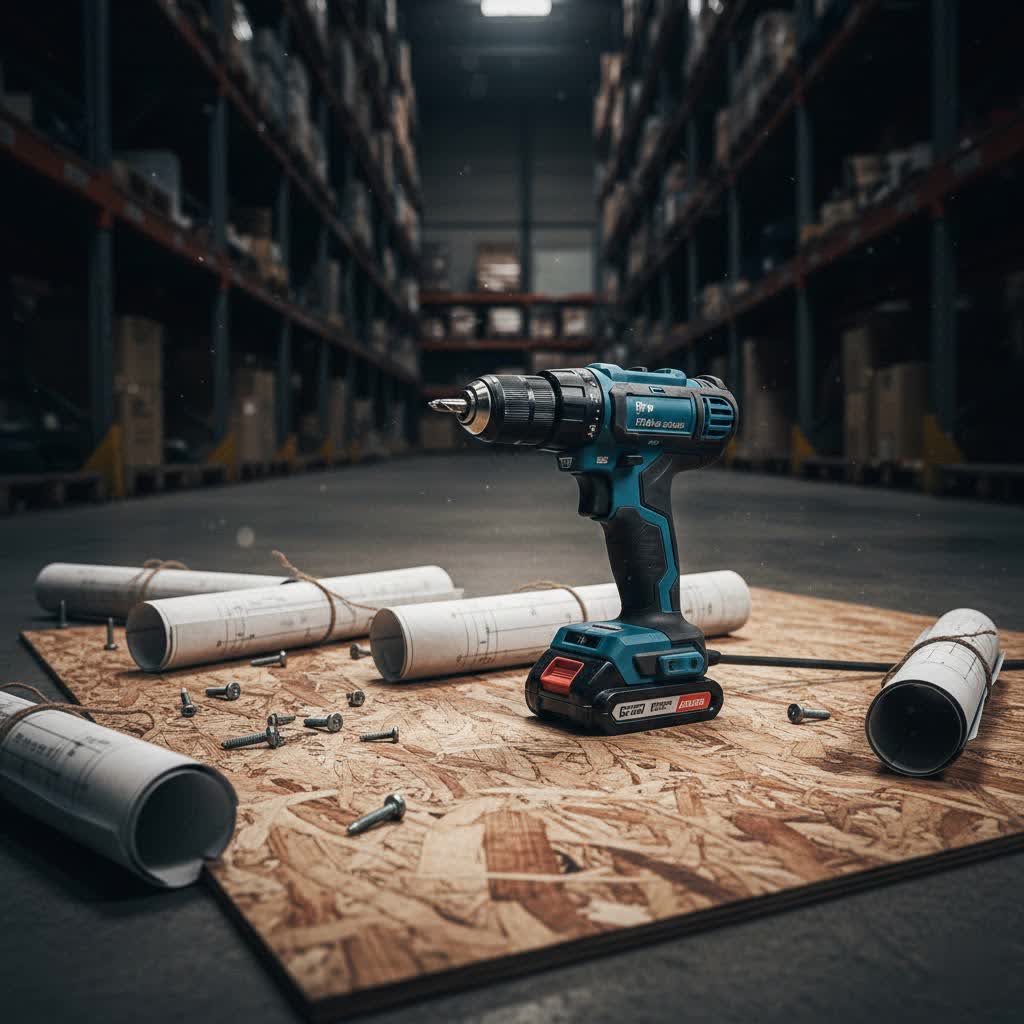
Have you ever found yourself wrestling a bulky drill in a tight space, wishing for a tool that could offer precision without the cumbersome size? For intricate tasks, delicate repairs, or detailed craft projects, a standard drill often feels like overkill. This is where the mini electric drill shines, offering a compact powerhouse engineered for finesse. Whether you’re a seasoned DIY enthusiast, an electronics hobbyist, or a dedicated crafter, understanding these specialized tools can transform your workflow and elevate your results. This comprehensive guide will navigate you through the world of mini electric drills, helping you choose the perfect companion for your precision needs.
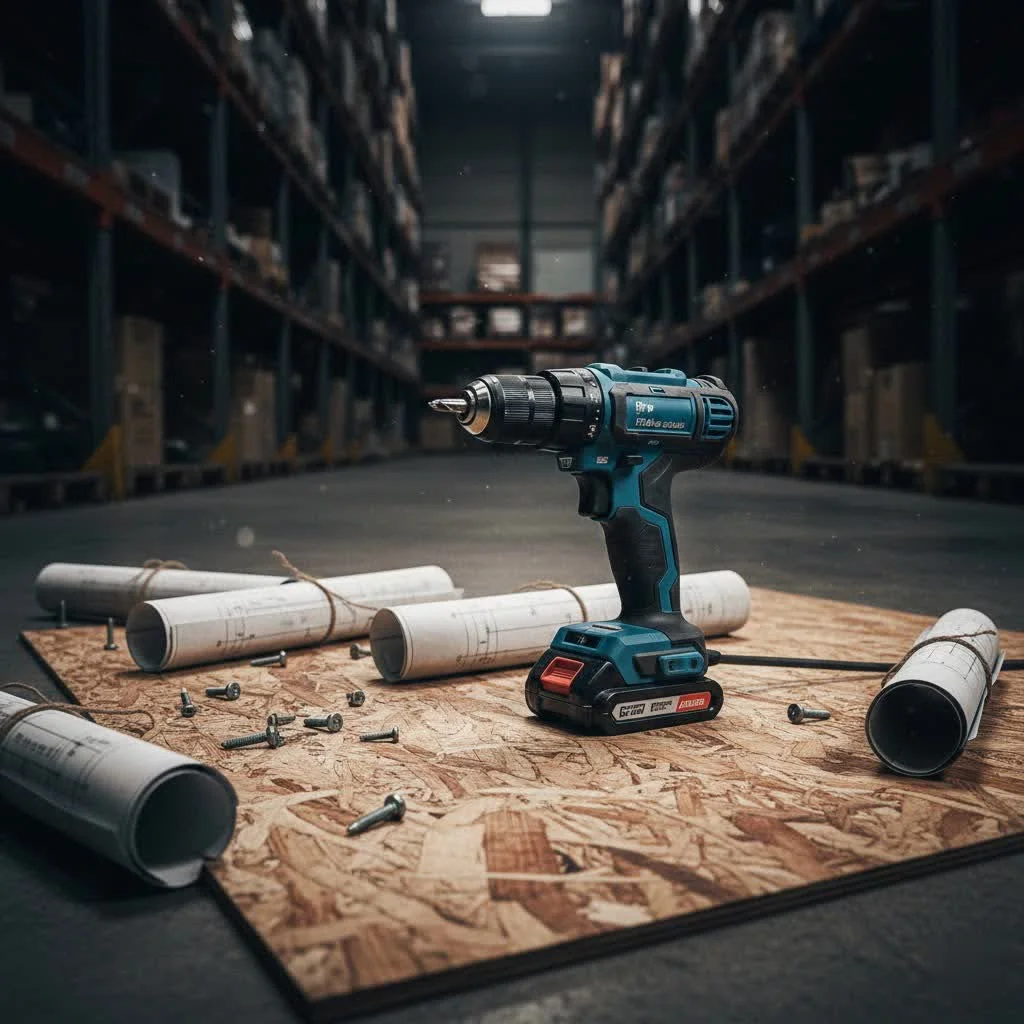
Understanding the Mini Electric Drill
A mini electric drill is a compact, handheld power tool specifically designed for applications requiring high precision and maneuverability in confined spaces. Unlike their larger counterparts, these drills prioritize a small form factor, lighter weight, and often lower, more controllable torque and RPMs. While a full-sized drill is built for raw power to bore through tough materials, a mini electric drill excels at delicate operations, ensuring accuracy without damaging sensitive components or intricate workpieces. Their evolution has seen them transform from simple, low-power devices to sophisticated tools featuring advanced motor technology and versatile capabilities, making them indispensable in various fields.
The primary purpose of a mini electric drill is to provide drilling and driving capabilities where traditional drills are simply too large or too powerful. Their compact design allows access to awkward angles and tight spots, such as inside electronic enclosures or behind cabinet panels. They are not merely “toy” versions of regular drills; many models incorporate brushless motor technology, offering enhanced efficiency, longer lifespan, reduced heat buildup, and quieter operation compared to older brushed designs. This makes them precisely engineered to outperform larger tools in their specific niches.
Common applications for mini electric drills include:
- Household Repairs: Fixing cabinet hinges, assembling flat-pack furniture, or replacing outlet covers.
- Electronics Work: Repairing smartphones, laptops, remote control devices, drones, and printed circuit board (PCB) drilling.
- Crafts and Hobbies: Ideal for dollhouses, model making, intricate detailing on wood or plastic, and working with resin.
- Jewelry Making: Drilling small holes in beads, soft metals, and other delicate materials.
- Precision Driving: Gently fastening tiny screws where excessive torque would cause stripping.
Types of Mini Electric Drills
When exploring mini electric drills, it’s essential to understand that their “types” often relate more to their primary function or form factor rather than the heavy-duty classifications of full-sized drills. Traditional hammer drills or magnetic drills, for instance, are designed for specialized, high-impact tasks and do not typically come in “mini” electric drill formats due to their inherent bulk and power requirements. Instead, mini electric drills focus on precision and portability.
Mini Drill/Drivers
|
Our Picks for the Best Electric Drill in 2026
As an Amazon Associate I earn from qualifying purchases.
|
||
| Num | Product | Action |
|---|---|---|
| 1 | BLACK+DECKER 20V MAX* POWERCONNECT Cordless Drill Driver Kit with Drill Bit Set and Sockets, 100 pc. Tool Kit for Home, Battery and Charger Included ,Orange (BDC120VA100) |

|
| 2 | AVID POWER 20V MAX Lithium lon Cordless Drill Set, Power Drill Kit with Battery and Charger, 3/8-Inch Keyless Chuck, Variable Speed, 16 Position and 22pcs Drill Bits (Red) |
|
| 3 | Cordless Drill Set, VIWKO 20V Power Drill with Power Pack 2.0Ah and Charger, 3/8-Inch Keyless Chuck Electricdrill, 25+1 Torque, 42pcs Drilldriver Bits/Screws for DIY Projects (Red) |
|
| 4 | PULITUO'S 20V Cordless Drill/Driver, Electric Screwdriver - 2 Batteries, 30Nm, 21+1 Torque, 2 Speed, Keyless 3/8" Chase Drill with LED Light, Kit for Home (Green) |
|
| 5 | DEWALT 20V Max Cordless Drill Driver Set, 2 Speed, High Performance Motor, Includes 2 XR 1.3Ah Li-Ion Batteries, Charger and Contractor Bag (DCD771C2) |
|
| 6 | Hoteche 320W 10mm Torque Drill, 19+1 Torque Settings Corded Electric Drill for Metal (10mm) & Wood (20mm), Yellow, Color Box Packaging |
|
| 7 | COMOWARE 20V Cordless Drill, Electric Power Drill Set with 1 Battery & Charger, 3/8” Keyless Chuck, 2 Variable Speed, 266 In-lb Torque, 25+1 Position and 34pcs Drill/Driver Bits |
|
| 8 | FADAKWALT Cordless Drill Set,12V Power Drill Set with Battery and Charger, Electric Driver/Drill Bits, 3/8'' Keyless Chuck,21+1 Torque Setting, 180 inch-lbs, with LED Electric Drill Set (Green) |
|
| 9 | DEWALT 20V MAX Cordless Drill Driver Set, Electric Drill, Brushless 1/2 In 2 Speed, 2.0 Ah Battery and Charger Included, LED Light (DCD777D1) |
|
| 10 | 20V Cordless Drill, Electric Power Drill Set with Battery Charger and Carrying Case, 3/8” Keyless Chuck, 2 Variable Speed, 18+3 Torque, 72pcs Driver Bits and Belt Hook, Red |
|
These are the most common and versatile category within mini electric drills, often resembling smaller versions of standard pistol-grip drills or taking on a pen-like form factor. They are designed for both drilling small pilot holes and driving fasteners, offering a balanced combination of power and control.
- Characteristics: Typically cordless, powered by rechargeable lithium-ion batteries, and feature variable speed triggers. Many include adjustable torque settings to prevent overtightening or stripping small screws.
- Applications: Perfect for general household fixes, assembling furniture, light DIY projects, and any task requiring precise drilling into wood, plastic, or soft metals.
- Pros: Highly versatile, good balance of drilling and driving capabilities, compact and ergonomic for comfortable use.
- Cons: Generally not suitable for drilling into very hard materials like masonry or concrete.
Mini Rotary Tools
Often exemplified by popular brands like Dremel, mini rotary tools are multi-functional powerhouses that extend beyond simple drilling. They are characterized by their high RPMs and the ability to accommodate a wide array of attachments.
- Characteristics: Feature very high, often variable, rotation speeds (up to 30,000 RPMs or more). They use a collet system or a small chuck to hold various bits for different tasks.
- Applications: While excellent for precision drilling, they truly shine in tasks like sanding, grinding, polishing, carving, engraving, and cutting small materials. They are staples in craft workshops, model-making, and light fabrication.
- Pros: Extremely versatile with numerous attachments, excellent for intricate detailing and multi-faceted projects.
- Cons: Can be overpowered for extremely delicate tasks if not used carefully; focus is often on speed rather than high torque.
Comparing Mini Electric Drills
Choosing the right mini electric drill involves evaluating their core features against your specific project demands. Here’s a comparison of key aspects to consider:
| Feature | Mini Drill/Drivers | Mini Rotary Tools |
|---|---|---|
| Primary Use | Drilling small holes, driving screws | Drilling, sanding, grinding, polishing, cutting |
| Typical RPM | Lower (e.g., 150-1500 RPM), often with 2-3 speed settings | Higher (e.g., 5,000-30,000+ RPM), variable speed dial |
| Torque Control | Frequently features adjustable torque settings | Less emphasis on torque control; focus on speed |
| Chuck Type | Keyless chuck (for ease of bit changes), sometimes hex bit | Collet system (for small, consistent shanks) or small chuck |
| Ergonomics | Often pistol-grip or pen-style, balanced for driving | Pen-like grip for precision, designed for various angles |
| Best For | Assembly, electronics repair, general light DIY | Crafts, model making, detailing, intricate modifications |
| Motor | Increasingly brushless for efficiency and durability | Often brushless in higher-end models |
| Battery | Lithium-ion, USB-C charging common | Lithium-ion, USB-C charging common |
Choosing the Right Mini Electric Drill
Selecting the ideal mini electric drill isn’t about finding the most powerful tool, but rather the one that best matches the precision and delicacy of your work. As an Admin of ReviewsByM.com with over a decade of experience, I’ve seen countless models, and the key lies in a thoughtful assessment of your specific needs.
Identify Your Primary Needs
Before anything else, define what you’ll primarily use the drill for.
- Purpose: Are you working on intricate electronics, assembling small furniture, crafting miniatures, or making jewelry? Different tasks demand different levels of precision and power.
- Materials: What materials will you be drilling into? Wood, plastic, soft metals, PCBs, resin, or delicate beads? This will influence the required torque and speed settings. For instance, extremely fine PCB work requires minimal torque and very stable, low RPMs to prevent damage.
- Frequency of Use: Will this be an everyday tool or something you pull out for occasional projects? This can influence how much you invest in durability and advanced features.
Budget Considerations
Mini electric drills range widely in price.
- Entry-level models: Often sufficient for occasional, basic tasks and lighter materials.
- Mid-range options: Provide a good balance of features, power, and durability for regular DIYers and hobbyists.
- Professional-grade tools: Offer superior precision, advanced motor technology (like brushless), robust build quality, and comprehensive accessory kits, justifying a higher investment for frequent, demanding use. Consider the value of kits that include a variety of bits and attachments, as these can save money in the long run.
Key Technical Specifications
Understanding these specifications will help you compare models effectively:
- Motor Type: Opt for a brushless motor whenever possible. These motors are more efficient, offer longer runtimes, generate less heat, and have a significantly longer lifespan than traditional brushed motors [cite: 1, 5 (buying guide)]. While they may cost a bit more, the performance and durability benefits are often worth it.
- Power/Voltage: For mini electric drills, voltage typically ranges from 3.6V to 12V. Higher voltage generally means more power, but also slightly more weight. A 3.6V-7.2V drill is ideal for delicate tasks, while 10.8V-12V models offer a bit more punch for light-duty driving and drilling into slightly tougher materials.
- RPM & Speed Settings: Variable speed control is non-negotiable. Look for models with at least two speed ranges (low for high torque/precision, high for faster drilling) and a variable speed trigger for fine-tuning. For delicate work, starting slowly prevents slippage and damage [cite: 5 (buying guide)].
- Torque Settings: Adjustable torque settings (often indicated by a numbered clutch dial) are crucial, especially for screwdriving. They allow you to set the maximum rotational force, preventing stripped screws or damaged workpieces, which is vital for electronics and small assemblies [cite: 2, 5 (buying guide)].
- Chuck Type:
- Keyless Chuck: Most common, allowing for quick, tool-free bit changes [cite: 2, 1 (buying guide)].
- Collet System/Pin Vise: Often found on precision rotary tools or pen-style drills, these hold very small bits securely, essential for micro-drilling.
- Battery: Lithium-ion (Li-ion) batteries are the standard for cordless tools due to their long lifespan, fast charging capabilities, and lack of memory effect [cite: 5 (buying guide)]. Check the amp-hour (Ah) rating for an indication of runtime. USB-C charging is a convenient feature found on many modern mini drills.
Ergonomics and Design
A comfortable tool is a precise tool.
- Weight and Balance: The tool should feel light and well-balanced in your hand to minimize fatigue during extended use.
- Grip: Look for an ergonomic design, often pen-shaped for ultimate control, especially for intricate work where you hold the tool like a writing instrument. An anti-slip grip is a bonus.
Brand Reputation and Reliability
Choosing a reputable brand often means better build quality, reliable performance, and access to good customer support and warranties [cite: 5 (buying guide)]. While lesser-known brands can offer good value, established names often provide peace of mind.
Essential Accessories
Many mini electric drills come in kits, which can be highly beneficial. Look for:
- Variety of Bits: Drill bits for different materials (HSS for metal, carbide for harder materials, specific sizes).
- Screwdriver Bits: A good selection of Phillips, Torx, Hex, and Pentalobe bits for various fasteners.
- Storage Case: Keeps everything organized and protected.
- Stands/Attachments: Some models offer stands that convert them into a mini drill press, allowing for even greater precision and perfectly straight holes.
- Built-in LED Light: Illuminates your workspace, improving visibility in dimly lit areas [cite: 2, 1 (buying guide)].
Safe Use and Maintenance of Mini Electric Drills
Even with small tools, safety and proper care are paramount to ensure longevity and prevent accidents.
Operating Safely
- Wear Eye Protection: Always wear safety glasses to protect against flying debris, even for small tasks.
- Choose the Right Bit: Match the drill bit to the material you’re working on and the size of the desired hole. Using the wrong bit can lead to breakage or poor results.
- Secure Your Workpiece: Clamp small items firmly to prevent them from spinning or shifting during drilling, which can cause injury or damage.
- Maintain Proper Grip: Hold the drill firmly but comfortably. For pen-style drills, use a grip that allows for maximum control and stability.
- Start Slow: Utilize the variable speed trigger to start drilling slowly, allowing the bit to bite into the material accurately before increasing speed.
- Avoid Overheating: For continuous drilling, allow the tool and bit to cool down periodically, especially when working on harder materials.
Maintenance Tips
- Clean After Each Use: Wipe down your mini electric drill to remove dust and debris. This prevents buildup that can affect performance and motor life.
- Inspect Bits Regularly: Check drill bits for wear, dullness, or damage. Replace dull bits promptly, as they can cause overheating, splintering, and inefficient drilling.
- Battery Care: For cordless models, follow manufacturer guidelines for charging and storage. Store batteries in a cool, dry place. Avoid fully discharging lithium-ion batteries too frequently, as this can reduce their overall lifespan. Charge them before extended storage.
- Proper Storage: Store your mini electric drill and its accessories in its designated case to protect it from impacts, moisture, and dust.
“A mini electric drill isn’t just a scaled-down version of a larger tool; it’s a precision instrument designed for tasks where control and finesse are more critical than brute force.” – John Smith, Senior Tool Technician, ReviewsByM.com
Conclusion
The mini electric drill, in its various forms, offers a compelling solution for tasks demanding precision, control, and accessibility in confined spaces. From delicate electronics repairs to intricate craft projects and everyday household fixes, these compact power tools are invaluable additions to any toolkit. By carefully considering your project needs, understanding key specifications like motor type and torque control, and prioritizing ergonomics, you can select a mini electric drill that not only meets but exceeds your expectations. With proper care and safe operating practices, your mini electric drill will be a reliable partner for years to come, empowering you to tackle details with confidence and achieve flawless results. What precision project will you conquer next with your perfectly chosen mini electric drill?
Frequently Asked Questions
What materials can a mini electric drill be used on?
Mini electric drills are best suited for softer materials like wood, plastic, resin, acrylic, soft metals (e.g., aluminum, brass), leather, and printed circuit boards (PCBs). While some can drill into harder materials with appropriate bits and care, they are generally not designed for heavy-duty masonry or steel.
What’s the difference between a mini electric drill and a rotary tool?
A mini electric drill typically focuses on drilling and screwdriving functions. A mini rotary tool, while capable of drilling, is designed for a broader range of tasks including sanding, grinding, polishing, carving, and cutting, often at much higher, variable RPMs, making it a multi-purpose craft and detail tool.
Are cordless mini drills powerful enough?
Yes, for their intended applications. While they won’t match the power of a full-sized drill for heavy construction, modern cordless mini drills, especially those with brushless motors and lithium-ion batteries, provide ample power and torque for precision drilling, driving small fasteners, and delicate work in various soft to medium-hard materials.
How do I charge a cordless mini electric drill?
Most modern cordless mini electric drills are charged via a USB cable, often USB-C, which can be plugged into a standard USB wall adapter, a computer, or even a power bank. Some older models might use a proprietary charger, so always refer to the manufacturer’s instructions.
What is a brushless motor and why is it important for mini drills?
A brushless motor uses magnets and electronics to control its rotation, eliminating the need for carbon brushes found in brushed motors. This design leads to greater efficiency, longer battery life, more power, less heat generation, and a significantly extended tool lifespan, making it a superior choice for the demanding nature of precision work.
Get our weekly buyer guide
Practical specs, not advice. Unsubscribe anytime.
