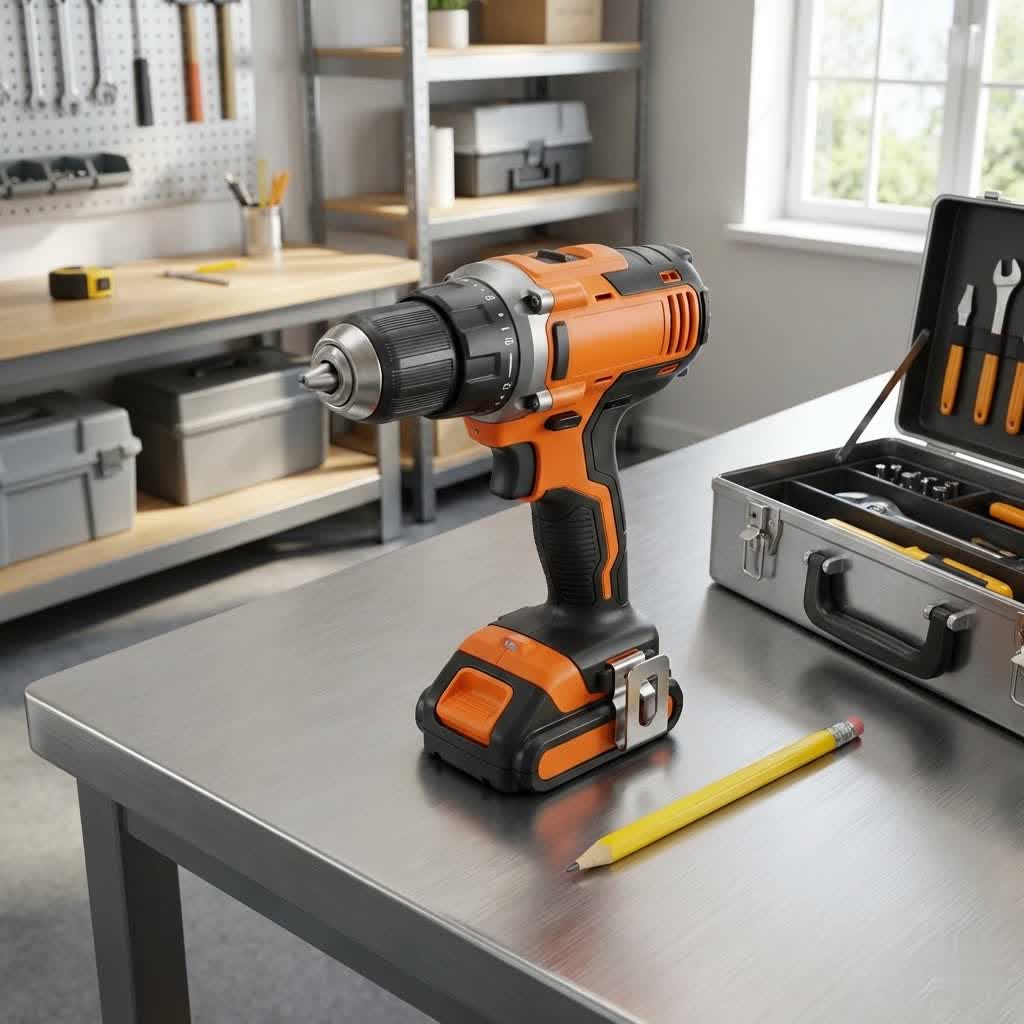
Stepping into the world of electric drills can feel overwhelming, especially with the vast selection available on Amazon. Whether you’re a seasoned professional or a weekend DIY warrior, selecting the right tool is crucial for efficient, safe, and successful projects. This comprehensive guide will navigate you through the intricacies of electric drills, ensuring you find the perfect match for your needs directly from Amazon’s extensive offerings.
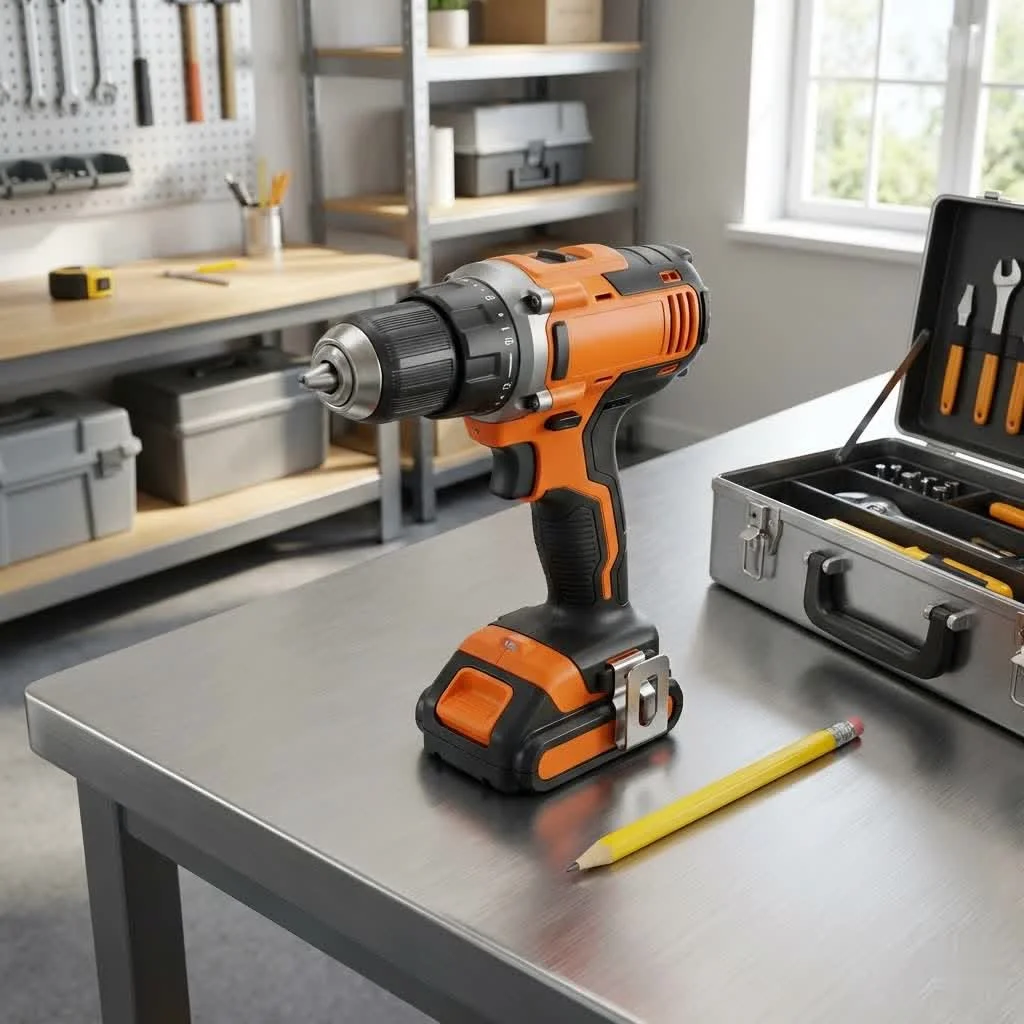
Electric drills are indispensable tools, transforming manual labor into effortless precision. From assembling furniture to constructing a deck, these powerhouses make countless tasks simpler. But what exactly defines an electric drill, and how did these essential devices come to be?
Overview of Electric Drills
An electric drill is a versatile power tool designed primarily for making round holes or driving fasteners. It accomplishes this using a rapidly rotating drill bit or screwdriver bit. The sheer utility of electric drills has made them a cornerstone in woodworking, metalworking, construction, and general household repairs.
The concept of rotary tools dates back to approximately 35,000 BC, where early humans spun pointed rocks by hand to bore holes. The real revolution began with the integration of electricity. The very first electric drill was patented in 1889 by Australian mining engineers Arthur James Arnot and William Blanch Brain. This early iteration was a heavy, stationary machine, a far cry from the portable tools we use today. The breakthrough for portability came in 1895 with Wilhelm and Carl Fein in Stuttgart, Germany, who created the first handheld electric drill. The iconic pistol-grip design with a trigger switch, a hallmark of modern drills, was later patented by Black+Decker in 1917, ushering in the contemporary era of electric drills. Initially designed for industrial applications, these tools soon found their way into homes, democratizing DIY projects and establishing their status as essential household items.
The market today boasts a wide array of electric drills, each tailored for specific tasks and materials. These can be broadly categorized by their power source (corded or cordless), their primary function (drilling, driving, or hammering), and their overall power output. Understanding these distinctions is key to making an informed purchase.
Detailed Classification of Electric Drills
When browsing electric drills on Amazon, you’ll encounter several distinct types, each designed for particular applications. Understanding these classifications is essential to pick a tool that excels in your specific projects.
Hammer Drill
A hammer drill combines rotary drilling with a hammering action, effectively chiseling away at tough materials while simultaneously drilling. This percussive action is delivered in line with the drill bit, rapidly striking the material as the bit rotates.
- Advantages: Excellent for drilling into masonry, concrete, brick, and stone. The hammering motion significantly speeds up the process and reduces effort compared to a standard drill. Many models offer a “drill-only” mode, adding versatility.
- Disadvantages: Typically heavier and larger than standard drills. The hammering mechanism can be loud and generate more vibration. Not ideal for delicate materials or applications where precise, clean holes in wood or metal are paramount, as the hammering can splinter or damage softer surfaces.
- Applications: Installing shelves into concrete walls, mounting TVs, fence construction, any project requiring drilling into tough inorganic materials.
- Comparison: Unlike a standard drill, a hammer drill won’t just spin; it will punch forward repeatedly, helping to pulverize hard materials. It differs from an impact driver by delivering blows along the bit axis, rather than rotationally.
Screwdriver Drill
|
Our Picks for the Best Electric Drill in 2026
As an Amazon Associate I earn from qualifying purchases.
|
||
| Num | Product | Action |
|---|---|---|
| 1 | Hoteche 320W 10mm Torque Drill, 19+1 Torque Settings Corded Electric Drill for Metal (10mm) & Wood (20mm), Yellow, Color Box Packaging |

|
| 2 | BLACK+DECKER 20V MAX* POWERCONNECT Cordless Drill Driver Kit with Drill Bit Set and Sockets, 100 pc. Tool Kit for Home, Battery and Charger Included ,Orange (BDC120VA100) |
|
| 3 | DEWALT 20V MAX Cordless Drill Driver Set, Electric Drill, Brushless 1/2 In 2 Speed, 2.0 Ah Battery and Charger Included, LED Light (DCD777D1) |
|
| 4 | PULITUO'S 20V Cordless Drill/Driver, Electric Screwdriver - 2 Batteries, 30Nm, 21+1 Torque, 2 Speed, Keyless 3/8" Chase Drill with LED Light, Kit for Home (Green) |
|
| 5 | DEWALT 20V Max Cordless Drill Driver Set, 2 Speed, High Performance Motor, Includes 2 XR 1.3Ah Li-Ion Batteries, Charger and Contractor Bag (DCD771C2) |
|
| 6 | COMOWARE 20V Cordless Drill, Electric Power Drill Set with 1 Battery & Charger, 3/8” Keyless Chuck, 2 Variable Speed, 266 In-lb Torque, 25+1 Position and 34pcs Drill/Driver Bits |
|
| 7 | AVID POWER 20V MAX Lithium lon Cordless Drill Set, Power Drill Kit with Battery and Charger, 3/8-Inch Keyless Chuck, Variable Speed, 16 Position and 22pcs Drill Bits (Red) |
|
| 8 | Cordless Drill Set, VIWKO 20V Power Drill with Power Pack 2.0Ah and Charger, 3/8-Inch Keyless Chuck Electricdrill, 25+1 Torque, 42pcs Drilldriver Bits/Screws for DIY Projects (Red) |
|
| 9 | 20V Cordless Drill, Electric Power Drill Set with Battery Charger and Carrying Case, 3/8” Keyless Chuck, 2 Variable Speed, 18+3 Torque, 72pcs Driver Bits and Belt Hook, Red |
|
| 10 | FADAKWALT Cordless Drill Set,12V Power Drill Set with Battery and Charger, Electric Driver/Drill Bits, 3/8'' Keyless Chuck,21+1 Torque Setting, 180 inch-lbs, with LED Electric Drill Set (Green) |
|
Often referred to simply as a “drill/driver,” a screwdriver drill is designed for both drilling holes and driving screws. Its primary distinguishing feature is the adjustable clutch, which allows users to control the torque, preventing screws from being overdriven or damaging the material.
- Advantages: Highly versatile for everyday tasks around the house. The clutch settings provide excellent control for driving screws, minimizing stripped screw heads and damaged workpieces. Available in both corded and cordless versions, with cordless being particularly popular on Amazon for their portability.
- Disadvantages: Lacks the hammering action for masonry or the extreme torque of an impact driver for very large fasteners. May not have enough power for continuous heavy-duty drilling in dense materials.
- Applications: Assembling furniture, hanging pictures, installing drywall, light to medium drilling in wood, plastic, and metal. It’s often the go-to tool for general home improvement projects.
- Comparison: This is your basic, all-around workhorse. It offers more control for delicate fastening than an impact driver and is lighter than a hammer drill, making it suitable for a broad range of common tasks.
Impact Drill
While sometimes colloquially used to describe hammer drills, in a more precise sense, an “impact drill” typically refers to an impact driver or a hammer drill when its impact function is active. For clarity, let’s consider both an impact driver for fastening and a hammer drill for impact drilling.
Impact Driver:
An impact driver delivers rotational force combined with powerful, rapid tangential blows, effectively driving fasteners with much higher torque than a standard drill/driver.
- Advantages: Exceptionally powerful for driving long screws or bolts into dense materials. Prevents cam-out (when the bit slips out of the screw head). Compact and lightweight despite its power.
- Disadvantages: Not designed for drilling holes (though specialized hex-shank drill bits exist, they are less efficient than a dedicated drill). The impacting action can be very loud. Less control over torque compared to a drill/driver’s clutch.
- Applications: Deck building, framing, driving lag bolts, repetitive fastening tasks.
- Comparison: An impact driver is a specialist for driving fasteners where a drill/driver might struggle. It’s a fantastic complement to a drill/driver, not a replacement.
Hammer Drill (with impact functionality for drilling):
As discussed above, its “impact” refers to the forward hammering action for drilling into tough materials.
- Advantages: Drills efficiently into concrete, brick, and stone.
- Disadvantages: Not suitable for delicate work.
- Applications: Any task requiring drilling into masonry.
Magnetic Drill
A magnetic drill, or “mag drill,” is a specialized portable drilling machine equipped with a powerful electromagnetic or permanent magnetic base. This base allows the drill to firmly adhere to ferrous metal surfaces, enabling hands-free and highly precise drilling.
- Advantages: Exceptional stability and accuracy for drilling holes in metal, even on vertical, horizontal, or overhead surfaces. Its robust design is ideal for heavy-duty metal fabrication. Can be used with various cutters including annular cutters, twist drills, taps, and reamers.
- Disadvantages: Heavy and large, limiting portability for general tasks. Exclusively for metal applications, particularly steel. High cost compared to other drill types. Not typically found in a standard DIYer’s toolkit.
- Applications: Steel fabrication, shipbuilding, bridge rebuilding, heavy construction, machinery rigging, and other industrial metalworking tasks where precision and stability are critical.
- Comparison: Magnetic drills operate in a league of their own, designed specifically for industrial-grade metal drilling. They offer capabilities that handheld drills simply cannot match in terms of precision and stability on large metal structures.
Comparison Table of Electric Drills
Choosing the right electric drill depends heavily on your primary use cases. Here’s a comparative look at the main types you’ll find, helping you decide which Amazon electric drill best suits your needs.
| Feature / Drill Type | Screwdriver Drill (Drill/Driver) | Hammer Drill | Impact Driver | Magnetic Drill |
|---|---|---|---|---|
| Primary Use | Drilling holes, driving screws | Drilling masonry/concrete | Driving fasteners (screws, bolts) | Precision drilling in metal |
| Action | Rotary only (with clutch) | Rotary + Axial Hammering | Rotary + Tangential Impact | Rotary only (with high stability) |
| Materials | Wood, plastic, metal, drywall | Concrete, brick, stone, wood (in drill mode) | Wood, metal (for fasteners) | Ferrous metals (steel) |
| Chuck Type | Keyless chuck | Keyless chuck (often larger) | Hex shank (quick change) | Arbor/Chuck (often uses annular cutters) |
| Torque Control | Excellent (adjustable clutch) | Good (variable speed) | Limited (high torque, no clutch) | Good (variable speed on some) |
| Portability | High (especially cordless) | Moderate (heavier) | High (compact) | Low (heavy, needs metal surface) |
| Typical Power | 12V-20V (cordless), 3-8 Amps (corded) | 18V-20V+ (cordless), 7-10 Amps+ (corded) | 12V-20V (cordless) | 110V-240V (corded, high wattage) |
| Common Brands on Amazon | DeWalt, Bosch, Black+Decker, Milwaukee, Makita, Ryobi, Skil | DeWalt, Bosch, Milwaukee, Makita, Ryobi | DeWalt, Milwaukee, Makita, Ryobi | Milwaukee, Hougen, Evolution Power Tools |
“The true power of a versatile toolkit isn’t just owning many tools, but understanding which tool to reach for to make each task not just possible, but perfect.” – Admin, ReviewsByM.com
Guide to Choosing an Electric Drill on Amazon
Navigating Amazon’s vast selection for the ideal electric drill can be daunting. With so many options, how do you pinpoint the one that’s right for you? It all starts with a clear understanding of your needs and the features that matter most.
Determine Usage Needs
Before diving into specifications, consider what you’ll primarily use the electric drill for. This fundamental step will narrow down your choices considerably.
- What is the main purpose? Are you hanging pictures, assembling furniture, building a deck, or tackling heavy-duty construction? Light tasks might only require a basic drill/driver, while demanding jobs will need more specialized tools like a hammer drill or impact driver.
- What materials will you drill into? Wood, drywall, plastic, metal, concrete, or a combination? Different materials require different drill types and power levels. A hammer drill is indispensable for masonry, whereas a standard drill/driver suffices for most wood and metal.
- How frequently will you use it? Occasional home repairs vs. daily professional use will influence the durability, power, and brand reliability you should seek. For frequent use, investing in a robust, high-quality model from a reputable brand will pay dividends in longevity and performance.
Budget
Your budget is a practical constraint that will guide your search. Amazon offers drills across a wide price spectrum, from affordable entry-level models to premium professional-grade tools.
- Establish a realistic budget: Basic cordless drill/drivers can start around $50-$100, while high-end cordless hammer drills or impact driver kits from top brands can easily exceed $200-$300, sometimes even more for comprehensive sets with multiple batteries and accessories. Magnetic drills are significantly more expensive due to their specialized nature.
- Compare options within your price range: Look for the best value rather than just the lowest price. Sometimes a slightly higher investment for better features, durability, or a more reputable brand can save you money and frustration in the long run. Don’t forget to check for deals and bundles, which are common on Amazon.
Important Technical Specifications
Understanding these key specifications will help you compare different models objectively.
- Power (Voltage/Amps): For cordless drills, voltage (V) indicates power – 12V for light duty, 18V/20V MAX for general to heavy-duty tasks. Higher voltage usually means more power and longer run time. For corded drills, power is measured in Amps (A) – generally, 3-5 Amps for light use, 6-10 Amps for heavier applications.
- Speed (RPM): Revolutions Per Minute (RPM) determines how fast the drill bit spins. Higher RPMs are good for drilling into softer materials quickly, while lower RPMs with higher torque are better for driving screws or drilling into harder materials. Many drills offer variable speed triggers or multiple speed settings (e.g., 2-speed gearbox) for versatility.
- Torque (Nm/in-lbs): Torque is the rotational force the drill can exert. It’s crucial for driving screws, especially into tough materials. Drills with higher torque ratings (measured in Newton-meters or inch-pounds) can handle more demanding fastening tasks. Clutch settings (often 15-20+ positions) allow you to adjust this force for specific screw sizes and materials, preventing damage.
- Chuck Size: The chuck holds the drill bit. Common sizes are 3/8-inch (10mm) for light to medium tasks and 1/2-inch (13mm) for heavier duty drilling, accommodating larger bits and providing more gripping power. Impact drivers typically use a 1/4-inch hex shank chuck.
- Functions (Drill, Hammer, Screwdriver): Ensure the drill offers the modes you need. A basic drill/driver has drilling and screwdriving (via clutch settings). A hammer drill adds a hammer mode for masonry. An impact driver specializes in fastening with high impact.
Brand and Reliability
Choosing a reputable brand often guarantees better build quality, performance, and customer support. Amazon features a wide array of trusted brands in power tools.
- Reputable Brands: DeWalt, Milwaukee, Bosch, Makita, Black+Decker, Ryobi, and Skil are consistently highly-rated for their durability and performance. Brands like Hoto and Craftsman also offer good options, especially for budget-conscious buyers.
- Evaluate Reviews: Pay close attention to customer reviews on Amazon, looking for consistent feedback on product quality, longevity, and battery performance. Be wary of generic brands with suspiciously high ratings but few detailed reviews. Look for reviewers who describe using the tool for similar tasks to yours.
- Warranty: Check the warranty information. Reputable brands often offer substantial warranties, providing peace of mind.
Additional Features
Modern electric drills come with a host of extra features that can enhance usability, safety, and efficiency.
- LED Light: A built-in LED light illuminates your workpiece, incredibly useful in dimly lit areas or tight spaces.
- Variable Speed Control: A pressure-sensitive trigger allows you to control the speed from zero to maximum, offering precise control for starting holes or driving screws.
- Anti-Vibration System: Especially beneficial for hammer drills, this feature reduces user fatigue and improves comfort during prolonged use.
- Battery Technology (for Cordless Drills): Look for Lithium-Ion (Li-ion) batteries, which offer longer run times, faster charging, and a consistent power supply. Consider battery capacity (Amp-hours, Ah) and whether it’s part of a larger interchangeable battery system (e.g., DeWalt 20V MAX, Milwaukee M18). Brushless motors also improve battery efficiency and tool longevity.
- Ergonomics: A comfortable grip and balanced design reduce hand fatigue, making the tool easier and safer to use for extended periods.
Tips for Safe Use and Maintenance of Your Electric Drill
An electric drill is a powerful tool that demands respect. Proper usage and diligent maintenance are essential to ensure your safety and extend the lifespan of your investment.
How to Use Your Electric Drill Correctly
- Read the Manual: Always start by thoroughly reading the manufacturer’s instruction manual. It contains specific safety warnings and operating procedures for your model.
- Wear Personal Protective Equipment (PPE): Safety glasses are non-negotiable to protect against flying debris. Gloves can improve grip and protect hands, and hearing protection is recommended, especially for hammer drills or prolonged use.
- Secure Your Workpiece: Always clamp or brace your material firmly before drilling. This prevents the workpiece from spinning or moving, which can lead to injury or damaged work.
- Select the Right Bit: Use the correct drill bit type and size for the material and hole diameter. Ensure the bit is sharp and free from damage.
- Insert Bit Correctly: Securely insert the drill bit into the chuck and tighten it properly. A loose bit can fly out or cause imprecise drilling.
- Start Slow and Steady: Begin drilling at a slow speed to prevent the bit from “walking” across the surface. Once the bit has engaged, increase speed as needed. Apply steady, even pressure, letting the drill do the work.
- Clear Debris: Stop drilling and clear away any accumulated dust or shavings, especially when drilling deep holes, to prevent clogging and overheating.
- Use Reverse Function Appropriately: The reverse setting is typically for removing screws, backing out stuck bits, or clearing debris.
Safety Measures When Using an Electric Drill
- Inspect Before Use: Always check the drill, cord (if applicable), and bits for any damage before starting. Do not use a damaged tool.
- Keep Clear of Cords/Obstructions: Be mindful of power cords, especially with corded drills, to avoid tripping hazards or accidental cuts. Ensure your work area is free of obstructions.
- Avoid Overreaching: Maintain a balanced stance and avoid overreaching while operating the drill.
- Beware of Kickback: Drills can kick back if the bit snags in the material, especially with larger bits or harder materials. Maintain a firm grip and be prepared for this.
- Unplug When Changing Bits: For corded drills, always unplug the tool before changing bits or making adjustments. For cordless drills, remove the battery.
How to Maintain Your Electric Drill for Longevity
- Clean After Each Use: Wipe down the drill to remove dust and debris. Use compressed air to clear ventilation slots. Keeping the tool clean prevents internal components from clogging and overheating.
- Store Properly: Store your drill in a dry, clean place, away from extreme temperatures and moisture. A tool bag or case can protect it from bumps and dust.
- Inspect and Lubricate (if applicable): Periodically check the chuck for wear and tear. Some older or specific drill types might require occasional lubrication according to the manufacturer’s guidelines.
- Battery Care: For cordless drills, follow battery charging and storage recommendations. Avoid fully discharging Li-ion batteries and store them partially charged if not in use for extended periods.
- Replace Worn Bits: Dull or damaged drill bits can strain your drill’s motor and lead to poor performance. Replace them promptly.
Conclusion
Choosing the right electric drill on Amazon is about aligning the tool’s capabilities with your project demands. Whether you need a versatile drill/driver for everyday tasks, a robust hammer drill for masonry, a powerful impact driver for fastening, or a specialized magnetic drill for heavy metalwork, the options are abundant. By prioritizing your needs, understanding key specifications, trusting reputable brands, and adopting safe usage and maintenance practices, you’ll find an electric drill that not only meets your expectations but becomes a valued companion in your workshop.
What exciting projects will you tackle first with your new Amazon electric drill?
Frequently Asked Questions
What’s the main difference between a cordless and a corded electric drill?
Cordless drills offer unmatched portability and flexibility, powered by rechargeable batteries, making them ideal for work away from power outlets or in awkward spaces. Corded drills, however, provide consistent power without the need for recharging, often offering more sustained torque and lighter weight (without the battery) for prolonged, heavy-duty tasks where an outlet is accessible.
Is a brushless motor worth the extra cost for an electric drill?
Yes, a brushless motor is generally worth the investment. Brushless motors are more efficient, delivering more power and longer run times from the same battery. They also generate less heat, have a longer lifespan, and require less maintenance than brushed motors, offering a superior user experience and better long-term value.
Can I use an impact driver to drill holes?
While specialized hex-shank drill bits exist for impact drivers, they are primarily designed for driving fasteners. Using an impact driver for extensive drilling can be less efficient, less precise, and may strain the tool or the bit compared to a dedicated drill/driver or hammer drill. For best results, use a drill for drilling and an impact driver for driving.
How important is the chuck size when buying an electric drill?
Chuck size dictates the maximum diameter of the drill bit or accessory your drill can accept. A 3/8-inch chuck is common for light to medium tasks, while a 1/2-inch chuck is preferred for heavier duty work as it accommodates larger bits and offers a stronger grip. Selecting the appropriate chuck size ensures compatibility with your drill bits and the demands of your projects.
What voltage is best for a cordless electric drill for home use?
For most home users, a 12V or 18V/20V MAX cordless electric drill is ideal. 12V drills are lightweight and compact, perfect for light tasks like assembling furniture or hanging decorations. 18V/20V MAX drills offer a significant boost in power and run time, suitable for a wider range of DIY projects, from deck building to moderate drilling into various materials, providing an excellent balance of power and versatility.
Get our weekly buyer guide
Practical specs, not advice. Unsubscribe anytime.
