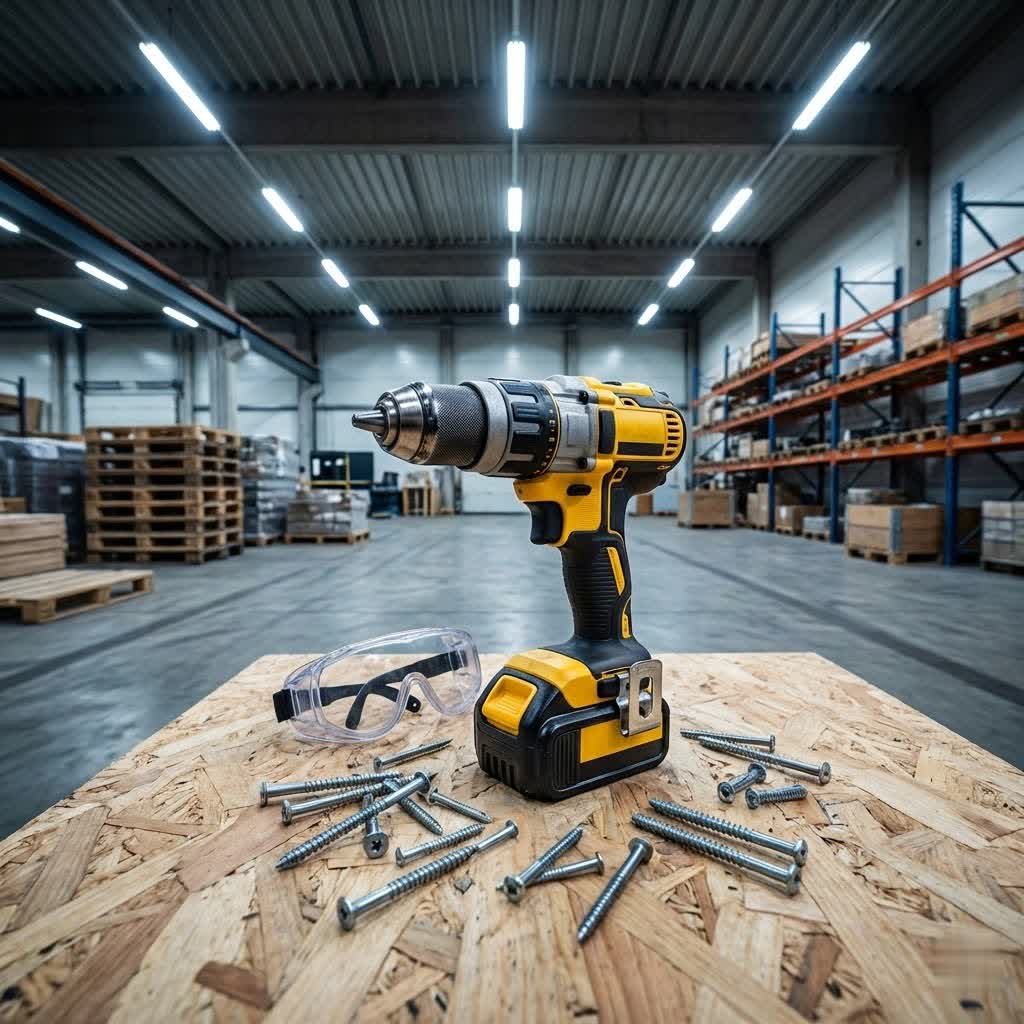
In the world of DIY projects and professional trades, few tools offer the versatility and convenience of a cordless electric drill. Gone are the days of wrestling with tangled cords and searching for power outlets; these battery-powered marvels provide unmatched freedom, allowing you to tackle tasks anywhere, anytime. Whether you’re a seasoned technician like the Admin of ReviewsByM.com, with years of experience, or a passionate homeowner embarking on your first renovation, understanding the nuances of these essential tools is key to making the best choice. This comprehensive guide will equip you with the knowledge needed to select the perfect cordless electric drill for your needs and get the most out of your investment.
Overview of Cordless Electric Drills
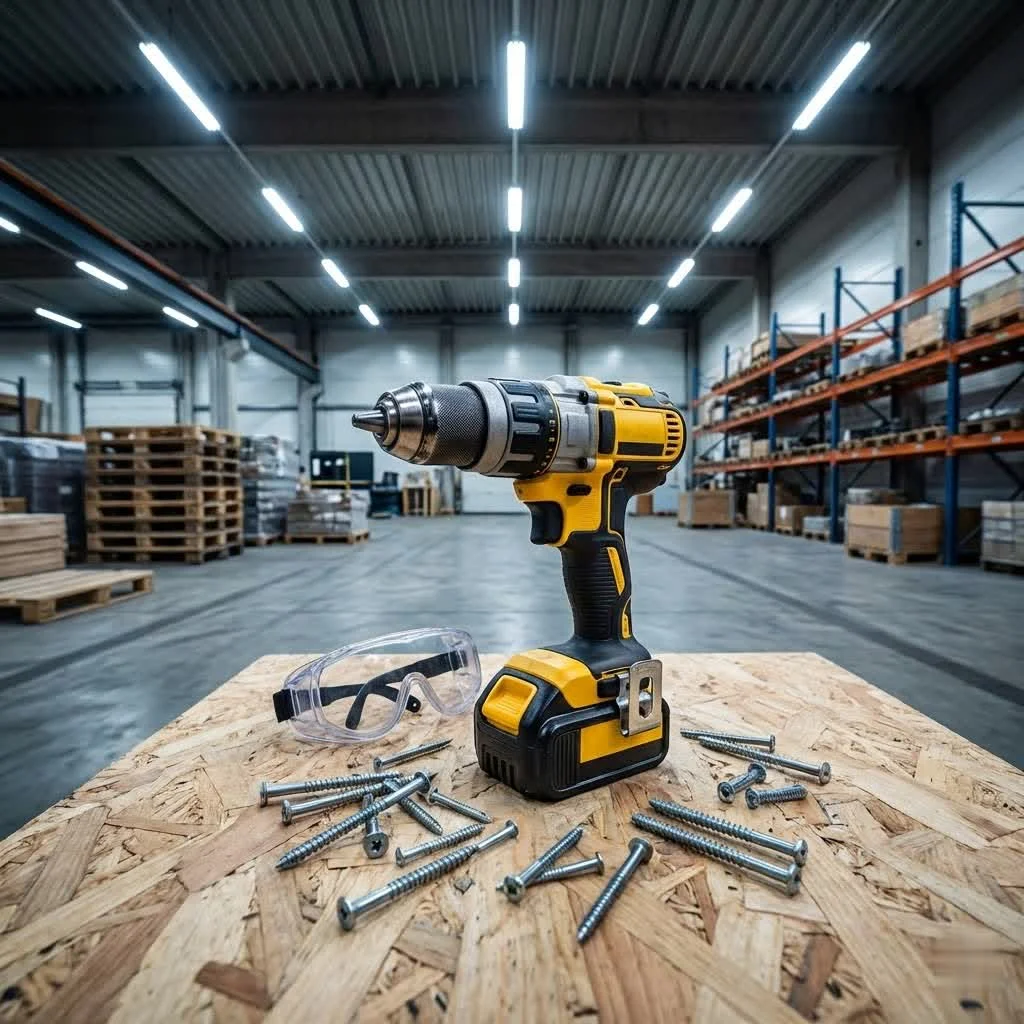
A cordless electric drill is a highly versatile power tool designed to drill holes and drive screws efficiently. Its defining feature is a rechargeable battery, which grants users unparalleled mobility and freedom from electrical outlets. This makes it an indispensable tool for a wide range of applications, from assembling furniture and hanging pictures to complex construction tasks.
The history of electric drills dates back to the late 19th century, but the true revolution came with the advent of cordless technology. Early cordless models, powered by bulky Nickel-Cadmium (NiCd) batteries, offered limited power and runtime. However, continuous innovation, particularly the widespread adoption of Lithium-ion (Li-ion) batteries and brushless motors, has transformed cordless drills into powerful, lightweight, and long-lasting devices that rival their corded counterparts in many applications.
The primary advantages of cordless drills lie in their superior mobility and convenience. They allow users to work in remote locations, tight spaces, or outdoors without the constraints of a power cord. This portability greatly enhances productivity and reduces setup time, making them a go-to tool for both professional tradespeople and home DIY enthusiasts.
Detailed Classification of Cordless Electric Drills
Cordless electric drills come in various types, each optimized for specific tasks and materials. Understanding these classifications is crucial for selecting a tool that perfectly aligns with your project requirements.
Cordless Drill Drivers
Cordless drill drivers are the most common and fundamental type of cordless drill, designed primarily for drilling holes and driving screws. They feature an adjustable clutch that allows you to control the torque, preventing screws from being overdriven or stripped, and typically have multiple speed settings for versatility.
- Pros: Lightweight, compact, excellent for precision work, versatile for drilling into wood, metal, and plastic, ideal for screwdriving tasks.
- Cons: Not suitable for drilling into hard masonry (brick, concrete) without a hammer function.
- Suitable Applications: Furniture assembly, hanging shelves, installing drywall, general household repairs, light to medium-duty drilling.
- Comparison to other types: These are the workhorses for basic drilling and fastening, providing precise control, but lack the impact force of hammer drills or the high torque of impact drivers for very tough applications.
Cordless Hammer Drills
|
Our Picks for the Best Electric Drill in 2026
As an Amazon Associate I earn from qualifying purchases.
|
||
| Num | Product | Action |
|---|---|---|
| 1 | 20V Cordless Drill, Electric Power Drill Set with Battery Charger and Carrying Case, 3/8” Keyless Chuck, 2 Variable Speed, 18+3 Torque, 72pcs Driver Bits and Belt Hook, Red |

|
| 2 | Cordless Drill Set, VIWKO 20V Power Drill with Power Pack 2.0Ah and Charger, 3/8-Inch Keyless Chuck Electricdrill, 25+1 Torque, 42pcs Drilldriver Bits/Screws for DIY Projects (Red) |
|
| 3 | BLACK+DECKER 20V MAX* POWERCONNECT Cordless Drill Driver Kit with Drill Bit Set and Sockets, 100 pc. Tool Kit for Home, Battery and Charger Included ,Orange (BDC120VA100) |
|
| 4 | FADAKWALT Cordless Drill Set,12V Power Drill Set with Battery and Charger, Electric Driver/Drill Bits, 3/8'' Keyless Chuck,21+1 Torque Setting, 180 inch-lbs, with LED Electric Drill Set (Green) |
|
| 5 | DEWALT 20V Max Cordless Drill Driver Set, 2 Speed, High Performance Motor, Includes 2 XR 1.3Ah Li-Ion Batteries, Charger and Contractor Bag (DCD771C2) |
|
| 6 | PULITUO'S 20V Cordless Drill/Driver, Electric Screwdriver - 2 Batteries, 30Nm, 21+1 Torque, 2 Speed, Keyless 3/8" Chase Drill with LED Light, Kit for Home (Green) |
|
| 7 | DEWALT 20V MAX Cordless Drill Driver Set, Electric Drill, Brushless 1/2 In 2 Speed, 2.0 Ah Battery and Charger Included, LED Light (DCD777D1) |
|
| 8 | Hoteche 320W 10mm Torque Drill, 19+1 Torque Settings Corded Electric Drill for Metal (10mm) & Wood (20mm), Yellow, Color Box Packaging |
|
| 9 | COMOWARE 20V Cordless Drill, Electric Power Drill Set with 1 Battery & Charger, 3/8” Keyless Chuck, 2 Variable Speed, 266 In-lb Torque, 25+1 Position and 34pcs Drill/Driver Bits |
|
| 10 | AVID POWER 20V MAX Lithium lon Cordless Drill Set, Power Drill Kit with Battery and Charger, 3/8-Inch Keyless Chuck, Variable Speed, 16 Position and 22pcs Drill Bits (Red) |
|
Also known as combi drills, cordless hammer drills combine the functions of a drill driver with an additional hammering mechanism. This percussive action allows the drill bit to pound into tough materials like brick, concrete, and stone while rotating, making them indispensable for masonry work.
- Pros: Versatile (drilling, screwdriving, hammer drilling), capable of tackling light masonry, often more powerful than standard drill drivers.
- Cons: Heavier and bulkier than standard drill drivers, not as efficient for heavy-duty concrete work as dedicated rotary hammer drills, can be overkill for simple tasks.
- Suitable Applications: Installing anchors in brick walls, drilling pilot holes in concrete for light fixtures, any project requiring drilling into masonry as well as general wood/metal drilling and screwdriving.
- Comparison to other types: They bridge the gap between basic drill drivers and heavy-duty rotary hammers, offering a good all-around solution for users who encounter a variety of materials.
Cordless Impact Drivers
Cordless impact drivers are specialized tools engineered for driving screws and fasteners with high torque, making them exceptionally efficient for heavy-duty fastening applications. Unlike drill drivers, impact drivers utilize a rotational impacting mechanism that delivers powerful, short bursts of force, preventing cam-out and minimizing strain on your wrist. While they can drill with hex-shank drill bits, their primary strength lies in driving.
- Pros: Extremely high torque for driving long, large fasteners, prevents stripped screw heads, reduces user fatigue, compact design for their power output.
- Cons: Not ideal for precision drilling due to impacting action, generally louder than drill drivers, specialized bits (hex shank) are often required.
- Suitable Applications: Deck building, installing subflooring, driving lag bolts, repetitive screwdriving tasks, automotive work, heavy construction.
- Comparison to other types: Impact drivers excel where drill drivers might struggle with torque, making them faster and more effective for fastening, but less versatile for precise drilling compared to drill drivers.
Magnetic Drills and Cordless Considerations
Magnetic drills are specialized, heavy-duty tools primarily used for creating large, precise holes in thick ferrous metals, such as structural steel. They feature an electromagnet base that firmly clamps the drill to the workpiece, allowing for stable and accurate drilling. Magnetic drills are designed for industrial and fabrication environments where precision and power are paramount for drilling into thick gauge metal.
- Overview of Magnetic Drills: These robust tools are essential in metalworking, construction, and heavy machinery maintenance, typically using annular cutters or twist bits for demanding applications.
- Why Cordless Magnetic Drills are Rare/Niche: Given their high power consumption and the significant weight of the magnetic base and motor required for their operation, cordless magnetic drills are exceedingly rare and specialized. They demand immense battery power for both the motor and the electromagnet, leading to very short runtimes and impractical portability for most cordless platforms. Most applications requiring a magnetic drill necessitate continuous high power, which is best supplied by a corded connection.
- Applications where they might be considered: While not commonly available as cordless tools, a highly specialized, niche cordless magnetic drill might exist for emergency repairs in extremely remote locations where power is absolutely unavailable and only light drilling is required, but this is far from standard. For the vast majority of users, a magnetic drill will always be a corded electric tool.
Comparison Table of Cordless Electric Drill Types
Choosing the right cordless drill depends on matching the tool’s capabilities to your project needs. This table offers a quick comparison of the most common cordless types.
| Drill Type | Primary Use | Key Feature | Pros | Cons |
|---|---|---|---|---|
| Drill Driver | Drilling holes & driving screws | Adjustable Clutch | Lightweight, precise, versatile for general tasks | Limited power for heavy fastening, cannot drill into masonry |
| Hammer Drill | Drilling masonry, wood, metal, & driving screws | Hammering Mechanism | Multi-functional, good for varied materials | Heavier than drill drivers, less powerful than rotary hammers |
| Impact Driver | Heavy-duty fastening | High Rotational Impact | High torque, fast, prevents stripped screws | Not ideal for precise drilling, often louder |
| Magnetic Drill | Drilling thick metal (corded) | Electromagnet Base | High precision for metal, strong hold (corded) | Extremely rare as cordless, heavy, very high power consumption (corded) |
Guide to Choosing the Right Cordless Electric Drill
Selecting the ideal cordless electric drill involves careful consideration of your specific needs, budget, and the technical specifications that will empower your projects.
Determine Your Usage Needs
Before diving into specifications, honestly assess how you plan to use the drill.
- What are your primary project types? Are you assembling flat-pack furniture, hanging art, undertaking home renovations, or working on professional construction sites?
- What materials will you typically work with? Wood, metal, plastic, drywall, brick, or concrete? This will dictate whether you need a basic drill driver or a hammer function.
- How frequently will you use the tool? Occasional DIY tasks might warrant a 12V model, while daily professional use demands an 18V/20V or even 24V system with robust batteries.
Budget Considerations
Cordless drills range significantly in price, from entry-level models for light DIY to high-end professional tools.
- Entry-level drills (typically 12V or basic 18V brushed motors) are affordable and suitable for occasional, light tasks.
- Mid-range drills (18V/20V brushless motors) offer a good balance of power, features, and durability for serious DIYers and light professional use.
- Professional-grade drills (18V/20V/24V high-performance brushless motors, advanced features) are a significant investment but offer superior power, runtime, and longevity for demanding daily use.
Remember that initial purchase price isn’t the only cost. Consider the value of kits that include batteries and chargers, as these can be expensive when purchased separately. Many brands offer tool-only options if you already own compatible batteries.
Important Technical Specifications
Understanding key specifications will help you navigate the options and make an informed decision.
- Power (Voltage): The battery voltage (e.g., 12V, 18V, 20V, 24V) indicates the drill’s potential power output.
- 12V drills are compact, lightweight, and perfect for light-duty tasks like furniture assembly or hanging decorations.
- 18V or 20V drills are the most common and versatile, offering a strong balance of power and weight for most home improvement and professional tasks, including drilling into tougher materials. Note that 18V and “20V Max” typically refer to the same battery cells; 20V is the peak voltage, while 18V is the nominal operating voltage.
- 24V and higher voltage drills provide maximum power and runtime for the most demanding applications, though they are generally heavier and larger.
- Battery Technology: Modern cordless drills almost exclusively use Lithium-ion (Li-ion) batteries due to their longer lifespan, faster charging, and absence of the “memory effect” found in older NiCd batteries. The Amp-hour (Ah) rating indicates battery capacity and runtime; a higher Ah means longer use between charges. Consider purchasing an extra battery or choosing a kit that includes two to ensure uninterrupted work.
- Motor Type:
- Brushed motors are traditional, less expensive, but generate more friction and heat, leading to less efficiency and shorter tool life.
- Brushless motors are a significant upgrade, offering better runtime (up to 50% longer), more power, greater durability, and a more compact, quieter operation. For serious users, a brushless motor is a worthwhile investment.
- Speed (RPM) and Torque:
- Speed (Revolutions Per Minute – RPM): Variable speed triggers allow precise control. Drills typically have two or more speed settings: lower speeds (e.g., 0-450 RPM) provide more torque for driving screws or drilling larger holes in hard materials, while higher speeds (e.g., 0-1500 RPM or more) are ideal for faster drilling in softer materials.
- Torque (Twisting Force): This is the rotational force the drill can exert. Adjustable clutch settings (numbered dial behind the chuck) allow you to match the torque to the material and fastener, preventing over-tightening or stripping. Higher torque is essential for driving long screws or drilling into dense materials.
- Chuck Size and Type: The chuck holds the drill bit.
- Sizes: Common sizes are 3/8-inch (versatile for household tasks) and 1/2-inch (for heavier applications and larger bits).
- Types: Most cordless drills feature a keyless chuck for quick and easy bit changes by hand. A ratcheting chuck provides an audible click, ensuring the bit is securely tightened.
Brand Reputation and Reliability
Investing in a cordless drill from a reputable brand can significantly impact your experience and the tool’s longevity. Brands like DeWalt, Makita, Milwaukee, Bosch, and Ryobi are consistently rated highly for their durability, performance, and reliability. These brands often offer robust warranties, excellent customer support, and wide ecosystems of compatible tools and batteries, which can be a huge advantage if you plan to expand your tool collection. Reading user reviews can provide real-world insights into a tool’s performance and durability.
Additional Features for Enhanced Performance
Modern cordless drills often come with features that enhance user experience, safety, and versatility.
- LED Work Light: A built-in light illuminates your workspace, especially useful in dimly lit areas.
- Belt Clip: Allows for convenient carrying and quick access while working.
- Anti-Kickback Control: An electronic safety feature that detects sudden binding of the bit and quickly stops the motor, preventing painful wrist injuries. This is a must-have for heavy-duty drilling.
- Battery Platform Compatibility: Many brands offer battery systems where a single battery can power multiple tools (drills, saws, sanders, etc.), saving money and simplifying battery management.
Tips for Safe Use and Maintenance of Cordless Electric Drills
Even the most experienced users can benefit from a refresher on safe operation and proper maintenance to ensure their cordless electric drill performs optimally and lasts for years.
-
Proper Operating Techniques:
- Always use the correct drill bit for the material you are working with (e.g., wood bits for wood, masonry bits for concrete). Using the wrong bit can damage the tool or the workpiece.
- Adjust speed and torque settings according to the task. Use lower speeds and higher torque for driving screws and drilling hard materials, and higher speeds for drilling in softer materials.
- Maintain a firm grip with both hands when possible, especially for powerful drills or tough applications.
- Apply steady, consistent pressure. Let the drill do the work; excessive force can lead to bit breakage or motor strain.
- Start slowly when drilling to prevent the bit from “walking” across the surface, then increase speed as needed.
-
Essential Safety Measures:
- Wear appropriate Personal Protective Equipment (PPE), including safety glasses to protect against flying debris, and hearing protection, especially when using hammer drills or impact drivers.
- Secure your workpiece. Use clamps or a vise to hold the material firmly in place. This prevents it from rotating with the drill bit, which can cause injury or damage.
- Clear the work area of any obstructions, loose cables, or flammable materials.
- Keep long hair tied back, and avoid loose clothing or jewelry that could get caught in the rotating chuck or bit.
- Be aware of what’s behind your drilling surface to avoid hitting electrical wires or plumbing pipes.
-
Battery Care and Storage:
- Charge batteries correctly. Always use the charger recommended by the manufacturer.
- Avoid overcharging or deep discharging Li-ion batteries, as this can shorten their lifespan.
- Store batteries in a cool, dry place, away from extreme temperatures and direct sunlight.
- Do not store fully depleted batteries for extended periods. It’s best to store them with a partial charge (around 40-50%) if they won’t be used for a while.
-
General Tool Maintenance:
- Keep your drill clean. Regularly wipe down the tool to remove dust, sawdust, and debris from vents and moving parts.
- Inspect the chuck and bits for wear or damage before each use. Replace worn bits for optimal performance and safety.
- Store your drill in its case or a designated tool storage area to protect it from impacts and environmental factors.
“A well-maintained cordless drill isn’t just a tool; it’s an extension of your craftsmanship. Neglecting simple safety and maintenance steps not only risks your project but also your personal safety.” – ReviewsByM Admin, Experienced Power Tool Technician
Conclusion
Choosing the right cordless electric drill is a pivotal decision that can greatly impact the efficiency, safety, and enjoyment of your projects. From the fundamental drill driver to the versatile hammer drill and the high-torque impact driver, each type offers distinct advantages tailored to different applications. By carefully considering your usage needs, understanding crucial technical specifications like voltage and motor type, and recognizing the value of reputable brands and useful features, you can confidently select a tool that will serve you well for years to come. Remember to prioritize safety and consistent maintenance to ensure your cordless electric drill remains a reliable partner in all your endeavors. What project will you tackle next with your perfectly chosen cordless companion?
Frequently Asked Questions
What is the primary advantage of a brushless motor in a cordless drill?
A brushless motor offers significant benefits over a brushed motor, including enhanced efficiency, which translates to longer battery runtimes and more power output. They are also more durable, lighter, quieter, and require less maintenance due to the absence of brushes that wear out over time, making them a premium choice for cordless drills.
Is a 20V cordless drill actually more powerful than an 18V one?
The terms “18V” and “20V Max” generally refer to the same battery platform. “20V Max” indicates the battery’s peak voltage when fully charged and under no load, while “18V” is the nominal, sustained operating voltage. Practically, there is often no significant difference in power or performance between drills advertised as 18V and those as 20V Max from the same manufacturer.
Can a cordless drill be used for drilling into concrete?
Yes, a cordless hammer drill, also known as a combi drill, is specifically designed to drill into concrete, brick, and other masonry materials. It combines the rotational action of a drill with a percussive hammering motion that breaks through tough surfaces. However, for extensive or heavy-duty concrete drilling, a dedicated rotary hammer drill (which also has a hammering mechanism but is more powerful) might be more suitable.
How important is the Amp-hour (Ah) rating of a cordless drill battery?
The Amp-hour (Ah) rating is crucial as it indicates the battery’s capacity and, consequently, how long the drill will run on a single charge. Higher Ah ratings mean longer runtime, which is particularly beneficial for extended projects or professional use where frequent recharges are inconvenient. Always consider both voltage and Ah rating when evaluating battery performance.
What’s the main difference between a drill driver and an impact driver?
A drill driver is designed for both drilling holes and driving screws with an adjustable clutch to control torque. An impact driver, on the other hand, is specialized for driving fasteners. It uses a powerful rotational impact mechanism to deliver high torque, making it incredibly efficient for driving long screws or lag bolts and preventing stripped screw heads, but it’s not ideal for precise drilling.
Get our weekly buyer guide
Practical specs, not advice. Unsubscribe anytime.
