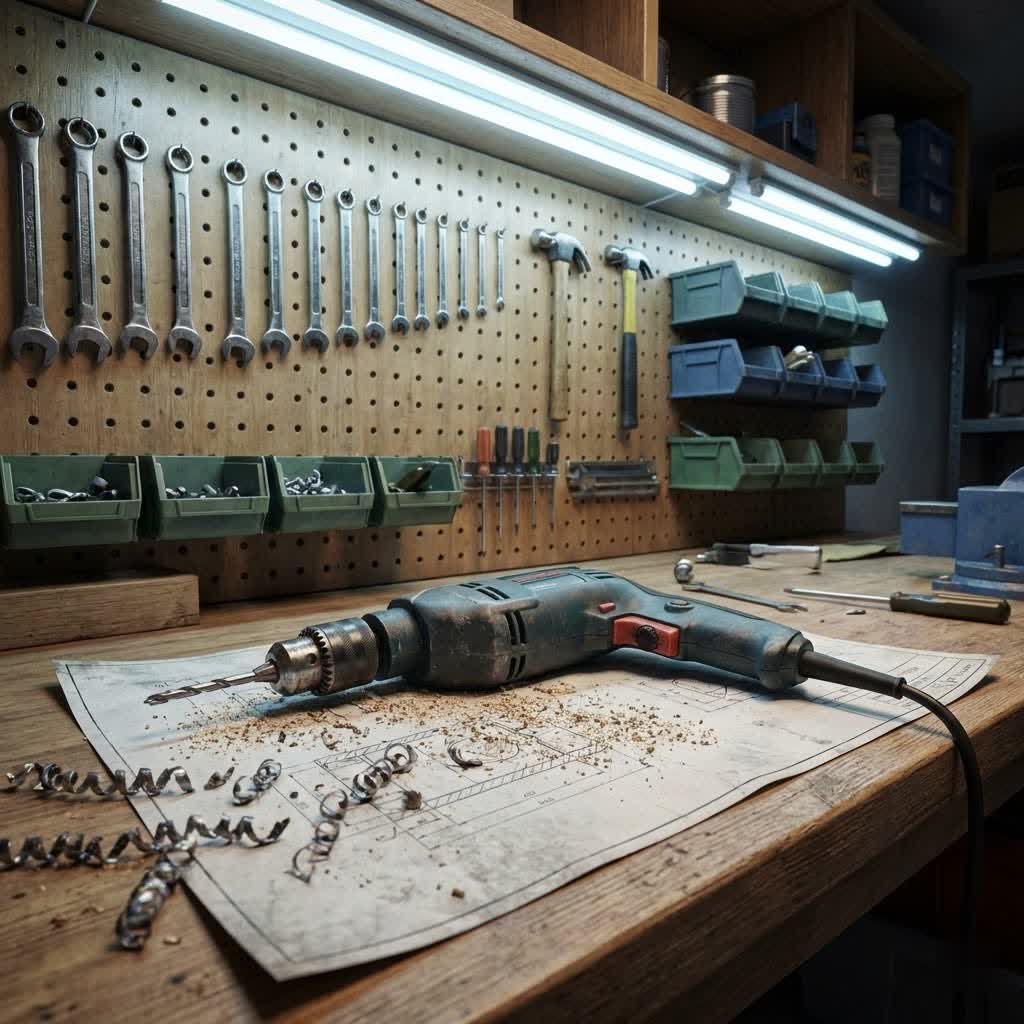
Embarking on a new DIY project or facing demanding professional tasks often highlights the need for a reliable power tool. If you’re looking for unparalleled freedom and robust performance, a DEWALT cordless electric drill is an indispensable asset in any toolkit. These drills offer the perfect blend of power, precision, and portability, transforming how you approach drilling and fastening. This comprehensive guide will navigate you through the world of DEWALT cordless electric drills, from their fundamental types and crucial features to expert tips on selection, safe operation, and maintenance.
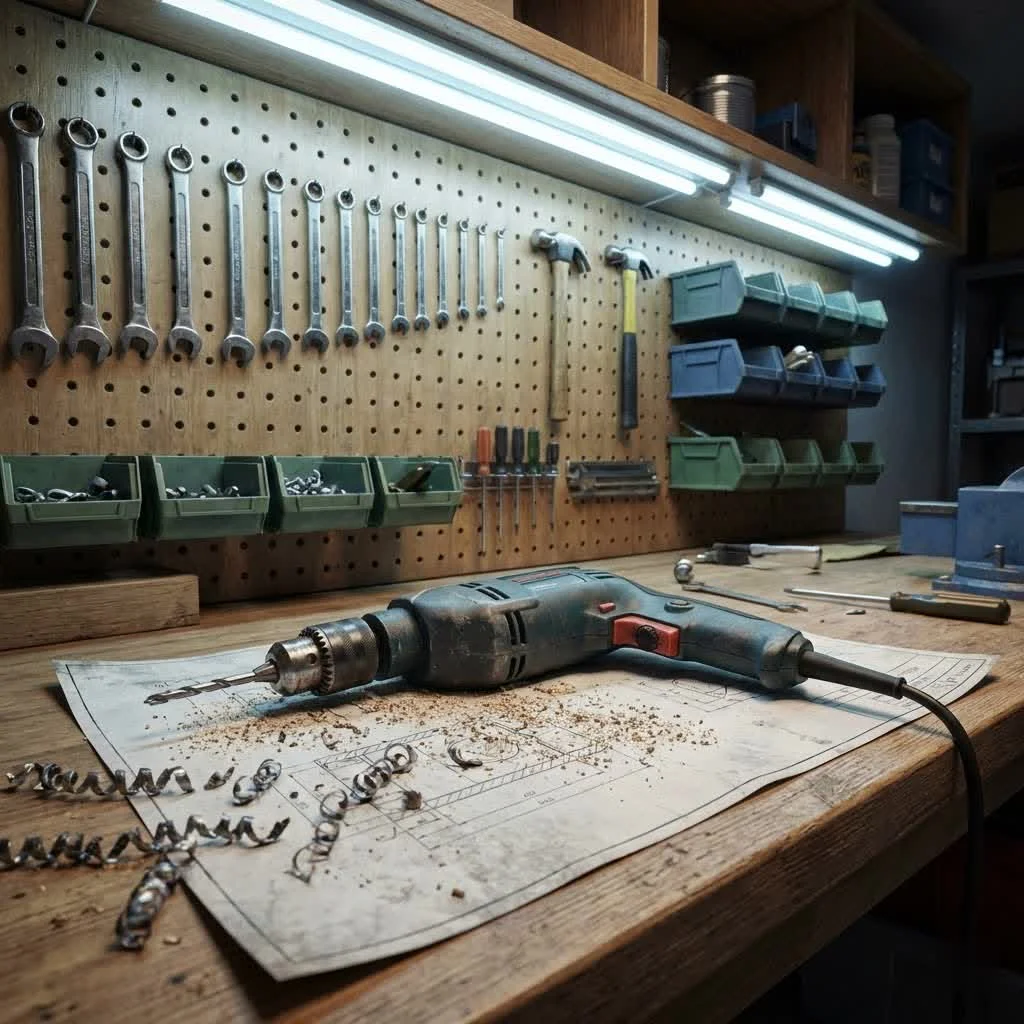
Understanding the Electric Drill Landscape
At its core, an electric drill is a versatile tool designed to create holes and drive fasteners with mechanical precision. While their history dates back to the late 19th century, the advent of cordless technology, particularly with brands like DEWALT, has revolutionized their utility, making them essential for both home and professional use.
DEWALT offers a diverse range of battery-powered drills, providing flexibility and convenience for various on-the-go projects. These tools are engineered for durability and adaptability, ensuring they meet the rigorous demands of any job.
Common Types of DEWALT Cordless Electric Drills
When considering a DEWALT cordless electric drill, you’ll primarily encounter three main categories, each suited for different applications:
- Drill/Drivers: These are the most common and versatile type, ideal for general-purpose drilling into softer materials like wood, plastic, and drywall, as well as driving screws. They offer excellent control and variable speed settings.
- Hammer Drills: Built for tougher materials, hammer drills incorporate a hammering mechanism that impacts the drill bit as it rotates. This action allows them to efficiently bore through concrete, brick, and other masonry, in addition to functioning as standard drill/drivers.
- Combi Drills: Often used interchangeably with hammer drills, combi drills are multi-functional tools that combine drilling, driving, and hammer drilling capabilities into a single unit. They are the go-to for all-in-one functionality.
- Impact Drivers: While distinct from traditional electric drills, impact drivers are frequently paired with them in tool kits. Their primary purpose is to drive large fasteners, long screws, and lag bolts by delivering rotational and concussive force, making them highly efficient for heavy-duty fastening tasks.
In-Depth Look at DEWALT Cordless Drill Types
Choosing the right DEWALT cordless electric drill means understanding the specific advantages and best applications for each type.
Hammer Drills
DEWALT hammer drills, available in both corded and cordless varieties, are powerhouses for challenging materials. Their unique mechanism delivers rapid impacts to the back of the chuck while rotating, effectively chiseling through surfaces like concrete and brick. Many models feature a selectable “hammer” mode, allowing them to switch between rotary drilling for wood and metal and percussive drilling for masonry. This dual functionality makes them incredibly versatile.
- Pros: Excellent for masonry, capable of handling tough materials, can often double as a regular drill/driver.
- Cons: Generally heavier and bulkier than standard drill/drivers, which can be tiring for prolonged use in non-hammering tasks.
- Suitable Applications: Concrete drilling, brickwork, stone, heavy-duty construction, large diameter holes in wood with spade bits.
Drill Drivers
|
Our Picks for the Best Electric Drill in 2026
As an Amazon Associate I earn from qualifying purchases.
|
||
| Num | Product | Action |
|---|---|---|
| 1 | BLACK+DECKER 20V MAX* POWERCONNECT Cordless Drill Driver Kit with Drill Bit Set and Sockets, 100 pc. Tool Kit for Home, Battery and Charger Included ,Orange (BDC120VA100) |

|
| 2 | FADAKWALT Cordless Drill Set,12V Power Drill Set with Battery and Charger, Electric Driver/Drill Bits, 3/8'' Keyless Chuck,21+1 Torque Setting, 180 inch-lbs, with LED Electric Drill Set (Green) |
|
| 3 | PULITUO'S 20V Cordless Drill/Driver, Electric Screwdriver - 2 Batteries, 30Nm, 21+1 Torque, 2 Speed, Keyless 3/8" Chase Drill with LED Light, Kit for Home (Green) |
|
| 4 | COMOWARE 20V Cordless Drill, Electric Power Drill Set with 1 Battery & Charger, 3/8” Keyless Chuck, 2 Variable Speed, 266 In-lb Torque, 25+1 Position and 34pcs Drill/Driver Bits |
|
| 5 | DEWALT 20V MAX Cordless Drill Driver Set, Electric Drill, Brushless 1/2 In 2 Speed, 2.0 Ah Battery and Charger Included, LED Light (DCD777D1) |
|
| 6 | Hoteche 320W 10mm Torque Drill, 19+1 Torque Settings Corded Electric Drill for Metal (10mm) & Wood (20mm), Yellow, Color Box Packaging |
|
| 7 | DEWALT 20V Max Cordless Drill Driver Set, 2 Speed, High Performance Motor, Includes 2 XR 1.3Ah Li-Ion Batteries, Charger and Contractor Bag (DCD771C2) |
|
| 8 | Cordless Drill Set, VIWKO 20V Power Drill with Power Pack 2.0Ah and Charger, 3/8-Inch Keyless Chuck Electricdrill, 25+1 Torque, 42pcs Drilldriver Bits/Screws for DIY Projects (Red) |
|
| 9 | 20V Cordless Drill, Electric Power Drill Set with Battery Charger and Carrying Case, 3/8” Keyless Chuck, 2 Variable Speed, 18+3 Torque, 72pcs Driver Bits and Belt Hook, Red |
|
| 10 | AVID POWER 20V MAX Lithium lon Cordless Drill Set, Power Drill Kit with Battery and Charger, 3/8-Inch Keyless Chuck, Variable Speed, 16 Position and 22pcs Drill Bits (Red) |
|
The cornerstone of any DIY or professional toolkit, the DEWALT cordless drill/driver excels at everyday tasks. These drills are optimized for precision drilling and efficient screw driving, offering multiple clutch settings to prevent over-tightening or stripping screws. Modern DEWALT drill/drivers often feature brushless motors, which provide increased runtime, power, and tool lifespan.
- Pros: Lightweight and compact, excellent control for precision tasks, ideal for wood, plastic, and metal, versatile for driving screws.
- Cons: Not suitable for drilling into hard masonry without specialized hammer functionality.
- Suitable Applications: Assembling furniture, hanging pictures, installing shelving, drilling pilot holes, general repairs, light to medium-duty fastening.
Impact Drivers
While not technically “drills” in the traditional sense, DEWALT impact drivers are a vital part of the cordless power tool ecosystem, especially when heavy-duty fastening is required. They use a quick-release hex chuck for driver bits and deliver powerful, short bursts of rotational impact to drive fasteners far more efficiently than a standard drill/driver, particularly in dense materials or with long screws.
- Pros: Exceptional torque for driving large fasteners, highly efficient for repetitive fastening, compact size.
- Cons: Not designed for drilling precise holes (though specialized hex-shank drill bits exist), can be overkill for light tasks, louder operation.
- Suitable Applications: Driving lag bolts, deck screws, self-tapping screws, prolonged fastening applications, working with tough materials where high torque is needed.
Comparing DEWALT Cordless Electric Drill Types
| Feature / Type | Drill Driver | Hammer Drill | Impact Driver |
|---|---|---|---|
| Primary Function | Drilling holes, driving screws | Drilling into masonry (with hammer action), general drilling, driving screws | Driving screws, large fasteners |
| Impact Mechanism | No | Yes (axial impacts) | Yes (tangential impacts) |
| Chuck Type | Keyless (usually 1/2-inch or 3/8-inch) | Keyless (usually 1/2-inch) | Hex quick-release (1/4-inch) |
| Best For | Wood, plastic, metal, general fastening | Concrete, brick, masonry, heavy-duty wood/metal | Long screws, lag bolts, repetitive fastening |
| Precision Drilling | High | Good (in drill mode) | Low (designed for fastening) |
| Typical Power Output | Measured in UWO (Unit Watts Out), moderate to high | High UWO, high BPM (Blows Per Minute) | High torque (in-lb or Nm) |
| Weight & Size | Generally lighter and more compact | Heavier and larger due to hammer mechanism | Very compact and often lighter than hammer drills |
| Noise Level | Moderate | High (especially in hammer mode) | High (distinctive impacting sound) |
Your Guide to Choosing the Right DEWALT Cordless Electric Drill
Selecting the ideal DEWALT cordless electric drill requires thoughtful consideration of your needs and the tool’s specifications.
Determine Your Usage Needs
Before anything else, clarify what you’ll primarily use the drill for. Are you a weekend warrior tackling household repairs, a serious DIYer with ambitious renovation projects, or a professional contractor demanding peak performance daily?
- Occasional Home Use/Light DIY: A compact 12V or a basic 20V MAX drill/driver (like the DCD794 or DCD777) offers ample power for tasks like assembling furniture, hanging decor, and minor repairs.
- Frequent DIY/General Trades: A 20V MAX XR series drill/driver or a lighter hammer drill (such as the DCD778) provides a good balance of power, runtime, and versatility for a wider range of materials.
- Heavy-Duty Professional Work: For constant use, especially in challenging materials, a high-performance 20V MAX XR or a FlexVolt Advantage hammer drill (like the DCD1007) is crucial. Consider combo kits that include an impact driver for fastening.
Budget Considerations
DEWALT offers drills across various price points. Define your budget and look for the best features and performance within that range. Remember that higher-end models often come with brushless motors and more advanced features that can save time and effort in the long run. Kits that include batteries and chargers often offer better value than buying components separately.
Important Technical Specifications
Understanding these key specs will help you compare models effectively:
- Voltage (V): This indicates the power of the battery system. DEWALT primarily offers 12V MAX, 20V MAX, and 54V (FlexVolt) systems. Higher voltage generally means more power.
- 12V MAX: Lighter, more compact, ideal for light-duty tasks and tight spaces.
- 20V MAX: The most popular and versatile platform, suitable for a wide range of DIY and professional applications.
- 54V (FlexVolt): Designed for heavy-duty applications, offering corded power in a cordless format, and can power specific higher-voltage tools.
- Battery Capacity (Ah – Ampere-hours): This determines the runtime of the battery. Higher Ah batteries offer longer operating times between charges. While a common misconception is that higher Ah means more power, it primarily relates to runtime.
- Power Output (UWO – Unit Watts Out): DEWALT uses UWO instead of traditional torque values. UWO measures the drill’s real-world power, factoring in both speed and torque. A higher UWO means faster drilling and driving.
- Speed (RPM – Rotations Per Minute) and Speed Settings: Higher RPM is better for drilling smoother holes in softer materials, while lower speeds, which typically equate to higher torque, are better for driving larger fasteners or drilling into harder materials. Many DEWALT drills feature two or three speed settings and a variable speed trigger for optimal control.
- Chuck Type and Size: Most DEWALT drills come with a keyless chuck for quick bit changes. Common sizes are 3/8-inch for lighter drills and 1/2-inch for more robust models, accommodating a wider range of bits. Look for all-metal chucks for better durability on professional models.
- Functions (Drill, Hammer, Driver): Ensure the drill has the modes you need. A “combi drill” will offer all three.
Brand and Reliability
DEWALT has a strong reputation for producing durable, reliable, and high-performance power tools. They are widely used across construction, manufacturing, and industrial settings. Their commitment to quality is backed by warranties, typically a 3-year limited warranty, and often a 90-day money-back guarantee, instilling confidence in your investment.
Additional Features to Consider
Modern DEWALT drills come with features designed to enhance usability and safety:
- Brushless Motors: Found in many current DEWALT cordless drills, brushless motors are more efficient, run cooler, offer longer runtime per charge, and have a longer service life compared to brushed motors.
- LED Work Light: Essential for illuminating dimly lit workspaces, often with adjustable brightness and duration settings.
- Ergonomic Grip: A comfortable, slip-resistant grip is vital for reducing fatigue during extended use and improving control.
- Kickback Control/Anti-Rotation System: High-performance hammer drills may include features that shut down the motor if the drill senses a bind-up or excessive rotation, preventing wrist injuries.
- Belt Hook: A simple yet highly useful feature for hands-free convenience when working at heights or carrying materials.
- Tool Connect Ready: Allows for adding a Tool Connect chip for tracking and management options, particularly useful for professionals managing multiple tools.
- PowerStack Batteries: DEWALT’s innovative PowerStack batteries offer a more compact size and lighter weight with increased power output and runtime.
“The true measure of a power tool isn’t just its raw strength, but how effectively it delivers that power in real-world scenarios, making your work faster, safer, and more precise.”
Tips for Safe Use and Maintenance of Your DEWALT Cordless Electric Drill
Proper handling and routine care are crucial for maximizing the performance and lifespan of your DEWALT cordless electric drill.
Safe Usage Guidelines
Always prioritize safety when operating any power tool.
- Read the Manual: Always consult your specific drill’s operating manual for detailed safety instructions and maintenance schedules.
- Wear PPE: Use appropriate personal protective equipment, including safety glasses, hearing protection, and gloves.
- Secure Your Workpiece: Ensure the material you are drilling is firmly clamped or secured to prevent it from moving unexpectedly.
- Choose the Right Bit: Use the correct drill bit for the material and task at hand. Using the wrong bit can damage the material, the bit, or the drill itself.
- Maintain Control: Hold the drill firmly with both hands, especially hammer drills with side handles, to manage torque and prevent kickback.
- Avoid Overheating: If drilling through tough materials or for long periods, allow the drill to cool periodically to prevent motor damage.
- Keep a Clear Workspace: Ensure your work area is free of clutter, potential tripping hazards, and moisture.
Essential Maintenance Practices
Consistent maintenance ensures your drill remains in top working condition for years to come.
- Keep It Clean: Regularly remove dust, debris, and wood chips from the drill’s exterior and especially its ventilation slots using compressed air. Before cleaning, always remove the battery.
- Lubricate the Chuck: Periodically apply a few drops of lubricant into the chuck, then open and close it several times to distribute the oil. Wipe away any excess. This prevents rust and ensures smooth operation and bit retention.
- Inspect for Wear and Tear: Regularly check the outer casing for cracks, the battery terminals for corrosion, and the chuck for signs of weakening. Replace worn-out parts as needed. For older brushed motors, check and clean the carbon brushes.
- Store Properly: Store your DEWALT cordless drill and batteries in a clean, dry environment, ideally in its carry case, away from extreme temperatures and moisture. Water can quickly rust internal components.
- Use Sharp Bits: Dull bits put more strain on the drill and can lead to inefficient work and overheating. Replace or sharpen bits as necessary.
- Battery Care: Recharge batteries fully before storage, avoid over-discharging them to zero capacity, and use the original charger to maintain battery performance and prolong lifespan.
Conclusion
A DEWALT cordless electric drill is more than just a tool; it’s an investment in efficiency, versatility, and reliability for all your projects. By understanding the various types—from versatile drill/drivers to robust hammer drills—and prioritizing essential features like brushless motors, appropriate voltage, and UWO, you can confidently select the perfect DEWALT drill to meet your specific demands. Remember, meticulous maintenance and safe operating practices will ensure your powerful companion serves you faithfully for years. What challenging project will you tackle next with your reliable DEWALT?
Frequently Asked Questions
What makes DEWALT cordless drills stand out in the market?
DEWALT cordless drills are renowned for their durability, powerful performance, and versatility, stemming from robust build quality, innovative brushless motor technology, and intelligent battery management systems. They are designed to withstand harsh working conditions and offer extended battery life, making them a preferred choice for professionals and serious DIYers alike.
How does DEWALT measure the power of its drills?
Instead of traditional torque ratings, DEWALT uses Unit Watts Out (UWO) to measure the power of its drills. UWO takes into account both the speed and torque a drill can deliver under load, providing a more comprehensive indication of its real-world performance—a higher UWO generally means faster drilling and driving.
Can DEWALT 20V MAX batteries be used with all DEWALT cordless tools?
DEWALT’s 20V MAX battery platform is highly versatile and compatible with a vast range of their 20V MAX cordless tools. However, some specialized tools, particularly those in the higher-power FlexVolt line, require FlexVolt batteries, which can also run on 20V MAX tools (though some 20V MAX tools may not be able to fully utilize the higher voltage capability of FlexVolt batteries).
What is the advantage of a brushless motor in a DEWALT cordless drill?
Brushless motors in DEWALT cordless drills offer several significant advantages: they provide more power and efficiency, result in longer runtime per battery charge, generate less heat, and have a substantially longer lifespan compared to traditional brushed motors, as there are no brushes to wear out.
How often should I clean and lubricate my DEWALT drill?
It’s recommended to clean your DEWALT drill after every extended use or dusty project, focusing on clearing ventilation slots and the exterior. Lubricating the chuck every few weeks, or more frequently if used daily, will help maintain its smooth operation and prevent rust, extending the tool’s overall life.
Get our weekly buyer guide
Practical specs, not advice. Unsubscribe anytime.
