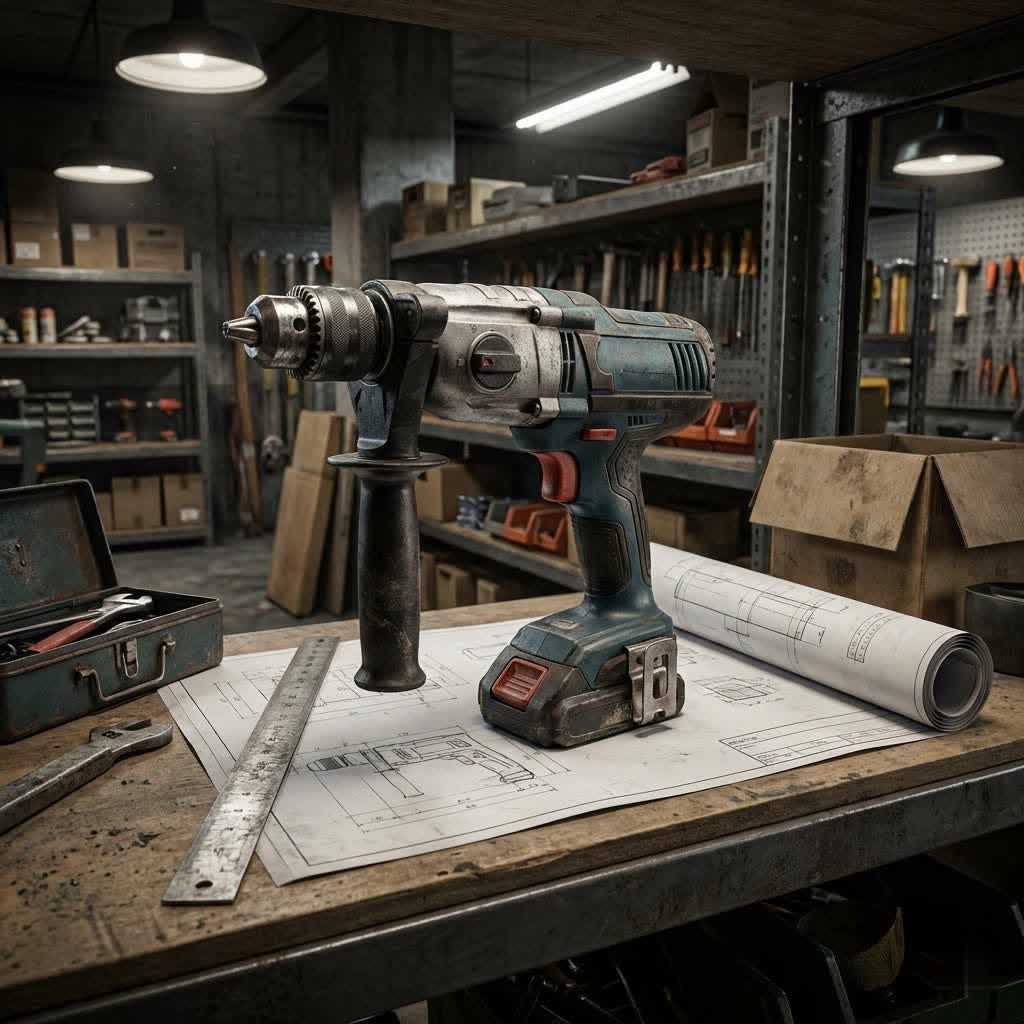
Embarking on a home improvement project or a professional task often begins with one fundamental tool: the electric drill. Whether you’re a seasoned DIY enthusiast or a professional contractor, understanding the diverse range of electric drills available at Lowe’s is key to achieving precision and efficiency in your work. From hanging pictures to tackling demanding masonry, the right electric drill can transform your capabilities, making daunting tasks manageable and ensuring your projects are completed with confidence. This comprehensive guide will navigate you through the various types, essential features, and top brands to help you select the perfect electric drill for your needs.
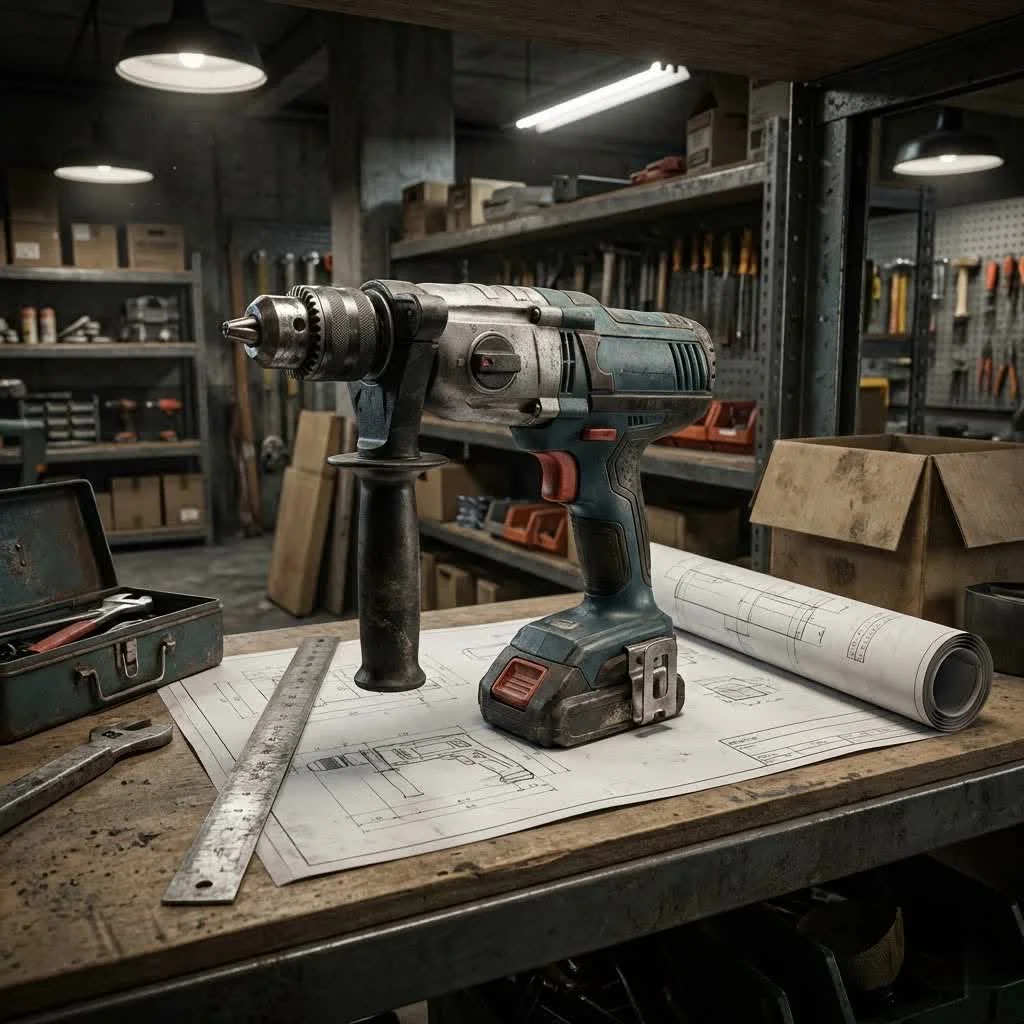
The Essential Electric Drill: Your Guide to Power and Precision
An electric drill is a ubiquitous power tool designed primarily for drilling holes and driving fasteners. Its versatility makes it an indispensable asset in any toolbox, adapting to countless applications across construction, woodworking, metalworking, and general home maintenance. The evolution of the electric drill has seen significant advancements, from early hand-cranked models to today’s sophisticated corded and cordless versions, integrating features like variable speed, torque control, and impact functions. Lowe’s offers a wide array of these tools, catering to every skill level and project requirement.
Decoding Electric Drill Types
The world of electric drills is more diverse than many realize. Each type is engineered for specific tasks, optimizing performance for different materials and applications.
Hammer Drills
Hammer drills combine rotational drilling with a rapid hammering action, making them ideal for drilling into tough materials like masonry, brick, and concrete. The percussion mechanism helps the drill bit pulverize the material while rotating, allowing for faster and less strenuous drilling compared to a standard drill. However, they are not typically designed for heavy-duty concrete demolition.
- Pros: Efficiently drills into masonry, brick, and concrete blocks; often includes a “drill-only” mode for versatility.
- Cons: Heavier and noisier than standard drills; not ideal for delicate materials; less powerful than rotary hammer drills for very dense concrete.
- Suitable Applications: Installing anchors in concrete, mounting shelving on brick walls, light-duty concrete work.
- Comparison: Unlike standard drills that only rotate, hammer drills add a pulsing forward motion. They are a step up in power for masonry tasks but still distinct from the more robust rotary hammer.
Impact Drivers
Impact drivers are specialists in driving fasteners quickly and efficiently, especially long screws or lag bolts. They deliver short, powerful bursts of rotational force (torque) when encountering resistance, which prevents cam-out (the bit slipping out of the screw head) and reduces strain on your wrist. While they excel at driving, they are less suited for precision drilling or creating large holes.
- Pros: High torque for driving fasteners; prevents stripping screws; compact and lightweight; reduced user fatigue.
- Cons: Not designed for drilling precise holes (especially larger ones); louder than standard drills; specialized bits required.
- Suitable Applications: Deck building, installing subflooring, fastening dense wood, assembling furniture with many screws.
- Comparison: Unlike a standard drill/driver that relies solely on rotational force, an impact driver’s percussive action makes driving fasteners significantly easier and faster.
Drill/Drivers (Standard Electric Drills)
|
Our Picks for the Best Electric Drill in 2026
As an Amazon Associate I earn from qualifying purchases.
|
||
| Num | Product | Action |
|---|---|---|
| 1 | Hoteche 320W 10mm Torque Drill, 19+1 Torque Settings Corded Electric Drill for Metal (10mm) & Wood (20mm), Yellow, Color Box Packaging |

|
| 2 | COMOWARE 20V Cordless Drill, Electric Power Drill Set with 1 Battery & Charger, 3/8” Keyless Chuck, 2 Variable Speed, 266 In-lb Torque, 25+1 Position and 34pcs Drill/Driver Bits |
|
| 3 | AVID POWER 20V MAX Lithium lon Cordless Drill Set, Power Drill Kit with Battery and Charger, 3/8-Inch Keyless Chuck, Variable Speed, 16 Position and 22pcs Drill Bits (Red) |
|
| 4 | DEWALT 20V MAX Cordless Drill Driver Set, Electric Drill, Brushless 1/2 In 2 Speed, 2.0 Ah Battery and Charger Included, LED Light (DCD777D1) |
|
| 5 | FADAKWALT Cordless Drill Set,12V Power Drill Set with Battery and Charger, Electric Driver/Drill Bits, 3/8'' Keyless Chuck,21+1 Torque Setting, 180 inch-lbs, with LED Electric Drill Set (Green) |
|
| 6 | DEWALT 20V Max Cordless Drill Driver Set, 2 Speed, High Performance Motor, Includes 2 XR 1.3Ah Li-Ion Batteries, Charger and Contractor Bag (DCD771C2) |
|
| 7 | 20V Cordless Drill, Electric Power Drill Set with Battery Charger and Carrying Case, 3/8” Keyless Chuck, 2 Variable Speed, 18+3 Torque, 72pcs Driver Bits and Belt Hook, Red |
|
| 8 | Cordless Drill Set, VIWKO 20V Power Drill with Power Pack 2.0Ah and Charger, 3/8-Inch Keyless Chuck Electricdrill, 25+1 Torque, 42pcs Drilldriver Bits/Screws for DIY Projects (Red) |
|
| 9 | PULITUO'S 20V Cordless Drill/Driver, Electric Screwdriver - 2 Batteries, 30Nm, 21+1 Torque, 2 Speed, Keyless 3/8" Chase Drill with LED Light, Kit for Home (Green) |
|
| 10 | BLACK+DECKER 20V MAX* POWERCONNECT Cordless Drill Driver Kit with Drill Bit Set and Sockets, 100 pc. Tool Kit for Home, Battery and Charger Included ,Orange (BDC120VA100) |
|
The most common type, drill/drivers are versatile all-rounders designed for both drilling holes and driving screws. They feature an adjustable clutch that prevents over-tightening screws and stripping screw heads, making them excellent for general household tasks and light-to-medium duty projects. They come in both corded and cordless versions.
- Pros: Highly versatile for drilling and driving; adjustable clutch for precise fastening; available in a wide range of sizes and power levels.
- Cons: Less effective for heavy-duty fastening than impact drivers; not suitable for drilling into hard masonry without a hammer function.
- Suitable Applications: Hanging pictures, assembling furniture, drilling pilot holes in wood, plastic, or light metal, general repair tasks.
- Comparison: This is your go-to tool for everyday tasks, offering a balance of drilling and driving capabilities that dedicated impact drivers or hammer drills lack for general use.
Rotary Hammer Drills
Rotary hammer drills are the heavyweights of drilling, designed for serious concrete, stone, and demolition work. They utilize a piston mechanism to deliver much stronger impacts than hammer drills, making quick work of tough materials. These are typically contractor-grade tools, offering superior power and durability for demanding jobs.
- Pros: Extremely powerful for drilling into dense concrete and stone; excels at light chiseling and demolition.
- Cons: Larger, heavier, and more expensive; overkill for most DIY projects; less precise for delicate work.
- Suitable Applications: Breaking up concrete, drilling large holes in foundation walls, heavy-duty anchoring in stone.
- Comparison: A rotary hammer drill’s electro-pneumatic hammering mechanism provides significantly more force than a hammer drill’s clutch-based system, making it the choice for professional, high-impact tasks.
Other Specialized Drills
While less common for everyday DIYers, Lowe’s also carries specialized drills for unique applications:
- Right-Angle Drills: Designed with a chuck set at 90 degrees to the body, perfect for working in confined spaces.
- Drill Presses: Stationary tools that provide extreme precision for drilling holes at exact depths and angles.
- Cordless Screwdrivers: Lighter-duty, compact tools for assembling furniture or working with small fasteners.
- Screw Guns: Optimized for driving many screws quickly to a consistent depth, often used for drywall installation.
Comparing Electric Drills: At a Glance
| Drill Type | Primary Function | Best For | Key Feature | Typical Power (Cordless) | Pros | Cons |
|---|---|---|---|---|---|---|
| Drill/Driver | Drilling holes & driving screws | General household tasks, DIY projects | Adjustable clutch | 12V – 20V MAX | Versatile, precise screw driving, common | Less powerful for heavy fastening or masonry |
| Hammer Drill | Drilling into masonry | Brick, concrete block, light concrete | Hammering action | 18V – 20V MAX | Effective in masonry, dual-mode functionality | Heavier, noisier, not for very dense concrete |
| Impact Driver | Driving fasteners | Long screws, lag bolts, repetitive fastening | High torque impact | 12V – 24V MAX | Fast, powerful driving, prevents stripping, compact | Not for precision drilling, louder, specific bits required |
| Rotary Hammer | Heavy-duty concrete drilling | Dense concrete, stone, light demolition | Piston-driven impact | 18V – 36V MultiVolt | Extremely powerful, robust for tough materials, chiseling | Heavy, expensive, overkill for most DIY, less precise |
Choosing the Right Electric Drill at Lowe’s
Selecting the perfect electric drill involves a thoughtful assessment of your specific needs, budget, and desired features.
Defining Your Project Needs
Begin by considering what you’ll primarily use the drill for. Are you looking for a versatile tool for occasional household fixes, or do you need a workhorse for frequent, heavy-duty construction?
- Purpose: Drilling, driving, mixing, grinding? What materials will you be working with most often—wood, plastic, metal, drywall, or masonry?
- Material: Softer materials like wood and drywall require less power, while concrete and steel demand more robust tools.
- Frequency: For infrequent use, a basic model might suffice. For daily use, invest in a durable, high-performance option.
Budgeting for Your Drill
Electric drills at Lowe’s span a wide price range, typically from around $30 for basic models to over $400 for professional-grade kits. Determine a realistic budget, remembering that investing a little more upfront often translates to better performance, durability, and a longer lifespan for your tool. Consider the long-term value, including battery compatibility across tool platforms.
Understanding Key Technical Specifications
Beyond the type of drill, several technical specifications dictate a drill’s performance and suitability for various tasks.
- Power:
- Corded Drills: Measured in Amps (A). A 7- to 8-amp corded drill is generally sufficient for most DIYers, offering continuous power without battery concerns.
- Cordless Drills: Measured in Volts (V).
- 12-volt drills are perfect for light-duty tasks like assembling furniture or hanging shelves.
- 18-volt or 20-volt MAX drills are versatile for most home needs, including installing fixtures and fastening into wall studs.
- 24-volt drills (like Kobalt’s 24V MAX or Flex 24V) offer increased power and longer runtimes for heavier applications, such as driving fasteners into masonry or dense hardwoods.
- Speed (RPM – Rotations Per Minute): Variable speed settings are crucial for versatility. Lower speeds with higher torque are best for drilling harder materials and driving screws, while higher speeds are ideal for softer woods and smaller holes.
- Torque/Clutch: Torque is the rotational force. An adjustable clutch (found on drill/drivers) allows you to set the maximum torque before the clutch disengages, preventing you from stripping screws or damaging your workpiece.
- Chuck Size: The chuck holds the drill bit. Common sizes are:
- 1/4-inch: Sufficient for light-duty drill/drivers.
- 3/8-inch: A versatile size for most household tasks, accepting a wide range of bits.
- 1/2-inch: For heavier applications and larger bit shanks, offering greater stability and power transfer.
- Motor Type:
- Brushed Motors: Traditional, more affordable, but less efficient and generate more heat.
- Brushless Motors: Found in higher-end cordless drills, offering better runtime, more power, greater durability, and a quieter operation. They are generally lighter and more compact.
- Battery & Charger (for Cordless): Lithium-ion (Li-ion) batteries are standard, providing lighter weight and longer charge retention than older NiCd batteries. Consider tool ecosystems (e.g., DeWalt 20V MAX, Craftsman 20V MAX, Kobalt 24V MAX, Flex 24V) where one battery can power multiple tools from the same brand.
Top Brands and Reliability at Lowe’s
Lowe’s stocks a comprehensive range of reputable electric drill brands, each with its strengths:
- DEWALT: Known for robust, professional-grade tools, particularly popular for cordless systems. Their lights often stand out for brightness.
- CRAFTSMAN: Offers a good balance of value and performance, with options for both occasional DIYers and those needing more power. Recent models, especially brushless ones, have shown improved performance.
- Kobalt: Lowe’s house brand, offering strong performance and value, particularly with their 24V MAX line.
- FLEX: A newer, premium brand gaining recognition for high power and innovative battery technology.
- Bosch: Renowned for precision engineering and durable tools.
- Metabo HPT: Offers reliable tools, including powerful MultiVolt systems.
- BLACK+DECKER: Good for entry-level and light-duty tasks.
- SKIL: Provides solid performance, especially with their PWR CORE battery systems.
Consider the brand’s reputation for durability, customer service, and the breadth of its battery platform if you plan to expand your tool collection.
Essential Supplementary Features
Look for features that enhance usability and safety:
- LED Work Light: Illuminates your workspace, crucial in dimly lit areas.
- Ergonomic Design: Comfortable grip and balanced weight reduce fatigue during prolonged use.
- Anti-Vibration: Reduces user strain, especially important for hammer and rotary hammer drills.
- Belt Clip: Convenient for keeping your drill handy when working on ladders or in varied positions.
Safe Usage and Maintenance Tips for Your Electric Drill
Even the most experienced users benefit from a refresher on safety and maintenance. Proper practices ensure your safety and prolong the life of your electric drill.
- Wear Personal Protective Equipment (PPE): Always use safety glasses to protect against flying debris. Gloves can protect hands, and hearing protection is advisable for louder drills, especially impact drivers and hammer drills.
- Secure Your Workpiece: Ensure the material you are drilling into is firmly clamped or held to prevent it from spinning or shifting, which can cause injury or damage.
- Choose the Correct Bit: Using the right drill bit for the material (wood, metal, masonry) and hole size is critical for efficiency and safety.
- Proper Grip and Stance: Maintain a firm grip on the drill and a balanced stance. Use auxiliary handles if available, especially on more powerful drills.
- Start Slow, Apply Steady Pressure: Begin drilling at a slow speed to prevent the bit from “walking,” then increase speed as the bit bites into the material. Apply steady, not excessive, pressure.
- Unplug/Remove Battery: Always unplug a corded drill or remove the battery from a cordless drill before changing bits, making adjustments, or performing maintenance.
- Keep it Clean: Regularly clean dust and debris from the drill’s vents and chuck. Compressed air can be useful for this.
- Store Properly: Store your drill in a dry, safe place, preferably in its case, to protect it from damage and moisture.
- Battery Care (for Cordless): Follow manufacturer guidelines for charging and storing batteries. Avoid extreme temperatures, and don’t completely drain lithium-ion batteries repeatedly.
Conclusion
Choosing an electric drill from Lowe’s doesn’t have to be a complicated task. By understanding your specific project needs, familiarizing yourself with the different types—from versatile drill/drivers to heavy-duty rotary hammers—and recognizing key specifications and reputable brands, you can confidently select a tool that will serve you well for years to come. With the right electric drill in hand and adherence to safety and maintenance practices, you’re not just buying a tool; you’re investing in the power and precision needed to bring your projects to life. So, what exciting project will you tackle first with your new electric drill?
Frequently Asked Questions
What is the difference between a drill/driver and an impact driver?
A drill/driver is a versatile tool for drilling holes and driving screws, featuring an adjustable clutch for controlled fastening. An impact driver, on the other hand, excels at driving fasteners by delivering powerful rotational impacts, making it superior for long screws or tough materials, but less ideal for precise drilling.
Is a corded or cordless electric drill better for home use?
For most home users, a cordless electric drill (typically 18V or 20V MAX) offers superior mobility and convenience without being tethered to an outlet. Corded drills provide continuous power and can be more powerful for their size, making them suitable for prolonged, heavy-duty tasks where an outlet is readily available.
What drill brands does Lowe’s carry?
Lowe’s offers a wide selection of major electric drill brands, including DEWALT, CRAFTSMAN, Kobalt, FLEX, Bosch, Metabo HPT, BLACK+DECKER, and SKIL, among others. Each brand often provides a range of tools within their own battery platform, allowing for tool interchangeability.
What chuck size should I look for in an electric drill?
For general household use and a good balance of versatility, a 3/8-inch chuck size is typically recommended as it accommodates a wide variety of drill bits. For heavier-duty tasks or larger drill bits, a 1/2-inch chuck provides greater stability and power.
How important is a brushless motor in an electric drill?
A brushless motor is a significant upgrade for cordless electric drills, offering several advantages. Tools with brushless motors are generally more efficient, providing longer battery runtimes, more power, and increased durability compared to traditional brushed motors. They also tend to be lighter, quieter, and require less maintenance.
Get our weekly buyer guide
Practical specs, not advice. Unsubscribe anytime.
